
2027 Most Popular Psychology Degree Programs Ranking in Utah

Co-Founder and Chief Data Scientist
Exploring psychology degree programs in Utah can feel overwhelming, but finding the right fit is key to your future success. This article presents the 2027 Most Popular Psychology Degree Programs Ranking in Utah, created by the Research.com team of data scientists to guide students like you.
With clear, data-based insights, this ranking helps you make informed choices about which programs stand out. Pursuing a psychology degree opens doors to rewarding careers and personal growth. Dive in to discover programs that align with your goals and passions.
Key benefits of getting psychology degree in Utah
- Psychology degree graduates in Utah can earn competitive salaries, such as Human Resources Specialists making about $76,060 annually and Marketing Research Analysts earning around $83,190 per year, providing strong financial motivation.
- Career paths from a Utah psychology degree are diverse, ranging from clinical roles to research and human resources, giving graduates exciting options to find a fulfilling job that fits their passions.
- Completing a psychology degree online from a Utah university offers flexibility and convenience, allowing students to balance work and life while still gaining valuable skills for successful careers.
- Key benefits of getting psychology degree in Utah
- What can I expect from psychology degree in Utah?
- Where can I work with psychology degree in Utah?
- How much can I make with psychology degree in Utah?
- 2027 Most Popular Psychology Degree Programs Ranking in Utah
- Key Findings
- How long does it take to complete psychology degree in Utah?
- Financial Considerations and Budgeting for Psychology Students in Utah
- What's the difference between online and on-campus psychology degree?
- Licensure and Certification Requirements in Utah
- What is the average cost of psychology degree in Utah?
- Licensure Requirements for Psychology Graduates in Utah
- What financial aid is available to psychology degree students in Utah?
- Alternative Paths and Licensing for Mental Health Careers
- What are the prerequisites for enrolling in psychology degree program in Utah?
- Licensure and Certification Pathways for Psychologists in Utah
- What courses are typically in psychology degree programs in Utah?
- What types of specializations are available in psychology degree programs in Utah?
- How do you choose the best psychology degree in Utah?
- What career paths are available for psychology degree students in Utah?
- What is the job market for psychology degree in Utah?
- Related Psychology Rankings for Nearby States
- Top Trending Psychology Rankings
- See What Experts Have To Say About Studying Psychology
What can I expect from psychology degree in Utah?
The average cost of a psychology degree in Utah varies depending on whether you attend a public or private institution, with many students finding affordable options at universities like the University of Utah. Graduates often share how in-state tuition fees for undergraduate psychology programs can be significantly more manageable compared to nationwide averages, making higher education less financially stressful while still offering high-quality instruction.
Many students describe their experience balancing coursework and internships without overwhelming debt, thanks to available financial aid and graduate assistantships. For example, a graduate from Brigham Young University recalls how scholarships helped ease the burden of pursuing a master's degree focused on counseling psychology.
Looking ahead, the increasing availability of hybrid and online programs in Utah hints at even greater affordability and flexibility. This shift could allow future psychology students to continue working while studying, reducing living costs and making degrees more accessible. These emerging trends inspire optimism for those passionate about mental health careers but concerned about financial investment.
Where can I work with psychology degree in Utah?
Graduates from psychology programs at institutions like the University of Utah and Brigham Young University often find exciting career paths in healthcare settings such as hospitals and mental health clinics. They engage in patient assessment and counseling, directly impacting individuals' well-being. Imagine working alongside experienced clinicians in Salt Lake City, helping people navigate life's challenges with empathy.
Many psychology degree holders also thrive in educational roles, supporting student mental health across Utah's school systems. A graduate might find fulfillment acting as a school psychologist, providing vital resources that encourage academic and emotional growth. Counseling centers and social service agencies represent vibrant alternatives, where graduates assist with substance abuse or family support, creating meaningful change in community lives.
The private sector and research institutions offer emerging opportunities too. Psychology graduates contribute to organizational development and human factors research, playing key roles in improving workplace environments within Utah's urban centers. Envision being part of a university research team exploring cognitive science, shaping future innovations in mental health treatment.
How much can I make with psychology degree in Utah?
Graduates from psychology programs at institutions like the University of Utah or Utah State University often find themselves exploring diverse career paths within the state. For example, those entering roles as Human Resources Specialists in Salt Lake City report average annual salaries around $76,060, reflecting the demand for psychology graduates outside traditional therapy roles.
Others pursuing research-based paths, such as Clinical Research Associates or Survey Researchers, typically earn about $62,370 per year, allowing graduates to merge psychology studies with data-driven careers. Marketing Research Analyst positions, which also attract psychology majors interested in consumer behavior, offer salaries near $83,190.
Many graduates appreciate the flexibility of working across Utah's urban and rural areas, with salary figures often higher in metropolitan hubs like Salt Lake City. One recent graduate shared how a psychology degree opened opportunities in community outreach, where earning potential and personal fulfillment align beautifully. The evolving mental health landscape and emphasis on behavioral data suggest salaries will continue to rise, making psychology degrees a promising investment in Utah's job market.
2027 Most Popular Psychology Degree Programs Ranking in Utah
How do we rank schools?
Investing in your education is a significant decision that can shape your future, and the Research.com team understands the importance of making informed choices. To assist prospective students in Utah, we have meticulously crafted the "2027 Most Popular Psychology Degree Programs Ranking in Utah." Our commitment to quality, credibility, and accuracy is reflected in the extensive research and analysis conducted to compile this ranking.
We utilized the following reputable data sources to ensure a comprehensive evaluation of psychology programs:
By exploring this ranking, readers will gain valuable insights into the most popular psychology degree programs available in Utah, empowering them to make well-informed decisions about their educational paths. For more details on our methodology, please visit our Research.com methodology page.


Key Findings
- In Utah, average in-state tuition for a bachelor's in psychology at public universities is about $8,500 per year, while private colleges charge between $25,000 and $35,000 annually.
- Graduate psychology programs in Utah, including master's and doctoral degrees, have higher and varied tuition depending on the school and specialization.
- The average starting salary for psychology bachelor's degree holders in Utah is around $45,000 per year.
- Master's and doctoral-level psychologists in Utah earn between $70,000 and $90,000 annually, depending on experience and work setting.
- Psychology job growth in Utah is strong, with demand high in urban areas like Salt Lake City and Provo, and licensing requires passing a national exam plus supervised experience.
How long does it take to complete psychology degree in Utah?
Completing a psychology degree in Utah typically unfolds over several years, tuned to each student's ambitions and life rhythm. Graduates from popular Utah universities like the University of Utah or Weber State share how their four-year Bachelor's journey balanced vibrant campus life with deep dives into psychological theories. Many recall that steady progression keeps motivation high, especially when engaging with hands-on projects or research early on.
For those continuing toward a master's degree, usually adding about two more years, graduates often describe a fulfilling mix of coursework and internships, particularly at institutions such as Utah State University. They highlight how practical experience during this period opens new doors and strengthens career clarity in clinical or counseling paths.
Doctoral students in Utah face a longer path of five to seven years, yet many express deep satisfaction from immersive research and supervised clinical work. At places like Brigham Young University, students often feel their extended commitment transforms both their expertise and personal growth, preparing them fully for licensure and impactful careers.
Financial Considerations and Budgeting for Psychology Students in Utah
One of the most critical factors for students pursuing a psychology degree in Utah is understanding the financial landscape and budgeting effectively for their education. As they explore various programs, it's essential to consider not only the tuition fees but also additional costs such as course materials, living expenses, and potential internship or research opportunities. For those looking to minimize expenses, exploring affordable psychology programs in Utah can be a strategic move. By doing so, students can balance their educational aspirations with financial responsibility, ensuring that they can focus on their studies without undue financial stress. Effective budgeting also involves considering financial aid options, scholarships, and part-time jobs that can help offset the costs of pursuing a psychology degree.
What's the difference between online and on-campus psychology degree?
Graduates from the University of Utah often recall the vibrant energy of on-campus psychology programs, where face-to-face discussions spark deeper insights and quick collaborations during group projects. The availability of campus resources like counseling centers and research labs creates a rich learning environment that online formats strive to emulate but cannot fully replicate.
Conversely, alumni from Utah State University highlight the freedom offered by online degrees, balancing studies with jobs and family life without sacrificing academic rigor. They appreciate the mix of live sessions and recorded lectures that fit their schedules, although they sometimes miss the spontaneous connections made on campus.
Looking ahead, Utah's institutions may blend these experiences, enhancing virtual labs and remote internships to better simulate hands-on training essential for clinical psychology careers. This evolution could democratize access to quality education across the state, allowing more students to network and gain practical skills regardless of location.
Licensure and Certification Requirements in Utah
Graduates aiming to practice psychology in Utah must navigate specific licensure and certification pathways to ensure compliance with state regulations and maximize career opportunities. To become a Licensed Psychologist, candidates first need a doctoral degree in psychology from an APA-accredited program, though many begin by earning a master’s. Students exploring graduate pathways, including the most affordable masters in psychology, can leverage these programs to meet educational requirements for licensure. After completing the required degree, applicants must accrue at least 1,500 hours of supervised professional experience-commonly through internships or post-doctoral fellowships-under a board-approved supervisor. Next, candidates register for and pass the Examination for Professional Practice in Psychology (EPPP), as administered by the Association of State and Provincial Psychology Boards. Upon passing the EPPP and a Utah DOPL background check, applicants submit their licensure packet to the Utah Division of Occupational and Professional Licensing, including verification of education, supervised hours, and exam results, along with the applicable fees. Maintaining an active license in Utah involves biennial renewal and completion of at least 40 continuing education (CE) credits every two years, covering ethics, cultural competency, and specialized topics. Professionals may also pursue specialty certifications, such as Licensed Professional Counselor (LPC) or Licensed Marriage and Family Therapist (LMFT), each with its own supervised experience and exam requirements. Engaging with state associations-like the Utah Psychological Association-provides access to CE workshops, networking, and advocacy resources that support ongoing professional growth.
What is the average cost of psychology degree in Utah?
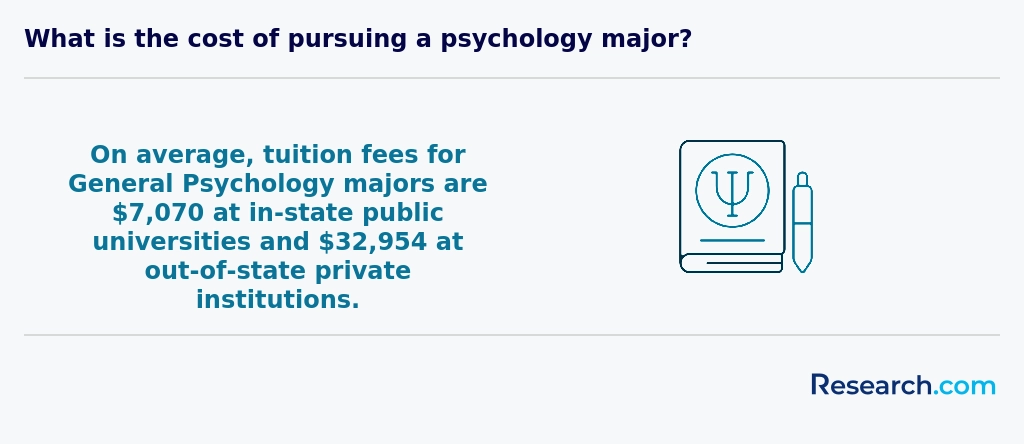
The average cost of a psychology degree in Utah varies significantly depending on the type of institution and residency status. For in-state students attending public universities like the University of Utah or Utah State University, the median total cost is around $6,962. Many graduates recall feeling a sense of relief knowing they could pursue their studies without overwhelming financial burdens, thanks to the advantage of in-state tuition rates. Meanwhile, students at private colleges such as Westminster College often face higher tuition fees, sometimes exceeding $30,000 per year, making the total degree cost considerably greater.
Utah psychology degree tuition and fees at public institutions tend to be more accessible, attracting students from various backgrounds eager to engage deeply with their coursework and clinical experiences. They often mention the support networks and scholarship opportunities that help balance academic expenses, allowing them to focus on their passion for psychology. Graduate programs, on the other hand, may increase costs, especially for out-of-state students, but they also provide invaluable hands-on training and career advancement possibilities.
Prospective students should explore affordable psychology programs in Utah to identify options that align with both their educational goals and financial capabilities. By researching program specifics, including tuition and available financial aid, you can envision a realistic pathway to attaining your degree without undue stress, reflecting a positive, forward-thinking approach to education investment.
Licensure Requirements for Psychology Graduates in Utah
Earning a psychology degree is just the first step toward practicing in Utah-state licensure ensures that professionals meet rigorous standards for education, supervision, and ethical practice. To become a Licensed Psychologist in Utah, graduates must: 1. Education - Hold a doctoral degree (PhD or PsyD) in psychology from an APA-accredited program, or an equivalent graduate degree in counseling psychology approved by the Utah Division of Occupational and Professional Licensing (DOPL). 2. Supervised Experience - Complete at least 4,000 hours of supervised professional practice, including a minimum of 1,500 hours of direct client contact. - Supervision must be provided by a DOPL-approved supervisor and documented in quarterly progress reports. 3. Examinations - Pass the Examination for Professional Practice in Psychology (EPPP) with a score meeting Utah’s minimum passing standard. - Pass the Utah Jurisprudence Examination, which covers state laws, rules, and ethical guidelines governing psychological practice. 4. Application and Fees - Submit a licensure application through DOPL, including official transcripts, supervision logs, and examination scores. - Pay application, examination, and initial licensure fees as specified on the DOPL website. 5. Continuing Education - Maintain licensure by completing 40 hours of continuing education every two years, with at least six hours in ethics, and renew through DOPL before the license expiration date. Aspiring psychologists should also evaluate program costs and financial aid options carefully. For comparative insights into affordability and to explore out-of-state alternatives, consider our Most Affordable Psychology Degree Programs Ranking in Pennsylvania, which highlights budget-friendly pathways without compromising quality.
What financial aid is available to psychology degree students in Utah?
Students pursuing psychology degrees in Utah often find robust financial aid options that make their education more attainable. Graduates from the University of Utah recall how Pell Grants, sometimes reaching up to $7,395, eased their tuition burden, allowing them to focus more on studies and less on finances. Many have also benefited from federal student loans with manageable interest rates, helping cover remaining expenses after scholarships.
State programs like the Utah Educational Assistance Program (UEAP) have been essential for residents attending schools such as Brigham Young University, providing need-based grants that directly reduce costs. Additionally, the Utah Educational Savings Plan (UESP) encourages families to plan ahead, offering tax advantages that students appreciate when enrolling in psychology programs.
Institutional scholarships at Utah universities often reward academic merit or leadership, offering psychology students valuable support. Some students share how working part-time through federal work-study programs integrated with their campus life, giving practical experience while offsetting costs. Professional organizations, including local American Psychological Association chapters, add another layer of financial support, fostering a hopeful and exciting path toward completing a psychology degree in Utah.
Alternative Paths and Licensing for Mental Health Careers
While traditional psychology degree programs offer a comprehensive foundation, many aspiring professionals explore alternative routes to enter the mental health field. For individuals who are passionate about helping others but may not wish to pursue a full psychology degree, various certification programs, apprenticeships, and licensing options can provide viable career paths. These programs often focus on practical skills, such as counseling techniques, crisis intervention, and behavioral management, which are crucial in real-world mental health settings. Many states have flexible guidelines that allow practitioners to work in therapeutic roles with certifications or alternative credentials. For instance, some pathways enable you to become a licensed counselor or therapist after obtaining a related bachelor’s or associate degree, supplemented by post-graduate certification courses. This option can be especially appealing for those seeking to enter the field quickly and affordably. For guidance on non-traditional education tracks, you might consider exploring resources on how to become a therapist without a psychology degree. These resources provide detailed insights into the step-by-step processes, state-specific licensing requirements, and the benefits of pursuing alternative credentials in mental health. Moreover, this evolving landscape emphasizes the importance of obtaining practical experience through internships, volunteering, and mentorship programs. Networking with established professionals, attending workshops, and joining professional associations can further enhance job readiness and career progression. By understanding and leveraging these alternative routes, aspiring mental health professionals can tailor their educational journey to align with both their career goals and personal circumstances.
What are the prerequisites for enrolling in psychology degree program in Utah?
To enroll in psychology degree programs at Utah's universities like the University of Utah or Utah State University, students generally need a high school diploma or GED, combined with solid grades in core subjects. Many graduates recall how their strong foundation in English and science made tackling challenging courses like Research Methods in Psychology much more manageable. While some schools have shifted toward test-optional admissions, a good GPA still opens doors, especially at competitive programs.
Looking ahead, psychology students often find that completing prerequisites such as Introduction to Psychology, Statistics for Social Sciences, and Biological Psychology is essential. These courses prepare them for the analytical and scientific demands of advanced study. Graduates from Utah colleges frequently describe how internships or volunteering in community mental health centers gave them confidence and real-world insight, making their studies more meaningful and emotionally rewarding.
As programs evolve, Utah's psychology degree prerequisites may increasingly emphasize practical experience alongside academic credentials, reflecting a future where hands-on skills complement rigorous coursework.
Licensure and Certification Pathways for Psychologists in Utah
Earning a psychology degree is only the first step toward practice-becoming a licensed psychologist in Utah involves a structured pathway regulated by the Utah Division of Occupational and Professional Licensing (DOPL). First, graduates must complete a doctoral degree in psychology from an accredited institution, followed by at least 2,000 hours of supervised professional experience (SPE) under a DOPL-approved supervisor. This SPE must include a minimum of 1,500 hours of direct client contact in assessment, diagnosis, and treatment. Next, candidates must pass the Examination for Professional Practice in Psychology (EPPP), administered by the Association of State and Provincial Psychology Boards (ASPPB), and Utah’s jurisprudence exam, which assesses knowledge of state-specific laws and ethical standards. Upon successful completion, applicants submit their SPE verification and exam scores to DOPL for licensure issuance. After licensure, psychologists in Utah must complete 40 hours of continuing education every two years, including mandatory ethics and cultural competence units, to maintain their license in good standing. For those exploring cost-effective educational routes before beginning this process, it’s helpful to review our Most Affordable Psychology Degree Programs Ranking in Pennsylvania as a benchmark for evaluating program value. Whether aiming for clinical practice, school psychology, or industrial–organizational roles, understanding these licensure requirements ensures a seamless transition from academic studies to professional practice, safeguarding both public welfare and your career trajectory.
What courses are typically in psychology degree programs in Utah?
Students pursuing psychology degrees in Utah typically immerse themselves in courses that cover foundational topics like behavior, cognition, and mental health, rooted in guidelines from the American Psychological Association. Graduates from universities such as the University of Utah often describe their experience with research methods and statistics as eye-opening, since these classes sharpen critical thinking and prepare them to analyze real-world data effectively.
Specialized courses like developmental psychology, social psychology, and neuroscience bring theories to life, helping students understand human growth or the biological underpinnings of behavior. For instance, a student studying biopsychology might recall observing brain imaging labs that reveal how emotions influence decision-making-an inspiring hands-on moment frequently highlighted in Utah's curriculum.
Many students feel energized by electives in areas like industrial-organizational psychology or health psychology, allowing them to tailor their studies toward future careers. Internship opportunities integrated into degree programs at colleges across Utah deepen this connection, providing practical experience and a sense of accomplishment that fuels passion for helping others.
What types of specializations are available in psychology degree programs in Utah?
Students pursuing psychology degree specializations in Utah often find vibrant options tailored to their interests and career goals. Graduates from popular universities like the University of Utah and Utah State University share how specializing in Clinical Psychology gave them meaningful experiences working on mental health cases, while those who chose Counseling Psychology found deep fulfillment helping communities navigate emotional challenges. These programs embrace future trends by incorporating telehealth techniques and digital therapy tools, engaging students in cutting-edge practices.
Other common specializations include School Psychology, where students learn to support K-12 environments, and Industrial-Organizational Psychology, focusing on enhancing workplace dynamics-an area growing rapidly in response to increased attention on employee well-being. For students curious about forensic applications, Utah's programs also offer Forensic Psychology tracks rich with real-world application.
Exploring your options often involves weighing program availability, and financial factors unique to Utah. Some graduates recommend exploring how to become a therapist without a psychology degree as an alternative pathway. With Utah psychology degree program options evolving, the future looks bright for passionate students ready to make an impact.
How do you choose the best psychology degree in Utah?
Choosing the best psychology degree programs in Utah means looking beyond tuition costs and considering how a program fits your future. Graduates from the University of Utah often share enthusiasm about their school's APA-accredited curriculum, which opened doors to licensure and clinical practice. Meanwhile, students at Utah State University appreciate flexible schedules that allow them to balance work and study through evening or online classes. Imagining yourself thriving in such environments-whether immersed in research projects or gaining hands-on experience at local mental health clinics-can help clarify your priorities.
Affordability is essential but should align with quality and career goals. Those seeking affordable psychology colleges Utah can explore programs that still offer strong faculty mentorship and internship opportunities. For graduate-level students, it's worth checking options like the most affordable masters in psychology online to reduce financial strain while advancing your expertise.
Look at programs' graduation and licensure rates to predict your success and envision the supportive community you want around you. By considering these factors thoughtfully, your choice can pave the way for a rewarding career in Utah's evolving psychology landscape.
What career paths are available for psychology degree students in Utah?
Graduates with a psychology degree in Utah find that their career paths are both versatile and promising. From clinical roles in hospitals and private practices to positions in schools or corporate environments, the range of options continues to expand as mental health awareness grows statewide. Many graduates from popular universities in Utah describe their excitement about pursuing licenses as clinical psychologists or counselors, where their work actively supports community well-being in tangible ways.
Emerging trends show increasing opportunities in industrial-organizational psychology, especially in Utah's burgeoning tech and education sectors, where graduates apply psychological principles to boost employee morale and productivity. Non-clinical roles like research or academia also attract those who enjoy studying human behavior and contributing to emerging knowledge. For students comparing programs, preferring affordability alongside quality can lead to choices such as those highlighted in the Most Affordable Psychology Degree Programs Ranking in Pennsylvania, which inspires Utah students to consider cost-effective educational routes with strong career outcomes.
These Utah psychology job opportunities allow for meaningful careers that combine personal fulfillment with impact, whether graduates enter mental health counseling, school psychology, or social work. With tuition ranges affordable for in-state students, many envision their future with optimism, knowing that advanced degrees unlock even broader prospects in the state's supportive professional climate.
What is the job market for psychology degree in Utah?
Graduates with a psychology degree in Utah are witnessing a notably positive shift in the job market, consistently supported by growing demand and emerging careers. Utah's expanding healthcare and educational sectors provide numerous psychology degree employment opportunities, from clinical roles in Salt Lake City to community-based counseling in Provo. Many graduates find satisfaction working directly with diverse populations in government agencies or private practices, where rising awareness of mental health increases their impact daily.
At popular institutions like the University of Utah and Brigham Young University, students describe gaining practical experience through internships that align with the Utah Department of Workforce Services projection of 15% job growth between 2022 and 2032. This outlook encourages optimism among recent graduates entering fields such as behavioral health and educational psychology. The relatively affordable tuition compared to national averages makes pursuing these degrees even more appealing, especially when balancing cost with promising job prospects.
For those weighing alternatives, exploring best paying 6 month online certifications can complement traditional degree paths, accelerating entry into Utah's competitive mental health workforce. Overall, the psychology job outlook in Utah remains bright for ambitious students ready to engage with the state's evolving needs.
Frequently Asked Questions About psychology
Psychology degree students in Utah can enhance their learning experience by engaging in practical internships and research opportunities offered by universities and local organizations. Many Utah institutions, including the University of Utah and Utah State University, collaborate with clinics and community programs, providing students hands-on experience. According to the Utah System of Higher Education, nearly 60% of psychology students participate in internships before graduation, which helps develop critical skills and professional networks.
Students should also take advantage of state psychology associations and events to connect with experts and stay updated on current developments. Joining study groups and attending workshops further supports academic success.
Emerging niches within the psychology field reflect evolving social and technological trends. In Utah, practitioners increasingly focus on telepsychology, utilizing digital platforms to provide therapy and counseling, which grew notably during and after the COVID-19 pandemic. According to the Utah Department of Workforce Services, demand for mental health professionals in rural areas has accelerated this shift.
Another growing area is neuropsychology, where professionals study brain-behavior relationships to help patients with injuries or neurological conditions. Utah's aging population boosts need for specialists in this field.
Additionally, industrial-organizational psychology is expanding, as Utah businesses seek experts to improve employee well-being and productivity. Data from the U.S. Bureau of Labor Statistics highlights a 10% growth in this sector over the next decade nationwide.
Preparing for the job market after earning a psychology degree in Utah involves several key steps. Students should seek internships and practicum opportunities during their studies to gain practical experience, which is highly valued by employers. Utah has a growing demand for mental health professionals, with the Utah Department of Workforce Services projecting a 15% increase in psychology-related jobs by 2030. Networking through local psychology associations, such as the Utah Psychological Association, can help graduates connect with potential employers and mentors. Additionally, pursuing relevant certifications and considering graduate education enhances job prospects in competitive areas like clinical and counseling psychology.
Employers in Utah seek psychology graduates with strong critical thinking and analytical skills. These abilities are essential for interpreting research and applying psychological theories in real-world settings.
Communication skills are highly valued, as professionals must effectively convey findings to clients, colleagues, or in clinical environments. The Utah Department of Workforce Services highlights that interpersonal skills improve client engagement and treatment success.
Additionally, familiarity with research methods and statistical analysis is important. Mastery of software like SPSS or R is often preferred for data management, reflecting trends seen in psychology job postings across Utah.
Ethical judgment and cultural competence also stand out due to Utah's diverse population and strict licensing standards for psychologists.
Finding internships in Utah relevant to a psychology degree involves utilizing local resources and institutions dedicated to mental health and research. Many Utah universities, such as the University of Utah and Brigham Young University, offer internship placement assistance through their psychology departments. These programs often connect students with clinical, counseling, and research opportunities.
In addition to university programs, students can search for internships through the Utah Division of Substance Abuse and Mental Health or local hospitals like Intermountain Healthcare. According to the Utah Department of Workforce Services, psychology-related internships in the state have grown by 8% annually over the past five years, signaling increasing opportunities.
Networking at professional psychology associations in Utah, including the Utah Psychological Association, is another effective way to find internships that provide hands-on experience crucial for licensure and career advancement.
A psychology degree in Utah can significantly enhance career mobility and advancement, particularly in mental health, education, and social services sectors. According to the U.S. Bureau of Labor Statistics, Utah's employment for psychologists is projected to grow faster than the national average through 2030, indicating strong local demand.
Graduates with a bachelor's or master's degree often find roles in counseling, human resources, or social work, while a doctorate is typically required for licensed clinical psychologist positions. Additionally, Utah's expanding healthcare industry and emphasis on behavioral health create new leadership opportunities for those with advanced psychology credentials.
Networking through Utah-based institutions and professional organizations also plays a crucial role in career progression, facilitating connections that can lead to promotions or specialized roles.
Studying for a psychology degree in Utah offers a strong foundation for interdisciplinary roles by integrating knowledge from related fields such as sociology, education, and health sciences. Utah's universities emphasize collaboration, allowing students to participate in research projects that combine psychology with public health or social work. According to the Utah State Board of Higher Education, programs encourage cross-departmental coursework to broaden skill sets crucial for diverse careers.
Students gain practical experience through internships in settings like hospitals, schools, and community organizations. This exposure helps develop versatile skills in communication, data analysis, and behavioral assessment, which are important in interdisciplinary teams. Utah's growing focus on mental health services boosts demand for professionals who understand multiple perspectives in care and policy development.
When choosing between a thesis and a non-thesis psychology degree program in Utah, consider your career goals carefully. A thesis program emphasizes original research and is ideal if you plan to pursue a PhD or a career in research or academia. Many Utah universities, including the University of Utah and Utah State University, offer thesis options within their psychology graduate programs.
Conversely, non-thesis programs focus more on practical skills and coursework, preparing students for applied roles such as counseling or human services. These programs often require a comprehensive exam or project instead of a thesis.
According to the Bureau of Labor Statistics, Utah's demand for mental health professionals is expected to grow by 20% through 2030, highlighting the need for practical training. Review program requirements and align them with your long-term plans to make a well-informed choice.
Students based in Utah who wish to study psychology abroad have several pathways through US university programs with international partnerships. Many institutions in Utah, such as the University of Utah, offer study abroad programs that include psychology coursework in countries like the United Kingdom, Australia, and Germany. These programs allow students to earn credits that transfer back to their degree in Utah.
Additionally, Utah students can pursue psychology degrees through exchange programs affiliated with the Utah System of Higher Education. According to the Institute of International Education's Open Doors Report, about 15% of Utah college students participate in study abroad each year, some focusing on psychology-related disciplines.
The Utah Higher Education Coordinating Board encourages students to work with academic advisors to ensure courses taken abroad meet degree requirements, supporting seamless credit transfer and maintaining progress in psychology majors.
Students pursuing psychology degrees in Utah can benefit from various part-time job opportunities that align with their academic goals. Roles such as mental health technician, research assistant, or behavioral health aide provide practical experience. These positions allow students to apply theoretical knowledge in settings like hospitals, universities, or community health centers.
According to the Utah Department of Workforce Services, healthcare support roles, including psychiatric aides, are projected to grow by 12% from 2020 to 2030, reflecting a strong demand for psychology-related skills. Additionally, research assistant positions at universities such as the University of Utah offer students involvement in ongoing psychological studies.
These jobs not only build relevant experience but also improve resume strength for future graduate programs or licensure requirements in Utah's psychology field.
Psychology students in Utah have access to diverse networking opportunities that can enhance their academic and professional growth. Universities such as the University of Utah and Brigham Young University host events, seminars, and workshops where students can meet faculty experts and practicing psychologists. These institutions often partner with local clinics and hospitals for internships, offering practical connections in real-world settings.
Professional organizations like the Utah Psychological Association provide students with membership options, enabling them to attend conferences and connect with licensed professionals statewide. According to the Utah Department of Workforce Services, active networking can increase job placement rates in Utah's growing mental health sector.
Alumni networks offer significant advantages for psychology degree students in Utah. These networks connect current students with graduates working across diverse fields such as clinical psychology, counseling, and research. According to the Utah Division of Occupational and Professional Licensing, psychology professionals in Utah benefit from strong local connections, which alumni networks help foster.
Through mentoring programs and networking events, alumni provide guidance on internships, licensing requirements, and career opportunities. For example, the University of Utah's psychology alumni association organizes job fairs and workshops, enhancing students' employability.
Furthermore, these networks can facilitate introductions to licensed supervisors essential for Utah's psychology licensure process, a critical step for aspiring psychologists in the state.
Customizing your psychology degree program in Utah allows you to align your education with specific career goals. Many Utah universities offer elective courses or specializations in areas like clinical, counseling, or industrial-organizational psychology. This flexibility enables you to develop expertise relevant to your desired job.
You can often select internships or research projects tailored to your interests, providing hands-on experience in local settings. According to the Utah System of Higher Education, about 60% of psychology students engage in internships to boost employability.
Additionally, some programs include options for dual degrees or certificates, such as behavioral health or social work, broadening your professional scope. Always consult academic advisors to ensure your course choices meet licensure and industry requirements in Utah.
Psychology students in Utah often encounter several challenges during their studies. One major issue is balancing rigorous coursework with clinical practicum requirements, which demand significant time and emotional commitment. According to the Utah Division of Professional Licensing, gaining supervised clinical hours is essential for licensure but can be difficult to schedule alongside classes.
Another challenge involves limited internship opportunities within the state, especially in rural areas, which affects hands-on experience. Additionally, financial barriers are common, as the average annual tuition for psychology programs in Utah ranges from $8,000 to $15,000 depending on the institution, according to the Utah System of Higher Education.
Students also report difficulty in accessing mental health resources on campus, which is crucial given the emotional toll of studying human psychology.
With a psychology degree in Utah, graduates can pursue several professional certifications to enhance their careers. One widely sought certification is the Licensed Professional Clinical Counselor (LPCC), allowing individuals to provide mental health services under Utah's Division of Occupational and Professional Licensing. Another key certification is the Licensed Psychologist credential, which requires a doctoral degree, supervised experience, and passing the Examination for Professional Practice in Psychology.
Additional certifications include Certified Alcohol and Drug Counselor (CADC), relevant due to Utah's focus on substance abuse treatment. National certifications like the Certified Rehabilitation Counselor (CRC) can also benefit Utah psychologists working in vocational rehabilitation.
These certifications require specific education, supervised hours, and exams. According to the Utah Department of Workforce Services, psychology-related counseling jobs are expected to grow by 14% through 2030, increasing the importance of certifications.
Writing a winning application for a psychology program in Utah requires careful preparation and attention to detail. Start by researching schools thoroughly to align your interests with their specialties, such as clinical or counseling psychology. Utah's Department of Workforce Services notes a growing demand for psychologists, boosting competition for spots.
Highlight your academic achievements, especially strong performance in psychology and related sciences. Include relevant volunteer or work experience to demonstrate commitment. Craft a clear, focused personal statement explaining why you want to study psychology in Utah and how you plan to contribute to the field.
Request letters of recommendation from professors or professionals familiar with your skills. Finally, prepare for any required tests like the GRE, as some Utah programs still consider scores in admissions.
The field of psychology is increasingly recognized worldwide for its vital role in understanding human behavior and improving mental health. In the United States, including Utah, psychology careers benefit from a strong foundation in research, clinical practice, and applied fields such as counseling and organizational psychology. According to the U.S. Bureau of Labor Statistics, employment of psychologists is projected to grow by 8% from 2021 to 2031, reflecting global demand.
Internationally, psychology's scope varies by country, influenced by cultural, regulatory, and healthcare differences. For a Utah student, understanding these global variations is important if considering work or study abroad. American psychology degrees, accredited by the APA, often carry strong international recognition, enhancing career mobility.
Utah boasts reputable psychology programs that incorporate global perspectives while addressing local community needs. These programs align with U.S. standards yet expose students to multicultural and international research trends, preparing graduates for diverse career paths.
Gaining practical experience while studying for a psychology degree in Utah is essential for career readiness. Many universities encourage students to pursue internships in hospitals, counseling centers, or social service agencies throughout the state. For instance, the Utah Department of Health offers internship programs focused on mental health services.
Field placement opportunities often count toward degree requirements and help students build professional networks. Students can also volunteer with organizations like the Utah Psychological Association, which supports experiential learning.
Additionally, research assistant positions at Utah's universities provide hands-on experience with psychological studies, which is valuable for those considering graduate school.
Choosing the right concentration within a psychology degree program in Utah involves aligning your interests with local career opportunities and educational strengths. Key areas include clinical psychology, counseling, and developmental psychology, each addressing different aspects of human behavior and mental health.
Consider Utah's growing demand for mental health professionals, especially in rural areas, highlighted by the Utah Department of Workforce Services. Concentrations like clinical and counseling psychology often lead to licensure and roles in therapy or assessment.
Additionally, research-oriented students may focus on cognitive or social psychology, supported by programs at the University of Utah and Utah State University.
Review program curricula and internship options to ensure practical experience that matches your career goals.
Related Psychology Rankings for Nearby States
- 2027 Most Popular Psychology Degree Programs Ranking in Nevada
- 2027 Most Popular Psychology Degree Programs Ranking in Arizona
- 2027 Most Popular Psychology Degree Programs Ranking in Idaho
- 2027 Most Popular Psychology Degree Programs Ranking in Colorado
- 2027 Most Popular Psychology Degree Programs Ranking in New Mexico
- 2027 Most Popular Psychology Degree Programs Ranking in California
- 2027 Most Popular Psychology Degree Programs Ranking in Washington
- 2027 Most Popular Psychology Degree Programs Ranking in North Dakota
- 2027 Most Popular Psychology Degree Programs Ranking in Oklahoma
- 2027 Most Popular Psychology Degree Programs Ranking in Minnesota
Top Trending Psychology Rankings
See What Experts Have To Say About Studying Psychology
Read our interview with Psychology experts

Robin M. Kowalski. Ph.D.
Psychology Expert
Professor of Psychology
Clemson University

Catherine Caldwell-Harris, Ph.D.
Psychology Expert
Associate Professor of Psychology
Boston University

Joann Farrell Quinn, Ph.D., MBA
Psychology Expert
Director at the College of Medicine Department of Medical Education
Morsani College of Medicine

References
- Why Get a Psychology Degree Online? | University of Bridgeport https://www.bridgeport.edu/news/reasons-to-get-your-psychology-degree-online/
- Best 20+ Utah Psychology Degrees Updated for 2025, Online Included https://www.psychologydegrees.org/state/utah
- Sample letters in psychology https://www.mystudies.com/en-in/human-and-social-sciences/psychology/letter-model/
- Ontario Psychological Association - Networking and Community Resources https://www.psych.on.ca/become-a-member-(1)/member-services/networking-and-community-resources
- Have You Found a Niche? https://www.apaservices.org/practice/business/marketing/building/niche
- Utah Psychological Association - Scholarship Fund https://utpsych.org/page-18255
- How To Find Psychology Internships https://www.psychology.org/resources/how-to-find-an-internship/
- Utah Online Psychology Degree Programs https://www.onlinepsychologydegrees.com/states/utah/
- Alumni Network - https://efpsa.org/alumni-network/
- Staying connected, made simple: how associations and alumni networks grow with Socie - Socie App https://socie.eu/staying-connected-made-simple-how-associations-and-alumni-networks-grow-with-socie/


