2027 Best Speech Pathology Degree Programs Ranking in Rhode Island
Audited and Verified:
Our Editorial and Data Verification Process
Research.com uses government datasets, official education statistics and primary institutional information to support its career and degree guides. Our review process checks factual accuracy, occupational definitions, source dates and the requirements associated with the credentials discussed.
How This Article Was Fact-Checked
Our editorial team verifies salary estimates, employment projections, education requirements and program information against original data providers and official organizations. Salary figures are checked against the relevant occupational definitions and reporting periods. Information about licensure, accreditation and required in-person training is reviewed separately.
Fact-checked and verified on:

Co-Founder and Chief Data Scientist

Reviewed by Rhea Paul, PhD
SLP Education & Research Expert
Choosing the right speech pathology degree program is a big step toward a fulfilling career in Rhode Island. This article introduces the 2027 Best Speech Pathology Degree Programs Ranking in Rhode Island, carefully developed by the Research.com team of data scientists.
Designed to help you make informed decisions, the ranking highlights programs that stand out for quality and value. Pursuing a speech pathology degree opens doors to meaningful work supporting others through communication challenges.
Explore the options with confidence and take an important step toward your future in this rewarding field.
Key benefits of getting speech pathology degree in Rhode Island
- Salary potential: Graduates with a speech pathology degree can expect rewarding salaries, such as a Speech Therapist earning around $96,790 annually or a Speech-Language Pathology Assistant making approximately $47,010 per year.
- Career paths: A degree opens doors to roles like Speech Therapist, Clinical Research Coordinator, or Community Outreach Coordinator, offering diverse and meaningful opportunities in healthcare and education within Rhode Island.
- Online degree benefits: Completing a speech pathology degree online provides flexibility to balance work and study, making it easier to earn while learning, as shown by graduates from popular Rhode Island universities offering online programs.
- 2027 Best Speech Pathology Degree Programs Ranking in Rhode Island
- What can I expect from speech pathology degree in Rhode Island?
- Where can I work with speech pathology degree in Rhode Island?
What can I expect from speech pathology degree in Rhode Island?
When it comes to the cost of getting a speech pathology degree in Rhode Island, you're looking at a range that really depends on where you study. For example, graduates from popular local schools share that tuition can vary quite a bit-from around $15,000 per year at some colleges to closer to $30,000 at others. It might sound like a lot, but many students find this a worthwhile investment given the hands-on clinical experiences and strong accreditation these programs offer.
One grad talked about how these programs include supervised practicum hours right at community clinics or schools nearby, which made learning feel real and exciting-not just textbook stuff. Plus, several students mention how scholarships, financial aid, and assistantship opportunities helped ease the financial load, making the dream of becoming a speech pathologist feel even more achievable.
All in all, Rhode Island's balance of solid education quality and financial support gives students a great shot at success without breaking the bank.
Where can I work with speech pathology degree in Rhode Island?
If you're studying speech pathology in Rhode Island, you'll find plenty of places to start your career right after graduation. Many grads from schools like the University of Rhode Island land jobs at local hospitals, helping patients who are recovering from strokes or surgeries regain their ability to communicate. Picture working at a busy medical center where every small improvement a patient makes feels like a huge win-it's pretty rewarding.
Others find themselves in K-12 schools across Rhode Island, supporting kids who struggle with speech or language issues. Graduates often share how fulfilling it is to help a shy child finally speak up in class or make new friends thanks to improved communication skills. Plus, the state's focus on early intervention means schools are always on the lookout for enthusiastic speech pathologists.
Rehab centers and nursing homes are another common spot. Many graduates have stories about working with elderly patients who regain their ability to swallow safely or express themselves better, creating moments that really stick with you.
And don't overlook private practice or telepractice-these growing fields give you the chance to shape your own schedule and work remotely, especially since telehealth has taken off in Rhode Island. It's a flexible path that many grads find exciting and empowering.
If you're wrapping up a speech pathology degree in Rhode Island, you can expect some pretty solid earnings. Graduates often step into roles like Speech Therapists, where the average annual wage is around $96,790, according to the latest stats. That's well above the national average and means your hard work really pays off locally.
Many Rhode Island grads working in hospitals or healthcare settings see starting salaries in the $65,000 to $75,000 range, which feels pretty encouraging when you think about settling into your first job. Those who studied at well-known programs at places like the University of Rhode Island or Rhode Island College often share how their clinical experiences helped boost their confidence - and that can translate into better job offers.
If you take a path toward becoming a Speech-Language Pathology Assistant, the pay averages around $47,010 annually, which is a good foot in the door while building experience. Plus, the benefits in public jobs, like health insurance and retirement plans, add even more value to what you take home.
- Speech pathology degrees in Rhode Island are offered at bachelor's and master's levels, with a master's degree typically required for certification.
- The average annual tuition for speech pathology master's programs ranges from $20,000 to $35,000, excluding additional fees and living costs.
- Entry-level salaries for speech pathologists in Rhode Island are about $60,000 per year, increasing to around $85,000 with experience and certifications.
- The job growth rate for speech-language pathology nationwide is projected at 16% through 2031, reflecting strong demand in Rhode Island.
- Licensure requires an accredited degree, a supervised clinical fellowship, and passing the national ASHA exam.
Getting your speech pathology degree in Rhode Island usually takes about six years total. Most students start by earning a bachelor's degree, often in related fields like communication sciences, which takes around four years. Lots of grads from schools like the University of Rhode Island share how that undergrad time really helped them build a solid foundation, even if there wasn't a specific speech pathology major. Then comes the exciting part - the master's degree in speech-language pathology, which typically adds another two years.
During those two years at a place like Rhode Island College, students dive into both coursework and hands-on clinical experience. Graduates often talk about how the 400+ supervised clinical hours required by ASHA gave them real confidence working with clients. Plus, after finishing the master's, getting licensed includes a nine-month clinical fellowship and passing the Praxis exam, so you're not just studying; you're actually preparing for a rewarding career helping people communicate better.
Investing in a speech pathology degree can deliver strong career and financial benefits. Key ROI metrics to consider:
- Total program cost: $30,000–$90,000 for a Master’s in Speech-Language Pathology (60–76 credits)
- Average starting salary: $60,000–$75,000; mean annual wage for licensed SLPs in Rhode Island is about $92,800
- Estimated payback period: 4–7 years based on average earnings and typical student loan rates
- Long-term earning potential: 18% job growth over the next decade supports steady salary increases
For cost-effective alternatives, explore affordable speech pathology graduate programs in florida.
If you're thinking about a speech pathology degree in Rhode Island, the biggest difference between online and on-campus programs is how you experience learning. On-campus at places like the University of Rhode Island, students love the hands-on vibe-being able to chat face-to-face with professors and classmates really helps, especially during clinical hours. Imagine getting real-time feedback while working in university clinics or nearby hospitals; that's a huge confidence booster for many grads.
Online programs offer more flexibility, which is perfect if you're juggling work or family. You get lectures and assignments digitally, so you can study from anywhere in Rhode Island (or beyond). But the real-world clinical practice still happens in person, meaning you'll arrange to complete hours at approved local sites. Many graduates appreciate how this mix lets them stay rooted at home without missing out on quality training.
Plus, online students often speak highly of virtual career fairs and mentorship programs tailored to Rhode Island's health community, which helps you build connections without stepping on campus. It's really about matching your lifestyle and learning style with the right setup.
Prospective Speech Pathology students in Rhode Island must navigate a structured application process that ensures readiness for graduate-level study. To maximize your chances of acceptance, follow these key steps and deadlines: 1. Bachelor’s Degree and Prerequisite Coursework - Must hold a bachelor’s in Communication Sciences and Disorders or a related field. - Complete foundational courses in anatomy, linguistics, psychology, and statistics with a minimum cumulative GPA of 3.0. 2. Standardized Tests and Observation Hours - Some programs require the GRE; verify with each institution’s graduate admissions office. - Accumulate 25–50 supervised observation hours in clinical or school settings to demonstrate commitment. 3. Supporting Documents - Personal Statement: 500–750 words outlining your passion for speech pathology and career goals. - Letters of Recommendation: Two to three academic or professional endorsements, preferably from faculty or clinical supervisors. - Official Transcripts: Sent directly from all postsecondary institutions. 4. Application Deadlines - Fall Admission: December 1 – February 1 (rolling deadlines may apply). - Spring Admission: September 1 – October 15 (limited availability). 5. Interview and Notification - Selected applicants may be invited for an on-campus or virtual interview. - Admission decisions are typically released 4–6 weeks after the deadline. 6. Deposit and Enrollment - Upon acceptance, submit a nonrefundable enrollment deposit (usually $100–$250) by the specified deadline to secure your spot. For students balancing cost concerns with quality, exploring out-of-state options can be valuable-see our Low Cost Speech Pathology Degree Programs Ranking in Tennessee for alternative affordable pathways.
If you're curious about the average cost of a speech pathology degree in Rhode Island, here's the scoop. Most students pursuing this path at places like Rhode Island College or Brown University see total costs ranging roughly between $17,000 for in-state students up to about $51,000 if you're an out-of-state student. These numbers include tuition but keep in mind that additional expenses like textbooks, fees, and clinical practicum costs can add up. Many students recall juggling those clinical practicum travel costs alongside study loads, but they also emphasize how rewarding the hands-on experience is for their career growth in speech pathology.
Rhode Island College graduates often mention how the balanced in-state tuition makes earning their degree more manageable compared to pricier private institutions. On the flip side, attending a private university like Brown means investing more upfront but sometimes accessing cutting-edge resources and networking opportunities that can boost future earnings.
When thinking about Rhode Island speech pathology degree tuition fees, keep in mind these numbers reflect general trends, and individual costs can vary. Whether you're local or coming from out of state, it's smart to consider both tuition and extra living or clinical-related expenses. Many students find budgeting early helps them stay stress-free and focused on their studies.
For those wondering about career outcomes, it's worth checking out research.com for insights on the highest-paying speech pathology jobs and careers, which can really put your educational investment into perspective.
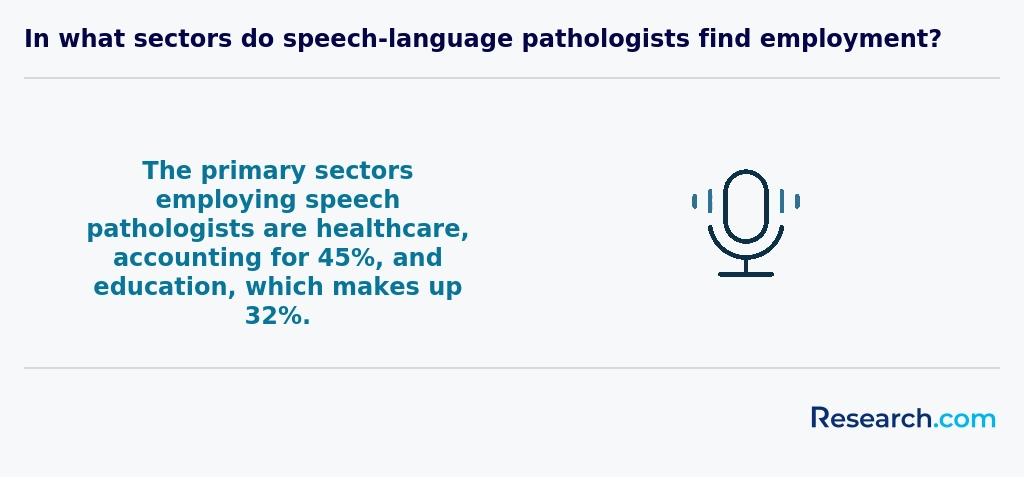
Continuing education is vital for speech-language pathologists in Rhode Island to maintain state licensure and demonstrate ongoing expertise. The Rhode Island Department of Health requires licensed SLPs to complete 30 professional development hours every two years, while ASHA-certified clinicians must earn 30 CEUs within a three-year cycle. Regular participation in workshops, webinars, and conferences ensures practitioners stay current with advances in assessment tools, therapeutic approaches, and telepractice protocols. Joining professional organizations such as the Rhode Island Speech-Language-Hearing Association (RISHA) and the American Speech-Language-Hearing Association (ASHA) offers access to exclusive CEU opportunities, mentorship programs, and networking events. Specialized certifications-like the Board Certified Specialist in Child Language (BCS-CL) or Fluency and Fluency Disorders (BCS-FD)-can further distinguish your credentials and open doors to leadership roles in schools, hospitals, or private practice. Many SLPs also pursue adjunct teaching positions or research collaborations at Rhode Island institutions to deepen their expertise and contribute to the field’s body of knowledge. For practitioners considering advanced degrees, exploring cost-effective online options can be a game-changer. Our guide to the most affordable online master’s in speech pathology highlights programs that combine rigorous curricula with flexible delivery, allowing you to balance work, CE requirements, and specialization coursework. Leveraging these resources and aligning your professional development with emerging industry standards will position you for long-term success and leadership in speech pathology.
If you're thinking about a speech pathology degree in Rhode Island, there's a good mix of financial aid to help ease the cost. Many students start by filling out the FAFSA to snag federal aid like Pell Grants if you're an undergrad, or Direct Unsubsidized and Grad PLUS Loans for grad students. These loans are pretty flexible and come with reasonable interest rates, which many graduates have found super helpful during tough semesters.
Living and studying here means you can tap into Rhode Island's own Student Incentive Grant (RISIG), which is a solid boost for in-state students attending local schools like the University of Rhode Island. Some grads have shared how RISIG made a big difference in keeping tuition manageable.
On top of that, universities around here offer assistantships-like teaching or research gigs-that not only give you hands-on experience but also cover tuition or throw in a stipend. Many who pursued speech pathology at URI found these assistantships to be a win-win, combining work and study smoothly.
Don't forget specialized scholarships through groups like ASHA, which spotlight awards specifically for speech pathology students. These can really brighten your budget if you catch the deadlines and meet the requirements.
Some students also mention employer tuition reimbursement or private loans, but those come with their own sets of rules. Still, the overall support available in Rhode Island makes going after that speech pathology dream feel a lot more doable.
To practice as a licensed Speech-Language Pathologist (SLP) in Rhode Island, you must meet specific education, exam and registration criteria.
- Earn a master’s in speech-language pathology from a CAA-accredited program.
- Complete at least 400 hours of supervised clinical practicum.
- Pass the Praxis Examination in Speech-Language Pathology with the required minimum score.
- Submit an application, official transcripts, exam scores and a criminal background check to the Rhode Island Department of Health.
- Renew your license every two years by completing 20 approved continuing education units.
Consider exploring slp online programs to find flexible, accredited pathways that align with these requirements.
If you're planning to dive into a speech pathology degree in Rhode Island, there are a few key prerequisites you'll want to keep in mind. Most students enrolling in programs-like the Master's in Communication Studies with a speech pathology concentration at the University of Rhode Island-need a bachelor's degree, but it doesn't have to be in speech or communication specifically. What really matters is having taken foundational classes such as biology, psychology, linguistics, and stats. These help you get a solid grip on how speech and hearing work.
Graduates often say that completing courses like anatomy and physiology of speech, phonetics, and speech science gave them a huge confidence boost before starting clinical work. Also, keep an eye on your GPA; most programs look for at least a 3.0. Some might ask for GRE scores, but that's becoming less common these days.
Many students share how writing a heartfelt statement of purpose and gathering strong recommendation letters, especially from professors or clinicians who know you well, really helped their applications stand out. Plus, getting some observation hours in a clinical setting before applying can make the whole experience feel real and exciting, not just theoretical.

Navigating the admissions process for a Speech Pathology program in Rhode Island can be challenging, but thoughtful preparation can set you apart. Start by researching each institution’s specific requirements and consider reaching out to current students or alumni for insider insights. Tailor your personal statement to highlight both your passion for the field and any relevant volunteer or work experience, as this provides context to your academic achievements. Securing strong letters of recommendation from professionals in communication sciences will also strengthen your application. Additionally, consider gaining hands-on experience through internships or observation hours; these experiences not only enhance your resume but also give you a clearer picture of your future career. For a comprehensive look at potential career earnings and job roles, you might explore details about what is the highest paying slp career to help guide your long-term goals. Finally, stay organized with your application materials, meet all deadlines, and continuously seek feedback on your essay drafts to ensure that every element of your application reflects your true potential.
If you're thinking about studying speech pathology in Rhode Island, expect to dive into some pretty interesting courses that really get you ready for the field. At popular schools here, students often talk about how classes like Anatomy and Physiology of the Speech and Hearing Mechanism give them a solid understanding of how everything works inside the body, which makes diagnosing easier later on. Other courses like Phonetics and Phonology help you learn the sounds of speech, making those tricky speech disorders less mysterious.
Graduates say thatHands-on classes like Assessment and Diagnostic Techniques are a favorite, because you get to practice working with real cases during your clinical practicum - something Rhode Island universities really focus on. You'll also cover Language Development, Speech Sound Disorders, and even Neuropathologies Affecting Communication. This mix of theory and practice makes you feel confident stepping into schools, hospitals, or private clinics around the state.
If you're looking into speech pathology specializations in Rhode Island, you'll find a bunch of focused options that really prepare you to make a difference. At schools like the University of Rhode Island, graduates often mention how they loved diving into areas like Child Language Disorders, where you help kiddos overcome communication hurdles early on-something super rewarding and eye-opening. Other popular paths include Adult Neurogenic Communication Disorders, which deals with helping adults recover speech after strokes or injuries, a real game-changer in hospitals and rehab centers.
Students also get excited about Augmentative and Alternative Communication (AAC), exploring cool tech and strategies for folks who can't speak traditionally. Some pick Fluency Disorders or Voice Disorders, where they train to treat stuttering or voice problems-skills useful in clinics or even with performers. The hands-on experiences Rhode Island programs offer make these specializations feel real and doable, boosting confidence for future jobs.
Since many students also juggle life, the option for virtual education adds flexibility, letting learners explore these focus areas on their own terms. If you want to stand out with Rhode Island speech pathology degree focus areas that match your passion, these specializations are a great place to start!
When picking the best speech pathology degree in Rhode Island, start by checking if the program is accredited by the Council on Academic Accreditation (CAA). Graduates from the University of Rhode Island often mention how vital this accreditation was for them to feel confident about their training and sit for licensure exams. Choosing a program with this seal of approval ensures you're on the right track for becoming certified.
Cost matters too-many RI students appreciate that public universities here often have lower in-state tuition, making affordable speech pathology degrees Rhode Island offers a smart choice if budget is tight. Plus, consider the program format; some grads share how attending a flexible program, maybe part-time or hybrid, made it easier to balance work and study. If a traditional setup isn't your style, it's worth checking options similar to full-time online physical education programs, but tailored for speech pathology.
Hands-on practice is a big deal. Programs in Rhode Island typically partner with local clinics and schools, so you'll gain real-world experience that graduates say really boosted their confidence and skills. Also, keep an eye on job placement trends-Rhode Island's growing demand for speech-language pathologists means you're stepping into a field with plenty of opportunity.
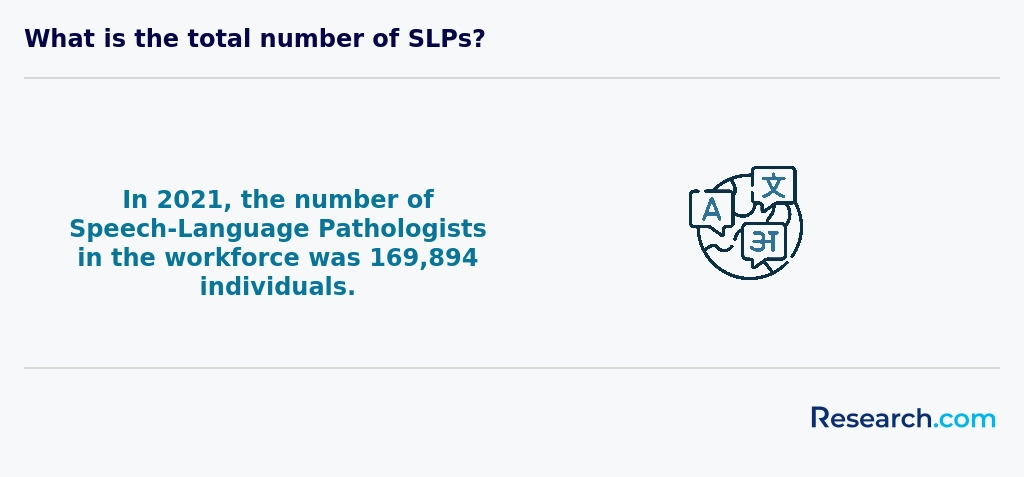
Graduates with a speech pathology degree in Rhode Island find plenty of career options that really match their passion for helping others. Many choose to work in public schools, where they support kids with speech or language challenges. It's pretty inspiring when grads from popular Rhode Island universities talk about how rewarding it feels to see their students make real progress. The steady demand in schools also means job security, which is a big plus for anyone starting out.
Others dive into healthcare settings like hospitals or rehab centers, helping patients recover speech and swallowing functions after events like strokes. Rhode Island's speech pathology job outlook shows these roles are steady and offer decent pay, which makes it a solid choice. Private practice is another great path where grads enjoy flexibility and can specialize in areas like pediatrics or geriatrics, tailoring their careers to what excites them most.
Plus, for those interested in pushing boundaries, Rhode Island's academic environment opens doors to research, advocacy, or tech innovation tied to speech pathology. Students also often combine their degree plans with accredited online courses for educators to expand their skills. This variety makes speech pathology careers in Rhode Island diverse and exciting.
The speech pathology job outlook Rhode Island grads face is pretty encouraging. If you're studying at popular schools like the University of Rhode Island or Rhode Island College, you'll find the local job market to be stable and full of chances to jump right in. Many graduates share stories about landing roles quickly in schools or healthcare settings because the demand here is real-especially in public schools supporting kids with speech needs or hospitals helping patients recover after injuries. The community feel in Rhode Island makes networking easier, so you often hear about private practices or early intervention programs offering flexible gigs too.
Rhode Island speech pathologist employment opportunities often come with good pay, with median wages slightly above the national average, which definitely helps when thinking about tuition costs at local schools. Plus, many grads find that healthcare jobs offer benefits and full-time security, which is a huge relief after finishing their studies. If you want to explore related roles, checking out child life specialist job opportunities can also open doors to working with kids in healthcare.
2027 Best Speech Pathology Degree Programs Ranking in Rhode Island
Investing in your education is a significant decision that can shape your future, and the Research.com team understands the importance of making informed choices. To assist prospective students in Rhode Island, we have meticulously compiled the "2027 Best Speech Pathology Degree Programs Ranking in Rhode Island." Our commitment to quality, credibility, and accuracy is reflected in the extensive research and thorough analysis undertaken to create this ranking.
We utilized the following reputable data sources to ensure a comprehensive evaluation of speech pathology programs:
By exploring this ranking, readers will gain valuable insights into the top speech pathology degree programs in Rhode Island, enabling them to make well-informed decisions about their educational future. For more details on our evaluation process, please visit our Research.com methodology page.
# 1 position
University of Rhode Island
Master of Science (M.S.) education program in Speech-language Pathology (residential)


Frequently Asked Questions About speech pathology
Speech pathology degree students in Rhode Island can enhance their learning by engaging deeply with clinical experiences offered through local hospitals and schools. Providence, home to several specialized healthcare facilities, provides valuable internships that complement academic coursework. Participating in these hands-on opportunities helps students apply theoretical knowledge in real-world settings.
Networking with licensed speech-language pathologists in Rhode Island can also offer mentorship and professional growth. Joining state chapters of national organizations, such as the American Speech-Language-Hearing Association (ASHA), provides access to workshops and resources tailored to the region's needs.
Additionally, students should utilize Rhode Island's libraries and online databases to stay current with emerging research and evidence-based practices. This commitment to continuous learning supports readiness for professional certification and licensure.
The field of speech pathology is evolving, with emerging niches that reflect broader healthcare and societal needs. One significant area gaining attention is telepractice, which has expanded access to speech therapy across Rhode Island, especially in rural or underserved communities. According to the American Speech-Language-Hearing Association (ASHA), telepractice utilization in the US increased by over 250% between 2019 and 2023.
Another growing niche is geriatric speech pathology, driven by Rhode Island's aging population. Therapists now often specialize in treating speech and swallowing disorders related to dementia and stroke rehabilitation.
Additionally, the integration of technology, including artificial intelligence in diagnostic tools, is shaping the future practices within this field.
After completing a speech pathology degree in Rhode Island, graduates should focus on obtaining state licensure, which is mandatory to practice professionally. The Rhode Island Department of Health requires candidates to hold a master's degree in speech-language pathology and pass the Praxis exam in this field. Additionally, students must complete a supervised clinical fellowship, typically lasting nine months, to gain practical experience.
Networking is crucial in the local job market; joining professional bodies like the Rhode Island Speech-Language-Hearing Association can provide job leads and support. According to the Bureau of Labor Statistics, Rhode Island expects a stable demand for speech pathologists, with median annual wages around $83,000.
Continuous education and certification in specialized areas may enhance employability and career advancement.
Employers in Rhode Island prioritize several key skills when hiring speech pathology graduates. Strong communication and interpersonal abilities are essential, as clinicians must interact effectively with diverse patients and families. Rhode Island's healthcare facilities also seek candidates with solid diagnostic skills to accurately assess speech and language disorders. Knowledge of evidence-based practices and proficiency in developing individualized treatment plans is highly valued.
According to the Rhode Island Department of Labor and Training, demand for speech-language pathologists is expected to grow by 21% through 2030, emphasizing the need for adaptable and culturally competent professionals. Additionally, graduates familiar with Rhode Island's Medicaid and education systems gain a competitive edge.
Finding internships in Rhode Island for speech pathology students involves connecting with local healthcare providers, schools, and universities. Many students gain practical experience through partnerships that universities have with hospitals and clinics, such as the Rhode Island Hospital and Hasbro Children's Hospital.
The Rhode Island Speech-Language-Hearing Association (RISHA) is a valuable resource. It regularly posts internship opportunities and networking events suited for speech pathology students.
Public school districts often offer placements for clinical experience required for certification. Contacting school districts directly or checking their websites can provide leads.
Additionally, many programs require a clinical fellowship year, often completed via supervised internships approved by the American Speech-Language-Hearing Association (ASHA). Rhode Island has about 370 certified speech-language pathologists, which supports diverse internship options.
A speech pathology degree plays a crucial role in career mobility and advancement within Rhode Island's healthcare and education sectors. Graduates with this credential are eligible for state licensure required to practice as speech-language pathologists, enhancing job opportunities. According to the Rhode Island Department of Labor and Training, the demand for speech pathologists is projected to grow by approximately 15% through 2030, reflecting strong job security and potential salary increases.
Holding a master's degree in speech pathology often leads to higher starting salaries and eligibility for specialized roles, such as working in hospitals, schools, or private practices. Advanced certifications can further improve prospects and professional development.
Studying for a speech pathology degree in Rhode Island equips students with skills essential for interdisciplinary collaboration. Programs in the state emphasize working alongside professionals like occupational therapists, educators, and healthcare providers. This approach reflects the real-world environments where speech pathologists support diverse populations.
Rhode Island's universities often integrate clinical placements that expose students to settings such as hospitals and schools. These experiences help develop teamwork and communication skills critical for interdisciplinary practice.
According to the Rhode Island Department of Labor and Training, demand for speech pathology professionals is growing, requiring adaptability within healthcare teams. Education programs respond by fostering a broad understanding of related fields.
When choosing between a thesis and a non-thesis speech pathology degree program in Rhode Island, students should consider their career goals and academic interests. A thesis program involves conducting original research and writing a detailed paper, which is ideal for those interested in pursuing a PhD or a career in research or academia. In contrast, a non-thesis option focuses more on coursework and practical skills, preparing students for immediate clinical work.
The Rhode Island Department of Education notes that clinical competence is crucial for state licensure and certification in speech-language pathology. Programs like the one at the University of Rhode Island often offer both options, enabling students to tailor their education.
Students should also consider time and financial investment, as thesis tracks typically require more time and resources. Reviewing faculty expertise and available research opportunities in Rhode Island can further guide the choice.
Students based in Rhode Island who wish to study speech pathology abroad have limited direct options since most U.S. accredited programs are domestic. However, pursuing international study can be possible through exchange programs or partnerships offered by universities in Rhode Island, such as at the University of Rhode Island, which occasionally provide opportunities for overseas study or research collaboration.
Accreditation by the Council on Academic Accreditation (CAA) is essential for speech pathology degrees in the U.S. and often determines eligibility for certification and licensing. This accreditation focus means many students prioritize U.S.-based programs, but international institutions accredited by equivalent bodies may still be considered for advanced study or specialized research.
Additionally, students interested in global perspectives often seek coursework or internships abroad after completing foundational training in Rhode Island. Career resources and academic advisors within Rhode Island's speech pathology departments can guide interested students toward reputable international programs or study-abroad opportunities aligned with U.S. certification requirements.
Students pursuing speech pathology degrees in Rhode Island can benefit from several part-time job opportunities that enhance their education. Working as a speech-language pathology aide in local schools or clinics provides hands-on experience with communication disorders, improving practical skills. Rhode Island's public school system often hires aides to support speech therapists, offering valuable exposure to pediatric cases.
Additionally, part-time roles in rehabilitation centers or nursing homes allow students to assist professionals with adult and geriatric clients. According to the Rhode Island Department of Labor, healthcare support jobs in these settings are expected to grow by 10% through 2030, reflecting demand for trained assistants.
Volunteering or working in community health programs focused on speech and language development also strengthens a student's resume. Such roles provide insight into diverse populations and healthcare systems in Rhode Island.
Speech pathology students in Rhode Island benefit from various networking opportunities through local professional organizations and academic institutions. The Rhode Island Speech-Language-Hearing Association (RISHA) offers events, workshops, and conferences, allowing students to connect with licensed practitioners and potential employers. Universities such as Rhode Island College and the University of Rhode Island often host career fairs and guest lectures featuring industry experts, providing valuable contacts.
Additionally, clinical placements in nearby hospitals and schools facilitate real-world networking. These experiences are essential for building professional relationships early in a student's career. According to the American Speech-Language-Hearing Association (ASHA), Rhode Island has approximately 500 active certified speech-language pathologists, reflecting a supportive local community for student engagement.
Alumni networks play a crucial role for speech pathology degree students in Rhode Island by offering valuable professional connections. Graduates often stay engaged, providing mentorship and guidance to current students, which can enhance career readiness. According to the American Speech-Language-Hearing Association, networking is important in securing clinical placements and job opportunities, especially in smaller states like Rhode Island where program graduates frequently enter similar workplaces.
Alumni can also share insights about licensing requirements in Rhode Island, including the clinical fellowship and Praxis exam standards. These connections often lead to internships in local healthcare settings, schools, or rehabilitation centers. Additionally, alumni events and online platforms foster ongoing support and knowledge exchange.
Customizing a speech pathology degree program in Rhode Island allows students to align their education with specific career goals. Many universities offer elective courses in areas such as pediatric speech disorders, adult rehabilitation, or bilingual speech therapy, helping students specialize.
Clinical practicum placements in Rhode Island healthcare settings or schools provide hands-on experience directly related to career interests. Students can select internships based on the populations they wish to serve, enhancing job readiness.
Additionally, some programs encourage research projects or thesis options focused on local community needs, valuable for those considering advanced clinical or academic work. The American Speech-Language-Hearing Association (ASHA) also supports professional certification pathways relevant to Rhode Island's licensing requirements.
Exploring these options with academic advisors allows tailoring education to fit individual professional aspirations within the state.
Speech pathology students in Rhode Island often face challenges related to limited clinical placement opportunities. Rhode Island's small size means fewer local healthcare facilities are available for hands-on training, which can delay students' required clinical hours. According to the American Speech-Language-Hearing Association (ASHA), securing diverse and quality practicum sites is a nationwide concern but is heightened in smaller states like Rhode Island.
Students also encounter financial strain due to the high cost of graduate education and limited state funding options. Balancing coursework, research, and clinical work can contribute to stress and time management difficulties. Additionally, the evolving certification standards require students to stay updated, which demands continual learning outside regular class hours.
With a speech pathology degree in Rhode Island, graduates can pursue several key professional certifications that enhance career prospects. The most recognized certification is the Certificate of Clinical Competence in Speech-Language Pathology (CCC-SLP), awarded by the American Speech-Language-Hearing Association (ASHA). This credential is essential for many clinical and educational roles.
Graduates must complete a clinical fellowship and pass a national examination to earn the CCC-SLP. Rhode Island also requires state licensure, overseen by the Rhode Island Department of Health, which mandates holding or pursuing the CCC-SLP.
In addition, professionals may seek credentials such as the Certificate of Clinical Competence in Audiology (CCC-A) or specialty certifications in areas like swallowing disorders. These certifications help meet Rhode Island's rising demand for speech pathology services reported by local workforce studies.
Writing a winning application for a speech pathology program in Rhode Island requires careful preparation and attention to detail. First, ensure you meet all academic prerequisites, such as a bachelor's degree with relevant coursework in communication sciences or related fields, as many programs require a minimum GPA of 3.0. Highlight any clinical or volunteer experience with diverse populations, which strengthens your candidacy.
Rhode Island's leading programs, such as those at the University of Rhode Island, look for clear personal statements that reflect your passion and understanding of speech pathology. Include specific goals and how the program aligns with your career plans.
Letters of recommendation should come from professionals familiar with your academic abilities and interpersonal skills. Also, prepare for any GRE requirements, as some programs request test scores for admission.
Lastly, research recent licensure pass rates in Rhode Island to demonstrate awareness of the profession's standards. According to the American Speech-Language-Hearing Association, Rhode Island graduates maintain competitive certification success, a point worth referencing in your application to convey commitment and knowledge.
Speech pathology is recognized globally as a vital healthcare profession, focusing on communication and swallowing disorders. In the United States, including Rhode Island, the career outlook for speech-language pathologists (SLPs) is strong, with the Bureau of Labor Statistics projecting a 21% growth from 2021 to 2031, much faster than the average for all occupations.
Globally, standards vary, but U.S. education and certification through the American Speech-Language-Hearing Association (ASHA) are considered highly respected. Rhode Island offers accredited graduate programs that prepare students to meet rigorous clinical and academic requirements, aligning with international best practices.
The profession's global demand highlights opportunities for those trained in the U.S. to work or collaborate internationally, especially as awareness of communication disorders increases worldwide. Rhode Island's programs focus on evidence-based practice, preparing graduates for this dynamic and impactful career path.
Gaining practical experience is essential when pursuing a speech pathology degree in Rhode Island. Students typically engage in clinical practicum placements organized by their university programs. These placements occur in diverse settings such as hospitals, schools, and community health centers, allowing hands-on training under licensed supervisors.
Rhode Island universities often collaborate with local clinics and healthcare facilities, facilitating student internships and externships. According to the American Speech-Language-Hearing Association (ASHA), a minimum of 400 clinical hours is required for certification, which many regional programs support with structured fieldwork.
Additionally, some students enhance experience through volunteer opportunities or research projects in communication disorders clinics at institutions like the University of Rhode Island.
Choosing the right concentration within a speech pathology degree program in Rhode Island involves understanding local healthcare needs and academic offerings. Rhode Island's aging population increases demand for clinicians skilled in adult neurogenic disorders, such as stroke and dementia rehabilitation, according to the Rhode Island Department of Health. Concentrations focused on adult speech and language treatment may offer strong job prospects.
Many Rhode Island universities provide options in pediatric speech disorders, fluency, or augmentative communication. Evaluating faculty expertise and clinical placement opportunities in nearby hospitals and schools is crucial. The Council on Academic Accreditation (CAA) ensures programs meet national standards, which should guide program selection.
Prospective students should also consider certification goals, such as obtaining the CCC-SLP credential from ASHA, which may require specific coursework depending on concentration.
- 2027 Best Speech Pathology Degree Programs Ranking in New York
- 2027 Best Speech Pathology Degree Programs Ranking in New Jersey
- 2027 Best Speech Pathology Degree Programs Ranking in Pennsylvania
- 2027 Best Speech Pathology Degree Programs Ranking in Maryland
- 2027 Best Speech Pathology Degree Programs Ranking in Ohio
- 2027 Best Speech Pathology Degree Programs Ranking in North Carolina
- 2027 Best Speech Pathology Degree Programs Ranking in South Carolina
- 2027 Best Speech Pathology Degree Programs Ranking in Tennessee
- 2027 Best Speech Pathology Degree Programs Ranking in Indiana
- 2027 Best Speech Pathology Degree Programs Ranking in Florida
See What Experts Have To Say About Studying Speech Pathology
Read our interview with Speech Pathology experts

- Role of a Speech-Language Pathologist: How Are SLPs Changing the World? https://slponline.ithaca.edu/blog/how-slps-changing-world
- How to Become a Speech-Language Pathologist - Graduate Programs for Educators https://www.graduateprogram.org/blog/how-to-become-a-speech-language-pathologist/
- 6 Exciting Career Goals for Speech Pathologists https://www.speechease.net.au/our-voice/career-goals-for-speech-pathologists/
- Careers in Speech & Language Pathology https://www.iona.edu/blog/speech-pathology-careers
- Admission Requirements https://www.ualberta.ca/en/communications-sciences-and-disorders/programs/msc-in-speech-language-pathology/admissions/admission-requirements/index.html
- 8 SLP Certifications that May Help Advance Your Career https://speechpathologymastersprograms.com/become-speech-pathologist/speech-pathology-certifications/
- What’s Your Niche? Specializing as an Speech-Language Pathologist https://www.meaningfulspeech.com/blog/private-practice-SLP
- Landing Your First Speech Pathology Job After Graduation: A https://www.healthcarelink.com.au/article/landing-your-first-speech-pathology-job-after-graduation-a-practical-guide-for-new-speechies/2087
- The 10 Biggest Challenges of Being a Speech Pathologist https://www.friendshipcircle.org/blog/2014/03/03/the-10-biggest-challenges-of-being-a-speech-pathologist
- Top Careers in Speech and Language Pathology: A Guide https://www.growwithcoral.com/blog/top-careers-in-speech-and-language-pathology-a-comprehensive-guide