2027 Most Popular Speech Pathology Degree Programs Ranking in New York

Co-Founder and Chief Data Scientist
If you're considering a career in speech pathology, choosing the right degree program is key to your success. This article introduces the 2027 Most Popular Speech Pathology Degree Programs Ranking in New York, created by the Research.com team of data scientists.
Our ranking is designed to help you make an informed choice by spotlighting programs that stand out in quality and popularity. A speech pathology degree opens doors to a rewarding career helping others communicate and thrive.
Explore the options and find the program that fits your goals and passions.
Key benefits of getting speech pathology degree in New York
- Salary for speech pathology graduates: Speech-Language Pathology Assistants in New York earn a mean annual wage of $47,010, while Speech Therapists earn much higher with an average of $96,790 per year, reflecting strong financial benefits.
- Career paths: Graduates can pursue diverse roles such as Clinical Research Coordinator or Community Outreach Coordinator, with salaries around $43,350 to $96,790, allowing flexibility and growth in various healthcare and community settings.
- Online degree advantages: Completing a speech pathology degree online offers flexibility and convenience, as shown by graduates from popular New York programs, helping balance studies with work or personal commitments effectively.
- Key benefits of getting speech pathology degree in New York
- What can I expect from speech pathology degree in New York?
- Where can I work with speech pathology degree in New York?
- How much can I make with speech pathology degree in New York?
- 2027 Most Popular Speech Pathology Degree Programs Ranking in New York
- Key Findings
- How long does it take to complete speech pathology degree in New York?
- Licensure and Certification Requirements in New York
- What's the difference between online and on-campus speech pathology degree?
- What is the average cost of speech pathology degree in New York?
- Accreditation and Licensure Requirements in New York
- What financial aid is available to speech pathology degree students in New York?
- Financial Considerations for Speech Pathology Students in New York
- What are the prerequisites for enrolling in speech pathology degree program in New York?
- Career Advancement and Professional Development
- What courses are typically in speech pathology degree programs in New York?
- What types of specializations are available in speech pathology degree programs in New York?
- How do you choose the best speech pathology degree in New York?
- What career paths are available for speech pathology degree students in New York?
- What is the job market for speech pathology degree in New York?
- Related Speech Pathology Rankings for Nearby States
- Top Trending Speech Pathology Rankings
- See What Experts Have To Say About Studying Speech Pathology
What can I expect from speech pathology degree in New York?
When considering the cost of a speech pathology degree in New York, students find that tuition typically ranges from $20,000 to over $50,000 annually, depending largely on whether they attend a public or private institution. Graduates from schools like New York University or Hunter College often describe balancing this investment with available financial aid and scholarships, making the dream of becoming a speech-language pathologist attainable and inspiring.
Many students recount how the support of their chosen university eased financial worries, allowing them to focus on rigorous coursework and valuable clinical placements. These real-world experiences in hospitals or schools across the state not only sharpen skills but also reinforce the incredible impact they will have in their communities.
With dedicated financial resources and access to top programs in New York, pursuing a speech pathology degree becomes a transformative journey - one fueled by hope, commitment, and the promise of a fulfilling career helping others communicate and thrive.
Where can I work with speech pathology degree in New York?
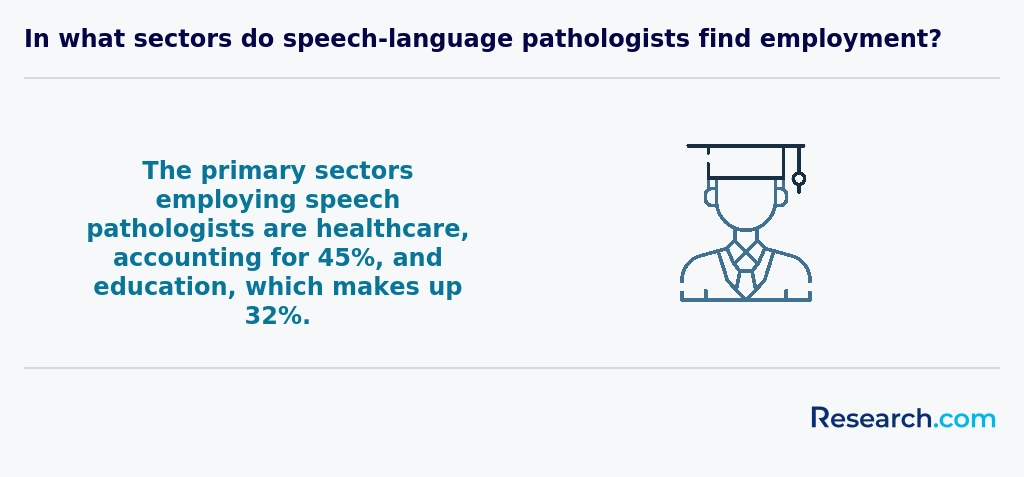
Graduates with a speech pathology degree from renowned New York institutions like Hunter College or New York University find vibrant career paths filled with meaningful work. Many joyfully step into public school roles, where they support children navigating communication challenges, witnessing firsthand the empowering progress their students achieve.
Hospitals and healthcare centers in New York provide dynamic environments where speech pathologists help patients recover their voices and swallowing abilities after strokes or injuries. Graduates often describe the rewarding feeling of restoring confidence and independence through personalized therapy.
For those seeking flexibility, private practices and outpatient clinics offer opportunities to creatively tailor treatment plans for diverse clients. Some graduates embrace telepractice, connecting with families across the state, making a deep impact from home.
Early intervention programs in New York bring speech pathologists face-to-face with infants and toddlers, sparking hope by fostering critical communication skills at a young age. Universities also invite graduates to contribute to cutting-edge research and training future clinicians, continuously advancing the field.
How much can I make with speech pathology degree in New York?
Graduates with a speech pathology degree in New York can look forward to a rewarding career with strong earning potential. Entry-level roles such as Speech-Language Pathology Assistants typically start around $47,000 annually, offering a solid foundation for recent graduates. With experience and additional certifications, many speech therapists earn an average of $96,790 per year, reflecting the high demand in vibrant urban centers like New York City.
Graduates from well-regarded programs at universities such as New York University or Hunter College often share how their specialized training opened doors to private clinics and hospitals, where salaries and growth opportunities exceed those in public school settings. These roles not only provide competitive compensation but also the joy of making a meaningful impact on individuals' communication skills.
Beyond base salary, many professionals enjoy benefits like health insurance and retirement plans, adding to the overall value of a career in this field. The positive feedback from recent graduates emphasizes how a speech pathology degree in New York creates both financial stability and personal fulfillment.
2027 Most Popular Speech Pathology Degree Programs Ranking in New York
How do we rank schools?
Investing in your education is a significant decision that can shape your future, and the Research.com team understands the importance of making informed choices. To guide prospective students, we have carefully developed the "2027 Most Popular Speech Pathology Degree Programs Ranking in New York." Our dedication to quality, credibility, and accuracy is demonstrated through thorough research and analysis in compiling this ranking. We utilized the following reputable data sources to ensure a comprehensive evaluation of speech pathology programs:
By consulting this ranking, readers will gain valuable insights into the top speech pathology degree programs in New York, empowering them to make well-informed decisions about their educational future. For more details on how this ranking was created, please visit our Research.com methodology page.
# 1 position
New York University
Master of Science in Communicative Sciences and Disorders (On-Campus)


# 10 position
Pace University
Master of Science in Communication Sciences and Disorders (Speech-Language Pathology, residential)


# 16 position
CUNY Lehman College
Master of Arts in Speech-Language Pathology

# 18 position
CUNY Queens College
MA in Speech-Language Pathology

Key Findings
- A master's degree in speech-language pathology is required for clinical certification and state licensure in New York.
- Tuition for master's programs ranges from $25,000 to $50,000, with public schools generally being cheaper for in-state students.
- Average starting salary for speech pathologists in New York is about $65,000 per year, rising to over $90,000 with experience.
- Employment demand for speech pathologists in New York is expected to grow by 25% over the next decade.
- Licensure requires completing a CAA-accredited master's program, a supervised clinical fellowship, and passing the Praxis Examination.
- Various state scholarships and financial aid options are available to help reduce education costs.
How long does it take to complete speech pathology degree in New York?
Completing a speech pathology degree in New York is an inspiring journey, typically spanning about six years-four years to earn a bachelor's degree followed by two years for a master's degree. Many graduates from well-known institutions like Hunter College and New York University describe this path as both challenging and incredibly rewarding, as they balance coursework with hands-on clinical experiences that bring their studies to life.
Some students embrace accelerated programs that combine undergraduate and graduate studies, finishing in around five years and feeling empowered by the efficient, focused curriculum. Real-world clinical practicum, required by the American Speech-Language-Hearing Association, adds depth to learning, with 400 supervised hours that graduates often reflect on as transformative moments of growth and confidence building.
For those energized by research or academia, pursuing a doctorate after the master's degree extends the timeline by several years but opens new doors of opportunity and intellectual discovery. In New York's vibrant educational environment, students find a strong community and expert mentorship fueling their passion every step of the way.
Licensure and Certification Requirements in New York
To practice as a speech-language pathologist in New York, you must meet these key milestones:
- Earn a master’s degree in speech-language pathology from a CAA-accredited program.
- Pass the ASHA Praxis Examination in speech-language pathology.
- Complete a 36-week Clinical Fellowship Year (CFY) under ASHA guidelines.
- Apply for and obtain licensure from the New York State Education Department (NYSED).
- Secure the ASHA Certificate of Clinical Competence (CCC-SLP) for national recognition.
- Maintain licensure and certification through required continuing education (30 hours every three years).
For cost-conscious students exploring program expenses, compare options like cheapest slp programs in florida. Ensure you track clinical hours, CEUs, and application deadlines to stay compliant and ready for practice.
What's the difference between online and on-campus speech pathology degree?
Choosing between online and on-campus speech pathology degrees in New York opens exciting pathways tailored to your unique lifestyle and goals. Graduates from well-known programs like those at Hunter College or New York University often recall how online learning gave them the freedom to balance work, family, and studies while still engaging deeply with course materials through interactive platforms.
On the other hand, students attending on-campus programs at institutions like Columbia University cherish the energy of face-to-face collaboration and the hands-on clinical practicums offered at local hospitals and clinics. These real-world experiences add confidence and practical skills essential for certification in New York.
Many graduates celebrate how both formats emphasize accredited, rigorous training. Whether navigating virtual discussions or participating in campus labs, they felt supported in building their expertise. The choice encourages you to embrace flexibility or an immersive environment-both driving forward your dream to make a difference in communication health.
What is the average cost of speech pathology degree in New York?
The average cost of a speech pathology degree in New York reflects a blend of opportunity and investment in a rewarding career. Graduates from well-known universities in the state, such as those attending public institutions within the SUNY system, often experience in-state tuition costs aligned with median totals around $36,550. These accessible programs offer a supportive environment for students pursuing their passion for speech pathology while managing expenses thoughtfully. The benefits of choosing a public school are clear, with tuition fees positioned to encourage driven individuals eager to make a difference in their communities.
Conversely, private universities in New York, including institutions like New York University and Columbia University, offer top-tier resources and networks at a higher median total cost near $50,462. Many students describe the enriching academic atmosphere at these schools as empowering, fostering connections that often last well beyond graduation. These experiences demonstrate that the cost of education is matched by the quality and potential career growth within the field.
Prospective students exploring the average cost of speech pathology degree in New York can find excellent financial aid options and scholarships designed specifically for this field. Reports from graduates highlight that planning ahead and researching opportunities can dramatically ease the financial burden, making the journey more accessible and fulfilling.
For those curious about the investment required, exploring the most affordable speech pathology programs in New York is a practical step toward achieving their goals without compromise.

Accreditation and Licensure Requirements in New York
To practice as a speech-language pathologist in New York, graduates must complete a master’s program accredited by the Council on Academic Accreditation in Audiology and Speech-Language Pathology (CAA). Accreditation ensures your degree meets the standards for both American Speech-Language-Hearing Association (ASHA) certification and New York State Education Department (NYSED) licensure. Key steps include: • Graduate from a CAA-accredited master’s program with at least 400 supervised clinical practicum hours. • Pass the Praxis® Examination in Speech-Language Pathology with a minimum passing score as set by ASHA. • Apply for ASHA’s Certificate of Clinical Competence in Speech-Language Pathology (CCC-SLP) to validate your professional preparation. • Submit a licensure application to NYSED, including official transcripts, Praxis scores, and proof of supervised clinical experience. • Maintain licensure through continuing education: New York requires 30 hours of approved professional development every three years, covering topics like cultural competence, dysphagia management, and telepractice. Carefully verify accreditation status on program websites and in the CAA directory. If cost is a major factor in your decision, you may also find valuable benchmarks in our Inexpensive Speech Pathology Degree Programs Ranking in Greeley, CO, which highlights affordable yet accredited options outside New York.
What financial aid is available to speech pathology degree students in New York?
Students pursuing a speech pathology degree in New York can find a wide range of financial aid to help make their dreams a reality. Many graduate students at universities like Columbia and Hunter College have benefited from federal loans such as Direct Unsubsidized Loans and Grad PLUS Loans, accessed through the FAFSA. These loans provide flexible support while students focus on their studies and clinical training.
New York's Tuition Assistance Program (TAP) is a game-changer for eligible residents, offering grants up to $5,000 annually. Graduates from SUNY programs often share how TAP eased their financial burden, allowing them to concentrate on gaining valuable hands-on experience without constant financial stress.
Scholarships and assistantships offered by institutions like NYU provide tuition waivers and stipends, making it possible to gain practical skills and clinical hours while earning. Many recent graduates express gratitude for these opportunities, which combine financial relief with career-building experiences.
Private scholarships from organizations such as the National Student Speech Language Hearing Association also brighten paths, rewarding merit and need. For those already working in healthcare or education, employer tuition reimbursement can prove an incredible bonus, turning professional experience into financial support.
Financial Considerations for Speech Pathology Students in New York
When considering a degree in Speech Pathology in New York, financial planning is a crucial aspect that should not be overlooked. The cost of tuition, additional expenses such as textbooks and clinical fees, and living expenses in New York can be substantial. However, there are several financial aid options available to help alleviate these costs, including scholarships, grants, loans, and work-study programs. For instance, prospective students can explore the most affordable speech pathology programs in New York to find options that fit their budget. Understanding these financial considerations and available resources can empower students to make informed decisions about their educational journey and pursue their passions in speech pathology with confidence.
What are the prerequisites for enrolling in speech pathology degree program in New York?
Many programs value hands-on experience, encouraging hopeful clinicians to volunteer or work in speech therapy settings across New York City's diverse communities. This direct involvement sparks passion and helps students connect theory to real-life impact, making their education truly meaningful.
Maintaining a strong academic record, typically a GPA of 3.0 or higher, is a key step to unlocking admission opportunities. For many, the challenge of mastering research methods and statistics becomes a badge of honor, knowing it prepares them for their future role as compassionate professionals.
Finally, completing at least 400 supervised clinical practicum hours ensures New York students gain the practical skills needed to serve their communities with confidence and care. This hands-on training creates moments of pride and deep fulfillment, marking the first steps toward a bright, purposeful career.
Career Advancement and Professional Development
In today’s competitive job market, ongoing professional development is essential for speech pathology graduates to thrive and evolve in their careers. Beyond obtaining a degree, building a robust professional network, pursuing specialized certifications, and engaging in continuous learning are critical steps that can elevate your practice and ensure long-term success. Networking through professional associations, conferences, and workshops not only provides exposure to the latest research and clinical practices but also connects you with mentors and peers who can offer guidance and opportunities for career growth. For those curious about maximizing career potential, exploring resources on what is the highest paying slp career can provide valuable insights on lucrative positions and advanced roles in the field. Whether you’re considering additional coursework, advanced certifications, or leadership development, investing in your professional growth will help you stay ahead of industry trends, enhance your clinical expertise, and ultimately, make a greater impact on the lives of those you serve.
What courses are typically in speech pathology degree programs in New York?
Speech pathology degrees in New York immerse students in a vibrant, hands-on curriculum designed to transform passion into expertise. Graduates from renowned institutions like Hunter College and Columbia University often recall their excitement diving into subjects such as Anatomy and Physiology of Speech and Hearing, where understanding the intricate biological systems sparks a deeper appreciation for human communication.
Courses like Phonetics and Phonology bring language to life, guiding students through the fascinating sounds that build our words, while Child Language Development opens doors to helping young minds flourish. Many students feel inspired during studies of Speech and Language Disorders, where they learn to identify challenges like stuttering or voice impairments, lighting the way for real change in people's lives.
New York's programs emphasize Clinical Practicum opportunities, providing invaluable supervised experiences that build confidence and readiness for the field. Those hands-on moments often become the most memorable, as students witness their skills grow and the difference they can make in their diverse, local communities.
What types of specializations are available in speech pathology degree programs in New York?
Speech pathology degrees in New York offer inspiring specializations that truly shape future professionals who are passionate about making a difference. Graduates often highlight their rewarding experiences focusing on pediatric speech pathology, where they work with children overcoming speech and language delays in vibrant communities around New York's renowned universities. This specialization lights up careers with the joy of helping young voices grow stronger every day.
For those drawn to adult neurogenic communication disorders, New York's programs provide hands-on training in hospitals and rehab centers, empowering students to assist adults recovering from strokes or brain injuries. These real-life experiences at well-known colleges enable students to witness remarkable communication breakthroughs firsthand, fueling their dedication.
The variety of New York speech pathology degree focus areas also includes swallowing disorders, vital for patients in medical settings. Students feel proud and motivated gaining expertise that directly improves patients' quality of life.
Clinical practicums offered across New York make it possible to explore and choose the perfect path. With the state's growing job market, it's essential to find your ideal specialty. For guidance on career outcomes, graduates recommend exploring what is the highest paying slp career to align your passion and success.
How do you choose the best speech pathology degree in New York?
Choosing the best speech pathology degree in New York means focusing on accredited programs that open doors to real opportunities. Graduates from schools like Columbia and New York University often share how their hands-on clinical experiences with diverse populations in New York City boosted their confidence and skills. Imagine gaining invaluable insights through varied clinical placements, working with children, adults, and individuals with neurological disorders right in the heart of a bustling, multicultural environment.
Cost is also an important factor to weigh carefully. While private institutions may have higher tuition, many students find joy in uncovering scholarships and financial aid options. Considering living expenses in New York, exploring the most affordable online masters in Speech Pathology can also be a smart way to balance quality education with budget.
When selecting from the best speech pathology programs in New York, look for faculty who inspire through their expertise and research, encouraging you to grow both personally and professionally. Graduates often highlight how strong faculty support and networking opportunities in New York's healthcare system set them up for success in licensure and career fulfillment.

What career paths are available for speech pathology degree students in New York?
Graduates with a speech pathology degree in New York enjoy access to a wide range of fulfilling career paths. Many find joy working as speech-language pathologists in vibrant school communities, hospitals, or outpatient clinics, where they make a genuine difference in people's lives every day. Those studying at renowned institutions across New York often share how hands-on clinical experiences build their confidence to support diverse populations, from children with developmental challenges to elderly residents in nursing homes.
Other rewarding roles include becoming speech therapy consultants in educational districts or healthcare firms and stepping into specialist positions within early intervention programs. Universities and colleges in New York also offer opportunities for graduates to serve as clinical supervisors or instructors, inspiring the next generation of professionals. This dynamic field reflects the positive speech pathology job outlook New York state offers, encouraging students to pursue their passion in a growing and impactful industry.
For those seeking cost-effective options, exploring the Inexpensive Speech Pathology Degree Programs Ranking in Greeley, CO can be a helpful step on the journey toward these exciting careers.
What is the job market for speech pathology degree in New York?
Graduates with a speech pathology degree in New York find a vibrant and expanding job market that offers exciting career prospects. The speech pathology job outlook New York shows strong growth driven by increasing awareness and demand for communication services in diverse settings, from public schools to healthcare facilities. Many graduates from respected universities in the state share how their skills make a real difference in children's lives and support adults recovering from speech impairments, finding rewarding roles that align with their passion.
Employment opportunities for speech pathologists in New York are abundant across urban hubs like New York City as well as suburban and rural areas. Graduates often highlight the state's high median salary and the variety of paths available, from schools to rehabilitation centers, making the degree a smart investment. Many students combining their studies with certifications find themselves well-prepared to meet state licensure requirements and thrive emotionally and financially in this meaningful profession.
For those interested in accelerating their journey, consider exploring a fast bachelors degree online option to start building skills quickly and confidently enter this in-demand field.
Frequently Asked Questions About speech pathology
Speech pathology degree students in New York can maximize their learning experience by combining strong academic performance with hands-on clinical practice. Accredited programs often require supervised clinical hours, which are crucial for applying theoretical knowledge in real-world settings. According to the American Speech-Language-Hearing Association (ASHA), New York students typically complete at least 400 clinical hours, offering valuable patient interaction.
Additionally, students should engage with professional organizations such as the New York State Speech-Language-Hearing Association (NYSSLHA) to access networking events, workshops, and job resources. Participation in research projects at universities can further deepen understanding of speech disorders and therapy techniques.
Utilizing New York's diverse population for varied clinical exposure also enhances cultural competence, a key skill for speech pathologists in the state's multicultural communities.
Emerging niches within the speech pathology field in New York reflect broader healthcare trends and demographic needs. One notable area is telepractice, where clinicians provide remote therapy, expanding access for rural and underserved populations. This growth is supported by New York State's updated policies encouraging telehealth, especially after 2020.
Another promising niche focuses on aging populations. With New York's increasing elderly demographic, speech pathologists specializing in dysphagia and cognitive-communication disorders related to dementia are in demand.
Additionally, bilingual speech pathology services are expanding due to New York's diverse population, requiring specialized skills to serve multilingual clients effectively.
After completing a speech pathology degree in New York, graduates should focus on obtaining state licensure and certification, which are essential for employment. The New York State Education Department requires candidates to pass the Praxis exam in Speech-Language Pathology and complete a Clinical Fellowship Year. Gaining hands-on experience through internships or assistantships during the degree program helps build practical skills and networks.
Joining professional organizations, such as the American Speech-Language-Hearing Association (ASHA), can provide career resources and job listings. According to the U.S. Bureau of Labor Statistics, New York employs over 3,000 speech-language pathologists, with demand expected to grow by 13% through 2031, highlighting promising job prospects for qualified professionals.
Employers in New York highly value speech pathology graduates who demonstrate strong communication and interpersonal skills. These skills are essential for effectively diagnosing and treating patients of all ages. According to the American Speech-Language-Hearing Association (ASHA), professionals must also show critical thinking and problem-solving abilities to adapt treatments to individual needs.
In addition, knowledge of electronic health records and data management is increasingly important as many clinics in New York are adopting digital systems. Familiarity with cultural competence helps professionals serve diverse populations across the state.
Clinical experience during a program remains a top factor, as employers prefer graduates with supervised hands-on practice.
Finding internships in New York relevant to a speech pathology degree requires a strategic approach. Start by consulting your university's career services, which often have partnerships with local healthcare facilities and schools.
The New York State Speech-Language-Hearing Association (NYSSLHA) provides resources and listings for internships and clinical placements. According to the American Speech-Language-Hearing Association, nearly 70% of graduate speech pathology students in New York secure internships in public schools or medical centers.
Networking through professional events and online platforms like the NYSSLHA website can connect students with internship opportunities. Also, hospitals such as NYU Langone and Montefiore Medical Center frequently offer clinical internships in speech pathology.
A speech pathology degree significantly boosts career mobility and advancement opportunities in New York. According to the New York State Department of Labor, employment for speech-language pathologists in the state is projected to grow 19% from 2020 to 2030. This growth reflects increasing demand in healthcare, schools, and rehabilitation centers.
Earning a state-approved graduate degree and obtaining a Certificate of Clinical Competence (CCC) from the American Speech-Language-Hearing Association (ASHA) are essential steps for licensure and employment. Licensed professionals enjoy access to higher-paying roles and leadership positions.
The degree also enables specialization in areas like pediatric or geriatric speech therapy, enhancing both expertise and income potential. New York's diverse population offers varied settings for advancement, from urban hospitals to school districts.
Studying for a speech pathology degree in New York offers strong preparation for interdisciplinary roles by integrating clinical practice with collaboration across healthcare, education, and social services. Programs accredited by the American Speech-Language-Hearing Association (ASHA) emphasize teamwork skills, enabling students to work effectively with audiologists, occupational therapists, and educators.
New York is home to diverse clinical settings, such as hospitals and schools, where students gain hands-on experience managing complex cases alongside other professionals. According to the New York State Department of Education, speech-language pathology graduates must complete supervised clinical hours, fostering these collaborative abilities.
This interdisciplinary training equips graduates to handle various communication disorders in populations from children to elderly adults, making them valuable in many professional environments.
When choosing between a thesis and a non-thesis speech pathology degree program in New York, consider your career goals carefully. Thesis programs emphasize research, preparing students for academic or clinical research positions. Non-thesis options often focus more on practical clinical skills, appealing to those aiming to enter the workforce directly.
In New York, many schools follow the Council on Academic Accreditation (CAA) standards, which allow both paths for certification eligibility. According to the New York State Education Department, both options meet licensure requirements for speech-language pathologists. However, students interested in pursuing a doctoral program or research careers may benefit from the thesis route.
Cost and time commitment also differ; thesis programs typically demand more time for research, potentially extending study by a semester or more. Reviewing each school's curriculum and faculty expertise can help align your choice with your professional plans.
Students based in New York who wish to study speech pathology abroad have several pathways to consider. Many U.S. accredited universities in New York offer exchange programs or partnerships with international institutions, allowing for semesters or full degree options overseas. These programs help students gain global perspectives while meeting licensure requirements set by the American Speech-Language-Hearing Association (ASHA).
Studying abroad can enhance cultural competence, an essential skill in speech pathology. Popular destinations include Canada, the United Kingdom, and Australia, where speech pathology programs follow standards comparable to the U.S. system. Prospective students should verify program accreditation and clinical practicum opportunities before enrolling.
The New York State Education Department supports international program recognition, facilitating licensure portability for graduates returning to New York.
In New York, part-time jobs that complement a speech pathology degree include working as a speech therapy assistant, a role that supports licensed speech-language pathologists in clinical or educational settings. These positions often help students gain practical experience while completing their studies. According to the New York State Education Department, assistants may work in schools, hospitals, or outpatient clinics. Another option is tutoring students with communication disorders or assisting special education teachers, which builds relevant skills and professional networks. Additionally, part-time roles in rehabilitation centers or community health organizations in New York City offer valuable exposure to diverse patient populations.
Speech pathology students in New York benefit from robust networking opportunities across academia and professional organizations. Universities such as New York University and Columbia offer clubs and events specifically for communication sciences and disorders students. These gatherings facilitate connections with peers and faculty who have clinical and research experience.
Additionally, New York hosts chapters of national organizations like the American Speech-Language-Hearing Association (ASHA), which frequently organize conferences, workshops, and networking events. These occasions help students meet licensed speech-language pathologists and potential employers.
Clinical placements in diverse settings throughout the state also provide practical experience and networking opportunities with health professionals, expanding career prospects.
Alumni networks offer significant benefits to speech pathology degree students in New York by fostering professional connections essential in this competitive field. Graduates often tap into their alumni communities for mentorship, internship opportunities, and job referrals. According to the American Speech-Language-Hearing Association, 70% of speech pathology job placements involve personal or professional networks.
In New York, where clinical placements are a crucial part of training, alumni networks can provide access to diverse healthcare settings, schools, and rehabilitation centers. This access enhances practical learning and improves employment prospects. The networks also support continuing education and keep members updated on state licensing regulations and research advancements.
Customizing a speech pathology degree program in New York allows you to align education with your specific career goals. Many universities offer elective courses in areas such as pediatric speech disorders, neurogenic communication, or bilingual speech pathology. This helps students focus on populations or specialties of interest.
Additionally, clinical practicum experiences can often be tailored by choosing placement sites that match your preferred work setting, like hospitals, schools, or rehabilitation centers. In New York, the state requires a minimum of 400 clinical hours for licensure, which supports diverse hands-on training.
Some programs also provide options for research projects or internships with local healthcare providers, enhancing practical knowledge and job readiness. Review program details carefully to ensure they offer flexibility that fits your ambitions.
Speech pathology students in New York face several notable challenges during their studies. One major hurdle is the high cost of education; New York ranks among states with the highest tuition fees for graduate programs, which can exceed $30,000 per year at some institutions, according to the National Center for Education Statistics.
Another difficulty lies in securing clinical placements. Due to the large number of students vying for limited sites, competition is intense, making it harder to gain diverse hands-on experience necessary for certification by the American Speech-Language-Hearing Association (ASHA).
Maintaining the rigorous academic standards is also demanding. Speech pathology coursework often includes extensive anatomy, linguistics, and psychology content, requiring strong commitment and time management skills. These factors together contribute to a challenging yet rewarding educational path in New York's speech pathology programs.
After earning a speech pathology degree in New York, graduates can pursue professional certifications that enhance their credentials. The most recognized certification is the Certificate of Clinical Competence in Speech-Language Pathology (CCC-SLP) offered by the American Speech-Language-Hearing Association (ASHA). This certification requires completion of a graduate degree, a supervised clinical fellowship, and passing a national exam.
In New York, speech pathologists must also obtain state licensure through the New York State Education Department's Office of the Professions to practice legally. Additionally, some professionals pursue the New York State Teacher Certification to work in schools.
These certifications significantly improve job prospects and ensure adherence to state and national standards.
To write a winning application for a speech pathology program in New York, start by understanding the prerequisites. Most programs require a bachelor's degree with coursework in communication sciences, biology, and psychology. Including strong GRE scores can enhance your profile, although some programs have recently made this optional.
Highlight relevant clinical or volunteer experience, as hands-on exposure to speech therapy is highly valued. Craft a clear personal statement explaining your passion for speech pathology, referencing specific challenges and goals.
Letters of recommendation should come from professors or professionals familiar with your academic and interpersonal skills.
Research in New York shows that programs prefer applicants demonstrating cultural competence, reflecting the state's diverse population (NY State Speech-Language Association, 2023).
Globally, speech pathology is recognized as a vital healthcare profession focused on communication and swallowing disorders. In the United States, including New York, speech pathologists are in growing demand due to increased awareness of speech and language issues across all ages. The U.S. Bureau of Labor Statistics projects a 21% job growth for speech-language pathologists from 2021 to 2031, faster than average for all occupations. New York, with its diverse population and numerous healthcare facilities, offers robust career opportunities. The profession demands a master's degree accredited by the Council on Academic Accreditation in Audiology and Speech-Language Pathology, ensuring consistent international standards.
Globally, the scope of practice varies but often aligns with U.S. educational frameworks, emphasizing clinical training and evidence-based methods. For New York students, understanding these international standards can broaden employment prospects, including telepractice and collaborative healthcare roles across borders. According to the American Speech-Language-Hearing Association (ASHA), New York ranks among the top states for employment concentration of speech pathologists, reflecting its importance locally and globally.
Students pursuing a speech pathology degree in New York can gain practical experience through a variety of clinical placements included in their programs. Accredited universities require supervised clinical practicums where students work directly with clients, often in schools, hospitals, or rehabilitation centers. New York's diverse population provides exposure to a wide range of speech and language disorders.
Additionally, some programs collaborate with local clinics and community centers to offer internships or volunteer opportunities. According to the American Speech-Language-Hearing Association (ASHA), clinical hours are mandatory to qualify for the Certificate of Clinical Competence (CCC), typically totaling 400 hours. This hands-on training is essential for licensure in New York State.
Choosing the right concentration within a speech pathology degree program in New York depends on your career goals and interests. Common concentrations include pediatric speech disorders, adult neurogenic disorders, and voice or fluency disorders. New York offers diverse clinical placements, from hospitals to schools, that help tailor your expertise.
It is important to consider the program's accreditation by the American Speech-Language-Hearing Association (ASHA), as this is required for certification. Additionally, some programs in New York provide specializations in bilingual speech-language pathology, reflecting the state's diverse population.
Review faculty expertise and available practicum opportunities in your areas of interest. Data from the New York State Education Department shows a growing demand for speech pathologists specializing in autism spectrum disorders, which could influence your choice. Aligning your concentration with workforce needs helps improve job prospects after graduation.
Related Speech Pathology Rankings for Nearby States
- 2027 Most Popular Speech Pathology Degree Programs Ranking in Pennsylvania
- 2027 Most Popular Speech Pathology Degree Programs Ranking in Connecticut
- 2027 Most Popular Speech Pathology Degree Programs Ranking in Massachusetts
- 2027 Most Popular Speech Pathology Degree Programs Ranking in Maryland
- 2027 Most Popular Speech Pathology Degree Programs Ranking in Ohio
- 2027 Most Popular Speech Pathology Degree Programs Ranking in Kentucky
- 2027 Most Popular Speech Pathology Degree Programs Ranking in South Carolina
- 2027 Most Popular Speech Pathology Degree Programs Ranking in Indiana
- 2027 Most Popular Speech Pathology Degree Programs Ranking in Michigan
- 2027 Most Popular Speech Pathology Degree Programs Ranking in Georgia
Top Trending Speech Pathology Rankings
See What Experts Have To Say About Studying Speech Pathology
Read our interview with Speech Pathology experts

References
- Challenges Facing Speech Pathologists 2025 | SLP Career https://www.speechpathologygraduateprograms.org/blog/top-10-issues-facing-speech-language-pathologists/
- 12 Alternative Careers for Speech Pathologists (SLPs) https://thenonclinicalpt.com/alternative-careers-speech-pathologists-slps/
- Admission Requirements https://www.ualberta.ca/en/communications-sciences-and-disorders/programs/msc-in-speech-language-pathology/admissions/admission-requirements/index.html
- New York Institute of Technology https://careers-nyit.icims.com/jobs/4186/speech-pathologist/job
- The Big Guide to Speech Pathologist Work Settings https://speechpathologymastersprograms.com/speech-pathology-careers/slp-work-settings/
- The Five Different Situations Where Speech Pathology Helps Kids - South Australia Speech and Hearing Centre https://www.sashc.com.au/the-five-different-situations-where-speech-pathology-helps-kids/
- How To Choose an SLP Program: Seven Factors To Consider https://www.usa.edu/blog/how-to-choose-a-slp-program/
- 24 Online Speech Pathology Programs https://speechisbeautiful.com/2016/05/24-online-speech-pathology-programs/
- Speech-Language Pathology Program https://www.nymc.edu/shsp/programs/speech-language-pathology/
- Best Guide for Speech Pathology Degrees https://www.speechpathologydegrees.com/