2027 How to Choose Between Medical and School-Based SLP Careers

Co-Founder and Chief Data Scientist
Choosing between a medical and a school-based SLP career can be daunting for those transitioning from unrelated fields. Each setting demands different skills, workloads, and professional environments, which significantly impact job satisfaction and career growth. Prospective speech pathologists often struggle to identify which path aligns best with their goals and lifestyle needs.
The decision influences daily responsibilities, client interactions, and professional development opportunities. This article examines the distinct characteristics of medical and school-based speech pathology careers to help readers make informed choices that match their personal and professional priorities.
Key Things You Should Know
- Medical SLPs often work with diverse age groups in hospitals or clinics, focusing on acute and complex conditions, whereas school-based SLPs primarily support children's educational communication and language development.
- According to the ASHA 2025 report, median salaries for medical SLPs are approximately 15% higher than those in school settings, reflecting varied funding and job demands.
- Certification and continuing education requirements differ: school-based SLPs need state education credentials plus ASHA CCC-SLP, while medical SLPs prioritize clinical competencies aligned with healthcare regulations.
What is a medical SLP vs school-based SLP?
A medical SLP (speech-language pathologist) provides assessment and treatment for speech, language, cognitive-communication, and swallowing disorders in healthcare settings such as hospitals, skilled nursing facilities, rehabilitation centers, and outpatient clinics. These professionals often work with patients recovering from strokes, traumatic brain injuries, or degenerative diseases. Their role involves close collaboration with physicians, nurses, and other healthcare providers to create individualized therapy plans aimed at improving functional communication and safe swallowing. This focus on medical complexities distinguishes the medical SLP career differences from other roles.
School-based SLPs operate within public or private educational institutions, addressing speech and language difficulties that impact a student's academic and social success. They conduct evaluations, deliver direct therapy, and support educators through consultative roles. Their interventions emphasize speech sound production, language delays, pragmatic language skills, reading readiness, and literacy for children from preschool through high school. Compared to medical settings, school-based SLPs focus on developmental and educational goals governed by mandates like IDEA.
Key distinctions between school-based vs medical speech pathology roles include client population, work environments, and required expertise. Medical SLPs treat a wide age range with often complex medical caseloads, while school-based SLPs support a younger population within educational frameworks.
Salary differences reflect these distinctions: medical SLPs in skilled nursing facilities earn an average of $113,590 annually, while school-based SLPs make about $75,000 for 9 to 10-month contracts, demonstrating a $38,590 wage gap. This gap arises from factors like contract length, medical caseload complexity, and funding sources. Those interested in advancing their qualifications may explore online masters SLP programs to enhance career options in both school-based and medical settings.
What are the key differences between medical and school SLP careers?
The key differences between medical and school speech pathology careers primarily involve client populations, work environments, and responsibilities. Medical SLPs treat diverse adult and pediatric patients with complex speech, language, swallowing, and cognitive-communication disorders in hospitals, rehab centers, outpatient clinics, and nursing homes. School-based SLPs mainly serve children from preschool through high school, focusing on speech and language delays, articulation, fluency, and social communication within educational settings.
Work schedules and caseloads vary: medical SLPs often follow hospital or clinic hours and manage smaller, intensive caseloads, while school-based SLPs typically work school hours with larger caseloads, sometimes exceeding 40 students. Both roles require distinct skills-medical SLPs handle acute care and diagnostics, whereas school SLPs emphasize educational advocacy and collaboration with teachers and parents. This comparison of roles in medical vs school speech pathology settings highlights these important contrasts.
A PubMed/NIH study found that medical SLPs report higher overall job satisfaction, often due to greater autonomy and interdisciplinary teamwork, though both groups rank the nature of their work as highly rewarding. When deciding between paths, consider these factors alongside patient demographics and daily work demands. For those exploring career options, researching how much does a speech therapist make can provide useful insights.
How do education and licensing requirements differ for each path?
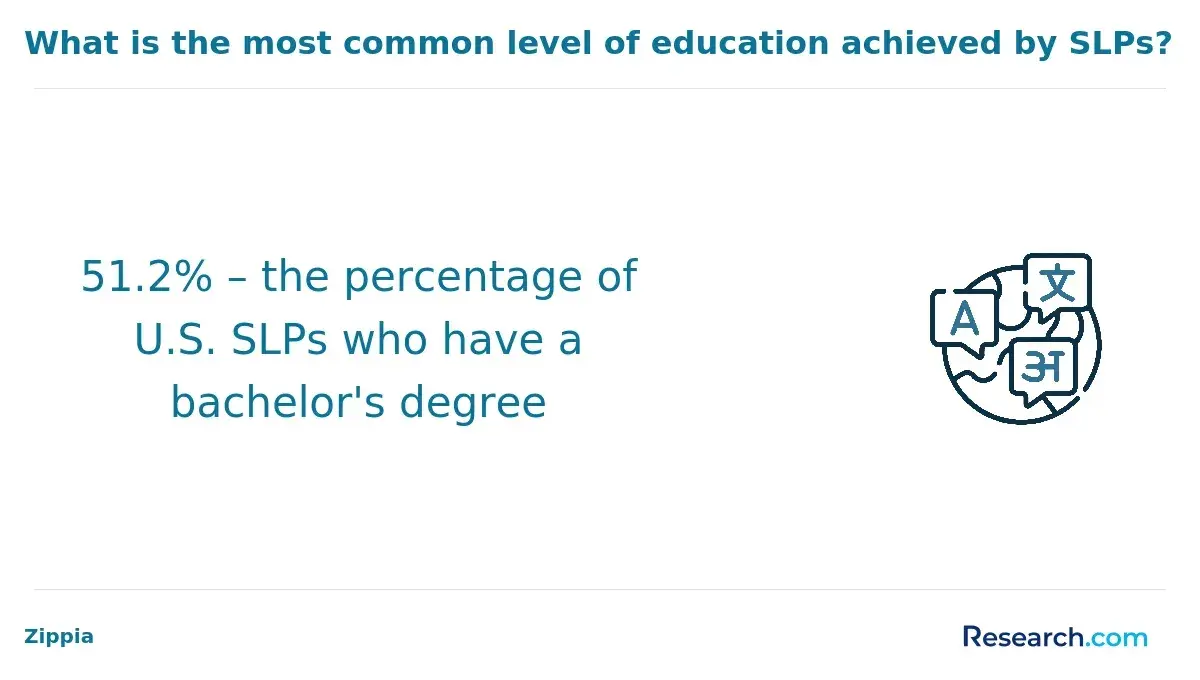
Both medical and school-based speech pathology careers require a master's degree in speech-language pathology from an accredited program and completion of a Clinical Fellowship Year (CFY) following ASHA guidelines. A key difference lies in the credentialing: school-based SLPs must obtain state certification or licensure as education specialists, usually through their state's department of education. This ensures they can work within public schools and are trained in educational laws and individualized education programs (IEPs), reflecting specific school-based speech pathology certification and credential differences.
In contrast, medical speech pathology careers focus on healthcare-related licensure. After the CFY, medical SLPs pursue the Certificate of Clinical Competence in Speech-Language Pathology (CCC-SLP) from ASHA, often required by hospitals, outpatient clinics, and rehabilitation centers. Additional state licensure or specialty certifications in areas like swallowing or neurogenic communication disorders may also be needed.
State and employer variations affect educational content, with school SLPs often studying special education law or child development, while medical SLPs receive training in medical terminology or acute care clinical skills. Prospective students targeting these fields should verify regional requirements early and consider exploring 5 year SLP programs to streamline their education.
Workforce data highlights significant demand: 78.5% of school SLPs report more job openings than qualified candidates, while healthcare sees 55.5%. This data underlines the urgent need to fulfill education and licensing requirements for medical speech pathology careers to seize growing employment opportunities.
What degree programs prepare you for medical SLP roles?
Degree programs preparing students for medical speech pathology careers primarily require a master's degree in speech-language pathology accredited by the Council on Academic Accreditation in Audiology and Speech-Language Pathology (CAA). This master's degree is essential for clinical certification and state licensure. Core coursework covers anatomy, neuroanatomy, swallowing disorders, and speech-language disorders related to medical conditions like stroke, traumatic brain injury, and cancer.
Some of the best academic programs for medical speech pathology careers include specialized tracks or electives focused on medical settings. Courses such as dysphagia management or augmentative and alternative communication (AAC) devices equip graduates for roles in hospitals or rehabilitation centers. These focused skills support employment opportunities in acute care, outpatient rehabilitation, or nursing facilities.
Applicants with backgrounds in nursing, pre-medical studies, or related health sciences often have an advantage. Joint degree options combining speech pathology with public health or healthcare administration are available but less common. After earning a master's degree, students typically complete a supervised clinical fellowship in a medical environment to qualify for the Certificate of Clinical Competence (CCC-SLP) from ASHA, a common employer requirement.
Medical speech pathologists address complex adult conditions, differing from school-based roles. Salary disparities highlight geographic differences, with California school SLPs earning a median $110,000 compared to $58,000 in Louisiana according to the ASHA 2024 Schools Survey. Prospective students may explore online speech pathology programs to find pathways suited to their needs.
What degree programs lead to school-based SLP positions?
To pursue a career as a school-based speech-language pathologist (SLP) in 2026, candidates must earn a graduate degree accredited by the Council on Academic Accreditation in Audiology and Speech-Language Pathology (CAA). Most often, this is a master's degree in speech-language pathology, though doctoral options such as AuD or SLP-D programs also meet certification criteria.
Programs leading to state licensure and American Speech-Language-Hearing Association (ASHA) certification require coursework covering childhood communication disorders, language development, and school-focused intervention methods. Supervised clinical practicum is another essential component, emphasizing pediatric and educational settings to prepare candidates for school environments.
Educational pathways vary to meet diverse student needs and state requirements. Productivity standards differ significantly between settings: medical SLPs often have direct patient care productivity targets as high as 92% daily, whereas school-based SLPs focus on individualized education plans (IEPs) under different productivity models aligned with their training. Aligning degree selections with school-specific competencies greatly aids career planning and licensure success for future speech-language pathologists.
Which SLP programs offer online vs campus formats?
SLP programs in 2026 offer both online and campus formats, with the best choice depending on career goals and learning preferences. Online options provide flexibility for students balancing work and family, focusing on foundational skills and often partnering with local clinics or schools for supervised clinical hours. This allows remote learners to gain practical experience near their communities.
Campus programs remain ideal for those seeking direct, in-person interaction with faculty, hands-on clinical training in varied settings, and access to resources like speech labs and research facilities. Some programs use hybrid models, combining online coursework with on-site intensives, beneficial for students pursuing specialized areas such as medical dysphagia or acute care, where face-to-face mentorship is crucial.
Students targeting school-based careers usually find online programs more accessible, as these emphasize educational assessments, intervention strategies, and special education law. Conversely, medical SLP careers often require campus or hybrid formats that offer comprehensive training in complex swallowing disorders and neurological conditions.
Career transitions from medical to school settings often require mastering special education law and IEP processes, typically covered in school-based curricula that can be completed online. Moving from school to medical settings is more complex, supporting a preference for campus or hybrid programs with extensive hands-on experiences.
What are typical salaries for medical vs school SLPs?
Typical salaries for medical and school-based speech-language pathologists (SLPs) vary due to work settings, funding sources, and regional demand. Medical SLPs usually earn more than their school-based counterparts. Data from the American Speech-Language-Hearing Association (ASHA) shows median annual salaries for medical SLPs range from about $75,000 to $90,000, influenced by facility type, experience, and location. Hospital and rehabilitation center roles, especially in acute care or specialized units, can reach the higher end of this salary scale.
School-based SLPs working in public education typically have median salaries between $55,000 and $70,000. These figures depend largely on school district funding, local cost of living, and state budgets. With around 15% of public school students receiving special education services such as speech-language therapy, demand is steady but salaries often reflect public sector limits.
The aging population increases demand for medical SLPs treating stroke, dementia, and swallowing disorders, boosting salary competitiveness. Meanwhile, early identification of developmental disorders supports stable demand in schools despite lower pay. Weighing financial factors alongside job satisfaction and work environment is essential for those entering this field.
What is the job outlook for each SLP career path?
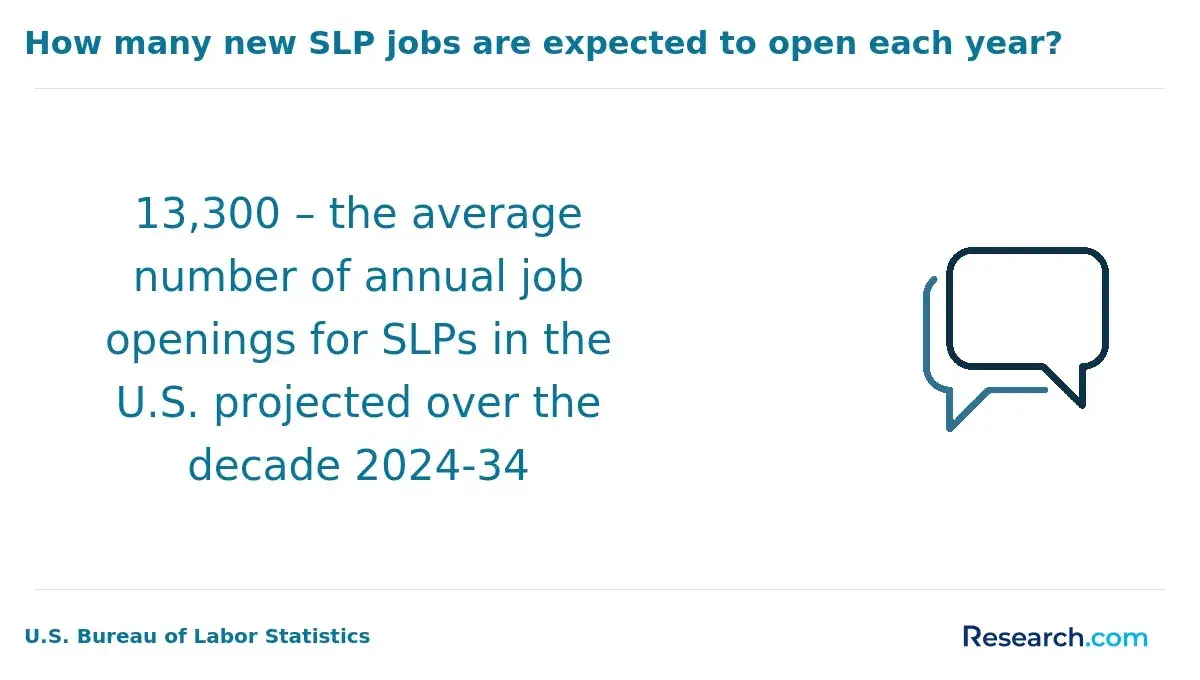
The employment outlook for medical and school-based speech-language pathology (SLP) careers is strong, with the Bureau of Labor Statistics projecting a 15% growth over the next decade, adding about 28,000 new jobs nationwide. This growth notably surpasses the average for all occupations, underscoring high demand in both medical and educational settings.
In medical environments-hospitals, rehabilitation centers, and nursing homes-demand is driven by an aging population needing speech, language, and swallowing therapies. Conditions such as stroke recovery and traumatic brain injury call for specialized SLP roles. New graduates can expect opportunities for full-time work with potential specialization, though these positions often have higher credential requirements and challenging clinical settings.
School-based SLP jobs are fueled by federal mandates like the Individuals with Disabilities Education Act (IDEA), providing services to children with speech and language impairments. Growth here depends on school funding and legislative support for special education. These roles typically offer stable schedules that align with academic calendars but may require managing individualized education program (IEP) documentation and diverse caseloads.
How do daily responsibilities compare in medical vs school settings?
Medical and school-based speech pathology careers differ due to their unique environments and demands. School speech-language pathologists (SLPs) usually manage caseloads averaging 48 students. Their daily duties involve balancing therapy sessions, assessments, paperwork, and working closely with educators. Time management is critical as they serve students with varied communication needs during limited school hours. They also adapt to diverse age groups and maintain compliance with educational regulations.
Medical SLPs, particularly in skilled nursing facilities, must achieve productivity standards that require 75-90% billable time. Their workload focuses on individual treatment plans for patients recovering from strokes, traumatic injuries, or other medical conditions. The pace is faster and driven by insurance reimbursement demands, requiring frequent documentation and therapy adjustments. Although they often have smaller caseloads, medical SLPs face higher expectations for rapid clinical decision-making and measurable outcomes.
The ASHA 2024 and BLS 2024 data highlight how caseload size and productivity requirements distinctly shape daily duties in each setting. This information helps prospective professionals evaluate whether their skills and time-management preferences align better with school or medical speech pathology careers.
What factors help decide between medical and school SLP careers?
Medical and school-based speech-language pathology (SLP) careers differ mainly in work environment, patient demographics, and job duties. Medical SLPs work with a wide range of patients in hospitals, rehab centers, or outpatient clinics, often managing acute or chronic conditions. Their role involves high-pressure settings and teamwork with multidisciplinary professionals. School-based SLPs focus on children and adolescents in educational settings, addressing developmental and speech needs within public or private schools. Their schedule is typically more structured, aligning with school hours and involving regular interaction with educators and families.
Salary differences reflect these environments. The median full-time healthcare SLP salary is around $85,900, with hospital-based SLPs earning about $95,000 annually, according to the ASHA 2025 Health Care Salary Report. School-based SLP salaries are generally lower, consistent with education sector budgets, but benefits like summers off are common.
Work-life balance varies: medical SLPs may face irregular hours and on-call duties, while school SLPs often enjoy regular holidays. Certification needs also differ, with medical roles sometimes requiring expertise in dysphagia or neurological disorders. Prospective SLPs should weigh factors including work setting preference, patient age range, salary expectations, certification requirements, and personal passion for pediatric or adult care to choose the best path.
Other Things You Should Know About Speech Pathology
Clients can range widely in age and condition, from infants with developmental delays to adults recovering from strokes or brain injuries. Speech pathologists may work with individuals experiencing speech, language, cognitive-communication, voice, fluency, or swallowing disorders.
Yes, major organizations such as the American Speech-Language-Hearing Association (ASHA) support professionals across all career settings. These organizations provide continuing education, certification resources, advocacy, and networking opportunities for medical and school-based speech pathologists alike.
Speech pathologists must complete continuing education units (CEUs) regularly to maintain their licenses and certifications. Requirements vary by state but typically include courses aimed at enhancing clinical skills and staying current with advances in the field. Both medical and school-based professionals share these obligations to ensure high standards of care.
References
- How to Become a School-based Speech-Language Pathologist https://slponline.ithaca.edu/blog/how-become-school-based-speech-language-pathologist
- Pros and Cons of the School-Based Setting for SLPs https://www.coremedicalgroup.com/blog/pros-and-cons-school-based-slp
- Homepage https://speechpathologymastersprograms.com/
- Medical vs. School Based Speech Therapy - Associates in Pediatric Therapy https://kidtherapy.org/medical-vs-school-based-speech-therapy/
- PA School vs Medical School | The PA Platform https://www.thepaplatform.com/pa-school-vs-medical-school/
- Best Online Speech-Language Pathology (SLP) Programs 2025 https://onlinespeechpathologyprograms.org/best-online-slp-programs/
- Medical Speech-Language Pathologist - Explore Healthcare Careers - Mayo Clinic College of Medicine & Science https://college.mayo.edu/academics/explore-health-care-careers/careers-a-z/medical-speech-language-pathologist/
- What's the difference?: In School OT vs. Medical OT https://www.gmsdk12.org/p/~board/ese-news/post/whats-the-difference-in-school-ot-vs-medical-ot
- pioneer-healthcare.com: Verifying that you are not a robot... https://pioneer-healthcare.com/blog/exploring-the-future-speech-language-pathologist-job-outlook/
- How to Follow the Best Path to Becoming a Speech Pathologist https://www.masmedicalstaffing.com/blog/becoming-a-speech-pathologist/