
2027 Accelerated vs. Traditional Intelligence Degrees: Pros & Cons

Co-Founder and Chief Data Scientist
Choosing between accelerated and traditional intelligence degrees involves balancing speed with depth. Accelerated programs often attract working adults and career changers by offering faster completion times, while traditional paths provide a slower pace for thorough academic engagement. Recent data shows that 35% of intelligence students in the U.S. now opt for accelerated formats, reflecting growing demand for expedited education.
This article compares these degree types by examining time commitment, learning experience, career outcomes, and decision-making factors. Understanding these differences helps prospective students align their education choices with personal goals and professional ambitions in the intelligence field.
Key Points About Accelerated vs. Traditional Intelligence Degrees
- Accelerated intelligence degrees offer flexibility for working professionals and faster career advancement, often reducing program length by up to 30%, benefiting students aiming to enter the workforce quickly.
- Traditional programs provide deeper academic engagement and stronger peer connections, essential for mastering complex intelligence analysis skills through collaborative learning.
- Cost efficiency favors accelerated formats by lowering tuition and living expenses, while traditional degrees support balanced pacing, promoting thorough skill mastery and reduced burnout.
What Are the Differences Between Accelerated vs. Traditional Intelligence Programs?
Accelerated and traditional intelligence degree formats differ notably in program structure, particularly in pacing, scheduling, and learning intensity. These variations create distinct educational experiences for students depending on their needs and preferences. Below is a comparison of key areas that differentiate accelerated intelligence degree vs traditional bachelor's program structures.
Understanding how accelerated intelligence degrees differ from traditional formats involves examining factors like course intensity, delivery method, and student engagement.
- Scheduling and Pacing: Accelerated programs use highly compressed schedules, often completing courses within 5-8 weeks and offering continuous instruction with minimal breaks. Traditional programs follow longer academic terms with breaks, allowing a more measured, gradual progression through material.
- Class Format and Delivery: Accelerated degrees often employ online or hybrid models to accommodate working adults and nontraditional learners, whereas traditional programs emphasize in-person classes and campus immersion to foster deeper face-to-face interaction.
- Student-Faculty Interaction: Students in accelerated programs may experience limited direct faculty contact due to the fast pace, relying more on self-directed learning and online communication. Traditional formats provide more frequent and prolonged faculty engagement to support mentorship and academic discussion.
- Campus Experience and Community: Online-focused accelerated programs tend to reduce opportunities for participating in campus life, networking, and extracurricular activities. Traditional degrees emphasize a vibrant campus environment that builds professional and social connections.
- Target Student Profile: Accelerated intelligence degrees attract primarily adult learners and professionals seeking career flexibility, whereas traditional programs are favored by recent high school graduates looking for a comprehensive college experience.
Students exploring education options may also consider what certificate programs make the most money as part of their decision-making process.
How Fast Can You Finish an Accelerated vs. Traditional Intelligence Program?
Program length varies significantly between accelerated and traditional intelligence degrees. Accelerated formats condense coursework into shorter terms, often running year-round, while traditional paths follow a standard academic pace with regular breaks. This difference results in diverse timelines for completion depending on the program style and student commitment.
When comparing accelerated intelligence degree completion time with the traditional intelligence studies program duration, students should consider several key factors that influence how quickly they can graduate.
- Transfer Credits: Accepted credits from prior relevant coursework can greatly reduce the time to degree completion. Students with undergraduate experience in related fields may benefit more in accelerated programs where credit transfer accelerates progress.
- Full-Time vs. Part-Time Enrollment: Full-time students in either program type usually finish faster, while part-time enrollment extends the timeline, often beyond the typical two years for traditional intelligence studies program duration.
- Course Intensity: Accelerated programs use condensed terms with intensive study schedules, demanding sustained effort. Traditional programs offer a more gradual pace but require a longer commitment.
- Thesis or Capstone Requirements: Programs with thesis or project obligations may require additional time depending on research complexity and completion speed.
- Program Format: Online and hybrid options often provide flexibility, which can enable quicker progress for motivated learners compared to strictly on-campus formats.
Many students pursuing intelligence degrees also explore quick online certifications that pay well as a complement or alternative to full programs.
What Are the Admission Requirements for Accelerated vs. Traditional Intelligence Programs?
Admission requirements for accelerated and traditional intelligence programs often share common standards such as GPA thresholds, standardized test scores, and prerequisite coursework. However, they differ in how they evaluate academic readiness, professional experience, and prior learning. Understanding these distinctions can help prospective students choose the right path based on their background and career goals.
Below are key differences in the admission expectations for accelerated intelligence degree admission requirements versus traditional intelligence program eligibility criteria:
- Academic Performance Thresholds: Accelerated programs generally require a higher undergraduate GPA, often 3.0 or above, with some specifying up to 3.5 in relevant coursework. Traditional programs tend to accept students with GPAs as low as 2.0-2.5, appealing to those building foundational skills.
- Prerequisite Courses and Technical Skills: Accelerated formats expect a strong background in math, programming, or data science, frequently requiring prerequisites before admission. Traditional programs are usually more flexible, allowing students to complete such coursework after starting the program, thus widening eligibility.
- Professional or Research Experience: Candidates for accelerated programs often need to demonstrate advanced skills through portfolios, research, or relevant work experience. Traditional programs typically do not require extensive proof of expertise, making them more accessible to early-career students.
- Transfer Credits and Prior Learning: Accelerated tracks may allow transfer of 30-90 credits and double-counting between degrees, enabling faster completion. Traditional programs require sequential completion without acceleration pathways.
- Standardized Test Flexibility: Some accelerated programs waive GRE or similar tests for experienced applicants, whereas traditional intelligence program eligibility criteria usually maintain these requirements as routine.
Students considering either path might also explore the top paying bachelor degrees as a related resource to assess the value and outcomes of various academic investments in intelligence and related fields.
How Are Accelerated Intelligence Courses Structured Compared to Traditional Ones?
Accelerated intelligence degree programs condense the same curriculum into a significantly shorter period, intensifying the pace, workload, and course delivery compared to traditional degrees. This approach demands quicker progress through material, with greater time commitment and often more flexible learning environments. Below are key distinctions between accelerated and traditional intelligence programs.
- Course Length: Accelerated programs typically complete degrees in two to three years or 12 to 18 months for master's, whereas traditional paths span four years or longer. This faster timeframe suits motivated adult learners and professionals aiming for rapid advancement.
- Weekly Workload: Students in accelerated courses face condensed terms lasting 5-8 weeks, requiring full-time dedication and frequent assignments. Traditional semesters last about 15 weeks, allowing a steadier workload and more breathing room.
- Instruction Style: Accelerated degrees commonly use online or hybrid formats to enhance accessibility, while traditional options emphasize in-person classes and campus interaction, appealing to those valuing face-to-face engagement.
- Target Students: Accelerated formats are ideal for busy working adults seeking swift career progress, whereas traditional degrees best suit learners who prefer a gradual pace and immersive campus life.
- Academic Standards: Both formats uphold rigorous curricula with comparable core content and capstone projects to ensure graduates meet the same competencies despite the differing timelines.
How Much Do Accelerated Intelligence Programs Cost Compared to Traditional Programs?
Tuition and total expenses can vary between accelerated and traditional intelligence degree programs mainly due to differences in program length and associated living costs. Accelerated degrees often have comparable per-credit tuition rates but reduce overall costs by shortening the time spent enrolled.
Key cost factors distinguishing these program types include:
- Tuition Rate per Credit: Both accelerated and traditional intelligence programs typically have similar per-credit tuition fees. Online programs average around $509 per credit hour, while on-campus four-year institutions may charge about $791. Some accelerated options can be as low as $333 per credit, offering potential savings.
- Program Duration and Total Cost: Accelerated degrees compress the curriculum into fewer semesters, cutting down total tuition and housing expenses. Online accelerated programs, for instance, may cost about 64% of a traditional on-campus degree due to shorter enrollment periods.
- Opportunity Cost: Students in accelerated programs can enter the workforce up to a year or more earlier, enabling them to start earning sooner and offset educational expenses faster than their traditional counterparts.
- Financial Aid Availability: Access to aid generally remains similar across both formats; however, the reduced time frame in accelerated degrees might lower the total amount of loans or scholarships required.
What Financial Aid Is Available for Accelerated vs. Traditional Intelligence Degrees?
Students pursuing either accelerated or traditional intelligence degrees in the US may qualify for federal financial aid, but eligibility and funding timelines can vary depending on program length and enrollment status. Accelerated programs often condense terms or run year-round, which affects how and when aid is disbursed. Below is a comparison outlining how financial aid options differ between the two formats.
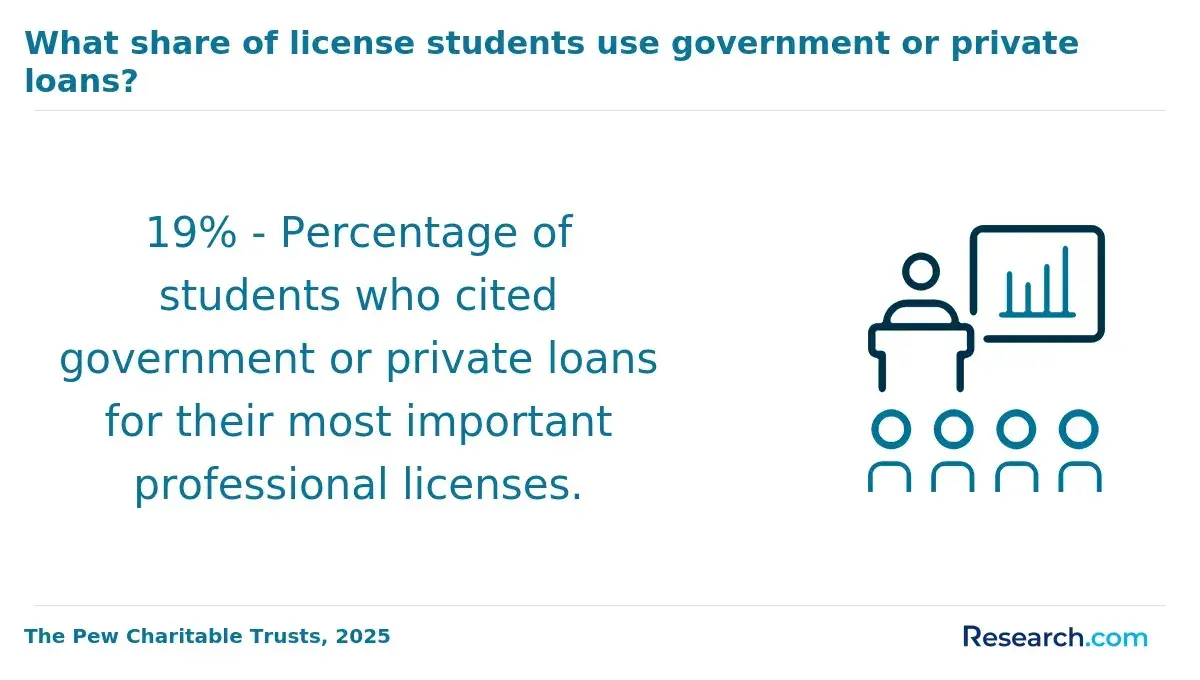
- Federal Aid Eligibility: Both formats qualify for federal loans, grants, and work-study programs, provided they are accredited. However, accelerated students must manage loan limits carefully since completing faster than four years can cause funding gaps.
- Scholarship Opportunities: Scholarships are generally available for all intelligence majors, but traditional students might have access to a wider range due to longer program durations and broader applicant pools.
- Employer Tuition Assistance: More commonly offered for traditional programs, as employers often prefer the predictability of standard academic calendars for reimbursement purposes.
- Aid Disbursement and Renewal: Accelerated degree pacing can alter disbursement schedules and renewal periods, requiring students to stay proactive with financial planning compared to semester-based programs.
A professional who chose an accelerated intelligence degree shared that applying for financial aid felt like navigating uncharted territory. He recalled, "The faster pace meant I had to coordinate loan renewals on a tight schedule, which was stressful at times." Despite the challenges, he found the process rewarding: "Having access to federal aid made it feasible to stay enrolled continuously without financial interruptions. It taught me to be organized with paperwork and deadlines." His experience highlights that while accelerated programs require extra financial vigilance, the support systems available can effectively sustain dedicated students.
What Kind of Student Support Do Accelerated vs. Traditional Intelligence Programs Offer?
Student support is essential for academic success, with accelerated and traditional intelligence programs often varying in the type, timing, and delivery of these services. Below is a comparison of the primary support systems typically offered in both program formats.
- Academic Advising: Accelerated programs offer personalized, proactive advising with regular check-ins to help students navigate fast-paced, condensed schedules, focusing on course sequencing and credit transfer. Traditional programs provide advising on a more standard, flexible timeline where students reach out as needed for course planning over extended periods.
- Tutoring Services: In accelerated programs, tutoring is usually online and designed for quick, flexible support sessions aligned with tight schedules, though intense pacing may limit deeper engagement. Traditional programs tend to offer both in-person and online tutoring, with more opportunities for frequent and thorough academic assistance.
- Career Counseling: Accelerated tracks emphasize streamlined career guidance aimed at rapid workforce entry, often through virtual workshops and condensed networking. Traditional programs present more comprehensive career services, including internships, career fairs, and sustained networking opportunities.
- Peer Interaction: Accelerated programs may provide fewer chances for peer engagement due to time constraints, often focusing on targeted group work or virtual communities. Traditional programs generally facilitate broader on-campus involvement and social networking within the academic environment.
Do Graduates from Accelerated vs. Traditional Intelligence Programs Get Hired More Quickly?
Employment outcomes are a major factor when deciding between accelerated and traditional intelligence programs. Both paths can lead to rewarding careers, though several elements influence how quickly graduates land jobs. Understanding these differences can help prospective students make informed choices; below is a comparison of hiring trends and factors affecting job placement for both program formats.
Here are some key insights:
- Employer perception: While some employers still favor the comprehensive training of traditional degrees, many now recognize the dedication and flexibility shown by accelerated graduates. Bias against online and fast-track formats has lessened, particularly if the program is from a respected institution.
- Career readiness: Accelerated degrees often focus on practical skills and hands-on scenarios, which can benefit career changers or those upskilling. Traditional programs tend to provide stronger theoretical foundations, preferred by some entry-level positions.
- Industry demand: The intelligence sector is growing rapidly, with more than half of hiring managers equally considering candidates from online, accelerated, and traditional routes.
- Job placement rates: Recent research shows nearly identical employment timelines, with about 61% of online accelerated graduates and 63% of traditional graduates securing jobs within six months.
Speaking with a professional who completed a traditional intelligence degree and found work swiftly, she recounted a journey filled with intense preparation and networking. "The program's depth gave me confidence during interviews, but it was the relationships I built with faculty and peers that opened doors," she explained.
Despite the competitive job market, she felt that the comprehensive curriculum helped her develop critical thinking skills that employers valued immediately. "It wasn't just about finishing quickly; it was knowing I was fully equipped to handle real-world challenges," she shared, reflecting on how the traditional route supported her timely employment.
Are Accelerated Intelligence Degrees Accredited the Same Way as Traditional Programs?
Accreditation ensures academic quality and legitimacy for both accelerated intelligence degree programs and their traditional counterparts, regardless of pacing or delivery format. This process guarantees that institutions meet established educational standards critical for financial aid eligibility, credit transferability, and employer recognition. The accreditation standards for accelerated intelligence degrees follow the same rigorous criteria that apply to conventional programs.
As a result, students who pursue accelerated formats can expect their degrees to hold similar value in academic and professional contexts. Maintaining institutional accreditation plays a vital role in safeguarding the integrity and recognition of all intelligence degrees.
The intelligence degree program accreditation requirements typically involve regional or programmatic accrediting bodies such as ABET for computing-related disciplines, which apply their standards equally to accelerated and traditional formats. However, course design may differ, with accelerated programs often employing compressed schedules and targeted coursework to meet these standards efficiently.
Prospective students must verify that the institution is accredited by a recognized agency, like those acknowledged by the Council for Higher Education Accreditation (CHEA), to ensure their degree will be widely recognized. Consulting official accreditation databases or the institution's registrar is recommended before enrolling. For those weighing options, understanding what is a quick degree that pays well? can also provide valuable insight into accelerated degree benefits.
How Do You Choose Between an Accelerated vs. Traditional Intelligence Degree?
Choosing between an accelerated and a traditional intelligence degree depends largely on your career goals, scheduling flexibility, and preferred learning pace. Both paths offer distinct advantages tailored to different personal and professional circumstances. To decide which route fits best, consider the following factors carefully.
You should evaluate these key elements before making your choice:
- Career goals: If you aim for rapid skill acquisition and early entry into intelligence roles, an accelerated intelligence degree program benefits those who want to advance quickly. Traditional degrees, however, often provide broader networking opportunities and room for research or internships that can enrich your experience.
- Learning style: The differences between accelerated and traditional intelligence degrees are significant in this area. Accelerated programs suit students who thrive in fast-paced, intensive environments and can manage a heavy workload. Traditional programs cater to those who prefer steady progress and deeper exploration of topics over a longer period.
- Lifestyle and priorities: If balancing work, family, or other commitments is a priority, traditional degree formats generally offer more flexibility with lighter semester loads and more breaks. Accelerated degrees demand strong time management and the ability to commit full-time year-round.
For a broader perspective on certifications that complement intelligence careers, consider exploring the highest paying certifications that can enhance your qualifications and earning potential.
What Students of Accelerated vs. Traditional Intelligence Programs Say About Their Degree
- Weston: "The accelerated intelligence program was intense but incredibly rewarding, offering a fast-paced path to gain vital skills without years of study. I found the workload demanding, yet the shorter duration helped reduce overall tuition costs, making it a cost-effective choice. This program jump-started my career quickly, although the rapid pace meant I had less time to deeply explore some topics. "
- Henrik: "The traditional intelligence degree was a solid investment in my career, especially considering the extensive curriculum and networking opportunities available. It required a considerable amount of time and commitment, which sometimes felt overwhelming alongside other responsibilities. While the tuition fees were on the higher side compared to accelerated options, the thorough instruction prepared me well for real-world challenges. "
- Jireh: "Enrolling in a traditional intelligence degree program offered a well-structured and comprehensive learning experience that allowed me to gradually build expertise. Although the pace was steady, I appreciated the depth of material covered and the opportunity to form meaningful connections with professors and peers. The average cost was manageable, but I do wish there were more flexible scheduling options to accommodate working students. "
Other Things You Should Know About Traditional vs. Accelerated Intelligence Degrees
Accelerated intelligence degrees typically offer greater flexibility and condensed schedules, allowing students to complete their education faster. This is ideal for those who need to balance schooling with personal or professional commitments. Traditional programs offer a more extended timeline, giving students more time to absorb material and engage in campus life.
Accelerated programs often have compressed schedules that can limit opportunities for in-person networking and extracurricular involvement. Traditional intelligence degrees typically provide more time and activities for building professional relationships. However, many accelerated programs utilize online platforms to facilitate networking despite time constraints.
Accelerated intelligence programs are often designed to match the rigor of traditional programs, maintaining comparable academic standards. However, the compressed timeframe may demand a more intense workload, challenging students to manage time efficiently without the extended schedule found in traditional settings.
References
- Is the Traditional College Degree Still Relevant in an AI-Driven Job Market? - ReviewNPrep https://reviewnprep.com/blog/is-the-traditional-college-degree-still-relevant-in-an-ai-driven-job-market/
- How To Choose Between Online Vs. Traditional Education Programs | PLNU https://www.pointloma.edu/resources/accelerated-undergraduate/how-choose-between-online-vs-traditional-education-programs
- Is an Accelerated Degree Program Right for Me? - Intelligent https://www.intelligent.com/best-online-colleges/is-an-accelerated-degree-program-right-for-me/
- AI Degrees: All Schools with Artificial Intelligence Bachelor’s Degrees - MastersInAI.org https://www.mastersinai.org/degrees/artificial-intelligence-degrees/
- Master’s title https://www.ecpi.edu/blog/accelerated-degree-program-benefits
- Four Types of Financial Aid to Help Pay for College https://online.champlain.edu/blog/types-of-financial-aid
- AI Bootcamp vs Degree: Fast-Track vs Traditional Education https://ai.devtheworld.jp/posts/ai-bootcamp-vs-degree/
- Here's What Accelerated Learning Really Looks Like (Opinion) https://www.edweek.org/teaching-learning/opinion-heres-what-accelerated-learning-really-looks-like/2024/03
- The Rise of Skills-Driven Hiring: Navigate the 2025 Job Market https://www.compunnel.com/blogs/the-rise-of-skills-driven-hiring-how-to-navigate-the-2025-job-market/
- Is Accelerated or Advanced Learning Better? Find Out! — Vanguard Gifted Academy https://vanguardgiftedacademy.org/latest-news/is-accelerated-or-advanced-learning-better-find-out


