
2027 Are There Any One-Year Online Agriculture Degree Programs Worth Considering?

Co-Founder and Chief Data Scientist
One-year online Agriculture degree programs are gaining traction as flexible options for students seeking accelerated pathways into the field. These programs often concentrate on practical skills like crop management, sustainable farming, and agricultural technology, making them appealing to professionals aiming to enhance expertise quickly without pausing their careers.
Specifically, shorter Agriculture programs suit those interested in niche areas such as soil science or agribusiness, where concise, targeted knowledge suffices for advancement. The rise of digital resources allows for interactive learning despite time constraints.
This article explores available one-year online Agriculture degrees, curriculum focuses, and how these programs align with evolving agricultural demands.
Key Points About One-Year Online Agriculture Degree Programs
- One-year online Agriculture degrees focus on practical skills and industry technology, differing from traditional programs that emphasize broader theoretical foundations and extended research projects.
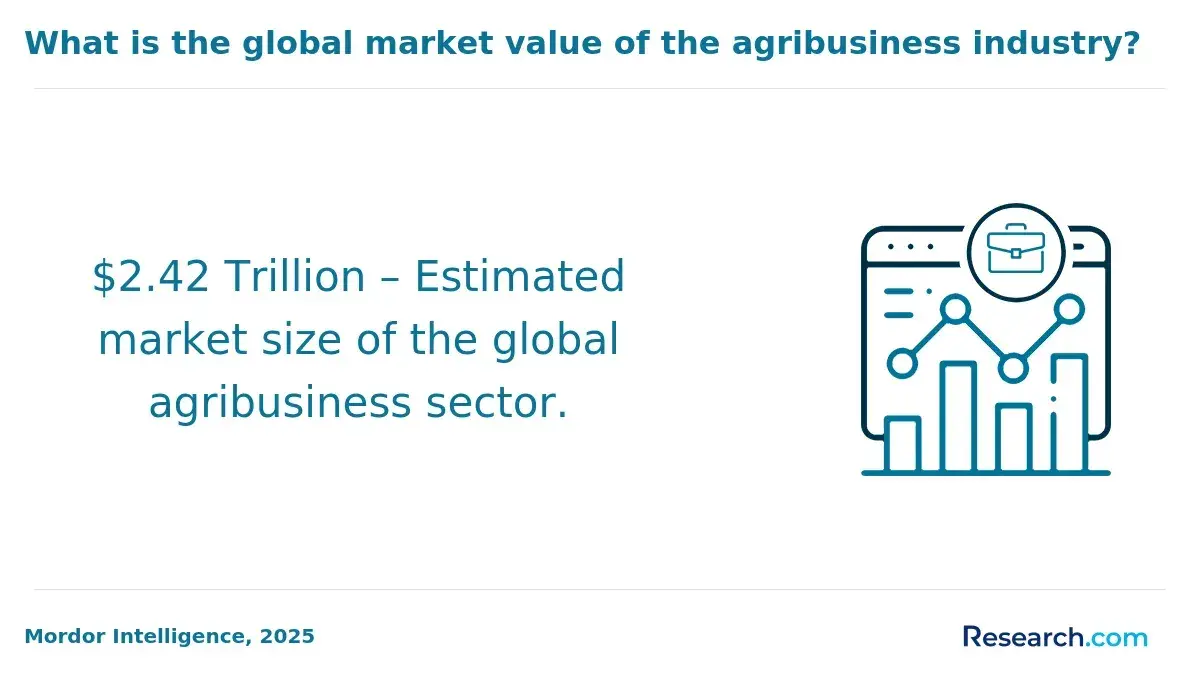
- These accelerated programs often target working professionals seeking quick credential upgrades in agribusiness, crop management, or sustainable practices within the growing $388 billion US agriculture sector.
- Students should expect flexible schedules but limited specialization options, with fewer accredited one-year choices compared to multi-year degrees, reflecting the complexity of agricultural science.
Is It Feasible to Finish a Agriculture Degree in One Year?
Completing a bachelor's degree in Agriculture fully online within one year is generally not feasible due to the extensive credit requirements and hands-on learning components. These programs typically demand over 120 credits and practical experiences, making accelerated completion impractical without significant transfer credits.
Master's degrees, such as Online Masters of Agriculture and Life Sciences, require fewer credits-around 30-but usually still take 18 to 24 months to finish full-time. The blend of asynchronous and synchronous courses adds flexibility but does not typically shorten program duration to a single year.
The speed of completion depends on factors like prior coursework, intensity of study, and program structure, including practicums or thesis work. Successful acceleration also requires strong self-regulation skills, with studies showing female and senior students often demonstrating higher persistence and time management abilities critical for fast-paced online learning.
Are There Available One-year Online Agriculture Degree Programs?
Currently, there are no accredited one-year online agriculture degree programs in the USA designed for students starting from scratch. While many institutions offer flexible and accelerated pathways, most online agriculture degrees remain traditional four-year bachelor's programs delivered in accelerated formats or with credit transfer options. Students seeking fast completion should consider programs that blend science, business, and technology to prepare for careers in agribusiness, sustainability, and production management.
Although one-year online agriculture degree programs in the USA are not fully established, some schools provide accelerated online agriculture courses for 2025 that could reduce time to graduation. These options are usually most effective for students who transfer significant prior college credits or demonstrate mastery through exams. For more information about accelerated degree options, prospective students can explore the best accelerated degree college options for working adults.
- Arizona State University - Sustainable Food Systems (BS): This program features accelerated 7.5-week courses and multiple classes per term. It requires 120 credits, and students with prior credits may progress faster, though completing the degree in one year is unlikely for most.
- Arkansas State University - Agricultural Studies (BS): Offering a fully online format with multiple start dates, this program emphasizes flexibility and accelerated coursework. One-year completion is only realistic for those transferring many credits, while others follow a traditional four-year timeline.
- Oregon State University - Agricultural Sciences (BS): Known for customizable curriculum and credit transfer options, OSU's program requires 180 quarter credits typically completed over four years of full-time study. It focuses on agribusiness, sustainability, and production specializations.
Why Consider Taking Up One-year Online Agriculture Programs?
One-year online agriculture degree programs offer a strategic option for students and professionals looking to advance their careers without the lengthy commitment of traditional degrees. These accelerated programs meet the needs of those requiring immediate, focused training and credentials in agriculture. While fully one-year bachelor's degrees are rare, some institutions provide accelerated tracks or allow prior learning credits to help achieve this timeline.
These programs showcase several important advantages, particularly for those seeking accelerated online agriculture degree benefits:
- Speed and Flexibility: Completing a degree in one year enables quicker re-entry into the job market. Online formats allow students to balance coursework with work or family commitments effectively.
- Relevance and Practicality: Curricula emphasize applied knowledge in areas such as sustainable food systems, agribusiness management, and agricultural technology, equipping students with career-ready skills.
- Cost Efficiency: Shorter program duration often lowers tuition and living costs, an important factor for self-funded students or those minimizing debt.
- Customization: Some programs permit tailored study paths focusing on crop science, livestock management, or agricultural policy to align education with individual goals.
These flexible online agriculture program advantages particularly benefit mid-career professionals, returning learners, or those with prior credits seeking efficient credentialing. Prospective students should carefully evaluate program accreditation and outcomes. For those exploring expedited paths in related fields, consider exploring online easiest PhD degree programs as an additional option.
What Are the Drawbacks of Pursuing One-year Online Agriculture Programs?
One-year online agriculture degrees can offer speed and flexibility, but they come with important challenges that prospective students should consider. These accelerated programs often compress extensive material into a very tight timeframe, which may not suit everyone's learning style or lifestyle.
- Intense workload: Accelerated schedules require managing heavy course loads, which can be overwhelming especially for those balancing jobs or family duties.
- Limited hands-on training: Agriculture relies on practical experience with labs, crops, and livestock, which online formats struggle to replicate fully.
- Reduced networking opportunities: Building local industry connections and mentorships is more difficult without face-to-face interaction, potentially impacting career prospects.
- Need for self-discipline: Online learners must stay motivated and organized without traditional classroom structure, which can be challenging.
- Geographic employment constraints: Many agricultural roles are region-specific, limiting job options for those outside key areas like the southern and southwestern U.S.
- Variable degree value: Some entry-level agriculture jobs emphasize experience over degrees, so an accelerated bachelor's may not always boost employment chances.
What Are the Eligibility Requirements for One-year Online Agriculture Programs?
Eligibility requirements for one-year online agriculture degree programs vary widely depending on the institution and the specific degree or certificate offered. These programs often cater to different student profiles, including those pursuing degree completion or accelerated certificates. Understanding basic admission criteria for accelerated agriculture programs can help applicants identify the best fit for their educational and professional goals.
Most one-year online programs in agriculture are designed for degree completion, especially at the bachelor's level. Certificate and associate degree options also exist but tend to have less stringent entry requirements. Professional experience may be valued but is not always mandatory.
- Prior college credits: Bachelor's degree completion tracks typically require at least 60 college credits from an accredited institution to cover foundational coursework and allow students to focus on advanced agriculture subjects within a year.
- High school diploma or GED: Certificate programs or accelerated associate degrees generally require a high school diploma or GED, sometimes accompanied by foundational science or math prerequisites.
- Placement exams: Some programs mandate placement tests to assess proficiency in essential subjects such as math or biology before enrollment.
- Relevant bachelor's degree and work experience: Graduate-level agriculture programs usually expect applicants to hold a bachelor's degree in agriculture or a related field and may value relevant professional experience.
- Additional documentation: Submission of official transcripts, background checks for fieldwork-based programs, admissions interviews for competitive tracks, and letters of recommendation-especially for graduate certificates-may also be required.
Requirements differ significantly between institutions and depend on whether the program targets working professionals or traditional students. Prospective applicants should carefully review each program's criteria. For those exploring pathways to an accelerated associate degree in agriculture, the fastest way to get an associate's degree may provide useful insights.
What Should I Look for in One-year Online Agriculture Degree Programs?
Choosing one-year online Agriculture degree programs requires careful evaluation to ensure they meet your academic and professional goals. Not all programs offer accelerated paths, so it's important to verify key aspects before enrolling in a one-year online agriculture degree program.
- Accreditation: Confirm regional accreditation from agencies like the Higher Learning Commission (HLC) or the Southern Association of Colleges and Schools Commission on Colleges (SACSCOC). This ensures academic quality and credit transferability, which is vital for future education or career steps.
- Faculty expertise: Programs led by instructors with advanced degrees and industry experience provide valuable insights into agricultural methods and emerging technologies.
- Curriculum quality: Look for programs covering core topics such as crop production, livestock management, agronomy, agricultural technology, and sustainability. Availability of electives in areas like precision agriculture or agricultural business enhances specialization options.
- Course delivery format: Check whether the program is fully online or requires hybrid elements such as on-site internships. Flexible schedules compatible with your personal commitments are essential for success.
- Credit transfer policies: If pursuing further education, prioritize programs with flexible credit transfer options, typically found in regionally accredited institutions.
- Tuition cost and financial aid: Tuition varies widely among agriculture programs. Compare fees and verify eligibility for aid, as only accredited programs qualify. Resources listing nationally accredited online colleges no application fee can help identify affordable options.
- Student support services: Comprehensive support such as academic advising, career counseling, and technical assistance enhances the online learning experience.
Currently, one-year online agriculture degree program requirements may limit availability, so thorough research is advised to find accredited programs matching your needs and timeline.
How Much Do One-year Online Agriculture Degree Programs Typically Cost?
One-year online Agriculture degree programs in the U.S. generally cost between $6,000 and $15,000 in total tuition. The price varies based on factors such as the institution and whether students qualify for in-state or out-of-state rates. For instance, Arkansas State University charges about $276 per credit, while the University of Massachusetts Amherst's rate is $525 per credit, with most programs requiring 30 to 36 credits for completion.
The tuition reflects several key elements including residency status, total credit hours needed, school prestige and accreditation, as well as potential technology fees associated with online learning. Additionally, options like financial aid and transfer credits may influence the final cost a student faces.
Compared to traditional four-year, on-campus Agriculture degrees-which often range from $25,000 to $80,000 in total tuition-one-year online programs offer a more affordable and flexible route for professionals seeking quicker specialization or career advancement.
What Can I Expect From One-year Online Agriculture Degree Programs?
Enrolling in a one-year online Agriculture degree program offers an accelerated path for those eager to enter or advance within the agricultural sector. While fully accredited one-year degrees specifically in agriculture are rare, many certificate or concentration programs provide targeted learning in areas like agribusiness management, sustainable agriculture, or specialized agricultural sciences. These programs are often designed to deliver a concentrated and efficient curriculum.
Students benefit from intensive coursework that addresses essential agricultural principles and their practical applications. The benefits of accelerated online agriculture degree programs include flexible scheduling to accommodate working adults and access to industry experts who provide valuable networking opportunities. This approach helps students quickly build foundational knowledge and skills relevant to current agricultural challenges and innovations.
Those pursuing these accelerated programs can expect to face challenges such as managing a demanding course load and balancing theoretical learning with hands-on experience. However, many graduates find promising career opportunities with online agriculture degrees in the US, qualifying them for roles in agribusiness, sustainable food systems, and agricultural technology sectors. For those interested in affordability, the cheapest online colleges for working students may provide additional options for pursuing these programs.
Are There Financial Aid Options for One-year Online Agriculture Degree Programs?
Financial assistance is accessible for those pursuing one-year online Agriculture degrees, though the availability and criteria differ by source. Students can access various federal, state, and private options tailored to short-term agricultural studies.
Below are three key financial aid opportunities for students enrolled in Accelerated Agriculture programs:
- Federal Aid: Includes Pell Grants and federal loans available by submitting the FAFSA form. Eligibility depends on financial need, citizenship status, and enrollment in an accredited institution offering online Agriculture degrees.
- State Grants and Scholarships: Many states provide funds specifically for residents studying high-demand agricultural fields like agribusiness or sustainable food systems. These awards usually require proof of residency and preference may be given to students attending in-state programs.
- Private Scholarships and Employer Assistance: Industry organizations and agricultural foundations offer scholarships based on academic success, leadership, or career goals. Professionals already employed in agriculture can check if their employers provide tuition aid, often subject to employment agreements or ongoing work commitments in the sector.
Because accelerated programs may have different funding release schedules than traditional degrees, it's essential to verify financial aid deadlines and disbursement dates with the school's finance office.
What Agriculture Graduates Say About Their Online Degree
- Eddie: "Completing my one-year online Agriculture degree was a game-changer for my career. The accelerated format allowed me to enter the workforce faster without compromising the quality of my education. At an average cost of attendance, this program offered incredible value and practical skills that I use daily in my farm management role."
- Sage: "The competency-based approach of the Agriculture program truly matched my learning style. Being able to progress as I mastered each topic gave me confidence and a deep understanding of the material. Reflecting on my journey, I appreciate how the program's flexibility fit perfectly with my busy schedule and personal commitments."
- John: "Pursuing an online Agriculture degree in just one year was a professional milestone that enhanced my expertise in sustainable farming practices. The program's structure emphasized real-world applications, which immediately boosted my effectiveness at work. Considering the average cost, this was a smart investment in advancing my agricultural career."
Other Things You Should Know About Pursuing One-Yeas Agriculture Degrees
Yes, several institutions offer fully online one-year agriculture degree programs in 2027. These programs typically provide a flexible schedule, allowing students to gain specialized knowledge in areas like sustainable agriculture and agribusiness management. It's essential to research accreditation and the specific curriculum to ensure alignment with career goals.
Yes, earning an online agriculture degree can enhance knowledge in areas such as sustainable farming, crop management, and agribusiness strategy, which employers value. Graduates often qualify for supervisory roles, consulting positions, and specialized jobs in agricultural technology or resource management. The credentials can demonstrate commitment and technical expertise, benefiting career growth.
Accredited online agriculture degrees from reputable institutions are generally recognized by employers and professional organizations. Recognition depends on accreditation status, program curriculum, and the institution's reputation. However, it is advisable to check with specific industry bodies or potential employers for their acceptance policies before enrolling.
References
- CALS Offers Ag Science Undergraduate Degree Fully Online https://magazine.cals.ncsu.edu/nc-state-ag-science-degree-online/
- Online Agriculture Courses offer Multiple Benefits - https://agricolleges.com/online-agriculture-courses-offer-multiple-benefits/
- Introductory Agriculture - Admissions https://admissions.usask.ca/introductory-agriculture.php
- Five Reasons Agriculture Courses are Trending Right Now https://www.qschina.cn/en/student-info/careers-advice/five-reasons-agriculture-courses-are-trending-right-now
- Admission & Registration / University of Agriculture in Krakow https://urk.edu.pl/en/study/study-in-english/bachelor-studies/admission-registration
- Research Assistant - Bohrium | AI for Science with Global Scientists https://www.bohrium.com/paper-details/benefits-and-challenges-of-online-instruction-in-agriculture-and-natural-resource-education/812675779212083201-11604
- Agricultural Courses: Your Guide to Kickstart Your Career https://basis-reg.co.uk/news/article/best-courses-in-agriculture
- School of Agricultural Science https://yesbud.online/agriculture/
- Online Bachelor's BS in Agriculture Individualized Curriculum https://online.uky.edu/bachelors/agriculture-individualized-curriculum/bs


