2027 Biochemistry Degree vs. Certificate: Which Should You Choose?

Co-Founder and Chief Data Scientist
Today's students and professionals face important decisions when choosing between earning a degree or a certificate in biochemistry. Both educational paths can enhance career prospects but differ significantly in depth, duration, and focus. A degree often involves comprehensive study and research opportunities, while a certificate offers targeted skills and faster completion times.
Biochemistry degrees typically require several years, which may suit those pursuing extensive careers in research or healthcare. Certificates appeal to individuals seeking to quickly update skills or enter specialized fields. This article compares key differences to help readers select the most suitable option for their career goals and lifestyle.
Key Points About Biochemistry Degree vs. Certificate Programs
- A biochemistry degree offers comprehensive scientific training, enabling broader research roles and higher salary potential, with median earnings around $75,000 annually.
- Certificate programs focus on specialized skills, providing quicker entry into technical positions but generally yielding lower long-term salary growth.
- Degrees support professional growth through advanced coursework and internships, while certificates enhance practical abilities for immediate workforce application.
What Are the Differences Between Biochemistry Degree and Certificate Programs?
Both a biochemistry degree and a certificate can open doors to rewarding career opportunities, yet they differ significantly in various aspects. Understanding these differences enables students to select the educational path that best fits their professional goals and time availability.
Below is a comparison highlighting key distinctions between biochemistry degrees and certificate programs.
- Depth of Learning: A biochemistry degree offers comprehensive knowledge of molecular biology, chemistry, and lab techniques, ideal for those seeking a solid scientific foundation. Certificates focus on specific skills or topics, making them suitable for professionals wanting targeted expertise without a full degree.
- Time Commitment: Degree programs require several years of study, which suits learners aiming for in-depth training and possible research roles. Certificates are shorter, providing quicker entry to skill acquisition for those needing immediate or supplemental qualifications.
- Career Advancement: Degrees typically allow access to a wider range of scientific and technical positions, beneficial for long-term career growth. Certificates can enhance credentials for existing professionals or help pivot into niche areas, but may have limited scope for major advancement.
- Cost and Accessibility: While degrees generally require a larger financial and time investment, certificates tend to be more affordable and flexible, appealing to working adults or those balancing other responsibilities.
How Long Does It Take to Complete a Biochemistry Degree vs. a Certificate Program?
Completion time is one of the most important factors for students deciding between a biochemistry degree vs. certificate program. Understanding how long each path takes can help learners align their education with career goals and personal commitments.
- Typical Duration: A biochemistry degree program duration in the US generally requires about four years of full-time study. This includes foundational courses in chemistry, biology, and mathematics, often spanning eight semesters. In contrast, how long to finish a biochemistry certificate course can be as short as a few months to up to two years, depending on the program's design and the student's pacing.
- Flexibility: Degree programs typically have a fixed curriculum and credit requirements, which set a more rigid timeline. Certificate courses, however, often allow students to progress at their own pace, making them much more flexible for part-time learners balancing work or other responsibilities.
- Factors Affecting Timeline: Prior college credits or transfer experience can reduce time spent on a degree. Full-time enrollment speeds completion, while part-time attendance may extend it beyond four years. Certificate programs also vary in length based on course sequence and part-time versus full-time study patterns. Some biochemistry certificate students may complete standalone courses in as little as 16 weeks.
Students seeking faster credentialing might explore options such as top associate degrees in 6 months online, which demonstrate the availability of accelerated programs in related fields. Ultimately, understanding program duration and flexibility is key to choosing the best educational path in biochemistry.
Can You Complete a Biochemistry Degree or Certificate Entirely Online?
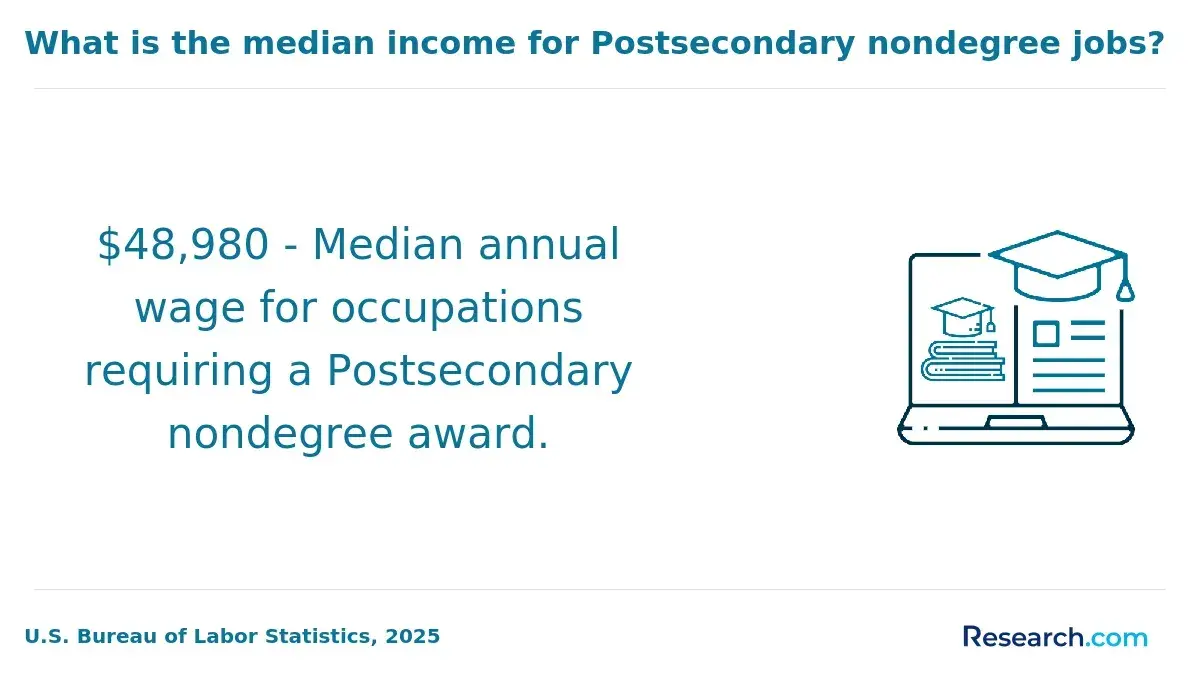
The growth of online education has expanded access to many science programs, yet completing a fully online biochemistry degree program remains rare. While some institutions like Arizona State University offer online Bachelor of Science degrees in biochemistry, these typically require students to attend in-person laboratory sessions for key courses such as organic chemistry and biochemistry labs.
Undergraduate biochemistry degrees usually involve substantial practical lab work that prevents a 100% online format. However, several individual online biochemistry certificate options exist, especially for introductory or professional development levels, with offerings from schools such as Oregon State University. These certificates often emphasize theory and fundamentals rather than hands-on skills.
Hands-on training through laboratory experience, internships, and research projects remains essential for accreditation, graduation, and career or licensure qualifications in fields like medical technology and pharmaceutical research. Prospective students should consider their career goals carefully: those pursuing advanced lab roles or licensure may prefer hybrid or on-campus programs, while those seeking foundational knowledge or continuing education might find online certificates sufficient.
For guidance on suitable study paths, reviewing program requirements in relation to the amount of in-person experience needed is crucial. For broader educational options, see the easiest associates degree to get.
What Are the Admission Requirements for a Biochemistry Degree vs. a Certificate Program?
Admission requirements play a crucial role in deciding between a biochemistry degree and a certificate program, as they signify both the academic demands and entry accessibility of each option. Evaluating these requirements helps prospective students gauge their readiness and chances of acceptance.
Below is a side-by-side comparison of the general admission criteria for biochemistry degree programs versus certificate programs.
Admission Requirements for Biochemistry Degree Programs
- Educational Background: Most bachelor's degree programs require a high school diploma or equivalent, while graduate degrees typically need a baccalaureate in chemistry, biochemistry, or a related field from an accredited institution.
- Minimum GPA: Undergraduate applicants may need a GPA around 2.75-3.0, especially for transfers or major changes, whereas graduate programs commonly require a minimum overall GPA of 3.0 or in the last 60 credit hours.
- Standardized Tests: SAT or ACT scores are often required for first-time undergraduates; some graduate programs may request GRE scores, though this is becoming less common.
- Course Prerequisites: Foundational courses in math, biology, and chemistry must be completed with set minimum grades (e.g., C in biology and B in chemistry or math for major changes).
- Supporting Documents: Graduate-level programs frequently ask for statements of purpose and letters of recommendation highlighting academic ability and research experience.
- English Proficiency: Non-native English speakers usually must submit TOEFL, IELTS, or equivalent test scores meeting specified minimums.
Admission Requirements for Biochemistry Certificate Programs
- Educational Background: A high school diploma or GED is generally sufficient, as certificate programs are designed for skill enhancement without the commitment of a full degree.
- Minimum GPA: GPA requirements, if any, are generally lower and less strict compared to degree programs.
- Course Prerequisites: Some basic science courses may be needed, especially for advanced certificates, though requirements are usually more flexible.
- Supporting Documents: Letters of recommendation and statements of purpose are rarely required, simplifying the application process.
- English Proficiency: English test scores may be requested for international students but with less rigorous standards than graduate degree tracks.
Admission criteria vary by institution, so it is important to check specific schools for accurate information. For example, Texas State University's M.S. in Biochemistry requires a minimum 3.0 GPA and supporting documents, while some undergraduate degrees lack department-specific requirements beyond general university admission.
Certificate programs typically offer more flexibility and fewer entry barriers. Students interested in advanced academic pathways may consider exploring the cheapest doctorate degree options available to deepen their qualifications within the biochemistry field.
How Many Credits Do You Need to Complete a Biochemistry Degree vs. a Certificate?
Knowing the number of credits needed to complete a biochemistry program is essential for students to effectively plan their academic path and manage their time. This clarity helps set realistic expectations concerning the program's length and intensity. Below is a straightforward comparison between biochemistry degree and certificate credit requirements.
Understanding these distinctions can help students decide which option fits their career goals and current educational background.
- Biochemistry degree: Typically requires 120 to 130 semester credit hours, comprising extensive coursework in biochemistry, chemistry, biology, and supporting sciences. This full undergraduate program generally includes both theory and lab work to build a broad scientific foundation.
- Biochemistry certificate: Usually entails 12 to 24 credits focused on core biochemistry subjects. Designed for individuals who already hold a degree or seek targeted expertise without the general education courses of a full degree.
A student who opted to pursue a biochemistry certificate shared insights about his experience. He described balancing the certificate coursework alongside his existing professional responsibilities as challenging but rewarding. "The compressed credit load meant I could focus intensely on relevant subjects without the stress of unrelated classes," he reflected.
He found that the certificate program offered a practical way to deepen his knowledge quickly while maintaining his job. This targeted approach allowed him to gain specialized skills that immediately enhanced his career prospects, illustrating how credit requirements and program structure impact educational decisions.
What Is the Average Tuition for a Biochemistry Degree vs. a Certificate?
Tuition costs are a critical factor when choosing between pursuing a biochemistry degree or a certificate program, as they directly impact your financial commitments and potential return on investment. Comparing these costs helps students and professionals make informed decisions that align with their career goals and budgets.
Below is a comparison of the average tuition ranges for each option to clarify the financial differences involved.
Average Tuition for Biochemistry Degree Programs
- Tuition Range: The average tuition for an undergraduate biochemistry degree in the US typically ranges from $10,973 to $40,214 per year for state residents and out-of-state students at public colleges, with private universities charging up to $64,700 annually.
- Graduate Tuition: Graduate programs in biochemistry cost between $12,365 and $33,458 per year at public institutions, while prestigious private universities may charge as much as $63,393.
- Public vs. Private: Tuition fees tend to be lower at public universities for in-state students, whereas private institutions often have significantly higher tuition regardless of residency.
- Additional Fees: Mandatory fees for health insurance, technology, and student activities can add several thousand dollars annually to total costs.
- Living Costs: On-campus living expenses generally add $16,600 to $28,930 yearly depending on location and school.
Average Tuition for Biochemistry Certificate Programs
- Tuition Range: Biochemistry certificate program tuition cost is substantially lower, often ranging from $1,000 to $7,000 for the entire program, making it a more affordable alternative to degrees.
- Program Length: Certificates typically take less than a year to complete, reducing overall tuition and living expenses compared to multi-year degree programs.
- Online vs. On-Campus: Online certificates often cost under $5,000, offering further savings compared to on-campus programs, which may include facility fees.
- Public vs. Private: Public institutions generally provide more affordable certificate tuition, while private or specialized schools may be at the higher end.
- Additional Costs: Additional lab or technology fees may apply, though these are usually minimal compared to those in degree programs.
For prospective students exploring affordable options, consulting a list of top online schools can be valuable for finding reputable programs with competitive tuition rates.
Can You Transfer Certificate Credits Toward a Biochemistry Degree Later On?
Yes, certificate credits in biochemistry can often be transferred toward a biochemistry degree, but this depends on several important factors. Transfer approval usually requires that the courses come from accredited institutions and align closely with the degree program's curriculum and academic standards.
Each college or university sets its own policies on transfer credits, so equivalency evaluations or submission of detailed syllabi may be necessary. Generally, courses that match content and rigor stand a better chance of transfer acceptance.
Other important factors include transfer credit limits, residency requirements, and minimum grade standards, which typically require a grade of C or higher. Some institutions limit the number of credits that can be applied to the major, often requiring students to complete a majority of their coursework on campus.
Confirming transfer policies before enrolling in a certificate program is essential to ensure credits will count later. Always consult your target school early to avoid surprises and make the most of your academic efforts.
Reflecting on her experience, a student who later pursued a biochemistry degree after completing a certificate program shared how navigating the transfer process felt both hopeful and challenging. She recalled, "I had to gather detailed course materials and talk to advisors at both schools to prove my credits matched their degree requirements."
While some credits transferred smoothly, others did not, which required adapting her course plan. Despite initial anxieties, she found the process rewarding, noting it "gave me confidence that my earlier work wasn't wasted and really laid a foundation for my degree."
Are Certificate Programs Accredited the Same Way as Biochemistry Degrees?
Certificate programs in biochemistry are not accredited in the same manner as biochemistry degrees. Undergraduate biochemistry degrees often receive accreditation from specialized organizations like the American Society for Biochemistry and Molecular Biology (ASBMB), which evaluates entire programs based on curriculum, resources, and student success.
For instance, many U.S. degree programs hold ASBMB accreditation, allowing students to earn a certified degree after passing national exams.
In contrast, biochemistry certificate programs tend to be shorter and usually rely on the institution's general accreditation rather than discipline-specific review. These certificates may lack the same industry recognition or rigorous oversight that accredited degree programs have.
Accreditation is important because it ensures programs meet established standards in curriculum quality, faculty expertise, and measurable outcomes, which helps with credit transfer and employer trust. Prospective students should verify that their program is accredited by a specialized body like ASBMB or is part of a regionally accredited institution.
It is also beneficial to look for programs that include external assessments or standardized proficiency exams. Employers and graduate schools typically prefer credentials from accredited programs due to their verified educational standards. Always confirm accreditation through recognized organizations before enrolling in any biochemistry program.
What Jobs Can You Get with a Biochemistry Degree vs. a Certificate?
Both biochemistry degrees and certificates offer pathways into scientific careers, but they generally prepare graduates for different responsibilities and levels of expertise. While degrees tend to open doors to research and specialized roles, certificates often lead to supportive positions within laboratory environments.
Below is a comparison of career options available for each credential type.
Jobs You Can Get with a Biochemistry Degree
- Biochemist: Conducts experiments to understand chemical processes in living organisms, typically working in research labs or healthcare settings.
- Medical scientist: Investigates diseases and develops treatments through laboratory research and clinical studies.
- Forensic scientist: Analyzes physical evidence to support law enforcement and legal investigations.
- Environmental scientist: Studies environmental data to address ecological issues and develop sustainable solutions.
- Biotechnologist: Applies biological knowledge to develop products and technologies in pharmaceuticals or agriculture.
- Biological technician: Supports research by preparing experiments, maintaining equipment, and gathering data in laboratories.
Jobs You Can Get with a Biochemistry Certificate
- Laboratory assistant: Provides general support by preparing samples and maintaining lab cleanliness and organization.
- Quality control technician: Performs routine testing to ensure products meet safety and regulatory standards.
- Research support staff: Assists scientists by managing materials, recording data, and performing standardized procedures.
- Sample preparation technician: Focuses on organizing and processing specimens for analysis in research or clinical labs.
What Is the Average Starting Salary for a Certificate vs. Biochemistry Degree Graduates?
Salary potential often varies significantly between biochemistry certificate holders and graduates with a biochemistry degree, reflecting differences in education level and career opportunities. Understanding these distinctions is important for those considering their educational and professional paths.
Below is a side-by-side comparison of the average starting salary for biochemistry degree graduates versus biotechnology certificate holder starting salary USA, along with key factors influencing earnings and career outlook.
- Typical Salary Range: Graduates with a biochemistry degree commonly start with salaries averaging around $48,510 per year, while biotechnology certificate holders typically earn between $35,000 and $45,000 annually in entry-level technician or assistant roles.
- Career Opportunities: Degree holders often qualify for more advanced positions, including research and development roles, which can lead to median wages as high as $103,650 annually for biochemists and biophysicists with advanced degrees.
- Influence of Experience: Prior lab experience or internships can increase initial salary offers for both degree and certificate holders by demonstrating practical skills to employers.
- Industry Impact: The pharmaceutical and biotech sectors generally offer higher salaries compared to academic or government jobs for biochemistry professionals.
- Location Variability: States such as Massachusetts and California tend to provide above-average compensation, boosting starting salaries for both degree and certificate holders.
- Education Level Effect: Advanced degrees like a master's or Ph.D. unlock higher-paying roles and broader career prospects beyond entry-level positions common for certificate holders.
- Accessible Entry Options: For those seeking quicker, more affordable paths into the field, there are easy trades to learn that pay well which include biotechnology technician roles accessible with certificate programs.
Here's What Graduates of Biochemistry Programs Say About Their Degree or Certificate
- Emmanuel: "Choosing the biochemistry certificate program allowed me to dive into essential topics quickly without the extended commitment of a degree. The pace was intense but manageable, and the lower cost compared to a degree made it a practical choice for advancing my skills before entering the workforce. It gave me a solid foundation to boost my career options right away."
- Gage: "After completing my biochemistry degree, I truly appreciate the depth of learning and research opportunities it offered over a certificate. The longer duration and higher cost were definitely investments, but the comprehensive understanding I gained has opened doors for advanced roles and graduate studies. It's important to weigh career goals because a degree often leads to broader prospects."
- Isaac: "Completing both the biochemistry certificate and degree programs gave me a unique perspective on how each serves different professional needs. The certificate provided a fast, cost-effective introduction, while the degree delivered a rigorous, in-depth education that's essential for research careers. Reflecting on cost versus learning experience has been vital; investing in both was key for my personal growth and professional flexibility."
Other Things You Should Know About Biochemistry Degrees
Biochemistry certificate programs typically provide foundational knowledge but are not usually sufficient for direct admission into graduate programs. Most graduate schools prefer applicants with a bachelor's degree in biochemistry or a closely related field. However, completing a certificate can strengthen your application if paired with relevant work experience or additional coursework.
In 2027, biochemistry certificate holders usually need further education to qualify for lab research roles. A degree often provides the in-depth knowledge and skills required for these positions, whereas a certificate may not be sufficient for advanced research duties.
In 2027, a biochemistry degree is generally more beneficial for career advancement than a certificate, as it provides a comprehensive education, deeper knowledge, and is typically preferred for advanced positions or roles in research. Certificates may complement existing degrees but are often less comprehensive.
In 2027, consider career goals, time commitment, cost, and desired academic depth. A degree may provide broader career opportunities and higher earning potential, while a certificate can offer quick, specialized training for immediate entry into biotech fields. Evaluate which aligns best with your professional aspirations.
References
- Bachelor of Science in Biochemistry https://catalog.utexas.edu/undergraduate/natural-sciences/degrees-and-programs/bs-biochemistry/
- Biochemistry Studies, A.A. – CSCU Pathway Transfer Degree https://threeriverscollegefoundation.org/academics/degrees-certificates/biochemistry-studies-a-a-cscu-pathway-transfer-degree-2/
- Biochemistry - Associate of Science Degree https://selkirk.ca/programs/biochemistry-associate-science-degree
- Admissions & Program Requirements https://www.sfu.ca/mbb/undergrad/current-students/degree-programs/genomics---certf-/cert-genomics
- Biochemistry Certificate https://clas.ucdenver.edu/chemistry/students/undergraduate-students/biochemistry-certificate
- Degree vs. Certificate Programs: What’s the Difference? https://bachelors-completion.northeastern.edu/knowledge-hub/degree-vs-certificate/
- Tuition, Fees, and Cost of Attendance https://e-catalogue.jhu.edu/university-wide-policies-information/admission-aid/tuition-fees/
- Accreditations | Chemistry & Biochemistry | SFA https://www.sfasu.edu/academics/colleges/sciences-math/chemistry-biochemistry/about/accreditations
- Certificate in Biochemistry https://www.healthcourses.com.au/course/certificate-in-biochemistry