2027 Biology Practicum Requirements Explained

Co-Founder and Chief Data Scientist
Students pursuing a biology degree often encounter significant hurdles when fulfilling practicum, internship, fieldwork, or clinical placement requirements—challenges that can impact timely graduation and professional certification.
Meeting practicum hour mandates, adhering to supervision standards, passing background checks, and maintaining GPA thresholds are complex tasks influenced by diverse state regulations and program-specific rules.
According to the National Association of Colleges and Employers, over 65% of STEM students in the U.S. undertake internships or practicum placements to enhance workforce readiness.
Understanding these requirements early helps students strategize their academic paths and avoid delays. This article explains biology practicum requirements, highlighting common expectations and preparation strategies to keep students on track for success.
Key Things To Know About Biology Practicum Requirements
- Completing practicum training provides hands-on experience with real-world techniques, enhancing practical skills beyond classroom theory.
- Field experience and internships build professional networks and improve job prospects after graduation.
- Clinical placements and supervised hours develop competence in specialized biological contexts—preparing students for diverse career paths.
What Is A Practicum In Biology Program?
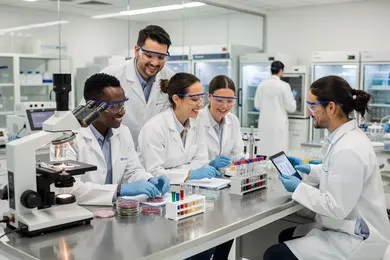
A practicum in a biology program is a structured, supervised experience that allows students to apply classroom knowledge to hands-on scientific work. It integrates theoretical learning with practical field or laboratory activities, helping students develop essential skills across U.S. higher education curricula.
Research shows that over 70% of employers in STEM fields prioritize candidates who have completed experiential learning components, emphasizing the value of practicum experiences for career readiness.
Key features of practicum requirements for biology students include the following:
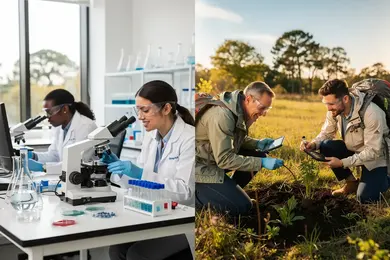
- Applied Learning: Unlike internships or capstones, practicums focus on close supervision and direct application of scientific methods in controlled settings such as labs, research sites, or field stations. This ensures students engage deeply with biological techniques under professional guidance rather than performing broader organizational roles.
- Timing Within Curriculum: Practicums typically occur after foundational biology courses are completed, serving as a critical transition toward advanced studies or entry into professional environments. Completion often aligns with upper-division coursework or near program completion.
- Supervised Fieldwork: Students log a required number of hours—usually between 120 and 200—working on research projects, sample analysis, or ecological monitoring. This hands-on experience cultivates technical competence and confidence in real-world applications.
- Evaluation and Feedback: Mentors and instructors provide continuous assessment through observation, reports, and presentations. Structured feedback validates skills and supports academic and professional growth.
- Academic and Career Integration: Successfully completing the practicum is mandatory for degree progression and can fulfill criteria for certifications or licensure in related fields. This structured exposure strengthens employability by connecting theoretical knowledge with industry expectations.
To explore related professional pathways and educational opportunities, consider the shortest DNP program online.
What Are The Eligibility Requirements For Biology Practicum?
Eligibility standards for a biology practicum ensure that students are academically and professionally prepared to engage in supervised experiential learning. These requirements help match student capabilities with practical expectations, enhancing success in complex scientific settings.
Studies reveal over 75% of science students benefit from hands-on practicum experiences that boost employability. The following are common eligibility requirements for biology degree programs:
- Minimum GPA: Most programs require a cumulative GPA between 2.5 and 3.0 to confirm a solid academic foundation. Maintaining this grade point average demonstrates mastery of essential concepts critical for handling the scientific rigor of a biology practicum.
- Prerequisite Coursework: Completion of foundational biology courses—covering areas like cell biology, ecology, genetics, and biochemistry—is typically mandatory. These prerequisite coursework requirements provide the theoretical and technical proficiency necessary for successful participation in practicum activities.
- Faculty Approval: Students often need endorsement from a faculty advisor or department committee. This approval ensures the student's skills align with program objectives and that the practicum experience will support their educational and career goals.
- Compliance and Readiness: Many biology programs require completion of health screenings, immunizations, background checks, and sometimes drug testing to protect both students and placement sites. In addition, readiness evaluations or orientations verify competencies such as lab safety and ethical conduct before students begin practicum assignments.
Students interested in furthering their healthcare qualifications may explore related nurse practitioner courses, which similarly emphasize clinical preparedness and experience.
How Many Practicum Hours Are Required For Biology Program?
Practicum hour requirements in biology programs are designed to ensure students gain essential hands-on experience that complements academic learning. These requirements vary widely by institution, accrediting agencies, and state mandates, with many programs recommending approximately 120 supervised hours to prepare students for professional roles.
Important factors influencing biology practicum hour expectations include:
- Typical Hour Ranges: Most programs mandate between 100 and 160 practicum hours, with undergraduates usually completing near 120 hours. Graduate-level practicums often require more time to cover advanced skill development and responsibilities.
- Hands-On Versus Observation: Students split practicum hours between direct, supervised participation and supportive or observational activities. Typically, 60-80% of the total hours focus on active involvement in lab or field tasks, while the remainder includes shadowing and preparatory work.
- Phased Experience: Practicums often occur in multiple rotations or phases, exposing students to diverse settings such as research laboratories, fieldwork environments, or specialized departments. This sequential approach broadens practical knowledge and strengthens versatility.
- Supervision and Verification: Completion is closely tracked through supervisor-signed logs and performance evaluations. These tools confirm students meet competency standards before graduation, ensuring alignment with professional expectations.
- Time Commitment: Weekly practicum hours usually range from 6 to 12, spread over one or two semesters. Consistent engagement during the term is crucial for mastering practical skills effectively.
A professional who completed a biology practicum reflected on the process by describing it as "both demanding and rewarding." He recalled the challenge of balancing scheduled hours with academic coursework, noting that "maintaining steady commitment required good time management."
He also emphasized the value of supervisor feedback and the confidence gained from hands-on application, saying the practicum "was a key moment that transformed my understanding from theory to real-world practice."
This experience confirmed for him that meeting the approximately 120-hour requirement was not just a checkbox but a vital step toward career readiness.
What Courses Must Be Completed Before Starting Practicum?
Prerequisite coursework plays a critical role in equipping students with the necessary knowledge and skills before starting a practicum. Academic programs emphasize structured foundational training to ensure students are ready for hands-on, supervised fieldwork. Over 85% of biology and related disciplines prioritize curriculum sequencing to enhance experiential learning readiness.
The key coursework typically required before undertaking a biology practicum includes:
- Core Theory: Foundational courses cover essential biology concepts such as genetics, ecology, and cell biology, building the scientific understanding needed before practical application in field environments.
- Research and Assessment Methods: Instruction in experimental design, data collection, and evaluation techniques develops critical thinking and analytical skills vital for accurate observation and interpretation during practicum activities.
- Professional Ethics: Training in ethical principles guides students to uphold integrity and accountability in scientific research and fieldwork, preparing them to handle real-world moral challenges responsibly.
- Communication Skills: Coursework focusing on scientific writing, presentations, and interpersonal communication ensures students can effectively document and share findings, facilitating collaboration in practicum settings.
- Field-Specific Competencies: Depending on the program focus, students may complete specialized training such as environmental sampling or microbiology techniques to tailor their skills for specific practicum requirements.
Requirements can vary across allied fields like education, nursing, psychology, and counseling, each adapting prerequisite coursework to their practicum needs. For example, students pursuing an online PhD in nursing may encounter distinct academic progressions emphasizing clinical preparation.
Ultimately, curriculum sequencing and meeting eligibility criteria remain fundamental to ensuring students transition smoothly from theory to applied professional practice.
How Does The Biology Practicum Placement Process Work?
The practicum placement process in biology programs connects classroom learning with supervised field experiences, providing students real-world exposure and mentorship. Institutions collaborate with diverse external organizations to arrange these placements, ensuring students meet academic standards and professional expectations.
Research shows that over 70% of employers in life sciences prefer candidates who have completed practical training. The key phases of this process include:
- Eligibility Verification: Students must satisfy academic prerequisites such as core coursework completion or maintaining specific GPA thresholds to qualify for practicum opportunities. This step confirms readiness for hands-on professional involvement.
- Application and Matching: Through coordinated efforts, students submit applications that include preferences and resumes. Placement coordinators then match them with suitable host sites considering academic focus, scheduling, and organizational criteria.
- Host Organization Coordination: Schools maintain partnerships with research institutions, conservation groups, or clinical settings. These partners agree to supervise and mentor students while complying with safety and training protocols.
- Interview and Screening: Applicants often undergo interviews, background checks, or additional assessments to evaluate their fit and professional conduct before final acceptance.
- Supervision and Monitoring: Faculty or practicum advisers regularly evaluate progress via site visits and reports, ensuring objectives are met and challenges addressed promptly.
- Completion and Certification: After fulfilling required hours and assignments, students submit documentation for institutional approval, which contributes to degree completion and professional accreditation.
A professional who completed her biology practicum described the process as both demanding and rewarding. She recalled that securing placement involved a rigorous application and interview phase, which initially felt stressful but ultimately reinforced her confidence.
Regular communication with faculty supervisors helped her navigate the experience, making adjustments as needed. She highlighted that the practicum wasn't just a formality but a transformative step that grounded her academic knowledge in practical skills and industry standards, paving the way for her career success.
What Documents And Paperwork Are Required Before Practicum?
Pre-practicum documentation is essential in biology degree programs to ensure that students meet safety, ethical, and academic standards before engaging in fieldwork.
These requirements help institutions comply with regulatory guidelines and prepare students for professional environments, with over 85% of programs mandating thorough paperwork to facilitate smooth onboarding and reduce delays.
Students generally need to complete several key documents and approvals before beginning their practicum placement, including the following:
- Application Forms: Students submit formal requests detailing their academic standing, learning goals, and site preferences. Early submission is critical to allow adequate review time and alignment with curriculum objectives.
- Institutional Approvals: Endorsements from faculty advisors or program coordinators confirm academic eligibility and adherence to conduct policies. These approvals often require signatures or electronic confirmation within specific deadlines to avoid processing delays.
- Medical Clearances and Immunizations: Up-to-date vaccination records and health screenings protect both students and placement sites. Many programs specify particular vaccines and recent medical evaluations, especially when working with vulnerable populations or biohazards.
- Background Checks and Liability Waivers: Criminal history screenings are common to meet safety regulations and site policies. Liability waivers clarify risk responsibilities, ensuring students and institutions understand legal protections and obligations.
- Consent and Confidentiality Agreements: Students typically sign forms to safeguard sensitive information encountered during fieldwork. These agreements reinforce professional ethics and comply with institutional and site-specific guidelines.
- Placement Verification Documents: Additional paperwork—such as training certificates or orientation acknowledgments—may be required based on the practicum location. These support adherence to specific site rules and promote seamless integration.
What Background Checks, Immunizations, Or Clearances Are Needed?
Pre-practicum compliance requirements in biology programs are essential for safeguarding both students and the communities they engage with during fieldwork or laboratory experiences. These requirements ensure that health, safety, and legal measures are in place, promoting professional standards and protecting vulnerable populations.
Industry data shows that over 90% of institutions now require comprehensive background checks and immunization verification before students can begin their practicum placements.
The following list summarizes common background checks, immunizations, and clearances typically required before starting a biology practicum:
- Criminal Background Checks: Students usually undergo thorough criminal background screenings, including fingerprinting and checks against sex offender and child abuse registries. These checks are mandated to comply with legal and safety standards and may vary depending on state laws and practicum placement sites.
- Immunizations and Health Screenings: Documentation for immunizations like tetanus, MMR, hepatitis B, and influenza is typically required. Tuberculosis testing is common in healthcare-related or animal interaction placements to minimize disease transmission risks.
- CPR and First Aid Certifications: Many programs require current CPR and first aid certifications to ensure students can handle emergencies effectively. Certifications often need renewal every two years to maintain compliance.
- Drug Screening: Some institutions mandate drug testing as part of occupational health and safety regulations, especially for placements involving hazardous environments or sensitive populations.
- Regulatory Compliance: These prerequisites assist academic programs and practicum sites in meeting accreditation standards and legal mandates, reducing liability and ensuring placement eligibility across fields such as healthcare, education, and environmental biology.
What Should Students Expect During Biology Practicum Placement?
Practicum placements in biology programs provide essential supervised experience that bridges classroom learning and real-world application. These opportunities allow students to translate theoretical knowledge into professional skills, preparing them for workforce demands.
Notably, over 75% of employers in the biological sciences prioritize candidates with practical, experiential learning during the hiring process, highlighting the value of these placements.
Students pursuing biology degrees should expect the following during their practicum placement:
- Day-to-Day Responsibilities: Typical tasks include data collection, specimen preparation, experimental setup, and field observations. These activities develop technical competencies directly relevant to biological research and laboratory environments.
- Supervision and Mentorship: Students work under the guidance of experienced professionals or faculty mentors who offer feedback and support. This close supervision is critical for navigating complex tasks and understanding career pathways.
- Professional Conduct: Adherence to workplace protocols-such as safety guidelines, ethical standards, and punctuality-is mandatory. Demonstrating professionalism reflects the expectations students will face in future job settings.
- Performance Evaluation: Regular assessments, including progress reports and final reviews, measure a student's competencies, work ethic, and ability to meet project objectives. These evaluations often determine academic credit and provide valuable development feedback.
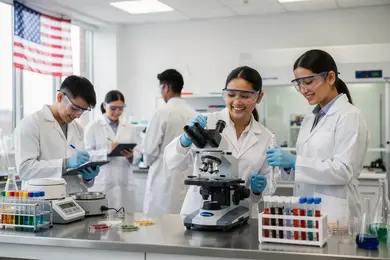
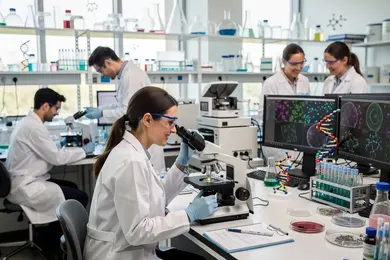
- Applied Skill Development: Practicums focus on hands-on skills like microscopy, sample analysis, data interpretation, and use of specialized equipment. Mastery of these skills enhances technical proficiency crucial for biology career readiness.
- Communication and Collaboration: Students learn to effectively communicate findings and collaborate with interdisciplinary teams, which strengthens both verbal and written communication abilities vital in scientific fields.
- Common Challenges: Navigating unfamiliar research environments and balancing academic workload with practicum responsibilities can be demanding. Overcoming these challenges fosters resilience and professional growth.
Those interested in related health science programs may explore specialized dietitian master's programs as a pathway with similar experiential components.
How Are Practicum Students Supervised And Evaluated?
Supervision and evaluation in practicum experiences ensure students receive targeted guidance and constructive feedback—both critical for professional growth and academic accountability. Oversight frameworks across U.S. educational programs commonly involve multiple roles that support student development and bridge theory with practice.
Studies show that over 75% of biology students report heightened workforce readiness after completing well-supervised and thoroughly evaluated practicum placements, underscoring the value of these structures.
Key components of supervision methods for biology practicum students include the following:
- Supervisor Roles: Supervisors, often experienced professionals or faculty, oversee student activities and ensure learning objectives align with curriculum standards. They serve as consistent mentors, providing expertise and helping students apply theory in practical settings.
- Communication and Feedback: Ongoing communication involves periodic meetings and timely feedback to support student reflection and skill improvement. This dialogue fosters a responsive learning environment where progress is regularly assessed and guidance is tailored.
- Assessment Methods: Evaluations use direct observation, competency checklists, and reflective journals to capture a comprehensive view of student development. These methods verify mastery of key skills and allow for documented self-assessment and supervisor appraisal.
- Faculty and Site Coordination: Faculty advisors align practicum experiences with academic expectations, while site coordinators manage logistical and professional connections between educational and work environments. This coordination ensures practicums meet program standards and promote real-world readiness.
- Performance Evaluation and Final Assessment: End-of-term reviews measure professionalism, applied knowledge, and preparedness for biological practice. Combining supervisor evaluations with self-assessments offers a balanced perspective on competency and achievement.
- Institutional Variability: Practices differ depending on institutional policies, disciplinary focus, or accreditation requirements, necessitating adaptable supervision and evaluation approaches without compromising rigor.
Students interested in advancing their careers through evidence-based experiential learning may explore specialized pathways such as FNP programs that emphasize applied competencies and workforce readiness.
How Does Practicum Help With Licensure Or Certification Requirements?
Practicum experiences are essential in meeting licensure or certification standards within biology-related fields by integrating supervised, hands-on training with academic coursework. These field placements ensure students acquire the practical skills regulatory bodies require, bridging the gap between theory and professional application.
Notably, recent data shows more than 75% of employers in life sciences and healthcare prioritize candidates who have completed accredited practicum training before workforce entry.
Key components of practicum requirements include:
- Clinical or Field Hours: Practicums provide mandatory supervised hours that verify a candidate's direct engagement in professional settings, satisfying specific licensing agencies' experiential demands.
- Competency Evaluation: Students must demonstrate essential professional skills through structured benchmarks assessing critical thinking, technical proficiency, and ethical behavior, aligning with certification criteria.
- Supervised Monitoring: Qualified supervisors oversee practicum activities, offering ongoing feedback and formal assessments to ensure adherence to accreditation and regulatory standards.
- Documentation and Compliance: Institutions maintain detailed logs and supervisor attestations that confirm practicum completion, which are crucial for licensure review and regulatory compliance.
- Discipline Tailoring: Practicum requirements are customized across biology-related disciplines-such as healthcare, counseling, or education-to address specific certification pathways and professional expectations.
What Do Students Say About Their Biology Practicum Experience?
- Otto: "My practicum experience in biology had a few bumps, especially regarding eligibility-I initially misunderstood the required prerequisite courses, which delayed my placement. However, once I was matched with a lab, my expectations were entirely exceeded. The hands-on supervision was thorough and constructive, allowing me to develop my skills confidently."
- Colsen: "Reflecting on my biology practicum, I was pleasantly surprised by how closely my role matched the description provided during orientation-this consistency helped me stay motivated. While the eligibility process was straightforward, the evaluation methods were quite rigorous but fair, focusing on both technical skills and critical thinking. The feedback sessions were where I learned the most, shaping my approach to research."
- Isaiah: "Professionally, the biology practicum gave me invaluable insights but also highlighted some challenges with eligibility documentation that I wish had been clearer from the start. Supervisors were approachable and provided regular evaluations, which helped me track my progress effectively. Overall, the experience met my expectations and has been a crucial step in my academic journey."
Other Things You Should Know About Biology Degrees
Yes, many biology programs allow practicum hours to be completed during summer sessions or intersession periods, providing flexibility for students' schedules. However, the timing must comply with the host organization's availability and academic policies. Students should confirm these options with their program advisor to ensure all practicum requirements are met within their graduation timeline.
While some programs permit students to suggest potential practicum sites, final placement decisions usually rest with the academic department to ensure alignment with educational goals. Supervisors are typically professionals who have relevant expertise in biology fields and have been approved by the school. This process maintains consistent quality and relevance of practicum experiences.
Practicums focus on developing both technical and soft skills essential for biology careers. Students hone laboratory techniques, field research methods, data analysis, and scientific reporting. Additionally, communication, teamwork, problem-solving, and professional ethics are strongly emphasized to prepare students for workplace demands.
Students without research experience can strengthen their preparatory skills through workshops, webinars, or by engaging in related coursework. Many institutions offer preparatory resources designed to equip students with foundational skills needed to excel in biology practica.
References
- Immunization Requirements in Healthcare Higher Education https://blog.verifiedcredentials.com/immunization-requirements-in-healthcare-higher-education
- iprospectcheck.com: Verifying that you are not a robot... https://iprospectcheck.com/healthcare-background-checks/
- A-level Biology7402 https://www.aqa.org.uk/subjects/biology/a-level/biology-7402/specification/practical-assessment
- WHAT - Translation in Polish - bab.la https://en.bab.la/dictionary/english-polish/what
- what - Tłumaczenie po polsku - Słownik angielsko-polski Diki https://www.diki.pl/slownik-angielskiego
- What w języku angielskim https://www.ang.pl/blog/slowo-what-w-angielskim
- Applied Project in Biology (internship) https://www.gu.se/en/study-gothenburg/applied-project-in-biology-internship-bio333
- Practicum - Wikipedia https://en.wikipedia.org/wiki/Practicum
- Your Guide to Biology Internships https://joinhandshake.com/blog/students/biology-internships/
- A Level Biology Required Practical: Skills & Techniques https://thomaskeith.school/a-level-biology-required-practical/