
2027 Can You Get Into a Pharmacy Program with a Low GPA? Admission Chances & Workarounds

Co-Founder and Chief Data Scientist
A low GPA can make pharmacy school feel out of reach, but it does not automatically end your chances. Many pharmacy programs use GPA as an important screening factor because the PharmD curriculum is science-heavy and academically demanding. Still, admissions decisions often consider more than one number, especially when an applicant can show recent academic improvement, strong prerequisite grades, pharmacy or healthcare experience, and a clear reason for pursuing the profession.
This guide is for applicants whose undergraduate record is below the typical admitted-student range or below a program’s preferred benchmark. It explains how minimum GPA policies work, how admissions committees review applicants with weaker transcripts, and which strategies can make an application more credible. You will also learn when experience, prerequisite coursework, early applications, conditional admission, advising, and financial aid can help—and where they cannot fully make up for academic gaps.
Key Things to Know About Admission Chances Into a Pharmacy Program with a Low GPA
- Focus on strengthening your personal statement and letters of recommendation to highlight perseverance and relevant skills beyond GPA.
- Complete prerequisite courses or post-baccalaureate programs to demonstrate academic improvement and commitment.
- Leverage pharmacy-related work or volunteer experience to showcase practical knowledge and dedication, which admission committees highly value.
What Is the Minimum GPA Required to Apply for a Pharmacy Program?
Most pharmacy programs use a minimum GPA as an initial eligibility requirement, but the exact cutoff varies by school. In 2026, applicants generally see minimum GPA requirements from about 2.5 to 3.0 on a 4.0 scale. A minimum, however, is not the same as a competitive GPA. Many stronger applicants have GPAs near 3.2 to 3.5 or higher, especially at selective programs.
Applicants should read each program’s GPA policy carefully because schools may calculate GPA in different ways. Some review the cumulative undergraduate GPA, while others give more weight to science GPA, math and science prerequisites, or the most recent college credits. A student with a modest overall GPA but strong recent grades in chemistry, biology, anatomy, physiology, and other prerequisites may be viewed more favorably than the cumulative number suggests.
| GPA measure | Why it matters for pharmacy admission | What low-GPA applicants should check |
| Cumulative GPA | Shows overall academic consistency across college coursework. | Whether the program has a hard cutoff or allows holistic review. |
| Science GPA | Signals readiness for the scientific foundation of pharmacy training. | Whether biology, chemistry, anatomy, physiology, and math courses are calculated separately. |
| Prerequisite GPA | Reflects performance in courses required before entering the program. | Whether minimum grades are required in individual prerequisite courses. |
| Recent-credit GPA | Can show academic improvement after a weak start. | Whether the school emphasizes the last credits completed or post-baccalaureate work. |
Less competitive institutions might accept GPAs slightly below 2.5, though this is less frequent and should not be assumed. Even when a program is flexible, a lower GPA usually needs to be balanced by evidence that the applicant can now handle graduate-level professional coursework.
If your GPA is below the usual range, focus first on programs that publish clear academic policies, accept upward grade trends, or offer advising before application. Students who need to repair their transcript before applying may also consider additional undergraduate coursework, including accelerated online bachelor's degree programs, when those courses are regionally accredited and relevant to pharmacy prerequisites. Applicants comparing PharmD options should also verify accreditation and state requirements before pursuing an online pharmacist degree.
How Do Admissions Committees Evaluate Pharmacy Program Applicants with Low GPAs?
Admissions committees do not review a low GPA in isolation. They look for context: when the weak grades happened, which courses were affected, whether the student improved, and whether the rest of the application supports readiness for pharmacy school. Under Pharmacy program admission criteria 2026, many programs still use GPA as a key benchmark, but holistic review can give applicants a way to explain and offset weaker academic history.
For a low-GPA applicant, the strongest application usually answers three questions: Can this student succeed academically now? Does this student understand pharmacy practice? Has this student shown the discipline, judgment, and communication skills expected in a healthcare profession?
- Coursework rigor: Committees look at whether the applicant took challenging science and math courses and how they performed in them. Strong grades in demanding prerequisites can carry more weight than easy electives.
- Academic trends: An upward trend matters. A transcript that shows poor early performance followed by sustained improvement is easier to defend than a transcript with inconsistent grades through the final semesters.
- Prerequisite performance: Pharmacy schools often pay close attention to chemistry, biology, anatomy, physiology, microbiology, calculus, and statistics requirements. A low cumulative GPA is more concerning when the weakest grades are in these areas.
- Relevant experience: Work or volunteer experience in a pharmacy, hospital, clinic, long-term care setting, or community health environment can show that the applicant understands patient care and medication safety.
- Letters of recommendation: Strong letters from science faculty, pharmacists, supervisors, or healthcare professionals can help confirm maturity, reliability, and readiness.
- Personal statement and interview: Committees look for accountability, not excuses. A convincing explanation should identify what changed and provide evidence of stronger performance since then.
According to the American Association of Colleges of Pharmacy (AACP), while many programs set a minimum GPA near 3.0, holistic factors are heavily considered when evaluating applicants below this threshold. That does not mean grades stop mattering. It means low-GPA applicants must make the rest of the file unusually clear, consistent, and credible.
Applicants who are not yet academically competitive may use interim pathways to rebuild their record. For example, online college open enrollment options can sometimes help students access additional coursework, but applicants should confirm credit transfer policies, accreditation, and whether pharmacy schools will accept the courses for prerequisites.
Can Professional Experience Offset a GPA Below the Pharmacy Program's Minimum?
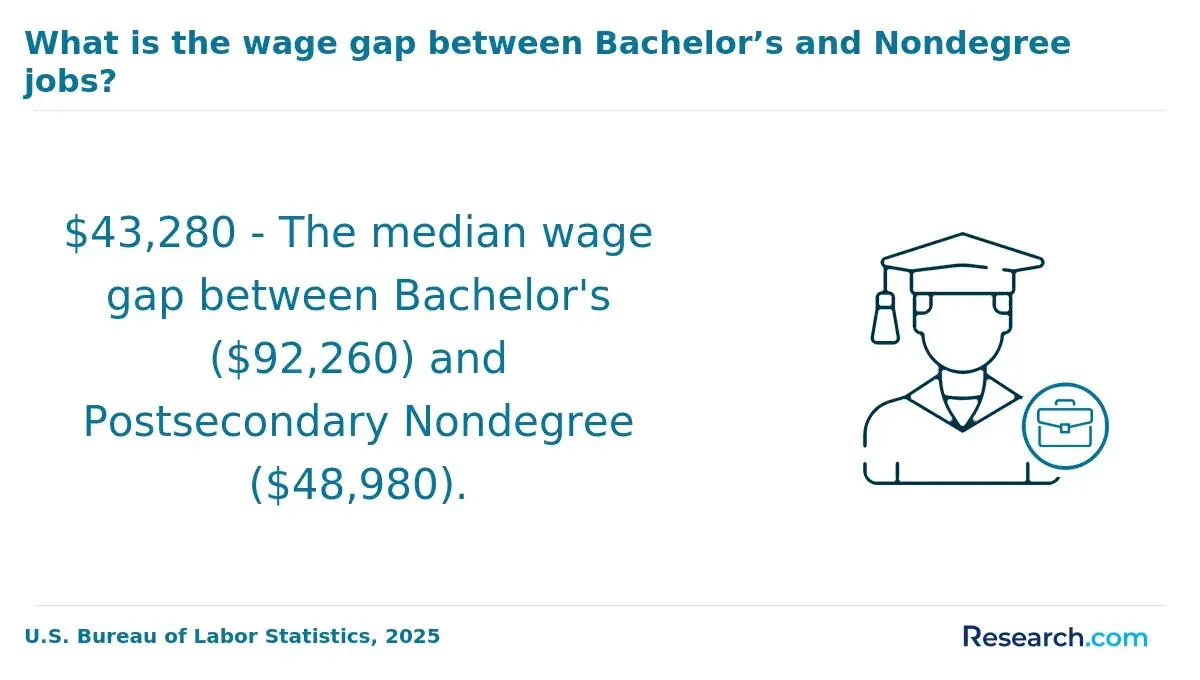
Professional experience can strengthen a pharmacy school application, but it usually cannot override a strict minimum GPA if the program enforces one. If a school states that applicants below a certain GPA are not eligible, work experience may not move the application past the initial screen. Where holistic review is available, however, relevant experience can make a low-GPA applicant more persuasive.
The most useful experience is directly connected to pharmacy, healthcare, patient service, medication management, research, or regulated professional environments. A long work history in an unrelated field may still show maturity and responsibility, but it is less powerful than experience that helps explain why the applicant is prepared for pharmacy training.
- Pharmacy technician or pharmacy assistant work: This can demonstrate exposure to prescriptions, inventory systems, patient interaction, insurance processes, and the pace of pharmacy operations.
- Healthcare employment or volunteering: Work in hospitals, clinics, long-term care facilities, public health programs, or community health settings can show comfort with patient-centered environments.
- Leadership roles: Supervisory duties, training responsibilities, or project leadership can help establish maturity, accountability, and communication skills.
- Research or laboratory experience: Lab work can support academic readiness when it is connected to science, data analysis, quality control, or biomedical research.
- Evidence of professional skills: Pharmacy programs value accuracy, ethical judgment, teamwork, clear communication, and problem-solving. Applicants should provide concrete examples, not broad claims.
Low-GPA applicants should avoid presenting experience as a substitute for academics. A better strategy is to show how professional experience and improved coursework now point in the same direction: stronger preparation for pharmacy school. For example, an applicant might explain that pharmacy technician work confirmed their career goal, while recent A or B grades in prerequisites prove they can handle the academic load.
Can Standardized Test Scores Help Offset a Low GPA for Pharmacy Admission?
Strong standardized test scores can help in programs that accept or require them, but their value depends on the school’s current admissions policy. Some pharmacy programs have reduced reliance on standardized testing, while others may still consider scores as one piece of academic evidence. Applicants should verify each program’s requirements before investing time and money in a test.
For low-GPA applicants, test scores are most useful when they support a clear academic comeback story. A high score can suggest that the applicant has mastered foundational material or improved study habits. A weak score, by contrast, can reinforce concerns raised by the GPA.
- Score thresholds: Some programs may expect applicants to meet minimum section scores. Falling short can make a low GPA harder to overcome.
- Subject relevance: Scores in biology, chemistry, quantitative reasoning, and other science-related areas matter more than sections that are less connected to pharmacy coursework.
- Percentile rankings: A strong percentile can show how an applicant compares with other test takers and may help contextualize a weaker transcript.
- Consistency with the transcript: Scores are more persuasive when they align with recent strong grades in prerequisites or post-baccalaureate science courses.
- Program policy: A strong score will not help if the program does not review it, and an optional score should generally be submitted only if it improves the application.
The practical rule is simple: use test scores to reinforce academic readiness, not to distract from academic concerns. If your GPA is low and your score is average, your effort may be better spent retaking key prerequisites, earning higher grades, gaining pharmacy experience, or improving the written parts of the application.
Can Completing Prerequisite Courses for a Pharmacy Program Improve Your Admission Chances with a Low GPA?
Yes. Completing or retaking prerequisite courses is one of the most direct ways to improve a low-GPA pharmacy application. Pharmacy programs need evidence that applicants can succeed in the science-heavy foundation of the curriculum. Strong grades in recent prerequisites can show that an older or weaker cumulative GPA no longer reflects the applicant’s current ability.
This strategy works best when the applicant chooses courses intentionally. Retaking a low grade in general chemistry, organic chemistry, biology, anatomy, physiology, microbiology, calculus, or statistics may matter more than adding unrelated electives. Applicants should confirm whether a program averages repeated courses, replaces old grades, or reviews both attempts.
- Showcasing subject mastery: Earning strong grades in core prerequisites gives admissions committees concrete evidence of readiness in the subjects most relevant to pharmacy school.
- Improving the relevant GPA: Even when the cumulative GPA moves slowly, a stronger science or prerequisite GPA can improve the academic profile where it matters most.
- Demonstrating commitment: Returning to difficult coursework and performing well shows discipline, persistence, and seriousness about the pharmacy path.
- Creating a clearer explanation: Recent success gives applicants something specific to discuss in a personal statement or interview instead of relying only on explanations for past grades.
Before enrolling, applicants should ask each target program whether courses must be completed at a four-year institution, whether online labs are accepted, and whether there is a minimum grade requirement. Some programs require a B or higher in core prerequisites, while others may accept lower grades but expect stronger performance overall.
When I spoke with a recent pharmacy graduate about whether completing prerequisite courses helped her overcome a low GPA hurdle, she recalled the challenge vividly. "At first, my GPA felt like a wall I couldn't climb," she admitted, "but retaking and excelling in those science classes really changed how admissions viewed my potential."
She explained how balancing study sessions and lab work added pressure, yet seeing her grades improve created new confidence. Her persistence paid off-she was eventually admitted to a competitive program that required B or higher in core prerequisites, validating the strategy of reinforcing academic ability post-application.
Can Applying Early Improve Your Chances of Getting Into a Pharmacy Program If Your GPA Is Low?
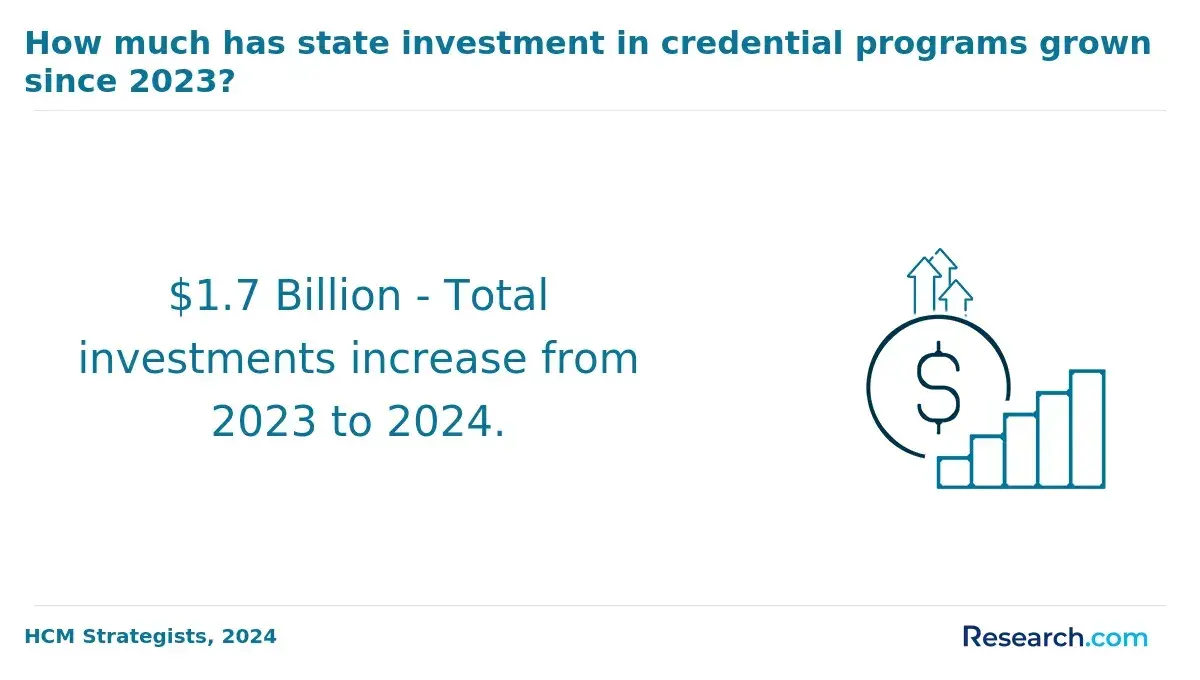
Applying early can help low-GPA applicants, especially at programs with rolling admissions. Early submission may mean more available seats, more time for review, and fewer applications competing for attention. It does not erase academic weaknesses, but it can prevent a borderline applicant from being reviewed only after the class is nearly full.
Applying early works only if the application is already strong. Submitting a rushed file with weak essays, missing recommendation letters, incomplete prerequisites, or unclear explanations can hurt more than it helps. Low-GPA applicants should aim to be early and complete, not merely early.
- More available seats: Early in the admission cycle, many programs have not filled a significant number of spots. This can benefit applicants who are admissible but not among the highest-GPA candidates.
- More time for holistic review: A complete early file may allow reviewers to spend more time considering experience, recommendations, personal statements, and grade trends.
- Reduced late-cycle pressure: Later rounds can be more competitive if fewer seats remain. A low GPA may become harder to overcome when programs are choosing among many qualified applicants.
- Earlier feedback: Some applicants may learn sooner whether they need to strengthen prerequisites, expand their school list, or prepare for another cycle.
Research from the American Association of Colleges of Pharmacy (AACP) shows that average GPA requirements typically range between 3.0 and 3.5, but admission committees value well-rounded candidates. For applicants with a weaker GPA, the best approach is to combine early timing with a disciplined application: targeted school selection, strong prerequisite grades, relevant experience, thoughtful essays, and credible recommendations.
Students considering backup or parallel educational plans may also evaluate options such as a high paying master's degree, but that choice should be based on career fit, cost, and admissions goals rather than the assumption that another credential will automatically fix a pharmacy application.
Can You Get Conditional Admission to a Pharmacy Program with a Low GPA?
Conditional admission may be possible at some pharmacy programs, but it is not guaranteed and is not offered everywhere. It allows an applicant who falls short of the usual academic profile to enroll or move forward under specific requirements. These conditions are designed to protect both the student and the program by testing whether the applicant can handle the academic demands.
Applicants should read conditional admission terms carefully. A conditional offer is not the same as full, unrestricted admission. It may require specific grades, completion of missing prerequisites, or successful performance during an initial probationary period.
- Bridge or prerequisite courses: A program may require foundational courses before or during the early stage of enrollment. These courses are meant to close gaps in preparation and may need to be completed with passing grades or higher.
- Minimum grade requirements: Students may need to earn certain grades in early coursework to remain in the program. Missing those benchmarks can lead to dismissal or loss of the conditional seat.
- Probationary enrollment: Some students are monitored closely during the first semester or year. Maintaining a specified GPA during probation can be required before moving into full standing.
- Documentation requirements: Programs may ask for updated transcripts, proof of completed prerequisites, or additional advising before the condition is removed.
Conditional admission can be valuable for applicants with clear potential, but it carries risk. Pharmacy school is demanding, and starting under academic conditions may add pressure. Before accepting, students should ask what happens if they do not meet the conditions, whether tuition and financial aid are affected, and what academic support is available.
Can Starting in a Related Field and Transferring to the Pharmacy Program Help Low-GPA Applicants?
Starting in a related field can help low-GPA applicants if it gives them a realistic way to build a stronger academic record before applying to pharmacy school. Common pathways include biology, chemistry, health sciences, biomedical sciences, public health, or pre-health programs. The goal is not simply to change majors; it is to produce stronger evidence of readiness in relevant coursework.
This route is most useful for students who need time to repair grades, complete missing prerequisites, or confirm that pharmacy is the right professional path. It can be less useful if students accumulate credits without improving performance or if the courses do not satisfy pharmacy prerequisites.
- Demonstrating academic ability: Strong performance in biology, chemistry, and related sciences can show that earlier academic struggles are not the best predictor of future success.
- Enhancing the academic profile: Earning better grades in transferable coursework may improve the cumulative, science, or prerequisite GPA considered by pharmacy programs.
- Building relevant experience: Related majors can create access to research, healthcare volunteering, faculty mentorship, and pre-health advising.
- Reducing application risk: Students can apply when their record is stronger instead of submitting a rushed application that is likely to be denied.
Applicants considering this path should confirm transferability before enrolling. Ask pharmacy programs whether the courses will satisfy prerequisites, whether there are expiration dates on science courses, and how repeated coursework is calculated. Also compare the cost of extra semesters with the potential benefit to the application.
One pharmacy graduate shared that starting in biology was essential after struggling with a low GPA initially. He described the process as "challenging but rewarding," noting how the "extra coursework allowed me to prove I could handle the science rigor." He also mentioned the emotional difficulty of waiting to transfer, emphasizing the importance of persistence and strategic planning during this time. Ultimately, the transfer strengthened his application and "opened the door" to his pharmacy degree.
Are There Scholarships for Pharmacy Program Applicants to Help Improve Their GPA?
Scholarships do not directly raise a GPA, but they can make GPA repair more affordable. Low-GPA applicants may need to retake prerequisites, enroll in post-baccalaureate coursework, pay for tutoring, reduce work hours, or complete additional academic preparation. Financial support can make those steps possible without adding excessive financial pressure.
The most relevant funding is usually tied to coursework, need, institutional aid, or academic support rather than a scholarship labeled specifically for low-GPA pharmacy applicants. Students should contact financial aid offices, pre-health advisors, and the schools where they plan to take courses.
- Merit-recovery scholarships: These are sometimes offered by universities or pharmacy programs to students who have faced academic challenges but show strong potential. The funding may help cover repeated courses or additional academic work.
- Need-based grants: These grants can reduce financial stress and allow students to focus more time on coursework instead of increasing work hours during a critical academic repair period.
- Academic support funding: Some institutions and organizations provide financing for tutoring, mentoring, workshops, or test preparation. These supports can be useful when they target the specific courses that lowered the applicant’s GPA.
- Institutional payment options: Some students may find installment plans, tuition discounts, or employer tuition assistance helpful when completing prerequisites before applying.
According to the American Association of Colleges of Pharmacy (AACP), minimum GPA requirements usually range from 2.5 to 3.0 for admission, but many candidates improve their academic profiles through post-baccalaureate coursework funded by scholarships or grants. Applicants should confirm whether funding can be used for non-degree coursework, repeated classes, or online courses before enrolling.
Students who need broader financial aid options can also research colleges that accept fafsa, especially if they plan to complete additional accredited coursework before applying. The key is to match funding to a concrete academic plan: which courses to take, what grades are needed, and how those grades will be reviewed by target pharmacy programs.
Can Mentorship or Academic Advising Help Overcome GPA Barriers for Pharmacy Program Applicants?
Mentorship and academic advising can be highly useful for low-GPA pharmacy applicants because many mistakes are avoidable with early guidance. Advisors can help students interpret GPA policies, choose the right prerequisite courses, plan retakes, and decide when an application is strong enough to submit. Mentors can help applicants understand pharmacy practice, prepare for interviews, and present their experience more effectively.
Good advising is especially important because not all GPA repair strategies are equal. Retaking the wrong courses, enrolling in credits that do not transfer, or applying before recent grades are available can waste time and money. A strong advisor helps turn a general goal—“improve my GPA”—into a targeted admissions plan.
- Personalized study strategies: Mentors and academic support staff can help students identify why grades were low and build better systems for studying, time management, exams, and lab work.
- Strategic course selection: Academic advisors can identify which prerequisites should be completed or repeated first, and whether a science GPA or recent-credit GPA needs the most attention.
- Accountability and progress monitoring: Regular check-ins can help students stay on track, adjust study habits early, and avoid repeating the same academic pattern.
- Application process insight: Advisors can help applicants choose realistic programs, prepare for interviews, write clearer personal statements, and request stronger recommendation letters.
- Career fit assessment: Mentors can help students decide whether pharmacy is still the right path or whether another healthcare or science career may be a better match.
Applicants should seek advising from multiple sources when possible: pre-health advisors, pharmacy school admissions counselors, practicing pharmacists, faculty in prerequisite courses, and supervisors in healthcare settings. The best guidance is specific to the applicant’s transcript and target schools, not generic encouragement.
Some students may also explore complementary academic options, such as graduate dual degree programs, but these should be evaluated carefully for cost, admissions value, time commitment, and alignment with long-term pharmacy or healthcare goals.
What Graduates Say About Getting Into a Pharmacy Program with a Low GPA
- Lenin: "Despite my low GPA during undergrad, I was determined to pursue a pharmacy degree. I found programs that valued my passion and experience over just grades. The average cost was steep-around $20,000 per year-but with scholarships and careful budgeting, it was manageable. Graduating opened so many doors in clinical settings that I hadn't imagined before. I'm truly grateful for the journey."
- Belinda: "Getting into a pharmacy degree program felt like a long shot due to my low GPA, but I remained persistent and focused on strengthening other parts of my application. The cost, close to $18,000 annually for many programs, was a big challenge, but the investment paid off. Now, as a practicing pharmacist, I see the impact of my education every day, especially in patient care and medication management. Reflecting on this, it was worth every hurdle."
- Jordan: "With a low GPA, I knew I had to present a compelling case to enter a pharmacy degree program, highlighting my commitment and extracurricular efforts. The financial commitment averaged about $22,000 per year, which initially concerned me, but the professional credibility gained has been invaluable. My career has evolved significantly since graduation, allowing me to contribute meaningfully within healthcare teams and gain respect as a pharmacist. It's been a professional milestone."
Other Things You Should Know About Pharmacy Degrees
Applicants with a low GPA can enhance their admission chances by retaking courses to improve grades, gaining relevant work or volunteer experience, obtaining strong recommendation letters, and crafting a compelling personal statement that highlights their passion for the field and personal growth.
Extracurricular activities can showcase a candidate's passion, leadership, and dedication. In 2027, these activities may help offset a low GPA by highlighting practical skills and commitment to the field, thereby strengthening the overall pharmacy school application.
In 2027, some pharmacy programs allow applicants to use strong standardized test scores, like the PCAT, to compensate for a low GPA. These scores can demonstrate academic potential and readiness for the rigors of pharmacy school.
References
- Can strong research experience and recommendations offset low GPA for Master's application in Germany? https://academia.stackexchange.com/questions/210392/can-strong-research-experience-and-recommendations-offset-low-gpa-for-masters-a
- Admission Requirements https://pharmacy.howard.edu/academic-programs/four-year-entry-level-pharm-d-program/admission-requirements
- Pharmacy Early Assurance Program » Pharm.D. Admissions » College of Pharmacy » University of Florida https://admissions.pharmacy.ufl.edu/steps-to-apply/early-assurance-program/
- Early Assurance Pathway to a Pharmacy Degree | NEOMED College of Pharmacy https://www.neomed.edu/pharmacy/admissions/paths/early-assurance/
- Post-Bacc and Getting into Pharmacy School. Low GPA. | Student Doctor Network Forums https://forums.studentdoctor.net/threads/post-bacc-and-getting-into-pharmacy-school-low-gpa.1250217/
- Pharmacy School GPA Requirements - Pharmacy School Finder https://www.pharmacyschoolfinder.org/pharmacy-school-gpa-requirements/
- Is Pharmacy School Hard to Get Into? Acceptance Rates & More https://www.stepful.com/post/is-it-hard-to-get-into-pharmacy-school-acceptance-rate-requirements
- Student Scholarships | APhA Foundation https://www.aphafoundation.org/student-scholarships
- Frequently Asked Questions https://www.ualberta.ca/en/pharmacy/programs/pharmd-doctor-of-pharmacy/frequently-asked-questions.html
- Admissions Requirements https://www.dal.ca/faculty/health/pharmacy/programs/undergraduate-program/admissions-requirements.html


