
2027 Certified Nutritionist vs. Nutrition Consultant: Explaining the Difference

Co-Founder and Chief Data Scientist
If you want to work in nutrition, the first decision is not simply “nutrition career or not.” It is whether you want a credentialed path with more formal education and a potentially regulated scope, or a more flexible consulting path focused on wellness education, behavior change, and client support.
Certified nutritionists and nutrition consultants often discuss similar topics—food choices, healthy habits, meal planning, and wellness goals—but the two roles are not interchangeable. The main differences involve training expectations, legal recognition, work settings, client risk level, and how much responsibility you may have when nutrition advice intersects with medical conditions.
This guide explains what each role does, how the skills and salaries compare, what the job outlook looks like, and how to choose the path that fits your education budget, preferred work environment, and long-term career goals. Because nutrition titles and practice rules vary by state, use this as a starting point and verify requirements where you plan to work.
Key Points About Pursuing a Career as a Certified Nutritionist vs a Nutrition Consultant
- Certified nutritionists typically have higher salary potential, averaging $60,000-$80,000 annually, compared to nutrition consultants earning around $40,000-$60,000.
- Job outlook for nutritionists and dietitians is strong, with a projected growth rate of 5.5% through 2034, while nutrition consultants have moderate growth prospects.
- Certified nutritionists often impact clinical settings directly, whereas nutrition consultants focus more on wellness coaching and business advising.
What does a certified nutritionist do?
A certified nutritionist helps clients use food and nutrition strategies to support health goals. The work typically includes assessing diet history, lifestyle, health concerns, preferences, and barriers to change, then turning that information into practical nutrition guidance. Depending on state rules and workplace policies, a certified nutritionist may also review medical information, track progress, adjust recommendations, and coordinate with other health professionals.
The role is often more structured than general nutrition consulting because certification and state recognition may affect what services the professional can provide. Certified nutritionists may work with clients pursuing weight management, chronic disease prevention, healthier eating routines, athletic performance, or age-specific nutrition needs. They may also contribute to wellness programs, community health initiatives, school nutrition education, or nutrition-related policy and program planning.
Common responsibilities
- Nutrition assessment: Reviewing food intake, lifestyle patterns, health history, and client goals to identify nutrition priorities.
- Personalized planning: Creating realistic food and meal strategies that match the client’s needs, culture, schedule, budget, and preferences.
- Education and coaching: Explaining nutrition concepts clearly so clients understand what to change and why it matters.
- Progress monitoring: Checking whether the plan is working and modifying recommendations when goals, symptoms, or circumstances change.
- Collaboration: Working with healthcare teams, schools, employers, or public health organizations when nutrition services are part of a larger care or wellness plan.
Certified nutritionists can be found in hospitals, clinics, schools, corporate wellness programs, community organizations, and private practice. Some focus on sports nutrition, pediatrics, gerontology, public health, or disease prevention. Strong communication, analytical thinking, and professional judgment are essential because nutrition advice must be understandable, evidence-informed, and appropriate to the client’s situation.
Salary can vary by education, certification, location, employer, and specialization. The average salary cited for certified nutritionists is around $80,064 annually in the U.S., but individual earnings may be lower or higher depending on experience and work setting.
What does a nutrition consultant do?
A nutrition consultant helps individuals, groups, or organizations improve eating habits through education, coaching, and practical wellness planning. Compared with certified nutritionist roles, nutrition consulting is often less standardized, especially in states where the title is not tightly regulated. That flexibility can make the path easier to enter, but it also requires careful attention to scope of practice.
Nutrition consultants commonly review a client’s typical eating patterns, lifestyle, goals, and challenges, then provide guidance on food choices, nutrient balance, grocery planning, meal routines, and habit change. Their work is usually strongest in prevention-focused, wellness-focused, and education-focused settings rather than clinical treatment.
Where nutrition consultants often work
- Private practice: One-on-one coaching, group programs, wellness packages, and online consultations.
- Corporate wellness: Employee workshops, healthy eating campaigns, and lifestyle programs.
- Schools and community organizations: Nutrition education, family wellness events, and public health outreach.
- Fitness and sports environments: General fueling strategies, body composition goals, and performance-supportive eating habits.
- Food and wellness businesses: Product education, content development, client support, and program design.
The key limitation is that nutrition consultants must avoid presenting themselves as licensed clinical providers if they do not hold the required credential or license in their state. A consultant can often teach, coach, and support healthy choices, but medical nutrition therapy, diagnosis, and treatment of disease may be restricted. Clear boundaries protect both the client and the professional.
What skills do you need to become a certified nutritionist vs. a nutrition consultant?
Both careers require nutrition knowledge and the ability to help people change behavior. The difference is emphasis. Certified nutritionists usually need stronger science, assessment, documentation, and regulatory awareness. Nutrition consultants need strong coaching, program design, client relationship, and business skills, especially if they work independently.
Skills a Certified Nutritionist Needs
- Nutrition science foundation: A strong understanding of human biology, chemistry, metabolism, and nutrition research so recommendations are evidence-informed rather than trend-driven.
- Assessment skills: The ability to interpret diet history, lifestyle information, health context, and client goals to identify realistic nutrition priorities.
- Clinical judgment and boundaries: Knowing when a client’s needs require referral to a physician, registered dietitian, or another licensed healthcare provider.
- Legal and ethical awareness: Understanding state rules, title protections, documentation expectations, confidentiality, and professional ethics.
- Communication skills: Translating complex nutrition information into plain language without oversimplifying risk or overpromising results.
- Research literacy: Evaluating studies, guidelines, and claims so advice reflects credible evidence rather than social media trends.
- Program and record management: Tracking client progress, documenting recommendations, and updating plans when circumstances change.
Skills a Nutrition Consultant Needs
- Client engagement: Building trust, asking useful questions, and motivating clients without judgment or unrealistic pressure.
- Behavior-change coaching: Helping clients turn broad goals into repeatable habits, such as meal preparation, label reading, hydration routines, or balanced snacking.
- Practical meal planning: Creating recommendations that fit a client’s budget, schedule, food access, culture, and preferences.
- Business and marketing skills: Finding clients, pricing services, managing appointments, building referral networks, and communicating value clearly.
- Scope-of-practice awareness: Recognizing when a client’s needs go beyond general wellness guidance and require a licensed clinician.
- Content and education skills: Designing workshops, handouts, group challenges, presentations, or online programs that are accurate and usable.
- Adaptability: Working across settings such as wellness centers, schools, corporate programs, community health, fitness, and virtual coaching.
In short, certified nutritionists often compete on credentialed expertise and regulated credibility. Nutrition consultants often compete on coaching quality, niche focus, accessibility, and the ability to build a sustainable client base.
How much can you earn as a certified nutritionist vs. a nutrition consultant?
Earnings in both careers depend on location, experience, credentials, specialization, employer type, and whether you are paid as an employee or earn revenue through private clients. Certified nutritionists often have a higher typical salary because the role may involve more formal education, recognized certification, and broader institutional employment options. Nutrition consultants can still earn strong incomes, especially in private practice, corporate wellness, sports nutrition, or specialized markets, but income may be less predictable.
| Career path | Salary figures cited | What affects earnings most |
| Certified nutritionist | Median annual salary of $80,064; entry-level roles start at about $58,500 per year; the most experienced professionals, especially those in the top 10%, can make over $94,500 annually. | Certification, education level, clinical or institutional responsibilities, specialization, geographic market, and years of experience. |
| Nutrition consultant | Median annual salary of approximately $68,906; entry-level consultants may earn between $33,000 and $51,000; top earners can reach salaries up to $110,500. | Client base, niche, pricing model, business skills, corporate contracts, location, and whether the consultant is self-employed. |
Certified nutritionists may earn more consistently in hospitals, clinics, public health agencies, schools, government programs, and larger wellness organizations because these employers often value formal credentials. Those considering faster education pathways may compare options such as a quick degree program, but they should verify whether the program meets certification, licensure, or employer requirements before enrolling.
Nutrition consultant earnings can vary more widely. A consultant employed by a wellness company may have steadier pay but less control over pricing. An independent consultant may have higher upside but must handle marketing, sales, scheduling, client retention, taxes, and business expenses. In metropolitan areas and specialized sectors such as executive wellness or sports nutrition, successful consultants may rival or exceed certified nutritionist salaries, but that typically depends on reputation, referrals, and demand.
Salary figures should be treated as planning benchmarks, not guarantees. Before choosing a path, compare job postings in your state, identify which credentials employers request, and estimate the total cost of education against realistic early-career earnings.
What is the job outlook for a certified nutritionist vs. a nutrition consultant?
The job outlook for both certified nutritionists and nutrition consultants is positive, with an expected growth rate of around 5.5% through 2034. That growth is tied to several long-term trends: greater interest in preventive health, more attention to chronic disease risk, demand for wellness programming, and the expansion of virtual nutrition education and coaching.
Certified nutritionists may benefit from demand in healthcare, public health, schools, government agencies, and community programs. As organizations invest in prevention and health education, nutrition professionals with recognized credentials may be better positioned for roles that require documentation, interprofessional collaboration, and structured program delivery.
Nutrition consultants may see opportunities in private practice, corporate wellness, fitness, food industry roles, online coaching, and community education. Their outlook is supported by interest in personalized nutrition, sports performance, workplace wellness, and digital health tools. However, the lower barrier to entry in some markets can also create more competition, especially for general wellness services.
Where demand may be strongest
- Healthcare and public health: More opportunities for credentialed nutrition professionals who can work within care teams and prevention programs.
- Corporate wellness: Employers continue to use wellness education to support employee health and productivity.
- Virtual services: Telehealth, online coaching, and nutrition tracking tools make it easier to reach clients beyond one local market.
- Specialized niches: Sports nutrition, aging populations, family nutrition, and chronic disease prevention can create stronger positioning than broad general advice.
For students and career changers, the key question is not only whether jobs are growing. It is whether your preferred role, credential, and state rules match the job postings you actually want. Review local requirements before committing to a program or business model.
What is the career progression like for a certified nutritionist vs. a nutrition consultant?
Career progression differs because certified nutritionists often advance through credentials, institutional roles, specialization, and leadership, while nutrition consultants often advance through niche development, client growth, business systems, and brand reputation. One path is usually more credential-driven; the other is often more entrepreneurial.
Typical Career Progression for a Certified Nutritionist
- Entry-level roles: Many begin in hospitals, schools, public health organizations, wellness programs, or community agencies, providing nutrition education, meal planning support, and counseling under established protocols.
- Licensure and education: Advancement may require formal education, often a master's degree, and passing a state certification exam to gain licensure and qualify for broader responsibilities.
- Specialization: With experience, certified nutritionists may focus on pediatric nutrition, renal nutrition, sports nutrition, gerontology, public health, or other specialized areas.
- Program leadership: Experienced professionals may supervise staff, manage community nutrition programs, oversee wellness initiatives, or lead nutrition education departments.
- Research and policy: Some move into research support, policy development, curriculum design, or public health planning.
Typical Career Progression for a Nutrition Consultant
- Entry-level roles: Consultants may start in wellness centers, fitness organizations, corporate health programs, food businesses, or small private practices.
- Business development: Many build skills in marketing, client intake, pricing, service packages, referral partnerships, and online program delivery.
- Niche specialization: Consultants may focus on weight management, sports nutrition, family nutrition, diabetes management education within their legal scope, food science, or workplace wellness.
- Client and revenue growth: Progress often depends on testimonials, referrals, recurring programs, group coaching, corporate contracts, or digital products.
- Leadership roles: Experienced consultants may run their own practice, lead corporate wellness programs, manage teams, or advise wellness brands.
The certified nutritionist path is generally more predictable because job titles, credential expectations, and advancement steps are often clearer. The nutrition consultant path can be faster and more flexible, but it may require stronger self-direction and a higher tolerance for income variability.
If you are still exploring entry points into nutrition or related health fields, reviewing easy online degrees to get can help you compare flexible education options. Always confirm whether any program meets the credentialing requirements for the specific nutrition role you want.
Can you transition from being a certified nutritionist to a nutrition consultant (and vice versa)?
Yes, transition is possible in both directions, but the difficulty is not the same. Moving from certified nutritionist to nutrition consultant is usually more straightforward because the certified professional already has nutrition training and a credential that can strengthen credibility. Moving from nutrition consultant to certified nutritionist usually requires more formal education, supervised experience, and exams.
From certified nutritionist to nutrition consultant
This transition is often practical for professionals who want more independence, a broader wellness focus, or a business-oriented role. A certified nutritionist may shift into private coaching, corporate wellness, public speaking, online education, group programs, or consulting for schools, food companies, and community organizations.
The main adjustment is business-related. A professional who previously worked in a clinic or institution may need to learn pricing, marketing, client acquisition, service packaging, contracts, and digital communication. The clinical and scientific background can be a major advantage, but it does not automatically create a client base.
From nutrition consultant to certified nutritionist
This transition usually requires a larger commitment. Nutrition consultants who do not already meet credential requirements may need to complete a bachelor's or master's degree in nutrition or a related field, fulfill supervised practice requirements, and pass certification exams from accredited organizations. State rules can also affect whether the professional may use a protected title or provide certain types of nutrition services.
The benefit is that certification can open doors to more formal healthcare, public health, institutional, and specialized roles. The trade-off is time, tuition, prerequisites, supervised hours, and exam preparation.
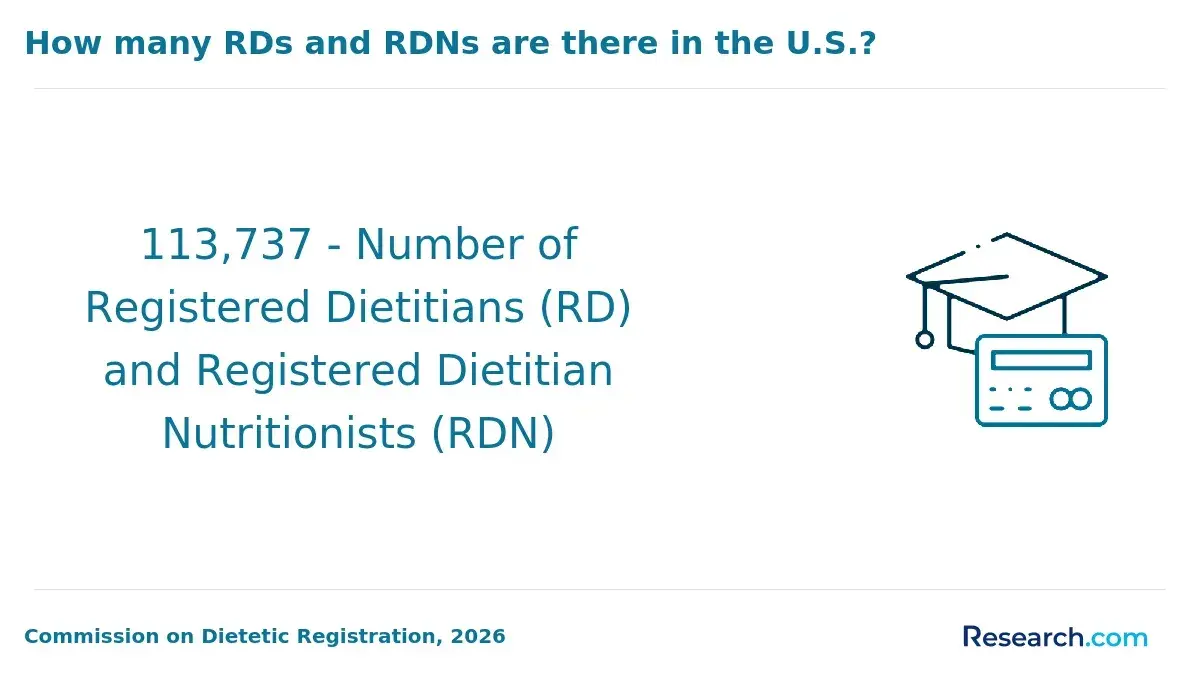
In the U.S., nearly 76,570 professionals work as nutritionists or dietitians, with job demand expected to rise by 5.5% by 2034. That creates room for career mobility, but transitions should be planned carefully around state law, employer requirements, and the type of clients you want to serve. For professionals considering advanced education, a doctorate degree without dissertation may be one option to compare for further specialization and career growth.
What are the common challenges that you can face as a certified nutritionist vs. a nutrition consultant?
Both careers can be rewarding, but neither is simple. Nutrition professionals must work in a field where science changes, diet trends spread quickly, clients expect personalized answers, and state rules may limit what certain titles can legally do. The biggest challenges differ by role.
Challenges for a Certified Nutritionist
- Licensure and certification complexity: Requirements vary by state, which can affect job mobility, title use, and scope of practice.
- Documentation and compliance: Clinical, public health, or institutional roles may involve careful recordkeeping, privacy practices, and compliance procedures.
- High-responsibility client needs: Clients may have chronic conditions, medication considerations, or complex dietary restrictions that require caution and collaboration with other providers.
- Workload pressure: Hospitals, clinics, schools, and public programs may involve high caseloads, limited appointment time, and administrative duties.
- Keeping advice evidence-based: Certified nutritionists must evaluate new research and avoid unsupported claims, even when clients ask about popular trends.
Challenges for a Nutrition Consultant
- Client acquisition uncertainty: Consultants in private practice must consistently attract, convert, and retain clients.
- Business management: Marketing, scheduling, billing, taxes, customer service, and program delivery may take as much effort as nutrition coaching.
- Credibility in a crowded market: Consultants may compete with influencers, fitness coaches, wellness brands, and other nutrition professionals.
- Scope-of-practice limits: Without the appropriate credential or license, consultants must avoid clinical claims, diagnosis, or disease treatment.
- Income variability: Self-employed consultants may experience seasonal demand, cancellations, inconsistent referrals, or slow early growth.
Common challenges facing nutrition professionals in 2026 include staying current with research, responding to misinformation, communicating realistic outcomes, and maintaining client trust. Professionals considering related allied health paths may also explore quick schooling for good paying jobs, but any career change should be evaluated against credential requirements, cost, and long-term fit.
Is it more stressful to be a certified nutritionist vs. a nutrition consultant?
Neither role is automatically more stressful for everyone. Stress depends on the work setting, client population, income model, employer expectations, and personal strengths. In general, certified nutritionists may face more clinical and compliance-related pressure, while nutrition consultants may face more business and client-acquisition pressure.
Certified nutritionists who work in hospitals, clinics, public health, or institutional settings may deal with higher-stakes decisions, documentation requirements, interprofessional communication, and clients with complex health needs. The schedule may be structured, and income may be steadier, but workload, caseload, and administrative expectations can be demanding.
Nutrition consultants often have more control over their services, schedule, niche, and communication style. That autonomy can reduce some workplace stress, especially outside clinical environments. However, self-employed consultants may experience pressure from inconsistent income, marketing demands, cancellations, online visibility, and the need to prove value in a competitive market.
Which role may feel more stressful for you?
- Choose certified nutritionist if: You prefer structured roles, formal credentials, science-heavy work, and are comfortable with documentation, regulations, and healthcare-related responsibility.
- Choose nutrition consultant if: You prefer coaching, education, flexibility, and entrepreneurship, and you are comfortable building a client base and managing business risk.
- Be cautious with either path if: You dislike ongoing learning, client communication, accountability, or the need to explain nutrition carefully without overpromising results.
Experience can reduce stress in both careers. Professionals who develop clear systems, referral relationships, ethical boundaries, and realistic client expectations tend to manage pressure more effectively.
How to Choose Between Becoming a Certified Nutritionist vs. a Nutrition Consultant
The better choice depends on the kind of work you want to do, how much education you are willing to complete, whether you want a credentialed healthcare-adjacent role, and how comfortable you are with entrepreneurship. Start with scope of practice, not job title. A title may sound appealing, but state rules and employer expectations determine what you can actually do.
- Educational investment: Certified nutritionists undertake a four-year degree plus a 900-hour internship, requiring significant commitment but yielding accredited credentials and in-depth biochemical knowledge. Nutrition consultants may enter the field with less intensive education, depending on state rules and employer or client expectations.
- Scope of practice: Certified nutritionists develop tailored diet programs based on medical analysis, but cannot diagnose; nutrition consultants focus on lifestyle education and public health without clinical interventions. In both paths, legal limits matter.
- Career settings: Certified nutritionists may work with performance athletes, healthcare-adjacent programs, schools, public health agencies, and health-related businesses. Nutrition consultants often work in community workshops, corporate wellness, private coaching, fitness settings, and educational programs.
- Professional flexibility: Certified nutritionists may have more mobility within healthcare and food industries when credentials are recognized. Nutrition consultants may have broader freedom to design services, audiences, and delivery formats.
- Entry barriers and costs: Nutrition consulting may allow quicker workforce entry and lower educational expenses, which can appeal to career changers. The trade-off is that fewer formal barriers can mean more competition and a greater need to build credibility.
- Risk tolerance: If you want steadier employment, a certified route may fit better. If you want independence and can handle client acquisition, consulting may be more attractive.
- Long-term goals: If you eventually want advanced clinical, public health, or leadership roles, choose the path that meets those credential requirements early instead of trying to retrofit them later.
Choose the certified nutritionist route if you want recognized credentials, deeper scientific training, and stronger access to structured nutrition roles. Choose the nutrition consultant route if you prefer education-based work, coaching, flexible service design, and a faster path into wellness-focused practice. To compare training options, review the best accredited online trade schools and confirm that any program you consider aligns with your state’s rules and your target job.
What Professionals Say About Being a Certified Nutritionist vs. a Nutrition Consultant
- : "Being a certified nutritionist has given me a more stable place in a growing wellness and healthcare field. The credential helps clients and employers understand the level of preparation behind my work, and it has allowed me to work in different settings while still focusing on nutrition education and prevention. — Correy"
- : "Nutrition consulting is challenging because every client brings different goals, habits, and barriers. I spend a lot of time turning food science into practical steps people can actually follow. The business side takes effort, but the variety keeps the work engaging. — Norman"
- : "The certified nutritionist path has created room for continued development, including specialization and leadership in community health programs. Ongoing education has made a direct difference in the quality of my work and the opportunities available to me. — Asher"
Other Things You Should Know About a Certified Nutritionist & a Nutrition Consultant
In 2027, certified nutritionists often hold a formal degree in nutrition and obtain certification from a recognized body, such as the CNS credential, which may require a licensing process. In contrast, nutrition consultants may hold various certifications, focusing more on individualized health advice than standardized qualifications.
Yes, pursuing advanced education or certifications can enhance career prospects for both certified nutritionists and nutrition consultants. Graduate degrees or specialized certifications often open doors to higher-level roles, research opportunities, and increased credibility in the field.
References
- Dietitian or nutritionist? - BDA https://www.bda.uk.com/about-dietetics/what-is-dietitian/dietitian-or-nutritionist.html
- Nutrition Careers Guide 2025 | Jobs & Salary https://www.nutritioned.org/careers/
- Nutritionist vs Dietitian: Credentials, Scope, and Who to Trust - Nutrisense Journal https://www.nutrisense.io/blog/nutritionist-vs-dietitian
- IDHS: 01.04.21 - Nutrition Consultant Job Description https://www.dhs.state.il.us/page.aspx
- What does a Nutrition Consultant do? Career Overview, Roles, Jobs | NADP https://jobs.nadp.org/career/nutrition-consultant
- Exploring Careers: Nutrition Coach vs. Nutritionist https://blog.nasm.org/exploring-careers-nutrition-coach-vs-registered-dietitian-nutritionist
- Nutrition Coach vs. Nutritionist: Choosing Your Next Career Move https://blog.mindvalley.com/nutrition-coach-vs-nutritionist/
- Certified Nutritionist vs. Registered Dietitian: What’s the Difference? | AFPA https://www.afpafitness.com/blog/certified-nutritionist-vs-registered-dietitian-whats-the-difference/
- Differences Between Dietitians and Nutritionists https://www.siloamhospitals.com/en/informasi-siloam/artikel/differences-between-dietitians-and-nutritionists-
- 5 Differences Between Traditional Nutritionist & IFXN - IFXN https://integrativefunctionalnutrition.com/5-differences-between-traditional-nutritionist-ifxn/
- U.S. Bureau of Labor Statistics. (2024, May). Occupational Employment and Wage Statistics. Retrieved January 2026, from https://data.bls.gov/oes/#/industry/000000
- Commission on Dietetic Registration. (2026, January 26). Registry Statistics. Retrieved January 2026, from https://www.cdrnet.org/registry-statistics
- Kikuchi, E., Pula, I., Tyson, A., & Yam, E. (2025, May 7). Americans on healthy food and eating. Pew Research Center. https://www.pewresearch.org/science/2025/05/07/americans-on-healthy-food-and-eating/
- ZipRecruiter. (2026). Nutrition Consultant Salary. Retrieved February 2026, from https://www.ziprecruiter.com/Salaries/Nutrition-Consultant-Salary
- ZipRecruiter. (2026). Certified Nutritionist Salary. Retrieved February 2026, from https://www.ziprecruiter.com/Salaries/Certified-Nutritionist-Salary


