
2027 Dental Assistant Degree vs. Certificate: Which Should You Choose?

Co-Founder and Chief Data Scientist
Today's students and professionals face important decisions when choosing between earning a degree or a certificate in dental assistant. Both educational options can advance a career in dental assisting but differ in factors like duration, cost, and depth of training. Understanding these differences is crucial for making an informed choice that matches individual goals and circumstances.
Degrees generally offer more comprehensive education and may open doors to supervisory roles, while certificates often provide faster entry into the workforce. With dental assistant roles growing faster than average employment rates, this article will compare key differences to help readers select the right path for their career and lifestyle.
Key Points About Dental Assistant Degree vs. Certificate Programs
- Degree programs often take longer and cover comprehensive skills, leading to higher salary potential, with median wages around 20% above certificate holders.
- Certificate programs provide faster entry into the workforce, focusing on practical skills but may limit opportunities for career advancement.
- Degrees may offer broader professional growth, including administrative or specialized roles, while certificates emphasize technical proficiency for immediate job readiness.
What Are the Differences Between Dental Assistant Degree and Certificate Programs?
Choosing between a dental assistant degree and a certificate program can both open doors to rewarding careers, but they vary in important aspects. Recognizing these differences allows students to select the best educational route aligned with their professional ambitions and personal schedules.
Here are key distinctions between dental assistant degrees and certificates:
- Depth of Learning: Degree programs typically offer a broader, more comprehensive education covering both clinical and administrative skills, suited for those seeking thorough training. Certificate courses focus mainly on essential clinical competencies, ideal for students wanting a quicker entry into the workforce.
- Time Commitment: Earning a degree usually requires a longer period of study, demanding significant time investment, whereas certificate programs are shorter and more intensive, appealing to individuals needing faster completion.
- Career Advancement: Degree holders often have more opportunities for advancement into supervisory or specialized roles due to their wider knowledge base. Certificates may suffice for entry-level positions but might limit upward mobility.
- Cost and Resources: Degrees generally involve higher costs and access to more extensive resources, such as internships or lab work. Certificates are more affordable and focused but with fewer supplemental experiences.
How Long Does It Take to Complete a Dental Assistant Degree vs. a Certificate Program?
Completion time is often one of the most important factors for students deciding between a dental assistant degree vs. certificate. Understanding how long each program takes can help prospective students select the path that best fits their career timeline and personal commitments.
- Typical Duration: A dental assistant certificate program is typically shorter, taking about 6 to 12 months to complete, with some programs as brief as 4 months and others extending up to a year depending on the institution and delivery method. In comparison, a dental assistant degree program length usually spans 18 to 24 months of full-time study, incorporating both dental-specific and general education courses.
- Flexibility: Certificate programs often offer more flexibility, including online options that allow motivated students to progress faster or balance family and work. Degree programs may have part-time or evening schedules but generally require a longer commitment due to their broader curriculum and are less commonly available in accelerated formats.
- Factors Affecting Timeline: Enrollment status-full-time versus part-time-is a major factor impacting completion time for both certificates and degrees. Additionally, program structure and prior experience or transfer credits can shorten the timeline for degree students, but rarely affect certificate completion. Traditional in-person programs follow fixed schedules, while online or flexible-paced programs can speed up progress.
If you want to explore related options and understand how dental assisting fits within broader educational opportunities, consider reviewing the college majors list and careers. This can provide insight into other health-related pathways and their educational requirements.
In summary, answering the question of how long is a dental assistant certificate program versus a degree program length depends heavily on the depth and structure of each option, your personal schedule, and career goals.
Can You Complete a Dental Assistant Degree or Certificate Entirely Online?
The rapid expansion of online education has made health care training more accessible, and dental assistant programs are no exception. Today, several reputable institutions offer online dental assistant certificate programs with flexible, self-paced coursework. Programs like those at Auburn University, MedCerts, and U.S. Career Institute allow students to complete theoretical training and virtual labs from home, preparing them for roles in dental offices and national certification exams such as the Registered Dental Assistant (RDA) or DANB Radiation Health and Safety (RHS). However, most dental assistant degree programs-usually associate degrees-still require some on-campus or hybrid components due to the extensive clinical and laboratory training involved, making fully online completion rare for degree seekers.
While online certificates provide foundational knowledge and exam preparation, they often include or strongly recommend hands-on components such as local externships, clinical hours at nearby dental practices, or in-person skills assessments. Practical training is essential since many state regulations and certifying agencies require documented clinical experience or CPR certification before licensure.
Those wondering can you become a dental assistant online should carefully review state requirements. Individuals seeking maximum flexibility might prefer 100% online certificate courses, while those aiming for broader credentials or licensure in stricter states should choose programs offering local externships or hybrid formats to ensure eligibility. For more guidance on the easiest pathways in healthcare education, consider exploring the easiest degree to get.
What Are the Admission Requirements for a Dental Assistant Degree vs. a Certificate Program?
Understanding admission requirements is crucial when deciding between a dental assistant degree and a certificate program. These requirements influence how quickly you can start your career and what prior education or certifications you'll need. Below is a clear side-by-side comparison to help you evaluate your options based on your qualifications and goals.
Admission Requirements for Dental Assistant Degree Programs
- Educational Background: Most degree programs require a high school diploma or GED and may expect coursework in biology, chemistry, or health sciences.
- Prerequisite Courses: Applicants often must complete prerequisite classes such as basic sciences or math before admission.
- Application Process: Degree programs typically request transcripts, a formal application, and sometimes an essay or personal statement outlining career objectives.
- Entrance Exams: Some schools may require standardized test scores like the SAT or ACT, though this is less common for associate-level degrees.
- Immunizations/Health Screenings: Proof of immunizations and recent health screenings are usually required prior to clinical participation.
- Background Check: Criminal background checks are commonly required to ensure eligibility for clinical placements.
Admission Requirements for Dental Assistant Certificate Programs
- Educational Background: Some certificate programs require a high school diploma or GED, while others accept applicants without one depending on state and institution regulations.
- Health Clearance: A completed health form, often signed by a physician, is typically necessary before starting courses or clinical rotations.
- Application Process: Certificates usually have a more streamlined application needing only a simple submission and proof of identification.
- No Prerequisite Courses: Most certificate programs do not mandate specific high school courses or prior credits, improving accessibility for many applicants and aligning with common dental assistant certificate program prerequisites.
- Background Check: Some certificate programs require a background check if externships or clinical experiences are part of the curriculum.
- Basic Life Support Certification: Certain programs require students to have Basic Life Support (BLS) certification either before or during enrollment.
For those comparing options, more detailed information about other educational opportunities such as the best affordable associate degrees online can further guide your decision. Keeping current with dental assistant degree admission requirements 2025 will help ensure you meet evolving criteria and select the path best suited for your career aspirations.
How Many Credits Do You Need to Complete a Dental Assistant Degree vs. a Certificate?
Knowing the number of credits required for dental assistant programs helps students effectively plan their educational path and timeline. Understanding the difference in credit demands between degree and certificate options clarifies what to expect academically and timewise.
Here is a comparison of typical credit requirements for dental assistant degree and certificate programs:
- Associate degree: Usually involves around 60 to 65 credit hours, combining general education, dental science, and clinical practice, often completed over two years of full-time study.
- Certificate program: Typically requires between 30 and 50 credit hours, focusing more narrowly on technical and clinical skills for quick entry into the workforce, often finishing within a year or less.
Students should consider how each program’s credit requirements align with their career goals, learning preferences, and the time they can commit to training. Understanding the distinction between a comprehensive associate degree and a faster, skills-focused certificate helps learners choose the path that best supports their plans for entering or advancing in the dental assisting field.
What Is the Average Tuition for a Dental Assistant Degree vs. a Certificate?
Tuition costs are a critical factor when deciding between a dental assistant degree and a certificate program, as these expenses directly influence your financial planning and potential return on investment. Understanding the average tuition for each option helps you make an informed choice based on your budget and career goals.
Below is a comparison of the average tuition ranges and key cost considerations for dental assistant degree programs versus certificate programs.
Average Tuition for Dental Assistant Degree Programs
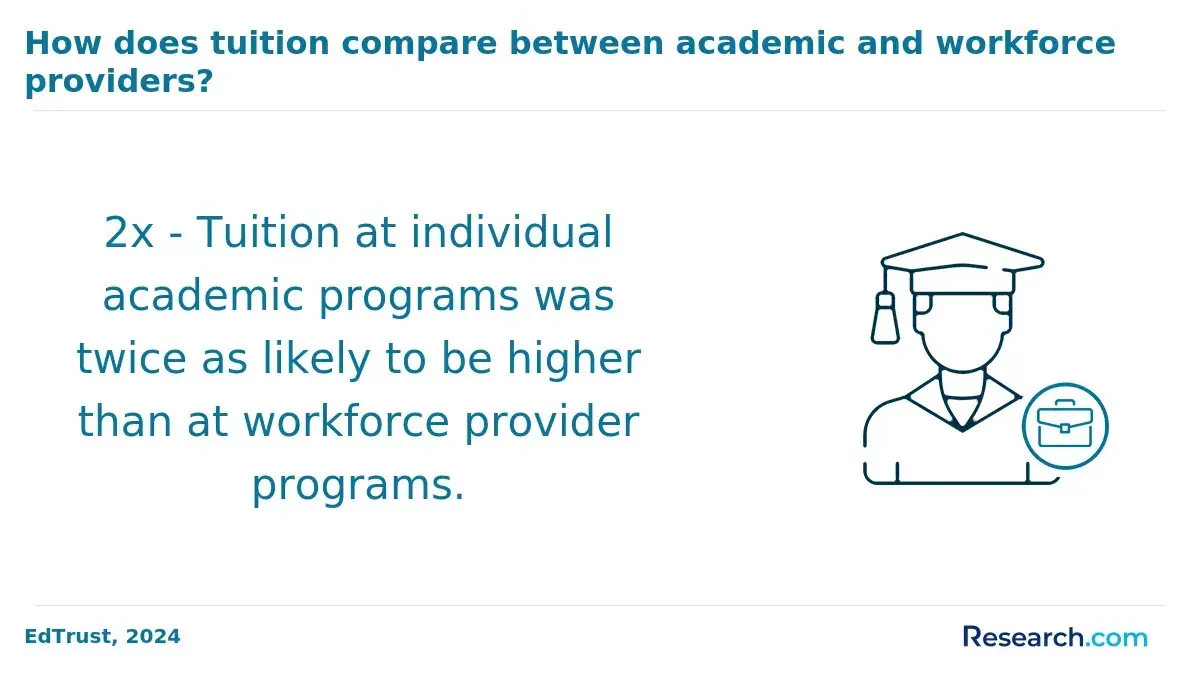
- Tuition Range: The average cost of dental assistant degree program tuition ranges from approximately $7,000 to $40,000. Public community colleges typically charge around $7,600, while private institutions may exceed $30,000.
- Institution Type: Public community colleges generally offer lower tuition rates than private colleges or universities, with out-of-state tuition at public schools often costing significantly more.
- Program Length: Degree programs usually last 18-24 months, which increases tuition and other related expenses compared to shorter certificate programs.
- Additional Costs: Students may need to budget for textbooks, lab kits, clinical supplies, and examination fees, commonly adding several thousand dollars to the total cost.
- Financial Aid Availability: Many degree programs qualify for federal financial aid, grants, and scholarships, helping to reduce the net expense for eligible students.
Average Tuition for Dental Assistant Certificate Programs
- Tuition Range: Dental assistant certificate program tuition typically ranges from $3,000 to $15,000 at community colleges and can reach up to $29,000 at some private or for-profit schools.
- Institution Type: Public community colleges offer more affordable tuition, whereas private vocational and for-profit institutions usually charge higher fees.
- Program Length: Most certificate programs take 9-12 months to complete, resulting in lower overall tuition compared to degree programs.
- Additional Costs: Students should plan for supplies, clinical fees, and certification exam costs, which tend to be less than those for degree students but remain important.
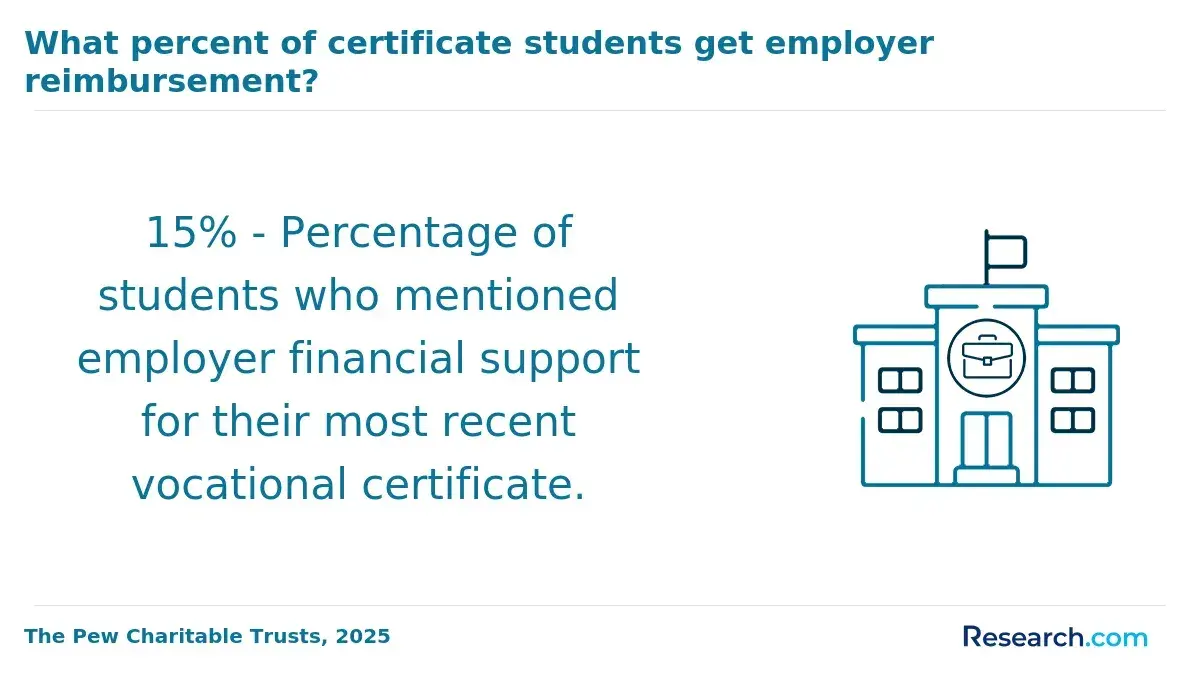
- Workforce & Aid Options: Some nonprofit or workforce development agencies provide free training, and many certificate programs qualify for federal aid or employer reimbursement. For more information on affordable options, consider exploring best affordable online schools that accept FAFSA.
Accurate tuition estimates combined with attention to institutional differences can guide prospective students in choosing the best dental assistant educational path that fits their goals and finances.
Can You Transfer Certificate Credits Toward a Dental Assistant Degree Later On?
Yes, transferring credits from a dental assistant certificate program to a dental assistant degree is often possible but depends heavily on several factors. Transfer approval typically requires that the certificate courses come from an accredited institution and align closely with the degree's curriculum in content and credit hours. Many colleges evaluate the recency of the coursework and its relevance to their program before accepting transfer credits. Institutional policies vary widely, and the discretion of program directors plays a key role in transfer decisions.
Students should be aware of limits on the number of credits accepted, minimum grade requirements-usually a "C" or higher-and additional steps like exams or course content reviews that some schools may require. General education classes may have better chances of transfer than specialized dental assisting courses. Since transfer policies differ significantly, it's crucial to verify credit transfer options directly with the desired school before enrolling. Doing so ensures you make informed choices that maximize your educational investment.
Are Certificate Programs Accredited the Same Way as Dental Assistant Degrees?
Dental assistant degree programs, typically offered as associate degrees, are accredited by the Commission on Dental Accreditation (CODA), the same body that accredits dental schools and is recognized by the U.S. Department of Education. This standardized accreditation is often necessary for graduates to qualify for the Certified Dental Assistant (CDA) exam from the Dental Assisting National Board (DANB).
In contrast, certificate programs vary significantly in accreditation status. Some certificate programs, especially those from community colleges or vocational schools, are also CODA-accredited, but many are not recognized by official dental accreditation agencies. This difference affects the program's standing and the opportunities available after completion.
Accreditation plays a vital role in assuring educational quality, facilitating the transfer of credits, and enhancing recognition by employers and licensing bodies. Graduates from accredited programs are generally eligible to sit for certification exams and meet state licensing requirements more easily.
When choosing a program, students should verify CODA accreditation, ensure the curriculum supports eligibility for certification tests, and review outcome measures like job placement rates. It's important to check any state-specific mandates regarding program recognition. Always confirm program accreditation through recognized agencies before enrolling to protect your investment and career prospects.
What Jobs Can You Get with a Dental Assistant Degree vs. a Certificate?
Both dental assistant degrees and certificates can open doors to careers in dental offices, but each credential may lead to different roles and responsibilities. Understanding the distinctions between these options can help you choose the best path for your goals. Below is a comparison of typical job opportunities associated with each qualification.
Jobs You Can Get with a Dental Assistant Degree
- Lead dental assistant: Oversees clinical operations, supports the dentist during complex procedures, and mentors junior staff in a dental office setting.
- Office manager: Handles administrative duties such as scheduling, billing, and managing dental office operations.
- Dental radiology technician: Performs dental X-rays and ensures compliance with safety protocols in diagnostic imaging.
- Infection control coordinator: Develops and enforces infection prevention procedures to maintain a safe clinical environment.
- Dental assisting educator: Teaches and trains aspiring dental assistants, often working in educational institutions or training programs.
Jobs You Can Get with a Dental Assistant Certificate
- Dental assistant: Provides chairside support during dental treatments, prepares instruments, and cares for patients.
- Chairside assistant: Assists the dentist directly during procedures, ensuring readiness of materials and smooth workflow.
- Sterilization technician: Manages sterilization and disinfection of dental instruments and equipment to maintain hygiene standards.
- Dental receptionist: Manages patient scheduling, front desk tasks, and communication in a dental practice.
What Is the Average Starting Salary for a Certificate vs. Dental Assistant Degree Graduates?
Salary potential often varies significantly between dental assistant certificate holders and those with an associate degree or advanced certification. Understanding this difference can help prospective students make informed choices about their education and career paths.
Here is a side-by-side comparison of the average starting salaries for dental assistant certificate graduates versus degree holders:
- Typical Salary Range: The average dental assistant certificate salary in the United States typically falls between $36,850 and $45,000 annually, with entry-level hourly rates around $22 to $23. Certificate holders often begin at the lower end of this range, especially where formal education requirements are minimal or in less competitive markets.
- Degree Salary Comparison: Graduates with a dental assistant associate degree or advanced certification tend to earn higher starting salaries, usually ranging from $45,000 to $49,120 per year, with median hourly wages near $25 to $26.
- Influencing Factors: Experience level, geographic location, type of employer, and certification status all impact starting pay. Urban areas and private practices tend to offer higher wages, while government clinics provide stable salaries and benefits. Certification like the Certified Dental Assistant (CDA) credential can increase pay by roughly 15% over uncertified assistants.
- Career Outlook: Those holding degrees and certifications generally enjoy better earning potential and career growth long term, although certificate holders may advance with additional experience or credentials. For individuals seeking more education options, exploring colleges with dual degree programs can broaden career opportunities.
Here's What Graduates of Dental Assistant Programs Say About Their Degree or Certificate
- Arden: "Choosing a dental assistant certificate program was perfect for me because I wanted a fast-paced learning experience that would get me into the workforce quickly. The cost was much lower compared to degree programs, which really mattered since I was self-funding my education. For anyone weighing their options, I'd say certificates are great for focused, practical skills and quick career entry."
- Santos: "Completing a dental assistant degree program gave me a broader understanding beyond the basics, even though it took longer and was more expensive-often between $10,000 to $20,000 on average. The in-depth curriculum prepared me for greater responsibilities and career growth. I recommend a degree if you're looking for a comprehensive education and can invest the time and money."
- Leonardo: "Going through both the certificate and degree programs allowed me to appreciate their distinct benefits: the certificate offered swift entry into dental assisting, while the degree expanded my clinical knowledge and opportunities. Balancing cost and learning pace was key, as the certificate was affordable and fast but the degree deepened my career path. My advice is to consider your personal goals carefully; investing in both gave me the best of both worlds."
Other Things You Should Know About Dental Assistant Degrees
In 2027, dental assistant degree programs often provide a more comprehensive education with opportunities for deeper learning in subjects like anatomy, physiology, and advanced dental practices. They may also enhance career prospects by offering an associate degree, which can be a prerequisite for further specialization or higher education in the dental field.
Yes, many educational institutions allow graduates of certificate programs to transfer credits toward dental assistant associate degree programs. This pathway helps students continue their education while building on prior coursework and experience. However, policies vary by school, so it's important to verify transfer options before enrolling.
References
- How To Become A Dental Assistant | Pacific Northwest Dental Assisting School https://www.schoolofdentalassisting-vancouver.com/how-to-become-a-dental-assistant/
- Dental Assisting Associate (AS) Program vs. Certificate https://www.medicaltechnologyschools.com/dental-assistant/dental-assisting-associate-degree-vs-certificate
- Dental Assisting (Levels I and II) Program S113 | George Brown College https://www.georgebrown.ca/programs/dental-assisting-levels-i-and-ii-program-s113
- Dental Assistant Schooling & Certification Costs https://www.diamondbraces.com/blogs/careers/education-schooling-and-certification-costs-for-dental-assistants
- How Much Do Dental Assistant Classes & Certification Cost? https://www.stepful.com/post/how-much-do-dental-assistant-classes-certification-cost
- How Long Does It Take to Become a Dental Assistant? – Delta Tech https://www.deltatechnicalcollege.com/resources/careers/how-long-does-it-take-to-become-a-dental-assistant/
- Dental Assistant Degree | Degree vs Certificate In 2024 https://www.onlinedegree.com/article/dental-assistant-degree/
- Certified and Registered Dental Assistant Differences https://www.360training.com/blog/different-dentistry-professions


