
2027 Do Employers Pay for Physics Degrees: Tuition Reimbursement and Sponsorship Options

Co-Founder and Chief Data Scientist
Many prospective students face financial barriers when considering a physics degree, with average tuition costs exceeding $40, 000 per year at private institutions. Nearly 45% of graduates carry significant student debt, limiting career flexibility and long-term financial health. Understanding whether employers contribute to tuition costs can be critical for managing this burden.
This article examines employer tuition reimbursement programs and sponsorship options specifically related to physics degrees. It will explore eligibility criteria, common limitations, and strategies to maximize employer support, helping working professionals and students make informed decisions about funding their education through workplace benefits.
Key Benefits of Employers Paying for Physics Degrees
- Employers offering tuition reimbursement reduce the average $50,000+ debt for physics students, easing financial burdens and promoting workforce retention.
- Sponsorship programs often include mentorship, enhancing skill development and increasing job placement rates for physics graduates.
- Paid degree support encourages continuous professional growth, leading to higher employee satisfaction and better alignment with evolving industry needs.
Do Employers Pay for Physics Degrees?
Employer-sponsored education support is relatively common but varies across industries and job roles. According to the National Center for Education Statistics, about 29% of U.S. employees receive some form of tuition assistance, though this figure is broad and not specific to physics. Companies often offer tuition reimbursement or sponsorship as part of workforce development when the degree, such as physics, aligns with their technical needs.
This is reflected in many company sponsorship programs for physics students, particularly in sectors focused on innovation and technical expertise where physics skills improve problem-solving and analytical thinking.
Trends in employer payment for physics degrees differ based on how relevant the degree is to specific industries and roles. While large corporations and government entities frequently have formal tuition reimbursement programs, smaller companies or those with tighter budgets may limit support to fields directly impacting business outcomes. Industries like aerospace, electronics, and research labs are more likely to offer educational benefits, influencing a student's decision to pursue physics.
For those interested in related fields, exploring options like ai degree programs can also be beneficial in expanding career opportunities.
What Types of Tuition Assistance Do Employers Offer for Physics Degrees?
Employer tuition assistance programs play a crucial role in helping professionals pursuing a physics degree manage the high cost of education. By offsetting tuition expenses, these benefits reduce out-of-pocket payments and lower financial risks, making it easier to invest in advanced studies. Considering employer-sponsored education benefits in physics can significantly improve the return on investment for working students.
Common types of employer tuition assistance available for physics degrees include:
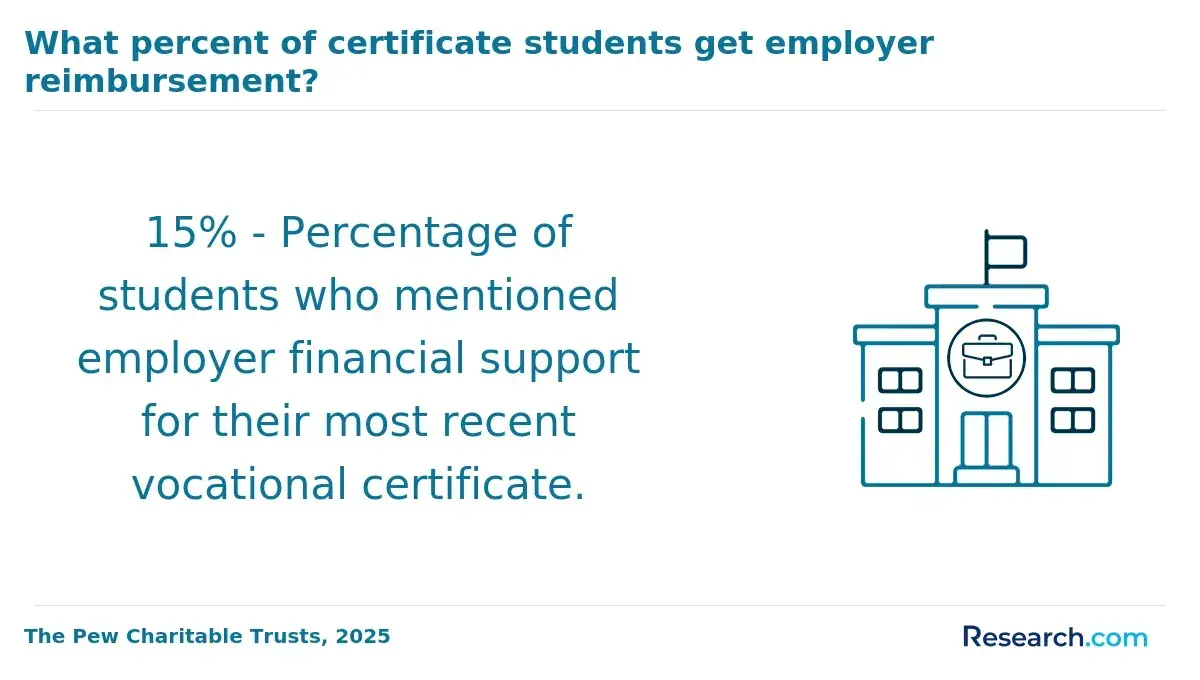
- Tuition reimbursement: Employers reimburse a portion of tuition fees after employees successfully complete courses or semesters. This option often includes annual caps and helps students pay for physics coursework without upfront costs.
- Upfront sponsorship: Some employers cover tuition expenses directly before classes begin, easing immediate financial burden and allowing students to focus on their physics studies without worrying about initial payments.
- Scholarships and grants: Offered through partnerships with educational institutions or professional organizations, these funds provide additional financial support specifically for physics or related STEM education.
- Flexible payment plans: Employers may arrange payment schedules that align with academic calendars, making it more manageable for employees balancing work and physics education.
Coverage limits vary widely but generally range from several thousand dollars up to full tuition per year. These employer tuition assistance programs for physics degrees make earning an advanced degree more accessible by lowering financial barriers associated with STEM fields. For those exploring affordable education paths beyond physics, consider options like a cheapest online business degree as additional ways to manage educational costs effectively.
Who Is Eligible for Employer Tuition Reimbursement for Physics Degrees?
Eligibility requirements greatly influence how and when employer tuition reimbursement can be utilized for physics degrees, impacting program selection and the overall return on investment (ROI). Being aware of these qualifications helps students and working professionals plan effectively, ensuring their educational goals align with employer support policies. Below is a detailed look at common factors affecting employer tuition reimbursement eligibility for physics degrees.
- Employment status: Most employers require employees to work full-time or meet a minimum hours threshold to qualify for tuition assistance, ensuring commitment to both the job and educational program.
- Tenure or service length: Employees typically must have remained with the company for a certain period before becoming eligible, reflecting an expectation of loyalty and investment in employee development.
- Degree relevance: The physics program usually needs to directly relate to an employee's current role or future career within the organization, aligning education with business objectives and improving the chances of funding approval.
- Academic performance: Maintaining a specified GPA or meeting other scholastic standards is often required to continue receiving tuition support, motivating satisfactory academic progress.
- Approval process: Funding often requires formal approval from supervisors or HR, who assess program relevance, budget availability, and eligibility compliance.
- Continued employment: There may be expectations to remain employed with the company during the study period and sometimes for a set time after graduation to justify the investment.
Successfully navigating employer tuition reimbursement eligibility for physics degrees can greatly reduce educational expenses and support career advancement. For those also interested in related fields, exploring options like an affordable online masters in psychology might be worthwhile as part of a broader educational plan.
How Do Employer Tuition Reimbursement Programs Work for Physics Degrees?
For students pursuing a physics degree while working, employer tuition reimbursement programs can significantly reduce education expenses and improve financial planning. Grasping how these programs operate ensures candidates maximize benefits without unexpected hurdles. Below is a clear outline of their common components.
- Approval process: Employees often must get prior approval by demonstrating how their physics courses relate to job duties or career goals, typically through a formal request.
- Payment and reimbursement timing: Tuition is usually paid upfront, with reimbursement provided after course completion once academic requirements are met.
- Documentation requirements: Submitting proof such as receipts, transcripts, and grade reports is essential to claim reimbursement.
- Reimbursement limits: Employers may cover all or part of tuition costs, subject to annual or lifetime maximums that vary widely between organizations.
- Academic performance expectations: Reimbursement typically depends on achieving minimum grades or GPA thresholds to ensure satisfactory progress in physics studies.
Are Online Physics Degrees Eligible for Company Sponsorship?
Employer sponsorship for online physics degrees has become more common as perceptions of online education improve. While skepticism previously limited the acceptance of virtual credentials, increasing technological sophistication and workforce demands have shifted this trend. A 2023 survey by the Society for Human Resource Management found that around 60% of employers now consider online degrees eligible for tuition reimbursement, though acceptance levels differ by industry and job function. This indicates a growing, but still cautious, openness to supporting employees pursuing online physics programs.
When deciding on sponsorship, employers generally assess several factors. Regional accreditation of the institution is crucial to confirm academic standards. The degree's relevance to the employee's current or future role within the company weighs heavily in approval decisions. Employers also scrutinize the program's rigor, including curriculum quality and faculty expertise, to ensure it parallels traditional offerings. Additionally, the alignment between the physics knowledge gained and the organization's strategic objectives plays an essential role.
A professional who completed an online physics degree through employer sponsorship shared the experience, noting it was "challenging to navigate the approval process," requiring detailed documentation of the program's curriculum and credible faculty credentials. He recalled feeling "nervous about whether my company would fully support the tuition reimbursement," but ultimately found that demonstrating how the degree applied directly to his projects and skill development eased the process. His story highlights the importance of clear communication and preparation when seeking sponsorship for an online physics degree.
How Much Tuition Reimbursement Can You Get for Physics Degrees?
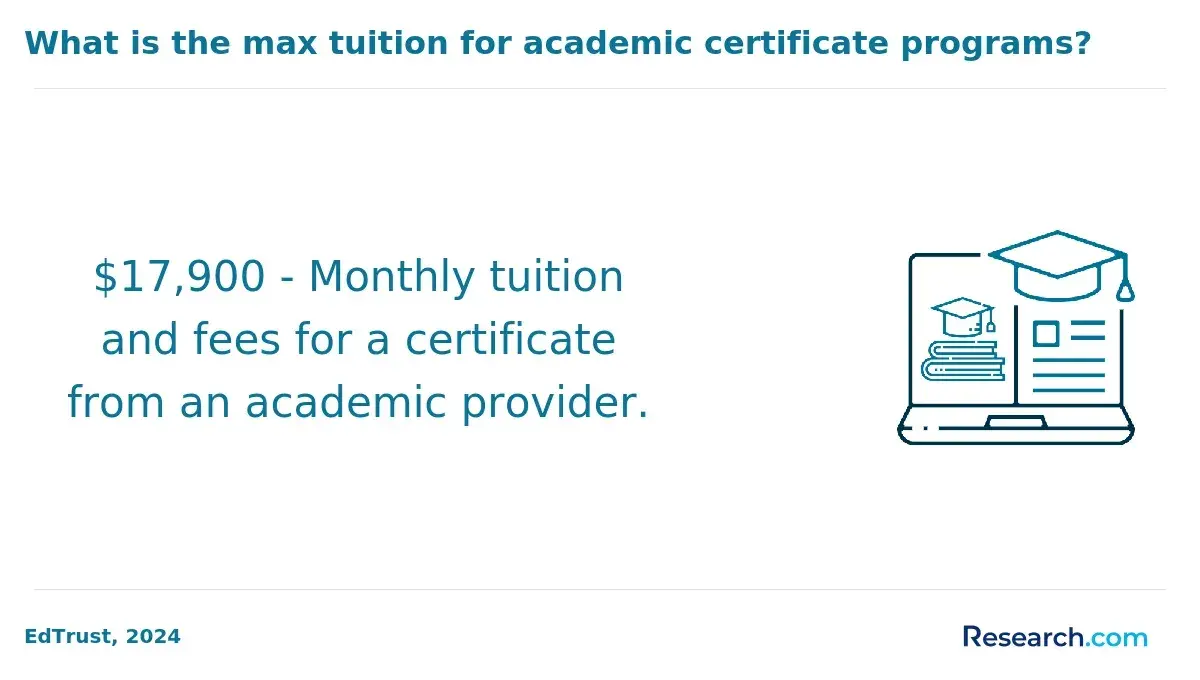
Reimbursement limits play a significant role in determining the overall affordability and return on investment for employees pursuing a physics degree. With many employers providing tuition assistance, knowing these caps helps in planning education finances effectively. For instance, the IRS allows up to $5,250 per year to be reimbursed tax-free, which substantially lowers the financial burden of advanced studies. Understanding these thresholds enables students and professionals to gauge how much their employer support may contribute toward education costs.
Typically, annual tuition reimbursement limits range from $3,000 to $5,250, aligning closely with federal tax exclusions. Lifetime caps, though less common, generally fall between $20,000 and $40,000. Larger companies and those in STEM fields often offer higher tuition benefits than smaller or non-technical employers, especially when the degree is relevant to the employee's role. These factors collectively influence how much financial backing one might expect when pursuing a physics degree while working.
Are There Penalties for Leaving an Employer-Sponsored Physics Program Early?
Employees considering an employer-sponsored physics degree should be aware of potential penalties if they leave the program early. Nearly 60% of such tuition assistance agreements include repayment clauses or other consequences that can affect both finances and career progress. Below are some common penalty scenarios to keep in mind.
- Tuition Repayment Requirements: Many programs require employees to repay all or part of reimbursed tuition if they leave before fulfilling contract terms. The amount owed often depends on how long the employee stayed after receiving benefits.
- Prorated Repayment Schedules: Rather than a lump-sum repayment, some agreements allow for prorated repayments that decrease over time the employee remains with the company following coursework completion.
- Early Termination Clauses: Contracts frequently mandate employees to continue employment for one to three years after completing-or partially completing-the degree. Exiting early can void future benefits and trigger repayment obligations.
- Impact on Future Eligibility: Leaving prematurely can result in loss of access to ongoing tuition assistance or other perks like bonuses tied to educational achievement, potentially limiting career advancement.
When I spoke to a professional who earned her physics degree through an employer tuition assistance program, she reflected on the importance of weighing these commitments carefully. She shared that balancing demanding coursework with full-time work was challenging, but knowing she needed to remain with the company to avoid penalties motivated her perseverance. "It wasn't just about the financial aid," she explained, "staying also meant preserving my growth opportunities and relationships within the firm." Her experience highlighted how understanding these terms upfront can shape not only educational decisions but long-term professional paths.
Can Employer-Paid Physics Degrees Improve Long-Term Earning Potential?
Evaluating the impact of employer-sponsored education on long-term career earnings is essential for working professionals considering a physics degree. Employer-paid degrees can reduce educational expenses and improve the return on investment, making advanced qualifications more attainable. A widely cited trend shows that employees completing employer-sponsored degrees earn on average 10-15% more across their careers, underscoring the value of such programs in boosting earning potential.
- Increased Promotion Opportunities: Employer-sponsored physics degree benefits often translate into faster promotion prospects. Employees with advanced education are positioned for leadership and specialized roles more quickly than their peers.
- Accelerated Career Progression: Tuition reimbursement programs encourage faster degree completion, enabling professionals to climb the career ladder sooner and take on higher responsibilities.
- Access to Higher-Paying Roles: Completing a physics degree with employer support opens doors to specialized positions in technology, engineering, and research sectors, which tend to offer better compensation packages.
- Enhanced Skills and Qualifications: Advanced education funded by employers equips candidates with up-to-date knowledge and practical skills, increasing their competitiveness in dynamic job markets.
- Strong Return on Investment: Reducing educational costs through tuition reimbursement helps bridge the gap between investment and reward, aligning long-term earning potential with minimized financial strain related to tuition debt.
Individuals seeking options to finance their education without excessive debt may also explore affordable edd programs as additional pathways to advance their credentials. Incorporating employer-sponsored education into career planning can significantly improve outcomes for those pursuing a physics degree, especially when considering long-term earning potential with tuition reimbursement.
How Do You Ask Your Employer to Pay for a Physics Degree?
Requesting employer support for a physics degree requires clear, proactive communication and thorough preparation. With over 60% of U.S. employers offering some form of tuition assistance, understanding how to present your case effectively can be the key to securing funding. The following strategies outline essential steps to take when considering how to request employer tuition reimbursement for physics degree programs.
- Research company tuition reimbursement policies: Begin by reviewing your employer's guidelines, often found in employee handbooks or internal portals. Knowing the specific eligibility rules and application procedures helps tailor your request and supports a more informed discussion.
- Prepare a business case linking the degree to job performance: Explain how pursuing a physics degree aligns with your current role or future career goals within the company. Illustrate the value by highlighting skills and knowledge that can enhance your contributions or open new opportunities.
- Schedule and conduct a formal meeting: Arrange a meeting with your manager or HR representative to discuss your request professionally. Bringing well-organized documentation such as program details, costs, and timelines will demonstrate your commitment and help address any employer concerns.
- Demonstrate the program's relevance: Clearly connect the physics degree curriculum to your work responsibilities or long-term development plans. Emphasizing this connection strengthens the argument for company sponsorship and shows foresight in your educational investment.
- Follow up with clear communication: Send a summary email outlining the key points from your meeting and provide any additional materials requested. Maintaining organized and transparent communication keeps the process moving smoothly and reflects professionalism.
Working professionals exploring steps to ask company sponsorship for physics education may also consider flexible learning options through online colleges, which can be convenient alongside employment. Taking a structured approach to employer requests enhances the chances of financial support for your physics academic pursuits.
What To Do If Your Employer Doesn't Pay for a Physics Degree?
Financing a physics degree without employer sponsorship requires a proactive approach to manage potentially high educational expenses. With approximately 85% of college students relying on financial aid, tapping into diverse funding sources is crucial to minimize debt and sustain progress. The following strategies can provide practical pathways for funding your studies.
- Federal and State Financial Aid: Complete the FAFSA to access grants, work-study programs, and affordable federal loans. These resources can substantially lower out-of-pocket costs and offer flexible repayment options.
- Scholarships and Grants: Investigate awards aimed specifically at science and physics students. Many foundations and organizations offer merit- and need-based scholarships to reduce financial burdens without the need for repayment.
- Personal Savings and Education Loans: Use savings judiciously and consider federal or private education loans as last-resort funding. It's important to assess loan terms carefully to avoid excessive debt and prepare for long-term repayment.
- Income-Share Agreements (ISAs): Explore ISAs where you repay a percentage of future earnings instead of upfront tuition. This arrangement may help mitigate immediate financial risk and align payments with your post-graduation income.
- Part-Time or Online Enrollment: Enroll part-time or choose online physics programs to reduce tuition expenses while maintaining employment income. This approach offers flexibility for balancing work and study commitments effectively.
By combining these options thoughtfully, students can better navigate funding challenges and invest in their physics education with greater financial confidence even without employer support.
What Graduates Say About Employers Paying for Their Physics Degrees
- Antoinette: "Completing my physics degree would have been financially daunting without my employer's tuition assistance, especially given that the average cost of attendance was quite high. Their sponsorship covered a significant portion of the tuition, allowing me to focus fully on my studies. This support not only eased my financial burden but also accelerated my career growth in research and development roles."
- Thomas: "The cost of a physics program can be intimidating, but thanks to the employer-sponsored tuition program, I managed to pursue my degree without accumulating debt. Reflecting on the journey, this assistance gave me the chance to deepen my expertise while maintaining work-life balance. The degree has since opened doors to advanced technical positions, validating every effort invested."
- Fritz: "Employer tuition assistance was a game-changer for me when facing the substantial expense associated with earning a physics degree. With their sponsorship, I gained access to top-tier education at a fraction of the usual cost. Professionally, this investment translated into new opportunities and promotions, proving that the sponsorship was well worth it. "
Other Things You Should Know About Physics Degrees
In 2027, employees pursuing physics degrees can often combine employer tuition reimbursement with scholarships, grants, or federal aid. It's essential to check eligibility criteria and coordinate with both employer policies and financial aid offices to maximize benefits effectively.
Some employers have policies that require repayment of tuition funds if an employee leaves the company within a specified time after completing part or all of a physics degree. The repayment terms, including the timeframe and percentage owed, vary depending on the employer. Be sure to review the terms carefully before enrolling in an employer-sponsored program.
Yes, many employers in 2027 offer tuition reimbursement for online physics degrees, acknowledging their flexibility and growing acceptance. Policies vary, so employees should verify details with their HR departments.
References
- Online Physics Courses - AcademicEarth.org https://academicearth.org/physics/
- Education Benefits https://hr.cornell.edu/understand-your-benefits/education-benefits
- Company Pays for My Masters Degree Info? https://www.physicsforums.com/threads/company-pays-for-my-masters-degree-info.200123/
- 25 Companies with College Tuition Reimbursement Programs https://getschooled.com/article/5206-companies-with-great-tuition-reimbursement-programs
- Physics bachelor’s holders find jobs in many sectors | Physics Today Jobs https://jobs.physicstoday.org/article/jobs-physicstoday-org-article-https-pubs-aip-org-physicstoday-online-44081-physics-bachelor-s-holders-find-jobs-in-many-sectors-/
- How to Ask Your Employer to Pay for Your Degree - Coursera Blog https://blog.coursera.org/how-to-ask-your-employer-to-pay-for-your-degree/
- Getting Your Employer to Pay for Your Online Masters https://www.onlinemastersdegrees.org/financial-aid/employer-tuition-assistance/
- Companies That Pay for Grad School https://www.onlineu.com/magazine/companies-that-pay-for-masters-degree
- Sponsorship | Physics and Astronomy https://www.phys.soton.ac.uk/node/851
- Tuition and Financial Aid https://www.med.upenn.edu/mpp/tuition-and-financial-aid.html


