
2027 Do Employers Pay for Sports Psychology Degrees: Tuition Reimbursement and Sponsorship Options

Co-Founder and Chief Data Scientist
Many working professionals interested in pursuing a sports psychology degree face significant financial barriers, with average tuition costs ranging from $20, 000 to $50, 000 annually. According to recent studies, over 60% of graduate students incur student debt exceeding $30, 000, making financing education a critical concern. Employer tuition reimbursement and sponsorship programs offer potential relief but vary widely in availability and coverage.
This article, prepared by career planning experts, explores how such employer-funded options can alleviate the financial burden of a sports psychology degree. It provides actionable insights on accessing tuition assistance and navigating sponsorship opportunities to reduce out-of-pocket expenses effectively.
Key Benefits of Employers Paying for Sports Psychology Degrees
- Employers often offer tuition reimbursement for sports psychology degrees, reducing the average $30,000 graduate debt and enabling professionals to upskill without financial strain.
- Sponsorship programs may cover additional costs like certifications, enhancing career advancement opportunities in sports psychology roles.
- Employee-funded education boosts retention by aligning individual growth with organizational goals, benefiting both the employee and employer long term.
Do Employers Pay for Sports Psychology Degrees?
Employer tuition reimbursement for sports psychology degrees is available but varies significantly across industries and organizations. Approximately 58% of U.S. employers provide some form of tuition assistance, although support is less common for specialized fields such as sports psychology.
Companies are generally more inclined to invest in employees pursuing degrees that align with their core business needs. For instance, firms involved in sports management, wellness programs, or performance coaching may sponsor employees seeking sports psychology education because it enhances expertise that directly benefits team performance and organizational goals.
Employer payment trends depend heavily on role relevance and workforce demands. Employees working in clinical, counseling, or health-related roles have higher chances of receiving support compared to those in unrelated positions. Organizations focused on mental health and athlete performance often prioritize funding these degrees to address skill shortages and improve outcomes.
Prospective students interested in sports psychology should carefully evaluate their career paths and target employers' sponsorship policies to maximize financial support opportunities. Those exploring related fields might also consider alternatives such as online speech pathology programs to broaden their options in employer-sponsored education.
What Types of Tuition Assistance Do Employers Offer for Sports Psychology Degrees?
Employer-provided tuition support plays a vital role in making sports psychology degrees more affordable and reducing the financial risk for professionals. These benefits help lower out-of-pocket expenses, making advanced education more accessible for working adults who want to enhance their careers.
Understanding the types of tuition assistance can guide students in maximizing these opportunities.
- Tuition Reimbursement: This is the most common employer tuition reimbursement for sports psychology degrees, where companies repay a portion or the full tuition cost after successful course completion. Coverage limits often range from a few thousand to several thousand dollars annually and typically apply to accredited undergraduate and graduate programs.
- Upfront Tuition Payment: Some employers pay tuition directly to the educational institution, eliminating the need for employees to front expenses. This method reduces financial strain upfront and may cover related fees like textbooks and lab expenses.
- Scholarships and Sponsorships: Certain organizations offer scholarships or corporate sponsorship programs for sports psychology education, tailored to align with professional development goals. These funds can offset tuition and other education-related costs, supporting continuous learning within the workforce.
Students considering sports psychology degrees should also explore affordable education options, as combining employer assistance with cost-effective programs can optimize financial outcomes. For example, some seek the cheapest online business degree programs for a cost-conscious approach to their education planning.
Who Is Eligible for Employer Tuition Reimbursement for Sports Psychology Degrees?
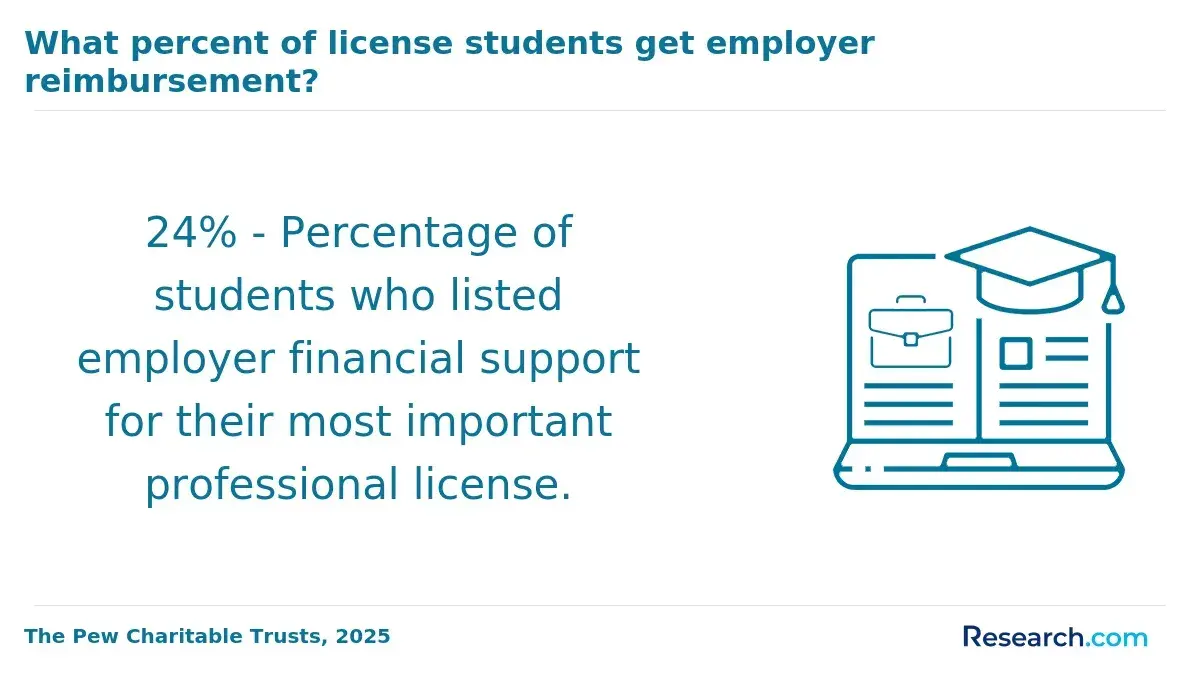
Eligibility requirements for employer tuition reimbursement play a crucial role in determining the accessibility and benefits of funding a sports psychology degree through your workplace. These criteria influence not only when you can begin your program but also what programs qualify for support and how well the investment pays off in the long run. Careful consideration of these factors will help align your educational choices with employer tuition assistance, maximizing your return on investment (ROI).
Common eligibility factors include:
- Employment status: Typically, full-time employees are eligible for tuition reimbursement, while part-time or contract workers may face restrictions or limited access.
- Tenure requirements: Many employers mandate a minimum period of continuous employment, often six months to a year, before tuition benefits become available.
- Job relevance: To qualify for assistance, your sports psychology degree usually must relate directly to your current job or career progression within the company.
- Academic performance: Employers often require maintaining a minimum GPA or grade level to continue receiving tuition reimbursement, ensuring their support contributes to your success.
- Approval process: Formal application and program approval by management or human resources is commonly needed to secure funding before enrolling.
- Ongoing employment: Employees may need to stay with the company during and sometimes after completing the degree to keep benefits or avoid repaying tuition assistance.
These conditions can delay your ability to start a sports psychology degree and limit eligible programs to those fitting company policies or schedules. When evaluating who qualifies for tuition assistance sports psychology degrees, consider how employer criteria impact program choice and timing.
For professionals comparing options, also explore affordable online executive mba programs as alternative paths to enhance credentials while managing tuition costs.
How Do Employer Tuition Reimbursement Programs Work for Sports Psychology Degrees?
For students working while pursuing a sports psychology degree, employer tuition reimbursement programs can offer valuable financial relief. Knowing how these programs operate helps maximize benefits and avoid unexpected costs.
Below is a structured overview of the key aspects involved in employer-sponsored tuition reimbursement.
- Approval process: Employees generally need to obtain prior approval before enrolling, often by submitting a course plan or formal request to their company's HR or education benefits team. Approval depends on how the coursework aligns with the employee's current role or career goals within the organization.
- Payment and reimbursement timing: Typically, employees pay tuition upfront and later submit proof of payment. Some employers reimburse after each course is completed, while others wait until the semester ends to issue payment.
- Documentation requirements: To qualify for reimbursement, employees must provide official transcripts or grade reports showing successful completion. Many programs require a minimum grade, usually a "B" or higher, to receive funds.
- Reimbursement limits: Coverage varies widely, with some employers offering partial tuition refunds and others providing full reimbursement up to an annual or per-course dollar cap. Reviewing your specific policy is crucial to understanding financial limits.
- Academic performance expectations: Maintaining good grades is essential, as employers want their investment to support both employee development and organizational benefit. Regular communication with program administrators helps ensure ongoing eligibility.
Are Online Sports Psychology Degrees Eligible for Company Sponsorship?
Employer support for online sports psychology degrees has grown steadily, though acceptance is influenced by evolving perceptions of online education quality. While some employers once viewed online learning with skepticism, improvements in accreditation and institutional reputation have shifted attitudes.
Studies suggest that approximately 56% of companies now regard online degrees from accredited programs as comparable to traditional degrees when aligned with relevant job functions. However, sponsorship is not guaranteed and often depends on how well the degree fits within the employer's workforce development priorities and reimbursement policies.
When considering tuition sponsorship for online sports psychology studies, employers typically evaluate several key factors: the accreditation status of the program, the curriculum's applicability to the employee's current or future responsibilities, the academic rigor, and how the degree supports larger organizational goals like enhancing mental health initiatives or performance optimization.
How Much Tuition Reimbursement Can You Get for Sports Psychology Degrees?
Tuition reimbursement limits are key to assessing the affordability and return on investment of a sports psychology degree. Knowing these caps helps students and professionals plan their finances effectively while working. In 2022, approximately 53% of U.S. employers offered some form of tuition assistance, highlighting the potential for employer support to reduce educational expenses.
Typically, employers set annual reimbursement caps between $3,000 and $5,250, with some imposing lifetime maximums that can exceed $25,000. These amounts often differ based on factors like employer size, industry sector, and how closely the degree aligns with the employee's role. Federal tax laws allow up to $5,250 of employer-paid educational benefits to be excluded from taxable income each year, which can impact the net financial value of tuition assistance without altering eligibility or application criteria.
Are There Penalties for Leaving an Employer-Sponsored Sports Psychology Program Early?
When pursuing a sports psychology degree through an employer-sponsored program, it's crucial to be aware of potential financial penalties tied to early departure. Nearly 40% of these agreements include provisions requiring employees to reimburse educational costs if they leave before fulfilling their contractual obligations.
Below are some common scenarios where such penalties may apply.
- Tuition repayment requirements: Employees may need to repay all or part of the tuition if they resign within a specified time frame after completing the program. This timeframe often spans from one to three years and helps employers protect their investment.
- Prorated repayment schedules: Rather than a fixed amount, some employers use a decreasing repayment model. The longer an employee stays after program completion, the less they owe, reducing financial burden over time.
- Early termination clauses: Contracts often specify exact conditions triggering repayment, such as voluntary resignation or being terminated for cause. Understanding these terms helps avoid unexpected liabilities.
- Impact on future benefit eligibility: Leaving a sponsorship program prematurely may result in losing access to additional tuition assistance or other educational benefits offered by the employer later on.
Can Employer-Paid Sports Psychology Degrees Improve Long-Term Earning Potential?
Evaluating the impact of employer-sponsored education on career earnings is crucial for working professionals considering a sports psychology degree. Research shows that individuals with employer-funded education tend to earn up to 15% more on average over their careers compared to those without such support. Understanding these benefits helps highlight the long-term value of investing time and effort in advancing one's qualifications through employer-paid programs.
Several factors contribute to the positive impact of employer-paid sports psychology degrees on career growth and earning potential:
- Increased Promotion Opportunities: Employer sponsorship often leads to faster recognition and advancement within an organization. Professionals with advanced credentials commonly qualify for leadership roles more quickly.
- Faster Career Progression: Reducing financial barriers allows individuals to pursue education without delay, accelerating their entry into specialized roles and higher-paying positions.
- Access to Higher-Paying Roles: Advanced skills and credentials acquired through employer support open doors to competitive positions in clinical practice, athletic training, and performance consulting.
- Enhanced Skills and Qualifications: Employer-funded degrees focus on relevant expertise, improving professional credibility and effectiveness in complex job functions.
- Return on Investment: Covering tuition costs reduces personal debt, improving the financial return of educational pursuits and making employer-paid degrees a strategic choice for maximizing long-term income potential.
For professionals seeking cost-effective educational options, exploring affordable EdD programs can complement employer sponsorship, further easing financial commitments while enhancing expertise.
The impact of employer-paid sports psychology degrees on career growth and long-term earning potential remains a key consideration for individuals aiming to balance upfront educational costs with future financial benefits.
How Do You Ask Your Employer to Pay for a Sports Psychology Degree?
Proactive communication and thorough preparation are crucial when asking your employer to sponsor your sports psychology degree. With over 60% of employers now offering some form of tuition assistance, the opportunity for support is growing. Understanding the right steps to take can enhance your chances of approval and demonstrate your commitment to professional growth.
- Research Tuition Policies: Begin by reviewing your company's tuition reimbursement or education assistance policies, typically found in the employee handbook or HR portal. This helps you align your request with existing benefits and demonstrates that you've done your homework.
- Prepare a Business Case: Develop a clear, concise explanation of how the sports psychology degree will add value to your current role and the organization's objectives. Focus on skills that improve performance, client outcomes, or employee well-being to show the degree as an investment, not a personal expense.
- Schedule a Formal Meeting: Arrange a meeting with your supervisor or HR representative to present your request professionally. Approach the conversation with confidence and respect, emphasizing your long-term commitment to the company and career development.
- Demonstrate Program Relevance: Highlight how the coursework directly supports your job responsibilities or future growth opportunities. This shows strategic alignment between your education and the company's needs.
- Follow Up With Documentation: After the meeting, send an official email summarizing your request and attach relevant materials like the program curriculum or tuition cost breakdown. Persistence and professionalism are key to securing employer sponsorship.
For those researching how to request employer tuition reimbursement for sports psychology, exploring options at online colleges can provide flexible pathways to balance work and study effectively.
What To Do If Your Employer Doesn't Pay for a Sports Psychology Degree?
Funding a sports psychology degree without employer assistance can be challenging but manageable with the right resources. Since about 85% of U.S. college students utilize federal financial aid, tapping into these options is a practical starting point.
Below are effective strategies to help cover educational expenses independently.
- Federal and State Financial Aid: Many students qualify for grants, scholarships, and low-interest loans offered by government programs. Applying early and meeting eligibility criteria can significantly offset tuition costs without immediate repayment obligations.
- Scholarships and Grants: Target scholarships specific to psychology or sports-related fields, available through professional groups, foundations, or academic institutions. These funds do not require repayment and can substantially reduce overall expenses.
- Personal Savings and Educational Loans: Using savings is an option, but if relying on loans, carefully evaluate interest rates and repayment plans to avoid excessive debt. Responsible borrowing can support education when other resources fall short.
- Income-Share Agreements (ISAs): Some programs offer ISAs as an alternative to traditional loans, where repayment depends on a portion of future income. This model aligns financial responsibility with career success and may ease initial financial pressure.
- Part-Time or Online Study Options: Enrolling in flexible programs enables students to work while studying, maintaining a steady income. Online courses often come with lower tuition fees and customizable schedules suited for working professionals.
What Graduates Say About Employers Paying for Their Sports Psychology Degrees
- Andrew: "Enrolling in a sports psychology degree program typically costs around $30,000, which felt daunting initially. Thankfully, my employer's tuition assistance program covered a significant portion of these expenses, allowing me to focus entirely on my studies without financial stress. This sponsorship not only made the degree affordable but also expanded my career opportunities in athletic mental health consulting, truly transforming my professional path."
- Genesis: "When I first considered a sports psychology degree, the cost seemed overwhelming, especially with fees averaging near $30k. With my employer's sponsorship, the financial burden was greatly alleviated, making such advanced education accessible. This support was instrumental in enhancing my expertise and credibility in the field, leading to a successful role as a team performance coach. "
- Gerby: "Completing my sports psychology degree was a significant investment, usually around $30,000, but my employer's tuition assistance helped lessen the weight of that cost. This partnership not only empowered me to earn my degree but also enriched my career trajectory by opening doors to leadership roles in sports organizations. I'm grateful for the financial aid that turned what seemed out of reach into a rewarding professional milestone."
Other Things You Should Know About Sports Psychology Degrees
In 2027, some employers offer tuition reimbursement for sports psychology degrees, often as part of a professional development benefit. However, availability varies widely by company, and not all employers provide this option. Check with your employer's HR department for specific details and eligibility criteria.
Many employers require students to maintain a minimum grade, often a 'B' or equivalent, to continue receiving tuition reimbursement for sports psychology programs. Falling below this threshold can result in loss of reimbursement eligibility. This policy ensures employees are making satisfactory academic progress, which benefits both the student and the employer.
Yes, employer support for sports psychology degrees can influence job responsibilities. As employees advance in their education, they might take on roles requiring specialized knowledge. Employers may offer new projects or leadership roles to leverage the advanced skills gained through the degree.
Employers typically require employees to enroll in accredited programs and maintain a specific GPA, often a 3.0 or higher, for continued reimbursement. Some employers may also mandate an employment tenure post-graduation to ensure the investment benefits the company long-term.
References
- Sports Psychology Degree Programs Online and In-Person | UWS https://www.uws.edu/sport-performance-psychology/
- What is Tuition Reimbursement? The Often-Overlooked Employee Benefit https://www.snhu.edu/about-us/newsroom/education/what-is-tuition-reimbursement
- Applied Sport and Performance Psychology (ASPP) Tuition and Aid https://www.dominican.edu/admissions/tuition-and-financial-aid/total-cost-attendance/graduate-tuition-and-aid/applied-sport-and-performance-psychology-aspp-tuition-and-aid
- Affordable Sports Psychology Degrees: Top Cheapest Programs & Cost-Saving Tips (2025) https://www.sportspsychology.org/articles/cheapest-sports-psychology-programs/
- Sports Psychology Master's: Courses, Requirements, & Careers https://www.psychology.org/degrees/sports-psychology/masters/
- Sports Psychology Programs Near Boston – Affordable Degrees & Career Pathways https://www.counselingpsychology.org/cheapest-sports-psychology-masters-programs-near-boston-ma/
- Getting Your Employer to Pay for Your Online Masters https://www.onlinemastersdegrees.org/financial-aid/employer-tuition-assistance/
- Sports Psychology https://www.onlinepsychologydegrees.com/specialty/sports-psychology/
- BSc (Hons) Sport and Exercise Psychology - University of Winchester https://www.winchester.ac.uk/study/undergraduate/Courses/BSc-Hons-Sport-and-Exercise-Psychology/
- Sport and exercise psychologist https://nationalcareers.service.gov.uk/job-profiles/sport-and-exercise-psychologist


