
2027 Do Online Medical Assisting Programs Offer Weekly Start Dates? Enrollment Calendar & Start Options

Co-Founder and Chief Data Scientist
Imagine a learner weighing the benefits of weekly versus monthly start dates for an online medical assisting program. Weekly start options can provide greater flexibility for working adults or career changers who need to balance studies with unpredictable schedules. Recent data shows a 25% increase in enrollment at programs offering flexible start calendars, reflecting a growing demand for adaptability in healthcare education.
Online medical assisting programs are adapting by incorporating multiple start dates to attract nontraditional students. With accelerated course formats gaining traction, prospective students can often begin training sooner, reducing wait times and enabling faster entry into the healthcare workforce.
Key Things to Know About Online Medical Assisting Program Enrollment
- Many online medical assisting programs use rolling enrollment with weekly or biweekly start dates, allowing students to begin courses without waiting for traditional semester schedules.
- This flexible calendar contrasts with fixed academic terms, enabling continuous access to coursework and faster progression through certification requirements.
- With a 25% growth in online medical assisting enrollment since 2020, such scheduling supports working adults and career changers balancing education with other commitments.
Do online medical assisting programs offer weekly start dates?
Many online medical assisting programs offer weekly or rolling start dates, providing significant flexibility compared to traditional semester-based schedules that begin only two or three times per year. Institutions like Ultimate Medical Academy and Penn Foster online medical assisting programs highlight this trend by allowing multiple start dates per month.
This flexibility is especially beneficial for working adults, career changers, and adult learners who require adaptable enrollment options. According to EducationData.org, over 45% of healthcare-related online programs have adopted flexible enrollment calendars, improving access and reducing wait times for learners. These enrollment options for medical assisting online courses enable students to begin coursework almost immediately, accelerating program completion and supporting diverse schedules.
The structure of these flexible calendars varies, often organizing courses into shorter modules or competency-based sections that allow students to progress at their own pace. This modular approach supports workforce demands for timely credentialing and continuous skill development. Data from the National Center for Education Statistics also reveals increased distance education enrollment among adult learners in healthcare fields.
Offering weekly start dates directly meets the needs of nontraditional students by minimizing barriers such as rigid timelines or delayed program entry. Prospective students interested in pursuing online RN to BSN programs without clinical requirements may find similar flexible structures designed to accommodate busy lifestyles and professional commitments.
What does the enrollment calendar look like for online medical assisting programs?
Online medical assisting programs offer flexible enrollment calendars that cater to the needs of working adults and career changers. Enrollment flexibility, including weekly and monthly start dates, reflects a rising trend in online education, with health-related fields experiencing a 10% annual growth in online enrollment over the past five years.
- Flexible Start Dates: Many programs provide weekly or monthly enrollment options, allowing students to begin courses without waiting for traditional semester schedules. This flexibility aligns with a medical assisting program rolling admission schedule, enabling continuous entry throughout the year.
- Modular Course Structure: Curricula are often divided into shorter, focused units that promote self-paced or accelerated learning. This design supports learners' various commitments and learning speeds, giving control over academic progress.
- Year-Round Course Access: Online platforms typically grant students access to materials at all times, helping part-time learners balance family and work obligations. This approach also facilitates steady advancement for adult learners adjusting to new career paths.
Prospective students seeking flexible options may also explore easy DNP programs for additional pathways in healthcare education.
Do admission requirements delay start dates for online medical assisting programs?
Admissions steps can significantly affect when students begin online medical assisting programs, even with advertised weekly start options. Nearly 25% of applicants face delays of up to two weeks due to processing requirements, according to a 2023 National Center for Education Statistics report.
- Transcript verification: Coordinating with previous schools to confirm academic records often slows enrollment. This process may take days or weeks, depending on the responsiveness of institutions involved.
- Prerequisite completion: Students must finish required courses or certifications before advancing to core medical assisting classes. Incomplete or unverified prerequisites can postpone program start dates.
- Transfer credit evaluation: Schools assess if prior coursework meets program standards, which involves determining course equivalency and applicability. This evaluation can require one to four weeks, varying by institutional resources.
- Standardized test requirements: Though uncommon, some programs ask for test scores to support placement or admission decisions. Delays in submitting scores may push back start times.
- Impact on start dates: Weekly and rolling admissions offer flexibility but rely on applicants satisfying all conditions by set cutoff times. Failure to meet deadlines typically results in deferral to the next available intake.
Do online medical assisting programs offer immediate enrollment for transfer students?
Transfer students seeking to enroll in online medical assisting programs often encounter varying timelines before starting coursework. While some programs facilitate swift enrollment, several factors affect how quickly transfer students can begin their studies. Below are key considerations influencing immediate enrollment for transfer students.
- Transfer Credit Evaluation: Schools usually require official transcripts to verify prior coursework. The evaluation process to determine transferable credits can take several days or weeks, impacting start dates.
- Application Review: Admission teams must assess applications and supporting documents. This review phase may delay enrollment if materials are incomplete or require verification.
- Prerequisite Completion: Some programs mandate completion of specific courses before full admission, which could postpone immediate start options for transfer students without those prerequisites.
- Institutional Policies and Calendars: Programs with rolling admissions or weekly start dates often provide more enrollment flexibility, allowing transfer students to join promptly once requirements are met.
When asked about her experience enrolling as a transfer student, a recent graduate of a medical assisting degree program shared, "I had to wait a couple of weeks after submitting my transcripts while the school verified my credits. It was a bit nerve-wracking not knowing exactly when I could start, but the rolling start schedule meant I didn't lose much time.
Once everything was approved, I was able to begin classes quickly, which really helped me stay on track." She emphasized that clear communication with admissions staff was key to navigating the process smoothly and minimizing delays.
Does financial aid processing affect start dates for online medical assisting programs?
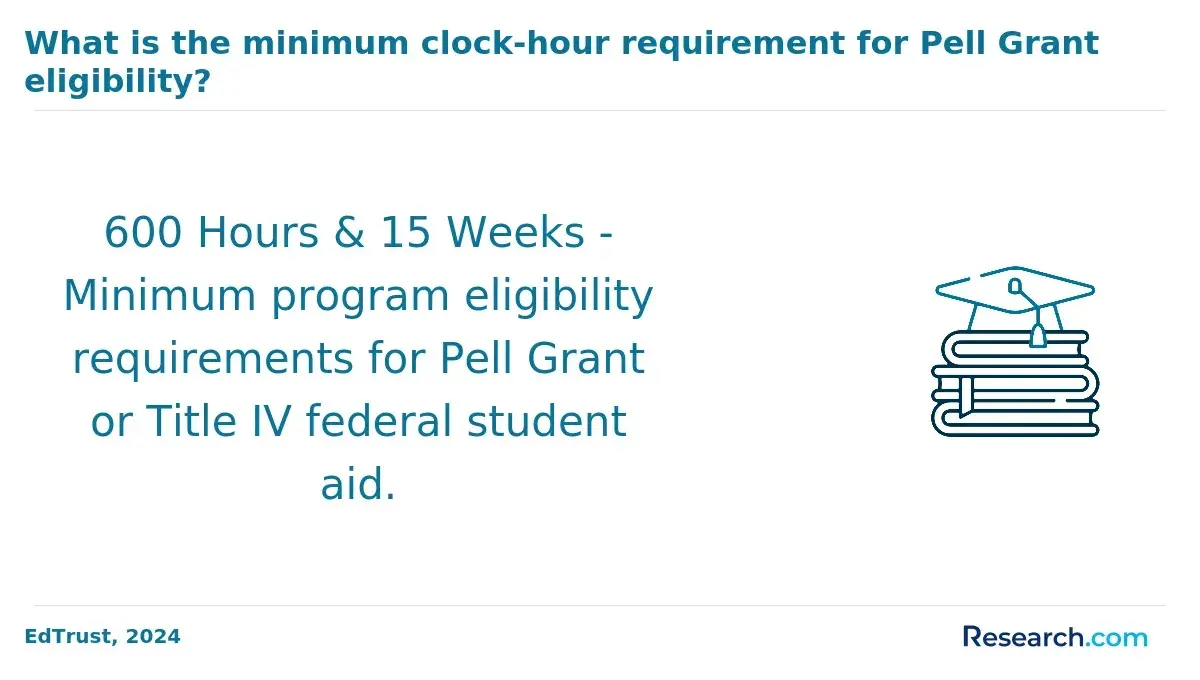
Financial aid processing can influence start dates for online medical assisting programs, as many students depend on grants, loans, or scholarships to fund their education. Federal aid verification often requires several weeks, with approvals commonly taking between 2 and 6 weeks, affecting when students finalize enrollment and begin classes.
- Financial aid verification delays: The process of confirming eligibility for federal aid, including FAFSA approvals, may extend from two to six weeks, potentially postponing official enrollment dates for students.
- Types of aid impacted: Grants, loans, and scholarships all undergo review and approval processes, which can vary in length but collectively influence when funds become available to support tuition payments.
- Flexible program start dates: Many programs offer rolling or weekly start options, allowing students to commence coursework promptly after their financial aid is approved instead of waiting for a traditional fixed semester start.
- Student reliance on aid: Approximately 60% of online learners utilize some form of financial aid, highlighting the necessity for adaptable enrollment schedules that align with funding timelines.
Do international students have different start date options for online medical assisting programs?
International students often encounter different start date options in online medical assisting programs compared to domestic students due to additional logistical and regulatory considerations. Notably, the National Center for Education Statistics reported a 15% growth in international enrollment in health-related online programs, reflecting increased global interest in this field.
- Visa and Regulatory Requirements: International applicants must account for visa processing and related document verification, which can delay their enrollment timelines. These steps require additional preparation beyond typical admission procedures, affecting the feasibility of immediate or weekly start dates.
- Time Zone Challenges: Programs with rolling or weekly start dates often design content asynchronously, enabling international students to engage with coursework at convenient times. This approach minimizes conflicts with live sessions caused by time zone differences.
- Application and Document Review: The evaluation of international transcripts, proof of English proficiency, and other credentials generally takes longer than for domestic students. Institutions may space out start dates strategically to accommodate these extended processing periods.
- Flexible Start Calendars: While many programs offer frequent start dates for domestic learners, international students often find fewer but carefully timed options that align better with their visa and preparatory requirements. This tailored scheduling helps balance institutional compliance and student needs.
When I spoke with an international medical assisting student about his experience, he described the uncertainty he faced waiting for visa approvals and transcript evaluations. He shared, "The weekly start dates looked promising, but I realized I needed extra time to gather and submit all required documents."
His program offered specific start windows designed for international enrollees, which eased his anxiety around timing. He noted that while the process was stressful, the clear communication from the school about start options helped him plan effectively and begin his studies without last-minute complications.
Do online medical assisting programs allow late registration?
Policies on late registration in online medical assisting programs vary significantly among institutions, with some allowing it up to a certain deadline while others have more restrictive rules. These approaches aim to balance flexibility for students with the need to maintain program integrity and timely completion. Below are key points outlining how different programs handle late enrollment and what students should consider.
- Institutional Late Enrollment Policies: Many schools permit late registration only within the first week of classes, while some offer rolling admissions or multiple start dates throughout the term. This flexibility helps students begin without delays but often comes with clear cut-off dates to manage academic schedules.
- Impact on Coursework and Participation: Students who enroll late may need to catch up on missed lessons and could miss initial orientation sessions, which might affect their integration. Additionally, fixed schedules for synchronous classes or clinical labs can make participation challenging for late entrants.
- Weekly and Rolling Start Dates: Programs with rolling or weekly start options provide convenient entry points for students who cannot start at traditional term beginnings. This model reduces wait times and helps students maintain momentum in their studies despite late registration.
- Limitations for Late Registrants: Clinical requirements often have strict deadlines that may not be flexible for late starters. This can restrict the ability to complete hands-on components within the required timeframe, potentially delaying program completion.
Do weekly start dates shorten the time to complete an online medical assisting degree?
Weekly start dates in online medical assisting programs can enhance flexibility in pacing and enrollment but do not always shorten the overall degree timeline. Research shows that programs using accelerated course sequencing and rolling start dates experience a 15% higher completion rate within 12 months than traditional semester schedules. This suggests flexible formats can aid motivated students toward faster completion.
- Accelerated course sequencing: Programs that organize coursework in compact, consecutive modules allow students to move swiftly through material without waiting for full semesters to end.
- Modular or self-paced formats: Many online medical assisting degrees use self-paced modules, enabling learners to progress based on their individual availability and motivation rather than fixed class schedules.
- Continuous enrollment without term breaks: Weekly start dates support ongoing enrollment, so students don't have to postpone their start or advancement due to traditional term schedules, benefiting working adults and career changers.
- Limitations affecting completion time: Despite flexible starts, prerequisites must be completed sequentially, and practicum or externship hours depend on healthcare facility availability, which can extend the program duration regardless of enrollment frequency.
Prospective learners seeking weekly start dates for medical assisting degrees in 2026 should weigh these factors carefully. For those interested in exploring easy nursing programs to get into, similar enrollment flexibility often applies, emphasizing the growing trend toward adaptable healthcare education pathways.
How do schools prepare students for their first week of online medical assisting classes?
Effective preparation for the first week of online medical assisting classes is essential to help students transition smoothly into remote learning. Early support not only builds confidence but also familiarizes students with the specific demands of the program. Below are key components that schools typically provide to ensure students start their courses well-prepared.
- Orientation Modules: These structured sessions introduce students to the program framework, academic expectations, and compliance requirements critical for medical assisting education. Orientation also addresses logistical concerns, offering guidance on scheduling and pacing.
- Technology Setup: Students receive assistance with accessing the learning management system (LMS) and troubleshooting common issues. This ensures they can navigate course materials without technical interruptions from the first day.
- Academic Advising: Advisors work with students to clarify program requirements, help set achievable goals, and tailor course schedules to accommodate personal and professional commitments, a vital service especially for working adults and career changers.
- Learning Platform Navigation: Instruction on using educational tools and resources embedded in the online platform helps students engage efficiently with content and assignments, vital for success in online medical assisting first week support.
- Faculty Communication: Early communication from instructors, including welcome messages and virtual meet-and-greet sessions, fosters a sense of connection and community that helps reduce feelings of isolation.
- Early Student Engagement: Introductory discussion forums and icebreaker activities encourage peer interaction, building relationships that enhance motivation and persistence throughout the program.
The National Center for Education Statistics (NCES) reports that about 80% of adult learners in online healthcare programs highlight orientation and technical assistance as key contributors to their academic confidence. Many programs also embrace flexible weekly start dates, a feature valuable to adult learners managing other responsibilities. This flexibility combined with comprehensive onboarding supports students' ability to begin strong and stay engaged.
For those researching cost-effective options, exploring the cheapest online healthcare management degree can be a helpful step toward planning their educational journey.
What are the pros and cons of weekly start dates for online medical assisting programs?
Weekly start dates have become increasingly common in online education due to growing demand for flexibility among adult learners, especially in fields like medical assisting. According to a 2023 report by the National Center for Education Statistics, online enrollment in health-related programs, including medical assisting, has risen by over 20%, largely driven by options such as rolling enrollment and flexible scheduling.
Pros
- Increased Flexibility: Weekly start dates allow students to begin coursework at any time, accommodating busy schedules and reducing wait times. This flexibility is especially valuable for working adults and career changers balancing multiple commitments.
- Continuous Progression: Learners can maintain momentum by avoiding long breaks between terms, which helps prevent loss of interest and supports consistent academic engagement.
- Improved Access: More frequent start times expand access to education for those who need to start quickly or cannot align with traditional semester schedules, making programs more accessible to diverse student populations.
Cons
- Limited Cohort Interaction: Starting at different times can reduce opportunities for peer collaboration and networking, which are important for developing communication skills essential in healthcare roles.
- Advising Challenges: Rolling enrollment may strain academic advising and support services, potentially causing delays or inconsistent guidance as staff manage ongoing admissions.
- Uneven Course Availability: Some courses may only be offered during certain periods, limiting true flexibility despite multiple start dates, which requires careful planning by students.
When considering the advantages and disadvantages of weekly start dates in online medical assisting, it is important to also evaluate the broader benefits and challenges of rolling enrollment for medical assisting programs. This approach offers a personalized pathway but comes with trade-offs that impact student experience and outcomes. For those looking for flexible options in health education, comparing various program structures, including affordability and scheduling, is essential.
Adult learners evaluating their options may also want to explore related educational pathways. For example, some seek affordable advanced nursing degrees; a helpful resource on cheapest DNP programs online provides cost-effective alternatives aligned with flexible learning preferences.
What Graduates Say About Their Online Medical Assisting Program Enrollment Calendar & Start Options
- Dalia: "Choosing an online medical assisting degree program with weekly start dates was a game-changer for me. I appreciated the flexibility and the affordable tuition, which averaged around $10,000. This program not only fit my busy schedule but also propelled me into a stable career where I now confidently support healthcare teams."
- Hank: "Reflecting on my journey, enrolling in an online medical assisting program that offers weekly start dates made the decision practical and stress-free. The cost, typically between $8,000 and $12,000, felt reasonable considering the comprehensive training I received. This degree has opened doors for me to take on more responsibilities and grow professionally in the healthcare field."
- Eddie: "As a working professional, finding an online medical assisting degree with weekly starts allowed me to begin my education quickly without waiting for traditional semesters. The cost was manageable, averaging near $11,000, which made investing in my future easier. This credential has significantly enhanced my career prospects and increased my confidence in clinical settings."
Other Things You Should Know About Medical Assisting Degrees
In 2027, many online medical assisting programs provide rolling admissions, which allows students to apply and start throughout the year. This provides flexibility for students to begin their studies at various points, accommodating individual schedules and work commitments.
Yes, many online medical assisting programs in 2027 provide flexibility to change start dates post-enrollment. However, this is often subject to program-specific policies and availability, and it's advisable for students to consult with their program advisors for guidance.
In 2027, enrollment calendars for online medical assisting programs often determine the timing of clinical or externship rotations. These schedules are pre-set, requiring students to plan their studies around these critical hands-on experiences, ensuring they meet program requirements and receive necessary practical training.
References
- Online Medical Assistant Certificate Program | Self-Paced Course https://www.uscareerinstitute.edu/online-medical-assistant-school
- Medical Assistant Certification RequirementsâCMA, RMA, CCMA https://www.stepful.com/post/medical-assistant-certification-requirements
- Top Medical Assistant Classes Online with Financial Aid https://www.edumed.org/online-schools/medical-assistant-programs/financial-aid/
- Recertification https://www.aama-ntl.org/certification/recertification
- Chicago School of Phlebotomy - Clinical Medical Assisting https://www.chicagophleb.com/cma.php
- How to Prepare for Medical Assistant School | Complete Guide https://www.brooklinecollege.edu/blog/how-to-prepare-for-medical-assistant-school/
- 5 Criteria to Evaluate an Online Medical Assistant Program | Health Tech Academy https://www.healthtechacademy.org/medical-assistant/criteria-to-evaluate-online-medical-assistant-program
- Medical Assisting (Online) https://catalog.southuniversity.edu/medical-assisting/associate-of-science-as/medical-assisting-online
- Application Process | EFSC Medical Assistant CCC https://www.easternflorida.edu/academics/health-nursing/medical-assistant/application-process.php
- How Long Is Medical Assistant School? | CALRegional https://calregional.com/blog/how-long-is-medical-assistant-school/


