
2027 Does a Behavioral Health Degree Require Internships or Clinical Hours?

Co-Founder and Chief Data Scientist
Prospective behavioral health students often struggle to determine if internships or clinical hours are essential components of their degree programs. This uncertainty can delay graduation and affect readiness for professional roles. According to the National Association of Social Workers, over 70% of behavioral health programs include mandatory supervised field experience, highlighting its significance in education and workforce preparation.
The demand for skilled behavioral health professionals is rising, making practical experience crucial. This article clarifies internship and clinical hour requirements, helping students choose programs that align with their career goals and understand how these components impact their training and licensure prospects.
Key Things to Know About Behavioral Health Degree Internships or Clinical Hours
- Behavioral health degrees typically require 600-1,200 clinical hours or internships for licensure, ensuring essential hands-on experience with clients under professional supervision.
- Online programs pair virtual coursework with local internships, while campus-based programs often offer on-site clinical placements integrated within the curriculum.
- Completing practical hours can extend graduation timelines but enhances career readiness, increasing employment rates by up to 25% within the first year post-graduation.
Does a Behavioral Health Degree Require Internships or Clinical Hours?
Behavioral health degree internship requirements or clinical hours are commonly mandatory components of accredited programs, especially for associate's and bachelor's degrees in counseling, social work, or psychology-related fields. These internships provide essential practical experience and exposure to real-world environments such as clinics, hospitals, or community agencies.
Their primary purpose is to bridge theoretical knowledge with applied skills, preparing students for professional licensure or certification, which often requires documented supervised clinical experience.
Typically, these clinical hours or internships occur during the later stages of the program after foundational coursework is complete. They play a vital role in developing practical skills, receiving professional feedback, and enhancing career readiness. The number of required hours varies widely, from 100 to over 600, depending on the degree level.
Prospective students should carefully consider these clinical hour requirements, as failing to complete them may affect eligibility for certification or employment. It is also important to verify program accreditation and internship policies early in the enrollment process.
For prospective graduate nursing students exploring study options, a list of online DNP programs may provide many viable pathways and potential specializations.
Are Internships Paid or Unpaid in Behavioral Health Programs?
Internships in behavioral health programs vary widely in compensation, with many being unpaid, while a significant portion offer pay. The distinction is important for students to consider when planning program costs and future career paths. In fact, approximately 40% of behavioral health internships provide some form of payment.
The key points about behavioral health internship compensation details include:
- Payment structures vary: Some internships offer hourly wages or stipends, providing financial support during training, while others may only provide academic credit or valuable hands-on experience without direct payment.
- Influencing factors: Whether an internship is paid often depends on funding availability, the type of organization (nonprofit, clinical, or private), and state labor laws that regulate compensation for internships and clinical hours.
- Unpaid internships still valuable: Despite the lack of financial compensation, many unpaid internships fulfill mandatory clinical hour requirements, strengthen resumes, and offer essential networking opportunities that aid in career preparation.
- Financial impact on students: Paid internships can help offset educational expenses and reduce financial stress, while unpaid roles may require learners to secure flexible schedules or additional resources to complete program requirements.
- Academic credit consideration: Many programs integrate unpaid behavioral health internships as part of their curriculum to award academic credit, ensuring students gain practical experience needed for professional certification or licensure.
For students interested in accelerating their clinical training, exploring a fast track medical assistant program can be an efficient alternative or supplementary path in healthcare education.
What Is the Difference Between Internships or Clinical Hours in Behavioral Health Degree Levels?
Distinguishing between internships and clinical hours across behavioral health degree levels helps students plan their academic paths and better prepare for their careers. These practical experiences differ in scope, supervision, and professional expectations depending on the level of study.
Below is a breakdown of typical requirements by degree level, illustrating these key distinctions:
- Associate and bachelor's degrees: These programs often include behavioral health degree internship requirements focused on foundational exposure. Internships typically involve several hundred hours of observation, basic client interaction, and administrative tasks under general supervision. The experience serves as an introduction to the field rather than developing advanced clinical skills.
- Master's degrees: Graduate programs require more extensive clinical hours in behavioral health programs, usually ranging from 600 to 1,000 or more hours. These hours involve direct client care and complex interventions, closely supervised by licensed professionals to ensure competency for independent practice or specialization.
- Doctoral or professional degrees: These levels demand the most intensive clinical hour commitments, emphasizing advanced practice skills and leadership in behavioral health settings. Supervision remains rigorous, focusing on preparing students for licensure and high-level clinical roles.
For aspiring nursing students considering where to pursue these degrees, researching options such as nursing schools that are easy to get into can be a useful step toward selecting programs that align with career goals and capacity for clinical or internship commitments.
How Do Accelerated Behavioral Health Programs Handle Internships or Clinical Hours?
Accelerated behavioral health programs condense the required internships or clinical hours into a shorter span, often 12 to 18 months, without compromising essential hands-on training. These programs typically offer flexible scheduling options such as evening, weekend, or summer placements, enabling students to complete practical experience alongside their coursework.
The pace is intensive, demanding that students manage a heavy academic load while gaining real-world exposure. To accommodate this, many programs coordinate with clinical sites that understand the accelerated timeline and provide tailored support to help students meet licensure or certification requirements efficiently.
Balancing practical hours with accelerated coursework calls for strong time-management and resilience. Programs incorporate strategies like integrating clinical experiences concurrently with classwork, offering virtual or hybrid internship models, and partnering with multiple agencies to ensure diverse site availability.
Around 40% of students in accelerated behavioral health tracks begin internships within the first half of their studies, reinforcing practical readiness early on. These approaches ensure graduates enter the workforce without unnecessary delays.
A graduate from an accelerated behavioral health program shared that managing clinical hours amidst coursework felt overwhelming initially. He described a "constant juggling act" of assignments, client sessions, and reflections that tested his organization skills daily.
"It wasn't just about logging hours," he noted, "but really applying what I learned in class right away." The support from supervisors who understood the program's intensity made a "huge difference," providing guidance and flexibility when challenges arose. His experience underscored the importance of adaptability and perseverance in accelerated pathways.
Are Internship Requirements the Same for Online and On-Campus Behavioral Health Degrees?
Internship and clinical hour requirements are generally consistent between online and on-campus behavioral health programs, with most requiring between 500 and 1,000 supervised hours. This standard ensures students gain essential hands-on experience regardless of the delivery format.
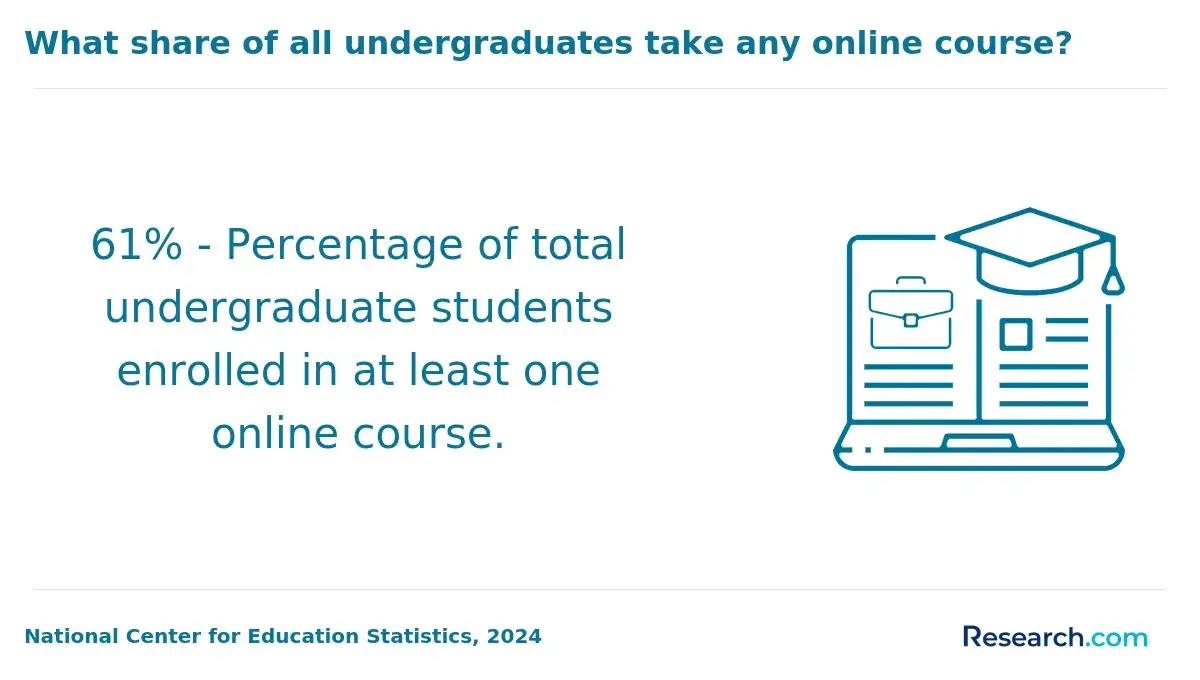
Over 75% of behavioral health students in the U.S. now engage in some form of online education. Both online and in-person students must meet these experiential mandates to qualify for certification and maintain compliance with accreditation and licensing standards.
Practical arrangements for internships often vary, offering online students greater flexibility in selecting clinical placements closer to their homes. Scheduling tends to accommodate remote supervision mixed with occasional in-person meetings, benefiting those balancing other responsibilities.
Meanwhile, on-campus students usually have closer ties to affiliated clinical sites with more direct access to on-site supervisors. Despite these differences in logistics, the core expectations for skill development and professional preparation remain aligned across both learning formats.
How Do Behavioral Health Degree Specialization Choices Affect Internship Requirements?
Specialization choices within behavioral health degree programs significantly impact internship and clinical hour requirements, as different fields have unique practicum expectations influenced by professional standards and licensure rules. For example, counseling programs often demand more extensive client-facing clinical hours than general behavioral health studies.
Nearly 70% of students pursuing behavioral health degrees participate in supervised internships to fulfill state licensing requirements. The internship differences reflect how specialization shapes the nature, settings, and intensity of clinical experiences essential for workforce readiness.
Variations in internship requirements affect how students manage their schedules and workloads during the program. Specializations that require intense clinical involvement, such as mental health counseling, often necessitate longer internships with strict supervision, increasing the time commitment, especially in the final year of study.
In contrast, areas like social work may allow more flexible internships but focus more on case management and diverse practice environments.
Learners looking for cost-effective options in healthcare-related fields may explore the cheapest online healthcare administration degree programs available today, which can complement behavioral health expertise.
Can Work Experience Replace Internship Requirements in a Behavioral Health Degree?
Work experience can sometimes substitute for internship requirements in behavioral health degree programs, though this depends on multiple factors and is a frequent concern for working students seeking to balance education with employment.
Programs generally assess whether the candidate's professional experience is directly relevant to the field, sufficient in duration, and properly documented by an employer. For instance, experienced clinicians or counselors often qualify to waive internships when their hands-on work aligns closely with the program's practical training objectives.
Nevertheless, many accredited programs and licensing authorities uphold strict internship or clinical hour mandates to guarantee consistent educational standards. As a result, some students must complete formal internships despite considerable work experience.
Policies differ widely between institutions and degree levels, making it essential for students to verify with program advisors how prior employment may affect internship obligations and what verification procedures are required.
I recently spoke with a graduate of a behavioral health degree who shared her experience navigating these requirements. She recalled feeling anxious about whether her decade of counseling work would be accepted in place of an academic internship.
After thorough discussions with her program coordinator and submitting detailed employer references, she was granted a waiver for part of the internship hours. The allowance helped her manage coursework and family responsibilities, though she still valued the structured clinical training to sharpen skills she hadn't encountered on the job.
She described the process as challenging but ultimately rewarding, emphasizing the importance of clear communication and persistence when addressing these policies.
How Long Do Internships or Clinical Rotations Last in a Behavioral Health Degree?
The length of internships or clinical rotations significantly influences hands-on experience and professional preparedness for students in behavioral health programs. On average, these placements require between 300 and 1,000 hours, often completed over one or two semesters.
The following overview outlines typical timelines students might encounter during their clinical training:
- Short-term rotations: These usually last 8 to 10 weeks and are suited for accelerated or flexible programs. They provide essential exposure but are condensed to fit tight academic schedules or part-time students.
- Semester-long internships: Typically spanning 12 to 16 weeks, these internships allow students to engage more deeply with client work and gain meaningful clinical experience. Many accredited programs align with this timeline to meet standard hour requirements.
- Extended internships: Some programs offer rotations that cover multiple semesters or an entire academic year. This extended duration supports comprehensive clinical training, often preferred by degrees focusing on extensive client interaction or specialized fields within behavioral health.
Does Completing Internships Improve Job Placement After a Behavioral Health Degree?
Job placement outcomes are a top priority for prospective behavioral health students because early employment significantly influences career trajectory and return on investment. A recent national study found that over 70% of employers in this field prefer candidates with documented internships or clinical experience.
Below are key ways internships impact job prospects after graduation:
- Employer Preferences: Behavioral health employers often view internships as a demonstration of readiness to apply knowledge practically. This hands-on experience gives candidates an edge in a competitive job market, reflecting real-world skills preferred by hiring managers.
- Professional Networking: Internships provide opportunities to build connections with professionals and supervisors. These networks can lead to valuable referrals and ongoing mentorship, aiding job placement and career growth.
- Skill Development: Clinical hours allow students to develop confidence and competence in diverse client settings. These practical skills make graduates more attractive to employers seeking candidates who can handle complex, real-life situations.
- Conversion to Full-Time Roles: Many employers use internships as extended interviews, offering high-performing interns full-time positions. This pathway improves employment rates and reduces job search duration for graduates.
Prospective nursing students may want to explore the cheapest DNP programs online to find affordable pathways that balance cost with experiential learning opportunities.
Do Employers Pay More for Behavioral Health Graduates With Hands-On Experience?
Hands-on experience like internships or clinical rotations often leads to higher starting salaries for behavioral health graduates. An industry survey found those with practical experience earned between 8% and 12% more in their first year. Several key reasons explain why this experience can affect pay rates:
- Employer valuation: Hiring managers favor candidates who have demonstrated real-world skills such as client interaction and crisis management, viewing them as less risky and easier to onboard.
- Negotiation leverage: Graduates with clinical hours can better justify higher salary requests by showcasing their proven abilities, which employers may be willing to reward.
- Industry standards: Many behavioral health careers require supervised clinical practice for licensure or certification, making experience a prerequisite that often corresponds with better pay.
- Program and specialization differences: Roles in areas like substance abuse counseling or clinical psychology typically demand extensive hands-on hours, resulting in more noticeable salary boosts. Conversely, graduates from online or accelerated programs might see varied impacts depending on how comprehensive their practicum components are.
- Sector variations: Community mental health settings often place greater emphasis on direct experience compared to administrative or research positions, influencing compensation differently.
What Graduates Say About Their Behavioral Health Degree Internships or Clinical Hours
- Arthur: "The internship component of my online behavioral health degree was incredibly manageable and worth every penny. With the internship cost averaging around $2,000, I felt it provided real-world experience without breaking the bank. This hands-on practice gave me the confidence and skills needed to excel in my counseling career right after graduation. "
- Briony: "Reflecting on my time in the online behavioral health program, the internship was a vital bridge between theory and practice. Although the additional fees were an unexpected challenge, knowing the average cost helped me budget better. Ultimately, this practical exposure has significantly shaped my approach to client care and professional growth. "
- Este: "Completing the internship requirement in my online behavioral health degree was a pivotal moment in my career. The cost, while an important consideration, was justified by the unparalleled professional insight I gained. This experience directly impacted my job prospects and prepared me to handle complex behavioral health cases with a professional mindset. "
Other Things You Should Know About Behavioral Health Degrees
In 2027, most behavioral health degrees require students to complete internships or clinical hours to gain practical experience. Students often must fulfill a minimum number of supervised clinical hours, and these placements can occur in various settings such as hospitals, community clinics, or private practices.
Yes, many behavioral health programs offer the flexibility to complete internships or clinical hours part-time. This allows students to balance their academic and personal commitments while gaining the practical experience required for their degree.
Before beginning clinical hours in behavioral health programs, students often need to complete certain certifications. These may include CPR and first aid certifications, as well as background checks or immunizations, depending on the institution and state requirements. Always consult with your program advisor for specific requirements.
References
- Behavioral Health Internships https://www.wellspan.org/for-healthcare-professionals/education-and-development/professional-training/behavioral-health-internships
- Frequently Asked Questions for Mental Health Counselors - Education Requirements https://www.op.nysed.gov/professions/mental-health-counselors/faqs-education-requirements
- When Mental Health and Counseling Internships and Practicums are Unpaid: 15 Non-Monetary Ways that Field Placement Sites Can Compensate Trainees https://www.mojozy.org/blog/when-mental-health-and-counseling-internships-and-practicums-are-unpaid-15-non-monetary-ways-that-field-placement-sites-can-compensate-trainees
- News https://www.setonhill.edu/academics/degrees-programs/online-bachelors-degrees-certificates/behavioral-health-ba.html
- How Hands-On Experience in Mental Health Internships Enhances Career Opportunities | Mostly Amélie https://mostlyamelie.com/how-hands-on-experience-in-mental-health-internships-enhances-career-opportunities/
- Clinical Intern Program — Three Oaks Behavioral Health & Wellness https://www.threeoaksbehavioralhealth.com/internship-program
- Hour Allocation | School of Medicine https://medicine.llu.edu/clinical-psychology-internship/academics/hour-allocation
- Internships at Behavioral Health Network https://www.bhnworks.org/-internships
- The Significance of Internships and Hands-On Experience in ABA Education https://www.appliedbehavioranalysisedu.org/2023/09/internships-aba-education/
- Intern Clinical Activities — Solutions Behavioral Healthcare Professionals http://www.solutionsinpractice.org/intern-clinical-activities


