
2027 Behavioral Health Degree Programs for Career Changers

Co-Founder and Chief Data Scientist
Many working professionals feel stuck in their current roles yet hesitate to begin new careers due to the uncertainty of returning to school. For adults seeking behavioral health degrees, this transition can be daunting without clear guidance. Notably, over 60% of behavioral health degree students are aged 25 or older, highlighting a significant trend of career changers entering this growing field. Workforce demand is also rising, with employment projected to grow 15% through 2031. This article explores behavioral health degree programs tailored for career changers, offering insights to help readers navigate their educational journey and successfully shift their careers.
Key Things to Know About Behavioral Health Degree Programs for Career Changers
- Many behavioral health degree programs offer flexible scheduling with evening or weekend classes, enabling working adults to balance education and employment effectively.
- Online and hybrid program formats have grown by 35% since 2020, providing accessible study options for career changers nationwide.
- Accelerated pacing and tailored support services, such as career advising and tutoring, improve graduation rates by up to 20% for nontraditional students.
What Behavioral Health Programs Accept Career Changers?
Certain behavioral health programs are designed to accommodate working adults and professionals seeking career transitions by offering adaptable prerequisites and practical curricula. Over 40% of graduate students in health-related fields are returning adults, signaling a strong trend toward education pathways tailored to nontraditional learners.
Programs often accepting career changers include:
- Master of Social Work (MSW): These programs build on skills like communication and empathy and feature flexible prerequisites to welcome students from different backgrounds.
- Master's in Counseling: With an emphasis on practical counseling skills, these programs typically accept applicants with diverse academic histories, making them ideal for career changers.
- Master of Public Health (MPH) in Behavioral Science: MPH curricula integrate broad health perspectives and interdisciplinary skills, supporting working adults with options like part-time study.
- Graduate Certificate in Behavioral Health: Certificates offer focused training without requiring a full degree, providing a quicker route to developing relevant skills and entering the field.
These programs exemplify behavioral health programs accepting nontraditional students by emphasizing flexibility and practical education. Understanding behavioral health degree admission requirements for career changers can help prospective students identify suitable options. For those balancing work and study, exploring efficient pathways is crucial; for example, professionals might consider alternative routes such as RN to BSN programs that avoid clinical components, although these are outside behavioral health specifically.
What Behavioral Health Specializations Are Best for Career Changers?
Choosing the right behavioral health specialization is vital for career changers as it aligns existing skills with new professional demands, boosting job satisfaction and effectiveness. The Bureau of Labor Statistics forecasts a 22% increase in mental health counseling jobs through 2032, reflecting strong demand in this field. Below are four top behavioral health specializations ideal for professionals switching fields.
- Mental Health Counseling: This specialization is accessible to newcomers who bring strong communication and empathy skills, often developed in previous careers. It provides diverse employment opportunities and promising growth prospects.
- Substance Abuse Counseling: A great fit for those with backgrounds in social work or healthcare, this role addresses a critical public health issue and offers meaningful client impact alongside solid job mobility.
- Marriage and Family Therapy: Suitable for individuals with interpersonal skills and conflict-resolution experience, this area supports varied career pathways and serves diverse populations effectively.
- Behavioral Analysis: Ideal for professionals with analytical and data-driven skills, this specialization demonstrates strong demand in educational and clinical settings, providing opportunities for advancement.
Career changers can enhance their qualifications by exploring specialized training like medical assistant programs, which can complement their new behavioral health paths. These pathways highlight how earning a behavioral health degree specializations for career changers can enable a smooth and confident transition into rewarding professions.
What Are the Admission Requirements for Career Changers Applying to a Behavioral Health Program?
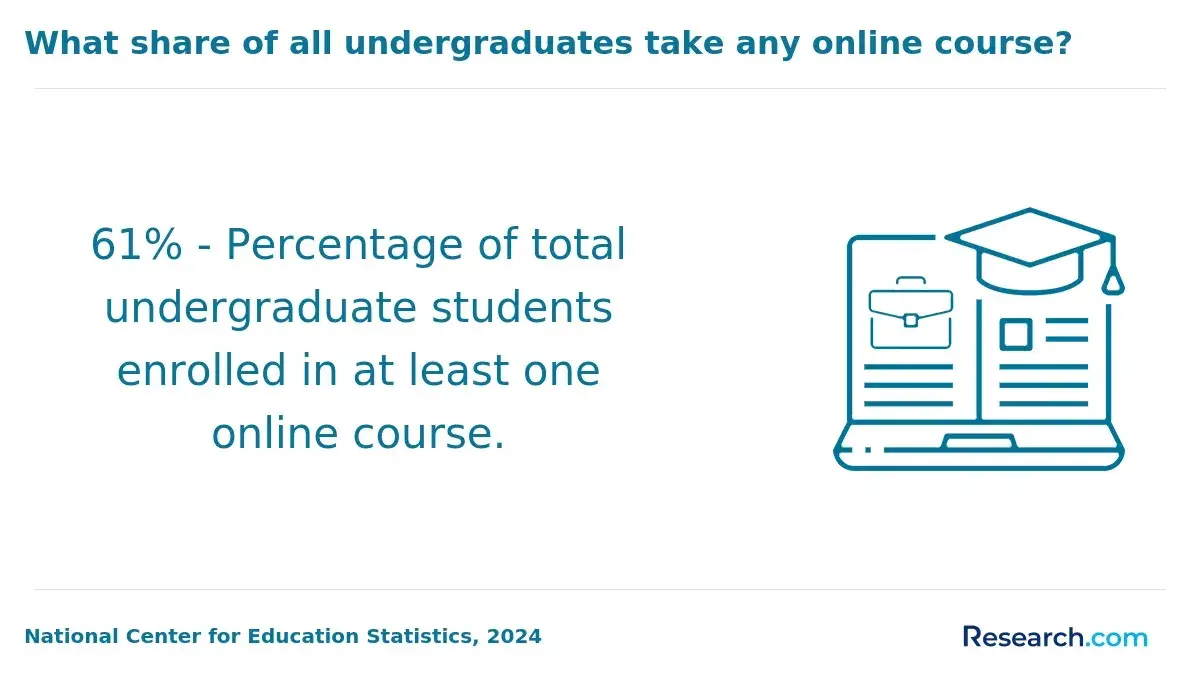
Career changers benefit greatly from understanding admission requirements since nearly 40% of U.S. postsecondary students are nontraditional adults, prompting more programs to develop flexible pathways. This awareness helps applicants strategically address criteria and leverage their prior experiences. Below are common admission requirements tailored for career changers in behavioral health degrees.
- Bachelor's Degree: Most programs require a bachelor's degree from an accredited institution, but degrees in any field are often accepted to encourage career changers with diverse backgrounds.
- Official Transcripts: Applicants must submit transcripts verifying satisfactory academic performance; some programs use this to assess readiness beyond standardized testing.
- Letters of Recommendation: Typically emphasizing professional skills and character, these letters help highlight transferable skills from previous careers essential in behavioral health roles.
- Personal Statement: A well-crafted essay explaining the motivation for changing careers is crucial to demonstrate commitment and alignment with program goals.
- Relevant Experience: Work or volunteer experience in human services or related fields often substitutes for academic prerequisites, supporting candidates' preparedness.
- Standardized Tests: While GRE scores may be required, many programs waive them for experienced professionals, acknowledging alternative qualification pathways.
Flexible scheduling like part-time, evening, or online courses accommodates working professionals. Transferable skills such as communication and crisis management strengthen applications. For additional guidance on accessible options, consider reviewing resources on easy nursing schools to get into, as some admission concepts overlap for adult learners. Understanding these behavioral health program admission requirements for career changers can ease transitions and improve acceptance chances.
What Is the Coursework for a Behavioral Health Degree for Career Changers?
For career changers, grasping the coursework structure helps align expectations and plan effectively for the shift into behavioral health. The curriculum balances foundational knowledge with practical skills suited for flexible learning formats. Key areas of study include:
- Foundations of Behavioral Health: Covers core principles including psychology, human growth, and behavior models to build a comprehensive understanding of individual and group behaviors.
- Assessment and Intervention Techniques: Focuses on identifying mental health issues and applying practical intervention methods, preparing students to address diverse client needs.
- Ethics and Professional Standards: Examines the legal and ethical frameworks guiding responsible practice in behavioral health settings, emphasizing integrity and accountability.
- Research Methods and Data Analysis: Introduces the evaluation of scientific studies and interpretation of data to support evidence-based decision-making.
- Specialized Topics: Offers options such as addiction counseling, crisis management, and family systems, enabling students to tailor the degree to their career interests.
Courses are often delivered online or during evenings to accommodate working adults, combining theoretical lessons with case studies and experiential learning.
When I spoke with a professional who recently completed an online behavioral health degree while preparing for a career transition, he shared that balancing coursework with family and work commitments was challenging but rewarding. "The flexibility of evening classes was crucial," he noted. "I appreciated the applied projects-they felt relevant and helped me see how to connect what I learned directly to real client situations." He also mentioned the initial overwhelm navigating new academic demands, but he found faculty support and peer discussions invaluable. This experience reinforced his confidence to move forward into the behavioral health field with practical readiness.
What Behavioral Health Program Formats Are Available for Career Changers?
For professionals changing careers, choosing the right behavioral health program format can greatly affect their ability to balance work and study. Nearly 40% of postsecondary students are adult learners, many of whom benefit from education pathways designed for flexibility and accessibility. Below are some of the most common options available to career changers.
- Online Programs: Fully virtual courses provide the convenience of studying from any location and at any time. These programs suit those with unpredictable schedules and the need for complete flexibility.
- Hybrid Programs: Combining online coursework with occasional in-person sessions, these formats offer both flexibility and direct interaction. They enable hands-on experiences that are essential for applying behavioral health skills.
- Evening and Weekend Classes: Held outside regular work hours, these on-campus classes allow working adults to pursue a degree without sacrificing employment. They accommodate those who need face-to-face learning but require nontraditional class times.
- Part-Time Study: Offered across different delivery methods, part-time enrollment lets students extend their program duration. This approach helps manage course loads effectively alongside personal and professional obligations.
What Skills Do Career Changers Gain in a Behavioral Health Program?
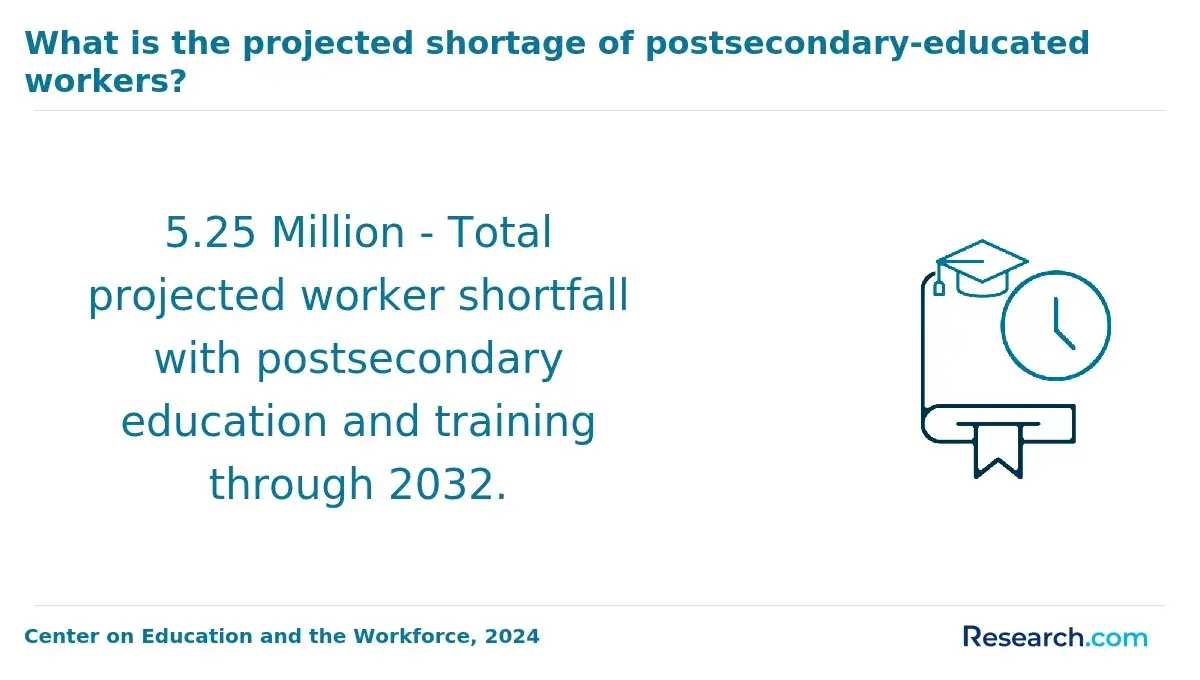
Skills development is a critical aspect for those shifting careers, especially since 87% of U.S. workers acknowledge the necessity of reskilling to stay competitive in dynamic job environments. Behavioral health programs specifically focus on honing abilities that facilitate a smooth transition and long-term success. Key competencies gained typically include:
- Communication: Strengthens the capacity for active listening and empathy, essential for building trust with clients and providing effective therapeutic support.
- Critical Thinking: Enhances skills in evaluating client situations, interpreting behavioral information, and creating personalized intervention strategies that inform sound professional judgments.
- Cultural Competence: Develops an understanding of diverse cultural backgrounds, promoting inclusive care and sensitivity crucial to working with varied populations.
- Ethical Practice: Instills deep knowledge of confidentiality, professional boundaries, and ethical standards, enabling learners to handle complex scenarios responsibly and maintain professional integrity.
- Case Management: Trains individuals to efficiently organize services and resources, ensuring comprehensive client support and improving overall outcomes over time.
When I spoke with a career changer who completed a behavioral health degree, she shared how the learning curve was challenging yet rewarding. Transitioning from a non-clinical field, she initially struggled with adapting to the emotional demands and ethical responsibilities inherent in behavioral health work. However, as she developed her communication and cultural awareness skills, she gained confidence in navigating client interactions and complex situations. She noted, "The program didn't just teach me theory; it prepared me to think critically under pressure and act with compassion." For her, mastering case management turned into a decisive factor for feeling capable in coordinating client care effectively. Reflecting on her journey, she expressed that gaining these versatile skills made her career change not only possible but fulfilling, reinforcing her commitment to helping others with resilience and professionalism.
How Much Does a Behavioral Health Degree Cost for Career Changers?
For career changers, understanding the full cost of earning a behavioral health degree is essential, especially when balancing education expenses alongside existing financial responsibilities. The National Center for Education Statistics reports that average graduate tuition and fees in the U.S. hover around $19,792 annually, highlighting the importance of careful cost consideration. Below are the main components contributing to the overall expense of a behavioral health program.
- Tuition: This is often the largest expense, varying significantly depending on the institution type-public, private, or online. Tuition can range from $5,000 to over $30,000 per year. Career changers should explore affordable behavioral health programs for working professionals that offer competitive rates and flexible formats.
- Fees: Additional mandatory fees may include charges for registration, technology use, and lab work. These costs are typically smaller but can add up over several semesters, so it's important to factor them into budgeting plans.
- Textbooks and Materials: Required textbooks and course materials represent a consistent cost throughout the program. Some online degrees provide digital resources or rentals, helping to reduce textbook expenses.
- Clinical or Practicum Expenses: Many behavioral health degrees require clinical placements, which can bring extra costs such as transportation, background checks, or immunizations. These fees vary by location and program structure.
- Payment Flexibility and Employer Support: Working professionals often benefit from installment payment plans or employer tuition assistance programs. Many employers offer tuition reimbursement or scholarships, which can substantially offset costs while transitioning careers.
- Cost-Saving Pathways: Accelerated or online programs frequently reduce the time to degree completion, minimizing living expenses and overall educational costs. For a deeper look at affordability, students can research options like the cheapest online health science degree to find adaptable and budget-conscious programs.
Being aware of these cost elements helps career changers plan strategically, manage debt effectively, and confidently pursue a new path in behavioral health.
How Does a Behavioral Health Curriculum Support Career Transitions?
Curriculum design is especially important for individuals making career transitions into behavioral health because it effectively connects their previous experience with new professional competencies. Such tailored programs create a smoother and more practical pathway for adults seeking to reorient their careers. The following points demonstrate how a behavioral health curriculum supports career changers:
- Applied Learning: Programs incorporate case studies and simulations that allow students to develop real-world skills and build competence relevant to professional settings. This hands-on approach ensures theory translates into practice effectively.
- Transferable Skill Development: Emphasis is placed on nurturing skills such as communication, critical thinking, empathy, and active listening. These competencies gained from behavioral health degree programs are valuable across many industries, helping students leverage their previous work history.
- Flexible Pacing: Many curricula offer online courses and adjustable schedules tailored for working professionals and adult learners. This accommodations approach enables students to balance education alongside existing work or family commitments.
- Practical Experience: Projects, internships, and fieldwork opportunities embedded in the curriculum provide essential networking chances and hands-on exposure, which are critical for entering behavioral health roles.
- Integrated Knowledge: Courses blend foundational principles with specialized topics, broadening students' expertise and adaptability for diverse roles within behavioral health.
If you are also interested in advanced nursing degrees, consider exploring the most affordable BSN to DNP programs online that cater to adult learners pursuing career advancement in related health fields.
What Careers Can Career Changers Pursue With a Behavioral Health?
For individuals shifting careers, knowing potential job outcomes helps align education with growing market demands. The U.S. Bureau of Labor Statistics projects a 22% increase in employment for mental health and substance abuse counseling from 2022 to 2032, signaling strong opportunities in related fields. Here are five common roles graduates with a behavioral health degree can pursue.
- Mental Health Counselor: Providing therapy and emotional support, this role requires strong communication and empathy skills. Career changers with interpersonal experience can adapt quickly to counseling responsibilities.
- Substance Abuse Counselor: Helping clients overcome addiction, this position benefits from counseling techniques that leverage previous customer service or support backgrounds.
- Case Manager: Coordinating client care and connecting individuals to resources, this role suits those with strong organizational abilities and interpersonal skills developed in other professions.
- Behavioral Health Technician: Working alongside clinical staff to monitor and assist patients, this job fits those familiar with caregiving or team-based environments.
- Community Outreach Coordinator: Designing programs to promote mental wellness requires advocacy and project management skills, making it a natural fit for professionals with experience in those areas.
What Is the Average Salary After Earning a Behavioral Health Degree as a Career Changer?
Salary expectations play a significant role for career changers as they transition into behavioral health, helping to set financial goals and navigate initial income adjustments. According to the U.S. Bureau of Labor Statistics in 2023, individuals who reskilled into healthcare fields, including behavioral health, report median earnings between $45,000 and $75,000 depending on experience and location. Below are some typical salary insights for common roles and factors affecting pay.
- Licensed Behavioral Health Counselors: Annual earnings usually range from $40,000 to $65,000. Prior management experience or related skills can increase starting salaries within this range.
- Clinical Social Workers: Professionals with behavioral health degrees in this role often earn between $50,000 and $70,000. Experience level and setting influence compensation.
- Experience Impact: Salaries can rise by up to 25% within five years of practice as skills deepen and credentials improve.
- Behavioral Health Technicians: Entry pay averages $30,000 to $45,000 with potential growth through certifications and continued education.
- Employment Sector: Hospital and government jobs frequently offer higher base pay compared to nonprofit or education sectors, affecting income stability and benefits.
What Graduates Say About Their Behavioral Health Degrees for Career Changers
- Bobby: "Deciding to switch careers was daunting, but enrolling in a behavioral health degree program made the transition smoother than I expected. Despite the average cost of attendance being around $20,000, I viewed it as a worthwhile investment in my future. Now, equipped with new skills and knowledge, I feel confident and fulfilled in my new role. "
- Roger: "After years in a different industry, I reflected on how a behavioral health degree could open meaningful doors. The cost was a concern, especially since the average tuition sits near $18,000, but scholarships helped ease that burden. Completing the program strengthened my resume and truly propelled me towards a more impactful career path. "
- Miles: "My career change to behavioral health was a calculated step fueled by a passion to help others. Though the average cost hovered close to $22,000, I considered it a vital investment that paid off as soon as I completed the program. The comprehensive training gave me credibility and clearly differentiated me in a competitive job market. "
Other Things You Should Know About Behavioral Health Degrees
Behavioral health degree programs in 2027 often offer flexible scheduling, online courses, and evening classes to help career changers manage work and study. Many provide dedicated support services, including advising and career counseling, to help students transition smoothly into the behavioral health field.
Yes, career changers with non-healthcare backgrounds can succeed in behavioral health degree programs. Many programs are designed to accommodate diverse backgrounds by providing foundational courses and support. Skills such as empathy, communication, and problem-solving, often developed in other fields, are highly transferable to behavioral health settings.
References
- Frequently Asked Questions https://ksumentalhealth.com/frequently-asked-questions/
- Stepping Into Behavioral Health: The Must-Have Skills https://www.behavioralhealthtech.com/insights/stepping-into-behavioral-health-the-must-have-skills
- Career Paths With a Certificate in Behavioral Health | Carson-Newman University https://www.cn.edu/cps-blog/careers-in-behavioral-health/
- Online Bachelor of Science in Behavioral Health | Illinois College https://www.ic.edu/behavioralhealth-online
- Mental Health Counselor Salary and Career Outlook https://teach.com/online-ed/counseling-degrees/online-masters-mental-health-counseling/careers-and-salary/
- Mental Health Counselor Degrees (Program Types & FAQ) https://www.allpsychologyschools.com/degrees/mental-health-counseling/
- DBH Admissions - Cummings Graduate Institute for Behavioral Health Studies https://cgi.edu/admissions/dbh/
- Building A Career In Behavioral Health: Navigating Entry-level Mental Health Jobs And Opportunities - Haven Health Management https://havenhealthmgmt.org/building-a-career-in-behavioral-health-navigating-entry-level-mental-health-jobs-and-opportunities/
- Getting a Behavioral Health Job After Graduation | HCRI https://hcrnetwork.com/the-realities-of-getting-a-behavioral-health-job-after-graduation/
- FAQs - Careers in behavioral health https://startyourpath.org/frequently-asked-questions/


