
2027 Behavioral Health Degree Coursework Explained: What Classes Can You Expect to Take?

Co-Founder and Chief Data Scientist
Many prospective students struggle to understand what classes a behavioral health degree entails and how those courses prepare them for the workforce. According to the U. S. Bureau of Labor Statistics, employment in behavioral health-related fields is projected to grow 23% from 2022 to 2032, much faster than the average for all occupations. This growth increases the demand for well-trained professionals with relevant skills.
This article breaks down the core coursework typically required in behavioral health programs and explains how these classes build the knowledge and competencies needed to succeed in academic and professional settings.
Key Benefits of Behavioral Health Degree Coursework
- Behavioral health degree coursework cultivates critical analytical skills for assessing client needs, enhancing diagnostic accuracy and treatment planning in clinical settings.
- Students gain practical communication and counseling techniques essential for effective client interaction, boosting employability in diverse healthcare environments.
- Curriculum integration of evidence-based practices and ethical standards increases career advancement opportunities and correlates with a higher salary potential in the behavioral health sector.
What Types of Class Do You Take in a Behavioral Health Degree?
Behavioral health degree programs follow a structured curriculum designed to build a broad and practical understanding of mental health, substance use, and behavioral interventions. Enrollment in behavioral health studies has increased steadily by about 8% annually, reflecting growing demand for qualified professionals.
The coursework typically balances foundational knowledge, specialized topics, research skills, and hands-on experiences. Here is an overview of the main types of classes students usually take:
- Core Foundational Classes: These courses offer essential insights into human behavior, psychology, and the biological, social, and environmental factors influencing mental health. Students sharpen critical thinking and analytical skills to tackle complex behavioral health challenges.
- Specialization or Elective Courses: Students select courses that focus on specific populations, disorders, or treatment methods, allowing them to tailor their program toward areas like addiction, youth mental health, or community-based care.
- Research or Methods Coursework: These classes train students in study design, statistics, and evaluation techniques, preparing them to assess program effectiveness and stay current with evidence-based practices.
- Practicum, Internship, or Capstone Experiences: Supervised fieldwork provides vital practical experience. Students apply their knowledge in real-world settings, develop professional skills, and prepare for post-graduate licensure or employment.
For students seeking flexible options in nursing, exploring online RN to BSN programs without clinical requirements can offer guidance on balancing practical needs with academic progress.
What Are the Core Courses in a Behavioral Health Degree Program?
Core classes in a behavioral health degree program are designed to build foundational knowledge and practical skills essential for understanding human behavior and mental health. These essential classes equip students with theoretical frameworks, research techniques, and applied practices necessary for effective client support and intervention.
Students gain insight into psychological and social factors influencing behavior while honing critical thinking and evidence-based practice skills. Below is an overview of key core behavioral health degree courses and the competencies they develop:
- Foundations of Behavioral Health: Introduces fundamental concepts and theories that explain behavior. This course provides a comprehensive understanding of mental health frameworks relevant to diverse populations.
- Research Methods in Behavioral Science: Focuses on data collection, statistical analysis, and research design. Students learn how to scientifically evaluate behavioral interventions and measure outcomes effectively.
- Behavioral Health Assessment: Develops skills to evaluate client needs through structured assessment tools. Emphasizes observational techniques and diagnostic criteria essential for personalized care plans.
- Intervention Strategies: Covers evidence-based treatment methods and practical application of therapeutic techniques. Students gain competence in designing and implementing intervention plans.
- Ethics and Professional Issues: Explores legal standards, confidentiality, and ethical dilemmas common in behavioral health settings. This course prepares students for responsible, professional decision-making.
- Counseling Techniques: Builds communication strategies and supportive counseling skills. Training includes crisis management and interpersonal approaches to promote client well-being.
Prospective students interested in accelerating their training can also explore a fast track medical assistant program, which offers a different pathway into healthcare support roles.
What Elective Classes Can You Take in a Behavioral Health Degree?
Elective courses in a behavioral health degree offer students the chance to focus on areas aligned with their personal interests or career ambitions. Recent data shows that 67% of students select electives centered on mental health specialties, highlighting their growing significance in shaping tailored expertise.
Below are some of the most typical and valuable elective courses available:
- Addiction Counseling: explores techniques for substance abuse treatment and client engagement, preparing students for roles in rehabilitation and support services.
- Trauma-Informed Care: emphasizes the effects of trauma and therapeutic interventions, equipping learners to assist trauma survivors effectively.
- Developmental Psychopathology: studies behavioral disorders across different life stages, offering insight into diagnosis and treatment strategies applicable in clinical settings.
- Crisis Intervention: develops skills to manage urgent behavioral health emergencies, essential for work in hospitals or crisis response teams.
- Behavioral Health Policy: provides understanding of healthcare regulations and system operations, useful for advocacy and administrative positions.
A professional who completed a behavioral health degree shared his experience reflecting on the electives he chose. He explained, "Selecting courses was a bit overwhelming at first because I wasn't sure which path fit me best."
He found that diving into trauma-informed care "opened my eyes to practical approaches I had never considered." The hands-on nature of crisis intervention electives, he noted, helped him build confidence in high-pressure scenarios.
Overall, he described the process as challenging but rewarding, stating, "These electives really shaped my perspective and gave me practical skills that made job hunting much clearer." His story highlights how elective options can deeply influence students' professional journeys.
Are Internships or Practicums Required in Behavioral Health Programs?
Practical experiences in behavioral health programs play a vital role in applying classroom knowledge to real-world clinical settings. These hands-on opportunities involve supervised work that helps students develop essential professional skills. More than 85% of accredited behavioral health programs mandate an internship or practicum.
Key features of these requirements include:
- Program Requirements: Most programs require completion of an internship or practicum to graduate, ensuring students engage in practical training alongside academic coursework.
- Duration and Hours: Students typically complete between 300 and 600 supervised hours, depending on the degree level and program guidelines, allowing significant time for skill development.
- Types of Experiences: Internships involve activities such as client interviewing, assessment, treatment planning, and teamwork with multidisciplinary professionals, providing diverse exposure.
- Skill Development: These experiences hone communication, ethical decision-making, cultural competence, and documentation skills critical to behavioral health practice.
- Professional Networking: Participation offers valuable connections with field professionals, fostering mentorship and career growth opportunities.
Is a Capstone or Thesis Required in a Behavioral Health Degree?
Capstone projects and theses both act as key components in behavioral health programs, showcasing students' mastery of academic knowledge and practical skills. Approximately 60% of master's programs in behavioral health require one of these comprehensive projects for degree completion.
Below is a summary of how these options differ and what they contribute to student development:
- Capstone Project: This option emphasizes practical application, where students tackle real-world behavioral health challenges through case studies, program designs, or community research. It generally involves less time commitment than a thesis and hones problem-solving, project coordination, and effective communication abilities.
- Thesis: A thesis demands original research or an extensive literature review on a focused topic, requiring proposal development, data gathering or detailed analysis, and formal academic writing. It is more time-consuming and suits students aiming for doctoral studies or careers centered on research.
- Skill Development: Capstones develop applied skills and professional readiness, while theses build expertise in research methodology and critical thinking, enhancing academic credentials.
- Program Requirements: Depending on the institution, students may choose between a capstone or thesis, aligning their choice with future career plans in clinical practice, policy-making, or academia.
- Career Alignment: Both projects prepare students for behavioral health roles but differ in focus—practical skills for service delivery or research skills for scholarly and policy work.
When I spoke with a professional who completed her behavioral health degree, she reflected on deciding between a capstone and a thesis. "Choosing the capstone felt right because I was eager to apply what I learned directly to community programs," she explained.
The hands-on aspect was rewarding but required balancing project management with other coursework. She described the process as "challenging yet fulfilling," especially when seeing how her project could impact local behavioral health initiatives. This experience strengthened her confidence in working with clients and managing projects in real settings.
Her journey underscores how a capstone can equip students not just with academic knowledge but with practical readiness for their careers.
Is Behavioral Health Coursework Different Online vs On Campus?
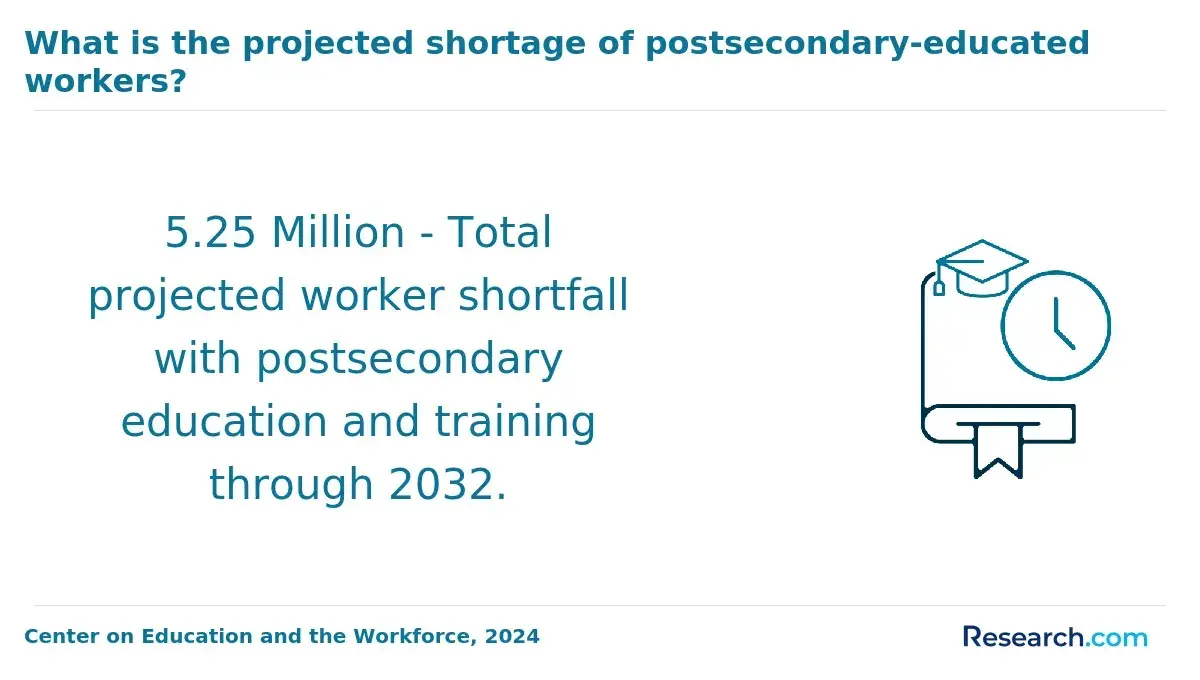
Behavioral health coursework is largely consistent whether completed online or on campus, with similar curriculum content, learning goals, and academic standards across both settings.
Core topics like psychology, counseling methods, and mental health evaluation remain steady to ensure students develop the necessary competencies. Thus, the essential knowledge and skill requirements do not vary significantly regardless of delivery mode.
The primary differences lie in how instruction and interaction occur. On-campus students benefit from direct, face-to-face engagement with instructors and classmates, encouraging immediate feedback and connection.
Online learners use digital platforms to access lectures, participate in discussions, and submit assignments, which offers more flexibility for those balancing other responsibilities.
Access to resources also differs—campus students often have on-site libraries and labs, while online students utilize virtual tools and support. Practical training, like internships, is arranged locally for distance learners, whereas on-campus programs may integrate these experiences through affiliated institutions nearby.
How Many Hours Per Week Do Behavioral Health Classes Require?
Most students can expect to spend between 12 and 20 hours per week on behavioral health coursework. This weekly time is generally divided among attending lectures, completing assigned readings, working on papers and projects, participating in group discussions, and engaging in applied learning activities such as case studies or simulations.
The following factors often influence the weekly time commitment for behavioral health degree programs:
- Enrollment Status: Full-time students usually face a heavier workload than part-time students, who may take fewer credits and spread their studies over a longer period.
- Course Level: Undergraduate courses tend to require less weekly time compared to advanced graduate classes, which often involve more in-depth research and complex assignments.
- Format: Online courses demand strong self-discipline and sometimes additional time managing recorded lectures and virtual interactions, whereas on-campus formats offer structured schedules and face-to-face engagement.
- Credits Per Term: The number of credits influences workload, with higher credit loads leading to increased weekly study hours.
- Practicum and Fieldwork: Courses including practicum or field components require extra hours outside traditional study time, as students apply theory in real-world or simulated environments.
Students weighing their options might also explore programs listed among nursing schools that are easy to get into for a comparative perspective on program accessibility.
How Many Credit Hours Are Required to Complete a Behavioral Health Degree?
Total credit hour requirements significantly affect the length of a behavioral health degree program, workload expectations, and graduation planning. These requirements vary depending on the degree level and program structure, making it important for students to understand the typical credit load for behavioral health programs before enrollment.
Below is a summary of common credit-hour components that make up most behavioral health degree curricula:
- Core Coursework: Undergraduate behavioral health degrees usually require about 40 to 60 credit hours focused on foundational topics such as psychology, mental health theories, and assessment techniques. Graduate programs often have a narrower but more specialized emphasis, with core courses comprising 20 to 40 credit hours centered on advanced research and clinical practice.
- Electives: Elective credit hours allow students to explore specific interests, typically accounting for 20 to 30 credits in undergraduate programs. Graduate students have fewer elective options, generally dedicating 5 to 15 credits to elective courses that complement their specialization.
- Experiential Requirements: Practical experience through internships, practicum placements, or capstone projects is essential in behavioral health education. Undergraduate programs often require 10 to 15 credit hours in experiential components, while graduate programs emphasize supervised clinical experiences ranging from 6 to 15 credits to ensure hands-on skill development.
Overall, undergraduate degrees in behavioral health generally require between 120 and 130 credit hours to graduate, combining general education, core coursework, electives, and experiential learning. Graduate behavioral health degrees or counseling programs typically demand 30 to 60 credit hours, depending on the intensity and research focus of the program.
Prospective students interested in optimizing their educational investment can also consider programs like an affordable healthcare administration degree online, which can offer complementary skills applicable across behavioral health careers.
How Does Behavioral Health Coursework Prepare Students for Careers?
Behavioral health coursework plays a critical role in preparing students for professional careers by integrating foundational knowledge with applied experiences. These programs develop essential skills and practical competencies that translate directly into workplace effectiveness.
Employment in behavioral health fields is expected to grow 22% from 2020 to 2030. The behavioral health coursework helps build professional competencies through the following factors:
- Skill development: Coursework covers counseling techniques, crisis intervention, and behavioral assessments, equipping students with the tools needed to address diverse client needs in real-world situations.
- Applied projects and internships: Students engage in case studies, projects, and supervised internships that foster critical thinking and allow direct application of theoretical concepts in professional environments.
- Industry tools and technologies: Training includes proficiency with electronic health records and behavioral assessment instruments, ensuring graduates are ready to navigate modern healthcare systems efficiently.
- Effective client communication: Mastery of communication strategies builds trust and facilitates successful interventions, a core competency essential for behavioral health practitioners.
- Professional networking opportunities: Programs often connect students with field professionals, aiding career advancement and helping them stay current with industry trends.
For those interested in further educational opportunities, exploring options like affordable RN to BSN online programs can provide additional pathways to advance healthcare careers and complement behavioral health expertise.
How Does Behavioral Health Coursework Affect Salary Potential After Graduation?
Behavioral health coursework can play a significant role in shaping earning potential after graduation. Specialized training in areas such as clinical assessment, evidence-based interventions, and data-driven treatment planning often qualifies graduates for higher-paying roles.
The key aspects of behavioral health coursework that enhance salary prospects include:
- Development of In-Demand Clinical Skills: Coursework focuses on mental health assessment, counseling methods, and substance abuse treatment, all of which are critical in healthcare settings. Mastery of these areas increases job opportunities and supports higher compensation.
- Completion of Specialized Practicum or Capstone Projects: Hands-on projects embedded in the curriculum provide real-world experience, allowing students to demonstrate practical abilities to employers. This experiential learning boosts employability and can justify elevated starting salaries.
- Leadership and Management Training: Advanced courses often include preparation for supervisory roles within healthcare organizations. Gaining these skills positions graduates for promotions that come with increased pay.
- Preparation for Professional Certifications: Specific coursework prepares students to earn credentials like Certified Behavioral Health Technician (CBHT) or Licensed Clinical Social Worker (LCSW). These certifications are commonly required for higher-level positions and correlate with higher income.
What Graduates Say About Their Behavioral Health Degree Coursework
- Aika: "The behavioral health degree program was a worthwhile investment despite the moderate cost of attendance, roughly in line with other online degrees. Taking the coursework entirely online allowed me to balance work and study efficiently, which was crucial for me. This degree truly enhanced my knowledge and confidence, opening doors to several rewarding roles in mental health services. "
- Gabriela: "Reflecting on my time in the behavioral health coursework, I found the expense quite reasonable given the depth of material covered and the access to experienced faculty. Attending classes on campus provided invaluable hands-on experience and peer interaction that enriched my learning journey. Professionally, the degree has significantly shaped my approach to patient care, making me a more empathetic and effective practitioner. "
- Nathan: "From a professional standpoint, the behavioral health coursework was an essential stepping stone that justified the investment, which was comparable to typical academic programs. The flexibility of an online format suited my busy schedule, allowing me to complete the program without sacrificing my current job. The skills and theories I gained have been directly applicable and beneficial in advancing my career in behavioral health services. "
Other Things You Should Know About Behavioral Health Degrees
In 2027, behavioral health undergraduate students can expect assessments such as case studies, reflective essays, and role-playing exercises, aimed at enhancing their practical understanding and critical thinking skills related to real-world scenarios in behavioral health contexts.
Cultural competence is a key focus in behavioral health programs, woven into multiple classes to prepare students for diverse client populations. Coursework emphasizes understanding cultural influences on behavior, communication styles, and mental health practices. This training is designed to foster respectful, informed approaches to treatment that consider cultural backgrounds and reduce barriers to care.
Behavioral health degree programs in 2027 emphasize ethical decision-making through courses covering professional ethics, case studies, and practical scenarios. These classes train students to navigate complex ethical dilemmas, ensuring they uphold professional standards in diverse clinical settings.
References
- Thesis & Capstone Requirements For Psychology Programs https://www.psychology.org/resources/writing-a-thesis/
- Online Bachelor of Science in Behavioral Health | Illinois College https://www.ic.edu/behavioralhealth-online
- Behavioral Psychologist Career Guide & Salary 2026 https://careersinpsychology.org/what-is-a-behavioral-psychologist/
- Behavioral Health https://www.pikespeak.edu/programs/behavioral-health/index.php
- Behavioral Healthcare https://www.centralia.edu/pathways/bachelors/bas-bh.aspx
- Mastering Behavioral Health: Is a Master’s Degree Right for You? https://masterspublichealth.com/masters-in-behavioral-health/
- Behavioral Health Internships https://laclinicahealth.org/careers/behavioral-health-internships/
- Types of Behavioral Health Degrees in California - California Social Work https://californiasocialwork.org/behavioral-health-degrees/
- On-Campus vs. Online Master’s in Counseling | University of Bridgeport https://www.bridgeport.edu/news/on-campus-vs-online-counseling-degree/
- Why trust GlobalHealth Education? https://globalhealtheducation.com/au/resources/online-vs-on-campus-courses


