
2027 Return on Investment (ROI) of a Behavioral Health Degree Program

Co-Founder and Chief Data Scientist
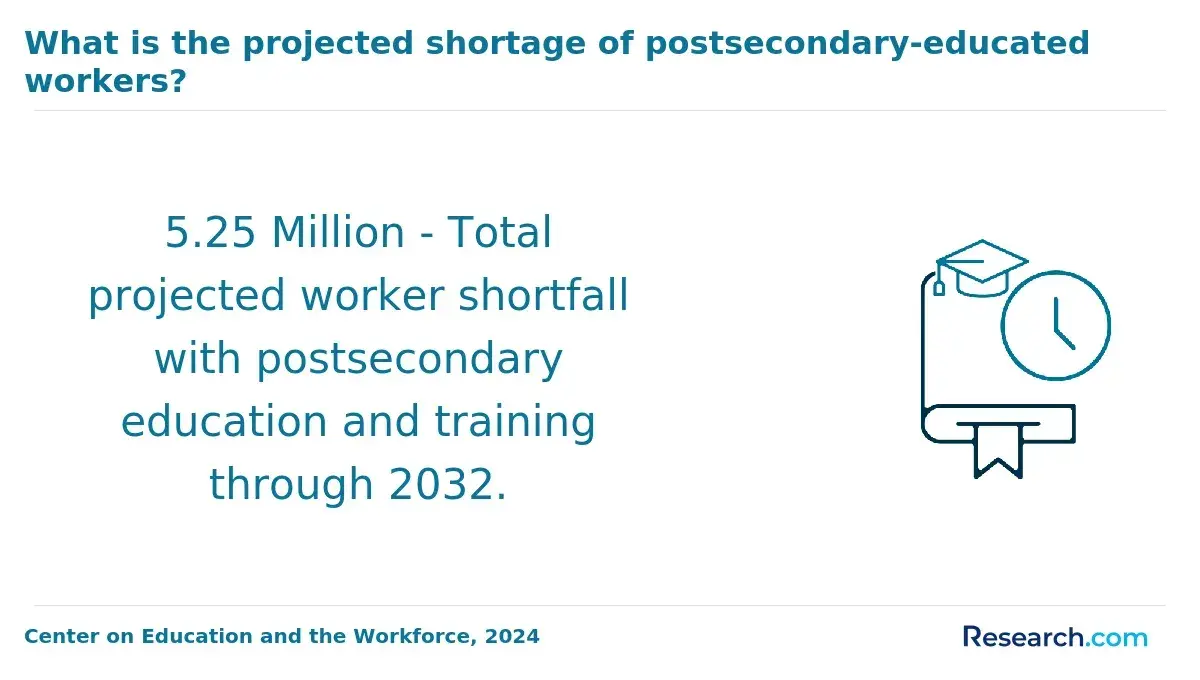
Many face uncertainty when choosing to pursue a behavioral health degree amidst rising tuition costs and a competitive job market. For example, graduates often worry whether their education will translate into stable employment and career growth. Recent data shows that employment in behavioral health occupations is projected to grow 13% through 2032, faster than the average for all occupations.
This article examines the return on investment of behavioral health degree programs, analyzing tuition expenses, potential earnings, and job prospects to help readers make informed decisions about pursuing this career path.
Key Things to Know About Behavioral Health Degree ROI
- Graduates with a behavioral health degree see average starting salaries around $45,000, with 10% annual growth potential as they gain experience and certifications.
- Behavioral health professionals benefit from strong job stability, as demand is projected to grow 22% through 2030, outpacing many other healthcare fields.
- The degree offers flexibility across industries including healthcare, social services, and education, enabling diverse career paths and opportunities for advancement.
How Is ROI Calculated for a Behavioral Health Degree Program?
Return on investment (ROI) in higher education measures the financial benefits a student gains compared to the total costs and time invested in earning a degree. For prospective students evaluating behavioral health degree program cost versus salary analysis, ROI helps compare the education's value relative to its expenses and duration.
Several key factors contribute to calculating ROI for a behavioral health degree program, including:
- Tuition and Fees: This includes all direct costs such as tuition, textbooks, and necessary supplies. Accurately accounting for these expenses sets the foundation for understanding total investment.
- Opportunity Cost: Represents income lost while attending school instead of working full-time. It reflects the value of wages foregone during the period spent pursuing the degree.
- Time to Completion: The length of the program influences both direct expenses and opportunity costs. Programs that allow faster completion can enhance financial returns.
- Post-Graduation Salary Outcomes: Expected earnings after graduation play a major role. Higher starting salaries and steady employment prospects increase ROI significantly in behavioral health fields.
- Career Advancement: The potential for upward mobility and specialized roles over time improves lifetime earning potential. Degrees facilitating progression into leadership or expert positions boost long-term financial gains.
Those considering enrollment may also wish to explore options like the shortest DNP program online to reduce time and opportunity costs. Factoring all these elements helps produce a comprehensive return on investment calculation for behavioral health degrees and better inform career decisions.
How Much Does a Behavioral Health Degree Program Cost?
Calculating the full expense of a behavioral health degree program is vital for gauging its true return on investment, especially as graduate tuition rates across the U.S. have surged by more than 25% over the past ten years, contributing to increased student debt. To fully assess potential financial outcomes, several cost factors must be considered beyond just tuition.
Key expenses affecting ROI include:
- Tuition and fees: These usually represent the most substantial portion of costs and differ widely depending on whether the degree is earned at a public, private, or online institution.
- Books and materials: The cumulative cost of textbooks, software licenses, and other academic resources can add up to several hundred or even thousands of dollars each year.
- Living and relocation: Students who move to a new city or choose campus housing face notable increases in expenses related to rent, utilities, and daily living necessities.
- Opportunity cost: Devoting time to coursework often means fewer hours available for paid work, impacting immediate income and overall financial returns.
- Indirect costs: These can include transportation, supplies, and fees associated with internships or certification exams necessary for professional licensure.
When I spoke with a recent graduate of a behavioral health program about the costs involved, he emphasized how unpredictable some expenses were. "I budgeted carefully for tuition and books, but unexpected fees like licensing applications and extra clinical hours added up quickly," he shared.
He also reflected on opportunity costs, noting, "Balancing part-time employment with class schedules was tougher than I anticipated, which delayed my earning potential." His experience highlighted that beyond the sticker price, these hidden and indirect expenses can significantly impact how students experience the financial side of obtaining their degree.
What Financial Aid Is Available for Behavioral Health Degree Programs?
Reducing initial education expenses through financial aid can substantially enhance the long-term return on investment (ROI) for students pursuing behavioral health degrees by lowering debt and overall cost. Currently, about 60% of graduate students utilize federal loans, highlighting the need for various funding options to manage education costs effectively.
Several types of financial aid can help improve financial outcomes for behavioral health students, including:
- Scholarships: Awarded based on merit or financial need, scholarships reduce tuition costs directly without the burden of repayment, which lowers debt and enhances ROI.
- Grants: Typically provided by government or nonprofit organizations, grants cover part or all of tuition and fees, minimizing the necessity for loans and reducing long-term financial commitments.
- Fellowships: Mainly targeting graduate students, fellowships offer stipends or tuition assistance in return for research or service, effectively offsetting educational costs and improving financial outcomes.
- Employer tuition assistance: Many employers support continuing education by covering part or all tuition expenses, allowing students to study while earning income, which positively impacts overall ROI.
- Federal loans: Although these must be repaid with interest, their comparatively low rates and flexible repayment plans help students manage debt responsibly and keep borrowing costs more affordable than private alternatives.
How Long Does It Take to Complete a Behavioral Health Degree?
The length of time required to earn a behavioral health degree plays a crucial role in determining its return on investment (ROI). This is largely due to opportunity costs, since spending more years in school delays entering the workforce and earning income, while also increasing tuition and living expenses.
Faster completion enables earlier career advancement and reduces overall financial burdens.
Several important factors shape how long it takes to finish a behavioral health degree and influence its ROI:
- Enrollment status: Full-time study generally leads to quicker degree completion but demands a larger immediate time commitment and potential financial strain. Part-time students extend their program length but may balance work and study better, offsetting costs through steady income.
- Program format: Online and accelerated pathways allow students to progress at a faster pace, cutting down time spent and decreasing opportunity costs, which can improve financial outcomes post-graduation.
- Transfer credits: Applying credits earned from previous coursework can shrink the requirements, helping students graduate sooner and save money on additional tuition.
- Internships and thesis: These hands-on components often add time to degree completion but enhance practical skills and employability, potentially boosting long-term earnings.
- Scheduling flexibility: Flexible class schedules or self-paced programs help students juggle work and education, reducing income disruption during study periods.
When I asked a recent behavioral health graduate about her experience completing the degree, she reflected on the balancing act involved. "Managing work alongside classes was tough," she said, "especially when internships demanded extra hours."
She explained how the flexibility of online courses helped her adapt to unforeseen challenges, letting her maintain steady employment while progressing steadily through coursework. Though the internship extended her timeline, she appreciated the real-world experience, noting it made her more confident entering the job market.
Reflecting on the whole journey, she observed, "It wasn't always easy, but finishing in about three years allowed me to start my career sooner than I expected and feel prepared for the work ahead." This perspective highlights how individual circumstances and program choices shape the duration-and ultimately the value-of earning a behavioral health degree.
Is ROI Higher for Online or On-Campus Behavioral Health Programs?
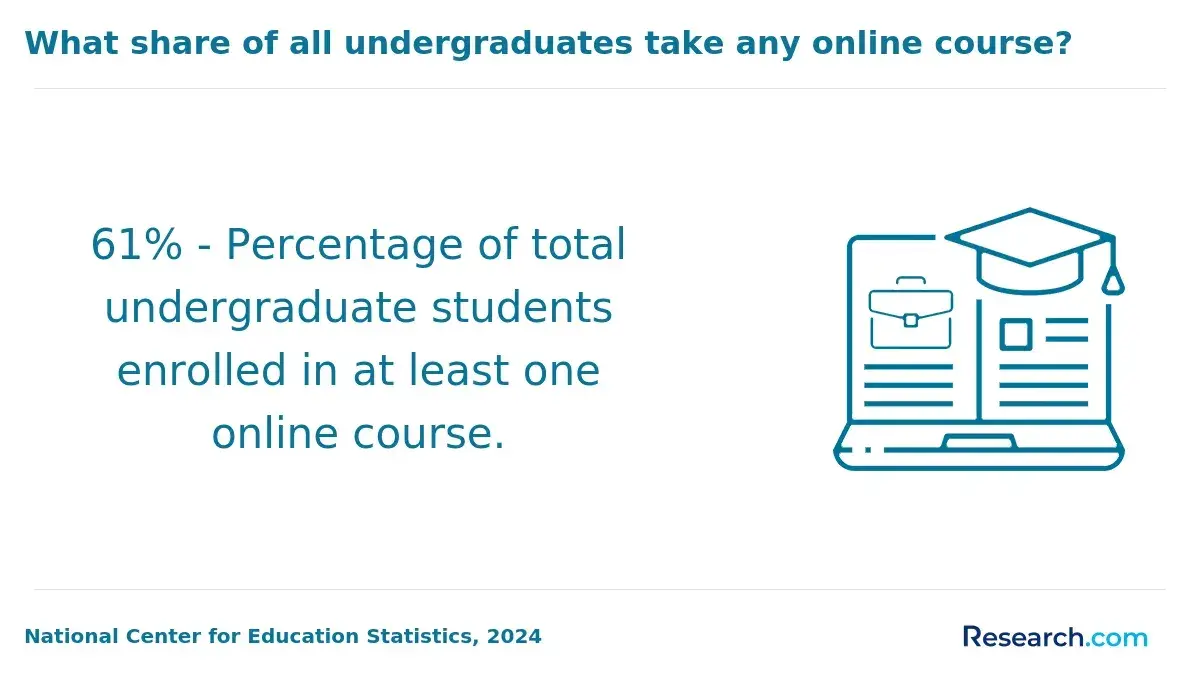
The delivery format of behavioral health degrees can significantly influence return on investment (ROI) through differences in cost, flexibility, and career outcomes. Online enrollment in higher education increased by over 20% in the last decade, reflecting growing acceptance of remote learning options.
This trend plays a key role when students compare ROI of behavioral health degrees online and on-campus.
Consider these key factors affecting ROI for online versus on-campus behavioral health program ROI:
- Tuition and fees: Online programs usually offer lower tuition and fees, reducing the total education expenditure compared to on-campus options, which often involve additional campus-related costs.
- Opportunity cost: Students in online programs often continue working while studying, minimizing income loss and shortening the time to degree completion through flexible scheduling.
- Networking and career services: On-campus programs typically provide richer in-person networking opportunities and direct access to career resources, which some students may find beneficial for job placement.
- Employer perception: Although employer attitudes are evolving, some still prefer on-campus credentials, potentially influencing hiring decisions in certain settings.
- Long-term earning potential: When comparing graduates' career outcomes, differences between online and on-campus formats remain minimal, suggesting similar earning trajectories over time.
Students interested in advanced healthcare degrees may also explore DNP programs, which offer various online and on-campus pathways suited to different professional goals.
What Is the Average Salary After Earning a Behavioral Health Degree?
Post-graduation salary is a key driver of the return on investment (ROI) for a behavioral health degree, as it determines how quickly graduates can recoup educational costs. On average, post-graduation earnings for behavioral health graduates in the U.S. typically range from $45,000 to $75,000 annually, influenced by several important factors.
Several elements shape salary outcomes and thus impact ROI:
- Industry: Salary levels vary depending on work setting, with private practice often offering higher earnings than healthcare facilities or schools.
- Geographic location: Regional differences in cost of living, demand, and healthcare funding greatly affect salary ranges across states.
- Prior experience: Having relevant internships or professional experience can lead to quicker placement in higher-paying roles.
- Specialization: Expertise in niche areas such as addiction counseling or child behavioral health can increase earning potential.
- Career level: Entry-level positions pay less, while advanced certifications and degrees help secure senior roles with greater compensation.
Considering these variables helps prospective students weigh the financial benefits of a behavioral health degree alongside their personal goals and local job markets. For those exploring options, resources like easiest nursing schools to get into provide additional guidance on educational pathways.
Does a Behavioral Health Degree Lead to Promotions?
Promotions significantly enhance your return on investment (ROI) by bringing salary increases, expanded responsibilities, and greater career mobility. These factors together make a behavioral health degree a valuable asset for those aiming to advance professionally.
A notable workforce trend emphasizes credential-based promotions, reflecting an increased value on formal education within leadership pipelines.
Here are key ways a behavioral health degree can improve promotion opportunities and overall ROI:
- Credential Requirement: Many organizations require a behavioral health degree for advancement into supervisory and managerial roles. Holding this degree positions candidates as qualified for higher-level responsibilities.
- Leadership Preparation: The program develops essential leadership and clinical skills, equipping graduates to handle complex roles that require both knowledge and applied expertise.
- Tuition Support: Some employers offer tuition assistance or scholarships, reducing the cost of education and enhancing the financial benefits of earned degrees.
- Internal Promotion Policies: Companies often prioritize employees who combine practical experience with formal education, making a behavioral health degree crucial for demonstrating both.
- Workforce Trends: An increasing number of organizations now emphasize formal qualifications for career advancement, aligning well with acquiring a behavioral health degree for promotions with a behavioral health degree.
Those interested in cost-effective educational pathways may also explore options such as the cheapest online healthcare administration degree, which can complement a behavioral health career with additional administrative skills.
Which Industries Offer the Best ROI for Behavioral Health Graduates?
Return on investment (ROI) for behavioral health graduates varies widely across industries due to differences in salary levels, career advancement opportunities, and demand for specialized skills. These factors significantly influence whether a career path will offer strong financial and professional returns.
Industries with the best returns typically blend competitive pay, clear promotion potential, and steady demand for expertise. Below are some sectors known for offering strong ROI for behavioral health graduates:
- Healthcare Services: This sector, including hospitals and mental health facilities, benefits from growing awareness of mental health issues. It offers stable job prospects with clear advancement paths and progressive salary increases.
- Government and Public Health: Careers here provide reliable job security and benefits. Although starting salaries tend to be moderate, long-term promotion opportunities and tenure can significantly enhance ROI, especially for those committed to public service.
- Private Practice and Counseling: This path can yield higher earnings as graduates establish their own client base. The entrepreneurial aspect enables specialized services and flexible work arrangements that can boost income potential.
- Substance Abuse Treatment Programs: Due to increasing societal challenges like the opioid crisis, this field experiences growing demand and competitive compensation, offering meaningful work that utilizes advanced behavioral health skills.
- Corporate Wellness and Employee Assistance Programs: As companies invest more in employee mental health, professionals can find opportunities for strong pay and career development within corporate environments.
For individuals evaluating behavioral health career ROI by industry, it's important to consider these factors alongside personal career goals and market demand. Additionally, researching educational costs and program affordability can further clarify potential returns, similar to insights found in the cheapest RN to BSN online programs.
Exploring top paying behavioral health jobs involves balancing immediate salary expectations with long-term growth and stability within each industry sector.
Does Accreditation Affect ROI for a Behavioral Health Degree?
Accreditation in behavioral health degree programs signifies that the curriculum meets established standards of quality and academic rigor. This formal recognition assures both students and employers that the education is legitimate and applicable to the profession.
A growing trend is that employers increasingly prefer candidates holding degrees from accredited programs, as this often determines eligibility for professional licensure-a critical requirement for many clinical roles. Without accreditation, graduates might face challenges securing certifications needed for employment, which can directly impact their return on investment.
Accreditation enhances long-term ROI by building trust with employers, which can lead to better job prospects and higher salaries. It also opens doors to federal financial aid, reducing the overall cost of education for students.
Moreover, accredited programs often facilitate the transfer of credits, offering greater flexibility for pursuing further education. Meeting licensure and certification standards through accredited degrees supports career mobility and progression, ultimately maximizing both the financial and professional benefits of the degree over time.
Is a Behavioral Health Degree Worth It?
The return on investment for a behavioral health degree hinges on several financial and career factors, including the total cost of tuition and associated fees, the duration of the program, and potential earnings after graduation. Typically lasting two to four years, these programs delay entry into higher-paying roles but prepare graduates for a growing job market.
For instance, employment for mental health counselors is expected to rise by 22% from 2022 to 2032, outpacing many other occupations. Additionally, higher levels of education or specialized certifications can lead to better salaries and leadership positions, enhancing long-term financial benefits.
Whether pursuing a behavioral health degree is worthwhile depends on individual career goals, industry demand, and available financial resources. Programs offering online or part-time formats might reduce income loss during study but could lengthen completion time.
Financial aid and scholarships also play a key role in lowering upfront expenses. Those aiming for stable employment in this expanding field are more likely to see positive returns, while others should weigh high tuition against entry-level salaries before committing.
What Graduates Say About The ROI of Their Behavioral Health Degree
- Harry: "Choosing a behavioral health degree was a pivotal decision that balanced both my passion and practical future. Although the average cost hovered around $40,000, I view it as a worthwhile investment given the growing demand in the field and the meaningful impact I can make. Finishing the traditional program opened doors to clinical opportunities I never imagined. "
- Rose: "Opting for an online behavioral health degree was a strategic move for me, reflecting on both cost and flexibility. With tuition typically less than traditional routes, I found the financial commitment manageable, and the return on investment has been tangible through steady career advancements. It's empowering to see how this degree has elevated my professional confidence and presence. "
- Miles: "The part-time behavioral health degree stretched over several years, which allowed me to manage expenses carefully, averaging near $35,000 total-and still gain practical experience concurrently. This approach gave me time to reflect on my career goals deeply, and today, the degree's impact resonates in my ability to serve clients with more insight and authority. It was definitely a thoughtful investment in my future. "
Other Things You Should Know About Behavioral Health Degrees
In 2027, regional differences significantly impact the ROI of behavioral health degrees. Urban areas with higher demand for mental health professionals typically offer better salaries and advancement opportunities, improving ROI. Meanwhile, rural areas may have lower job availability and starting salaries, potentially affecting overall ROI negatively.
In 2027, specific career paths such as clinical therapist roles, behavioral health consultants, and program directors may offer higher ROI due to increased demand, particularly in urban areas. Additionally, roles in telehealth are growing, presenting opportunities for higher salary and flexible working conditions.
References
- The Impact of Enhanced Behavioral Health Services on Total Healthcare Costs Among US Employers: A Site-Level Analysis of 19 Cohort Studies | Published in Journal of Health Economics and Outcomes Research https://jheor.org/article/138634-the-impact-of-enhanced-behavioral-health-services-on-total-healthcare-costs-among-us-employers-a-site-level-analysis-of-19-cohort-studies
- Elsmere Education Market Insights: Potential for Mental Health Degrees https://elsmereeducation.com/potential-for-mental-health-degrees/
- Mental Health Professional Average Salary Information - Psych Resources https://www.cmfgroup.com/knowledge-center/psychologist-mental-health-professional-malpractice/salary-information/
- News https://www.setonhill.edu/academics/degrees-programs/online-bachelors-degrees-certificates/behavioral-health-ba.html
- Tuition - Cummings Graduate Institute for Behavioral Health Studies https://cgi.edu/tuition/
- Why Get a Degree in Behavioral Science https://www.fit.edu/your-college-decision/why-get-a-degree-in-behavioral-science/
- Return on Investment of Enhanced Behavioral Health Services | Health Care Delivery Models | JAMA Network Open | JAMA Network https://jamanetwork.com/journals/jamanetworkopen/fullarticle/2829859
- How to Measure ROI and VOI in Behavioral Health https://eleos.health/blog-posts/roi-ai-post-acute-healthcare/
- CARF vs. Joint Commission: Behavioral Health Accreditation — Behavehealth.com https://behavehealth.com/blog/2025/2/16/introduction-to-accreditation-in-behavioral-healthcare
- Building A Career In Behavioral Health: Navigating Entry-level Mental Health Jobs And Opportunities - Haven Health Management https://havenhealthmgmt.org/building-a-career-in-behavioral-health-navigating-entry-level-mental-health-jobs-and-opportunities/


