2027 Entry-Level Jobs With a Music Education Degree

Co-Founder and Chief Data Scientist
What job opportunities exist for recent graduates with a Music Education degree? As the music industry evolves alongside educational institutions, entry-level careers often blend teaching, administration, and community outreach roles. Approximately 22% of music educators begin their careers in public schools or private institutions, facing a competitive hiring market.
Besides classroom teaching, beginners can explore roles in educational program coordination, private tutoring, or digital content creation. Understanding these options is crucial for new graduates aiming to secure a stable position. This article explores entry-level jobs with a Music Education degree and guides graduates on navigating their initial career steps effectively.
Key Benefits of Entry-Level Jobs With a Music Education Degree
- Entry-level jobs enable graduates to gain practical experience and develop essential industry-specific skills, which are crucial for effective teaching and performance roles in diverse educational settings.
- These roles provide clear pathways for career advancement, supporting long-term growth through certifications, leadership opportunities, and specialized training commonly required in the music education field.
- Early employment helps graduates build professional networks with educators, musicians, and administrators, strengthening resumes and improving hiring prospects in a competitive job market.
What entry-level jobs can you get with a music education degree?
About 65% of music education graduates in the United States secure employment within six months of graduation, often starting in entry-level roles that help establish foundational skills. These beginner-level positions offer diverse opportunities to grow professionally while gaining practical experience.
Below are some common entry-level jobs for recent graduates in music education that serve as vital career stepping stones.
- Elementary or Middle School Music Teacher: Leading classes in basic music theory, instrument practice, and performance skills, this role builds essential classroom management and curriculum development experience that supports career advancement in educational settings.
- Private Music Instructor: Working one-on-one with students to improve instrumental or vocal skills, private teaching develops personalized instructional methods and deepens subject knowledge, preparing graduates for specialized or advanced teaching roles.
- Choir or Band Assistant: Assisting lead conductors by organizing rehearsals and managing sheet music, this position provides hands-on experience with ensemble leadership and administrative tasks, valuable for future directing opportunities.
- Music Program Coordinator: Coordinating events, instructors, and budget management within community centers or after-school programs, this role enhances organizational and leadership skills conducive to broader educational or arts administration careers.
These career opportunities for music education graduates lay the groundwork for long-term professional growth. Many graduates also explore pathways by identifying the easiest masters degrees in related fields to further enhance their expertise and open doors to more advanced positions in education and beyond. For more insights on advanced studies, visit easy masters degrees.
Which industries hire the most music education graduates?
Graduates with a music education degree often find employment in diverse industries that value their skills in teaching, performance, and musical knowledge. According to the U.S. Bureau of Labor Statistics, over 60% of music teachers work in educational services, highlighting education as the primary sector for these graduates.
Below are the main industries that commonly hire music education degree holders.
- Education Sector: Public and private schools at the elementary, middle, and high school levels frequently employ music education graduates as music teachers, choir directors, or band instructors. This sector offers stable teaching roles where graduates apply their expertise in music theory and pedagogy to young learners.
- Performing Arts: Community theaters, orchestras, and music ensembles seek graduates as performers, composers, or administrative staff. These roles appeal to those with strong musical backgrounds who excel in collaboration and artistic communication.
- Private Tutoring & Enrichment: After-school programs, summer camps, and private studios hire music educators to provide individual or small group lessons in instruments, voice, and theory. This industry emphasizes personalized instruction and flexible teaching environments.
- Recording & Media: Graduates may work as music arrangers or content creators for educational products and media. This sector, though smaller, suits individuals interested in technology and creative production related to music education.
- Community & Cultural Organizations: Nonprofits, religious groups, and cultural institutions employ graduates to lead choirs, organize concerts, or run outreach programs. These positions showcase graduates' adaptability and community engagement skills.
A music education degree graduate shared that entering these industries initially meant navigating uncertainty about where skills fit best. "I found it challenging to identify which sector would value my combination of teaching ability and performance experience most," he said.
His journey involved auditioning for performing groups while simultaneously applying for school teaching positions. "It was rewarding when I realized that each industry offered unique opportunities to grow professionally and share my passion for music in different ways," he reflected.
Which entry-level music education jobs pay the highest salaries?
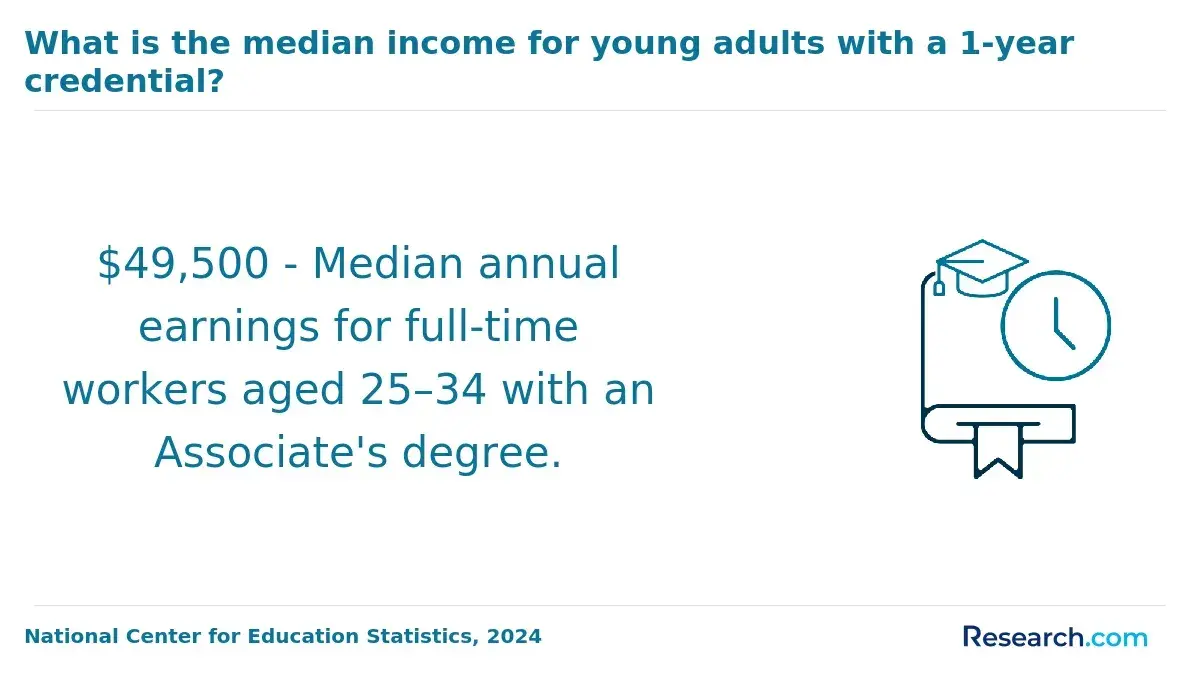
Salaries for entry-level roles in music education vary widely depending on the job's demands and work environment. Some positions offer notably higher pay due to specialized skills, client interaction, or leadership responsibilities. Understanding which roles pay more can help recent graduates make informed career decisions.
Below are several of the highest-paying entry-level options for music education graduates:
- Private Music Instructor: These educators often work independently, offering individualized lessons to clients. Their pay typically ranges from $30,000 to $45,000 annually, with earnings influenced by location and client base. The personalized nature and expertise required justify their competitive starting salaries.
- Music Director or Conductor: Leading community ensembles or youth orchestras, early-career directors earn between $35,000 and $50,000. Their roles involve organizing performances and managing musicians, which necessitates strong leadership skills, explaining the higher compensation.
- Music Therapist: Combining therapeutic methods with musical talents, entry-level therapists usually make $40,000 to $48,000 annually. Additional certification and specialized knowledge contribute to their elevated salary compared to typical teaching roles.
- Music Technology Educator: Teachers focused on digital music production and technology command starting salaries from about $38,000 to $45,000. The technical skills required in these roles meet growing demand, supporting their pay range.
What skills do employers look for in entry-level music education graduates?
Employers assessing entry-level music education graduates focus on skills that extend beyond academic credentials. A 2022 survey by the National Association for Music Education found that 72% of hiring managers consider practical classroom readiness a key barrier for recent graduates.
Below are the core skills employers prioritize when hiring candidates for beginner-level roles.
- Communication Skills: Clear explanation of musical concepts to students with various learning styles is essential. Effective communication ensures students grasp lessons and stay engaged.
- Classroom Management: Maintaining an organized and positive learning environment while addressing behavioral issues professionally is critical. This skill supports smooth daily classroom operations and student success.
- Collaboration: Working cooperatively with colleagues, parents, and administrators encourages a supportive educational community. Openness to feedback fosters continual improvement and teamwork.
- Technological Proficiency: Using music education software and digital tools enhances instruction and student involvement. Technology skills enable innovative teaching and lesson adaptation.
- Creativity and Flexibility: Developing imaginative lesson plans and adapting approaches to meet diverse student needs improves teaching effectiveness and outcomes.
Entry-level candidates with these qualifications match the key qualifications for music education jobs in the United States. Prospective graduates seeking to strengthen their credentials may also explore related training such as MFT masters programs to broaden their skill set and increase employability.
Do employers hire music education graduates with no internships?
Employers often consider internship experience an important factor when hiring entry-level music education graduates. Those with hands-on training through internships tend to demonstrate practical skills like classroom management and lesson planning, which are highly valued.
A survey by the National Association for Music Education found that graduates who completed internships are 40% more likely to receive callback interviews for their first positions. While this experience can improve a candidate's chances, employers also weigh other qualifications when reviewing applications.
Graduates without internships can still secure jobs by highlighting academic achievements, relevant projects, and transferable skills such as communication and teamwork. Showcasing portfolios with student teaching or ensemble leadership examples can help compensate for the lack of internship experience.
Hiring practices differ depending on whether the employer is a public school district, private institution, or community program, each placing varying emphasis on internship experience or demonstrated competencies. Thus, candidates without internships should focus on presenting a well-rounded profile that reflects both knowledge and enthusiasm for teaching music.
What certifications help entry-level music education graduates get hired?
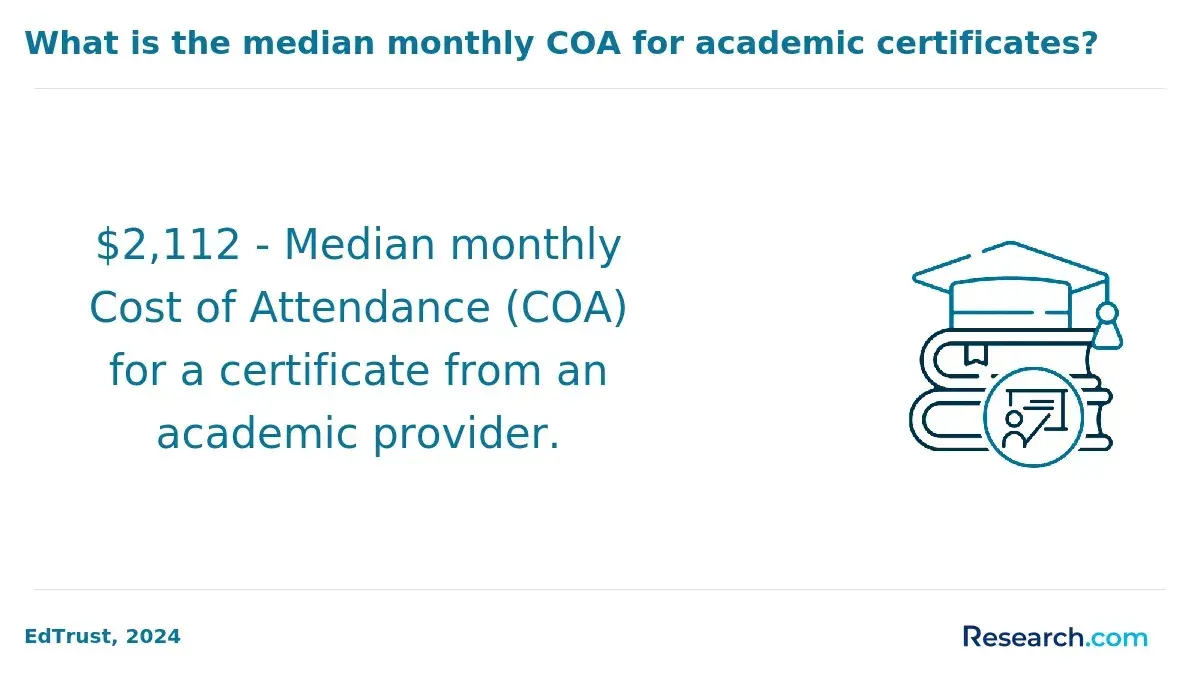
Certifications can enhance a music education degree by showcasing specialized skills and increasing job prospects for recent graduates. Studies show that candidates holding related certifications are about 30% more likely to secure teaching positions within their first year.
The following certifications are especially valuable for those entering the music education field.
- State Teaching Certification: This credential is essential for those seeking public school teaching roles, verifying adherence to state standards in both pedagogy and musical subject knowledge. It assures employers that candidates are prepared to manage classroom responsibilities from the start.
- Orff Schulwerk Certification: Focused on a movement-based, child-centric approach, this certification enriches music programs for young students by introducing inventive and engaging teaching techniques. It is highly regarded for enhancing early music learning environments.
- Kodály Certification: Known internationally, Kodály certification emphasizes vocal training and sequential music instruction. It prepares educators to effectively teach sight-singing, ear training, and music literacy, key areas for foundational music education.
- Music Therapy Credential (MT-BC): Though more specialized, this credential opens pathways in therapeutic contexts, validating abilities to use music for health and wellness. It diversifies career options beyond conventional classroom settings.
A professional with a music education degree recalled the uncertainty of entering the job market without additional credentials. She shared, "The process of earning my state certification was rigorous but crucial; it gave me the confidence to apply for school positions I previously thought were out of reach."
She emphasized how certifications not only strengthened her resume but also deepened her teaching skills, allowing her to stand out in a competitive field. "Without these certifications, I might have missed opportunities to connect with students and schools that valued specialized expertise," she reflected. This experience highlights how targeted certifications can be instrumental in launching a successful early career in music education.
How can students prepare for entry-level music education jobs while in college?
Early preparation improves employability for music education graduates by equipping them with practical skills valued by employers. According to a National Association of Music Merchants survey, 78% of employers favor graduates who combine technical knowledge with classroom readiness.
Below are effective strategies students can use to build career readiness before graduation.
- Build Practical Experience: Taking leadership roles in school ensembles, community programs, or music camps provides hands-on teaching practice. This experience strengthens classroom management and familiarizes students with real educational settings.
- Develop Technical Skills: Gaining proficiency in music technology, arranging software, and digital teaching tools prepares students to use modern methods effectively. This technical expertise helps integrate innovative approaches into future classrooms.
- Enhance Soft Skills: Communication, patience, and adaptability are key interpersonal abilities for addressing diverse student needs. Practicing these skills supports positive learning environments and effective student engagement.
- Engage in Academic Projects: Participating in research or presentations on pedagogy and curriculum development deepens educational theory knowledge. These activities also improve critical thinking and public speaking abilities, vital for educators.
- Utilize Campus Resources: Career services, faculty mentorship, and music education organizations assist with resume building and interview preparation. Networking through these channels connects students to employer opportunities and guidance.
How competitive is the entry-level job market for music education graduates?
The entry-level job market for music education graduates is notably competitive, with many candidates pursuing limited roles each year. Approximately 65% of graduates secure employment in education-related positions within their first year, reflecting steady hiring demand amid tough competition.
This dynamic requires graduates to actively differentiate themselves, making the job search a challenging yet achievable process. Understanding the multifaceted factors behind this competitiveness helps clarify what new degree holders can expect.
Key elements driving this competition include a large applicant pool as music education remains a popular field of study. Employers often seek candidates who exhibit strong musicianship, skilled classroom management, and an ability to engage diverse student groups, raising the bar for entry-level roles.
Competition also fluctuates depending on job type and location; for example, roles like choir or band director may attract varying levels of interest, while urban districts typically see higher applicant volumes than rural areas. A
dditionally, timing affects opportunities since hiring cycles concentrate applications into specific months, intensifying competition during those periods. For those exploring further education or leadership roles, pursuing an online PhD organizational leadership may offer strategic advantages in this field.
What remote entry-level jobs can you get with a music education degree?
The rise of remote work has opened new avenues for entry-level professionals in fields such as music education. A 2023 U.S. Bureau of Labor Statistics report highlights a nearly 35% increase in remote hiring among early-career workers over the past five years. This trend expands flexible opportunities for recent graduates seeking remote teaching positions for music education graduates.
Below are some common remote-friendly beginner roles available.
- Online Music Tutor: Teaching individual or group lessons via video conferencing, this role requires creating lesson plans and providing detailed feedback to students. It helps early career professionals develop pedagogical skills and adapt to digital communication tools.
- Virtual Choir Coordinator: Coordinators schedule rehearsals, manage online events, and facilitate collaboration among singers. This role strengthens leadership abilities and expertise in virtual teamwork.
- Music Content Creator: Producing educational videos, tutorials, or blog posts on music topics, this position allows graduates to refine content creation and online educational outreach capabilities.
- Music Curriculum Assistant: Assisting in designing or customizing music curricula for online platforms, this supports gaining knowledge in instructional design and remote learning technologies.
- Remote Administrative Support for Music Programs: Managing scheduling, communications, and documentation for music organizations remotely enhances organizational skills. For those interested in administrative pathways, an admin assistant degree can also open additional remote job opportunities.
How quickly can music education graduates get promoted?
Promotion timing for music education graduates varies based on individual performance, accumulated experience, and the organizational structure of their employers. Typically, early-career professionals in entry-level music education job promotion timelines range from three to five years after starting.
This period allows educators to develop strong teaching abilities, establish rapport with students, and actively support their school's music curriculum. Advancement often leads to positions such as lead instructor, curriculum coordinator, or department head.
Several factors influence how quickly career advancement speed for music education graduates occurs. Skill development, including expertise in both instructional methods and administrative duties, can accelerate promotion. Consistent workplace performance that demonstrates effective classroom management and positive student outcomes is essential.
Additionally, the complexity of roles within a school's hierarchy plays a part, with some institutions offering clearer pathways while others may have slower progression. Because these elements vary widely across different educational settings, individual initiative and professional growth remain critical. For those seeking additional pathways to enhance their career, exploring easy certifications to get may present useful opportunities.
What Graduates Say About Entry-Level Jobs With a Music Education Degree
- Aries: "Starting my career in music education has been an exciting journey. When applying for entry-level roles, I found that being open to onsite positions expanded my opportunities significantly. Choosing a job that allowed me consistent classroom time and involvement in community ensembles was crucial, as these experiences have accelerated my professional growth and deepened my passion for teaching."
- Massimo: "Reflecting on my search for an entry-level music education job, I realized the importance of workplace culture and mentorship. I focused on hybrid roles that offered flexibility while still maintaining strong connections with students and colleagues. These factors helped me find a balance that supports both my personal well-being and my long-term career goals."
- Angel: "From a practical standpoint, securing an entry-level position in music education taught me the value of clear communication and adaptability. I prioritized roles with a strong emphasis on professional development and extracurricular involvement. Those initial experiences have laid a solid foundation for my career advancement and opened doors to leadership opportunities."
Other Things You Should Know About Music Education Degrees
Entry-level music education graduates often find employment in public and private K-12 schools, community music programs, and after-school arts organizations. Additionally, some may work for music camps, nonprofit arts organizations, or early childhood education centers that offer music instruction.
Entry-level music education jobs can vary between full-time and part-time roles depending on the employer and local demand. Many new teachers begin with part-time positions or substitute teaching opportunities before securing full-time roles, especially in school settings with limited budgets for music programs.
In 2027, entry-level positions for music education graduates typically include roles such as music teacher, music tutor, or assistant band director in public and private schools. Opportunities may also exist in community centers, music academies, and as educational program coordinators for arts organizations.
Graduates should consider pursuing workshops, advanced certifications, and professional development courses focused on pedagogy, technology integration, and diverse musical styles. Staying current with educational trends and expanding one's expertise can improve job prospects and effectiveness in teaching roles.
References
- Remote Entry Level Music Jobs | Working Nomads https://www.workingnomads.com/remote-entry-level-music-jobs
- Advice for First-Year Music Educators https://nottelmannmusic.com/advice-for-first-year-music-educators/
- Vacancies https://aec-music.eu/vacancies
- Music Career Timeline: Real Schedule from Year One to Two https://andrmusic.co/behind-the-music/music-career-timeline/
- 122 Tips for First-Year Music Educators from the 2022 "40 Under 40" - Yamaha Music https://hub.yamaha.com/music-educators/prof-dev/teaching-tips/tips-for-first-year-educators-2022/
- Alternative Certification – NAfME https://nafme.org/resource/alternative-certification/
- Current Trends in the Music Education Job Market — The Music Teacher Guild https://www.musicteacherguild.org/articles/current-trends-in-the-music-education-job-market
- Search | National Association for Music Education https://careers.nafme.org/jobs
- Team Music I Music Skills: Soft Skills That Musicians Have That Employers Want - Team Music https://www.teammusic.com/blog/the-soft-skills-that-musicians-have-that-employers-want/
- Qualifications https://musiciansunion.org.uk/working-performing/education-and-teaching/career-development-in-teaching/qualifications