2027 Entry-Level Jobs With a Surgical Tech Degree

Co-Founder and Chief Data Scientist
What job opportunities exist for recent graduates holding a surgical tech degree? With healthcare expanding rapidly, entry-level careers in surgical technology offer a vital pathway into medical facilities nationwide. Nearly 75% of surgical tech graduates find employment within a year, working in hospitals, outpatient clinics, or specialized surgical centers.
Typical beginner roles include surgical technologist, operating room assistant, and sterile processing technician. These positions provide hands-on experience, essential for building expertise and advancing in a competitive field. This article explores entry-level jobs available with a surgical tech degree and guides graduates in navigating early career options effectively.
Key Benefits of Entry-Level Jobs With a Surgical Tech Degree
- Entry-level jobs provide hands-on experience critical for developing specialized surgical tech skills required in operating rooms, enhancing readiness for certification exams and real-world challenges.
- These positions offer clear career progression paths, with many graduates advancing to senior surgical tech roles or related healthcare professions within five years.
- Starting roles facilitate early networking with medical professionals, expanding career contacts and strengthening resumes for future job opportunities in surgical technology.
What Entry-Level Jobs Can You Get With a Surgical Tech Degree?
Employment for surgical technologists is expected to grow 12% from 2022 to 2032, reflecting solid demand for entry-level roles in this field. Graduates with a surgical tech degree can access several career options that provide foundational experience and pave the way for future advancement.
Below are common entry-level jobs that help recent graduates build essential skills and establish a strong professional foothold.
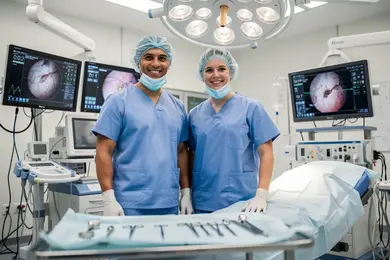
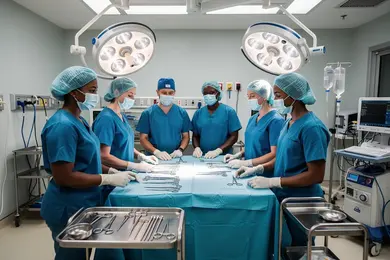
- Certified Surgical Technologist (CST): This role is a direct pathway for surgical tech graduates, involving hands-on assistance during surgeries. CSTs prepare instruments, maintain sterile environments, and ensure all surgical equipment is correctly set up, gaining critical exposure to operating room procedures and protocols.
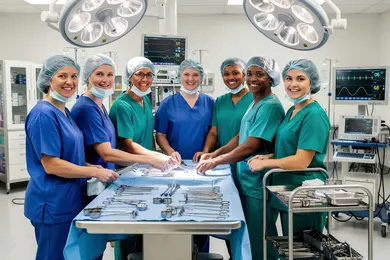
- Operating Room Assistant: Entry-level operating room assistants support surgical teams by sterilizing tools, organizing supplies, and helping with non-sterile tasks. This position develops procedural knowledge and organizational skills while allowing individuals to observe various surgical techniques.
- Surgical Scheduler or Coordinator: Focused on administrative tasks, this role manages surgery schedules, communicates with patients and medical staff, and maintains accurate records. It offers valuable insight into surgical department workflows and strengthens coordination and communication skills important for career growth.
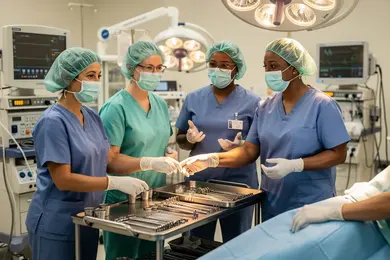
- Sterile Processing Technician (SPT): SPTs specialize in sterilizing and preparing surgical instruments outside the operating room. This position is vital for infection control and patient safety and helps build a deep understanding of hospital protocols and equipment care supporting a surgical tech's expertise.
Each career path helps graduates develop competencies that align with the best career options for recent surgical tech graduates. For those interested in further education, exploring the cheapest online doctoral programs can offer additional advancement opportunities within healthcare specialties.
Which Industries Hire the Most Surgical Tech Graduates?
Surgical tech graduates find employment opportunities across various healthcare sectors that value their specialized support skills during surgical procedures. About 70% of entry-level surgical techs begin their careers in hospital settings, reflecting strong industry demand.
These graduates are distributed across several key industries, each offering unique roles tailored to their expertise.
- Hospitals: Hospitals are the primary employers of surgical tech graduates, requiring them to assist surgeons in a broad range of operations. Surgical techs work in departments such as general surgery, orthopedics, cardiovascular, and emergency care, gaining vital hands-on experience in sterile environments.
- Ambulatory Surgical Centers: These centers focus on outpatient surgeries that usually involve shorter recovery times. Surgical techs prepare operating rooms, manage surgical instruments, and support surgical teams during less complex procedures. The shift toward outpatient care has increased demand for surgical techs in this fast-growing sector.
- Specialty Clinics: Clinics specializing in areas such as orthopedic or ophthalmology procedures hire surgical techs to assist with targeted surgeries. This setting allows for concentrated expertise and often a more predictable routine compared to hospital environments.
- Military and Government Healthcare: Surgical techs in these sectors serve in medical units domestically and overseas, supporting military personnel and veterans. These roles combine healthcare responsibilities with opportunities for structured career advancement.
- Educational and Research Institutions: These organizations employ surgical techs who are interested in training future professionals or assisting in surgical research. This industry supports innovation and the development of new surgical techniques.
A surgical tech degree graduate shared that entering the hospital workforce was both thrilling and daunting, emphasizing the steep learning curve when handling high-pressure situations in diverse surgical departments. He mentioned, "Adapting to the fast pace and maintaining composure in critical moments were challenges, but these experiences helped build confidence."
His journey through specialty clinics later provided a steadier routine and a chance to deepen his technical skills, illustrating how employment in different industries can shape a surgical tech's career path uniquely.

Which Entry-Level Surgical Tech Jobs Pay the Highest Salaries?
Entry-level salaries for surgical techs vary widely depending on the nature of the role and clinical environment. Some positions demand specialized skills or handle higher-risk procedures, which usually corresponds to better pay.
Below are several of the highest-paying entry-level surgical tech opportunities.
- Cardiac Surgical Tech: Involved in heart surgeries requiring intense precision and calm under pressure, cardiac surgical techs typically start with salaries between $48,000 and $58,000. The critical and complex nature of cardiac procedures leads to higher compensation compared to many other entry-level positions.
- Perioperative Surgical Tech: These techs assist during all stages of surgery, from preparation to recovery, demanding broad surgical knowledge and adaptability. Their starting pay often ranges from $45,000 to $55,000, reflecting the comprehensiveness of their responsibilities.
- Orthopedic Surgical Tech: Focusing on surgeries involving bones, joints, and muscles, orthopedic surgical techs earn starting salaries around $42,000 to $52,000. Their proficiency with specialized orthopedic instruments contributes to enhanced entry-level wages.
- Ambulatory Surgical Tech: Working in outpatient centers, these techs handle faster-paced environments with less complex surgeries but greater volume. Salaries typically run from $40,000 to $50,000, offering competitive pay balanced by efficiency demands.
Specialized roles often command higher starting salaries due to the advanced knowledge and precision required. While geographic location and facility type also affect pay, choosing a position with complex tasks generally offers the best financial prospects for recent graduates.
What Skills Do Employers Look for in Entry-Level Surgical Tech Graduates?
Employers evaluating entry-level surgical tech graduates prioritize practical skills alongside academic achievements. Despite strong educational backgrounds, 67% of employers report difficulties finding candidates with sufficient hands-on experience, emphasizing the value of workplace readiness.
Below are the key skills essential for entry-level success.
- Technical Proficiency: Mastery of surgical tools and aseptic techniques is crucial. Graduates must competently handle instruments and maintain sterile environments to support patient safety and surgical efficiency.
- Communication Skills: Clear interaction with surgeons, nurses, and anesthesiologists minimizes errors and ensures smooth teamwork. Effective communication is vital in fast-paced operating rooms.
- Attention to Detail: Precisely preparing surgical sites and organizing instruments helps prevent infections and procedural complications. This meticulousness upholds high standards of care.
- Adaptability and Composure: Surgical techs must remain calm under pressure and adjust quickly to unexpected situations. Professionalism in dynamic settings is highly valued by employers.
In addition to these skills, understanding the essential certifications for entry-level Surgical Tech positions can further enhance job readiness. Prospective students seeking affordable education options may explore cheapest online degrees to enter this field with strong foundational skills.
Do Employers Hire Surgical Tech Graduates With No Internships?
Employers generally assess surgical tech graduates by looking at a mix of academic performance, technical skills, and practical experience, including internships. A 2022 survey from the Association of Surgical Technologists noted that around 65% of entry-level hires had completed clinical internships or externships.
While internship experience can enhance a candidate's appeal by showcasing their ability to work under pressure and collaborate in surgical settings, it is not an absolute requirement for employment. This discussion examines how graduates without internships can still compete effectively in the job market.
Graduates lacking internship experience can improve their hiring prospects by highlighting strong academic records, relevant projects, and transferable skills gained through other healthcare-related roles or even outside the medical field. Abilities like teamwork, time management, and attention to detail are often valued by employers.
It is important to recognize that hiring criteria differ depending on factors such as the employer's size, location, and specific position. Some organizations may place more weight on formal internships, while others focus on adaptability and a willingness to learn once on the job.
What Certifications Help Entry-Level Surgical Tech Graduates Get Hired?
Certifications enhance a surgical tech graduate's resume by verifying specific technical skills and showing dedication to high standards in the field. Data from healthcare employers reveals that about 70% prefer candidates who hold relevant certifications, highlighting their importance in early career hiring.
Below are some of the main certifications that give entry-level surgical tech professionals an advantage in the job market.
- Certified Surgical Technologist (CST): This credential, awarded by the National Board of Surgical Technology and Surgical Assisting, affirms mastery of sterile techniques and perioperative procedures. Many employers require the CST for new hires, as it signals readiness for foundational operating room responsibilities.
- Tech in Surgery - Certified (TS-C): Offered by the National Center for Competency Testing, the TS-C focuses on core surgical tech knowledge with an emphasis on patient safety and sterilization. It provides formal recognition of a graduate's essential skills, helping them stand out to recruiters.
- Certification for Surgical First Assistant (CSFA): Though often pursued by more seasoned professionals, some entry-level surgical techs aim for this to demonstrate advanced surgical assisting abilities, strengthening their competitive edge for specialized roles.
- Basic Life Support (BLS): This certification from the American Heart Association confirms competence in responding to cardiac emergencies, which is frequently a minimum requirement in surgical environments.
- Certified Operating Room Technician (CORT): Provided by the National Healthcareer Association, this credential highlights proficiency in operating room protocols and patient care, making candidates attractive to employers seeking well-prepared beginners.
A professional with a surgical tech degree shared that while entering the field, acquiring these certifications involved a mix of anxious anticipation and focused study. She noted the challenge of balancing exam preparation with clinical practice, yet emphasized that each certification earned was like opening a new door.
"The CST especially felt like a milestone that employers recognized immediately," she recalled. Pursuing additional certifications like BLS helped build her confidence in handling emergencies, which made her feel more capable from day one. Her experience underscores how certifications do more than validate skills-they boost self-assurance and professionalism in a demanding healthcare setting.
How Can Students Prepare for Entry-Level Surgical Tech Jobs While in College?
Students aiming for entry-level surgical tech roles benefit from starting their career preparation early, as employers favor candidates who demonstrate both knowledge and practical readiness. A 2022 survey by the Association of Surgical Technologists found that 78% of employers preferred graduates with hands-on experience and strong communication skills.
Below are key strategies to build job readiness while still in college.
- Hands-On Experience: Participating in laboratory simulations and clinical practicums provides valuable exposure to real surgical environments. Practical training helps students master instrument handling and adapt to fast-paced operating room settings.
- Technical and Soft Skills: Alongside technical proficiency, developing teamwork, stress management, and effective communication is essential. Employers seek surgical techs who collaborate smoothly with surgical teams and remain calm under pressure.
- Academic Projects: Engaging in projects related to surgical procedures or healthcare technology deepens understanding and reflects initiative. These activities showcase problem-solving ability and a commitment to the field.
- Campus Resources: Utilizing career services, attending resume and interview workshops, and joining study groups strengthen professional development. These resources can help refine job application skills and boost confidence.
How Competitive Is the Entry-Level Job Market for Surgical Tech Graduates?
The entry-level job market for surgical tech graduates is moderately competitive, reflecting a steady demand alongside a growing number of qualified applicants. Employment for surgical technologists is projected to increase by about 7% over the next decade, which is slightly above the average growth rate for all occupations.
This positive trend supports ongoing hiring but also means many candidates are vying for similar roles. Understanding the factors behind this competition helps clarify what graduates can expect when entering the field.
Competition among entry-level surgical tech positions is influenced by several key factors. The volume of applicants is significant, as many students complete accredited programs eager to start their healthcare careers. Employer expectations also impact competitiveness; hiring managers typically seek candidates with strong technical skills, reliability, and solid knowledge of surgical procedures, often favoring those with practical experience gained through clinical practicum.
Additionally, job market trends for surgical tech graduates vary by location and facility type, with metropolitan hospitals usually attracting more candidates than smaller clinics or rural centers.
Given these dynamics, surgical tech graduates must prepare thoroughly to stand out. Staying current with surgical protocols and honing clinical skills remain essential strategies. Students looking to expand their healthcare career prospects might also consider related fields such as a cybersecurity masters, which offers growth opportunities in medical security systems and data protection.
What Remote Entry-Level Jobs Can You Get With a Surgical Tech Degree?
Recent years have seen a notable increase in remote work opportunities across healthcare, especially for entry-level roles suitable for surgical tech graduates. The U.S. Bureau of Labor Statistics reported a 35% growth in remote job postings in healthcare support roles over two years, reflecting expanding work-from-home jobs for surgical tech graduates.
Below are common remote surgical tech entry-level positions that leverage technical knowledge while offering flexibility.
- Remote Surgical Scheduling Coordinator: This position involves managing surgical appointment calendars, coordinating communication between medical teams, and ensuring necessary resources are allocated. It helps develop organizational and multitasking skills essential in surgical environments.
- Telehealth Surgical Assistant: Supporting surgeons and patients remotely by preparing materials for virtual consultations, updating patient records, and facilitating smooth patient-provider communication. This role fosters effective remote collaboration and clinical familiarity.
- Medical Device Support Specialist: Providing technical assistance and training for surgical instruments via phone or online platforms. This blends anatomical knowledge with customer service and problem-solving abilities.
- Clinical Documentation Specialist: Reviewing surgical documentation remotely to ensure accuracy and regulatory compliance, sharpening attention to detail and healthcare administration skills.
These roles offer meaningful early-career experience while adapting to the rise of remote surgical tech entry-level positions. Surgical tech graduates interested in broadening their administrative and technical expertise may also consider pursuing an online BA business administration to enhance career flexibility and advancement opportunities.
How Quickly Can Surgical Tech Graduates Get Promoted?
Promotion speed for surgical tech graduates depends largely on individual performance, accumulated experience, and the structural dynamics of their workplace. Typically, those new to the role invest one to three years refining their core skills before advancement opportunities arise. Data from a 2022 industry survey reveals that around 40% of surgical techs achieve their first promotion within two years of starting.
This timeline reflects how career advancement can vary widely depending on where and how surgical techs develop their expertise.
Several key elements affect the pace at which surgical techs can expect career advancement timelines. Mastering complex surgical techniques and performing efficiently under pressure are crucial for quicker promotions. In addition, consistent workplace performance, including reliability and strong communication, plays a significant role.
The complexity of available roles also influences progression, as some healthcare facilities have tiered positions or specialized tracks that require gaining further knowledge and experience before moving upward. Smaller practices may offer less formal promotion paths, so how quickly surgical tech graduates get promoted often depends on employer size and ambition within the role.
For more insights on allied health career paths, consider exploring the best art therapy programs.
What Graduates Say About Entry-Level Jobs With a Surgical Tech Degree
- Caiden: "Landing my first onsite role as a surgical tech was both exciting and challenging. I focused heavily on facilities known for strong mentorship programs to ensure I could continue learning on the job. This entry-level position has been crucial in building my confidence and setting a firm foundation for future specialization."
- Remington: "Choosing a hybrid surgical tech position initially helped me balance practical experience with personal life, which was a key factor in my decision-making process. I found that being selective about the hospital's culture and support for new graduates made a significant difference. This role truly opened doors for advancement and broadened my understanding of surgical procedures."
- Adrian: "Applying for remote support roles as a surgical tech was a unique experience that widened my perspective on the field. I prioritized entry-level jobs offering diverse surgical case exposure, knowing it would accelerate my skills. Reflecting on my journey, the early roles I've held have been instrumental in shaping my professional growth and career trajectory."
Other Things You Should Know About Surgical Tech Degrees
Entry-level surgical techs often work full-time, including evenings, weekends, and holidays, depending on the healthcare facility's schedule. Hospitals operate 24/7, so shift work is common. Many entry-level positions require flexibility to cover various shifts, including overnight or on-call hours.
While the degree provides foundational knowledge, many employers expect ongoing training once hired. This may include hospital-specific protocols, new surgical technologies, and sterile processing techniques. Continuing education helps entry-level surgical techs stay current with clinical standards and improve their skills.
Entry-level surgical techs work in high-pressure environments where focus and composure are essential. They must adhere strictly to sterile techniques and safety protocols. The operating room can be demanding due to fast-paced activity and the critical nature of surgical procedures, requiring strong teamwork and communication skills.
References
- Highest Paying Healthcare Technician Jobs for 2025 | Incredible Health https://www.incrediblehealth.com/tech/highest-paying-healthcare-technician-jobs/
- How Surgical Tech Certifications Can Boost Your Career | American Traveler https://allied.americantraveler.com/blog/travel-info/how-surgical-tech-certifications-can-boost-your-career
- Travel Certified Surgical Technologist Jobs - Up To $3,328/wk https://www.vivian.com/allied-health/surgical-tech/travel/
- 25 Best Places to Work as a Surgical Technologist in 2023 https://www.brooklinecollege.edu/blog/the-best-places-to-work-as-a-surgical-technologist/
- 3 Things To Know Before Becoming a Surgical Technologist https://medcerts.com/blog/3-things-to-know-before-becoming-a-surgical-technologist
- Five Key Takeaways from Aya Ideas 2025 https://www.ayahealthcare.com/healthcare-jobs/allied/surgical-services/or-tech-surgical-tech/
- How to Stand Out as a New Grad Surgical Technologist https://www.surgicaltechinsights.com/post/how-to-stand-out-as-a-new-grad-surgical-technologist
- How Surgical Technologists Transform the Operating Room: Skills, Responsibilities, and Benefits https://carrington.edu/blog/or-tech-skills-needed-for-surgical-technologist-career/