
2027 Game Development Degree vs. Certificate: Which Should You Choose?

Co-Founder and Chief Data Scientist
Students and professionals today face a critical choice between pursuing a game development degree or a certificate. Both pathways can effectively advance a career in this dynamic field, but they differ in time commitment, depth of study, and cost. Degrees often provide broader education, while certificates focus on targeted skills and quicker entry into the industry.
Game development degrees typically cover programming, design, and theory in 2-4 years, offering comprehensive knowledge valued by employers. Certificates, often completed in months, emphasize practical skills for specific software or roles. This article compares these options to help you decide based on your career goals and lifestyle demands.
Key Points About Game Development Degree vs. Certificate Programs
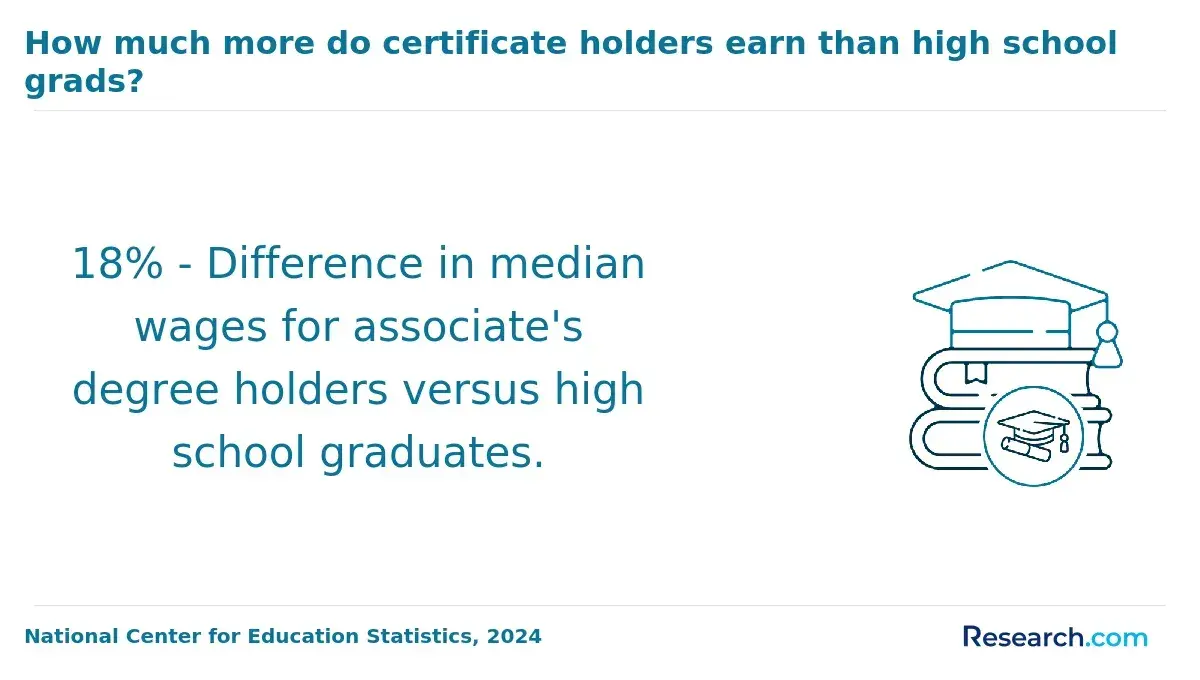
- Degrees typically provide comprehensive training and broader industry knowledge, often resulting in higher salary potential, with graduates earning up to 20% more than certificate holders.
- Certificate programs focus on specific skills, allowing quicker entry into the workforce but may limit advancement without further education or experience.
- Choosing between them depends on individual goals: degrees suit long-term growth, while certificates offer practical, targeted learning for immediate skill application.
What Are the Differences Between Game Development Degree and Certificate Programs?
Both game development degrees and certificate programs offer valuable pathways to enter the industry but differ in several important ways. Understanding these differences helps students select the right educational route based on their career goals and available time. Below are key distinctions between game development degrees and certificate programs to consider.
- Depth of Learning: Degree programs provide a comprehensive education covering theory, programming, design, and project management, suitable for those seeking a broad and deep understanding of game development. Certificates focus on specific skills or software, ideal for learners wanting quick, targeted training.
- Career Advancement: Degrees often carry more weight with employers for roles requiring extensive knowledge or leadership, benefiting those aiming for long-term growth. Certificates can enhance resumes for entry-level positions or skill upgrades but may be less influential alone for higher roles.
- Time Commitment: Degrees require multiple years of study, which can delay entry into the workforce but build a strong foundation. Certificates are shorter, allowing faster entry or transition, fitting professionals needing immediate skill application.
- Cost and Flexibility: Certificates usually cost less and offer more flexible schedules, appealing to working adults or those testing the field. Degrees may involve higher investment but provide broader education and networking opportunities.
How Long Does It Take to Complete a Game Development Degree vs. a Certificate Program?
One of the most important factors for students deciding between a game development degree vs. certificate is the time required to complete each program. Understanding the typical duration of a game development degree program compared to a certificate can help align educational goals with career timelines.
- Typical Duration: Bachelor's degree programs in game development usually require about 3 to 4 years of full-time study, while associate degrees typically take around 2 years. In contrast, a game development certificate program length is much shorter, generally ranging from 3 to 12 months depending on curriculum and pacing.
- Flexibility: Certificate programs often offer self-paced or part-time options, allowing students to complete coursework faster if they have prior experience or dedicate more time. Degree programs may provide part-time tracks as well, but these often extend total duration, sometimes up to five or six years for a bachelor's degree.
- Factors Affecting Timeline: Differences in program structure impact duration; certificate programs focus mainly on core, job-specific skills without general education requirements, streamlining completion. Additionally, students entering degree programs with prior coursework or transfer credits may shorten their path, although transfer options are less common in certificates designed for quick upskilling. Full-time enrollment speeds completion for both credentials, but overall course requirements remain significantly greater for degrees.
For those aiming for rapid entry into the game development field, exploring the best 6 month certifications that pay well can provide efficient pathways to upskill without the longer commitment associated with degrees.
Can You Complete a Game Development Degree or Certificate Entirely Online?
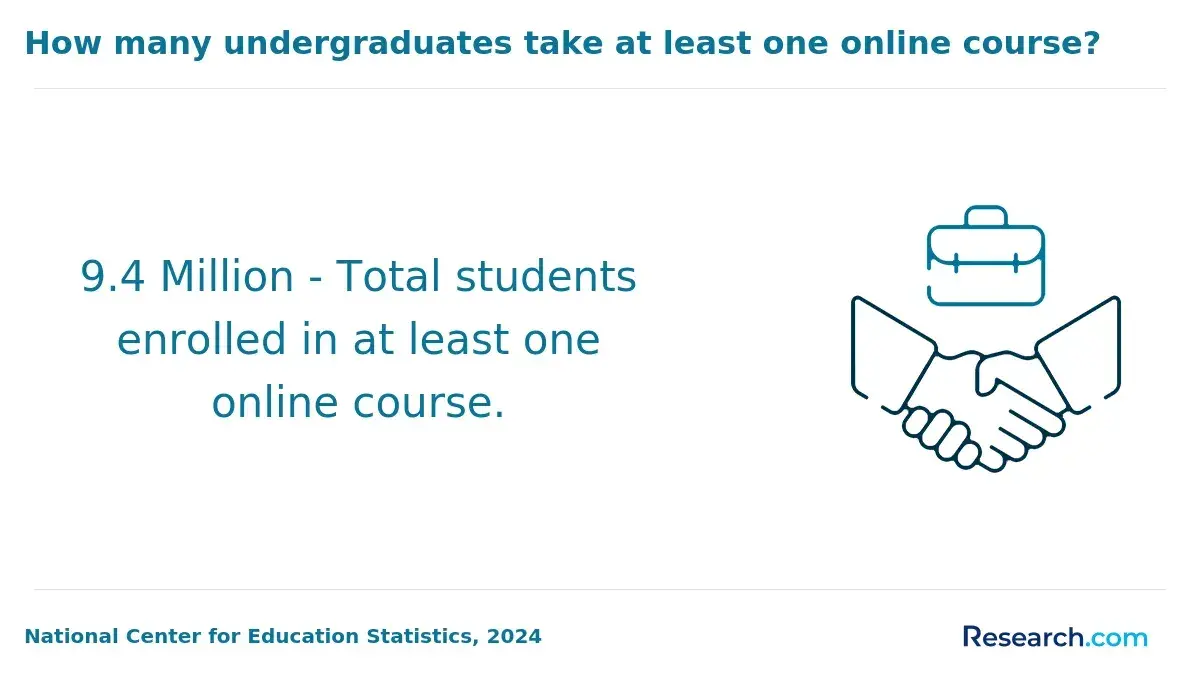
Online education in game development has expanded rapidly, allowing students across the U.S. to pursue training without relocating. Today, numerous accredited schools such as Southern New Hampshire University, Walsh University, Champlain College, and Midway University offer fully online game development degree programs that cover essential areas like programming, art, project management, and interactive storytelling. For those seeking shorter options, many colleges and technical schools provide a fully online game development certificate or micro-credentials, which can often be completed in less than a year.
While most coursework for both degrees and certificates can be completed online, some programs still require hands-on training, team collaborations, or internships that may necessitate hybrid or in-person attendance. Bachelor's degree capstone projects or internships often involve partnerships with industry studios and local companies.
Prospective students should assess their learning preferences, career objectives, and need for practical experience carefully. Those wanting to compare options may find useful guidance through programs like the easiest bachelors to get, which may help identify flexible pathways.
What Are the Admission Requirements for a Game Development Degree vs. a Certificate Program?
Admission requirements are a crucial consideration when deciding between pursuing a game development degree or enrolling in a certificate program. These requirements influence eligibility, the duration of study, and overall investment. Understanding the typical prerequisites allows prospective students to align their academic background and career objectives more effectively. Below is a side-by-side comparison highlighting the key admission requirements for each program type.
Admission Requirements for Game Development Degree Programs
- Educational Background: Most bachelor's degree programs require a high school diploma or equivalent, often with specific coursework in math (commonly four years), English (three to four years), and science (two to three years), as seen at institutions like Purdue and RIT.
- Minimum GPA: Many programs expect a minimum high school GPA ranging from 2.0 to 2.5, although more competitive programs may require higher academic performance.
- Standardized Tests: Some universities may ask for SAT or ACT scores, but this requirement is becoming less common over time.
- Transcripts: Submission of official high school transcripts (and college transcripts for transfer students) is mandatory for evaluating prior academic achievement.
- Additional Requirements: Certain schools, like Georgia State University, require completing prerequisite courses such as college-level math with a minimum grade before advancing to major-specific game development courses.
- Age Requirement: There is generally no strict age limit for degree programs, although some online options may require students to be 21 or older.
Admission Requirements for Game Development Certificate Programs
- Educational Background: Certificate programs typically require only a high school diploma or GED, with fewer or no specific course prerequisites compared to degree programs.
- GPA: Many certificate programs do not enforce a minimum GPA or have lower thresholds than degree options.
- Transcripts: Some programs may request transcripts to verify completion of high school or prior college work but with less scrutiny than degree admissions.
- Work Experience: Certain certificate programs cater to working professionals and may accept relevant industry experience in place of formal education.
- Age Requirement: These programs are often accessible to adults across a wide age range, making them ideal for career changers or those seeking upskilling opportunities.
When evaluating the admission requirements for game development degree programs versus a game development certificate program entry criteria, students can better determine which pathway fits their current qualifications and career aspirations. For those looking for flexible options, exploring the cheapest associate programs online may also provide valuable alternatives to traditional degree routes.
How Many Credits Do You Need to Complete a Game Development Degree vs. a Certificate?
Knowing the number of credits needed to complete a game development degree versus a certificate is essential for students planning their education and managing their time effectively. This helps set realistic expectations for the duration and depth of study required.
Here's a comparison of typical credit requirements in game development programs:
- Degree programs: Usually require about 120 credit hours, encompassing comprehensive coursework in programming, design, mathematics, and general education. These programs typically take around four years of full-time study to complete.
- Certificate programs: Often demand between 12 and 18 credit hours, focusing on targeted skills or specific areas within game development. Many certificates can be finished in less than a year when pursued full-time.
I recently spoke with a student who opted for a game development certificate rather than a full degree. He shared how the shorter credit requirement meant he could focus intensely on the skills he wanted without the broader academic load that a degree entails. "It was challenging to keep pace with the fast coursework, but that intensity made every project feel rewarding," he said. He appreciated the ability to apply what he learned quickly and felt the certificate gave him a clear, efficient pathway into the industry. Although he missed the broader academic experience, he valued how the program allowed him to balance work and study, making the commitment manageable and motivating.
What Is the Average Tuition for a Game Development Degree vs. a Certificate?
Tuition costs are a crucial factor when choosing between a degree and a certificate in game development, as they affect both immediate affordability and long-term financial outcomes. Understanding typical tuition ranges can help prospective students weigh options according to their educational goals and budgets.
Below is a comparison of average game development degree tuition in the US versus the cost of game development certificate programs, highlighting key differences and considerations.
Average Tuition for Game Development Degree Programs
- Tuition Range: Four-year game development bachelor's degrees at public universities typically range from $11,000 to $15,000 per year for in-state students. Out-of-state and private institutions usually charge between $17,000 and $39,000 per year.
- Program Length: Most undergraduate degrees last four years, leading to a total tuition investment of roughly $44,000 to $60,000 for in-state public students or $68,000 to $156,000+ at private or out-of-state schools.
- Additional Costs: Students should budget for extra fees such as technology, art supplies, and housing, which can add $7,000 to $15,000+ annually.
- Online vs. On-Campus: Some online programs provide accelerated formats with total tuition between $18,000 and $40,000, generally lower than traditional on-campus degrees. Prospective students can explore options among online schools that take financial aid.
- Graduate Programs: Master's degrees in game development usually cost about $20,500 per year and take two years to complete.
Average Tuition for Game Development Certificate Programs
- Tuition Range: The cost of game development certificate programs is significantly lower, typically ranging from $1,000 to $7,000 total, depending on the institution and length of the program.
- Program Length: Certificates are often completed in a few months to one year, making them faster and less expensive paths compared to degree programs.
- Institution Type: Public community colleges usually offer the lowest tuition, while private or for-profit schools tend to charge more.
- Online Options: Many certificate programs are available online, with some platforms offering pay-per-course models that further reduce upfront costs.
- No Additional Fees: Certificate programs generally do not require housing or extensive materials fees, leading to lower overall expenses than degree programs.
The average game development degree tuition in the US and the cost of game development certificate programs vary widely, so it is important to carefully evaluate your priorities, timeframe, and financial situation before deciding. Prospective students should also research financial aid opportunities and explore accredited online programs to potentially lower costs.
Can You Transfer Certificate Credits Toward a Game Development Degree Later On?
Yes, transferring certificate credits toward a game development degree is often possible but depends on several key factors. Transfer typically occurs when the certificate originates from an accredited institution and its courses align closely with those required in the degree curriculum. Institutional policies vary widely; some universities design certificate pathways with built-in credit transfers, while others may limit or exclude credits, especially if the certificate is labeled as workforce or continuing education. Accreditation and course relevance are crucial-credits are more likely to be accepted when the certificate and degree are from the same school or institutions with formal agreements.
Important details include transfer limits, which commonly range from 6 to 15 credits, and minimum grade requirements, often a grade of C or above. Students should proactively confirm credit transfer policies with academic advisors or enrollment offices before committing to a certificate program, as practices differ by institution and sometimes by program. Early verification helps protect the student's investment of time and funds by ensuring credits will count toward a future degree. This diligence can save frustration and create a clearer educational path.
A student who completed a game development certificate shared that she initially assumed all her credits would transfer seamlessly into her bachelor's program. However, upon consultation with advisors, she discovered only a portion of her courses qualified. She described feeling "surprised but grateful" for the clarity. The process involved carefully comparing course descriptions and submitting transcripts for evaluation, which took time but was ultimately worthwhile. She reflected that starting this conversation early helped her plan effectively and avoid unnecessary coursework, turning what began as uncertainty into a positive, informed journey.
Are Certificate Programs Accredited the Same Way as Game Development Degrees?
Certificate programs in game development are not accredited the same way as degree programs. Degree programs-such as associate's, bachelor's, or master's degrees-are offered by colleges and universities that hold regional or national accreditation, ensuring they meet high academic and institutional standards.
Certificate programs may be offered by accredited institutions, but many standalone certificates, especially from private providers, lack this formal accreditation. Instead, certificates often rely on industry recognition or specific vocational endorsements, which might not have national acceptance. This distinction affects credit transferability and the program's general academic reputation.
Accreditation is important because it guarantees educational quality, facilitates credit transfers between institutions, and enhances employer recognition of credentials. Students should verify that their chosen institution holds recognized regional or national accreditation, and that any certificate program is either part of an accredited institution or has strong industry credentials.
Caution is advised when considering certificates from unaccredited providers, as these might not be accepted by employers or other schools. Confirming accreditation through official accrediting agencies is essential before committing to any program.
What Jobs Can You Get with a Game Development Degree vs. a Certificate?
Both game development degrees and certificates offer pathways into the gaming industry, but they often prepare graduates for different roles and career levels. Understanding the distinctions can help you decide which credential aligns best with your career goals. Below is a comparison of typical roles associated with each credential.
Jobs you can get with a game development degree
- Game developer: Designs and codes gameplay mechanics, usually working within a development team to build complex games.
- Game designer: Creates game concepts, storylines, and user experience elements to guide production.
- Software engineer: Develops the underlying systems and tools for games, focusing on performance and scalability.
- Project manager: Oversees development timelines and coordinates team efforts to ensure project completion.
- Technical artist: Bridges art and programming by developing visual assets that work smoothly in game engines.
Jobs you can get with a game development certificate
- Junior game developer: Supports coding and debugging tasks in a development team, focusing on specific features.
- QA tester: Tests games for bugs and usability issues to improve product quality.
- Unity developer: Specializes in using the Unity engine to build game levels and interactive content.
- Gameplay programmer (entry-level): Implements gameplay features and mechanics under supervision.
- Game artist (entry-level): Produces visual assets like textures and models tailored to game requirements.
What Is the Average Starting Salary for a Certificate vs. Game Development Degree Graduates?
Salary potential often differs between game development certificate holders and degree graduates, reflecting variations in education, skills, and industry expectations. Understanding these differences can help prospective students decide which path aligns best with their career goals.
Below is a side-by-side comparison outlining the average starting salary for game development degree graduates versus those with a certificate, along with key factors that influence these outcomes.
- Typical Salary Range: Game development certificate holder salary comparison shows starting salaries generally range from $40,000 to $55,000 per year, while the average starting salary for game development degree graduates is higher, usually between $55,000 and $70,000 annually.
- Experience and Portfolio: Degree programs often involve more comprehensive projects, which develop stronger portfolios and can increase employer confidence, leading to higher salary offers and broader job options.
- Industry and Job Role: Certain roles like programmers or technical artists usually command higher starting pay compared to positions such as quality assurance testers or entry-level designers, regardless of education level.
- Geographic Location: Salaries tend to be higher in major tech hubs such as New York and California to offset living costs, often placing degree graduates toward the upper end of their salary ranges.
- Career Outlook: Although both certificate and degree holders can access entry-level jobs, degree graduates are more frequently considered for promotions and diverse roles, supporting stronger long-term salary growth.
- Additional Options: For those exploring alternative credentials, there are certificate programs online that pay well that may complement or substitute traditional educational paths.
Here's What Graduates of Game Development Programs Say About Their Degree or Certificate
- Jason: "Choosing the game development certificate program was a game-changer for me. It offered a focused, fast-paced learning experience that fit perfectly with my busy schedule, and at a fraction of the cost of a degree. This accelerated path got me job-ready quickly, which made a huge difference in launching my career."
- Camilo: "Pursuing a game development degree gave me a comprehensive understanding of both theory and practice. The depth of the program, although longer and more costly, provided essential skills and broader career opportunities in the industry. Reflecting now, the investment was worthwhile for the solid foundation and networking it offered."
- Alexander: "I completed both the game development certificate and degree programs, and the contrast really stood out. The certificate helped me quickly acquire specific skills and test the waters, while the degree deepened my expertise and opened doors to leadership roles. Considering costs and time, this combined approach was strategically ideal for my long-term growth."
Other Things You Should Know About Game Development Degrees
Game development degree programs typically cover more technical skills. Degrees offer comprehensive coursework over several years, including coding, design, and project management. Certificates focus on specific skills or software and can be completed quicker, but may not provide the depth found in degree programs.
Networking opportunities are generally more extensive in degree programs because of longer duration, access to alumni networks, and deeper engagement with faculty and peers. Certificate programs, being shorter and more focused, may offer fewer structured networking events but can still provide valuable connections through internships or project collaborations.
References
- Degrees vs. Certificate Programs: What's the Difference? https://www.snhu.edu/about-us/newsroom/education/certificates-vs-degrees
- Game Development Degree vs Computer Science Degree https://gamedev.stackexchange.com/questions/1611/game-development-degree-vs-computer-science-degree
- Computer games developer https://nationalcareers.service.gov.uk/job-profiles/computer-games-developer
- Game Development https://www.aacc.edu/programs-and-courses/credit-and-degree-seekers/game-development/
- Visual College of Art & Design https://www.vcad.ca/about/spotlights/do-you-need-a-degree-to-become-a-game-developer/
- How Game Development Skills Transfer to Other Tech Fields - SAE United Kingdom https://www.sae.edu/gbr/insights/how-game-development-skills-transfer-to-other-tech-fields/
- Certificate of Completion in Video Game Production: Coding and Scripting https://www.mesacc.edu/programs/map/video-game-production-coding-and-scripting-ccl
- Game Development Salary & Role Processes: Choose Your Art https://www.m3dsacademy.com/game-development-salary-role-processes-choose-your-art/
- Simulation and Game Design - San Jacinto College https://www.sanjac.edu/programs/areas-of-study/stem/game-design/index.php
- Business for Simulation & Game Development Certificate | Wake Tech https://www.waketech.edu/programs-courses/credit/credit-programs/simulation-game-development/degrees-programs/c25450g


