
2027 Hardest and Easiest Courses in a Sports Science Degree Program

Co-Founder and Chief Data Scientist
Students pursuing a sports science degree often struggle with balancing challenging courses while maintaining their GPA and managing practical training. Nearly 45% of sports science undergraduates report difficulties in advanced biochemistry or physiology classes, which can impact their graduation timeline. This challenge is compounded by the growing demand for qualified professionals, with the U.S. Bureau of Labor Statistics projecting a 9% employment growth in related fields by 2030.
Understanding which courses pose the greatest challenges versus those that are more manageable can help students optimize their study strategies. This article explores the hardest and easiest courses in sports science programs to guide effective academic planning.
Key Things to Know About the Hardest and Easiest Courses in a Sports Science Degree Program
- Courses in biomechanics often rank as the hardest due to complex mathematical models and physics concepts requiring strong quantitative skills.
- Modules with high practical workload but minimal theory, like basic exercise physiology labs, tend to be easier for students with hands-on learning preferences.
- Students lacking foundational anatomy knowledge find human anatomy courses particularly challenging, as assessments rely heavily on memorization and precise identification.
What Are the Hardest Core Courses in a Sports Science Degree Program?
Some core courses in sports science degree programs are recognized as especially challenging due to their technical complexity, heavy workload, and often strict accreditation standards. Mastery of these subjects demands strong analytical skills, comprehensive memorization, and practical application, making them some of the hardest core courses students encounter.
Below are key courses that consistently rank among the most difficult in sports science curricula.
- Exercise Physiology: This course covers intricate bodily systems and their responses to physical activity. Students face difficulties with advanced biochemical concepts that require a solid grasp of biology and chemistry.
- Biomechanics: Applying mechanics to human movement involves understanding physics principles and performing precise quantitative analyses, which challenges many due to its technical rigor.
- Kinesiology: Focused on motor control and musculoskeletal anatomy, this course demands extensive knowledge and the ability to integrate anatomy with physiological function.
- Sports Nutrition: Combining biochemistry with metabolism and dietary planning, this class requires applying complex nutritional science to enhance athletic performance and recovery.
- Research Methods and Statistics: Known for quantitative rigor, this course requires strong math skills to design studies, analyze data, and interpret results, which are essential for evidence-based practice.
Prospective students should carefully consider these challenging classes in sports science degree programs when planning their academic path. For those interested in further healthcare education, exploring DNP programs online may offer additional advanced learning opportunities.
What Are the Easiest Required Courses in a Sports Science Degree Program?
The term "easiest" in sports science degree programs typically refers to courses that students find more manageable due to their applied content, assessment style, or overlap with prior experience, without implying any reduction in academic quality. Recent data indicate that courses featuring project-based grading and practical elements often see completion rates as high as 85%, reflecting generally higher student success.
Below are some commonly taken courses that are frequently regarded as easier required courses in sports science degree programs.
- Introduction to Sports Psychology: This course centers on applied concepts and real-life case studies, making it accessible through relatable examples that connect theory to everyday situations.
- Fundamentals of Human Movement: Emphasizing observation and foundational analysis skills, this class reduces technical complexity and supports hands-on learning.
- Exercise Physiology Lab: Featuring hands-on experiments and practical assessments, this lab reduces reliance on heavy theoretical exams, enhancing student engagement.
- Nutrition for Performance: Focused on practical dietary planning and real-world applications, it allows students to easily grasp important concepts essential for athlete performance.
- Coaching Principles: Usually graded through projects and participation, this course encourages active involvement without demanding intensive written evaluations.
Students aiming for better academic planning in sports science often seek to identify the top easy core classes in sports science program curricula that align with their strengths. For those interested in health-related fields beyond sports science, exploring accredited programs such as a medical coding school can be a valuable option to consider.

What Are the Hardest Elective Courses in a Sports Science Degree?
The term "hardest" refers to electives generally seen as more demanding due to their complex subject matter, extensive workload, or cumulative evaluation methods. These courses often require advanced understanding and the ability to integrate diverse skills.
Below are some of the electives widely regarded as particularly challenging within sports science programs:
- Exercise Physiology: This course delves deeply into how the human body functions during exercise, necessitating a solid grasp of biology and chemistry alongside skills in analyzing physiological data.
- Biomechanics: Students must apply principles of mechanics to human movement, which involves advanced math, physics, and often computer simulation, posing difficulties for those less familiar with quantitative disciplines.
- Sports Psychology: Beyond theoretical foundations, this class demands engagement with research techniques and real-life application of psychological concepts, requiring sharp critical thinking and proficient writing.
- Research Methods in Sports Science: Focused on experimental design, statistical procedures, and scholarly communication, this elective places heavy emphasis on independent research projects and significant academic effort.
- Nutrition for Sport and Exercise: This subject covers complex metabolic pathways and personalized nutrition strategies, challenging students to combine biochemical knowledge with practical diet planning.
These electives demand a high level of intellectual synthesis and project management, preparing students for specialized roles in sports science careers by fostering advanced technical capabilities and comprehensive understanding.
What Are the Easiest Electives in a Sports Science Degree Program?
"Easiest" electives in sports science are typically those viewed as less demanding because of lighter workloads, familiar subject matter, or flexible evaluation methods. These courses often prioritize practical skills and application over heavy theory or exams.
Here are some electives frequently considered more manageable in a sports science curriculum:
- Introduction to Sports Psychology: This course covers fundamental psychological principles linked to sports, frequently using reflective essays or case study analyses instead of rigorous testing.
- Fundamentals of Coaching: Emphasizing hands-on learning, this class often grades students on coaching plans or collaborative projects rather than written exams, making it accessible for many.
- Fitness and Wellness: Focused on personal health strategies, it usually involves straightforward assignments centered on fitness routines with limited technical complexity.
- Nutrition for Physical Activity: Introducing basic nutrition concepts, this course typically assesses students through simple quizzes or meal planning tasks, avoiding heavy biochemistry.
- Sports Ethics and Leadership: Centered on discussions and written reflections, this elective offers students flexibility in deadlines and a more contemplative learning environment.
When asked about the easiest electives in his sports science program, a recent graduate shared that while these courses felt less stressful, they still demanded consistent effort. He recalled feeling relief with project-based grading but noted the importance of time management, especially for courses with discussion-heavy components.
"The flexibility helped, but staying engaged was key," he explained, emphasizing that these electives provided a practical break without sacrificing meaningful learning.
Which Sports Science Classes Require the Most Technical Skills?
Some sports science courses demand higher technical proficiency due to the increasing use of advanced technologies and complex data analysis in the field. In fact, about 65% of students in sports science programs report needing advanced software skills, laboratory experience, or strong quantitative competencies to succeed.
These technical requirements reflect a broader focus on evidence-based practice and precise measurement.
Several sports science classes are particularly known for their rigorous technical demands, including:
- Exercise Physiology: This course involves laboratory techniques to measure physiological responses such as heart rate, oxygen consumption, and muscle activity during exercise. It requires hands-on skills with specialized equipment and the ability to interpret complex biological data.
- Biomechanics: Focused on the mechanics of human movement, this class utilizes motion analysis software and simulation tools. Students analyze vectors, forces, and kinematic data, demanding advanced analytical and computational skills.
- Sport Analytics and Performance Measurement: This course emphasizes the use of statistical software and programming languages to assess athletic performance. It involves working with databases, predictive modeling, and applied problem-solving to optimize training strategies.
Students seeking to balance demanding courses with other commitments might consider exploring alternative certification options, such as an affordable medical billing and coding certification. Those curious about the hardest technical courses in a sports science degree should recognize the importance of developing advanced lab skills along with quantitative and technological expertise to excel.
Are Writing-Intensive Sports Science Courses Easier or Harder?
Writing-intensive courses in sports science often affect students' perceptions of difficulty due to the combined demands of technical expertise and strong communication skills. In fact, a survey revealed that about 65% of students find writing assignments in sports science programs more challenging than multiple-choice or lab-based assessments.
Several factors contribute to how writing-intensive sports science courses may be easier or harder for students, including:
- Research requirements: These courses demand thorough investigation and critical analysis of scientific topics, which can increase the workload. Balancing extensive research with clear writing often requires more time than other types of assessments.
- Integration of skills: Students must combine understanding of physiology, biomechanics, and exercise science with writing proficiency. This dual demand can challenge those less experienced in expressing complex scientific concepts clearly.
- Prior writing experience: Those comfortable with academic writing, structuring arguments, and following citation guidelines tend to find these courses more manageable. Conversely, students with limited backgrounds may struggle with organizing ideas effectively.
- Time management: Writing-intensive assignments often require multiple drafts and sustained effort over weeks. Efficient scheduling and discipline can reduce stress and improve performance.
- Assessment style: Unlike practical exams or group projects, essay and report formats provide clearer expectations and opportunity for formative feedback, which some students find helpful in improving their work progressively.
The impact of writing assignments on sports science degree progress is significant, influencing how students allocate their study time and develop skills. For those exploring options in the field, it is helpful to consider how writing-intensive courses align with their strengths.
Prospective students may also want to explore the cheapest online health science degree programs to balance educational goals with affordability while gaining a broad understanding of health sciences.
Are Online Sports Science Courses Harder Than On-Campus Classes?
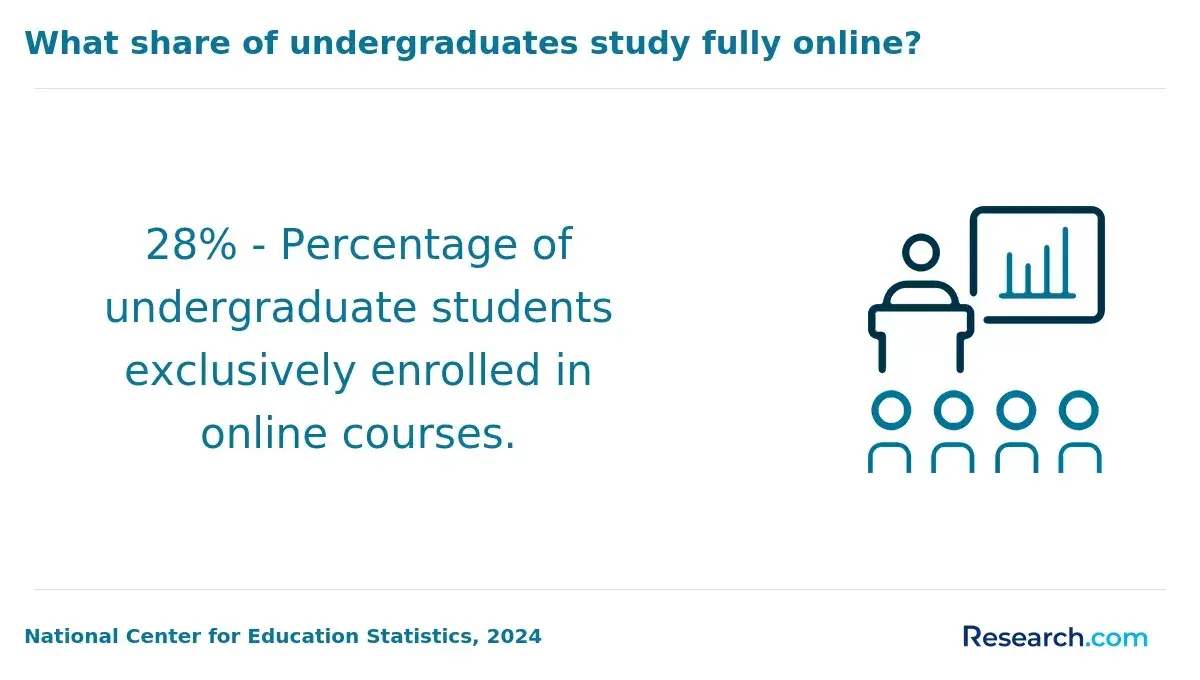
The format of sports science courses significantly shapes how students perceive their difficulty. According to a recent survey, 68% of students found in-person sports science classes more engaging, though online options were praised for their convenience and flexibility. Several key elements influence these differing experiences.
- Self-discipline demands: Online learners must independently structure their study habits and stay motivated without face-to-face accountability, which can prove challenging for many.
- Instructor interaction: Traditional courses often provide faster, more direct feedback and hands-on guidance, which may ease understanding and retention of complex topics.
- Resource availability: On-campus programs offer easier access to physical labs and specialized equipment essential for practical sports science training, a hurdle for some online students.
- Schedule flexibility: Online courses let students learn at their own pace, offering the opportunity to revisit tough concepts and reduce pressure during busy periods.
- Assessment format: While online programs tend to emphasize written work and recorded demonstrations, in-person classes frequently include practical exams that demand real-time skill application, influencing the nature of the workload.
When I spoke with a graduate of an online sports science program about whether those courses were harder than on-campus ones, she reflected on her journey thoughtfully. She recalled the constant need to stay self-motivated, describing how "without the regular buzz of campus life, it was easy to lose track, especially during demanding modules."
Yet she found that recording her own practical demonstrations deepened her understanding, even if it required multiple takes and extra tech skills. She appreciated the flexibility to balance studies with a part-time job but noted that "missing out on immediate, hands-on feedback made some concepts harder to grasp initially."
Overall, her experience highlighted that while online sports science courses present unique challenges, they also foster valuable skills in self-direction and adaptability.
How Many Hours Per Week Do Students Spend on Sports Science Courses?
Weekly study hours are a critical consideration for students enrolled in sports science degree programs, impacting their ability to juggle coursework, labs, and other commitments. National surveys show that undergraduates in health-related fields dedicate an average of 15 hours per week to academic work, encompassing lectures, readings, and assignments.
Time demands can vary significantly based on several factors.
Key influences on the time spent each week in sports science courses include:
- Course level: Higher-level classes often require more dedication due to challenging material and in-depth research projects, increasing overall study time.
- Technical intensity: Practical labs and hands-on activities, common in biomechanics or physiology subjects, add significant hours outside of traditional lecture time.
- Writing requirements: Assignments involving detailed reports or research papers necessitate additional hours for drafting, revising, and editing.
- Learning format: Online and hybrid courses might demand more self-directed study and time management skills, often extending time spent compared to in-person classes.
- Student background: Familiarity with foundational sciences like biology or chemistry can reduce the time needed to grasp new content, easing the weekly workload.
These factors collectively shape how students should plan their study schedules to maintain academic success while balancing other responsibilities.
Do Harder Sports Science Courses Affect GPA Significantly?
Course difficulty and GPA are closely linked concerns for students, especially in sports science programs where advanced courses can significantly impact academic performance. Research shows students often experience a GPA drop of about 0.3 to 0.5 points when moving from introductory to more difficult sports science classes, underlining the importance of understanding how course challenges affect grades.
The following factors explain why harder sports science courses may influence GPA outcomes.
- Grading rigor: Advanced courses typically enforce stricter grading standards and require a deeper understanding of complex material, making it harder to earn high grades without strong mastery.
- Assessment structure: Frequent exams, research projects, and practical labs demand sustained effort. If students are underprepared, these multiple assessments can negatively impact GPA.
- Course sequencing: Difficulty increases as courses build on prior knowledge, so struggles in earlier classes often lead to challenges and lower grades in advanced sports science courses.
- Student preparation: Having a solid background and effective study habits is essential; inadequate preparation often results in poorer performance when tackling harder sports science courses.
- GPA weighting policies: Some programs apply weighted GPA scales for upper-level courses, which can either soften or intensify the GPA impact depending on institutional policies.
Students looking to manage the impact of difficult sports science courses on GPA should plan carefully and develop strong study strategies. Exploring options such as enrolling in the cheapest DNP program online can provide flexible pathways to balance workload while advancing their education.
Do Harder Sports Science Courses Lead to Better Job Opportunities?
Many students believe that taking more challenging sports science courses improves their chances of employment, a view supported by surveys showing that 72% of hiring managers prefer candidates with advanced coursework. This perception highlights how academic rigor might affect job prospects in the field.
Several reasons explain the connection between tougher sports science classes and better employment outcomes:
- Skill development: Difficult courses push students to grasp complex theories and apply practical skills, resulting in a well-rounded expertise that appeals to employers.
- Employer perception: Completing demanding classes often signals a candidate's dedication and ability to tackle challenges, qualities highly valued during recruitment.
- Internships and project exposure: Strenuous courses typically involve hands-on projects or internship requirements, giving students real-world experience that strengthens their resumes.
- Specialization signaling: Advanced classes frequently focus on specific areas like biomechanics or exercise physiology, helping students demonstrate specialized knowledge that sets them apart.
- Long-term career growth: The analytical skills and deeper understanding gained prepare students for certifications and graduate studies, opening pathways for career advancement.
It is crucial, however, to balance the difficulty of courses with strong academic performance, since poor grades can diminish the advantages of enrolling in more demanding programs.
What Graduates Say About the Hardest and Easiest Courses in a Sports Science Degree Program
- Jaden: "Balancing the challenging anatomy courses with the easier fitness theory classes in my online sports science degree was tough but rewarding. The cost was reasonable compared to traditional programs, which made it easier to focus on learning without financial stress. These courses have been pivotal in advancing my career as a physiotherapist, giving me the confidence to specialize in sports injuries."
- Remy: "Reflecting on my journey through an online sports science program, I appreciated how the mix of difficult biomechanics modules and simpler nutrition classes kept me engaged. Despite some expensive course fees, the investment felt worthwhile because the knowledge gained has significantly improved my coaching methodology. The flexibility and content quality have truly shaped my professional outlook."
- Megan: "Completing my sports science degree online involved navigating both rigorous research methods and more manageable sports psychology lessons. The overall tuition cost was a concern initially, but it quickly became clear that the value added to my career as a performance analyst justified the expense. The blend of courses prepared me well for the demands of the sports industry with practical expertise."
Other Things You Should Know About Sports Science Degrees
Understanding course difficulty in a Sports Science degree program in 2027 aids career preparation by identifying key areas of focus. Mastering challenging subjects like biomechanics equips students with essential skills, while easier courses such as introduction to exercise psychology provide foundational knowledge, ensuring a well-rounded skill set.
In 2027, students in a Sports Science Degree Program often find that difficult courses require advanced time management skills. These courses demand extensive study hours and practical sessions, compelling students to prioritize effectively, plan study schedules in detail, and balance multiple commitments to succeed.
To excel in challenging sports science courses in 2027, students should employ active learning techniques, form study groups, schedule regular revision sessions, and seek feedback from instructors. These strategies enhance comprehension and application of complex concepts.
References
- Learn What Sports Science Is From The Experts: eta College https://etacollege.com/what-is-sports-science/
- The Hardest High School Courses & Why to Take Them Online https://oeshighschool.com/the-hardest-high-school-courses-why-to-take-them-online/
- How Stressful Is IB Sports Science Compared to Other Subjects? https://www.revisiondojo.com/blog/how-stressful-is-ib-sports-science-compared-to-other-subjects
- Online Sports Science Undergraduate Tutors Spires | What Jobs Can I Get With A Degree In Sports Science? https://spires.co/online-sports-science-tutors/undergraduate/what-jobs-can-i-get-with-a-degree-in-sports-science
- Applied Sports Science with Strength and Conditioning - BSc (Hons) - TUS https://tus.ie/courses/us958/
- Sports Studies degrees https://www.whatuni.com/degree-courses/search
- Study Sports Science, why & how to study https://www.thecompleteuniversityguide.co.uk/subject-guide/sports-science
- A week in the life of a sport and exercise science student https://www.surrey.ac.uk/news/week-life-sport-and-exercise-science-student
- BSc (Hons) Sport and Exercise Science | Sport | Uni of Herts https://www.herts.ac.uk/courses/undergraduate/sport-and-exercise-science


