
2027 Return on Investment (ROI) of a Sports Science Degree Program

Co-Founder and Chief Data Scientist
Many aspiring professionals hesitate to pursue a sports science degree due to uncertainty about job prospects and salary potential. Although the sports science field is competitive, the U.S. Bureau of Labor Statistics projects a 9% employment growth for exercise physiologists and related roles by 2031, faster than the average for all occupations.
This growth underscores increasing demand for expertise in athletic training, rehabilitation, and wellness programs. In this article, we'll examine the return on investment of a sports science degree by analyzing costs, employment trends, salary expectations, and career pathways to help you make informed education and career decisions.
Key Things to Know About Sports Science Degree ROI
- Graduates of a sports science degree typically see a 15% higher starting salary than the national average for health-related fields, with sustained growth driven by specialized knowledge.
- Career advancement is notable, as professionals often transition into roles such as physiotherapy, coaching, or sports management, expanding earning potential and job stability.
- The versatility of a sports science degree allows flexibility across industries, including healthcare, fitness, and research, enhancing long-term employment opportunities amid evolving market demands.
How Is ROI Calculated for a Sports Science Degree Program?
Return on Investment in higher education evaluates the financial benefits gained from earning a degree compared to the total cost and time invested. For students considering a sports science degree, calculating ROI helps determine if the career and salary advantages outweigh the resources spent. This comparison is vital in assessing the true value of the program.
Key factors involved in calculating return on investment for sports science degrees include:
- Tuition and fees: This covers all educational expenses such as enrollment costs, textbooks, and other academic fees. Accurately estimating these costs is necessary before assessing potential financial returns.
- Opportunity cost: The income and work experience foregone while pursuing the degree full-time reduce net benefits. This figure reflects earnings students sacrifice during their studies.
- Time to completion: The length of the program affects both opportunity costs and the timeline for starting a higher-paying career. Programs with shorter durations may improve ROI by enabling quicker entry into the workforce.
- Post-graduation salary outcomes: Expected starting salaries and growth in sports science-related careers shape the financial returns. Reliable industry data helps in forecasting these outcomes accurately.
- Career advancement potential: Access to promotions and roles with higher salary ceilings enhances long-term earnings, increasing overall ROI.
When evaluating sports science degree ROI calculation methods, prospective students should consider that other degrees, such as those offered in pharmacy school programs, may have different financial trajectories. For more information on educational investments in specialized fields, review data on pharmacy school.
How Much Does a Sports Science Degree Program Cost?
Knowing the full expense of a sports science degree is vital to realistically assess its return on investment, especially as the average graduate debt in the U.S. has climbed to about $45,000 in recent years. This figure underscores why students must go beyond tuition alone when planning their education budget.
Several key cost factors play into calculating the true price of earning a sports science degree:
- Tuition and fees: The largest upfront cost, which depends largely on whether a school is public or private and how many credits the program requires.
- Books and materials: Needed textbooks, lab equipment, and specialized software can add several hundred to thousands of dollars annually.
- Living and relocation: Expenses like housing, food, transport, and moving costs often increase the financial burden, particularly for those studying away from home.
- Opportunity cost: Time devoted to coursework frequently limits earnings from full-time employment, representing a hidden but substantial expense.
- Additional costs: Fees connected to internships, certifications, or extra courses sometimes required to boost career prospects also affect the total investment.
When I spoke with a recent sports science graduate about his experience, he described the challenge of balancing costs with long-term benefits. "I didn't realize how much the indirect expenses, like lab fees and certification costs, would add up," he admitted.
He also highlighted the emotional toll of managing finances while studying full-time, mentioning, "It was stressful knowing I had limited income potential during those years but had to invest in things that were necessary for my career." His story illustrates that the cost of a degree goes beyond tuition and that assessing ROI requires a comprehensive view of all related expenses and sacrifices.
What Financial Aid Is Available for Sports Science Degree Programs?
Financial aid can significantly reduce the initial expenses of a sports science degree, thereby enhancing its long-term return on investment by lowering the total amount borrowed. Currently, nearly 70% of college attendees depend on financial support to manage education costs, reflecting the widespread reliance on such resources.
Common forms of financial aid available for sports science students include:
- Scholarships: Typically awarded based on merit or financial need, scholarships do not require repayment, helping to cut the overall cost and reduce future debt.
- Grants: Usually funded by state or federal programs, grants lessen upfront expenses without the obligation to pay back, increasing affordability.
- Fellowships: Mostly found at the graduate level, these provide tuition coverage and stipends, effectively replacing the need for loans and improving financial outcomes.
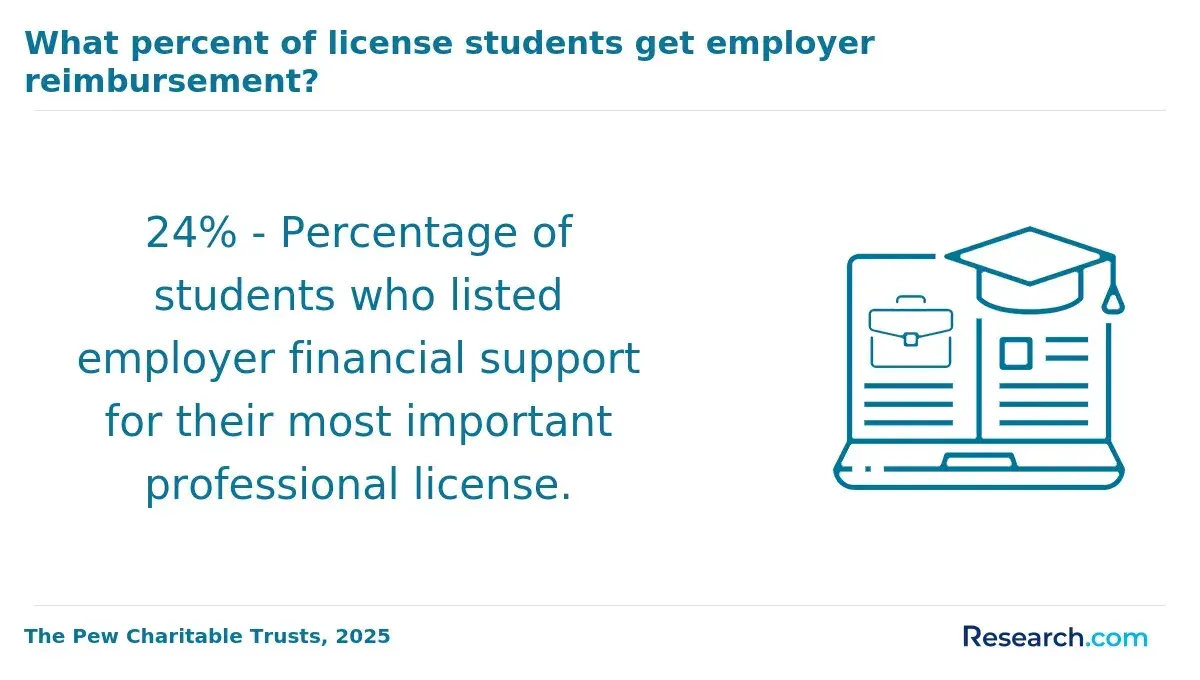
- Employer tuition assistance: Available to working students, this support can cover part or all of tuition fees, reducing out-of-pocket costs and boosting ROI.
- Federal student loans: While loans add to debt, government-backed loans generally have lower interest rates and flexible repayment options, making them a strategic choice when used prudently.
Utilizing these financial aid options allows students to make a sports science degree more affordable and can lead to better financial advantages throughout their careers.
How Long Does It Take to Complete a Sports Science Degree?
The length of time needed to obtain a sports science degree plays a crucial role in its ROI because it affects both the total cost of education and the timing of entering the workforce. Finishing sooner can mean lower tuition expenses and quicker access to salary, while prolonged study periods might increase overall costs and delay professional earnings.
Several factors can influence how long it takes to finish a sports science degree and affect its ROI:
- Enrollment Status: Students attending full-time generally complete their studies faster, which can increase ROI by reducing the time spent without a steady income. Part-time students often juggle jobs alongside coursework but may extend their time to graduation.
- Program Format: Online or accelerated degree options often enable quicker completion, offering greater flexibility and earlier workforce entry compared to traditional schedules.
- Transfer Credits: Using previously earned credits can notably shorten the duration of study, lowering both cost and opportunity loss associated with delayed employment.
- Internship or Thesis: Requirements like internships or thesis projects might lengthen study time but frequently improve employment prospects and long-term earnings.
- Scheduling Flexibility: Programs that offer adaptable scheduling allow students to maintain income sources during their studies, balancing work and education more effectively.
When asked about her experience, a sports science graduate shared how balancing a part-time job and coursework prolonged her degree beyond the typical timeframe, yet she valued the real-world skills gained. "Taking extra semesters stretched things out, but I was able to apply classroom knowledge in my work, which made the investment worthwhile," she said.
She also noted the challenge of fitting in an internship but recognized it opened doors to her first post-graduate job, ultimately enhancing her career trajectory. Her journey underscores how personal circumstances and program demands uniquely shape the time it takes to finish and the degree's ultimate value.
Is ROI Higher for Online or On-Campus Sports Science Programs?
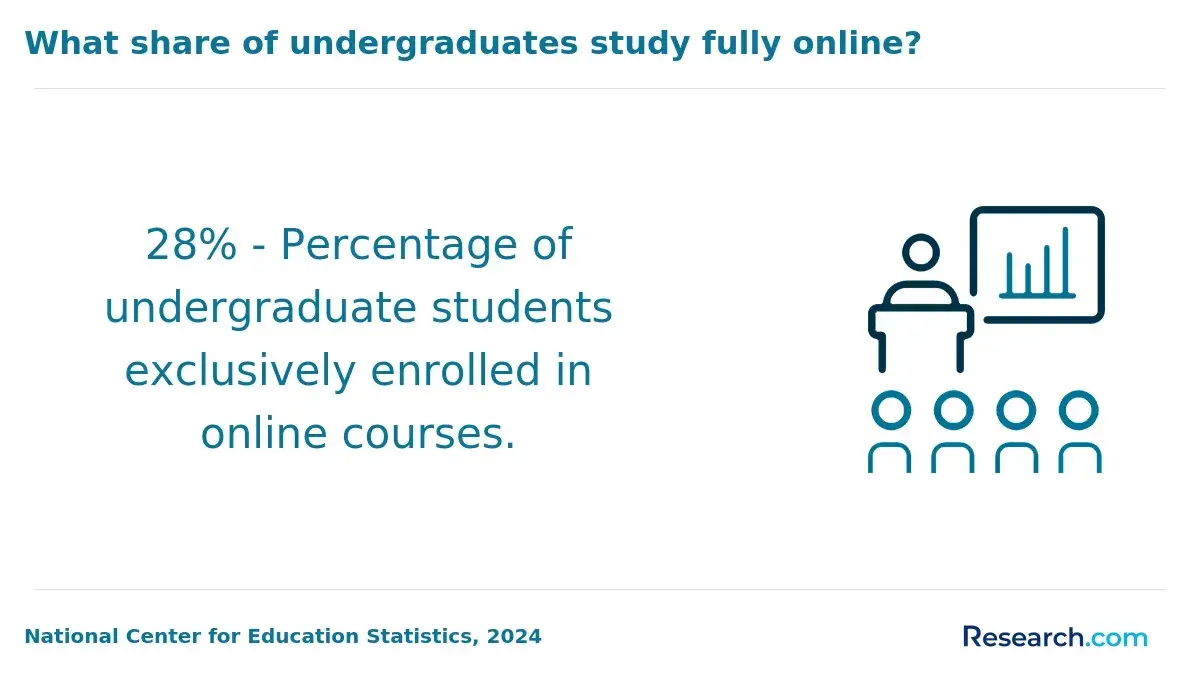
The delivery format of sports science degree programs can significantly impact ROI due to differences in cost, flexibility, and career outcomes. Online enrollment in higher education was growing by over 10% annually before the pandemic, indicating rising acceptance of online options among students.
For those comparing the online versus on-campus sports science degree ROI, these factors play a vital role in choosing the best path for their circumstances. Key aspects to consider include:
- Tuition and fees: Generally lower for online programs, which can reduce upfront expenses and improve financial ROI.
- Opportunity cost: Online formats often offer flexible scheduling, allowing students to work or manage other commitments, decreasing lost income during studies.
- Networking and career services: On-campus programs tend to provide stronger in-person networking opportunities and access to career services, which may enhance job placement and long-term earning potential.
- Employer perception: Varies across industries; some sectors still prefer traditional on-campus degrees for their hands-on experience and perceived rigor, though this is evolving.
- Time to completion: Online programs can be completed more quickly, enabling faster entry or reentry into the workforce, which affects overall ROI positively.
For students interested in flexible advanced education options, including online DNP programs without dissertation, understanding these ROI factors can guide better decisions. Evaluating the comparative ROI of sports science programs requires balancing upfront costs, time investment, and career outcomes to find the best fit for individual goals and resources.
What Is the Average Salary After Earning a Sports Science Degree?
Post-graduation salary is a key driver of ROI for sports science degrees because it directly affects how quickly graduates can recoup tuition costs and other expenses. Typically, the average salary for sports science graduates ranges from $40,000 to $65,000 annually in the United States. This variation in salary prospects influences the overall financial benefits and career stability that the degree can offer.
Several factors impact the average salary outcomes for sports science graduates and thus their ROI:
- Industry: Graduates employed in healthcare or research sectors generally earn higher salaries compared to those in fitness training or community coaching, where pay tends to be lower.
- Geographic location: Metropolitan areas with high demand for sports science professionals typically offer better compensation, enhancing ROI prospects.
- Prior experience: Internships and relevant work history can boost starting salaries, allowing faster recovery of educational investments.
- Specialization: Skills in areas such as sports rehabilitation or biomechanics often command premium pay due to specialized expertise.
- Career level: Progressing to managerial or senior roles significantly increases earning potential over time, which improves long-term ROI.
Assessing these factors is crucial for those evaluating sports science degree salary prospects to ensure that their investment aligns with realistic financial outcomes. For individuals comparing educational options, considering pathways like nursing schools that are easy to get into may also provide insights into varied ROI landscapes in health-related professions.
Does a Sports Science Degree Lead to Promotions?
Promotions contribute significantly to the ROI of earning a sports science degree by leading to salary increases, expanded job responsibilities, and enhanced career mobility. In today's job market, there is a growing trend toward credential-based promotions, where employers increasingly value formal qualifications alongside practical experience when assessing candidates for advancement.
Several key factors illustrate how a sports science degree influences promotion opportunities and overall ROI:
- Credential requirements: Many supervisory or specialized roles in sports science-related fields mandate a minimum educational qualification. Holding a degree ensures eligibility for these positions, opening doors for career advancement.
- Leadership preparation: Sports science programs often develop critical thinking and leadership skills necessary for managerial roles, making graduates well equipped to take on greater responsibilities.
- Tuition support: Employees with a sports science degree may be more likely to access employer tuition reimbursement or professional development benefits, reducing the personal cost of further education.
- Internal promotion policies: Organizations often prioritize candidates who possess formal degrees when considering promotions, aligning with human resources strategies that favor degree holders.
- Experience synergy: Combining a sports science degree with hands-on experience enhances long-term career mobility, speeding up advancement timelines.
For those comparing educational investments, understanding how a sports science degree career advancement aligns with employer expectations is critical. Additionally, professionals exploring various educational pathways might also consider nursing programs online as alternative or complementary options to boost their healthcare or sports-related career trajectories.
Which Industries Offer the Best ROI for Sports Science Graduates?
The return on investment for graduates with a sports science degree varies notably across industries due to differences in salary levels, career progression opportunities, and demand for specialized skills. These factors influence how effectively graduates can leverage their qualifications to achieve strong financial and professional outcomes.
Several industries consistently offer some of the best career paths with sports science degree ROI. These sectors combine competitive compensation, job stability, and clear growth potential.
- Healthcare and Rehabilitation: This industry maintains a steady need for professionals skilled in exercise science principles applied to injury prevention and recovery. It offers stable employment with competitive salaries and ample opportunities for advancement, driving a robust ROI for graduates.
- Professional Sports and Athletics: Though highly competitive, this field rewards expertise in performance enhancement and training with higher compensation and valuable skill application, leading to substantial ROI for those who establish themselves.
- Fitness and Wellness Industry: Increasing public focus on health fuels demand for qualified specialists. This growth sector provides multiple avenues for career progression and respectable earnings that support strong ROI.
- Research and Academia: While initial pay may be modest, career paths here offer long-term job stability and influence over new knowledge and practices, appealing to those seeking sustainable, impactful careers despite slower early financial gains.
- Corporate Wellness and Occupational Health: Rising corporate investment in employee wellness creates new roles where sports science expertise enhances productivity and health, often paired with competitive compensation and promotion potential.
For prospective students weighing these options, understanding the top industries for sports science graduates ROI is essential. Comparing these sectors' financial and professional benefits against educational costs helps maximize career value. For those considering advanced degrees that complement sports science skills, exploring related fields such as the cheapest DNP programs may provide additional ROI advantages.
Does Accreditation Affect ROI for a Sports Science Degree?
Accreditation in sports science degree programs signifies formal validation that the curriculum meets established standards of quality set by recognized educational or professional organizations. This recognition is important because employers increasingly seek graduates from accredited programs, viewing them as better prepared for the demands of the field.
Additionally, accreditation often determines whether graduates qualify for professional licensure or certifications, which remain essential for many specialized sports science careers. Such factors directly impact the value and ROI of pursuing this degree.
The long-term ROI of a sports science degree is enhanced by accreditation through multiple avenues. Accredited programs provide students access to federal financial aid and scholarships, helping reduce educational costs. Credits earned from these programs are also more likely to be transferable, supporting further education or flexibility in career path changes.
Furthermore, the trust employers place in accreditation can open doors to better job opportunities and career advancement, while eligibility for licensure linked to accreditation safeguards professional credibility and mobility.
Is a Sports Science Degree Worth It?
Calculating the return on investment for a sports science degree involves considering tuition fees, duration of study, anticipated earnings, and career growth opportunities. The program typically requires three to four years of study and can cost upwards of several tens of thousands of dollars, depending on enrollment status and school choice.
Graduates often begin with salaries near $40,000 annually, with potential increases as experience accumulates or certifications are earned. While the field sees consistent employment demand tied to health and fitness trends, it generally does not rank among the top-paying degree areas.
The value of a sports science degree depends largely on individual circumstances and market factors. Stable yet competitive demand means careful planning is essential. Flexible or accelerated programs can reduce both time and financial investment, improving returns.
Access to scholarships or financial aid further enhances affordability. Ultimately, those with clear career goals in coaching, therapy, or research may find the degree more advantageous, while immediate high-income seekers might find the investment less rewarding without strategic career development.
What Graduates Say About The ROI of Their Sports Science Degree
- Cassie: "Choosing to pursue a sports science degree through a traditional program felt like a solid investment despite the average cost of around $30,000 per year. The hands-on experience and networking opportunities were invaluable, and now, as a strength and conditioning coach, I see the clear payoff in my career growth and salary potential. For me, the cost was absolutely worth it. "
- Tricia: "As an online student, I carefully weighed the cost of a sports science degree, which can average $15,000 to $20,000 online, against the flexible learning schedule. Reflecting back, this flexibility allowed me to work simultaneously, minimizing debt while gaining essential knowledge. The degree has significantly boosted my credibility in sports rehabilitation, confirming that the ROI was more than just financial. "
- ALine: "Balancing life and studies as a part-time sports science student was challenging but rewarding, especially considering the total investment of approximately $25,000 spread over several years. Professionally, completing this degree has opened doors to advanced roles in sports analytics and coaching that I wouldn't have been eligible for otherwise. Looking back, the long-term benefits clearly justify the costs and effort. "
Other Things You Should Know About Sports Science Degrees
In 2027, work experience is crucial for maximizing the ROI of a sports science degree. Practical experience increases job opportunities and salary potential, making graduates more attractive to employers. This, in turn, quickens recovery of educational investment through higher-paying roles in a competitive job market.
Location impacts ROI through job availability and salary levels. Urban areas and regions with a strong sports industry often offer more diverse and higher-paying roles for sports science graduates. Conversely, rural areas may have fewer opportunities, potentially limiting income and career growth in this field.
References
- 25 Best Return On Investment Degrees in Sports Management (Bachelor's) 2021 - Sports Management Degree Guide https://www.sports-management-degrees.com/best-bachelors-roi/
- Discover Sport and Exercise Science as an Interesting and Diverse Career Path https://blog.portobelloinstitute.com/discover-sport-and-exercise-science-as-an-interesting-and-diverse-career-path
- Accredited Sports Scientist Salary Guide https://www.essa.org.au/Web/Web/Resources/Tools-and-templates/ASpS-salary-guide.aspx
- Six reasons to study Sports Science https://www.thecompleteuniversityguide.co.uk/student-advice/what-to-study/six-reasons-to-study-sports-science
- Measuring University ROI with Analytics https://www.dimins.com/blog/2025/04/17/university-roi-analytics/
- What opportunities can a degree in sport science, exercise, and health offer? https://www.uwa.edu.au/seek-wisdom/seekers-space/courses-and-careers/health-and-biomedical-sciences/2024/06/What-opportunities-can-a-degree-in-sport-science-exercise-and-health-offer
- What can I do with a degree in Sport? https://student.kent.ac.uk/careers/career-planning/what-can-i-do-with-a-degree-in/sport-and-exercise-science
- Sports Science Program Tuition and Costs | Pitt SHRS https://www.shrs.pitt.edu/academics/smn/msss/cost/
- Is a Sport and Exercise Science degree worth it? https://www.salford.ac.uk/school-health-society/is-a-sport-and-exercise-science-degree-worth-it


