
2027 How to Compare Sports Science Degree Programs Effectively

Co-Founder and Chief Data Scientist
Choosing the right sports science degree program can be overwhelming due to varying curricula, faculty expertise, and internship opportunities. Many students struggle to find programs that balance academic rigor with practical experience tailored to sports performance or rehabilitation.
According to the National Center for Education Statistics, enrollment in sports science-related programs grew by 12% over the past five years, signaling increased competition among institutions. This article will guide prospective students through key factors-such as specialization tracks, accreditation, and career support-to effectively compare programs and select one that aligns with their goals and resources.
Key Benefits of Comparing Sports Science Degree Programs Effectively
- Check program accreditation and faculty expertise to ensure quality education and industry recognition, which significantly impact graduate employability in the competitive sports science job market.
- Evaluate curriculum content for specialization alignment, such as exercise physiology or biomechanics, matching your career goals with current industry demands and emerging research.
- Consider total costs against potential return on investment by reviewing tuition, financial aid, and alumni employment rates to maximize long-term career benefits in sports science.
What Types of Accreditation Should a Sports Science Degree Program Have?
Accreditation helps prospective students compare the quality, credibility, and long-term value of different sports science degree programs by confirming that they meet established academic and professional standards. Research finds that approximately 78% of employers prefer candidates from accredited institutions, emphasizing how proper accreditation boosts career opportunities.
Below are the key types of accreditation to consider when evaluating programs.
- Regional Accreditation: This is the most widely recognized form of institutional accreditation in the U.S., assessing the entire college or university. It is vital for credit transfer and federal financial aid eligibility, ensuring the degree's general acceptance. Regional accreditation is essential for students prioritizing transferability and financial support.
- Programmatic Accreditation: Specialized sports science program accreditation standards focus specifically on sports science, kinesiology, or related health disciplines. This type of accreditation verifies that the curriculum aligns with industry and academic expectations, boosting graduate employability and professional licensing eligibility.
- National Accreditation: National bodies may accredit career-focused or technical sports science programs. While less prominent than regional accreditation for credit portability, national accreditation can be suitable for students seeking a specialized or fast-track education, though employer recognition may vary.
For professionals pursuing career changes or scheduling flexibility, choosing a program with proper accreditations ensures education fits licensure needs and employer expectations. Those interested in flexible learning options may explore RN to BSN online no clinicals programs as an example of accredited pathways designed for working adults seeking career advancement.
What Specializations Are Offered in Sports Science Degree Programs?
Specializations within sports science degree programs allow prospective students to compare academic offerings by aligning them with specific career goals and interests. Approximately 30% of sports science graduates pursue careers in areas like exercise physiology or biomechanics, reflecting strong employer demand.
Below are common concentrations in sports science programs that can guide your decision.
- Exercise Physiology: Focuses on how the body responds to physical activity, building skills in health assessment and rehabilitation. Graduates often find careers in clinical settings or fitness facilities.
- Biomechanics: Concentrates on the mechanics of movement, training students in motion analysis and injury prevention techniques. This specialization supports roles in sports technology and therapeutic fields.
- Sports Nutrition: Explores the dietary needs of athletes and active individuals, preparing students for careers in dietetics, wellness coaching, and performance optimization.
- Sports Psychology: Studies mental and emotional factors impacting athletic performance, equipping graduates to work in counseling and mental health support within sports organizations.
These sports science degree specializations help students efficiently match programs with their desired career paths, ensuring a confident transition into the workforce. For those interested in expanding their education, resources like the easiest online DNP programs provide options for advanced studies in related health fields.
How Can You Compare Courses Across Sports Science Degree Programs?
Comparing courses across sports science degree programs helps prospective students evaluate program rigor, skill development, and how well the curriculum aligns with their career goals. Programs with strong course structures often report completion rates above 85%, indicating both academic support and curriculum relevance.
To guide your evaluation, consider the following key criteria for comparing sports science degree courses.
- Course Descriptions: Detailed syllabi reveal the depth and specific focus areas, allowing you to gauge how thoroughly critical topics like physiology, biomechanics, and nutrition are covered.
- Credit Hours and Workload: Understanding the time commitment for each course helps measure program intensity and assists in managing your schedule alongside personal responsibilities.
- Skill Application: Look for courses that incorporate labs, internships, or practical projects. These elements are essential for developing hands-on experience and preparing for professional roles.
- Career Alignment: Assess how well courses prepare students for distinct roles such as athletic training or sports therapy to ensure the program matches your long-term job objectives.
- Course Progression: Reviewing prerequisites and the sequence of courses reveals how foundational and advanced knowledge is structured, reflecting the program's educational coherence.
For students balancing education with budget concerns, exploring lower-cost alternatives can be beneficial. For example, programs like the low cost medical coding and billing online program illustrate how affordability and quality can coexist in online education options.
What Scheduling Options Are Available in Sports Science Degree Programs?
Flexible scheduling plays a crucial role for students evaluating sports science degree programs, especially for those balancing education with work or personal commitments. Different formats accommodate varied lifestyles and learning preferences.
Here are common scheduling options available:
- Daytime In-Person: Traditional daytime classes are designed for students who can attend campus full-time. This format offers direct interaction with instructors and peers, which some students find essential for hands-on learning and immediate feedback.
- Evening and Weekend: Courses during evenings and weekends cater to individuals working standard hours or managing other daytime responsibilities. This option allows continued income and life balance while pursuing a degree.
- Fully Online: Entirely online programs enable students to study remotely without needing to visit campus. This flexibility is ideal for those living far away or requiring a self-paced approach to manage other obligations alongside their education.
- Hybrid Programs: Combining virtual lectures with occasional on-site sessions, hybrid formats offer a blend of convenience and face-to-face engagement. They suit students seeking flexibility but also desiring some in-person experiences and networking opportunities.
What Are the Pros and Cons of Online vs Campus-Based Sports Science Degrees?
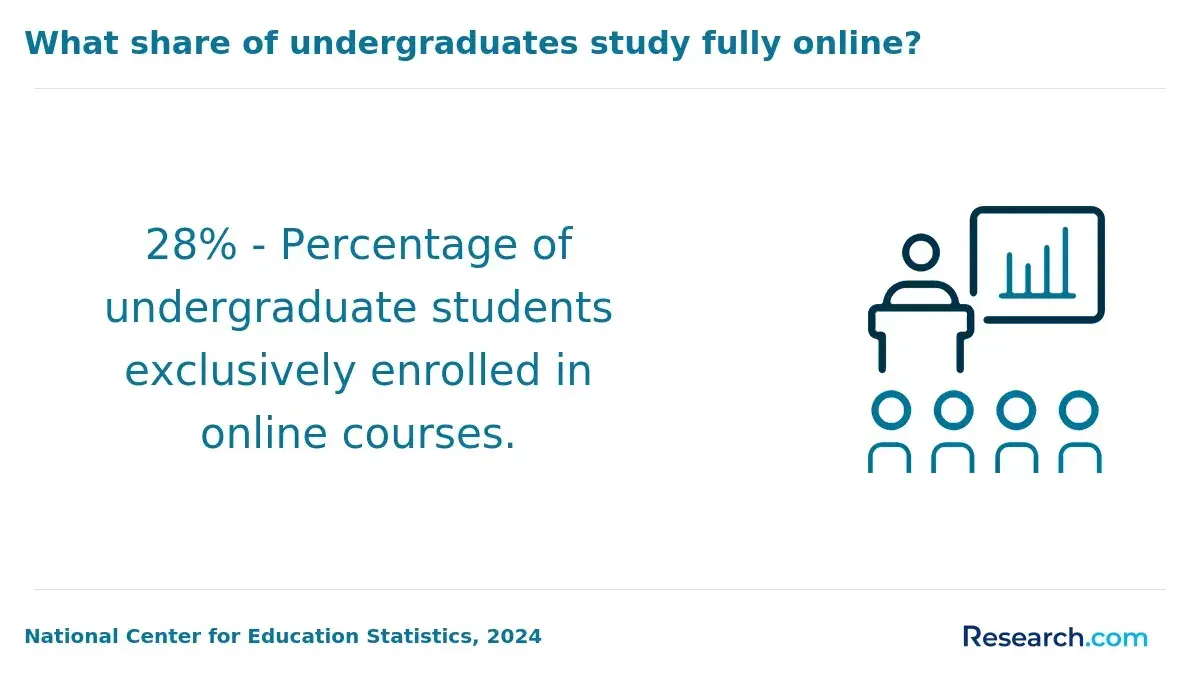
Choosing between online and campus-based sports science degree programs can significantly influence a student's academic and professional journey. With about 37% of U.S. college students participating in at least one online course, understanding the distinct benefits and drawbacks of each format is essential before enrollment.
Here is a detailed comparison to help guide that decision.
Online Sports Science Degrees
- Flexible Scheduling: Students can study at their own pace and from any location, making it easier to balance education with work and personal responsibilities.
- Cost Efficiency: Reduced expenses on commuting, housing, and campus fees often make online programs more affordable.
- Digital Resources: Access to recorded lectures and online materials supports self-directed learning but requires strong self-motivation.
- Limited Practical Experience: The hands-on component essential for sports science is harder to replicate remotely, potentially impacting skill development.
- Networking Challenges: Fewer in-person interactions can limit mentorship opportunities and peer connections.
Campus-Based Sports Science Degrees
- Hands-On Training: Access to specialized laboratories and equipment enhances practical skills crucial for careers in the field.
- Direct Interaction: Face-to-face engagement with instructors and classmates fosters meaningful professional networks.
- Structured Learning Environment: The routine and discipline required on campus can encourage deeper involvement and focus.
- Scheduling Constraints: Fixed class times and in-person attendance reduce flexibility, which may not suit all lifestyles.
- Higher Costs: Additional fees for housing, transportation, and campus amenities increase the overall expense.
When I asked a graduate who completed his sports science degree online about his experience comparing these options, he emphasized how daunting the process was. "I weighed the convenience of studying from home against the worry of missing out on hands-on labs and personal connections.
The biggest challenge was staying disciplined without the campus environment pushing me." He explained how researching curriculum details and reaching out to alumni helped him find a program that balanced flexibility with adequate support, saying, "It wasn't just about the price or schedule but feeling confident that I'd gain relevant skills for my career."
How Do GPA Requirements Vary Among Sports Science Degree Programs?
GPA thresholds are a key factor for applicants comparing sports science degree programs because they influence admission chances and program competitiveness. The following points outline common differences in GPA policies among these programs.
- Minimum GPA Requirements: Many programs require a baseline GPA, often near 3.0 on a 4.0 scale, to ensure students have the academic ability to succeed. However, the exact cutoff varies, reflecting each program's selectivity and standards.
- Flexible Admissions: Some schools offer conditional acceptance or consider candidates with GPAs below the threshold if they demonstrate strengths in other areas, such as relevant experience or strong recommendations, providing a pathway for nontraditional applicants.
- Holistic Evaluations: Increasingly, programs assess the entire applicant profile beyond GPA alone. This includes personal essays, leadership roles, volunteer service, and practical skills relevant to sports science, which can help balance out lower academic averages.
- Policy Variability: GPA policies differ widely, with some programs emphasizing strict academic criteria while others prioritize broader achievements. Understanding these nuances helps prospective students target programs that align with their qualifications and application strategy.
How Can You Compare Tuition Across Sports Science Degree Programs?
Comparing tuition is a vital step for students seeking sports science degrees to effectively plan their finances. In 2023, the National Center for Education Statistics reported the average annual undergraduate tuition and fees at public institutions was around $10,740.
To evaluate costs clearly, consider these important factors:
- Total Program Cost: Look beyond the sticker price and consider the full cost of completing the degree, which may include varying credit requirements and extended timelines that affect overall expense.
- Cost Per Credit: Assessing tuition on a per-credit basis helps compare programs fairly, especially when credit loads differ, revealing true affordability across institutions.
- Additional Fees: Be aware that lab, technology, and activity fees can significantly increase costs and vary widely between schools, impacting your final budget.
- Financial Aid Options: Scholarships, grants, and work-study programs reduce out-of-pocket expenses and differ in availability and competitiveness depending on the institution.
- Employer Tuition Benefits: For working students, some employers offer tuition assistance that can offset costs, making certain programs more accessible based on these partnerships.
- Long-Term Value: Consider how tuition compares with program quality and career outcomes since a lower tuition may not guarantee a better return on investment in sports science careers.
When I spoke with a graduate who completed a sports science degree, she shared how challenging it was to navigate these cost comparisons. "I started by focusing solely on tuition but quickly realized hidden fees and credit differences mattered a lot," she explained.
"I also had to weigh the benefit of financial aid packages, which were a game-changer." Reflecting on her decision-making process, she said, "Ultimately, understanding the entire financial picture helped me commit confidently to a program that fit my goals and budget."
Her experience shows that thorough research and attention to detail in tuition comparison can make a meaningful difference in a student's journey.
Does a Sports Science Degree Meet Licensure Requirements?
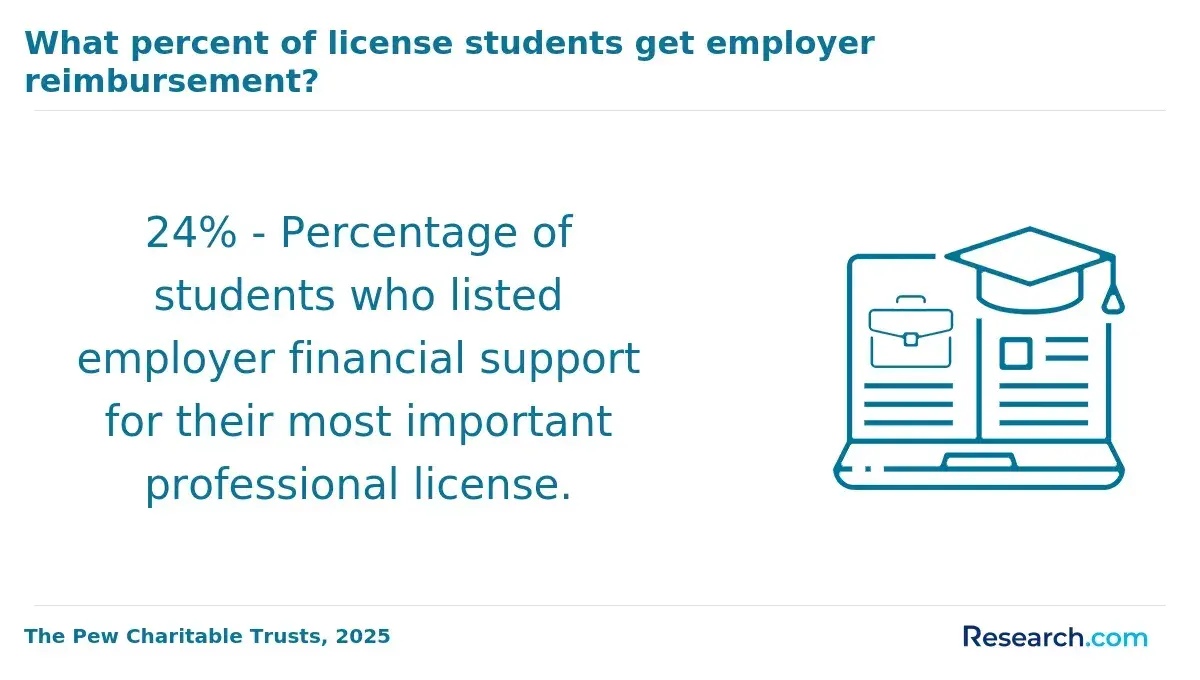
Aligning a sports science degree with licensure requirements is vital for students targeting regulated careers or considering career shifts. Nearly 20% of U.S. jobs require a professional license, highlighting the need to verify whether a program supports licensure pathways.
Key aspects to compare include the following:
- Curriculum Alignment: The program's coursework should correspond with the educational criteria set by national certification or licensure bodies to minimize additional training.
- Accreditation Standards: Institutional accreditation recognized by relevant professional organizations ensures the degree meets industry benchmarks and eligibility for licensure.
- State-Specific Requirements: Licensure varies by state and profession, so students must review how each program addresses local legal and regulatory prerequisites.
- Supervised Clinical Experience: Availability of mandated practical or clinical training within the program is essential to fulfill hands-on experience requirements for licensure.
- Exam Eligibility: Graduates should qualify to sit for state or national certification exams directly after completing their degree, avoiding delays in career progression.
Given these variables, students are encouraged to consult state licensing boards and program advisors carefully to ensure their chosen sports science degree adequately prepares them for licensure and successful entry into their target profession.
Which Sports Science Programs Have the Best Career Placement Rates?
Career placement rates are essential when evaluating sports science degree programs, as they reveal how well these programs prepare graduates for employment. Studies indicate that about 85% of graduates from top sports science degree programs for career placement secure relevant jobs within six months, underscoring the importance of this measure for prospective students.
Key factors to consider when assessing these outcomes include the following:
- Employer Partnerships: Strong relationships between programs and industry professionals often lead to better job opportunities. Programs with established employer connections typically provide students with networking advantages that facilitate career entry.
- Internship Pipelines: Accessible and well-structured internship programs give students practical experience and improve their employability. These pipelines often serve as stepping stones to full-time employment in related fields.
- Alumni Outcomes: Tracking graduate employment rates and success stories helps students gauge how effectively a program supports its graduates. Sports science programs with highest graduate employment rates usually maintain transparent reporting on alumni career paths.
- Support Services: Robust career services, including resume critiques, interview preparation, and job placement assistance, significantly enhance placement rates. Prospective students should identify programs offering comprehensive support to increase their chances of employment after graduation.
Students interested in affordable options should also consider the cheapest online health science degree programs, which may provide competitive career outcomes with flexible scheduling and budgeting benefits.
How Do Salaries Compare Across Sports Science Degree Program Graduates?
Post-graduation salary outcomes are a key metric for prospective students comparing sports science degree programs, as they reflect industry demand and practical skill value. Average earnings for these graduates in the U.S. typically range from $40,000 to $70,000 annually.
Below are some important salary distinctions based on role, industry, location, and experience level.
- Entry-Level Roles: Approximately $40,000-$50,000 annually, often seen in positions like exercise physiologists or athletic trainers. These roles generally represent the starting salary range for recent graduates.
- Mid-Career Professionals: Around $55,000-$70,000 annually, reflecting salary growth after gaining several years of experience and potentially moving into specialized fields.
- High-Demand Industries: Up to $75,000 or more, especially in sports medicine or strength and conditioning coaching. These sectors tend to offer the highest compensation due to their specialized nature and critical importance in athlete performance and health.
- Regional Variations: Graduates working in metropolitan areas with larger sports and healthcare industries typically see higher salaries compared to rural locations. This regional disparity impacts the sports science graduate salary comparison by region significantly.
- Experience Impact: Salaries can increase by 20-30% for professionals with five or more years of experience, demonstrating the value of expertise in advancing career and earnings.
Understanding these salary dynamics helps students align expectations with career goals. For those balancing budget and scheduling, exploring affordable degree options remains important. Students may consider programs such as the cheapest RN to BSN online as a reference for similar cost-effective pathways in health sciences.
What Graduates Say About Comparing Sports Science Degree Programs Effectively
- Summer: "Before deciding on a sports science degree, I compared several programs, but cost was a significant factor for me since the average attendance fees could be overwhelming. Choosing an affordable program allowed me to graduate without excessive debt, and I've since found my passion as a performance coach, where the knowledge I gained is invaluable. I'm genuinely thrilled with how this degree laid the foundation for my career. "
- Maria: "I took a long, reflective look at different degree options, weighing the benefits against the cost. Sports science programs generally hover around a sizeable investment, but selecting one that balanced quality and affordability made it all manageable. Completing the degree enhanced my credentials and gave me a strong edge in sports rehabilitation, opening doors I hadn't imagined. "
- Nicole: "From a professional standpoint, it was crucial to find a sports science degree that offered practical skills without breaking the bank, since tuition fees can be steep. The program I chose provided exactly that, and finishing it gave me credibility and confidence when stepping into roles within sports administration and research. Investing in this degree really paid off in my career development. "
Other Things You Should Know About Sports Science Degrees
Faculty qualifications can significantly impact the quality of education in sports science programs. Look for instructors with advanced degrees in relevant fields, practical experience in sports or exercise science, and active involvement in research or professional organizations. Experienced faculty often provide deeper insights into current industry practices and emerging trends.
In 2027, an active alumni network can greatly enhance a sports science program by providing valuable industry connections, mentorship opportunities, and job placement assistance. A strong alumni network signifies robust post-graduate support and can offer insights into career paths and real-world applications of skills learned.
In 2027, evaluating internship opportunities in sports science degree programs is critical. Quality internships offer hands-on experience and networking, enhancing job readiness and industry connections. Compare programs by assessing the diversity of placements and partnerships with sports organizations, reflecting their commitment to preparing students for practical challenges.
References
- Find an Accredited Program https://caate.net/Search-for-Accredited-Programs
- NCAA GPA Requirements and Calculating Core Course GPA https://www.ncsasports.org/ncaa-eligibility-center/gpa-requirements
- Kinesiology and Exercise Science Graduate Program Tuition https://www.collegetuitioncompare.com/amp/graduate/kinesiology-and-exercise-science/
- Exercise Sciences https://www.caahep.org/committees-on-accreditation/exercise-science
- Application Information: https://essa.secure-platform.com/individual-accreditation/page/application-pathways/accredited-sports-scientist
- Sport and Exercise Sciences Programs https://www.barry.edu/en/academics/health-sciences/sport-and-exercise-sciences-programs
- Building Trust in Qualified Exercise Professionals: The Power of Alignment, Professional Competencies and Academic Accreditation https://acsm.org/building-trust-certified-pros/
- Matches for kinesiology/exercise science/health major, TO, 3.94 GPA? https://talk.collegeconfidential.com/t/matches-for-kinesiology-exercise-science-health-major-to-3-94-gpa/3595492
- Which States Require Licensure for Exercise Physiologists With a Master’s? https://exsci.cuchicago.edu/states-require-licensure-exercise-physiologists-masters/
- Strength & Conditioning Degree Accreditation | IUSCA https://www.iusca.org/degree-accreditation


