
2027 Highest-Paying Jobs with an Environmental Science Master's Degree

Co-Founder and Chief Data Scientist
Graduates with a master's degree in environmental science often face the challenge of choosing a career path that balances passion for sustainability with financial stability. With the average salary for environmental scientists and specialists in the U. S. projected to grow by 8% through 2032, many are eager to identify roles that offer the highest earnings potential. Navigating this complex job market requires insight into specialized fields and their compensation trends.
This article explores the highest-paying jobs available to holders of an environmental science master's degree, providing crucial data to help readers maximize their professional and financial outcomes.
Key Benefits of the Highest-Paying Jobs with a Environmental Science Master's Degree
- Pursuing the highest-paying environmental science master's degrees helps maximize immediate earning potential by targeting specialized roles averaging $90,000+ in starting salaries.
- Advanced credentials accelerate advancement to executive-level positions, with senior environmental managers earning more than 30% above median industry wages.
- Graduate degrees in environmental science ensure long-term financial stability, as demand for experts in sustainability and compliance grows by 8% annually.
What are the highest-paying jobs with an environmental science master's degree?
Earning a master's degree in environmental science significantly enhances access to senior-level positions that offer competitive salaries. Data from the U.S. Bureau of Labor Statistics shows that environmental scientists and specialists with advanced degrees often earn median annual wages exceeding $80,000, with top roles surpassing $100,000.
These roles require advanced expertise and leadership skills, making them highly sought after in the job market. Below are five of the highest-paying environmental science master's degree jobs in the United States.
- Environmental Engineer: Designs systems to reduce environmental hazards, blending technical expertise with regulatory compliance. They often lead multidisciplinary teams on complex projects, earning high salaries due to their crucial role in innovation and environmental safety.
- Environmental Manager: Oversees sustainability initiatives and environmental policies, influencing strategic decisions across organizations. Their leadership impacts compliance and operational efficiency, justifying significant compensation.
- Senior Environmental Consultant: Provides expert guidance on regulations and risk mitigation, managing complex client projects. Their recommendations directly shape business strategies and environmental impact.
- Wildlife Biologist: Leads research on ecosystems and species preservation, contributing to policy development with advanced ecological knowledge. Their work involves sophisticated data analysis and project leadership.
- Natural Resource Manager: Balances economic and environmental interests by managing land, water, and mineral resources sustainably. Their strategic oversight is vital for resource-dependent industries and commands high expertise.
Mid-career professionals seeking to maximize their return on investment should consider these top earning careers with a master's degree in environmental science. For further insight into academic pathways, explore the highest paying online degrees that align with these lucrative roles.
Which industries offer the highest salaries for environmental science master's graduates?
Salary potential for environmental science master's graduates often varies by industry due to factors such as market demand, company revenue scale, and operational complexity. Industry salary surveys indicate that professionals in certain sectors earn up to 30% more than the average for environmental science roles. These variations highlight the importance of targeting sectors with higher earning prospects. Below are some of the top-paying industries for environmental science master's degree holders.
- Energy and Utilities: This industry offers strong compensation as it requires managing environmental compliance and facilitating renewable energy transitions. The complexity of balancing regulatory standards with evolving sustainability goals drives demand for highly skilled experts.
- Oil and Gas: Due to the significant environmental risks and the costly remediation efforts involved, this sector pays well to environmental science graduates. Specialists in this field are essential for maintaining compliance and minimizing environmental impact in high-stakes operations.
- Consulting Firms: Firms focusing on environmental impact assessment and regulatory compliance require technical proficiency and client advisory skills. These demands contribute to above-average salaries as consultants help diverse clients navigate complex environmental regulations.
- Pharmaceutical and Chemical Manufacturing: Stringent safety regulations and sustainability initiatives in these manufacturing sectors drive the need for advanced environmental expertise, making these industries attractive for environmental science graduates seeking lucrative roles.
Environmental science master's degree graduates seeking the highest salaries by industry should carefully consider these sectors when planning their careers. Additionally, for those interested in exploring easy degrees to get online that complement environmental expertise, the easy degrees to get online may provide valuable options.
What is the starting salary with an environmental science master's degree?
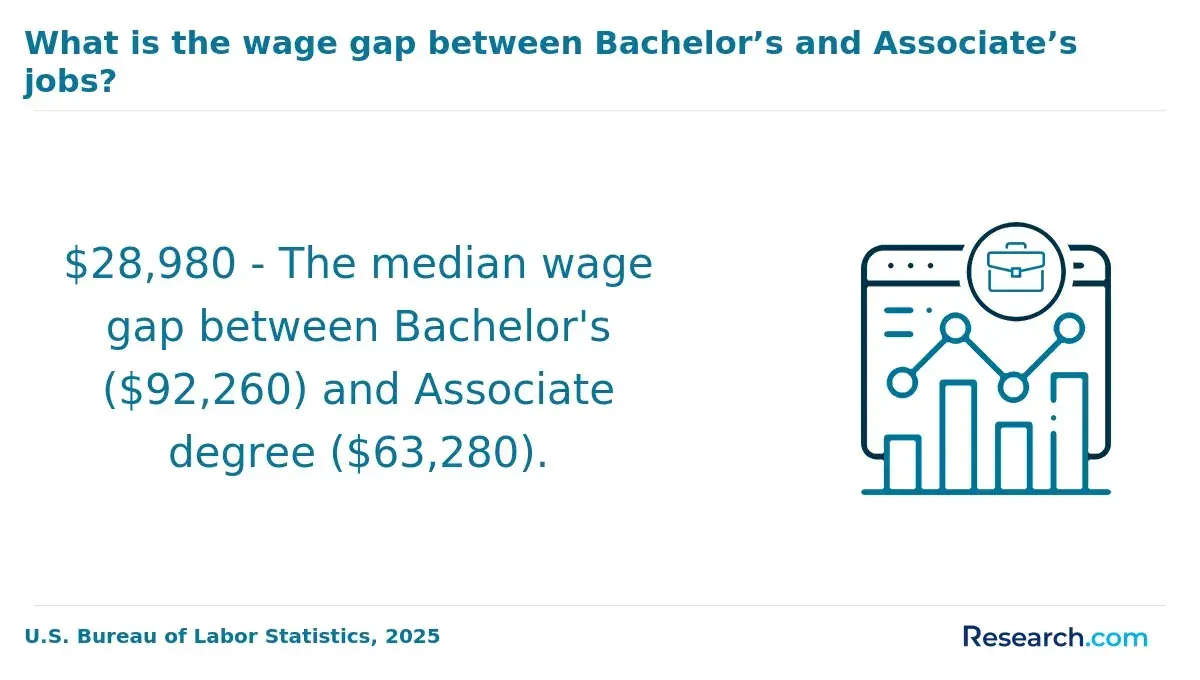
Starting salaries for environmental science master's graduates vary notably depending on the specific role, prior experience, and prevailing market demand. Entry-level pay typically ranges between $50,000 and $70,000 annually, with some surveys noting an average starting salary near $60,000. Several important factors impact the average entry-level pay for environmental science master's graduates, as outlined below.
- Job Role: Salary offers differ across positions such as environmental consulting, policy analysis, and compliance. Technical or specialized roles generally provide higher starting pay due to the skills required.
- Experience: Practical experience, including internships and relevant research, can significantly increase starting salary offers by showcasing applicable skills and work readiness.
- Market Demand: Shifts in regulatory environments and corporate sustainability priorities affect salary levels, with high demand for qualified professionals often boosting entry-level wages.
- Technical Skills: Competency in data analysis, GIS, and environmental modeling software enhances employability and can lead to more competitive salary proposals.
- Networking and Certifications: Active participation in professional organizations and obtaining certifications can distinguish graduates, making them more attractive to employers and influencing salary negotiations.
Mid-career professionals interested in improving compensation should focus on gaining relevant skills and building a robust professional network. For those exploring related educational options, researching affordable programs like a cheapest engineering degree may provide cost-effective pathways to strengthen credentials.
Which states pay the highest salaries for environmental science master's degree holders?
Compensation for environmental science master's graduates varies widely across the United States, influenced by factors such as cost of living, the demand for advanced skills, and how concentrated related industries are in each region. Recent figures suggest that salaries can differ by as much as 20% depending on the state.
These disparities typically reflect the strength of environmental consulting firms, government agencies, and natural resource sectors present locally. The following states stand out for offering some of the highest salary levels to professionals holding a master's in environmental science.
- California: The state's booming technology market, combined with strict environmental regulations, drives substantial demand for environmental experts. Strong environmental consulting and compliance roles contribute to above-average wages.
- Washington: Home to a robust clean energy industry and numerous government environmental positions, Washington rewards specialized skills with competitive pay packages.
- New York: The competitive labor market and a large number of environmental nonprofit organizations create opportunities for higher earnings in this state.
- Texas: Despite its oil and gas legacy, Texas increasingly values environmental oversight roles, resulting in growing salary potential tied to the energy sector.
- Colorado: Expanding sustainability ventures and a thriving outdoor recreation economy elevate demand for environmental science expertise, driving wages upward.
When discussing which states offer the best compensation, I spoke with a graduate of an environmental science master's program who navigated these regional differences firsthand. He noted, "Deciding where to pursue a career wasn't just about salary numbers; it was about weighing the lifestyle, local industry connections, and the kind of work I wanted to do."
He shared how relocating to a state with a strong clean technology sector shaped his job search and initial salary offers. "It was challenging figuring out the cost-of-living trade-offs versus salary bumps, especially moving from a lower-paying region. But ultimately, being where the demand and opportunities aligned with my skills made a huge difference." His experience underscores how nuanced these compensation variations can be for those entering the field.
Which environmental science master's specializations lead to the highest salaries?
Specialized master's programs in environmental science can significantly boost earning potential, with technical and regulatory expertise often attracting salary premiums up to 20% compared to general roles. This premium reflects employer demand for professionals adept at navigating complex regulations, leading projects, or applying innovative technologies. Below are some of the top-paying specializations in this field.
- Environmental Engineering: Graduates excel in designing sustainable systems and resolving contamination challenges through advanced technical methods. This specialization commands higher wages due to its critical role in infrastructure development and environmental remediation.
- Geographic Information Systems (GIS) and Remote Sensing: Experts in spatial data analysis support resource management and urban planning initiatives. Their ability to interpret complex geographic data makes them highly sought after in both public and private sectors.
- Environmental Policy and Management: Professionals skilled in regulatory frameworks are essential for ensuring organizational compliance and shaping governmental environmental programs. Their expertise in policy navigation often results in elevated compensation.
- Climate Change Science: Specialists model environmental impacts and develop adaptation strategies, addressing one of the most urgent global challenges. Employers value their insight for long-term planning and resilience building.
- Hazardous Waste Management: Handling stringent safety requirements, these specialists assess risks and manage industrial waste, often within governmental or industrial contexts. Their niche expertise typically leads to higher pay.
What skills can increase the salary of an environmental science master's degree graduate?
Possessing a master's degree in environmental science can open doors to higher earnings, but it is often specialized technical and leadership skills that truly drive salary growth. Research from the U.S. Bureau of Labor Statistics shows that professionals with expertise in advanced data analysis or project management frequently earn wages up to 20% above those without such skills.
Below are five critical competencies that can significantly boost the earning potential of environmental science master's graduates.
- Advanced Data Analytics: Mastery of data interpretation and modeling helps professionals handle complex environmental datasets effectively. This skill enhances decision-making accuracy, which is highly prized for roles involving environmental impact assessments and policy development.
- Project Management: Proficiency in coordinating budgets, timelines, and multidisciplinary teams enables graduates to lead large-scale initiatives. Employers reward these abilities as they help ensure projects meet objectives efficiently and on schedule.
- Regulatory Compliance: Knowledge of environmental laws and regulations protects organizations from legal risks and ensures smooth operations. Expertise in compliance is valued because it maintains an organization's reputation and avoids costly penalties.
- Technical Writing and Communication: The ability to clearly convey scientific findings and reports to varied audiences fosters stakeholder understanding and influences policy decisions. Strong communication skills often lead to higher-level consulting or advisory positions.
- Leadership and Team Coordination: Guiding teams and managing personnel showcases responsibility and decision-making skills that employers recognize with elevated compensation. Effective leaders also strengthen collaboration and project success.
When discussing which skills truly impact salary, a working professional currently enrolled in an environmental science master's program shared her perspective. She described balancing rigorous coursework with a full-time job while focusing on developing her project management expertise.
"It wasn't just about learning theory," she explained, "but applying it to real-world scenarios where coordinating people and deadlines made all the difference." She found that gaining hands-on experience in managing projects enhanced her confidence and marketability, reinforcing how practical leadership skills directly influence earning opportunities.
Is there a salary difference between online and on-campus environmental science master's graduates?
Many prospective master's students wonder if the delivery format of their environmental science degree-online or on-campus-has a significant impact on their salary after graduation. Research shows that master's degree holders typically enjoy an 18% wage premium over those with only a bachelor's degree. Despite this overall advantage, the question remains whether the mode of study influences compensation.
Evidence suggests that salary differences between online and on-campus environmental science graduates are minimal. Employer perception, once biased toward traditional campus degrees, is shifting as online programs from reputable institutions gain recognition. Factors such as institutional reputation, work experience, and access to networking opportunities tend to play a more important role in determining salaries than the format itself.
Hiring practices now prioritize demonstrated skills and relevant expertise over how a degree was earned. While on-campus students may have easier access to certain networking events, online learners often compensate through certifications and practical experience. As online education quality improves and gains acceptance, salary disparities between online and on-campus environmental science master's graduates continue to narrow significantly.
Are environmental science master's graduates more competitive for executive positions?
Many professionals pursue a master's degree in environmental science to strengthen their qualifications for senior leadership roles and improve their career prospects. This advanced education significantly contributes to the competitive advantages of environmental science master's graduates in executive roles. Several key factors illustrate how this degree enhances a graduate's readiness for leadership positions:
- Leadership Preparation: Graduate programs often emphasize leading multidisciplinary teams and navigating complex organizational challenges, which equips candidates with essential skills for managing diverse groups and projects effectively.
- Strategic Decision-Making: The curriculum fosters the ability to interpret environmental data within broader business and policy frameworks, empowering leaders to make informed, long-term decisions that support sustainable organizational goals.
- Organizational Impact Awareness: Graduates develop expertise in assessing how environmental initiatives affect various stakeholders, positioning them to guide sustainable practices that enhance a company's reputation and ensure regulatory compliance.
- Professional Credibility: Holding a master's degree in environmental science signals a strong commitment to the field, increasing trust and respect from colleagues, subordinates, and external partners-an important asset for persuasive leadership.
- Communication Skills: Programs frequently focus on teaching how to convey complex scientific information clearly and persuasively, a critical capability for executives who need to influence both technical teams and non-expert decision-makers.
These attributes directly support an environmental science master's degree impact on senior leadership career prospects by enhancing graduates' authority to shape organizational direction and boosting their potential for promotion within competitive industries. For professionals exploring ways to accelerate their advancement, reviewing options such as an associate degree in 6 months online can also provide strategic educational pathways that complement these competitive advantages of environmental science master's graduates in executive roles.
What is the ROI of an environmental science master's degree?
Return on investment (ROI) is a key consideration for prospective Environmental Science master's students evaluating tuition costs against long-term career benefits. Recent data indicates that individuals with a master's degree in environmental science typically earn around 20% more annually than those holding only a bachelor's degree, reflecting a significant financial advantage over time. Several factors influence the financial benefits of earning an Environmental Science master's degree, which are outlined below.
- Tuition Costs: The initial expense of graduate tuition can increase debt levels, potentially delaying positive ROI. However, scholarships, grants, and employer tuition support can considerably reduce these costs and improve overall financial outcomes.
- Salary Growth: Master's degree holders often gain access to higher-paying positions and accelerated salary increases compared to bachelor's degree graduates, enhancing their long-term earnings and career stability.
- Opportunity Cost: Full-time study requires sacrificing current income and work experience, but this investment often leads to stronger future earning potential that offsets early losses.
- Career Mobility: Obtaining a master's opens pathways to specialized roles and leadership opportunities across diverse sectors, increasing job flexibility and expanding income prospects.
- Networking Value and Job Stability: Graduate programs frequently offer valuable professional connections and recognized credentials, which boost job security and facilitate ongoing career advancement.
Mid-career professionals seeking to maximize their ROI may also explore interdisciplinary options like the best 2 year construction management degree online to supplement their expertise and enhance career versatility.
What is the job outlook for environmental science master's degree holders?
For prospective environmental science master's students assessing their future career prospects, examining job outlook data helps gauge stability and growth in the field. According to the U.S. Bureau of Labor Statistics, employment for environmental scientists and specialists is expected to increase by about 8% through 2032, outpacing the average growth rate across all occupations. Several critical factors shape these positive employment trends:
- Long-Term Demand Trends: Heightened awareness of climate change and sustainable resource use fuels ongoing demand for professionals with advanced environmental expertise, securing steady job opportunities.
- Evolving Skill Needs: Employers favor candidates skilled in interdisciplinary approaches, data analytics, GIS, and environmental modeling, driving greater requirements for technical and analytical capabilities.
- Technological Change: Advancements in environmental monitoring and remediation technologies introduce new specialized roles, increasing the need for highly trained graduates.
- Leadership Pipelines: Organizations often prioritize master's degree holders for leadership, policy development, and supervisory roles, enhancing career progression prospects.
- Economic Resilience: Environmental programs generally maintain funding even during economic downturns, providing relative insulation from market fluctuations and job instability.
What Graduates Say About the Highest-Paying Jobs with a Environmental Science Master's Degree
- Mordechai: "Choosing to pursue a master's degree in environmental science was one of the best decisions I've made. The program's focus on policy and sustainable development opened doors to high-paying roles in government agencies. Although the cost was significant, the return on investment became evident as my salary grew substantially within just a few years."
- Casen: "Looking back, the financial impact of earning a master's degree in environmental science exceeded my expectations. Initially, I was concerned about tuition fees, but landing a position in environmental consulting quickly offset those costs. The specialized knowledge I gained made me highly competitive for well-paid jobs that value both technical skill and environmental expertise."
- Walker: "Professionally, the master's program in environmental science equipped me with critical analytical skills essential for the private sector. Though the tuition was an upfront challenge, the degree's reputation helped me secure roles in renewable energy firms offering excellent compensation. I'm grateful for the pragmatic curriculum that aligned perfectly with industry demands."
Other Things You Should Know About Environmental Science Degrees
In 2027, the highest-paying jobs with a Master's in Environmental Science often require additional certifications or specializations, as well as strong analytical skills. Some roles may prefer candidates with a background in software, data analysis, or policy development to increase earning potential.
For top-paying positions in environmental science in 2027, candidates usually need at least 5-10 years of relevant experience. This experience can be in sustainability consulting, environmental management, or policy development, among other areas, and often includes leadership roles or specialized project work.
In 2027, one of the highest-paying jobs for someone with a Master's Degree in Environmental Science is an Environmental Manager. These professionals, often employed by large corporations, are responsible for developing, implementing, and overseeing environmental policies and compliance measures, commanding salaries that can exceed $100,000 annually depending on experience and location.
References
- Best Master’s Degrees for High-Paying Environmental Careers - Environmental Career https://environmentalcareer.info/best-masters-degrees-for-high-paying/
- Discover Salary and Career Outcomes With an Environmental Science Degree https://online.txst.edu/degrees/undergraduate/bachelor-geography-environmental-studies/career-paths-salary-guide/
- Learn How To Earn A Master's In Environmental Science Online https://www.learnhowtobecome.org/best-online-masters-in-environmental-science-degree-programs/
- Online Environmental Science Degrees: Compare Schools https://www.publicservicedegrees.org/online-degrees/environmental-science/
- How to Transition Into Executive Roles in Environmental Science | Enginuity Talent Group https://www.enginuityadvantage.com/how-to-transition-into-executive-roles-in-environmental-science/
- One moment, please... https://sustainablejobs.nl/what-are-the-10-best-paid-green-jobs/
- Top 7 Highest Paying Environmental Careers https://unity.edu/career-corner/top-7-highest-paying-environmental-careers/
- Top jobs with a masters in environment and sustainability https://www.surrey.ac.uk/news/top-jobs-masters-environment-and-sustainability
- ROI Graduate - FREOPP https://freopp.org/roi-in-higher-education/roi-graduate/


