
2027 How Fast Can You Get a Child Psychology Degree Online?

Co-Founder and Chief Data Scientist
If you are considering an online child psychology degree, the core question is not only whether you can study from home. It is whether the program can help you reach your next goal faster without weakening your preparation for graduate study, human services work, school-based roles, research support, or future clinical training.
Online child psychology programs can be useful for students who need flexibility, live far from suitable campus programs, or want to transfer previous credits into a degree-completion pathway. Some programs use accelerated terms, year-round scheduling, transfer-friendly policies, or competency-based formats to reduce the time to graduation. Others follow a more traditional pace even though the coursework is online.
This guide explains how long child psychology degrees usually take, what can shorten or extend your timeline, how accelerated online options compare with traditional programs, and what to check before enrolling. It also highlights an important reality: a faster degree can save time, but careers involving counseling, diagnosis, therapy, or independent psychological practice typically require graduate education, supervised experience, and licensure beyond a bachelor’s degree.
What are the benefits of pursuing a degree in Child Psychology online?
- Fast-track online Child Psychology degrees typically take 18 to 24 months, allowing quicker entry into growing fields like pediatric mental health, which expects 10% job growth by 2030.
- Online formats offer flexible scheduling, enabling students to balance coursework with work or family responsibilities without sacrificing educational quality or practical experience.
- Interactive virtual platforms promote engagement and personalized support, enhancing learning outcomes and retention for a diverse student demographic, including working professionals and parents.
How long does it typically take to earn a degree in Child Psychology?
The time required to earn a child psychology degree depends on the degree level, enrollment status, transfer credits, program calendar, and whether the program includes fieldwork, research, internship, or supervised practice requirements. Online delivery can make scheduling easier, but it does not automatically shorten the academic requirements.
Most online child psychology degree timelines fall into these ranges:
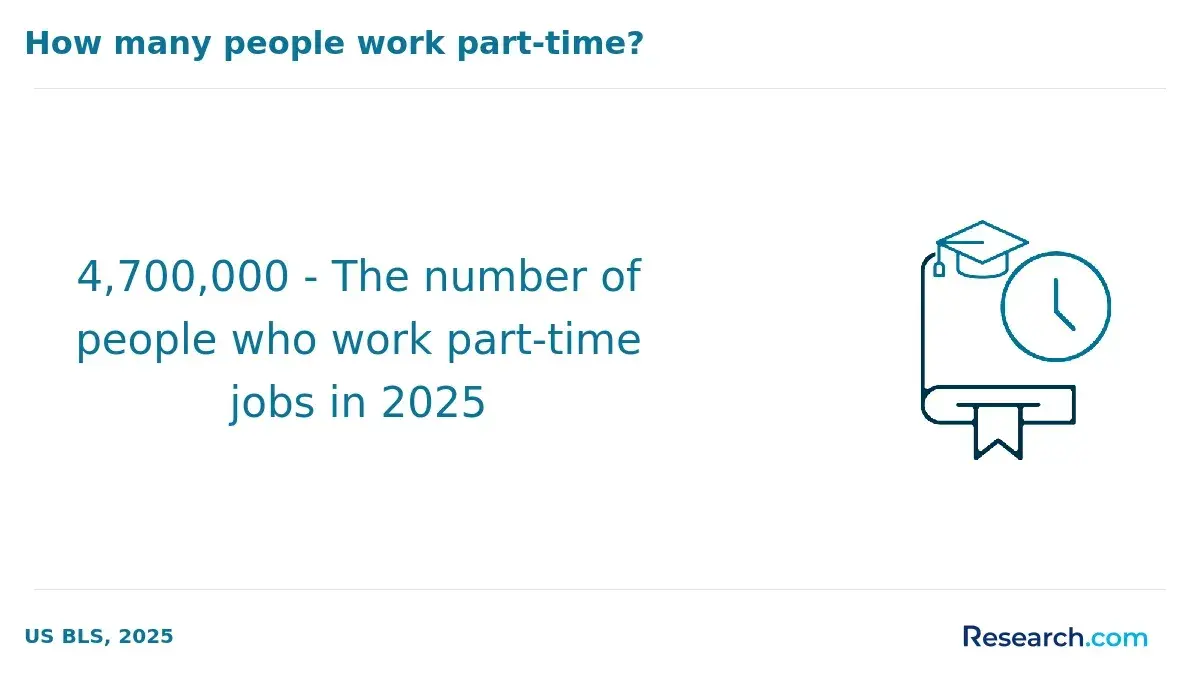
- Bachelor's degree: A bachelor’s program usually requires approximately 120 credit hours and is typically completed in four years of full-time study. Students who enter with transfer credits, take accelerated courses, or study year-round may finish sooner. Part-time students often take five or six years.
- Master's degree: A master’s program usually includes 30 to 36 credit hours. Full-time students commonly finish in 16 to 24 months, while part-time learners may take up to five years, especially if they are working full-time or completing field-based requirements.
- Doctoral degrees (PhD or PsyD): Doctoral study is a major long-term commitment. These programs can require six to seven years beyond a bachelor's degree and often include advanced coursework, research, clinical training, internships, and supervised professional experience.
At the bachelor’s level, the fastest route is usually a transfer-friendly online program with short terms and year-round course availability. At the graduate and doctoral levels, the timeline is harder to compress because professional preparation often depends on supervised experience, research milestones, and licensure-related training standards.
Are there accelerated Child Psychology online programs?
Yes. Some colleges offer accelerated or fast-track online programs related to child psychology, child and adolescent development, or child and family psychology. These programs typically shorten the calendar by using shorter academic terms, accepting eligible transfer credits, offering multiple start dates, or allowing students to take courses continuously throughout the year.
Examples of accelerated or flexible online options include:
- Eastern Kentucky University: Eastern Kentucky University offers a fully online BS in Child & Family Psychology with accelerated eight-week courses and no campus visits required. Coursework includes topics such as abnormal psychology and clinical psychology. The program is accredited by the Southern Association of Colleges and Schools Commission on Colleges.
- Southern New Hampshire University (SNHU): SNHU offers an online BA in Psychology focused on Child & Adolescent Development. The curriculum covers areas such as childhood disorders and educational psychology, and students may have internship or practicum opportunities. The university is accredited by the New England Commission of Higher Education.
- National University: National University offers an online Master of Science in Child and Adolescent Developmental Psychology that can be completed in about 18 months. The program covers developmental stages and psychopathology and includes an optional 100-hour internship. It is accredited by the WASC Senior College and University Commission.
When comparing accelerated programs, look beyond the advertised completion time. Confirm the number of credits required, how often courses are offered, whether you can realistically take the recommended course load, and whether fieldwork or internship options are available in your area. If you are still deciding whether child psychology is the right academic path, reviewing best college majors to get a job can help you compare this field with other career-focused degree options.
How do accelerated Child Psychology online programs compare with traditional ones?
Accelerated online child psychology programs and traditional programs can lead to similar academic outcomes when they are properly accredited and well designed. The main differences are pace, scheduling, workload distribution, and how much independence the student must bring to the program.
- Program length: Accelerated programs often compress coursework into shorter sessions, commonly 6 to 8 weeks. Some bachelor’s programs may be completed in as little as 18-36 months, especially when students enter with transfer credits. Traditional programs usually follow four-year timelines with 15-16 week semesters.
- Course structure: Accelerated online programs often use asynchronous lectures, digital assignments, discussion boards, frequent deadlines, and condensed modules. Traditional programs may include more scheduled class meetings, longer assignment windows, and more in-person interaction.
- Flexibility: Online accelerated formats can be easier for working adults because students may complete coursework around employment or family responsibilities. However, flexible does not mean easy; the deadlines can arrive quickly.
- Workload intensity: Accelerated courses cover comparable material in less time. Students should expect heavier weekly reading, writing, research, and discussion requirements than they would have in a longer semester format.
- Accreditation and outcomes: A legitimate accelerated program should meet the same institutional accreditation expectations as a traditional program. The speed of delivery should not reduce the quality of instruction, assessment, or academic support.
The better choice depends on your life situation. A traditional program may be a better fit if you need more time to absorb complex material, want regular campus interaction, or plan to participate heavily in research labs or student organizations. An accelerated online program may be stronger if you already have college experience, can study independently, and want to move quickly into graduate study or an entry-level support role. Students comparing graduate options may also want to review easiest masters programs to understand how workload, selectivity, and career goals differ by field.
Will competency-based online programs in Child Psychology affect completion time?
Competency-based education can shorten a child psychology degree timeline for some students because progress is based on demonstrated mastery rather than time spent in a standard semester. Instead of moving through every course at the same pace as a class cohort, students complete assessments that show they have learned the required concepts and skills.
This model tends to work best for disciplined students who already have relevant academic, professional, or volunteer experience. For example, a student with prior coursework in psychology, experience in youth services, or strong writing and research skills may move through some competencies faster than a student encountering the field for the first time.
Competency-based programs are not automatically faster for everyone. They require consistent self-management, careful attention to assessment requirements, and the ability to keep working without frequent live class meetings. In child psychology, students should also confirm whether the program includes enough developmental psychology, research methods, ethics, abnormal psychology, and applied learning to support their next step.
Before choosing a competency-based format, ask the school how tuition is charged, how many competencies students typically complete per term, whether financial aid rules differ from standard programs, and how graduate schools or employers typically evaluate the credential.
Can you work full-time while completing fast-track Child Psychology online programs?
Many students can work full-time while completing an accelerated online child psychology program, but the combination is demanding. The feasibility depends on your weekly work schedule, family responsibilities, course load, writing ability, and whether the program includes synchronous meetings, group projects, internships, or service-learning requirements.
Fast-track courses in child psychology often require concentrated study in areas such as child development, psychopathology, family systems, research methods, trauma-informed practice, and ethics. These subjects require more than memorization. Students must read carefully, write analytically, participate in discussions, and apply concepts to case examples or developmental scenarios.
Working full-time is most realistic when the program offers asynchronous coursework, clear weekly deadlines, multiple start dates, and predictable course sequencing. It becomes harder when students take multiple accelerated courses at once or when field experience must be completed during normal business hours.
- Choose a realistic course load: One accelerated course at a time may be manageable for many working adults; multiple courses can quickly become overwhelming.
- Check fieldwork expectations early: Internships, practicums, or service-learning placements may require daytime availability and background checks.
- Protect study time: Accelerated online programs reward consistency. Waiting until the weekend can be risky when assignments, readings, and discussions are due throughout the week.
- Talk with your employer: If you need schedule flexibility for exams, meetings, or fieldwork, it is better to clarify expectations before the term begins.
A fast-track program can work well for motivated students with stable schedules and strong support systems. If your job has unpredictable hours or high emotional demands, a part-time pace may lead to better learning and less burnout.
Can prior learning assessments (PLAs) shorten Child Psychology degree timelines?
Prior learning assessments can shorten an online child psychology degree when a college awards credit for college-level learning gained outside a traditional classroom. This may include credit-by-examination, portfolio assessment, military training evaluation, professional training, or other documented learning experiences.
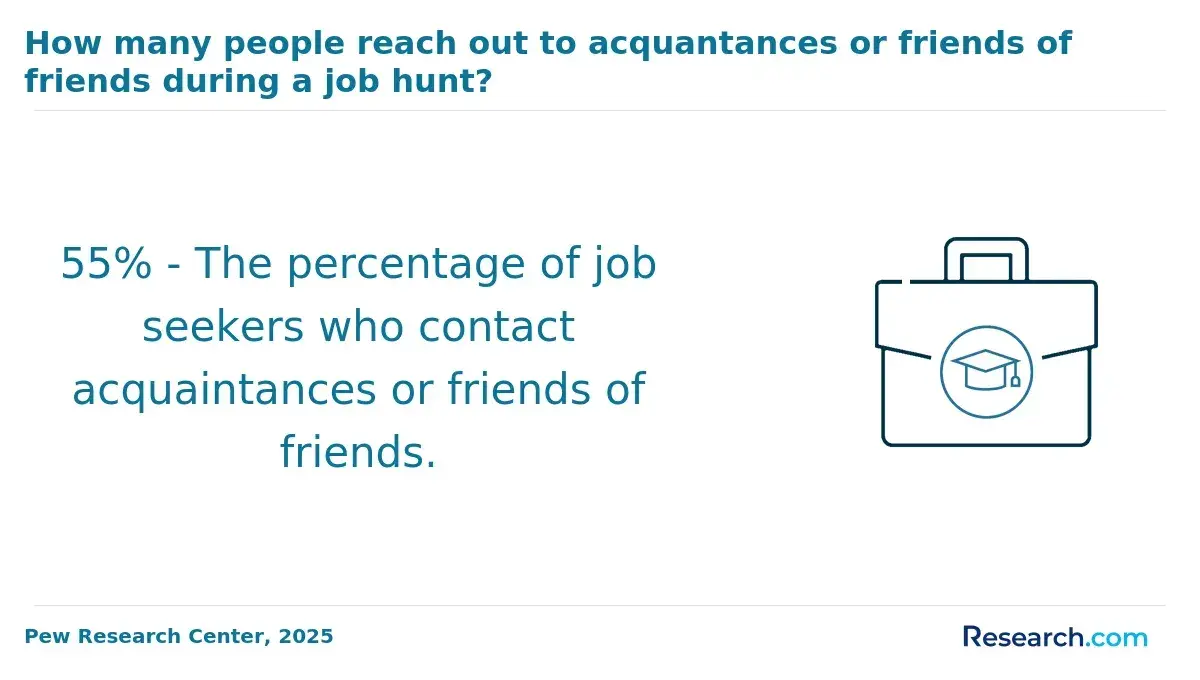
Common PLA routes include CLEP or DSST exams, portfolio reviews, and recognition of military training or service. Depending on institutional policy, students may receive between 30 and 60 credits. Some schools also require a minimum GPA, charge assessment or transcription fees, or limit how PLA credits can apply to the major.
PLA credit is most likely to apply to general education, electives, or broad introductory requirements. It may be less likely to replace upper-level child psychology courses, research methods, statistics, ethics, or courses tied to fieldwork expectations. That distinction matters: PLA can reduce total credits, but it may not eliminate the specialized courses that build preparation for graduate study or child-focused work.
Before relying on PLA to accelerate your timeline, request a written evaluation from the school. Ask which credits will apply to the degree, whether they count toward residency requirements, and whether they affect eligibility for honors, financial aid progress, or graduate admission prerequisites.
Can prior college credits help you get a degree in Child Psychology sooner?
Yes. Prior college credits are one of the most practical ways to finish an online child psychology degree sooner. Transfer credits can reduce or eliminate general education requirements, introductory electives, or lower-division psychology coursework, allowing students to move more quickly into major courses.
To transfer college credits effectively, take these steps before enrolling:
- Review transfer policies: Confirm whether the school accepts previous coursework, what grade is required, and whether a C or better is needed for transfer.
- Submit official transcripts: Send transcripts from every college attended so the admissions or registrar’s office can complete a formal evaluation.
- Consult academic advisors: Ask how each transferred course fits the degree plan, not just how many credits are accepted.
- Understand credit limits: Many accredited universities accept between 60-90 transfer credits for bachelor’s programs, but institutional caps vary.
- Check residency requirements: Some schools require students to complete a minimum number of credits through the degree-granting institution.
- Explore degree completion options: Programs designed for adult learners often have more transfer-friendly structures and clearer pathways to graduation.
The key is to separate “credits accepted” from “credits applied.” A school may accept many credits on your transcript but apply fewer of them toward the child psychology degree requirements. Always request a degree audit before committing. If you plan to continue into graduate education later, information on the cheapest online master degree options can also help you think ahead about cost and academic progression.
Can work or military experience count toward credits in a degree in Child Psychology?
Work or military experience may count toward an online child psychology degree, but it depends on the institution, the documentation provided, and how closely the experience matches college-level learning outcomes. Schools do not usually award credit simply for time spent in a job. They award credit when students can show measurable learning equivalent to specific courses or elective requirements.
Military training is often reviewed through evaluations such as those from the American Council on Education (ACE). Professional experience may be assessed through ACE recommendations, portfolio review, employer training records, certifications, job descriptions, supervisor letters, or credit-by-examination. In many cases, awarded credit applies to electives or general education rather than core child psychology courses.
Up to about 30 credits may be granted, although policies vary widely. Some programs may accept ACE recommendations; others may not. Some may allow credit for human services, education, childcare, behavioral health support, or youth program experience, while still requiring all major psychology coursework to be completed through the institution.
To maximize the chance of receiving credit, gather detailed documentation before applying. Ask the transfer credit office whether experience-based credit can apply to your degree plan, whether fees are required, and whether those credits will shorten your expected graduation date.
What criteria should you consider when choosing accelerated Child Psychology online programs?
The best accelerated online child psychology program is not necessarily the shortest one. It is the program that helps you meet your academic and career goals quickly while still providing credible training, transferable value, and enough support to finish.
Use the following criteria when comparing programs:
- Accreditation: Confirm that the institution is accredited by a recognized accreditor, such as the Higher Learning Commission or Southern Association of Colleges and Schools. Accreditation affects credit transfer, employer recognition, financial aid eligibility, and graduate school options.
- Program focus: Review whether the degree is specifically in child psychology, child and family psychology, child and adolescent development, developmental psychology, or general psychology with a concentration. Similar titles can lead to different coursework.
- School reputation and faculty expertise: Look for universities with faculty experience in child development, clinical psychology, developmental research, education, family systems, or youth services.
- Course delivery format: Determine whether courses are asynchronous, synchronous, hybrid, or self-paced. Accelerated formats with short, intensive classes may support completion in as little as 15 months to three years, but only if the schedule fits your life.
- Credit transfer policies: Ask how many credits can transfer and how they apply. Some programs allow up to 90 transfer credits for bachelor’s degrees, which can significantly reduce time and cost.
- Field experience options: If you want practical experience, verify whether internships, practicums, service-learning, or research opportunities are available to online students.
- Student support services: Online learners benefit from academic advising, tutoring, library access, technical support, career counseling, mental health resources, and guidance on graduate school or licensure pathways.
- Cost and financial aid: Compare total tuition, fees, books, technology costs, transfer credit value, and federal aid options. A shorter program is not always cheaper if tuition per credit is high or transfer credits are limited.
- Career outcome alignment: Make sure the program prepares you for your intended next step. A bachelor’s degree may support entry-level human services, education support, or research assistant roles, but independent clinical practice generally requires more advanced training. For shorter career-focused options outside degree pathways, see 6 month certificate programs that lead to high paying careers.
Before enrolling, ask for a sample degree plan showing your estimated completion date after transfer credits are applied. This is the clearest way to judge whether the advertised accelerated timeline is realistic for you.
Are accelerated online Child Psychology degrees respected by employers?
Accelerated online child psychology degrees can be respected by employers when they come from accredited institutions and include rigorous, relevant coursework. Employers generally care less about whether a program was online or accelerated and more about whether the degree is legitimate, the school is credible, and the graduate can demonstrate useful skills.
For roles in mental health support, education, youth services, social services, research support, or community programs, employers may look for evidence of strong writing, ethical judgment, child development knowledge, communication skills, and experience working with children or families. Internships, volunteer work, practicums, and supervised field experience can strengthen an online graduate’s profile.
There are limits to what an accelerated degree can do on its own. A bachelor’s degree in child psychology does not typically qualify someone to work independently as a licensed psychologist or therapist. Positions involving diagnosis, psychotherapy, or independent clinical services usually require graduate education, supervised hours, exams, and state licensure. Students should check requirements in the state where they plan to work.
Program quality matters more than speed. Choose an accredited institution, verify student support and field experience options, and be prepared to explain what you learned and how you applied it. For working adults comparing lower-cost online options, reviewing the cheapest online schools for job holders can be a practical starting point.
What Child Psychology Graduates Say About Their Online Degree
- : "“Enrolling in the accelerated online Child Psychology degree program was a game-changer for my career. The flexible schedule allowed me to balance work and study, and completing my degree in just under two years was incredible. Plus, with the average cost of attendance being quite reasonable, I felt I received exceptional value and quality education.” — Trace"
- : "“The Child Psychology program truly deepened my understanding of child development in a way I hadn't anticipated. The curriculum was rigorous yet manageable, and the online format made it accessible despite my busy family life. Finishing faster than traditional timelines really motivated me to apply what I learned immediately in my practice.” — Sutton"
- : "“As a professional in the field, I appreciated how concise and practical the accelerated program was. It focused on research-backed approaches and delivered strong learning outcomes without unnecessary delay. The investment felt worthwhile, especially since the cost aligned well with other reputable options.” — Ezekiel"
Other Things to Know About Accelerating Your Online Degree in Child Psychology
Most accredited online Child Psychology programs require students to complete internships or practicum placements in person. These hands-on experiences are essential to develop clinical skills and meet licensing requirements. Programs typically help arrange local placements that align with professional standards.
Yes, accreditation is critical to ensure program quality and eligibility for licensure. Students should look for accreditation from regional bodies such as the Higher Learning Commission or programmatic accreditation relevant to psychology by the American Psychological Association (APA). Choosing accredited programs ensures the degree is recognized by employers and graduate schools.
In 2027, the time needed to earn an online Child Psychology degree typically ranges from 2 to 4 years, contingent on the program structure and whether the student enrolls full-time or part-time. Accelerated courses can shorten this timeframe, but comprehensive clinical training may extend the process.
References
- Master of Arts in School and Applied Child Psychology (MA) https://www.grad.ubc.ca/prospective-students/graduate-degree-programs/master-of-arts-school-applied-child-psychology
- Top 3-Year Accelerated PsyD Programs for 2025-2026 https://psychdegreestarter.com/degrees/doctorates/top-3-year-accelerated-psyd-programs/
- Do College Credits Expire? | University of Phoenix https://www.phoenix.edu/blog/do-college-credits-expire.html
- Recognition of prior learning | Murdoch University https://www.murdoch.edu.au/study/how-to-apply/recognition-of-prior-learning
- Top 10 Best Online Child Psychology Degree Programs https://www.bestpsychologydegrees.com/top/online-child-psychology-degree-programs/
- Fastest Way To Become A Therapist Or Licensed Counselor https://www.psychology.org/careers/fastest-way-to-become-counselor/
- Requirements on How to Become a Child Psychologist https://www.counselingpsychology.org/psychology/careers/child-psychologist/
- Master's Degree in Child & Adolescent Developmental Psychology https://www.nu.edu/degrees/jfk-psychology/programs/masters-degree-in-child-and-adolescent-developmental-psychology/
- Advising and Prior Learning Assessment for Degree Completion https://www.wiche.edu/key-initiatives/recognition-of-learning/pla-advising/
- Field of studies Child and Adolescent Psychology (studies in Polish) - University of Gdańsk (Uniwersytet Gdański), UG (Gdańsk) - Bachelor's and Master's programmes in Poland - studies-in-poland.pl https://www.studies-in-poland.pl/s/2333/57926-degree-programs/429-Child-and-Adolescent-Psychology.htm


