2027 How Long Does It Take to Earn an Online Early Childhood Education Degree?

Co-Founder and Chief Data Scientist
The rising demand for flexible learning options has made online degrees in early childhood education increasingly popular. According to the U.S. Bureau of Labor Statistics, employment in preschool and childcare education is projected to grow 7% through 2032, highlighting the value of this career path. Understanding how long does it take to earn an online early childhood education degree is essential for planning.
This article explores average completion times, factors influencing program length, and how to select a program that fits individual goals and schedules. It aims to provide reliable insight to help prospective students make informed and confident decisions.
Key Benefits of Online Early Childhood Education Degree
- Most online early childhood education degrees take between two to four years to complete depending on whether you enroll in an associate or bachelor's program.
- Flexible scheduling allows students to balance work and family commitments while progressing at their own pace, often enabling degree completion faster than traditional programs.
- Accelerated options and credit for prior learning can reduce time to graduation, with some programs offering degrees in as little as 18 months for highly motivated students.
What is the Average Completion Time for Online Early Childhood Education Programs?
Online early childhood education programs typically take anywhere from about 15 months to four years to complete, depending on the degree level and whether students bring prior college credits. To give a clearer picture of the average time to complete online early childhood education degree, here is a breakdown based on different degree types and program structures.
- Associate Degree: Most associate degrees in early childhood education offered online are designed to be completed in around two years of full-time study. These programs suit learners eager to enter the workforce quickly or transfer credits toward a bachelor's program later.
- Bachelor's Degree (Full Program): For students starting fresh without prior credits, a full online bachelor's degree in early childhood education generally takes about four years of full-time enrollment. This route offers comprehensive preparation for licensure and advanced positions in early childhood education.
- Bachelor's Degree (Degree Completion): Many online programs provide accelerated degree completion options for students with an associate degree or significant college credit. These pathways can take as little as 15 months to two years, depending on transfer credits and pacing, making them a faster way to earn a degree online.
- Certificates and Professional Development: Shorter online credentials like certificates or professional development courses are typically completed in under a year. These options focus on enhancing qualifications or adding endorsements without requiring a full degree commitment.
For working adults interested in how long does it take to earn an early childhood education degree online, many institutions offer flexible pacing options. Some even feature accelerated online undergraduate degrees for working adults allowing students to finish programs faster by leveraging prior learning and adaptable schedules.
What Factors Can Affect How Long It Takes to Earn an Online Early Childhood Education Degree?
The amount of time it takes to earn an online early childhood education degree varies widely due to multiple influencing factors that affect student progress and program completion. Understanding these factors is crucial for managing expectations and planning a successful educational path; below is a list highlighting the primary elements that can impact degree duration.
- Program Structure and Format: The design of the program, whether full-time, part-time, or accelerated, significantly affects completion speed. Full-time students may finish in two to four years depending on the degree level, while part-time enrollment usually extends the timeline.
- Prior Education and Transfer Credits: Transfer credits impact on early childhood education degree timeline by potentially reducing the number of required courses. Students entering with prior college credits or an associate degree might shorten their study period, as some programs accept up to 60 transfer credits toward a bachelor's degree.
- Student's Personal and Professional Commitments: Balancing work, family, and other responsibilities can limit course load per term, often leading to longer completion times. Those with demanding schedules tend to opt for lighter academic loads to accommodate their commitments.
- Access to Technology and Learning Resources: Having reliable internet, compatible devices, and familiarity with online learning platforms is essential. Limited access or technical challenges can slow progress as students spend extra time adjusting to virtual instruction.
- Program Requirements and Practicum Needs: Some degrees require hands-on practicum hours or student teaching that must be completed in person, which can introduce scheduling challenges-especially for working professionals or those in remote locations-extending overall duration.
- School and Family Support Systems: Strong support from family and effective collaboration with faculty can facilitate steady progress, whereas lack of support or coordination issues may contribute to delays or increased difficulty in completing the program.
Prospective students should carefully evaluate these factors along with their personal situation and consult open enrollment colleges online to find programs that best match their needs and help optimize their timeline for earning an online early childhood education degree.
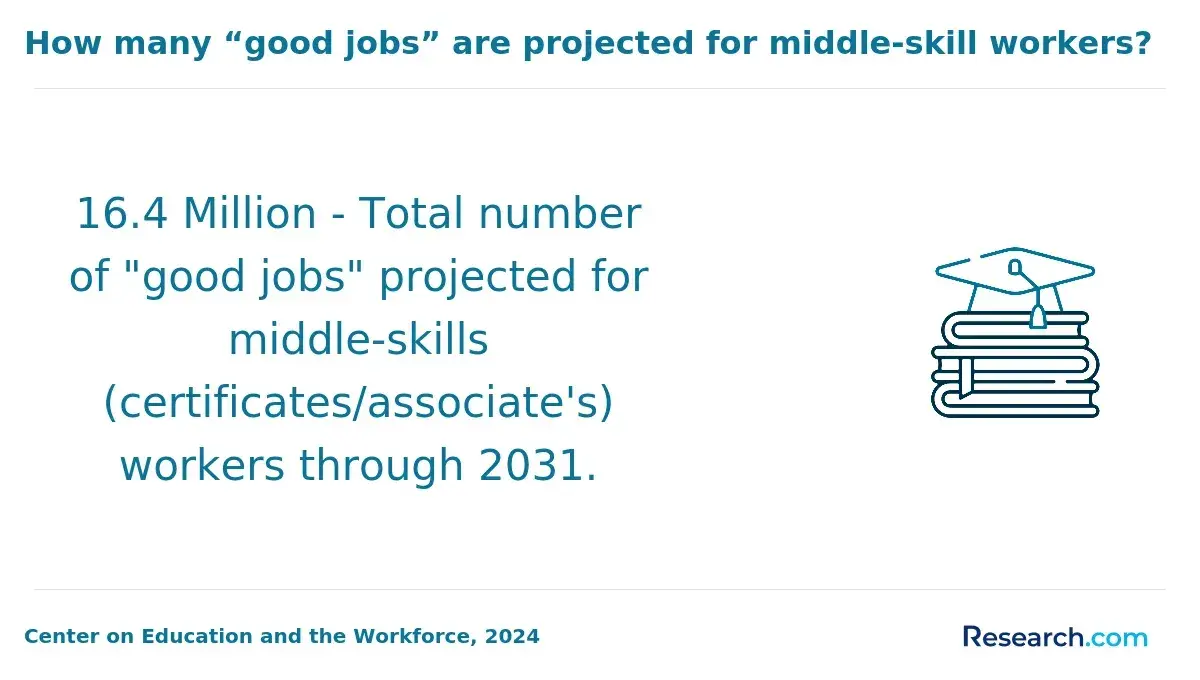
What Are the Different Types of Online Early Childhood Education Programs Available?
Online early childhood education programs offer a variety of formats and specializations tailored to different educational goals and career paths, providing flexible options for prospective students. To help you understand the main choices available, here is a summary of the primary types of online early childhood education programs.
These options include:
- Bachelor's Degree Programs (120 Credits): These are comprehensive four-year programs covering early childhood development, educational psychology, and teaching methods. They typically include hands-on field experience and internships, making them ideal for students aiming for licensure to teach pre-K through early elementary grades or careers in administration and policy.
- Early Childhood Professional Programs (Accelerated): Targeted at individuals with an associate degree, these accelerated programs can be completed in as little as 2.5 years and offer flexible eight- or 16-week class formats. They suit career changers and professionals seeking faster credential advancement without losing academic rigor.
- Associate Degree Programs (60 Credits): These two-year programs provide foundational knowledge in early childhood development and child care practices, requiring about 42 hours of core courses and 18 hours in specialized pathways. They are well-suited for students looking to enter the workforce quickly or transfer credits to a bachelor's program later.
- Specialized Concentration Programs: Some institutions offer focused curricula in areas such as infant and early childhood mental health, social-emotional development, or inclusive education for children with exceptionalities. These tracks are designed for practitioners seeking expertise in specific developmental fields.
How Many Credit Hours Are Required for an Online Early Childhood Education Degree?
Most online early childhood education degree programs in the United States require between 60 and 130 credit hours, depending on the degree level, study pace, and program structure. To give you a clearer picture, here is a breakdown of typical credit hour requirements by degree type and the factors that can influence completion time.
- Certificate in early childhood education: These certificate programs usually range from 18 to 30 credit hours, with 24 being a common requirement. Full-time students can often complete the program in less than a year, while part-time study extends the timeline. Transfer credits from prior coursework may also reduce the total needed.
- Associate degree: Online associate degrees generally require about 60 credit hours. Full-time students typically finish in two years, but part-time learners might take up to four. Transfer credits from previous college experience can shorten the duration.
- Bachelor's degree: A bachelor's degree in early childhood education typically demands 120 to 122 credit hours. Full-time students can expect to graduate in four years, whereas part-time study may extend to five or six years. Those transferring credits from an associate degree or previous courses might complete their degree sooner.
- Master's degree: Graduate programs usually require 30 to 40 credit hours beyond the bachelor's degree. Completion time ranges from one to two years full-time and up to three years or more part-time. Variations occur based on thesis requirements, practicums, or added certifications.
- Doctoral degree: Doctoral studies require 60 to 90 credit hours post-master's, covering coursework, research, and dissertation work. These programs often take between three to six years or longer, influenced heavily by dissertation progress and assistantships.
To add a personal perspective, a graduate of an online early childhood education degree shared that balancing coursework with a full-time job was initially overwhelming. They found that pacing their credit hours carefully each semester, especially when handling practicum requirements, was crucial to steady progress. The flexibility of online study helped them manage deadlines, but they had to stay disciplined and engaged with peers virtually to maintain motivation. Ultimately, they felt a deep sense of accomplishment overcoming these challenges and valued how the credit hour requirements translated into meaningful, practical learning experiences.
What Courses Are Included in a Standard Online Early Childhood Education Curriculum?
A standard online early childhood education curriculum typically includes a range of courses designed to provide foundational knowledge and practical skills essential for working with young children in diverse settings. These programs emphasize child development, teaching strategies, and classroom management. Below is a list of core and specialized courses commonly offered in online early childhood education programs that prepare students for various roles within the field.
- Introduction to early childhood education: This course offers an overview of the field, covering historical perspectives, foundational theories, and current trends. Students learn about the roles and responsibilities of early childhood educators and the importance of delivering high-quality early care.
- Child development: Focusing on the physical, social, emotional, and cognitive growth of children from birth to age eight, this course helps future educators understand key developmental milestones and adapt learning experiences to meet diverse needs.
- Health, safety, and nutrition: Students gain knowledge in promoting healthy environments, managing childhood illnesses, maintaining classroom safety, and supporting nutritional needs, which are vital for the well-being of young learners.
- Curriculum planning for infants, toddlers, and preschoolers: This course covers the design and implementation of age-appropriate curricula, including play-based learning, creative arts, and early literacy and numeracy, preparing students to create engaging educational settings.
- Classroom management and behavior guidance: Students learn strategies for positive behavior support, addressing challenges, and establishing effective classroom routines to foster supportive learning environments.
- Children with special needs: This course introduces inclusive education principles, legal frameworks, and best practices for supporting children with diverse abilities, preparing educators for inclusive classroom settings.
- Family and community engagement: Students explore techniques for building partnerships with families and communities, emphasizing effective communication, cultural competence, and advocacy to support children's development.
- Program administration and leadership: Covering supervision, personnel management, budgeting, and regulatory compliance, this course prepares graduates for leadership roles in early childhood education programs.
- Diversity, equity, and inclusion in early education: This course addresses anti-bias curriculum development and creating equitable classrooms, equipping students to teach effectively in diverse societies.
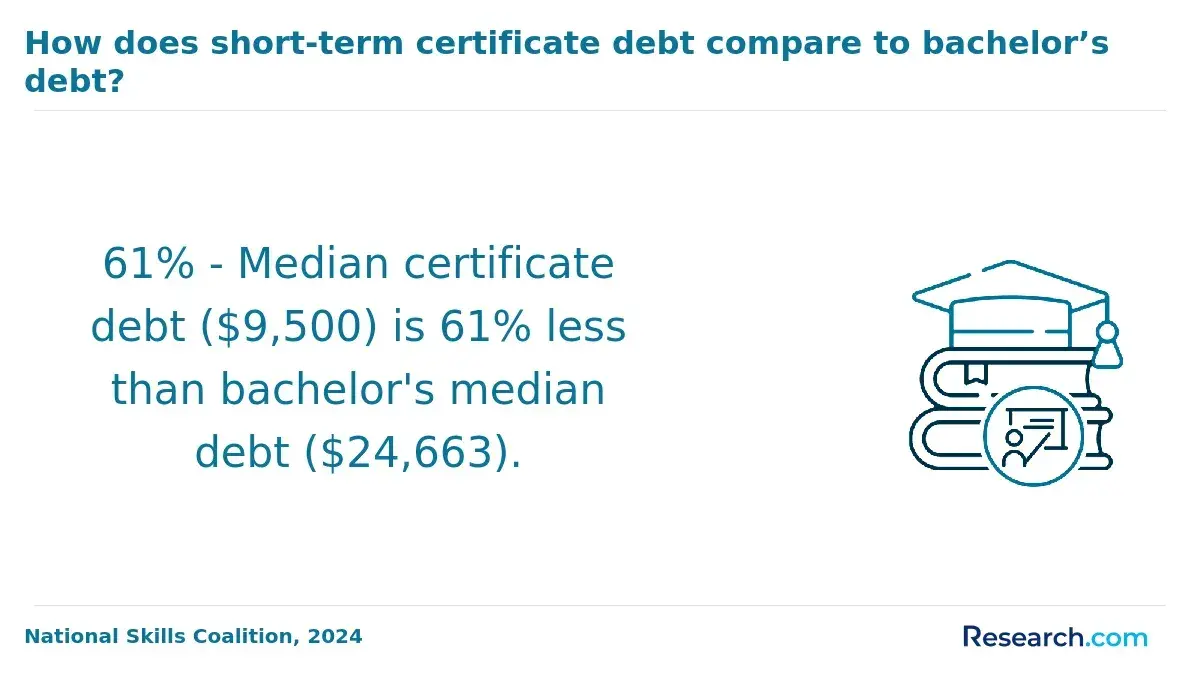
How Often Do Online Early Childhood Education Programs Start During the Year?
Online early childhood education programs typically offer multiple start dates throughout the year, providing students with flexible opportunities to begin their studies and better accommodate their personal and professional lives. This variety in scheduling is especially beneficial for working adults, parents, or anyone needing to fit education around an already busy routine. Below are the most common enrollment and start schedules found in these programs.
- Traditional academic calendar: Many programs follow the standard fall, spring, and summer semester schedule, offering two to three main starting points annually. This setup suits students who prefer a predictable academic timeline and might be planning to transfer credits from other schools.
- Rolling admissions: Some online programs admit students continuously, allowing new cohorts to begin classes at several points throughout the year. This approach is ideal for those who want to avoid waiting for a specific semester and start their degree promptly.
- Monthly or quarterly starts: Increasingly common, this schedule offers new sessions every month or every eight weeks. For instance, certain universities provide monthly start dates or six entry points per year, which gives students greater control over when they begin their studies.
- Self-paced and competency-based options: A few institutions allow students to start nearly anytime and proceed at their own speed through subscription-based or competency models. This format benefits highly motivated learners or experienced students aiming to accelerate completion.
How Much Faster Can You Complete an Accelerated Online Early Childhood Education Degree?
Accelerated online early childhood education programs significantly shorten the time needed to earn a degree by offering a streamlined, flexible approach compared to traditional formats. These programs utilize several strategies that enable students to finish their coursework faster and enter the workforce sooner. Below are key features that help students graduate more quickly from accelerated online early childhood education programs.
- Shorter Course Terms: Courses are typically offered in condensed formats, such as 7-week sessions rather than the usual 15-week semesters. This compressed scheduling allows students to complete more classes annually, potentially earning a bachelor's degree in as little as 18 months to 2 years, depending on prior credits.
- Year-Round Enrollment: Students can start their programs multiple times throughout the year without having to wait for traditional semester start dates. Continuous enrollment helps maintain consistent progress and eliminates long breaks that slow down degree completion.
- Transfer Credits: Many programs accept transfer credits from previous college coursework, associate degrees, or standardized exams like AP or CLEP. This reduces the number of courses students need to complete, allowing some to finish their bachelor's degrees in two years or less.
- Competency-Based Learning: This flexible format lets students advance by demonstrating mastery of skills at their own pace instead of following fixed schedules. Fast learners can move quickly through requirements, accelerating their path to graduation.
A graduate of an online accelerated early childhood education degree shared how balancing full-time work and family while pursuing the degree was initially overwhelming. However, the self-paced structure and shorter course terms allowed them to tailor study hours around their responsibilities. They recalled moments of stress during intense 7-week courses but found satisfaction in quickly mastering content and seeing steady progress. With year-round enrollment, they never lost momentum, finishing the program faster than anticipated. This journey, while challenging, felt empowering and reinforced their commitment to advancing their career in early childhood education.
Does Finishing an Online Early Childhood Education Degree Faster Save You Money?
Completing an online Early Childhood Education degree faster can significantly reduce the overall expense of earning the credential. Accelerating your studies not only lowers direct educational costs but also mitigates related financial burdens. Here are the main ways the cost savings of accelerated online early childhood education degree programs can benefit you:
- Lower Tuition Costs: Many programs charge tuition by credit hour or semester, so finishing in fewer semesters typically means paying less overall. Tuition reduction for finishing early childhood education degree online faster helps avoid extra years of fees, which can add up to thousands of dollars over time.
- Reduced Living Expenses: The shorter your program duration, the fewer semesters you spend covering living costs like housing, food, and transportation. Reducing these indirect costs contributes to meaningful financial relief during your studies.
- Earlier Entry Into the Workforce: Graduating sooner allows you to start earning a salary earlier, improving your financial outlook. For example, early childhood education majors report an average starting salary of about $43,570, with many advancing to median earnings over $62,000, so quicker workforce entry supports faster loan repayment and income growth.
- Less Time Off Work: Students who cut back on work hours or leave jobs to study can reduce lost wages by completing their degree faster, a key factor for working professionals balancing education and employment.
- Lower Opportunity Costs: Shortened study periods limit the time spent outside full-time employment, decreasing both education-related expenses and the earnings foregone during longer degree paths.
For those interested in further advanced study options that also reduce time commitments, consider exploring an online doctorate without dissertation, which can be a practical route to accelerate academic credentials beyond early childhood education.
How Soon Can Graduates Start Working After Earning Their Online Early Childhood Education Degree?
Graduates can typically start working as an early childhood educator after graduation within a few weeks to several months, depending on various factors. The timeline often hinges on meeting state certification and background check requirements, which are mandatory for employment in most states. Local job demand and any prior work experience in childcare or teaching roles also influence how quickly graduates secure positions. Associate degrees in early childhood education, especially those earned online, are often completed in about two years, with some accelerated programs shortening this period. This timely entry into the workforce is common in a field known for its steady demand for qualified educators.
Many online early childhood education programs incorporate internships, practicums, or work placements at approved child development centers, allowing students to gain valuable hands-on experience before finishing their degree. These opportunities not only make graduates more competitive in early childhood education job opportunities for online degree holders but also help build professional networks. Students frequently balance part-time or full-time jobs in related childcare roles while studying, enabling a smoother transition into full-time employment after graduation. For those seeking accessible options, there are inexpensive online universities that accept FAFSA, offering flexible schedules that accommodate working students and practical training requirements.
How Much Do Online Early Childhood Education Graduates Earn on Average?
Online early childhood education graduates in the United States typically earn between $37,000 and over $100,000 annually, depending on their career path, education level, and experience. To illustrate the average salary for online early childhood education graduates in the United States, here is a breakdown of earnings by common roles and factors influencing pay:
- Entry-Level Roles (Preschool Teacher, Associate's Degree): Median salaries start around $37,120 nationally, with pay often influenced by location and employer type. Metropolitan areas and public schools tend to provide higher wages, while advancement depends on gaining experience or further education.
- Early Childhood Education Specialist (Bachelor's Degree): Specialists earn about $52,105 on average per year, starting near $30,000. Salaries increase with years of service and additional training, especially in specialized or public programs.
- Director and Leadership Roles: Directors with a bachelor's degree typically make between $51,251 and $56,270, with potential growth to $85,110. Those with master's or doctoral degrees can earn from $89,000 up to $190,000, particularly in large or prestigious organizations.
- Specialized Positions (Special Education, Charter Schools): Special education teachers with bachelor's degrees earn around $59,401, rising to $77,000-$95,000 with a master's degree. Charter school educators with advanced credentials may see salaries between $82,000 and $100,000.
- Industry Variations and Regional Differences: Salaries vary widely by state and setting; for example, early childhood education degree salary by state can range from $34,720 to $73,320 in New York. Urban public systems typically pay more than rural or private ones. For those considering a quicker completion time to reduce costs, exploring dual-degree programs may also provide career advantages.
Here's What Graduates of Online Early Childhood Education Programs Have to Say About Their Degree
- Kath: "Completing my online early childhood education degree allowed me to balance work, family, and studies without sacrificing any part of my life. The flexibility helped me stay motivated and engaged, and the real-world applications provided by instructors made the learning process feel very relevant. Since graduating, I secured a position at a local childcare center where I can share my passion for nurturing young minds. This degree has truly been a transformative experience that has empowered me to make a difference in my community."
- Jonas: "Starting my career after earning an online early childhood education degree was a remarkable journey. The program's comprehensive curriculum prepared me with practical skills and theoretical knowledge that employers value. I was able to advance quickly within my school district, thanks to the professional development opportunities that came from having this specialized degree. Reflecting on this experience, I feel confident and well-equipped to continue growing as an educator dedicated to fostering early learning success. "
- Dylan: "Pursuing an online early childhood education degree presented unique challenges, especially managing coursework alongside my job as a single parent. Despite the hurdles, the sense of personal growth and accomplishment I gained was incredible. The community of fellow students and mentors created a supportive network that kept me encouraged throughout. Today, I am proud to work with children from diverse backgrounds, knowing I have the tools to truly impact their development and well-being."
Other Things You Should Know About Online Early Childhood Education Degree Programs
Typically, earning an online Early Childhood Education degree in 2027 takes about 2 to 4 years. The exact duration depends on the program's structure, such as whether it is accelerated, part-time, or full-time, as well as the student's own pace and prior credits.
The duration of an online Early Childhood Education degree in 2027 can be affected by factors such as program type (full-time or part-time), prior credits or work experience, university requirements, and personal commitments. Typically, it takes 2-4 years to complete, but these factors can influence the exact timeline.
In 2027, graduates with an online Early Childhood Education degree can pursue careers as preschool teachers, daycare instructors, early childhood education consultants, or program directors. Opportunities also exist in special education and educational policy roles, where professionals contribute to curriculum development and advocacy for young children’s learning and development.
References
- Early Childhood Education | University of Florida Online https://ufonline.ufl.edu/degrees/undergraduate/early-childhood-education/
- Early Childhood Education (Fast Track) (Online) https://www.fanshawec.ca/programs/ece7-early-childhood-education-fast-track-online/next
- Everything You Need to Know About Earning a Degree in Early Childhood Education https://mybrightwheel.com/blog/degree-in-early-childhood-education
- BS Early Childhood Education https://online.uc.edu/undergraduate-degrees/bs-early-childhood-education/
- 2025 Best Early Childhood Education Degrees Online https://www.onlineu.com/degrees/early-childhood-education
- Early Childhood Education Degree Online https://www.pennfoster.edu/programs/education/early-childhood-education-associate-degree
- Do College Credits Ever Expire? | National University https://www.nu.edu/blog/do-college-credits-ever-expire-what-you-need-to-know-before-transferring/
- Exploring the influential factors of online professional learning completion of college teachers from the Global South in an international training program - ScienceDirect https://www.sciencedirect.com/science/article/abs/pii/S1096751624000253
- Exploring the factors influencing the effectiveness of online learning: A study on college students https://pmc.ncbi.nlm.nih.gov/articles/PMC10199747/