
2027 How Long Does It Take to Earn an Online Women’s Health Nurse Practitioner Degree?

Co-Founder and Chief Data Scientist
Choosing an online women's health nurse practitioner program is not only a question of convenience. It is a planning decision that affects your schedule, clinical placement timeline, certification path, and return on investment. For registered nurses who want to move into advanced practice focused on reproductive health, gynecologic care, prenatal and postpartum support, menopause care, and primary care for women across the lifespan, the program length can shape when you qualify for the next stage of practice.
The demand outlook makes timing especially important. According to the U.S. Bureau of Labor Statistics, employment of nurse practitioners is projected to grow 45% through 2032, reflecting strong need for advanced practice nurses, including those specializing in women's health. Still, an online format does not mean the degree is self-contained on a laptop. Students must complete graduate coursework, clinical hours, certification steps, and state licensure requirements before they can practice as women's health nurse practitioners.
This guide explains how long online women's health nurse practitioner programs usually take, what can speed up or delay completion, how credits and clinical hours affect the timeline, and how program type, start dates, acceleration options, and post-graduation requirements should factor into your decision.
Key Benefits of Online Women's Health Nurse Practitioner Degree
- The average time to complete an online women's health nurse practitioner degree is 2 to 3 years, depending on whether students attend full-time or part-time.
- Flexible scheduling options allow many students to balance work and family commitments while progressing through coursework at their own pace.
- Some programs offer accelerated tracks that can shorten completion time to 18 months by increasing course loads and focusing on core clinical skills.
What is the average completion time for online women's health nurse practitioner programs?
Most online women's health nurse practitioner programs take about two to three years to complete. The exact timeline depends mainly on whether you are pursuing an MSN, a post-master's certificate, or a DNP, and whether you study full time or part time.
- Master of Science in Nursing (MSN): Online MSN women's health nurse practitioner programs are commonly structured for completion in two to three years. Full-time students may finish in about 20 to 24 months, while part-time students often take closer to three years. This pathway is usually the standard route for BSN-prepared registered nurses seeking WHNP preparation and eligibility for advanced practice certification.
- Post-Master's Certificate: Nurses who already hold an MSN can often complete a women's health nurse practitioner post-master's certificate in about one to one and a half years. Because these programs build on prior graduate nursing coursework, they are usually shorter than a full MSN. They are best suited for nurses who already have graduate-level preparation and want to add or change a specialization.
- Doctor of Nursing Practice (DNP): A DNP with a women's health nurse practitioner focus typically takes three to four years of online study. The longer timeline reflects the broader scope of doctoral preparation, including advanced clinical practice, leadership, policy, quality improvement, and evidence-based practice.
The main takeaway is that the degree level sets the baseline timeline, but the program format determines the real pace. Required clinical hours, course sequencing, practicum placement availability, and summer enrollment options can all affect how quickly you finish. An online program may reduce commuting and classroom scheduling barriers, but it does not remove the need for supervised clinical practice.
When comparing programs, look beyond the advertised length. Ask how many courses students take per term, whether clinical placements are arranged by the school or the student, whether courses are available every semester, and whether part-time students have a maximum completion limit. If you are still comparing broader education pathways, this guide to college degrees that are worth it can help frame program value and career alignment.
What factors can affect how long it takes to earn an online women's health nurse practitioner degree?
The time needed to earn an online women's health nurse practitioner degree depends on more than the school’s published program length. Two students in the same program can graduate at different times because of enrollment pace, clinical placement timing, prerequisite needs, work obligations, and course availability.
- Enrollment status: Full-time enrollment usually leads to faster completion, often in about two years for many MSN pathways. Part-time enrollment may extend the timeline, and some students may take up to six years depending on the program’s policies. Part-time study can be the better choice for nurses who need to maintain work hours, manage family responsibilities, or avoid overload during clinical terms.
- Clinical hour requirements: Programs require between 600 and 783 clinical hours. These hours are often concentrated later in the program, which means delays in securing approved clinical sites or preceptors can slow graduation even if coursework is on schedule. Ask each school how clinical placements are approved, whether the program helps identify preceptors, and what happens if a placement falls through.
- Program format: Asynchronous online coursework can make scheduling easier because students do not need to log in at a fixed class time. Synchronous sessions, campus intensives, skills labs, or required in-person immersions may add travel and scheduling constraints. These requirements are not necessarily negative, but they should be planned for before enrollment.
- Previous education: BSN-prepared registered nurses may move through a standard MSN-WHNP curriculum more directly. Students entering through associate degree, bridge, or nontraditional pathways may need additional undergraduate, prerequisite, or transition coursework. Graduate transfer credits may shorten the program if the school accepts them and if they match required courses.
- Course sequencing: Some advanced practice courses must be completed in a strict order. If a required course is offered only once per year, withdrawing, failing, or postponing it can delay the entire plan of study. This is especially important for part-time students who may take fewer courses each term.
- Work and family responsibilities: Many WHNP students continue working as registered nurses. That experience can be valuable, but heavy work schedules can make it harder to manage exams, assignments, clinical hours, and certification preparation. A realistic study plan is often more effective than choosing the fastest advertised option.
Before applying, request a sample full-time and part-time plan of study. Compare the course load during clinical terms, not just the first semester. If you are still building toward nursing prerequisites or comparing earlier education routes, this overview of the easiest degree to get may help you understand entry-level options, though WHNP preparation itself requires graduate nursing study.
What are the different types of online women's health nurse practitioner programs available?
Online women's health nurse practitioner programs are offered in several formats for nurses with different academic backgrounds. The right option depends on your current degree, whether you already hold graduate nursing credentials, and whether your goal is clinical practice, specialization, leadership, or doctoral-level preparation.
- Master of Science in Nursing (MSN) - Women's Health Nurse Practitioner: This is a common pathway for registered nurses seeking advanced clinical preparation in women's health, including primary care and reproductive wellness. These programs typically require about 44 credit hours and may take roughly 23 months to complete, depending on enrollment pace. They combine online coursework with required clinical experiences and may include clinical intensives or other in-person requirements.
- Doctor of Nursing Practice (DNP) - Women's Health Nurse Practitioner: The DNP is a terminal practice degree for nurses entering with BSN or MSN preparation. Programs may include 69 to 74 credits and up to 1,150 clinical hours. In addition to advanced clinical care, the curriculum commonly emphasizes leadership, ethics, epidemiology, quality improvement, and systems-level practice. This option is typically longer but may fit nurses who want doctoral preparation or future leadership roles.
- Post-Graduate Certificate - Women's Health Nurse Practitioner: This pathway is designed for nurses who already hold a graduate nursing degree and want focused WHNP preparation without completing a second full degree. It can be a practical choice for advanced practice nurses changing populations or adding a specialty. Certificate programs may use hybrid formats and often focus on reproductive care, health equity, and advanced clinical competencies.
- Hybrid and online formats: Most online WHNP programs are not entirely remote in practice. Didactic courses may be online, but students still complete supervised clinical experiences in approved settings. Some programs also require campus visits, skills intensives, simulations, or in-person assessments. A program that is “online” should therefore be evaluated by its full attendance requirements, not only by its course delivery method.
For most applicants, the key decision is not simply MSN versus DNP. It is whether the program matches your starting credentials, certification goals, clinical placement needs, and available study time. A shorter certificate may be efficient for a graduate-prepared nurse, while an MSN may be the clearest route for a BSN-prepared RN entering advanced practice for the first time.
How many credit hours are required for an online women's health nurse practitioner degree?
An online women's health nurse practitioner degree commonly requires between 35 and 54 graduate credit hours for MSN-level preparation, but credit totals vary by pathway. Bridge programs and doctoral programs can require substantially more because they include additional foundational, advanced practice, or doctoral coursework.
- Associate Degree (ADN to MSN Bridge Programs): ADN-to-MSN bridge pathways usually require about 70 to 80 total credits, including general education and nursing prerequisites. Full-time study may take three to four years, while part-time study can extend the timeline. Transfer credits may reduce the number of required credits if the school accepts them.
- Bachelor's Degree (BSN): A BSN is not typically a standalone women's health nurse practitioner degree, but it is commonly a prerequisite for MSN-level WHNP admission. BSN programs generally require 120 to 126 credit hours, with around 60 credits focused on nursing courses. Full-time students typically finish in four years, though prior credits can affect this timeline.
- Master's Degree (MSN - Women's Health Nurse Practitioner): MSN-WHNP programs most commonly require between 35 and 54 credit hours. Full-time students may finish in under two years in some formats, while part-time students may take up to three years or more. The number of credits is only one part of the workload; clinical hours and course sequencing also matter.
- Doctoral Degree (DNP - Doctor of Nursing Practice): DNP programs generally require 70 to 95 credits beyond a BSN or 35 to 40 credits post-MSN. Full-time students may finish in three years, while part-time enrollment can take up to six years depending on clinical requirements, transfer status, and the program’s progression rules.
Credit hours help estimate tuition and workload, but they do not tell the whole story. A lower-credit program may still be demanding if it has dense clinical terms, required campus visits, or limited course availability. When comparing programs, review the full curriculum map and identify which semesters include both didactic courses and practicum hours. Those terms usually require the most careful planning.
What courses are included in a standard online women's health nurse practitioner curriculum?
A standard online women's health nurse practitioner curriculum combines advanced nursing science, primary care preparation, women's health specialization, and supervised clinical training. The goal is to prepare nurses to assess, diagnose, manage, and educate patients across women's health needs while practicing within applicable state scope-of-practice rules.
- Pharmacology for Advanced Practice Nurses: Students study medication selection, drug interactions, adverse effects, patient education, and safe prescribing considerations. In WHNP preparation, this knowledge is applied to women across different life stages and clinical needs.
- Evidence-Based Nursing Practice: This course teaches students how to evaluate research, interpret clinical evidence, and apply current findings to patient care. It supports safer decision-making and helps graduates use practice guidelines rather than relying only on routine or habit.
- Introduction to Women's Health: This foundational course introduces the biological, psychological, and social factors that affect women's health across the lifespan. It helps students connect reproductive, preventive, primary care, and wellness concerns within a broader clinical framework.
- Health Promotion, Disease Prevention, and Women's Health Issues: Students learn preventive care strategies and common women's health concerns, including conditions such as breast cancer and osteoporosis. The course typically emphasizes screening, counseling, risk reduction, and the nurse practitioner's role in long-term health maintenance.
- Scientific Underpinnings of Advanced Nursing Practice: This course connects nursing theory, research, clinical reasoning, and professional standards. It helps students understand why advanced practice decisions should be grounded in evidence, ethics, and population health needs.
Many programs also include advanced health assessment, advanced pathophysiology, diagnostic reasoning, primary care management, reproductive and gynecologic care, prenatal and postpartum content, and clinical practicum courses. Before enrolling, verify that the curriculum aligns with the certification exam you intend to take and that clinical experiences cover the patient populations and settings required by the program.
How often do online women's health nurse practitioner programs start during the year?
Online women's health nurse practitioner programs may start once, twice, or several times per year. Start-date flexibility can reduce waiting time, but it should be weighed against application deadlines, prerequisite review, clinical planning, and financial aid timing.
- Traditional academic calendar: Many programs admit students for fall and spring semesters. This structure is predictable and often aligns with university financial aid, advising, and course sequencing cycles. It may be best for students who want a conventional academic rhythm.
- Three annual start dates: Some universities offer fall, spring, and summer starts. This can help applicants begin sooner if they miss one deadline or want to avoid waiting a full academic year.
- Rolling admissions: Programs with rolling admissions review applications throughout the year and place accepted students into upcoming cohorts. This can be convenient, but applicants should still confirm when core courses actually begin.
- Monthly or quarterly starts: These are less common in women's health nurse practitioner programs but may be available at some institutions. Frequent starts can be useful for students seeking maximum scheduling flexibility, though accelerated pacing may require stronger time management.
A faster start date is helpful only if the rest of the program is ready for you. Before choosing a cohort, ask whether clinical placement planning begins early, whether orientation is required, and whether your first-year courses are offered in a predictable sequence. Starting quickly but encountering course or practicum bottlenecks later can erase the benefit of an early start.
How much faster can you complete an accelerated online women's health nurse practitioner degree?
An accelerated online women's health nurse practitioner degree can shorten the time to graduation substantially, and some formats may allow students to finish in about half the usual timeframe. Acceleration is usually achieved by compressing terms, offering courses year-round, accepting eligible transfer credits, and coordinating clinical requirements more tightly.
- Shorter course terms: Accelerated programs may replace traditional 15-week semesters with condensed 4-6 week sessions. This allows students to complete more courses within a year, but the workload is more concentrated and deadlines arrive quickly.
- Year-round enrollment: Programs that run through summer and intersession terms can reduce long academic breaks. Continuous enrollment helps students maintain momentum and may shorten total completion time.
- Transfer credits: Some schools allow students to transfer eligible graduate or undergraduate credits, reducing the number of courses required. For example, registered nurses with a BSN can sometimes complete the program within 12 to 24 months by applying prior coursework where permitted.
- Competency-based learning: Self-paced or competency-based formats may let students move forward once they demonstrate mastery rather than waiting for a fixed term to end. These options work best for highly organized students with strong independent study skills.
- Intensive clinical placements: Programs may help students complete practicum hours in a condensed or block format. This can reduce delays, but it may also require temporary schedule changes, reduced work hours, or more concentrated time in clinical settings.
Acceleration is not automatically better. A shorter program can lower waiting time and get you to certification preparation sooner, but it may be difficult if you are working full time, caring for family, or relying on limited clinical site availability. The best accelerated program is one that compresses time without weakening advising, faculty access, clinical support, or certification preparation.
Does finishing an online women's health nurse practitioner degree faster save you money?
Finishing an online women's health nurse practitioner degree faster can save money, but the savings depend on how the school charges tuition and how acceleration affects your work income, clinical travel, and living expenses. A shorter timeline is financially beneficial when it reduces extra terms, fees, and time away from higher-earning advanced practice employment.
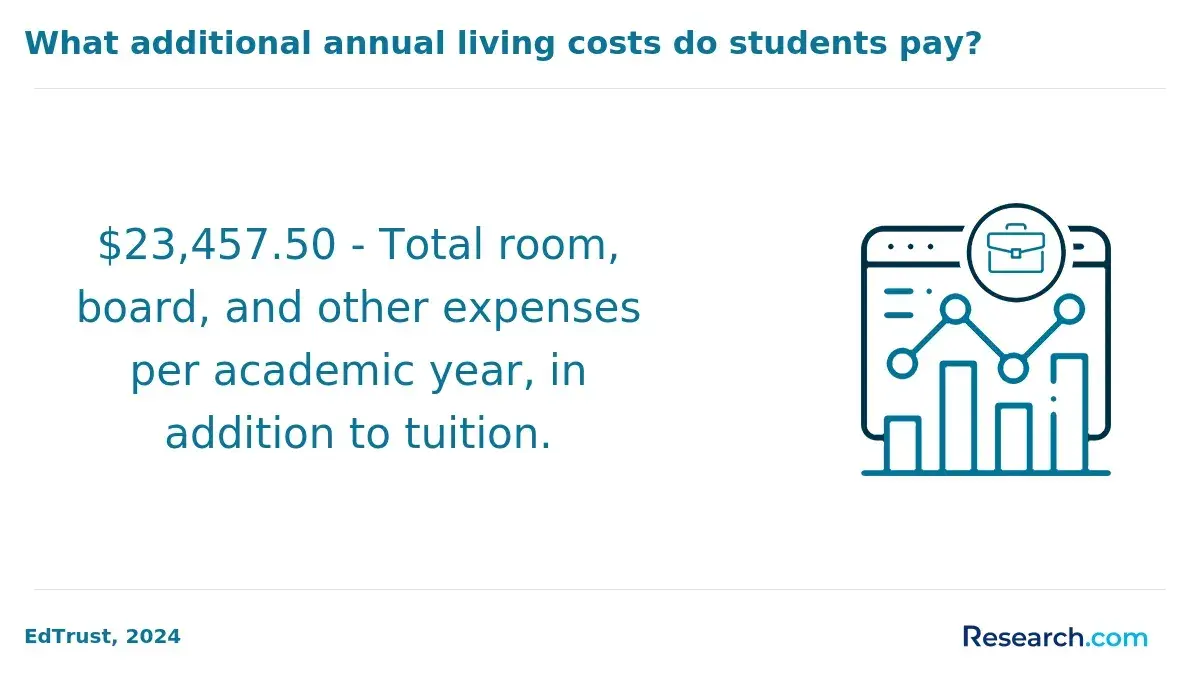
- Lower tuition and fee exposure: Many programs charge by credit hour or term. If you graduate earlier, you may avoid extra semesters, student fees, technology fees, and other enrollment-related costs. This can be meaningful at schools where annual tuition ranges between $10,000 and $20,000.
- Reduced living and commuting costs: A shorter program can reduce the number of months you pay for expenses tied to school, including transportation to clinical sites, temporary schedule changes, or relocation-related costs if applicable.
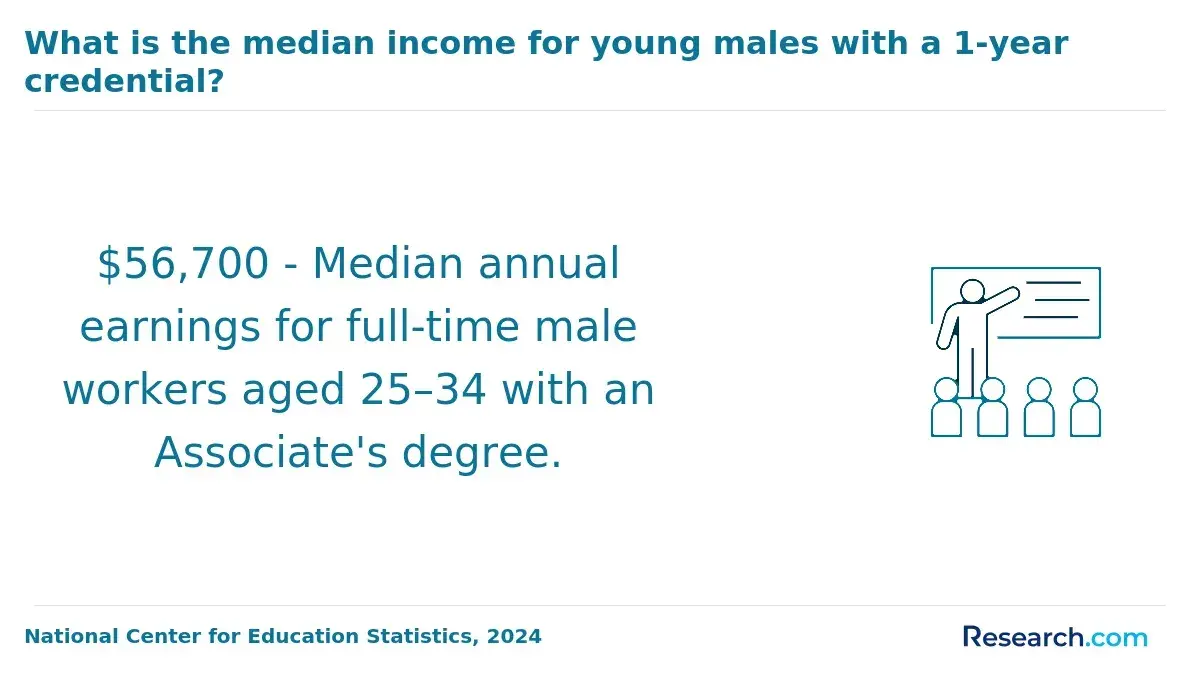
- Earlier workforce entry: Graduating sooner may allow you to complete certification and licensure steps earlier and start working as a women's health nurse practitioner sooner. Some roles have salaries exceeding $100,000 annually, so earlier entry can improve the return on investment.
- Less time reducing work hours: Many students cut back on RN shifts during intensive coursework or clinical terms. A shorter program may reduce the total period of lowered income, though accelerated terms can also require more short-term schedule flexibility.
There are trade-offs. Accelerated programs can be demanding, and students who need to repeat a course, delay clinical hours, or reduce work more than expected may lose some of the financial advantage. Before choosing a faster option, compare total tuition, fees, clinical placement costs, travel requirements, and your realistic work schedule. Students considering doctoral-level nursing or healthcare pathways may also want to review affordable doctoral programs as part of a broader cost comparison.
How soon can graduates start working after earning their online women's health nurse practitioner degree?
Graduates can often start working within three to six months after earning an online women's health nurse practitioner degree, provided they move quickly through national certification, state licensure or recognition requirements, employer credentialing, and onboarding. The degree itself is not usually the final step before practice.
The timeline after graduation depends on several moving parts. Graduates typically need to apply for and pass the relevant certification exam, submit documentation to the state board or licensing authority, complete background checks if required, and satisfy employer credentialing requirements. Credentialing and onboarding can add one to three months before the official start date, especially in hospitals, large health systems, or practices with payer enrollment processes.
Students can shorten the transition by preparing before graduation. Useful steps include confirming certification eligibility requirements, collecting clinical documentation, requesting transcripts promptly, applying for jobs during the final term, and maintaining professional relationships with clinical sites. Some graduates receive offers from practicum sites or through RN networks, especially if they have strong prior nursing experience in women's health, obstetrics, gynecology, reproductive health, or primary care.
For nurses comparing accelerated education routes beyond the WHNP pathway, this overview of one year online phd programs may be useful for understanding how compressed doctoral formats are structured, although clinical nursing practice requirements should always be evaluated separately.
How much do online women's health nurse practitioner graduates earn on average?
Online women's health nurse practitioner graduates typically earn between $108,000 and $180,000 annually, depending on role, experience, location, employer type, specialization, and leadership responsibility. The online format of the degree is usually less important to earnings than accreditation, certification eligibility, state licensure, clinical preparation, and job market demand.
- Entry-level roles: Newly graduated women's health nurse practitioners often start with salaries between $108,000 and $120,000 per year. Pay can vary by region, clinical setting, local demand, and the graduate’s prior nursing background.
- Mid-career professionals: With several years of experience, salaries typically rise to between $125,000 and $147,000. Higher pay may reflect broader patient panels, greater clinical autonomy, specialty experience, or added responsibilities.
- Specialized positions: WHNPs who focus on areas such as reproductive endocrinology or adolescent health can earn up to $158,000 or more. Specialization may require additional training, experience, or employer-specific expertise.
- Leadership roles: Nurse practitioners in administrative, program management, or leadership positions can earn between $150,000 and $180,000, especially in high-demand metropolitan areas. These roles may favor or require advanced preparation such as a DNP.
- Geographic and industry variation: Salaries can differ significantly by state and employer. Places such as California may offer some of the highest pay scales, but cost of living, competition, and scope-of-practice conditions also matter.
When comparing earnings, evaluate total career value rather than salary alone. Consider tuition, debt, time to completion, certification costs, unpaid clinical time, and whether the program supports the setting where you want to work. If you are comparing education pathways more broadly, including shorter or career-focused options, this resource on trade colleges online may help with broader program comparison.
Here's What Graduates of Online Women's Health Nurse Practitioner Programs Have to Say About Their Degree
Graduate experiences can vary widely by program format, clinical support, faculty availability, and personal circumstances. The reflections below highlight common themes students should expect: flexibility, demanding coursework, the importance of local clinical placements, and the career value of focused women's health preparation.
- Cheska: "Completing my online women's health nurse practitioner degree was both challenging and rewarding, especially balancing work and family life. The flexibility of the program allowed me to study at my own pace while gaining hands-on experience through local clinical placements. Now, I work in a community clinic providing essential care to underserved women, and I feel truly empowered to make a difference. This degree has opened doors to new professional roles I never imagined possible."
- Riza: "The journey through my online women's health nurse practitioner program was deeply transformative. Beyond the clinical skills, I developed a stronger sense of empathy and a genuine passion for advocating women's health issues. The virtual cohort felt like a close-knit community where we supported each other's growth, despite being miles apart. Pursuing this degree has not only advanced my career but also enriched my ability to serve my community with confidence and compassion."
- Janeth: "Enrolling in an online women's health nurse practitioner degree program was a strategic choice to enhance my professional credentials while continuing to work full time. The curriculum was rigorous and relevant, focusing on evidence-based care that I immediately applied in my job at a private practice. This online degree gave me the credibility and expertise to take on leadership roles and mentor younger nurses. It was a transformative experience that reaffirmed my commitment to women's health."
Other Things You Should Know About Online Women's Health Nurse Practitioner Degree Programs
In 2027, earning an online Women’s Health Nurse Practitioner degree typically takes about two to three years to complete. This timeframe may vary depending on whether the student is enrolled on a full-time or part-time basis.
Yes, in 2027, most online Women's Health Nurse Practitioner (WHNP) programs that are accredited by recognized educational bodies are accepted by national certification boards like the National Certification Corporation (NCC). These programs ensure that they meet established quality and competency standards necessary for certification.
In 2027, most online women's health nurse practitioner programs emphasize networking through virtual seminars, discussion boards, and collaborative projects. These programs often partner with professional organizations to facilitate connections with industry professionals, enhancing both learning and career opportunities.
References
- Top Online WHNP Programs 2026: Comprehensive Rankings https://www.npschools.com/rankings/all-online-whnp-programs
- Women's Health Nurse Practitioner: Career & Salary Overview https://npdegrees.org/careers/womens-health-nurse-practitioner/
- Women’s Health Nurse Practitioner WHNP Salary and Careers https://teach.com/online-ed/healthcare-degrees/online-womens-health-nurse-practitioner-programs/salary-and-career-outlook/
- Online Women's Health Nurse Practitioner Curriculum | MSN | Carlow http://online.carlow.edu/programs/msn-womens-health-nurse-practitioner/courses/
- Women’s Health Nurse Practitioner (WHNP) https://online.nursing.georgetown.edu/academics/womens-health-nurse-practitioner-whnp/
- Women’s Health Nurse Practitioner (WHNP) | TWU https://twu.edu/nursing/master-of-science-in-nursing-msn/womens-health-nurse-practitioner-whnp/
- 2026 Best Online Women's Health Nurse Practitioner Programs | NursePractitionerOnline.com https://www.nursepractitioneronline.com/programs/whnp/
- NURPDNP Program https://catalog.utah.edu/programs/NURPDNP
- How To Become A WHNP | NurseJournal.org https://nursejournal.org/nurse-practitioner/womens-health/how-to-become/
- Women’s Health Nurse Practitioner Program - Nursing - Georgetown https://nursing.georgetown.edu/degree-programs/masters/whnp-online/


