
2027 How Much Does a Dental Assistant Degree Program Cost? Tuition, Fees & Total Expense Breakdown

Co-Founder and Chief Data Scientist
Many students find it challenging to accurately estimate the true cost of dental assistant degree programs due to fluctuating tuition rates and hidden fees. Recent data show that tuition and fees for these programs have increased by over 5% annually on average, complicating financial planning for prospective students seeking affordable education options.
This article will break down the full expenses involved, including tuition, mandatory fees, and additional costs like materials and certification exams. Understanding these components can help students create realistic budgets, compare programs effectively, and avoid unexpected financial burdens throughout their studies.
Key Benefits of Knowing the Dental Assistant Degree Program Cost in 2026
- Understanding the total cost helps students plan finances effectively, avoiding unexpected debt by accounting for tuition, fees, and additional expenses specific to dental assistant programs.
- A detailed expense breakdown clarifies what portion covers tuition versus supplies or clinical fees, ensuring transparency in spending and better budgeting accuracy.
- Knowing cost specifics aids comparison among programs, highlighting cost-efficiency and value, with average dental assistant program costs ranging from $5,000 to $20,000 nationwide.
What Expenses Are Included in the Full Cost of a Dental Assistant Degree?
Understanding the full cost of a dental assistant degree program is essential for accurate financial planning. The total expenses extend beyond tuition and include several key components that students should consider when budgeting for their education.
- Tuition: This is the largest expense, typically ranging from $5,000 to $15,000 for certificate or associate degree programs, varying by whether the institution is public or private.
- Mandatory fees: These fees cover student services, registration, and laboratory access, usually amounting to several hundred dollars each semester.
- Books and supplies: Required textbooks can cost between $200 and $600, with additional supplies such as gloves, masks, and instruments adding approximately $100-$300.
- Technology requirements: Students may need a computer meeting specific specs and possibly dental software, with costs depending on existing equipment and software needs.
- Clinical or lab fees: Many programs include hands-on training components that require extra fees or insurance, typically costing between $200 and $500.
- Living expenses: Costs for housing, food, transportation, and personal expenses can be significant, especially for full-time students attending away from home. The U.S. Department of Education estimates average room and board at around $11,000 per year, though this varies by location.
Being aware of these expenses helps prospective students budget effectively and explore financial aid options that cover the full cost of dental assistant training in 2026. For those considering the time commitment, resources on how long does it take to get an associate degree may provide helpful guidance.
What Is the Average Total Cost of a Dental Assistant Degree Program in 2026?
The average total cost of a dental assistant degree program in 2026 typically ranges between $6,500 and $16,000. This total expense dental assistant training 2026 includes tuition, fees, textbooks, supplies, and certification exam costs. These elements combined give prospective students a clearer picture of the full financial commitment required before enrollment.
Community colleges tend to offer the most affordable tuition rates, usually between $6,500 and $10,000 for certificates or associate degrees, while private technical schools and specialized programs may exceed $16,000. Additional costs, such as books and exam fee,s can add $1,000 to $2,000 on top of tuition.
Variations in program format, institution type, and geographic location significantly affect the average cost dental assistant degree program in 2026. Online or hybrid programs might lower expenses related to commuting or housing but still maintain similar tuition fees.
Programs located in urban areas or high-cost states generally charge more due to greater living expenses. Notably, the cost trend in 2026 shows a moderate increase, influenced by inflation and updated curricula. For students exploring options, some may also consider the easiest PhD program pathways as an alternative degree route.
What Mandatory Fees Do Schools Charge for a Dental Assistant Program in 2026?
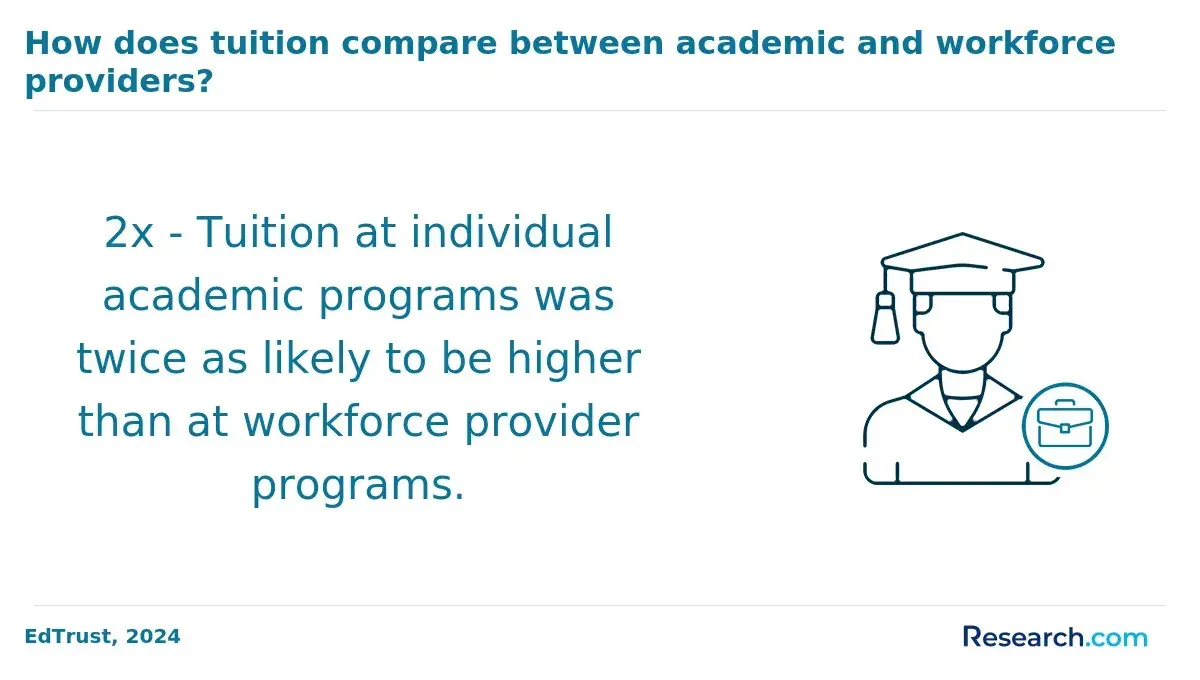
Mandatory fees in a dental assistant program are additional charges required by colleges to cover essential services and resources that support student learning but are separate from tuition costs. These fees ensure that students have access to necessary facilities, equipment, and support services throughout their studies.
Below is an overview of the most common mandatory dental assistant program fees in 2026, which help clarify the additional financial commitments beyond tuition.
The typical school fees for dental assistant degree 2026 include the following:
- Technology fees: Usually ranging from $100 to $400 per semester, these fees cover access to online learning platforms, software licenses, and campus internet infrastructure essential for coursework and communication.
- Lab or clinical fees: These costs, typically between $300 and $700 per term, support the use and maintenance of dental equipment, supplies, and hands-on procedure simulations critical for practical training.
- Student services fees: Generally from $150 to $350 per semester, these fees fund counseling, career services, library resources, and student organizations that contribute to academic and personal development.
- Assessment or testing fees: Some programs require standardized exams or competency testing, with fees ranging from $50 to $200 depending on the specific evaluation.
- Campus facilities fees: Often $100 to $250 per semester, these fees support campus amenities such as study areas, health centers, and recreational facilities.
According to data from the National Center for Education Statistics and disclosures from community colleges, these fees generally total between $1,000 and $2,000 annually for dental assistant students. Prospective students should review all fee schedules closely to assess the full cost of their education, as these mandatory dental assistant program fees 2026 are in addition to tuition and textbooks.
For those also considering advanced education paths, the shortest masters program options may offer accelerated graduate learning opportunities.
Are There Additional Program Fees for the Dental Assistant Major in 2026?
Students enrolling in a dental assistant program in 2026 should anticipate additional fees beyond tuition and standard enrollment charges. These extra costs are typically linked to specialized training resources and exam preparations.
Common additional fees include the following:
- Lab fees: Charges for clinical simulation labs and materials that may range from $100 to $500 per term, depending on the institution's facilities.
- Program-specific software: Annual costs for licenses required for dental practice management or radiography simulation software, typically between $50 and $200.
- Certification and licensing preparation: Expenses related to preparing for the Certified Dental Assistant (CDA) exam or state licensure, which can add several hundred dollars.
- Required equipment and supplies: Costs for essential tools, uniforms, and protective gear, which may total up to $300 for new students.
- Fieldwork and practicum costs: Fees covering travel, liability insurance, or clinical site charges during externships or practicum experiences vary widely by location.
These fees differ by program and location but generally increase the total program cost by about 10-20%. Reliable estimates for 2026 can be found through the American Dental Association and local community college resources.
How Much Do Required Supplies or Equipment Cost for a Dental Assistant Major?
Accurately accounting for the cost of supplies and equipment is vital when planning the total expenses for a dental assistant program. These materials are essential for both practical training and classroom activities, impacting the overall budget significantly.
Below is a list of common items required for a dental assistant major, along with their typical purposes and price ranges.
- Protective gear: Includes gloves, masks, and safety glasses necessary for infection control and personal safety, generally costing between $50 and $150.
- Lab kits: Contain tools such as dental mirrors, explorers, scalers, and impression materials used for hands-on practice; prices usually range from $100 to $300.
- Technical equipment: May include specialized devices or instruments required to simulate clinical procedures, with expenses varying widely depending on program requirements.
- Software licenses: Used for dental procedures simulation or patient management, typically adding several hundred dollars to the total supply cost.
These costs often total between $200 and $600, although some estimates place the average closer to $300 to $500. Additional expenses for textbooks and uniforms should also be considered separately.
What Are the Typical Living, Food, and Travel Expenses for Dental Assistant Students?
Living, food, and travel expenses are significant components of the overall cost when pursuing a dental assistant degree, with variations influenced by geographical location and individual lifestyle choices. Urban settings typically result in higher living costs, while rural or shared accommodations may reduce these expenses.
These factors are essential to consider for accurate financial planning. The following bullet list outlines common monthly costs students often encounter during their studies.
- Housing and utilities: Monthly rent and associated bills usually range between $800 and $1,200, depending heavily on whether students live off-campus, on-campus, or share accommodations.
- Groceries and dining: Food costs typically fall between $250 and $400, influenced by cooking habits and dining preferences, with home meal preparation helping to control expenses.
- Local transportation: Commuting expenses for gas, parking, or public transit passes generally cost from $50 to $150, varying by distance and available transit options.
- Internship or clinical placement travel: Additional transportation costs may arise when students travel to dental offices for required hands-on experience, sometimes increasing monthly travel budgets.
When speaking with a dental assistant degree student about these expenses, she emphasized how budgeting became a vital skill. She shared, "Balancing rent, groceries, and daily commute wasn't easy, but planning meals and carpooling cut costs significantly." She also mentioned how managing travel for externships required careful scheduling to avoid unexpected fares.
Reflecting on the process, she noted that staying organized financially helped reduce stress and allowed her to focus more on her studies, proving that practical expense management is an essential part of the educational journey.
Do Dental Assistant Programs Require Internships or Residencies that Add Cost?
Dental assistant programs typically require internships or externships as part of their curriculum, while residencies are not commonly included. These practical placements provide essential hands-on experience in clinical settings, allowing students to translate theoretical knowledge into real-world skills.
Most accredited programs mandate completing a set number of supervised clinical hours-usually between 100 and 300-to meet certification standards. Although internships are often incorporated into tuition fees, some programs may treat them as separate components with associated costs, thereby influencing the overall expense of the education.
Additional expenses linked to internships can include fees for background checks, malpractice insurance, and necessary supplies. Travel, housing, and transportation costs may further increase the financial burden if the placement site is located far from the educational institution.
Prospective students are advised to inquire early about these possible charges and consider local internship options, which can help minimize extra expenditures and facilitate more accurate budgeting for the entire dental assistant program.
Are Online Dental Assistant Programs Cheaper Than On-Campus Programs in 2026?
Most dental assistant programs permit students to switch between part-time and full-time enrollment, though this depends on institutional policies. Typically, students need approval from academic advisors or program coordinators to make such changes.
Maintaining good academic standing is often a prerequisite. Before switching, students should weigh how altering their enrollment status might influence financial aid, as some grants or loans require full-time registration. Understanding these factors can help prevent unexpected disruptions.
Limitations commonly include course availability disparities; part-time students might face fewer scheduling options, possibly extending their program duration. Full-time enrollment usually offers a more structured curriculum, enabling faster program completion.
Changing status can also affect graduation timelines and overall expenses. Consulting with both financial aid and academic advising offices is essential to navigate these adjustments smoothly and avoid delays.
When I spoke with a graduate who began in a part-time dental assistant program and later switched to full-time, he shared that the transition was initially stressful due to paperwork and coordinating with his advisor. However, shifting to full-time allowed him to complete the program in under a year, which he described as "energizing" and "worth the effort."
He emphasized that the change required a significant commitment but ultimately improved his focus and expedited entering the workforce.
How Much Does a Full-Time Dental Assistant Program Cost Compared to Part-Time?
Choosing between full-time and part-time enrollment in a dental assistant degree program significantly impacts financial planning and long-term budgeting. Knowing the cost differences can help prospective students allocate resources more effectively as they pursue their career goals.
Below is a structured comparison to clarify these distinctions.
Full-time dental assistant program cost 2026
- Tuition per credit: Full-time students typically enroll in 12 to 15 credits each semester. Tuition per credit hour usually ranges from $300 to $600, resulting in a higher semester tuition but fewer total semesters.
- Total program cost: Since full-time students finish within 12 to 18 months, the overall cost can be lower despite higher per-semester payments due to fewer semesters needed to complete the program.
- Mandatory fees: Fees for labs, clinical work, and technology apply each semester. Although these fees may be higher per term, they accumulate over fewer semesters.
- Supply and equipment costs: These are generally one-time expenses between $500 and $1,200, covering essentials like scrubs, instruments, and textbooks.
- Living and travel expenses: Full-time schedules often require longer on-campus hours or even relocation, resulting in higher living or travel costs compared to part-time students.
Part-time dental assistant degree expenses
- Tuition per credit: Part-time students take fewer credits per semester, lowering immediate tuition costs, but spread payments over a longer time frame.
- Total program cost: Although each semester is less costly, the extended duration often increases the total paid due to additional semesters and fees.
- Mandatory fees: Lab, clinical, and technology fees recur each term, potentially causing higher cumulative expense for part-time students.
- Supply and equipment costs: Similar one-time costs apply, but students may buy supplies earlier in the program and use them over a longer period.
- Living and travel expenses: Part-time students often manage studies alongside work, which may reduce living costs but extend the time before entering the workforce.
Deciding between these enrollment options also depends on personal circumstances, including work commitments and preferred pacing. For students interested in accelerated paths, exploring one year PhD programs can offer insights into condensed study models that parallel some full-time educational advantages.
What Hidden Fees Increase the Cost of a Dental Assistant Program in 2026?
When planning for a dental assistant degree program in 2026, students should carefully consider hidden costs that may raise the total expense beyond basic tuition and fees. These unexpected fees can catch students off guard if not included in early budgeting.
Common hidden costs of dental assistant programs 2026 include several essential fees that support the educational experience but are often overlooked. Below are typical unexpected fees in dental assistant degree 2026 programs:
- Late registration fees: Charged when students miss enrollment deadlines, these fees typically range from $50 to $200 and can add to total program costs.
- Library or printing fees: Some schools require fees to access library resources or print assignments, often costing between $20 and $100 per semester.
- Lab consumables: Students must purchase materials used in practical dental labs, like gloves, masks, and dental molds, which can add several hundred dollars during the program.
- Exam or certification fees: Taking the Certified Dental Assistant (CDA) exam or other certifications usually costs between $300 and $400, a necessary investment for many graduates entering the workforce.
- Parking or transportation costs: Commuting students may need to budget for parking permits or transportation expenses, which vary significantly by campus location.
According to data from the American Dental Assistants Association and recent program outlines, these hidden fees can increase the base tuition by 10% to 20%. Factoring these into your planning ensures a more accurate estimate of total program expenses.
For those considering career options after completion, researching trade school jobs that pay well can provide insight into earning potential relative to educational costs.
What Graduates Say About the Cost of Their Dental Assistant Degree
- Arden: "Pursuing a dental assistant degree was a smart investment for me, especially considering the average cost of attendance is relatively affordable compared to other healthcare fields. Managing living expenses while studying was challenging, but the supportive faculty helped me balance both. The return on investment became clear when I secured a well-paying job shortly after graduation, making every penny worth it."
- Santos: "Reflecting on my time getting a dental assistant degree, the cost was manageable thanks to scholarships and part-time work, which helped with day-to-day expenses. The hands-on learning experience was rigorous but rewarding, preparing me to confidently enter the workforce. Given the quick job placement rates and decent starting salaries in this field, the ROI exceeded my expectations."
- Leonardo: "From a professional standpoint, investing in a dental assistant degree was a practical choice despite the upfront costs. Handling living expenses required strict budgeting, but the program's efficiency allowed me to complete it without unnecessary delays. Ultimately, the steady income and career stability affirmed that the financial and personal sacrifices were justified."
Other Things You Should Know About Dental Assistant Degrees
When budgeting for a dental assistant degree program in 2027, consider tuition, lab fees, supplies, certification exam fees, and living expenses. Research financial aid options, including scholarships and grants offered specifically for dental assistant students, to help manage costs effectively.
Financial aid options, such as scholarships and grants, can significantly lower the cost of a dental assistant degree program in 2027. Students should explore federal aid, state programs, and school-specific scholarships to reduce tuition and fees. **Question** What factors influence tuition for dental assistant programs in 2027? **Answer** Tuition for dental assistant programs in 2027 can vary due to factors like location, institution type, program length, and included materials. Urban institutions or schools with specialized programs may have higher costs compared to community colleges or rural locations. **Question** Are there additional fees besides tuition in a dental assistant program for 2027? **Answer** Yes, additional fees besides tuition in a dental assistant program for 2027 may include application fees, lab fees, textbooks, supplies, and sometimes uniform costs. It's important to consider these when calculating the total expense. **Question** How long does it typically take to complete a dental assistant program? **Answer** A dental assistant program typically takes nine months to two years to complete, depending on whether it is a certificate or associate degree program. Full-time students often finish faster than those attending part-time.
References
- Dental Assistant Schooling & Certification Costs https://www.diamondbraces.com/blogs/careers/education-schooling-and-certification-costs-for-dental-assistants
- Dental Assistant Tuition and Costs | Dental Depot Academy https://dentaldepotacademy.com/dental-assistant-academy-tuition/
- Dental Assistant Program Cost | Dental Assistant School of Houston https://houstondentalassistant.com/tuition/
- Dental Assistant | Western Technical College https://www.westerntc.edu/dental-assistant
- Dental Assisting Program Costs https://www.cpcc.edu/programs/dental-assisting/dental-assisting-program-costs
- Dental Assisting | Sacramento City College https://scc.losrios.edu/academics/programs-and-majors/dental-assisting
- dental assisting level II https://www.toronto-college-dental.org/dental-assisting2-fees.html
- Explore Costs and Duration of Dental Assistant Training Programs at San Diego Dental Careers | San Diego Dental Careers https://dentalcareersinsandiego.com/blog/our-office/2024/7552/program-length-and-costs/
- Pre-Dentistry & Dentistry Internship Abroad | IMA https://medicalaid.org/internships/pre-dentistry-dentistry-internship/
- Dental Assisting, C.T.C. https://www.sfcollege.edu/academics/programs/7301.html


