
2027 How to Compare Geoscience Degree Programs Effectively

Co-Founder and Chief Data Scientist
Choosing the right geoscience degree program can be challenging when curricula, faculty expertise, and research opportunities vary widely between institutions. Many students struggle to identify which programs best prepare them for evolving industry demands. Recent data show that employment in geoscience-related fields is expected to grow by 7% through 2031, highlighting the need for targeted education. This article examines key factors such as program focus, industry connections, and practical training options to help prospective students make informed comparisons. It aims to guide readers in selecting programs that align with their career goals, experience, budget, and scheduling needs.
Key Benefits of Comparing Geoscience Degree Programs Effectively
- Accreditation ensures program credibility and industry recognition; prioritize schools accredited by recognized bodies like ABET for stronger job prospects.
- Evaluate curriculum alignment with your career goals, focusing on specializations such as petroleum geology or environmental geoscience that match industry demand.
- Consider total cost versus expected return on investment; programs with strong internship connections often yield higher employment rates and starting salaries.
What Types of Accreditation Should a Geoscience Degree Program Have?
Accreditation plays a vital role in helping prospective students compare the quality, credibility, and long-term value of different geoscience degree programs. Graduates from accredited institutions are about 40% more likely to receive job offers within six months, underscoring the advantage of selecting a properly accredited program. Below are the key accreditation types to check when evaluating geoscience colleges.
- Regional Accreditation: This accreditation is granted by agencies recognized by CHEA and evaluates the overall institutional quality. It influences credit transfer, federal financial aid eligibility, and employer recognition, making it essential for students considering flexibility or career changes within geoscience colleges.
- Programmatic Accreditation: Focused on specific disciplines, such as ABET accreditation for applied sciences, it assesses the curriculum and faculty expertise in geoscience programs. This accreditation assures that the program meets industry standards and prepares students for licensure or certification exams critical for technical roles.
Verifying both regional and programmatic accreditation standards for geoscience degree programs ensures confidence in your educational investment and supports smoother transitions across academic institutions or employment sectors. For students exploring varied scheduling options or accelerated paths, consider researching EdD degree programs as a comparative resource for program pacing and accreditation.
What Specializations Are Offered in Geoscience Degree Programs?
Specializations in geoscience degree programs help prospective students compare options by aligning academic focus with targeted career paths. Environmental science careers, a key area within these concentrations, are projected to grow by 8% from 2020 to 2030 according to the U.S. Bureau of Labor Statistics, underscoring the value of choosing the right specialization. Below are common focuses that illustrate diverse career trajectories.
- Environmental Geoscience: This specialization emphasizes Earth's processes and human impacts, developing skills in environmental assessment, regulatory compliance, and sustainable practices. Graduates often pursue careers in environmental consulting and resource management.
- Petroleum Geology: Concentrating on oil and gas exploration and production, students acquire expertise in subsurface mapping, reservoir characterization, and geophysical methods, preparing for roles in energy sectors.
- Hydrogeology: Focused on groundwater resources and contamination, this track trains students in water quality monitoring, aquifer testing, and environmental remediation, supporting careers in water resource management and environmental protection.
- Geotechnical Engineering: Combining geology with civil engineering principles, this area addresses ground stability for construction projects, fostering knowledge in soil mechanics and hazard assessment valuable in engineering and infrastructure development.
These geoscience degree concentrations and career paths enable students to make informed choices that mesh with their professional aspirations. For those balancing budget and scheduling considerations, exploring the cheapest CACREP-accredited programs online may offer additional flexible options for advancing related environmental education and counseling skills.
How Can You Compare Courses Across Geoscience Degree Programs?
Comparing courses across geoscience degree programs helps prospective students gauge program rigor, skill development, and curriculum alignment with career goals. Programs with course completion rates often above 85% typically indicate strong curriculum depth and student engagement. These factors are crucial when evaluating academic curriculum in geoscience degrees. Below are practical strategies to make such comparisons more effective.
- Review Course Syllabi: Examining syllabi and descriptions reveals the breadth and depth of topics covered, allowing students to find programs that highlight essential skills like data analysis or fieldwork.
- Analyze Credit Hours: Understanding credit distribution and weekly workload helps assess program intensity and the time required to succeed.
- Hands-On Opportunities: Identifying labs, field trips, and research projects shows how well programs incorporate practical skill-building alongside theory.
- Course Sequencing: Comparing prerequisites and course progression indicates how foundational knowledge supports advanced learning in a structured way.
- Professional Alignment: Checking if courses support licensure or industry credentials ensures programs match career advancement goals and standards.
For students balancing career goals and schedules, considering options like an affordable online psychology masters program may also provide useful insights about education affordability and flexibility.
What Scheduling Options Are Available in Geoscience Degree Programs?
Flexible scheduling plays a vital role for students balancing academic goals with work or personal commitments, making it a key consideration when comparing geoscience degree programs. Various formats accommodate different lifestyles and learning preferences, including the following options:
- Full-Time Day Classes: Traditional in-person courses held during daytime hours suit students who can dedicate their schedule fully to study. This format often provides face-to-face interaction and immediate access to campus resources.
- Part-Time Study: Designed for students needing to extend their program duration, part-time enrollment allows coursework to be spread out. It reduces pressure while maintaining steady academic progress.
- Online Asynchronous Courses: These option offer maximum flexibility by letting students complete lectures and assignments on their own schedules. Ideal for those managing work or distance barriers, they eliminate fixed attendance requirements.
- Hybrid Classes: Combining online instruction with some on-campus sessions, this format often reserves in-person time for labs or fieldwork. It balances convenience with hands-on experience crucial to geoscience training.
- Evening and Weekend Sessions: Targeting working professionals, these classes meet outside standard hours. They help students advance their education without sacrificing employment or family responsibilities.
Choosing a program with scheduling options aligned to personal needs can enhance success and ensure degree completion despite competing demands.
What Are the Pros and Cons of Online vs Campus-Based Geoscience Degrees?
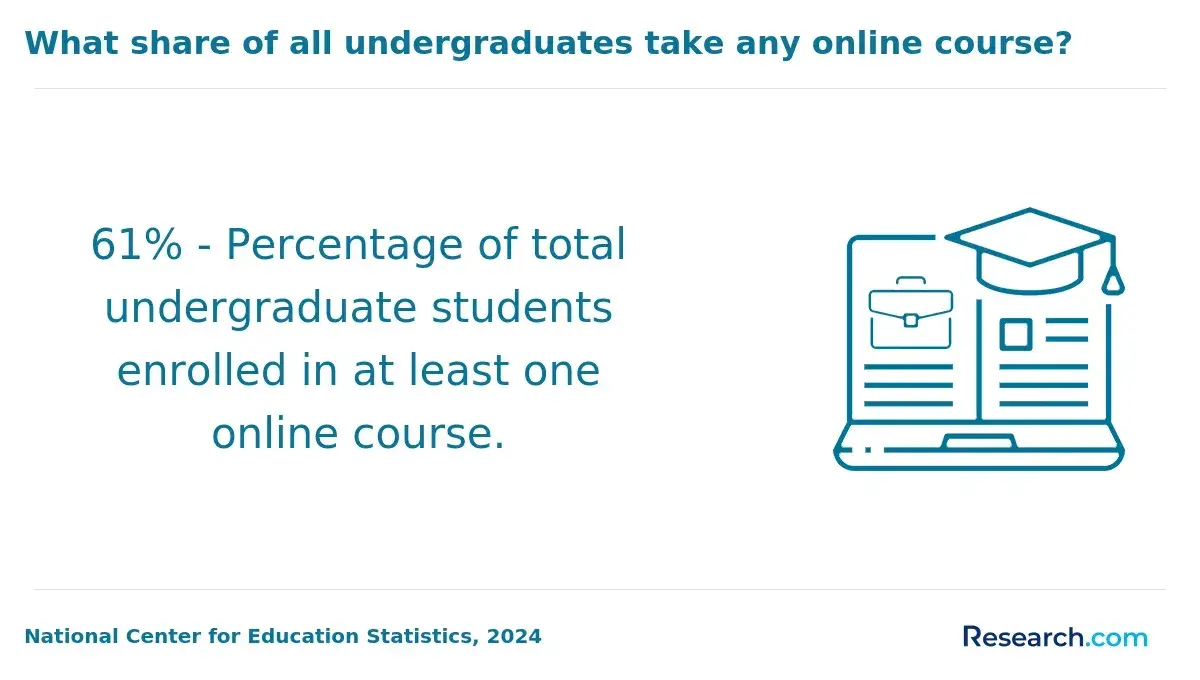
Choosing between online and campus-based delivery for geoscience degrees significantly shapes a student's educational journey and future opportunities. In fall 2021, about 37% of U.S. undergraduates enrolled in at least one online course, reflecting growing acceptance of digital learning. This comparison explores how each format aligns with career goals and learning preferences.
Online Programs
- Flexible Schedule: Students can manage studies alongside work or family commitments, making it easier to fit education into busy lives.
- Broader Access: Online formats remove geographic barriers, enabling enrollment in programs otherwise out of reach.
- Cost Efficiency: Reduced commuting and campus fees often make online degrees more affordable.
- Limited Practical Exposure: Virtual delivery can curtail hands-on fieldwork, which is crucial for skill application in geoscience.
- Networking Constraints: Opportunities for face-to-face interaction with peers and faculty are fewer, potentially affecting mentorship and professional connections.
Campus-Based Programs
- In-Person Learning: Direct access to labs and field experiences strengthens practical understanding and job-ready skills.
- Enhanced Networking: Frequent interaction fosters relationships that support career development and guidance.
- Structured Environment: Fixed schedules and classroom settings encourage discipline but may limit flexibility.
- Higher Costs and Logistics: Expenses tied to relocation, commuting, and campus resources can increase the overall investment.
When asked about his perspective, a graduate of an online geoscience degree recalled the difficulty of weighing these factors. He shared, "I spent countless hours comparing programs, trying to find one that balanced flexibility with fieldwork opportunities. The fear of missing out on hands-on experience was real, but I also couldn't put my life on hold." He emphasized the importance of thoroughly researching how each program integrates practical elements online and that, although challenging, the ability to study remotely empowered him to complete his degree without sacrificing his job or family time.
How Do GPA Requirements Vary Among Geoscience Degree Programs?
GPA requirements are a key factor when comparing geoscience degree programs, as they influence admission chances and reflect program selectivity. Here is a breakdown of how these requirements can differ across institutions.
- Admissions Competitiveness: More selective programs often require minimum GPAs around 3.0 or higher, reflecting higher academic standards and limited enrollment spots. Less competitive programs may accept GPAs closer to 2.5, allowing broader access.
- Holistic Evaluation: Many programs assess applicants beyond GPA, considering experience, personal statements, recommendation letters, and test scores. This approach means candidates with slightly lower GPAs still have a chance if they excel in other areas.
- Degree Level Differences: Undergraduate programs tend to have more flexible GPA expectations, whereas graduate geoscience degrees usually require higher GPAs to demonstrate readiness for advanced study and research.
- Conditional Admission Options: Some schools offer provisional acceptance or probationary enrollment to students near the GPA cutoff, providing pathways to full admission based on performance during initial coursework.
- GPA Calculation Methods: Institutions vary in how they weigh courses, with some emphasizing science and math grades more heavily than overall GPA. This can impact how applicants' academic records align with program standards.
How Can You Compare Tuition Across Geoscience Degree Programs?
Tuition comparison is a vital consideration for prospective geoscience students as it directly affects affordability and long-term financial planning. In 2022, the average student loan debt for graduates in science fields was around $29,000, highlighting the importance of evaluating all related costs. The following points outline key factors to weigh when comparing programs.
- Total Program Cost: Focus on the full expense, not just tuition per credit hour. This includes mandatory fees and ancillary charges that can significantly increase the overall investment.
- Cost Per Credit: Understand the price of individual credits, especially if you plan to take fewer courses per term or transfer credits. This metric helps tailor your budget to your academic pace.
- Mandatory Fees: Be aware of additional fees like lab access, technology, or materials that add to the bill but are essential for completing the program requirements.
- Financial Aid: Investigate scholarships, grants, and loan options. Availability of aid can drastically reduce out-of-pocket costs and affect net program expenses.
- Employer Tuition Benefits: For working students, employer-sponsored tuition assistance can offset tuition fees. Confirm whether programs and employers have partnerships or benefits that make education more affordable.
- Long-Term Value: Consider career outcomes and salary potential post-graduation. Sometimes a higher upfront cost is balanced by better job prospects and earnings over time.
When I asked a graduate with a geoscience degree about her experience comparing tuition, she reflected on the complexity of budgeting beyond sticker prices. "It wasn't just about how much a credit cost but what hidden fees came up each semester," she explained. She found tracking all expenses, including mandatory courses with extra lab fees, crucial to avoid surprises. Financial aid packages and her employer's tuition reimbursement played a key role in making her decision. She recalled the stress of balancing work, study, and finances but emphasized, "Knowing the long-term payoff kept me motivated-it was a tough but rewarding process." Her insight underscores the need for a comprehensive evaluation of costs aligned with personal circumstances.
Does a Geoscience Degree Meet Licensure Requirements?
Aligning a geoscience degree with licensure requirements is essential for students targeting licensed careers or seeking professional transitions. Nearly 17% of U.S. jobs demand a license or certification, making it crucial to evaluate programs through this lens. Consider the following factors when comparing degrees:
- Curriculum Alignment: Review whether the degree covers core topics necessary for licensure exams and professional practice, including earth sciences, mathematics, and ethics.
- Accreditation Standards: Ensure programs hold accreditation from recognized agencies, which signals adherence to educational benchmarks that licensing boards require.
- State Requirements: Licensing criteria vary by state, so check if the program's content and structure support eligibility for local licensure exams and regulatory expectations.
- Supervised Experience: Practical, supervised work under a licensed professional is often mandatory; programs that help facilitate or require such experience enhance licensure prospects.
- Exam Eligibility: Confirm that the degree program qualifies graduates to sit for key assessments like the ASBOG Fundamentals of Geology test, a common licensure step.
Which Geoscience Programs Have the Best Career Placement Rates?
Career placement rates offer critical insight into how well a geoscience degree program prepares students for success in the job market. For instance, more than 85% of graduates from top geoscience programs secure employment within six months of completing their degree, demonstrating strong alignment between education and industry needs. Students evaluating programs should consider several key aspects that contribute to these outcomes:
- Employer Partnerships: Established connections with industry players enhance job prospects. Quality programs maintain relationships that facilitate recruitment and expose students to sector expectations early on.
- Internship Pipelines: Access to internship opportunities allows hands-on experience and networking. Internship pipelines often serve as direct channels for full-time employment after graduation.
- Alumni Outcomes: Tracking career progression and retention among alumni helps assess long-term program impact. Successful alumni networks demonstrate sustained career support beyond entry-level positions.
- Support Services: Dedicated career counseling, resume workshops, and interview preparation tailored to geoscience fields improve job readiness. These services greatly enhance placement success and student confidence.
Prospective students searching for the best geoscience degree programs for career placement should also investigate these factors alongside headline employment rates to find the right fit.
As one compares top geoscience programs with high employment rates, it's valuable to consider options that accommodate individual goals, schedules, and budgets. For those balancing work or family commitments, programs like the cheapest online doctorate in educational leadership offer insight into affordable online education, which might inspire looking for flexible geoscience pathways as well.
How Do Salaries Compare Across Geoscience Degree Program Graduates?
Post-graduation salary outcomes are a crucial factor for prospective students assessing different geoscience degree programs, as they reflect potential return on investment and help guide career decisions. Salaries for geoscience graduates typically range from entry-level figures around $50,000 to well over $120,000 annually in specialized roles, with the U.S. Bureau of Labor Statistics reporting a median annual wage of approximately $93,580 in 2022. The following points highlight key comparisons in salary data across various factors.
- Job Role: Entry-level geoscientists usually begin with salaries between $50,000 and $70,000, while advanced technical or management roles can earn significantly higher compensation, often surpassing $120,000.
- Industry Impact: Salaries vary notably by industry; the oil and gas sector typically offers higher wages compared to environmental consulting or government agencies, reflecting differences in demand and required expertise.
- Regional Variations: Geographic location plays a major role in earnings. States with strong energy sectors like Texas and Alaska tend to offer higher salaries, making geoscience graduate salary comparison by region essential when evaluating job markets.
- Experience Level: Mid-career professionals can earn 20-40% more than entry-level peers due to accumulated skills and seniority.
- Financial Planning: Understanding these factors helps students align their program choices with career aspirations and financial goals, and exploring online certifications can additionally enhance earning potential.
What Graduates Say About Comparing Geoscience Degree Programs Effectively
- Louie: "Before choosing a geoscience degree, I compared multiple programs where cost was a big concern since the average attendance was quite high. Finding a program that balanced quality education with reasonable tuition fees made all the difference. Graduating opened doors for me in environmental consulting, and I truly value how the affordable cost aligned with a strong career impact. "
- Zamir: "When I looked into degree options, I was drawn to geoscience because it offered a focused curriculum that didn't break the bank, especially considering the rising costs of higher education. The financial aspect was crucial for me, but completing the degree also gave me confidence and credibility in natural resource management roles. This program proved to be an investment in my future both economically and professionally. "
- Matthew: "I approached the decision to pursue a geoscience degree very strategically, aware that cost can be a barrier in technical fields. The program I chose was competitively priced compared to others averaging much higher tuition, which made it feasible for me to enroll. Obtaining this degree has since provided me with a solid foundation in geology and geospatial analysis, significantly advancing my career as a professional geoscientist. "
Other Things You Should Know About Geoscience Degrees
Industry connections can significantly influence the choice of a geoscience degree program by providing students with networking opportunities, internships, and potential job placements. Programs with strong ties to industry leaders can offer practical insights and experiences, enhancing the program's appeal and effectiveness in preparing students for their future careers.
Credit transfer policies can significantly impact the comparison of geoscience programs. Prospective students should review these policies closely, as they affect the time to graduation and the ability to transfer previously completed coursework. Understanding transfer agreements between institutions can also guide in choosing a program that maximizes the use of existing credits.
Effective geoscience degree programs typically offer academic advising, career counseling, and access to research facilities. Support services such as tutoring and faculty mentorship are also valuable for student success. Identifying these resources can help prospective students choose programs that provide a well-rounded educational experience.
References
- 2025 Geological and Earth Sciences/Geosciences (other) Tuition https://www.collegetuitioncompare.com/majors/40.0699/geological-and-earth-sciences-geosciences-other/
- Candidate Resources https://asbog.org/governance/licensure.html
- Missouri S&T ranks high in undergraduate starting salary https://web.mst.edu/sgao/geophy/geo_jobs.html
- Geoscience Profession Data https://profession.americangeosciences.org/research/data/
- Environmental Geoscience degrees & courses https://universitycompare.com/courses/degrees/environmental-geoscience
- Contact Us https://cpg.kfupm.edu.sa/academics/departments/department-of-geosciences/accreditation/
- Undergraduate Program https://www.gps.caltech.edu/academics/undergraduate-program
- Geoscience Graduate Salary https://www.comparably.com/salaries/salaries-for-geoscience-graduate
- The Geological Society - Degree Accreditation https://www.geolsoc.org.uk/education-and-resources/universities/university-degree-accreditation/
- 103-12 What’s the Difference?: An Evaluation of the Differences in Course Requirements Between BS and BA Degrees in Geology Within the United States https://gsameetings.secure-platform.com/connects25/solicitations/103002/sessiongallery/schedule/items/95324/application/6566


