
2027 How to Compare Social Media Marketing Degree Programs Effectively

Co-Founder and Chief Data Scientist
Choosing the right social media marketing degree program can be daunting due to varying curriculum depth, faculty expertise, and practical training opportunities. Many students find themselves overwhelmed when program descriptions emphasize different skills or use jargon inconsistently. Meanwhile, employment in digital marketing roles is projected to grow 15% from 2022 to 2032, highlighting the industry's rising demand. This statistic illustrates the importance of selecting a program that not only covers foundational knowledge but also aligns with emerging industry trends. This article will explore key criteria for comparing social media marketing degree programs effectively, helping prospective students make informed decisions tailored to their career aspirations and resources.
Key Benefits of Comparing Social Media Marketing Degree Programs Effectively
- Verify program accreditation to ensure industry recognition; accredited programs often correlate with higher employment rates and employer trust.
- Assess curriculum alignment with your career goals, focusing on specialization areas like analytics or content strategy that reflect current industry demand.
- Consider total cost against potential return on investment, noting that flexible scheduling options can reduce opportunity costs for working students.
What Types of Accreditation Should a Social Media Marketing Degree Program Have?
Accreditation plays a vital role in helping prospective students compare the quality, credibility, and long-term value of different social media marketing degree programs. Over 90% of employers prefer candidates from accredited institutions, which significantly improves graduates' employment prospects.
To evaluate programs accurately, it is important to understand the main types of accreditation to consider.
- Regional Accreditation: This is the most recognized form of institutional accreditation in the U.S., covering an entire school and all its academic programs. It ensures that the institution meets rigorous educational standards, facilitates credit transfer between schools, and impacts eligibility for federal financial aid.
- Programmatic or Specialized Accreditation: Focused specifically on marketing or business fields, this accreditation evaluates a social media marketing program's curriculum, faculty qualifications, and resources. It confirms the program's relevance and rigor, which is crucial for students seeking specialized expertise and employers looking for well-prepared professionals.
Regional accreditation guarantees the overall education quality, while specialized accreditation assures the program's depth in social media marketing. Both types are especially valuable for career changers and working professionals who need flexibility and credit transfer options to progress efficiently.
Prospective students looking for the best accredited social media marketing degrees should also consider exploring related online options like online SLP degrees for broader educational choices.
What Specializations Are Offered in Social Media Marketing Degree Programs?
Specializations in social media marketing degree programs allow students to tailor their education toward specific career goals and industry demands. With digital marketing jobs expected to grow 10% from 2022 to 2032, according to the Bureau of Labor Statistics, gaining expertise in a focused area can enhance job readiness and marketability.
Below are common concentrations in social media marketing degrees that prospective students often consider when comparing programs.
- Content Strategy: Focuses on creating and managing compelling, branded content across various platforms; develops skills in storytelling, copywriting, and campaign planning to engage diverse audiences effectively.
- Data Analytics: Centers on analyzing social media metrics, user behavior, and return on investment; equips students with quantitative analysis and reporting expertise critical for data-driven decision-making.
- Social Advertising: Emphasizes managing paid campaigns, optimizing ad platforms, and precise audience targeting; prepares students for roles involving campaign execution and paid media strategy.
- Community Management: Covers engagement techniques, maintaining brand reputation, and handling customer interactions; builds communication and crisis management skills necessary for fostering loyal online communities.
Students seeking accredited online options might also explore CACREP accredited programs which offer flexible pathways aligned with professional standards in related fields.
How Can You Compare Courses Across Social Media Marketing Degree Programs?
Comparing courses across social media marketing degree programs is essential for prospective students to evaluate program rigor, skill development, and alignment with career goals. Recent data shows that programs with comprehensive curricula experience a 15% higher course completion rate, signifying deeper student engagement and better outcomes.
To effectively assess programs, consider the following strategies.
- Reviewing Course Syllabi: Examining syllabi reveals the depth of course content and whether the curriculum incorporates current digital marketing tools and platforms.
- Analyzing Credit Hours: Understanding credit hours and workload helps determine if the program's schedule fits your availability and learning pace.
- Checking Skill Applicability: Focus on courses that emphasize analytics, content creation, and campaign management to ensure the skills taught meet industry demands.
- Evaluating Faculty Expertise: Faculty credentials and real-world experience often translate into practical insights that benefit students.
- Researching Student Outcomes: Graduation rates and job placement statistics reflect how well the program prepares students for professional success in social media marketing.
Prospective students interested in related fields may also explore online courses for psychology degree studies to diversify their skillset. Applying the best criteria to compare social media marketing degree programs supports informed decisions that align with your career goals.
What Scheduling Options Are Available in Social Media Marketing Degree Programs?
Flexible scheduling is essential for students balancing education with work, family, or other obligations when comparing social media marketing degree programs. Various options exist to meet different needs and learning preferences.
Consider these common formats:
- Full-Time Study: Typically follows a set semester calendar with a structured pace. It suits students who can dedicate their primary focus to coursework and want to complete their degree promptly.
- Part-Time Enrollment: Offers reduced course loads to accommodate work or personal commitments. This option lets students extend their studies over a longer period while managing other responsibilities.
- Online Programs: Provide asynchronous classes that students can access anytime and anywhere. These degrees offer maximum flexibility, ideal for working professionals or those with family duties who need to fit study around their schedules.
- Hybrid Formats: Combine virtual learning with some in-person sessions. This approach balances flexible remote coursework and the benefits of face-to-face interaction, supporting different learning styles.
- Evening and Weekend Classes: Designed for those who cannot attend traditional daytime courses. These sessions help students maintain employment or other daily commitments without pausing their education.
Examining schedule options is critical in choosing a social media marketing program that aligns with your availability and learning approach. The right format can improve your academic success, retention, and timely completion of the degree.
What Are the Pros and Cons of Online vs Campus-Based Social Media Marketing Degrees?
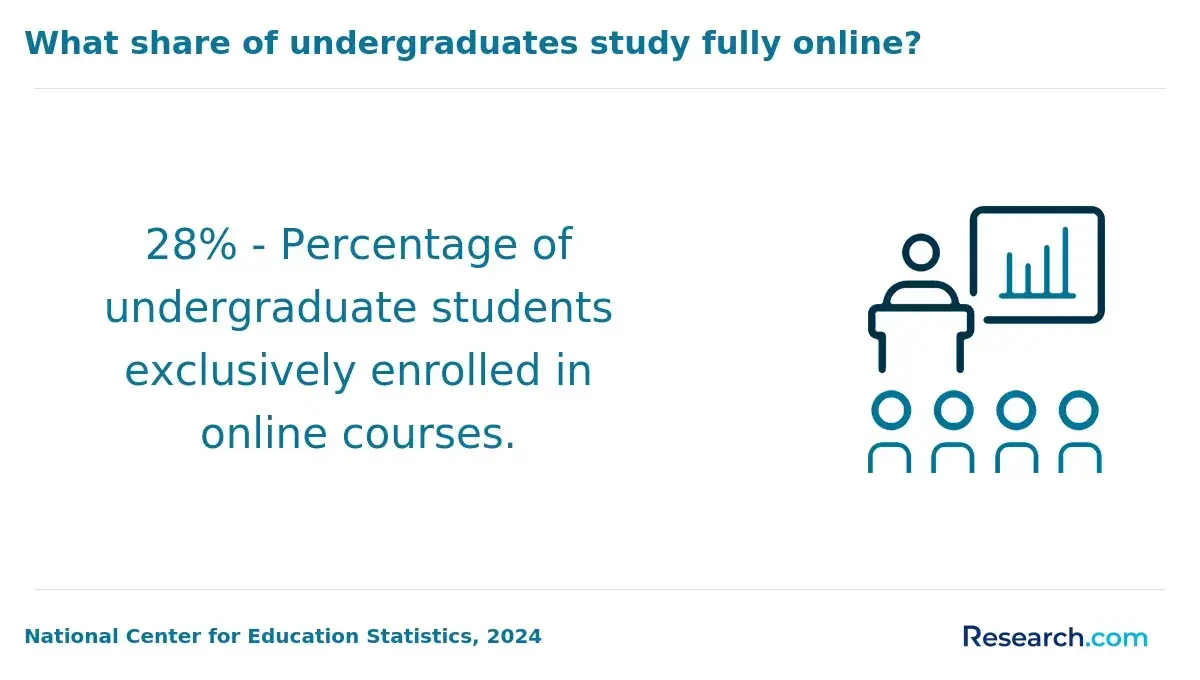
Choosing the delivery format for social media marketing degree programs plays a crucial role in shaping your study experience and employment opportunities. Over 30% of U.S. undergraduates now take courses exclusively online, highlighting the rising demand for flexible education. Examining the benefits and drawbacks of both online and campus-based options can help you decide what best fits your needs.
Online Social Media Marketing Degrees
- Flexible Scheduling: Online programs let students study at their own pace and on their own time, perfect for those balancing work or family commitments.
- Cost Efficiency: Typically, online degrees come with lower tuition and no commuting expenses, reducing the overall financial burden.
- Limited Networking: Virtual environments can restrict face-to-face interactions, which may impact building professional relationships.
- Self-Motivation Required: Without in-person accountability, some students struggle to stay engaged and complete coursework on time.
Campus-Based Social Media Marketing Degrees
- Robust Networking: Being on campus offers direct access to peers, faculty, internships, and events that foster career connections.
- Immersive Learning: Hands-on collaboration and use of campus resources can lead to deeper understanding and stronger skill development.
- Scheduling Constraints: Fixed class times and commuting can make it harder to balance personal and professional responsibilities.
- Higher Costs: Tuition and related expenses such as transportation and housing increase the total investment.
How Do GPA Requirements Vary Among Social Media Marketing Degree Programs?
GPA requirements are a key factor for prospective students comparing social media marketing degree programs, as they indicate academic expectations and admissions competitiveness. Below are several important considerations related to these GPA standards.
- Range of Standards: GPA thresholds often vary widely, typically between 2.5 and 3.5 on a 4.0 scale, reflecting differences in program selectivity and academic rigor.
- Holistic Admissions: Many programs assess candidates beyond GPA by evaluating work experience, personal essays, recommendations, and relevant skills, enabling those with lower GPAs to demonstrate potential through other strengths.
- Conditional Acceptance: Some institutions offer provisional admission or probationary enrollment options to applicants who narrowly miss GPA criteria, allowing them to prove their capabilities while beginning coursework.
- Academic Support Options: Programs may provide opportunities to retake prerequisite classes or access tutoring and mentoring during initial semesters, helping students boost academic performance and stay on track.
How Can You Compare Tuition Across Social Media Marketing Degree Programs?
Comparing tuition among social media marketing degree programs is a key step for students wanting to manage education expenses wisely. In the U.S., the average student loan debt for graduates nears $30,000, highlighting the importance of evaluating costs carefully.
Consider these factors when assessing tuition differences:
- Total Program Cost: Look beyond the per-credit price and account for the entire tuition based on program length, as credits required vary by school.
- Cost Per Credit: While useful, per-credit costs can be misleading without context, so compare this alongside total credits and fees.
- Additional Fees: Mandatory fees-such as technology, lab, or student activity fees-can add substantially to the overall cost.
- Financial Aid Availability: Grants, scholarships, and employer tuition reimbursement programs can greatly lower out-of-pocket expenses and should influence your choice.
- Employer Tuition Benefits: Some employers offer education support, so understanding these benefits may ease funding concerns during and after your program.
- Long-Term Value: Higher tuition may be justified if a program offers stronger career placement or higher earning potential post-graduation.
Does a Social Media Marketing Degree Meet Licensure Requirements?
Licensure alignment is an important factor for students aiming to enter regulated professions or shift careers into social media marketing. Approximately 20% of U.S. workers hold jobs that require government licenses or professional certifications, making it essential to examine how degree programs support these credentials.
Here are key aspects to consider when evaluating programs:
- Curriculum Alignment: Check if the coursework matches the skills and knowledge demanded by recognized industry certification bodies, ensuring relevance to credentialing standards.
- Accreditation Status: Verify the institution's accreditation, as it influences credit transferability and recognition by employers and certifying organizations.
- State Requirements: Review any local or state mandates that might affect eligibility for licensure or certification, especially if combining marketing with regulated fields.
- Supervised Experience: Determine whether the program offers internships or practicum opportunities that fulfill supervised experience prerequisites necessary for certification exams.
- Exam Eligibility: Confirm that completing the degree qualifies students to apply for pertinent certification exams, such as the Certified Social Media Marketing Specialist (CSMMS) or other nationally recognized credentials.
Which Social Media Marketing Programs Have the Best Career Placement Rates?
Career placement rates offer crucial insight into how well social media marketing degree programs prepare students for employment. Graduates from programs with strong connections to the industry see higher chances of securing jobs quickly; for example, social media marketing graduates with active internship opportunities have a 75% employment rate within six months of finishing their studies.
Considering these factors can guide prospective students toward programs that deliver the best results. Here are key aspects to evaluate when comparing the best social media marketing programs for career placement:
- Employer Partnerships: Programs boasting established relationships with companies can facilitate internships and job placements, boosting graduates' chances of finding relevant roles fast. These partnerships often provide students with insights into current industry trends and needs.
- Internship Pipelines: Access to structured internships offers hands-on experience that employers highly value. Programs emphasizing experiential learning through internships typically show stronger career placement rates by preparing students for real-world challenges.
- Alumni Outcomes: Reviewing published data on graduate employment timelines and success stories helps verify a program's effectiveness. Testimonials from alumni who have advanced in their careers indicate reliable support for student achievement.
- Career Support Services: Dedicated resources such as résumé workshops, interview coaching, and sector-specific job fairs play a vital role. These services extend student support beyond academics and directly contribute to successful job placements.
When searching for programs with the highest job placement rates, students should also explore options that fit their overall goals, budget, and schedule. For those interested in affordable pathways, it's worth reviewing the cheapest EdD programs available, which may provide added flexibility while supporting career advancement in related fields.
How Do Salaries Compare Across Social Media Marketing Degree Program Graduates?
Post-graduation salary outcomes are a key metric for prospective students comparing social media marketing degree programs, as they reflect the financial potential aligned with career paths. Graduates commonly earn between $40,000 and $85,000 annually depending on various factors.
Below is an overview of how salaries compare across graduates from social media marketing programs.
- Role Variation: Entry-level social media coordinators typically start with salaries ranging from $40,000 to $55,000, while experienced social media managers can earn between $60,000 and $85,000. Specialized roles like digital marketing analysts or content strategists often command salaries above this range.
- Industry Influence: Salaries vary significantly by industry, with technology and finance sectors generally offering higher pay due to complex social media strategies and greater demand. Nonprofit and education sectors frequently provide lower earnings in comparison.
- Location Impact: Geographic location plays a vital role; metropolitan hubs such as New York, San Francisco, and Chicago provide salaries up to 30% higher than smaller cities to accommodate living costs and competitive markets.
- Experience Growth: According to the Bureau of Labor Statistics, advertising, promotions, and marketing managers-including those in social media marketing-had a median annual wage of about $135,900 in 2023, highlighting significant salary advancement with experience.
Understanding these factors is essential for students seeking to evaluate the average earnings of social media marketing program alumni effectively and choosing a path that fits their ambitions and budget. Prospective students may also consider 1 year masters programs online as an option to quickly enhance their credentials and potentially increase earning potential.
What Graduates Say About Comparing Social Media Marketing Degree Programs Effectively
- Cypress: "Before enrolling in the social media marketing degree, I was hesitant because I wasn't sure if the investment was worth it. After comparing tuition costs, which average around $15,000, the program's affordability stood out compared to other marketing degrees. Completing this degree significantly boosted my confidence and opened doors to roles I hadn't imagined possible, making it a truly transformative experience. "
- Jace: "Choosing a social media marketing degree was largely influenced by how manageable the overall cost was compared to more traditional business courses, which can easily double in price. Reflecting on my journey, the program provided practical skills that made an immediate difference in my career trajectory, helping me move from entry-level positions to managerial roles swiftly. I'm grateful for the clear value this degree offered. "
- Tristen: "My approach was pragmatic from the start; I carefully compared the financial commitment against expected career benefits. Given that the average cost hovered near $15,000, the social media marketing degree presented a cost-effective path to specialize and stay competitive in a rapidly evolving field. Since graduating, I've seen measurable impacts on my professional growth and earning potential, reinforcing that decision."
Other Things You Should Know About Social Media Marketing Degrees
Transfer credit policies vary but usually require that courses have been completed at an accredited institution and closely match the curriculum of the social media marketing program. Many schools limit the number of transferable credits and may exclude certain types of courses, such as remedial or non-marketing classes. It is important to check with admissions advisors to understand how previous coursework can be applied toward the degree.
Internships are often a key component of social media marketing degrees, providing practical experience with brands, agencies, or digital marketing teams. Some programs make internships mandatory for graduation, while others offer them as elective opportunities. Students should review the availability, duration, and support for internships to ensure they align with career goals and schedules.
When evaluating social media marketing degree programs in 2027, consider accreditation, curriculum relevancy, faculty expertise, technological resources, networking opportunities, and alumni success. Also, investigate internship partnerships and the integration of current digital tools and platforms into the coursework to ensure comprehensive education in this fast-evolving field.
References
- New Program Alert: Become a Social Media Specialist! https://www.raritanval.edu/general-information/newsroom/new-program-alert-become-social-media-specialist
- Is a Social Media Marketing Career Right for You? https://www.nobledesktop.com/blog/is-a-social-media-marketing-career-right-for-you
- 2025 Most Affordable Online Marketing Degrees https://www.onlineu.com/most-affordable-colleges/marketing-degrees
- Social Media Marketing https://www.coursera.org/specializations/social-media-marketing
- 23+ Social Media Marketing Degrees + Courses + Bootcamps https://digitalmarketingdegree.org/social-media-marketing-degrees/
- Bachelor’s in Social Media Marketing Online Degree Program | Lindenwood University https://www.lindenwood.edu/programs/bachelors-social-media-marketing/
- Media społecznościowe i marketing cyfrowy, studia AEH Warszawa https://vizja.pl/en/specjalizacja/media-spolecznosciowe-i-marketing-cyfrowy/
- CourseCareers https://coursecareers.com/blog-posts/7-best-digital-marketing-courses
- How Social Media Marketing Courses Can Boost Your Career https://www.turingcollege.com/blog/social-media-marketing-courses
- What’s the Difference Between Online vs. On-Campus Digital Marketing Master’s Programs? | Digital Marketing Institute https://digitalmarketinginstitute.com/blog/whats-the-difference-between-online-vs-on-campus-digital-marketing-masters-programs


