
2027 How to Verify Accreditation for Audio & Music Degree Programs

Co-Founder and Chief Data Scientist
Students pursuing audio & music degrees often face uncertainty about whether their chosen programs are properly accredited. Without verified accreditation, graduates risk attending schools that may not meet academic standards or qualify for federal financial aid. According to the National Center for Education Statistics, only about 45% of music degree holders work in music-related fields after graduation, highlighting the importance of selecting reputable programs.
This article will explain how to verify accreditation for audio & music degree programs and help prospective students ensure their education meets recognized quality standards and supports their future career prospects.
Key Benefits of Accredited Audio & Music Degree Programs
- Accreditation ensures academic quality by verifying that audio & music degree programs meet established educational standards, which enhances students' learning experiences and career preparation.
- Only accredited programs qualify students for federal financial aid, making higher education more affordable and accessible for aspiring audio & music professionals.
- Employers and licensing bodies prefer graduates from accredited programs, improving employment prospects and professional credibility in the competitive audio & music industry.
What Does Accreditation Mean for Audio & Music Degree Programs?
Accreditation is an official process that recognizes higher education institutions and their specific audio & music degree programs for meeting established standards of academic quality and rigor. In the U.S., agencies such as the National Association of Schools of Music (NASM) evaluate programs against nationally accepted criteria to ensure well-qualified faculty, effective curricula, and adequate resources. Approximately 7,000 postsecondary institutions hold institutional accreditation, reflecting the widespread importance of ensuring program legitimacy and consistency. For students evaluating audio & music programs, understanding the importance of accreditation in audio and music degree programs can help them identify credible options that follow accepted educational benchmarks.
Choosing an accredited program impacts audio and music academic quality by ensuring that students engage with a curriculum that balances theoretical knowledge with practical training, delivered by qualified instructors in properly equipped facilities. Accreditation involves ongoing reviews that promote continual improvement, helping programs stay current with industry standards. While accreditation does not guarantee financial aid or career outcomes, it signals a commitment to transparent and comprehensive education, which is critical for long-term success. Prospective students exploring options may also benefit from researching online msw programs as part of broader educational planning.
What Types of Accreditation Should a Audio & Music Degree Program Have?
Knowing the different types of accreditation when evaluating audio & music degree programs is essential for ensuring academic credibility, financial aid eligibility, and career readiness. The following points outline key accreditation categories prospective students should consider to protect their educational investment and professional future.
- Institutional Accreditation: This evaluates the overall quality and standards of a college or university, confirming it meets established academic criteria. Institutional accreditation affects credit transferability and eligibility for federal financial aid, making it a critical factor when selecting a program.
- Programmatic or Specialized Accreditation: Focused specifically on audio & music programs, this accreditation ensures curricula, faculty, and resources meet industry and educational benchmarks necessary for professional success. It directly influences the program's reputation and the preparedness of graduates for the workforce.
- Regional vs. National Accreditation: Regional accrediting agencies recognized for audio and music education quality generally hold more prestige and are widely accepted by employers and other institutions. National accreditation often applies to vocational or technical schools and may limit credit transfer and graduate opportunities.
- Licensure and Professional Accreditation: Certain accreditations relate to licensure or specialized professional certifications relevant to audio & music graduates. These accreditations impact career pathways by aligning education with industry standards and legal requirements.
Verifying these accreditations is a vital step for students researching audio & music degree programs, helping them make informed choices. For those interested in comparing programs in other fields or modalities, exploring online psychology programs can provide helpful insights into institutional quality assurance processes.
How Can You Verify If a Audio & Music Degree Program Is Accredited?
Confirming accreditation for an audio & music degree program is crucial to ensure educational quality, access to federal financial aid, and strong career or licensure prospects. Proper verification helps identify programs that meet recognized academic standards.
Here are key methods to verify accreditation for audio & music degree programs in the United States:
- U.S. Department of Education Database: Use the official database managed by the U.S. Department of Education to confirm institutional accreditation of the college or university offering the audio & music program. This resource lists recognized accrediting agencies and accredited schools.
- Council for Higher Education Accreditation (CHEA): Check CHEA's website to validate that the accrediting organization for the audio & music program holds recognition. CHEA provides a comprehensive list of legitimate regional and national accrediting bodies.
- Direct School Inquiry: Reach out to the school's admissions or registrar office to request official documentation verifying accreditation status. Accredited institutions typically supply proof and clarify if the audio & music program carries specialized accreditation.
- Programmatic Accreditation: Some audio & music programs receive specialized accreditation from professional bodies. Verify these credentials with the respective organizations to ensure program-specific standards are upheld.
For those interested in affordable advanced degrees, exploring options like an executive mba can offer guidance on recognized programs and accreditation considerations.
Breakdown of All Fully Online Title IV Institutions

What Red Flags Indicate a Audio & Music Program May Not Be Accredited?
Identifying warning signs of unaccredited audio & music programs is vital to maintain academic integrity, qualify for financial aid, and secure future employment opportunities. Being alert to these indicators can help students avoid costly mistakes and ensure their education meets established standards.
Below are key red flags to watch for when assessing program accreditation:
- Claims of "Lifetime" Accreditation: Authentic accreditation involves regular reviews and renewals. Offers of permanent or lifelong accreditation often signal a lack of proper oversight and warrant skepticism.
- Unrecognized Accrediting Agencies: Some programs claim accreditation from bodies not acknowledged by federal or credible peer organizations. Prospective students should verify the accreditor's legitimacy through official educational or government sources.
- Extremely Low Tuition Fees: Tuition significantly lower than comparable accredited programs might indicate cost-cutting that compromises educational quality, faculty expertise, or available resources.
- Misleading Program Descriptions: Vague course details, overly broad promises, or guarantees of employment can suggest a lack of transparency. Reliable programs provide clear, detailed information about curriculum and realistic outcomes.
Are Online Audio & Music Degree Programs Accredited?
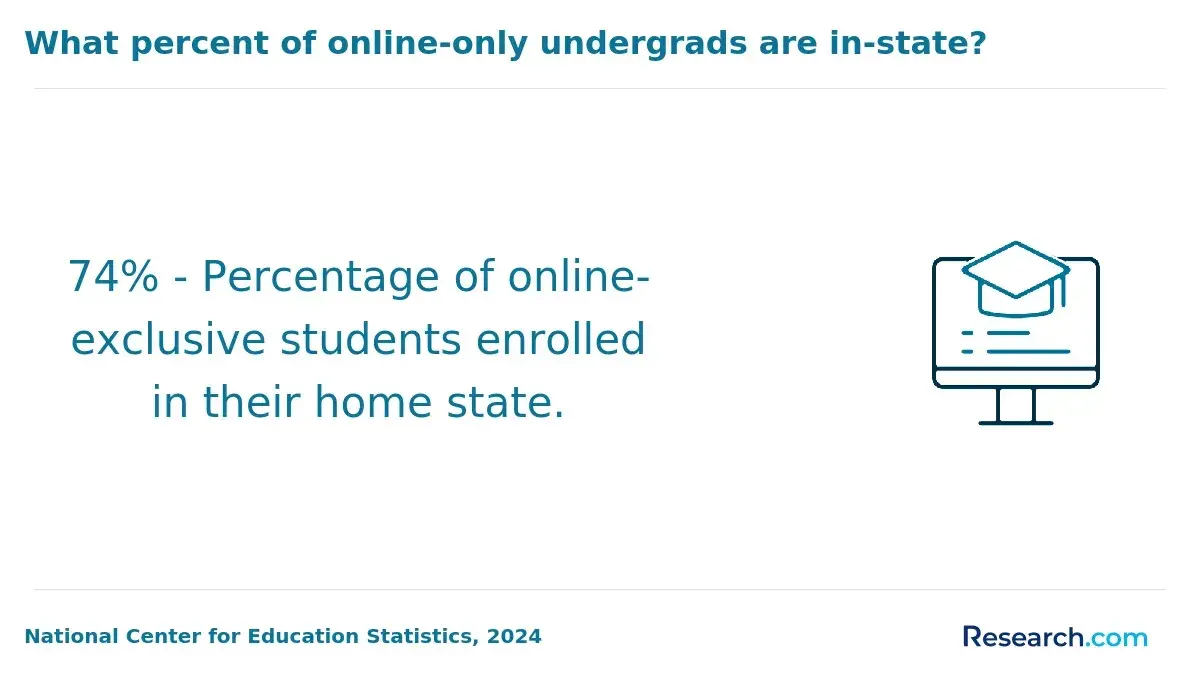
Online audio & music degree programs can be accredited just like traditional on-campus degrees, ensuring the education provided meets established standards for academic quality, faculty expertise, and institutional resources. Accreditation is essential not only for confirming the program's legitimacy but also because it influences eligibility for federal aid and scholarships, which are typically restricted to students in accredited institutions. Employers and licensing entities often require graduates to hold degrees from accredited programs, highlighting the importance of these credentials for professional advancement. Data from the National Center for Education Statistics shows that over 75% of postsecondary students have taken at least one online course, underscoring the critical role accreditation plays in distance education. Online programs undergo the same rigorous evaluation as their campus-based counterparts, maintaining consistent expectations for instructional quality, measurable learning outcomes, and administrative oversight to ensure equivalency between modes of delivery.
When I spoke with a graduate of an online audio & music degree program about whether their degree felt genuinely valued, they shared how navigating coursework remotely initially felt isolating and uncertain, especially about the program's recognition. However, after engaging with faculty and successfully completing projects that mirrored industry standards, the graduate realized the accreditation reassured employers and peers alike of the degree's validity. They recalled, "There was a point when I doubted if employers would take an online degree seriously, but after sharing my capstone work and internship experiences, that concern faded." The graduate described the experience as challenging yet rewarding, emphasizing the importance of accreditation in affirming the program's credibility throughout their journey.
Does Accreditation Affect Licensure Eligibility for Audio & Music Careers?
Accreditation is essential for students aiming to work in licensed or regulated audio & music professions, as it often determines whether they can pursue necessary certifications or credentials. The following points highlight how accreditation influences licensure eligibility and related career factors.
- Exam Eligibility: Many licensing boards require candidates to graduate from accredited programs before allowing them to sit for professional licensure or certification exams. Without this, students may find themselves barred from essential credentialing opportunities.
- Regulatory Compliance: State and regional licensing authorities often mandate graduation from recognized accredited institutions to fulfill regulatory conditions. This ensures candidates meet minimum academic and professional standards before entering the workforce.
- Employer and Industry Recognition: Accreditation signals that a program adheres to established academic and industry benchmarks, which employers and regulatory bodies rely on when verifying qualifications. Degrees from non-accredited programs may not be acknowledged, limiting career advancement and professional credibility.
- Program Limitations: Non-accredited programs can restrict students' access to federal financial aid and professional memberships. This limitation can hinder educational financing and reduce opportunities for networking and growth within professional associations or unions.
Will Credits From an Accredited Audio & Music Program Transfer to Another School?
Credits earned from an accredited audio & music program can be crucial when students need to change schools, relocate, or pursue advanced degrees. Knowing how these credits transfer helps avoid lost time and additional expenses. Several factors determine the success of credit transfer.
- Institutional Accreditation Type: Credits from regionally accredited institutions tend to transfer more easily than those from nationally or programmatically accredited schools. Regional accreditation is often seen as a stronger indicator of academic rigor, which impacts acceptance by receiving institutions.
- Course Equivalency and Curriculum Alignment: Schools evaluate whether courses match in content, credit hours, and learning outcomes. Close alignment increases the likelihood that credits will apply toward degree requirements at the new institution.
- Receiving School Transfer Policies: Each school has unique policies regarding transfer credits, such as minimum grade thresholds and restrictions on certain types of courses. It is essential to review these policies to understand what will be accepted.
- Limits on Transfer Credits: Many institutions cap the total number or percentage of credits they accept from other schools, often limiting upper-division or major-specific courses. This can affect how much of a student's prior work counts toward their new degree.
When I spoke with a graduate of an audio & music degree program about her experience, she recalled feeling uncertain about credit transfer at first. "I had earned a solid foundation, but when I switched schools, I learned quickly that not all my credits were recognized," she said. Navigating transfer evaluations and submitting detailed course descriptions helped her advocate successfully. She found that persistent communication with academic advisors was key and advised future students to keep thorough records and stay proactive. Her journey highlighted that, while transfer is often possible, it rarely happens automatically and requires careful preparation.
Does a Audio & Music Program Need Accreditation to Qualify for Financial Aid?
Accreditation is essential for students pursuing audio & music programs to qualify for federal, state, and institutional financial aid. Over 85% of undergraduates depend on federal aid, making accreditation a crucial factor in funding opportunities. Key points to consider include:
- Federal Aid Eligibility: Accreditation is required for programs to participate in Title IV federal financial aid, which includes Pell Grants, Direct Loans, and Work-Study. Without accreditation, students lose access to these vital funding sources, significantly impacting affordability.
- State and Military Benefits: Many states tie grants and scholarship disbursements to program accreditation. Similarly, military tuition assistance programs typically require enrollment in accredited institutions for benefits to apply, affecting veteran and active-duty students' financial support.
- Institutional Scholarships: Schools often restrict scholarships and grants to students enrolled in accredited programs to ensure educational quality. This limits financial aid options for those in non-accredited courses and safeguards students from subpar credentials.
- Quality Assurance and Cost Impact: Accreditation signals program credibility and helps protect students from enrolling in low-quality or illegitimate programs. This status affects the overall cost and value of earning an audio & music degree by influencing financial aid availability and long-term career outcomes.
How Does Program Accreditation Influence Employability in Audio & Music Fields?
Accreditation is crucial for students considering career prospects and job market credibility in audio & music fields. Studies show graduates from accredited programs have up to a 15% higher employment rate in their field compared to those from non-accredited schools. The following points highlight key ways accreditation impacts employability.
- Employer Recognition: Accredited programs are trusted by employers because they have undergone rigorous evaluation by recognized educational authorities. This trust boosts employer confidence in a graduate's skills and knowledge, improving hiring prospects.
- Professional Credibility: Completing an accredited program assures employers that candidates meet established educational standards specifically tailored to audio & music careers. This credibility often translates into better job opportunities and professional respect.
- Certification Eligibility: Many advanced certifications and industry licenses require applicants to have studied at accredited institutions. Accreditation is therefore essential for students pursuing specialized credentials that can further enhance employability.
- Financial Aid & Career Flexibility: Accreditation determines eligibility for federal financial aid, reducing student debt burdens. This financial support can provide graduates with more freedom in making early career choices and improving long-term job market competitiveness.
Choosing an accredited audio and music degree program not only ensures academic credibility but also aligns with the benefits of accreditation on employability in the audio and music industry. For students exploring paths within this competitive field, it is advisable to also consider career options among the majors that make the most money to maximize future earnings and stability.
Do Graduates From Accredited Audio & Music Programs Earn Higher Salaries?
Accreditation can significantly impact the earnings potential of graduates from audio & music programs because it signals educational quality and industry relevance. According to a 2023 analysis by the National Association of Music Merchants (NAMM), graduates from accredited audio & music programs earn an average starting salary of $45,000, whereas those from non-accredited programs start near $32,000. This salary difference reflects several underlying factors.
- Employer Preference: Employers often favor candidates from accredited programs as this confirms the graduates have met recognized standards of training and expertise, increasing their competitiveness in the job market.
- Eligibility for Advanced Positions: Graduates from accredited programs are usually eligible for higher-level or specialized roles that require validated credentials, which tend to offer better compensation.
- Industry Recognition: Accredited degrees often come with certifications or memberships that enhance professional reputations, helping graduates access higher-paying opportunities.
- Long-Term Career Growth: Access to continuing education, networking, and professional development linked to accredited programs supports sustained salary growth and upward mobility over time.
For prospective students considering audio & music studies, verifying accreditation status is essential not only for financial aid eligibility but also for aligning with programs that support better career outcomes. Exploring options among online colleges that accept fafsa can also provide accessible pathways to accredited education.
What Graduates Say About Their Accredited Audio & Music Degree
- Romeo: "Learning about the importance of accreditation in my audio & music degree truly changed the way I approached my education. I made sure to check the program's official accreditation status through the Department of Education's database before enrolling, which gave me confidence in the quality of my schooling. Graduating from an accredited program opened doors for me in the industry, proving to employers that my skills and knowledge met professional standards. "
- Carlo: "At first, I didn't fully grasp why accreditation mattered so much until I started researching audio & music degree options. I carefully examined the accreditation certificates published by schools and cross-checked them with recognized accrediting bodies to ensure legitimacy. Completing an accredited degree gave me a solid foundation and credibility that helped me secure a position as a sound engineer. Reflecting back, that validation was a critical step. "
- Luke: "From a professional standpoint, prioritizing accreditation when selecting my audio & music degree program was a strategic move. I verified each school's status by reviewing their accreditation reports and contacting their academic advisors to confirm everything was in order. Achieving my degree from an accredited institution has enhanced my resume and provided a network of fellow professionals, greatly benefiting my career advancement. "
Other Things You Should Know About Audio & Music Degrees
In 2027, students can verify a program's accreditation by checking if the institution is listed on the U.S. Department of Education's Database of Accredited Postsecondary Institutions and Programs. They should also look for recognition from the National Association of Schools of Music or similar authoritative bodies.
Yes, accredited audio & music programs must renew their accreditation periodically, typically every 5 to 10 years depending on the accrediting agency. This process involves a comprehensive review of the program's curriculum, faculty credentials, facilities, and outcomes to ensure ongoing compliance with quality standards. Renewal helps maintain program credibility and keeps educational offerings current with industry advances.
Accredited audio & music programs typically need to renew their accreditation every 5 to 10 years. This process involves a reevaluation to ensure that they continue to meet the standards set by accrediting bodies. Each accrediting organization may have different renewal procedures and timelines.
References
- IAF Certification Validation - IAF CertSearch https://www.iafcertsearch.org/
- JAMES https://www.jamesonline.org.uk/
- Here’s How Much You Can Make as An Audio Engineer https://www.oiart.org/news/heres-how-much-you-can-make-as-an-audio-engineer
- Transfer to a Different Music School? https://majoringinmusic.com/transfer-music-school/
- Industry accreditation is music to creative students’ ears | UON https://www.northampton.ac.uk/news/industry-accreditation-is-music-to-creative-students-ears/
- What is the difference between accredited and recognised degree course? https://augstudy.com/guide/course-guide/accredited-recognized-degree-course/
- Professional Accreditations https://www.icmp.ac.uk/about-icmp/why-choose-icmp/professional-accreditations
- TIPS FOR FINDING FINANCIAL AID THROUGH PRIVATE PROGRAMS https://recordingconnection.com/reference-library/tips-for-finding-financial-aid-through-private-programs/
- Columbia Central https://www.colum.edu/columbia-central/on-campus/transfer-credit-evaluation
- Accredited vs. Unaccredited Audio Engineering Schools - CRAS https://www.cras.edu/accredited-vs-unaccredited-audio-engineering-schools/


