
2027 Is a 2-Year Organizational Communication Degree Worth It: Accelerated Bachelor's ROI & Time Trade-Offs

Co-Founder and Chief Data Scientist
Prospective students often struggle to determine if a 2-year organizational communication degree offers sufficient return on investment, especially when accelerated bachelor's programs demand intense time commitments. According to the National Center for Education Statistics, accelerated degree completions grew by 15% from 2015 to 2022, reflecting increasing interest but also competition in this field.
This article examines the financial and career trade-offs of pursuing an accelerated organizational communication bachelor's degree. It helps readers assess whether the faster path can meet their professional goals while balancing cost, earning potential, and time constraints effectively.
Key Benefits of a 2-Year Organizational Communication Degree
- Accelerated 2-year organizational communication degrees reduce time-to-degree, allowing earlier entry into the workforce and faster income generation, enhancing overall ROI compared to traditional 4-year programs.
- Graduates often gain practical communication skills tailored to business environments, increasing employability in roles with median salaries around $60,000 to $70,000 annually, improving financial returns.
- Lower total tuition and living costs make accelerated programs cost-effective, minimizing student debt and optimizing time trade-offs without sacrificing essential coursework quality or career prospects.
How do 2-year organizational communication programs work?
A 2-year accelerated organizational communication program offers a fast-tracked path to a bachelor's degree by compressing the typical four-year curriculum into half the time. This format is ideal for students who want to enter the workforce sooner but requires a clear understanding of its intensity and structure.
Evaluating the weekly workload and course intensity of 2-year communication programs is crucial for prospective students to balance their commitments and maximize their investment.
- Accelerated Pacing: These programs use shorter terms, most lasting 8 to 12 weeks, allowing students to complete courses more quickly than the traditional semester schedule, which increases the learning velocity.
- Year-Round Enrollment: Students often engage in continuous study throughout fall, spring, summer, and winter sessions, reducing overall time to degree completion by taking advantage of every academic period.
- Credit Load Expectations: To maintain progress, students typically manage 15 to 18 credits per term, demanding strong organization and time management skills given the heavier workload.
- Instructional Format: Programs usually blend synchronous and asynchronous online learning, sometimes supplemented by in-person sessions, offering flexibility especially for working adults.
- Assessment Methods: Evaluation relies on research papers, presentations, case studies, and frequent assignments to reinforce practical application of communication theories.
- Curriculum Progression: Courses are structured sequentially, requiring mastery of core concepts before moving to advanced topics, ensuring skill development aligns with professional standards.
Data from the Bureau of Labor Statistics indicates employment in communication-related fields will grow by 8% from 2022 to 2032, reflecting steady demand. Students contemplating accelerated degrees should weigh the intensity of these programs against career benefits and savings in tuition. Those exploring rigorous degree options might also consider related fields such as pharmacy school online programs known for their accelerated formats.
What are the admission requirements for a 2-year organizational communication degree?
For students aiming to advance quickly through higher education, understanding admission requirements is crucial to ensure readiness and smooth entry into an accelerated bachelor's in organizational communication. Evaluating these criteria beforehand helps balance time investment with career aspirations and educational outcomes.
Here is a detailed breakdown of the common admission considerations for a typical 2-year organizational communication degree program.
- Prior Education: Applicants usually need a high school diploma or GED equivalency to qualify. This baseline credential demonstrates foundational academic preparation for college-level coursework.
- GPA Expectations: Most programs require a minimum GPA between 2.0 and 2.5 on a 4.0 scale. This threshold helps confirm sufficient academic standing for success in a rigorous communication curriculum.
- Standardized Test Requirements: While SAT or ACT scores are generally not mandatory for associate degrees, some institutions may request them or waive the requirement based on prior college credits or relevant experience.
- Prerequisite Courses: Completion of foundational courses in English and basic communication skills is often necessary either before or during the program. These prerequisites ensure students have the essential knowledge to pursue advanced studies.
- Professional Experience and Credits: Requirements for accelerated organizational communication programs sometimes include evaluation of prior college credits and relevant work experience. These factors can shorten the time needed to complete the degree and support eligibility for advanced standing.
Students considering such pathways may also explore degree options that recognize transferable credits or align with accelerated formats similar to a certified medical assistant program. Graduates of these programs enter fields expected to grow by 8% between 2022 and 2032, according to the U.S. Bureau of Labor Statistics, making admission requirements an important early step in career planning.
What does a typical week look like in a 2-year organizational communication program?
Knowing how a typical week unfolds in a 2-year accelerated organizational communication program helps prospective students gauge the workload and commitments involved. This insight is crucial for balancing studies with work or personal life and setting realistic expectations. Here is a detailed look at common weekly components.
- Class sessions and lectures: Students attend several classes weekly, covering topics such as communication theories, interpersonal skills, media approaches, and organizational behavior. These sessions are often intense and demand active participation.
- Assignments and assessments: Weekly tasks include essays, case studies, and presentations designed to sharpen analytical thinking and communication proficiency. Deadlines are frequent, keeping students consistently engaged.
- Group work: Collaboration is key, with projects requiring students to work closely in teams, applying their knowledge to practical and diverse communication challenges in real-world scenarios.
- Independent study: Students dedicate substantial hours outside class to reading, project preparation, and practicing skill sets like public speaking or conflict resolution. This component tests self-motivation and discipline.
- Instructor interaction: Engagement varies but usually includes office hours, discussion forums, and feedback sessions to clarify concepts and support learning progress.
- Time management: Managing all commitments demands rigorous planning, as the accelerated pace leaves little room for procrastination or downtime.
When asked about his experience, a professional who completed this degree in two years mentioned, "It felt like juggling nonstop-there were moments I questioned if I could keep the pace." He shared how early mornings and late nights were typical as he balanced his job and coursework. "The pressure was real, but it sharpened my focus and made every achievement rewarding."
Despite challenges, he emphasized that staying organized and seeking support when overwhelmed were key strategies that helped him succeed in this fast-moving program.
Breakdown of Public Fully Online Title IV Institutions (In Percentage)

Are 2-year organizational communication programs available online?
Choosing the right delivery format is crucial for students pursuing an accelerated organizational communication degree, as it impacts flexibility, accessibility, and effective time management. Online options address diverse needs by offering different structures that can fit various schedules.
Below is a breakdown of key aspects involved in completing a two-year program online.
- Fully Online vs. Hybrid Formats: Some programs are entirely online, allowing students to complete all coursework remotely. Others use a hybrid approach, mixing online classes with scheduled on-campus visits or live webinars, providing occasional in-person or synchronous interaction.
- Asynchronous and Synchronous Learning: Asynchronous courses let students access materials anytime, ideal for balancing work or personal commitments. Synchronous sessions occur at set times, encouraging direct engagement with instructors and classmates through real-time discussions.
- Technology Needs: Reliable internet, a computer capable of supporting video conferencing, and sometimes specialized software are essential. These tools facilitate participation in lectures, group work, and multimedia assignments.
- Student Support Services: Online students often gain access to tutoring, advising, technical help, and digital libraries, ensuring academic resources remain comparable to traditional on-campus programs.
- Impact on Pacing and Engagement: Accelerated online formats demand steady weekly effort due to condensed schedules. While offering flexibility, they require self-discipline to keep up with faster course progress and active participation in live sessions when required.
How much does a 2-year organizational communication degree cost?
Evaluating the total cost of a 2-year organizational communication degree is essential for understanding the return on investment (ROI) of an accelerated program. Since accelerated degrees condense coursework into roughly half the usual time, this affects both direct and indirect expenses.
A clear breakdown of key cost components helps prospective students decide if the accelerated organizational communication program tuition and requirements fit their financial and career goals.
- Tuition Structure: Accelerated programs often charge tuition per credit hour. Because more credits are taken each term, semester costs may be higher, though the total tuition over fewer semesters can be similar or slightly less than traditional four-year degrees.
- Additional Fees: These may include charges for student services, exams, or technology platforms-especially relevant for online or hybrid accelerated formats.
- Textbooks and Learning Materials: Cost for textbooks and digital resources is ongoing. Programs that provide digital materials or use open educational resources can help reduce these expenses.
- Technology and Lab Requirements: Some courses require access to specific software, tools, or labs, which may add to costs not always obvious in tuition.
- Impact of Accelerated Pacing: The faster pace demands more weekly study hours, which may limit opportunities for part-time work. However, completing the degree sooner often allows earlier entry into the workforce, potentially improving lifetime earnings.
Prospective students seeking cost-effective educational paths might also explore fields related to healthcare, such as the easiest nursing schools to get into, to weigh alternatives that match their financial situation and career aspirations.
Can you get financial aid for 2-year organizational communication programs?
Financial aid can significantly influence the feasibility of enrolling in accelerated organizational communication degree programs. Compressed timelines often mean different financial planning compared to traditional pathways, making it crucial for students to understand funding options. Below is a breakdown of key financial aid elements relevant to accelerated programs.
- Federal Student Aid Eligibility: Students in accelerated programs usually qualify for federal aid such as Pell Grants and Direct Loans if their institution participates in Title IV funding. However, the pace of the program may alter when aid is released, so staying informed about disbursement schedules is important.
- Scholarships and Grants: Various scholarships target communication studies or adult learners pursuing expedited degrees. These awards often require demonstrating academic excellence or financial need and can help offset tuition costs without repayment.
- Employer Tuition Assistance: Many working adults benefit from tuition reimbursement programs offered by employers. Support may be partial or full, frequently depending on job relevance and maintaining satisfactory grades.
- Payment Plans: To ease financial burden, some schools offer installment options allowing students to spread tuition payments over shorter terms. This flexibility aligns well with the accelerated semester structure, helping students manage costs.
- Impact of Accelerated Pacing: Because accelerated terms are shorter, the timing of financial aid disbursements can vary from traditional programs. Students need to monitor funding timelines carefully to avoid gaps in aid coverage.
When I asked a professional who completed her accelerated bachelor's in organizational communication about her financial aid experience, she shared how crucial careful planning was. Balancing her full-time job and studies, she utilized employer tuition assistance alongside federal aid.
"The compressed semesters meant I had to stay on top of every payment and scholarship deadline," she explained. Although the faster pace presented challenges in managing funds, the combination of aid sources made finishing in two years achievable.
She recalled feeling relieved knowing the employer support and grants she secured would keep her focused on completing the degree without overwhelming debt. This experience highlights that while navigating financial aid in accelerated programs demands vigilance, it is a viable route for motivated students.
What jobs can you get with a 2-year organizational communication degree?
Evaluating career outcomes is crucial when considering the value of an accelerated organizational communication bachelor's degree. Knowing what entry-level organizational communication jobs are available helps students align their time commitment and investment with realistic professional goals. This clarity also highlights how the accelerated format equips graduates with marketable skills for immediate employment and career growth.
- Communication Coordinator: These professionals organize and streamline internal and external communications, supporting messaging efforts within diverse organizations. This role is a common starting point for applying skills learned in both traditional and accelerated programs.
- Public Relations Assistant: Assisting in managing public image and media relations, this position requires strong writing and interpersonal abilities. It's ideal for graduates seeking experience in managing communication campaigns across industries like healthcare and nonprofit.
- Human Resources Assistant: Working alongside HR teams, these assistants use communication expertise to coordinate recruitment, employee relations, and organizational messaging. This role often serves as a bridge for graduates entering corporate business settings.
- Social Media Specialist: With a focus on digital communication strategies, social media specialists create and manage online content to engage target audiences. Accelerated programs emphasize current technologies, making graduates workforce-ready for such dynamic roles.
- Marketing Support Roles: These positions involve assisting marketing teams with communication collateral and campaign execution. They provide foundational experience useful for advancement into more specialized or managerial roles over time.
Career opportunities with 2 year communication degree programs often span industries such as education, healthcare, corporate sectors, and nonprofits. The accelerated bachelor's format offers focused training in writing, conflict resolution, and collaboration, enabling quicker application of skills in professional environments.
Steady growth in communication-centric roles reported by the U.S. Bureau of Labor Statistics further supports these prospects, demonstrating ongoing demand. For those comparing educational paths, accelerated degrees provide a faster route without sacrificing essential foundational skills.
Prospective students might also explore how the cheapest ADN online programs offer alternate pathways to enter healthcare and allied fields, complementing communication skills with practical healthcare knowledge.
How do salaries compare for a 2-year organizational communication degree vs. traditional bachelor's degrees?
Salary outcomes are a critical factor when evaluating the return on investment (ROI) of accelerated versus traditional degree paths, as they directly impact career decisions and financial security. Comparing earnings between individuals with a 2-year organizational communication degree and those holding traditional bachelor's degrees helps clarify the financial benefits and trade-offs of each educational route.
- Early-Career Earnings: Those with a 2-year organizational communication degree typically earn between $35,000 and $45,000 annually in entry-level roles, while traditional bachelor's degree graduates often start higher, around $50,000 to $60,000. This difference reflects broader industry standards in early communication salaries.
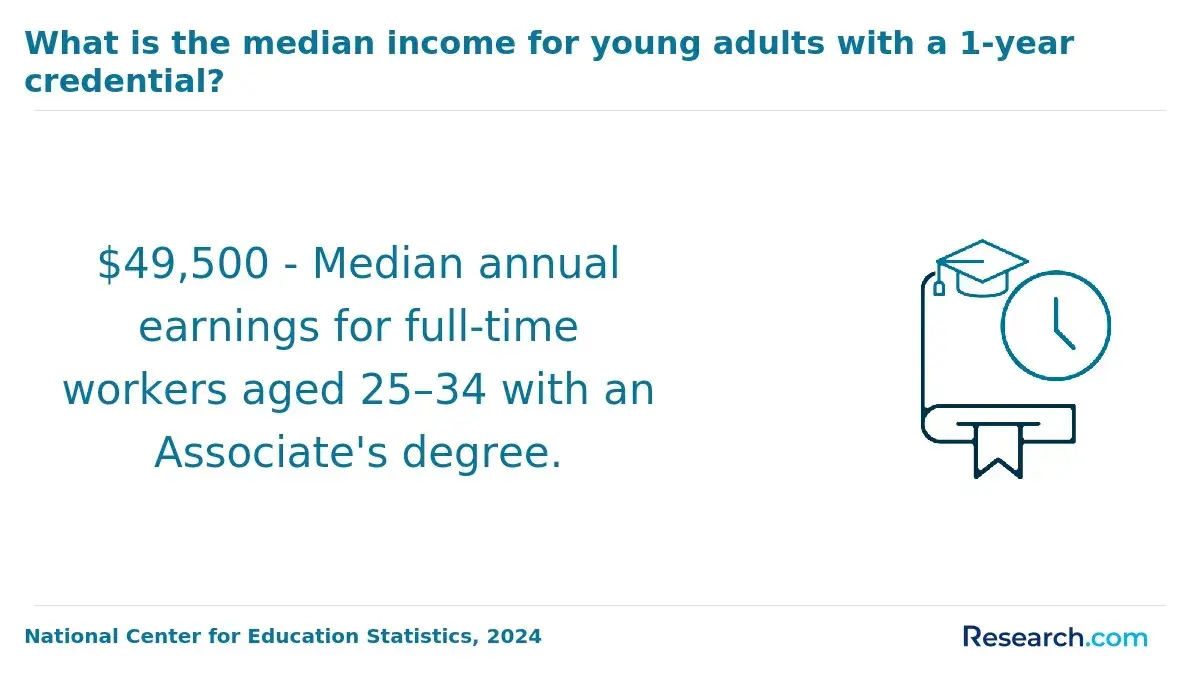
- Long-Term Earning Potential: Over a 10- to 20-year span, bachelor's degree holders can expect median wages rising to $65,000-$75,000, supported by managerial promotions and expanded responsibilities. In contrast, associate degree holders often see earnings plateau near $50,000, limiting career advancement possibilities.
- Employer Perception: Many organizations view a bachelor's degree as the minimum for professional and leadership roles, influencing salary scales and career mobility. This perception can make a significant difference in promotion opportunities and compensation increases over time.
- Career Progression Timelines: Accelerated bachelor's programs, which shorten typical 4-year degrees to 2.5-3 years, enable graduates to enter the workforce with advanced qualifications sooner than traditional pathways. This can reduce time spent earning lower salaries and speed up access to higher-paying roles.
- Impact of Faster Workforce Entry: While 2-year degree holders begin working 1-2 years earlier, the salary gap often persists, although experience accumulated early can partially offset lower starting salaries. The increase in median earnings correlated with higher education suggests that programs like accelerated bachelor's degrees may offer better lifetime earnings prospects.
For prospective students weighing the organizational communication degree salary comparison and the 2-year vs traditional bachelor communication salaries, considering accelerated bachelor's degrees may present a valuable balance between time investment and income potential. Additionally, exploring cheapest DNP programs online can offer insight into affordable education options for advanced career growth.
Which factors most affect ROI for accelerated organizational communication degrees?
Evaluating the return on investment (ROI) is essential for students considering accelerated organizational communication degree programs, as it helps balance the benefits of faster graduation against the costs and long-term career advantages. Weighing these factors ensures a clearer picture of the value such programs can offer. Below is an overview of the primary elements impacting ROI.
- Time-to-Completion: Accelerated programs shorten the path from a traditional four-year timeline to about two years, allowing students to begin earning sooner and reduce time spent in school.
- Tuition and Total Cost: Although some accelerated courses may charge more per credit or require heavier workloads, the overall expense can be lower due to fewer semesters, potentially saving thousands of dollars in tuition and related fees.
- Opportunity Cost Savings: Completing a degree faster minimizes the income lost while studying, enhancing financial gains from entering the workforce earlier, which is particularly valuable for working adults or those seeking quick career moves.
- Employment Outcomes: Graduates with communication skills often find roles in corporate communication, public relations, and human resources, fields that demonstrate steady demand according to labor statistics.
- Salary Growth: Starting salaries for communication-related positions commonly exceed $60,000, with opportunities for wage increases as experience and skills develop over time.
- Industry Demand: Consistent need for communication professionals supports job stability and career advancement prospects in diverse sectors.
- Transferability of Skills: Core competencies like strategic communication, conflict management, and digital proficiency gained in accelerated programs apply broadly, enhancing adaptability and employability across industries.
How do you decide if a 2-year organizational communication degree is right for you?
Choosing a two-year organizational communication degree requires reflecting on your ability to handle an intensive learning schedule and your current life demands. These programs move quickly, so strong time management and discipline are essential. If you juggle work or family commitments, ensure the fast pace won't overwhelm you.
Also, assess how urgently you need to enter the workforce and whether your career goals align with roles in corporate communication or human resources. Understanding industry growth and employer preferences can help you decide if this condensed program fits your professional path.
From a practical standpoint, accelerated degrees often lower total tuition costs by shortening the study period, which may ease financial burdens. It's important to weigh this against potential earnings; communication graduates typically earn around $60,000 annually, making return on investment a key factor.
Employers value relevant skills and experience alongside credentials, so consider opportunities to gain hands-on experience during your studies. Finally, think about your long-term plans and whether this fast-tracked degree provides the flexibility you might need for future education or career changes.
What Graduates Say About Their 2-Year Organizational Communication Degree
- Lamar: "Choosing a 2-year accelerated bachelor's degree in organizational communication was the best decision for me because it allowed me to finish quickly and enter the workforce without the hefty cost of a traditional four-year program. Balancing the intense coursework with my part-time job was challenging, but the structured schedule and support from faculty made it manageable. Since graduating, the skills I gained have helped me secure a role in corporate communications, proving that this accelerated path was worth every effort."
- Millie: "I opted for the 2-year program because I wanted a fast, affordable route to advance my career without sacrificing quality education. The program's rigorous pace demanded strong time management, and I found that staying organized and prioritizing assignments was crucial. Today, my degree in organizational communication has opened doors to leadership opportunities I hadn't imagined, making the investment of both time and money extremely rewarding."
- Anika: "Completing a 2-year organizational communication degree allowed me to adapt quickly to the evolving demands of my industry while minimizing educational expenses, which averaged significantly less than traditional programs. Handling the compressed schedule required focus and discipline, but it prepared me well for the fast-paced professional environments I now work in. This degree has enhanced my credibility and effectiveness in the workplace, solidifying my career growth as a communications specialist."
Other Things You Should Know About Organizational Communication Degrees
In 2027, a 2-year organizational communication degree offers short-term career benefits like enhanced communication skills, improved employability, and entry-level positions in marketing and public relations. Graduates might also have the groundwork to pursue further education if they opt for an accelerated Bachelor’s program.
In 2026, the job market for graduates of a 2-year organizational communication degree is promising, with sectors like business, media, and nonprofits actively seeking candidates with strong communication skills. The demand is spurred by organizational needs for effective internal and external communication strategies.
References
- Can You Get a Bachelor's Degree in 2 Years or Less? https://www.coursera.org/articles/can-you-get-a-bachelors-degree-in-2-years
- Organizational Communication Major https://www.bvu.edu/organizational-communication-undergraduate-degree
- 5 Reasons You Should Consider an Accelerated Business Degree https://blog.ncirl.ie/5-reasons-you-should-consider-an-accelerated-business-degree
- 3 Factors of Change Which Define or Constrain Project ROI https://www.prosci.com/blog/3-factors-of-change-which-define-or-constrain-project-roi
- Bachelor’s degree in organizational communication https://www.trevecca.edu/academics/program/organizational-communication
- Applied Communication Two-Year Plan https://www.sxu.edu/academics/programs/applied-communication/applied-communication-two-year-planner.html
- Accelerated Degree Program | Department of Communication | Baylor University https://communication.artsandsciences.baylor.edu/graduate/accelerated-degree-program
- The ROI of Learning: How to Measure the Impact of Education on Business Growth https://www.pearsonaccelerated.com/blog/the-roi-of-learning.html
- Professional and Organizational Communication Studies B.A. – TXST https://online.txst.edu/degrees/undergraduate/ba-communication-studies/professional-organizational-advancement/


