
2027 Accelerated vs. Traditional Physics Degrees: Pros & Cons

Co-Founder and Chief Data Scientist
Choosing between accelerated and traditional physics degrees involves weighing distinct advantages. Accelerated programs suit working adults or career changers aiming to complete their studies quickly, while traditional degrees offer a more flexible pace and deeper academic engagement. Recent data shows a 25% rise in enrollment in accelerated STEM programs across the U.S., reflecting growing demand for faster degree paths.
This article examines time commitment, learning experience, career outcomes, and crucial factors in selecting the right physics degree format. Readers will gain a comparative understanding to help make informed decisions based on their personal and professional goals.
Key Points About Accelerated vs. Traditional Physics Degrees
- Accelerated physics programs offer flexibility and faster completion, appealing to self-motivated learners eager to enter careers quickly and minimize tuition costs by reducing time spent in school.
- Traditional physics degrees foster deeper academic engagement with comprehensive coursework, benefiting students who prioritize thorough understanding and long-term skill mastery.
- Traditional formats encourage stronger peer connections and collaboration, supporting students who thrive in structured environments with balanced pacing versus the intensity of accelerated tracks.
What Are the Differences Between Accelerated vs. Traditional Physics Programs?
Accelerated and traditional physics degree programs differ significantly in their structure, particularly in pacing, scheduling, and learning intensity. These variations impact how students manage their studies and daily academic responsibilities. The following highlights key structural differences of accelerated vs traditional physics degrees, illustrating how each format shapes the educational experience.
Key aspects of these programs include:
- Course Intensity: Accelerated programs condense material into shorter terms, meaning students must quickly grasp complex concepts with a heavier workload in a compressed timeline. Traditional programs extend over longer semesters, allowing more gradual absorption of the curriculum.
- Scheduling Flexibility: Many accelerated options provide asynchronous online courses, offering students freedom to study on their own schedules. Conversely, traditional programs often require regular in-person attendance, which might limit flexibility for those balancing work or family.
- Program Structure and Sequence: Accelerated tracks sometimes allow streamlined progression through combined bachelor's and master's degrees within a few years, reflecting duration and coursework comparison in physics programs. Traditional degrees usually maintain clear separations between undergraduate and graduate levels.
- Support Systems and Learning Environment: Students in accelerated formats tend to rely more on self-directed learning and online resources, while traditional students benefit from face-to-face faculty interaction and campus peer collaboration.
- Assessment and Deadlines: Accelerated courses typically enforce more frequent assessments with tighter deadlines, increasing pressure but also enabling rapid feedback. Traditional coursework usually spaces out deadlines over a semester, allowing more time for project development.
For those interested in accelerated degree paths, examining the best 6-month online associate degree programs can offer insight into how condensed formats function in other fields.
How Fast Can You Finish an Accelerated vs. Traditional Physics Program?
Program length varies significantly between accelerated and traditional physics degrees. Accelerated formats condense coursework into shorter terms, sometimes including summer sessions, while traditional paths follow a standard academic pace over several years. This difference influences how quickly students can earn their degree.
Here's a comparison highlighting factors affecting completion timelines in both accelerated and traditional physics programs.
- Transfer Credits: Students with AP, IB, or community college credits may skip introductory courses, shortening their pathway. Those in accelerated physics degree completion time programs benefit the most, potentially finishing faster than in traditional tracks.
- Full-Time vs. Part-Time Enrollment: Full-time students typically progress faster, completing requirements within expected terms. Part-time students often need extra semesters, extending the timeline of how long is a traditional physics degree.
- Course Intensity and Scheduling: Accelerated tracks usually increase course loads and utilize summer or compressed sessions, allowing quicker degree completion. Traditional programs maintain a steadier pace with fewer courses per term.
- Online vs. On-Campus Format: Online accelerated degrees offer flexible scheduling and eliminate commuting, aiding faster completion for motivated students compared to traditional on-campus programs.
- Prerequisite Sequencing: Some advanced physics courses are available only annually, potentially delaying progress, especially in traditional degree formats.
For students exploring their options, understanding what's the easiest associates degree to get can also provide perspective on credit transfers and program pacing.
What Are the Admission Requirements for Accelerated vs. Traditional Physics Programs?
Admission requirements for accelerated and traditional physics programs often share common standards such as minimum GPA, standardized test scores, and prerequisite coursework in physics and mathematics. However, these programs differ in how they evaluate academic readiness and professional experience, with accelerated paths typically designed for high-achieving students aiming to fast-track their education. Understanding these differences helps prospective students assess which program best fits their background and goals.
Key distinctions in admission expectations for accelerated Physics degree admission requirements versus traditional Physics program entry criteria include:
- Academic Performance: Accelerated programs generally require a higher GPA, often 3.0 or above in relevant coursework, reflecting the need for strong academic achievement. Traditional programs may admit students with GPAs as low as 2.75 to 3.0, accommodating a broader applicant pool.
- Progress Toward Degree: Applicants to accelerated tracks often must have completed a substantial number of undergraduate credits-typically between 75 and 105 hours-demonstrating readiness to undertake graduate-level work earlier than usual. Traditional admissions do not usually mandate this early progress and accept students at more varied stages.
- Standardized Tests and Recommendations: Accelerated program candidates may be required to submit higher SAT or ACT scores (e.g., minimum 1100 SAT or 22 ACT) and provide letters of recommendation, while these components are less commonly mandatory for traditional program applicants.
- Coursework Rigor: Strong performance in advanced undergraduate physics topics such as intermediate mechanics, electromagnetism, and quantum physics, along with mathematics through differential equations, is typically expected in accelerated programs. Traditional programs maintain standard prerequisite requirements without emphasizing advanced courses as strongly.
- Advising and Application Timing: Accelerated students often need early advisement and formal application before completing their bachelor's degree, sometimes including supplemental materials specific to the program. Traditional programs usually have more flexible application timelines and fewer procedural requirements.
For students interested in exploring more flexible doctoral options, including accelerated tracks, consider reviewing non dissertation online doctoral programs as part of your academic planning.
How Are Accelerated Physics Courses Structured Compared to Traditional Ones?
Accelerated physics courses compress the standard curriculum into a shorter timeframe, typically covering material in two semesters that traditional courses spread over three. This intensifies the pace, workload, and teaching methods, creating a distinctly different learning experience compared to conventional programs.
Below is a summary of the main structural distinctions between accelerated and traditional physics courses:
- Course Length: Accelerated courses complete content more rapidly, often finishing three semesters' worth of study in just two. This format suits students with strong backgrounds who can absorb material quickly, while traditional courses offer a slower, more measured pace to build foundational skills.
- Weekly Workload: The accelerated path demands a heavier workload with frequent assessments and dense assignments. It challenges highly motivated students who can manage intense schedules, whereas traditional courses space work out over time to reduce pressure and support steady progress.
- Instruction Style: Accelerated classes may exclude integrated labs, encouraging students to pursue laboratory work separately or at an advanced stage. Conversely, traditional courses typically blend lectures and labs throughout, supporting learners who benefit from hands-on experience alongside theory.
Both formats maintain rigorous standards, with accelerated courses aiming to prepare students for advanced study quickly and traditional ones ensuring thorough understanding through gradual learning.
How Much Do Accelerated Physics Programs Cost Compared to Traditional Programs?
Tuition and total expenses for accelerated physics programs often come in lower than those for traditional degrees, mainly because these programs are shorter and require fewer total credits. While the cost per credit usually matches traditional rates, the condensed timeframe reduces overall costs significantly.
Here are some important cost differences between accelerated and traditional physics programs:
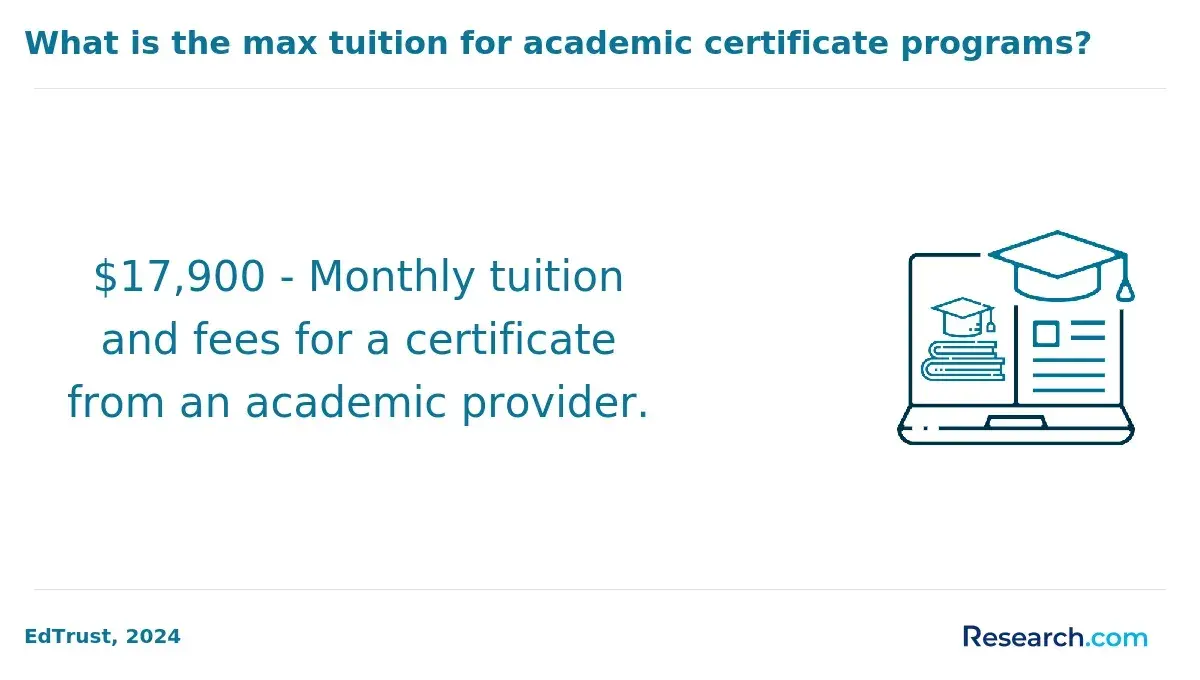
- Tuition Rate per Credit: Accelerated programs typically charge the same tuition per credit hour as traditional ones, with average undergraduate rates around $10,798 in-state and $36,407 out-of-state. However, taking more credits each term or completing fewer total credits makes accelerated programs more affordable overall.
- Program Duration and Total Cost: Because accelerated degrees finish in three to four years instead of five to six, students save on not only tuition but also housing, food, and fees. For instance, online accelerated bachelor's degrees average $12,216 annually, while traditional on-campus programs cost about $18,981 per year, making accelerated paths up to one-third cheaper.
- Opportunity Cost: Graduates from accelerated programs enter the workforce earlier, gaining up to two additional years of salary compared to traditional students, which can substantially increase lifetime earnings and offset educational expenses.
- Financial Aid Availability: Both program types tend to offer similar federal aid, scholarships, and assistantships. However, the shorter duration of accelerated programs might restrict eligibility for grants limited to a certain number of semesters.
What Financial Aid Is Available for Accelerated vs. Traditional Physics Degrees?
Students enrolled in both accelerated and traditional physics degree programs in the U.S. often qualify for financial aid, but eligibility criteria and funding timelines vary according to program length and enrollment status. Understanding these differences helps students better prepare for managing their educational expenses.
Here's how financial aid options differ between the two formats:
- Federal Aid Eligibility: Both program types allow students to access federal loans and Pell Grants through FAFSA, but accelerated programs may require more frequent aid renewal due to non-standard academic calendars, unlike traditional programs with fixed semester schedules.
- Scholarship Timelines: Scholarships and departmental awards are offered to both groups; however, some favor traditional four-year students or those engaged in extended undergraduate research, which may be less accessible in accelerated tracks.
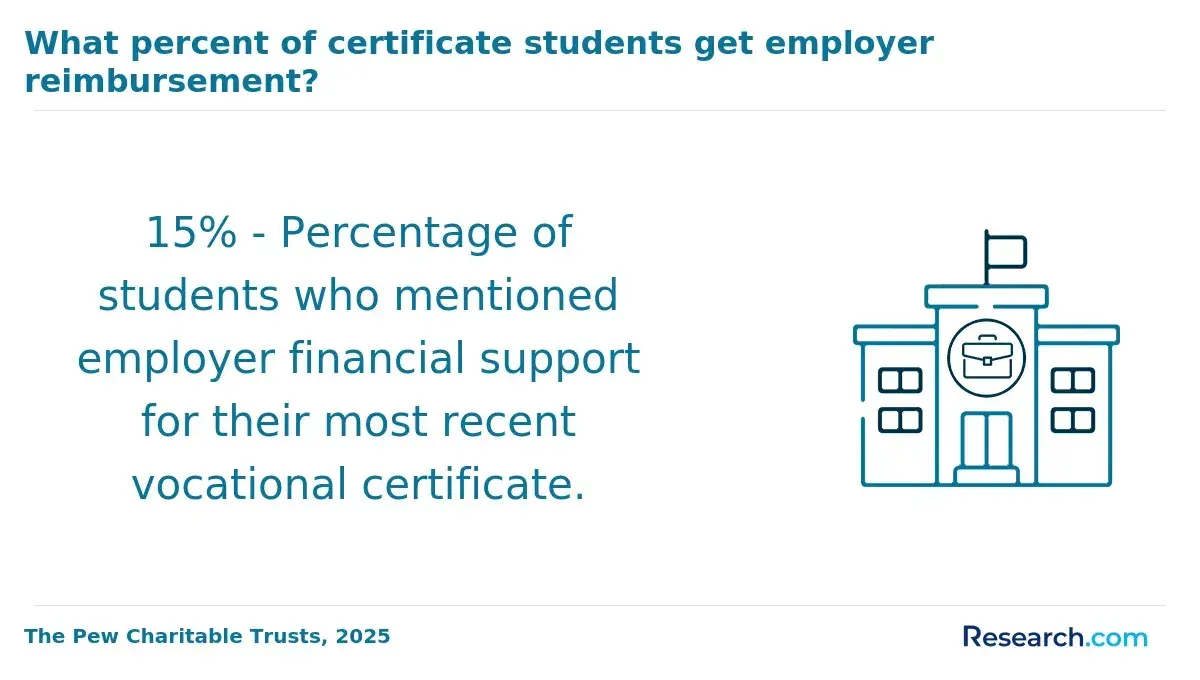
- Employer Tuition Assistance: Accelerated program students, particularly working adults in online or evening classes, often benefit more from employer tuition help, whereas traditional students usually rely more on campus-based support.
- Aid Disbursement and Renewal: The compressed pacing of accelerated programs can lead to prorated aid disbursements and increased paperwork, requiring students to stay vigilant about maintaining eligibility.
When I spoke with a professional who pursued an accelerated physics degree, he described the financial aid process as "a balancing act." He shared how navigating multiple FAFSA renewals and tracking prorated loan disbursements was initially overwhelming but ultimately manageable with careful organization. "It felt stressful at times, but knowing that employer tuition assistance provided a steady backup made a big difference," he recalled. His experience underscored the importance of staying proactive about financial aid and adapting to the unique demands of accelerated study while securing diverse funding sources.
Breakdown of All Fully Online Title IV Institutions

What Kind of Student Support Do Accelerated vs. Traditional Physics Programs Offer?
Student support is vital to academic achievement, with accelerated and traditional physics programs differing notably in how and when services are provided. These differences impact how students access key resources during their studies, shaping their overall experience.
Below is a comparison of common support services found in both program types.
- Academic Advising: Accelerated physics usually requires early, frequent advising to keep students on track within a shortened timeframe, often with mandatory progress checks and GPA standards. Traditional programs offer advising more flexibly over several years, allowing students to explore varied coursework and adjust plans as needed.
- Tutoring and Peer Support: Due to condensed schedules, accelerated students may find fewer tutoring opportunities and less chance for organized peer collaboration. Traditional students often benefit from more extensive tutoring services and peer networks that support ongoing group learning and mentorship.
- Career Services: Career guidance in accelerated tracks focuses on fast-tracking job and graduate school readiness, beginning relatively early. In contrast, traditional programs spread out career exploration, providing time to engage in internships, research, and diverse career planning.
Do Graduates from Accelerated vs. Traditional Physics Programs Get Hired More Quickly?
Employment outcomes are a major factor when deciding between accelerated and traditional physics programs. Both paths can lead to promising careers, but various elements influence how swiftly graduates find jobs. Understanding these nuances can help students make informed choices. Below is a summary of key trends affecting job placement for graduates from both types of programs.
Here are some important hiring considerations for accelerated versus traditional physics graduates:
- Employer Perception: Traditional degrees are often viewed as more rigorous, benefiting from established reputations. However, growing acceptance of online and accelerated programs is reducing this bias as respected institutions offer quality online options.
- Career Readiness: Hands-on lab experience is more common in traditional programs, appealing to employers valuing practical skills. Accelerated online students rely more on virtual labs, which are improving but sometimes seen as less comprehensive.
- Industry Demand: Both program graduates are sought after in tech and engineering fields. Accelerated students may start job searches earlier, yet sometimes face longer placement periods, while traditional students often benefit from on-campus recruitment and faculty connections.
- Trends in Hiring Speed: As online education quality advances and employer familiarity rises, differences in hiring timelines between the two groups are diminishing, especially for roles focused on analytical and computational skills.
When asked about her personal experience, a professional who completed a traditional physics degree shared that her job search was surprisingly swift. She noted, "My program's strong focus on laboratory work and faculty networking opened doors quickly." Attending career fairs on campus and direct recommendations helped her secure interviews soon after graduation. While the process involved persistence and some uncertainty, she viewed the hands-on learning and in-person recruitment as crucial advantages that eased her transition into a research position. Reflecting on her journey, she felt well-prepared and confident entering the workforce, underscoring the practical value of a traditional physics education in job placement speed.
Are Accelerated Physics Degrees Accredited the Same Way as Traditional Programs?
Accreditation ensures academic quality and legitimacy for both accelerated and traditional physics degree programs, regardless of pacing or delivery format. This standardization is crucial as it impacts eligibility for federal financial aid, credit transferability, and professional recognition by employers. The accreditation of accelerated physics degree programs confirms that these faster tracks meet the same rigorous educational criteria as their conventional counterparts. Students pursuing such degrees should understand that accreditation validates the program's quality and supports their career prospects just as much as a traditional program does.
The accreditation process typically applies equally to both accelerated and traditional physics degrees, although institutions may design accelerated coursework to meet these standards within a condensed timeframe. Regional accreditation agencies and specialized programmatic accreditors, such as ABET or the Institute of Physics (IOP), evaluate programs based on content, rigor, and outcomes regardless of format. Students should always verify the accreditation status of their institution and program to ensure their degree will be recognized by employers and certifying bodies. For guidance on choosing an accredited program, prospective students can also consult resources like the list of best online colleges, which helps in finding reputable program options. Understanding whether accelerated physics degrees are recognized like traditional degrees is essential in making informed educational decisions.
How Do You Choose Between an Accelerated vs. Traditional Physics Degree?
Choosing between an accelerated and a traditional physics degree depends largely on a student's career goals, schedule flexibility, and preferred learning pace. Both paths offer distinct advantages depending on individual circumstances and how one balances intensity with time. Understanding these factors is essential when deciding which program best fits your educational and professional priorities, especially when learning how to choose between accelerated and traditional physics degree programs.
Several key factors should be evaluated before making this decision:
- Time Commitment: Accelerated physics degrees reduce total study time by 1-2 years by integrating graduate-level courses during undergraduate studies, making them suitable for students motivated to enter the workforce or research sooner. Traditional programs, however, offer a more gradual timeline over six or more years, allowing for a less intense academic load.
- Learning Style: Students who thrive in rigorous and structured environments tend to excel in accelerated programs due to the faster pace and heavier course loads. Conversely, traditional degrees provide more time for deeper exploration of topics and often more elective options, suitable for learners who prefer a steady, measured approach.
- Career Goals: Those aiming for rapid entry into research, academia, or industry may find accelerated degrees advantageous. Meanwhile, students desiring a broader undergraduate experience, including potential double majors or varied coursework, typically favor the traditional route.
Exploring the pros and cons of accelerated vs traditional physics degrees can guide you in selecting a path that aligns well with your goals and abilities. For those considering online options or alternative institutions, a helpful resource is the cheapest nationally accredited online colleges, which may offer flexible schedules and different program formats to fit your needs.
What Students of Accelerated vs. Traditional Physics Programs Say About Their Degree
- Shmuel: "The traditional physics program has been a rewarding journey, allowing me to thoroughly understand fundamental concepts without feeling rushed. Although balancing coursework and expenses, which can be quite high, occasionally felt overwhelming, the solid foundation I gained has made me confident about pursuing a career in research. I appreciate the depth and stability this program provides. "
- Shlomo: "Studying physics in a traditional format gives you plenty of time to digest complex theories and develop critical thinking skills at a steady pace. However, the financial burden, including tuition and living costs, was a significant consideration throughout my studies. Still, I believe the investment is worth it for the comprehensive training and career opportunities it opens up. "
- Santiago: "The accelerated physics program really pushed me to learn quickly and efficiently, which suited my goal of entering the workforce sooner. The intensive pace was challenging and sometimes stressful, but it significantly reduced the overall cost and time compared to a traditional degree. This program sharpened my problem-solving skills and prepared me well for advanced roles in the tech industry. "
Other Things You Should Know About Traditional vs. Accelerated Physics Degrees
Yes, accelerated physics programs can offer research opportunities, though they might be limited due to the condensed timeframe. Students should actively seek out research positions and discuss options with faculty to ensure they gain hands-on experience alongside academic learning.
In accelerated physics degree programs, students may have less time to engage in student activities due to the condensed schedule and increased coursework intensity. Traditional programs often offer more flexibility, allowing students to participate more fully in extracurriculars, fostering broader campus engagement and networking opportunities.
References
- Feedback on Accelerated Math and Physics Options - Accelerated Learner Board - The Well-Trained Mind Community https://forums.welltrainedmind.com/topic/740765-feedback-on-accelerated-math-and-physics-options/
- Accelerated Master's Program VS Phd https://www.physicsforums.com/threads/accelerated-masters-program-vs-phd.741392/
- Entry routes https://www.st-andrews.ac.uk/physics-astronomy/prospective/ug/entry-routes/
- A novel machine learning-based imputation strategy for missing data in step-stress accelerated degradation test - ScienceDirect https://www.sciencedirect.com/science/article/pii/S2405844024024605
- Choosing the Right Physics Course https://physics.lafayette.edu/courses-old/choosing-the-right-physics-course/
- Accelerated MASc https://www.queensu.ca/physics/undergrad-studies/engineering-physics-program-overview/accelerated-masc
- Undergraduate tuition fees | UBC Student Services https://students.ubc.ca/finances/tuition-fees/undergraduate-tuition-fees/
- BS Physics with concentration in Finance https://www.ccsu.edu/physics/bs-physics-concentration-finance
- Graduate Programs https://www.uaeu.ac.ae/en/catalog/graduate/programs/bachelormaster-accelerated-option-in-physics.shtml
- Major Maps https://majormaps.vcu.edu/transfer/2022/physics-bachelor-of-science-accelerated-masters-degree-option/piedmont-virginia-community-college


