2027 Is a Behavioral Health Master's Degree Worth It? ROI, Salary & Career Impact

Co-Founder and Chief Data Scientist
Many prospective students wonder if investing in a behavioral health master's degree yields significant financial and career benefits. Recent data shows that the median annual salary for master's-level behavioral health professionals ranges from $50,000 to $70,000, but loan debt often exceeds $40,000. Furthermore, employment growth in related fields is projected at 22% through 2030, outpacing many other sectors. This article examines the return on investment, salary expectations, and career impacts associated with this degree. It provides a detailed analysis to help readers decide if pursuing a behavioral health master's aligns with their financial goals and professional aspirations.
Key Things to Know About the Value of Behavioral Health Master's Degree
- Admission typically requires a bachelor's degree with prerequisites; programs vary from 1.5 to 3 years, offering flexible part-time or online options to balance work and study demands.
- Median salaries for behavioral health master's graduates range from $45,000 to $60,000 annually, with higher pay linked to clinical licensure and specialized roles in healthcare or social services.
- Long-term career growth depends on licensure, experience, and advanced certifications, with job outlooks projecting 13% growth through 2030, emphasizing the importance of program reputation and costs.
How Much Does a Behavioral Health Master's Degree Cost?
Investing in a behavioral health master's degree requires careful consideration of tuition and related expenses, especially as demand for behavioral health professionals is expected to grow by over 20% through 2030. Prospective students evaluating the average cost of behavioral health graduate programs should also consider program length and delivery format, as these factors influence overall expenses. Below is a detailed outline of typical costs associated with these degrees.
- Tuition for Public In-State Schools: In-state students usually pay between $8,000 and $20,000 per year. This option often represents the most affordable path for those attending traditional on-campus programs within their state.
- Tuition for Public Out-of-State Schools: Out-of-state tuition ranges from approximately $15,000 to $35,000 annually. These higher fees reflect non-resident status and can substantially impact total program cost, especially for programs lasting two years or more.
- Tuition for Private Institutions: Private programs generally cost between $25,000 and $50,000 per year. While pricier, they sometimes provide specialized faculty and smaller class sizes that may benefit student learning experiences.
- Online Program Costs: Online behavioral health master's degrees typically fall between $15,000 and $40,000 total tuition. Some programs charge per credit, and while students save on housing and commuting, additional technology fees may apply.
- Additional Expenses: Annual costs for textbooks, supplies, and technology fees can range from $1,000 to $3,000. Housing and living expenses vary widely but may add $10,000 to $20,000 yearly, depending on location and lifestyle.
- Program Length and Delivery Impact: Full-time programs usually last two to three years. Accelerated or part-time formats alter the duration, affecting the total tuition and living costs paid. Considering program length is thus critical when assessing total financial commitment.
For those considering shorter commitments, 1 year master's programs offer alternatives that may reduce time and expenses without sacrificing quality. Evaluating the behavioral health master's degree tuition costs alongside potential salary growth helps inform whether the investment aligns with career goals and financial capacity.
What Financial Aid and Scholarships Are Available for Behavioral Health Master's Students?
Graduate education in behavioral health can be costly, with student loan debt for graduate students averaging over $66,000 (National Center for Education Statistics, 2022). Navigating financial aid options is essential for prospective behavioral health master's degree financial aid options seekers to minimize expenses and maximize support. Below is a summary of key funding sources and strategies.
- Federal Graduate Loans: Graduate loans differ from undergraduate loans as they are generally unsubsidized, meaning interest accrues while you study. The main options include Direct Unsubsidized Loans and Grad PLUS Loans, the latter requiring a credit check. Repayment begins after graduation or following a grace period.
- Institutional Grants and Assistantships: Universities often offer grants or assistantships to cover tuition and provide stipends. These are competitive, typically based on academic merit or research potential, and require a separate application.
- External Scholarships: Prestigious organizations like the American Psychological Association and the National Association of Social Workers provide scholarships for behavioral health students. These awards demand proof of commitment and academic achievement.
- Discipline-Specific Search Tools: Students should use scholarship databases such as Fastweb and Scholarships.com, focusing on mental health or counseling categories. Professional associations frequently update their listings and encourage early application submissions.
- Competitive Application Strategies: Strong personal statements, recommendation letters, and relevant experience improve funding chances. Tailoring applications to match funders' goals is highly recommended.
For students curious about which fields might offer the easiest degree to get and financial pathways, understanding scholarships for behavioral health master's students is a vital part of decision-making.
What Is the Average Salary for Behavioral Health Master's Degree Holders?
Salary prospects for behavioral health professionals holding a master's degree vary depending on experience, employment sector, and location, making it essential for students to evaluate earning potential carefully. The following points summarize key salary trends based on trusted sources such as the Bureau of Labor Statistics, LinkedIn Salary, and Glassdoor.
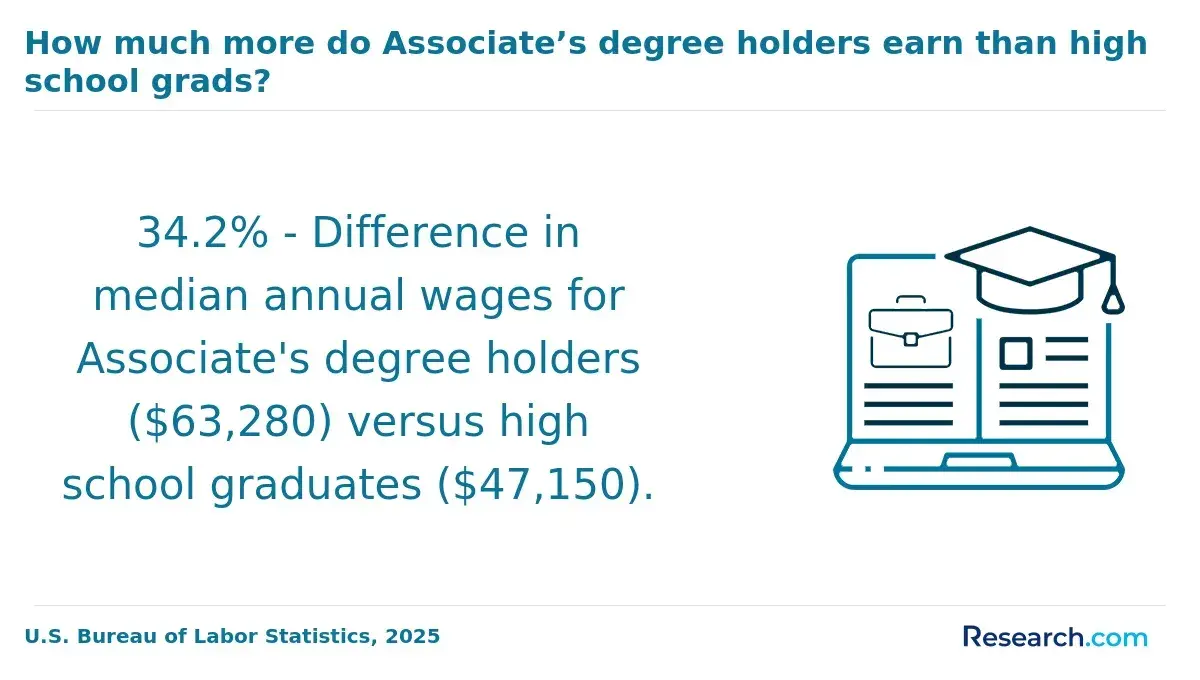
- Entry-Level Salary Advantage: Individuals with a behavioral health master's typically start with annual incomes between $45,000 and $55,000, reflecting a 15%-25% increase compared to bachelor's degree holders who earn roughly $38,000 to $45,000.
- Mid-Level Earnings Growth: Professionals with 3 to 7 years' experience and a master's degree see salaries ranging from $60,000 to $75,000, surpassing those with only a bachelor's, who generally earn $50,000 to $60,000. This increase often relates to enhanced clinical competencies and leadership roles.
- Senior-Level Compensation: Experienced master's graduates can command $80,000 to $90,000 or more, particularly in specialized or high-demand markets, whereas bachelor's degree holders rarely exceed $70,000 in senior roles.
- Sector Differences: Private sector jobs usually offer 10% to 20% higher pay than public or nonprofit positions, though the latter may provide better benefits and stability.
- Regional Effects: Salaries in metropolitan areas and states like California or Massachusetts tend to be 15% to 30% above average due to cost of living and demand, while rural locations often pay less but face fewer candidates.
A graduate of a behavioral health master's program shared that completing the degree was both demanding and rewarding. He noted balancing coursework with work obligations tested his time management skills, but gaining advanced knowledge directly contributed to securing a supervisory position. "It wasn't just about the paycheck," he explained, "but feeling confident in the role and knowing I could make a greater impact in patient care." This experience illustrates how salary is one dimension of the degree's long-term value.
How Does a Behavioral Health Master's Degree Impact Long-Term Career Advancement?
For prospective students aiming to leverage a behavioral health master's degree for long-term career advancement, understanding its impact beyond the initial salary boost is vital. This degree not only enhances early career opportunities but also supports sustained professional growth and opens doors to leadership. Key factors that illustrate these benefits include:
- Promotion Rates: Graduates with a behavioral health master's degree commonly experience faster progression into supervisory and managerial roles. The advanced expertise demonstrated by the degree makes candidates more competitive for promotion within healthcare and social service organizations.
- Leadership Roles: This degree equips professionals with skills such as clinical supervision, program management, and policy development. These qualifications position graduates as strong contenders for senior leadership and administrative roles.
- Access to Senior Positions: Many upper-level roles require a master's degree as a minimum credential, expanding career ceilings and enhancing job security for holders. This credential thus becomes a gateway to more strategic and influential positions.
- Professional Credibility: Holding a master's degree boosts credibility among peers and clients alike. It signals dedication and thorough training, which strengthens reputation and trust in professional settings.
- Expanded Networks: Graduate programs offer access to invaluable professional networks and alumni connections, facilitating career mobility and collaborative opportunities within the behavioral health field.
- Employer Preferences: Employers increasingly prefer or require advanced degrees for specialized behavioral health roles, reflecting the credential's significance in today's competitive job market.
- Industry Essentials vs. Advantages: In fields such as clinical counseling and social work, the master's degree is often mandatory for licensure and practice. Conversely, in areas like community outreach, the degree may be advantageous but not strictly required.
- Continuing Education: Many graduates pursue doctoral studies or professional certifications after earning their master's, enhancing specialization and maintaining relevance in evolving behavioral health careers.
Those exploring career growth opportunities within behavioral health may also consider combining their master's with an online degree in business to broaden leadership and administrative prospects.
What Is the Return on Investment (ROI) of a Behavioral Health Master's Degree?
This section provides prospective students with a clear view of the career and financial outcomes associated with earning a behavioral health master's degree. Understanding the variables that affect return on investment (ROI) can help determine if the degree meets personal and professional goals. Consider these essential factors when evaluating the ROI:
- Total Program Cost: This encompasses tuition, fees, books, and additional expenses. Public universities usually offer lower costs than private institutions, which significantly impacts the overall investment required.
- Lifetime Salary Premium: Graduates typically earn more over their careers compared to those with only a bachelor's degree. Salary ranges vary widely, with many earning between $40,000 and $70,000 annually, depending on job role and location.
- Payback Period: Most students regain their educational investment within 3 to 7 years through increased earnings. Clinical and licensed counseling roles often allow for shorter payback times due to higher salaries.
- Opportunity Cost: The income lost while attending school full-time should be factored in, as it delays financial returns and affects the true value of the degree.
- Career Path Variability: Careers in clinical counseling or social work generally provide stronger financial returns and job security than administrative or research positions, which may offer lower payoffs.
A graduate I spoke with reflected on the journey: "Balancing coursework and personal commitments was challenging, but having clear goals made it manageable. Online resources and peer support really helped me stay on track. When I started working as a licensed counselor, I quickly saw the financial benefits, which validated the effort." This perspective highlights how individual experiences with ROI can differ, but a focused approach often eases the path toward recouping educational investments.
What Are the Admission Requirements for a Behavioral Health Master's Program?
Admission to a behavioral health master's program generally calls for several key qualifications that vary by school but share common elements. Here are the main criteria admissions committees evaluate:
- Undergraduate GPA and Academic Records: Applicants typically need a minimum GPA around 3.0 on a 4.0 scale, though higher-ranked programs may expect stronger academic results. Relevant coursework in psychology, social sciences, or health-related fields provides critical foundational knowledge.
- Standardized Test Scores: While some programs may require the GRE, many have made these tests optional or removed them, especially after the pandemic. Applicants should verify current requirements and consider submitting strong scores if beneficial to their application.
- Prerequisite Coursework: Essential prerequisites often include introductory psychology, statistics, and research methods. Some programs also emphasize background in developmental or abnormal psychology and public health to prepare students for advanced study.
- Statement of Purpose: A well-crafted essay communicates the applicant's motivations, career intentions, and fit with the program's focus, helping admissions committees assess commitment and clarity of goals.
- Letters of Recommendation: Endorsements from professors or supervisors provide insight into the candidate's abilities, reliability, and potential, strengthening the application by validating intellectual and interpersonal strengths.
- Relevant Work or Research Experience: Hands-on experience in behavioral health settings through internships, volunteer work, or research projects enhances an applicant's profile, demonstrating applied skills and professional readiness.
- Variability Among Institutions: Prestigious programs often prioritize academic excellence and research backgrounds, whereas less selective schools may value practical experience and demonstrated enthusiasm. Tailoring applications to each program's expectations is essential for success.
What Is the Minimum GPA Requirement for a Behavioral Health Master's Program?
The minimum GPA requirement for behavioral health master's programs usually falls between 3.0 and 3.5 on a 4.0 scale, but these thresholds differ significantly depending on the institution's ranking and program selectivity. While top-tier universities often expect GPAs at or above 3.5, less competitive schools might accept applicants with GPAs as low as 2.5 if other parts of the application package are strong. Candidates with a low undergraduate GPA can sometimes offset this by demonstrating relevant professional experience, submitting compelling personal statements, or achieving high GRE scores, all of which signal readiness and commitment to graduate study in behavioral health.
Some programs provide alternative admissions routes like conditional admission or probationary enrollment, which allow students who fall slightly below the typical GPA cutoff to prove their academic abilities either before or early in the program. For those applying with suboptimal GPAs, focusing on gaining relevant experience and crafting strong applications is often crucial. Below are key points to consider about GPA requirements and admission strategies for behavioral health master's programs:
- Typical GPA Thresholds: Most behavioral health graduate schools require a minimum GPA between 3.0 and 3.5, but exact cutoffs vary with institutional prestige and program competitiveness.
- Offset Factors: Strong work experience, persuasive personal statements, and high GRE scores can offset a lower GPA, strengthening an applicant's profile and chances of admission.
- Conditional Admission: Some programs offer conditional or probationary admission, giving borderline applicants a chance to demonstrate academic potential through performance during initial coursework.
- Application Strategies: Applicants with lower GPAs should prioritize gaining relevant practical experience, securing strong recommendations, and writing clear, compelling personal statements.
- Variation by Institution: Lower-ranked programs may emphasize practical skills and experience over GPA, providing more flexible options and broader access for diverse candidates.
For prospective students considering paths outside traditional universities, exploring options like easy associate degrees can offer alternative routes to strengthen their qualifications or pivot careers before committing to a behavioral health master's program.
Is an Online Behavioral Health Master's Degree as Valuable as an In-Person Degree?
For prospective students deciding between online and in-person behavioral health master's programs, understanding employer attitudes and program characteristics is essential. Since remote learning became widespread during the COVID-19 pandemic, the acceptance of online degrees has increased significantly. The following points highlight key factors shaping this evolving landscape.
- Improved Employer Acceptance: Remote learning's rise has shifted many employers' views, with over 70% of hiring managers now valuing accredited online degrees on par with traditional ones from reputable institutions.
- Accreditation Over Format: Employers prioritize whether a program is accredited rather than its delivery method. Degrees from accredited behavioral health programs carry comparable weight whether earned online or in person.
- Equivalent Academic Standards: Online master's programs often maintain the same coursework rigor, clinical training, and assessment benchmarks as residential formats, ensuring consistent education quality.
- Networking Differences: Face-to-face programs offer more organic networking and mentorship opportunities, but structured online programs compensate with virtual events, collaborative tools, and faculty accessibility to foster connections.
- Career Support Variances: On-campus students typically benefit from more direct access to internships, job placement, and counseling services, yet leading online programs are expanding digital career resources and employer partnerships.
- Choosing Based on Needs: Online degrees suit working professionals, caregivers, or international students requiring schedule flexibility, while in-person programs may advantage those seeking immersive experiences or meeting local licensure requirements.
What Jobs Can You Get With a Behavioral Health Master's Degree?
Prospective students pursuing a behavioral health master's degree should explore the variety of careers that value or require this advanced credential. This degree opens doors not only in established professions but also in emerging fields shaped by technological advancements and expanding healthcare needs. Understanding the distinctions between roles that mandate the degree and those where it strengthens candidacy is vital for strategic career decision-making. Below is an outline of prominent occupations and sectors employing behavioral health master's graduates.
- Licensed Clinical Social Worker (LCSW): This position demands a master's in social work and state licensure, with behavioral health expertise enhancing opportunities. Salaries typically range from $60,000 to $80,000, increasing in private practice or specialized environments. The role encompasses therapy, crisis intervention, and client advocacy.
- Marriage and Family Therapist (MFT): Requires behavioral health education combined with MFT licensure, focusing on counseling families and couples. Earnings usually fall between $55,000 and $75,000, with potential growth in healthcare or private sectors.
- Behavioral Health Program Manager: An administrative role that leverages the master's degree to supervise and coordinate health programs across hospitals, nonprofits, or government agencies. Salaries range from $70,000 to $95,000, often improved by management experience and certifications.
- Substance Abuse Counselor: Although entry can begin with certification, holding a behavioral health master's significantly boosts earning capacity and eligibility for leadership roles. Pay averages $40,000 to $65,000, rising in clinical or hospital settings.
- Health Services Manager: Behavioral health graduates with strong leadership skills fill these roles overseeing healthcare programs, typically requiring extra certifications. This position commands salaries between $75,000 and $100,000.
- Telebehavioral Health Specialist: A growing area propelled by telehealth technologies, where the master's degree provides a competitive edge for remote therapy and consultation, with pay comparable to traditional therapy jobs.
- Clinical Research Coordinator: In medical and academic environments, this role involves managing behavioral health studies and clinical trials. While not always requiring a master's degree, possessing one increases competitiveness and salary prospects, often between $60,000 and $85,000.
How Do Employers and Industries Value a Behavioral Health Master's Degree?
Evaluating how different employers view a behavioral health master's degree is crucial for prospective students aiming to understand its industry demand and employer perception. This insight helps clarify the degree's return on investment and ensures alignment with targeted career paths.
- Large Corporations' Recognition: Large corporations often value behavioral health master's degrees for employee assistance programs and wellness initiatives. While the degree highlights specialized expertise, leadership roles typically require additional credentials such as an MBA.
- Government Agencies' Preference: Many federal, state, and local agencies consider the master's the minimum for clinical and community roles. The credential is frequently tied to licensure requirements and plays a role in promotion eligibility.
- Startups and Innovation-Driven Firms: Startups prioritize practical skills and cross-disciplinary abilities alongside the degree. Hands-on experience can sometimes outweigh formal education in these fast-paced environments.
- Nonprofit Sector Valuation: Behavioral health master's degrees are often the standard for nonprofits focused on mental health and social services. Employers value the community engagement emphasis and evidence-based practices the degree supports.
- Disciplinary Variation: In clinical and counseling fields, the master's is often the terminal credential, whereas academic or research roles usually require a doctorate. Healthcare administration and policy positions may prefer an MBA or doctoral degree.
- Communicating Degree Value: Applicants should highlight clinical competencies, practical skills, and certifications from their program. Emphasizing measurable impacts, such as client success or program outcomes, aids in showcasing the degree's relevance during interviews and applications.
For prospective students analyzing the financial and professional returns of a behavioral health master's degree, understanding related fields is beneficial. Resources covering affordable programs in other high-demand sectors like cyber security degrees can also offer comparative insights for career planning.
Is a Behavioral Health Master's Degree Worth It?
For those considering a behavioral health master's degree, understanding how various employers view this credential can clarify its professional value and influence hiring decisions. This insight helps candidates position their qualifications effectively in diverse sectors.
- Employer Variability: Major corporations and government bodies often treat the master's degree as a key requirement for clinical and counseling positions, considering it crucial for both hiring and advancement. Startups and nonprofit organizations might place greater emphasis on hands-on experience, though they typically still regard the degree as important for specialized roles.
- Disciplinary Differences: In many areas of behavioral health, such as social work and counseling, the master's degree is the recognized terminal degree, enabling licensure and independent practice. Fields with a focus on administration or research may favor candidates with doctoral degrees or MBAs for leadership or policy-making roles.
- Industry Sentiment: Research suggests that employers commonly view the behavioral health master's as the foundational credential for competent professional practice, positively impacting salary potential and career growth opportunities.
- Communicating Degree Value: Job seekers should highlight clinical competencies, eligibility for licensure, and specialized training obtained through their program. Demonstrating outcomes like improved client care, leadership engagement, or participation in relevant research can enhance application strength and interview performance.
What Graduates Say About Their Behavioral Health Master's Degree
- Ernest: "Applying for admission to the behavioral health master's program felt overwhelming at first, but I found that thoroughly reviewing the official academic catalogs made the process much clearer. Understanding the degree requirements upfront helped me stay on track academically. After graduating, navigating the job market was challenging, but the knowledge I gained from federal education resources gave me confidence to explore diverse roles in mental health services."
- Collin: "Reflecting on my journey through the behavioral health master's program, I'm grateful I relied heavily on accrediting agencies to ensure the program's credibility and relevance. It gave me peace of mind that my degree would be respected by employers. The application process itself was rigorous but well-structured, helping me prepare mentally for the commitment ahead. Now, moving through the job landscape, I feel equipped to contribute effectively in clinical and community settings."
- Dylan: "The most valuable lesson from my behavioral health master's experience was understanding how to use academic catalogs and education resources effectively to manage degree requirements. This proactive approach made the coursework manageable and less stressful. When I started looking for jobs, I realized that being familiar with the various industries hiring behavioral health graduates opened doors I hadn't considered before, making my career prospects far more diverse and exciting."
Other Things You Should Know About Behavioral Health Degrees
One major challenge of pursuing a Behavioral Health master's degree in 2027 is the financial burden due to high tuition costs. Additionally, there's the risk of not seeing an immediate return on investment, as starting salaries may not rapidly offset educational expenses. Balancing study with personal and professional obligations also poses a challenge.
Typically, a behavioral health master's degree takes two to three years of full-time study to complete. Part-time and online programs may extend this duration to accommodate working professionals. The timeline can also be influenced by clinical placement availability and licensing prerequisites associated with the specific degree program.
References
- Alma Empowering Minds Scholarship & Mentorship Program - American Psychological Foundation https://ampsychfdn.org/funding/alma/
- 9 Careers With a Master’s in Clinical Mental Health Counseling https://www.thechicagoschool.edu/insight/career-development/careers-with-masters-degree-clinical-mental-health-counseling/
- Are Online Counseling Degrees Respected? | University of Bridgeport https://www.bridgeport.edu/news/are-online-counseling-degrees-respected/
- Is a master's degree in counseling worth it? | edX https://www.edx.org/resources/is-a-masters-in-counseling-worth-it
- Behavioral Health, Online MS https://www.arcadia.edu/majors-and-programs/ms-behavioral-health/
- M.A. in Clinical Mental Health Counseling Admission Requirements https://www.agnesscott.edu/graduate-studies/graduate-programs/mental-health-counseling/admission-clinical-mental-health-counseling.html
- Tuition For Online Clinical Mental Health Counseling Master's Degree | EOU https://online.eou.edu/programs/ms-masters-clinical-mental-health-counseling/tuition/
- Top 105 Mental Health Scholarships to Apply For in November 2025 https://bold.org/scholarships/by-demographics/mental-health-scholarships/
- SSE Psychology Dept. https://sse.tulane.edu/psyc/graduate-studies/masters/behavioral-health
- Master's Degree in Counseling and Advanced Certificate in Mental Health Counseling - Alfred / CITE https://www.alfreddownstateeducation.com/masters-degree-in-counseling-and-mental-health-counseling/