2027 What Can You Do with a Behavioral Health Master's Degree? Careers, Salaries & Growth

Co-Founder and Chief Data Scientist
Many individuals pursuing a master's degree in behavioral health face uncertainty about the career paths and earning potential such qualifications offer. Recent data show that employment in behavioral health-related fields is projected to grow 16% over the next decade, outpacing average job growth nationally. However, variability in job titles and industries can confuse prospective students seeking clarity on outcomes.
This article addresses those concerns by detailing program structures, admission criteria, and career trajectories. It also presents salary data, employment trends, and certification options to empower readers in making informed decisions about investing in a behavioral health master's degree.
Key Things to Know About What You Can Do with a Behavioral Health Master's Degree
- Admission typically requires a bachelor's in a related field, with programs offering 1-3 years of flexible online or on-campus study focused on practical skills and certifications.
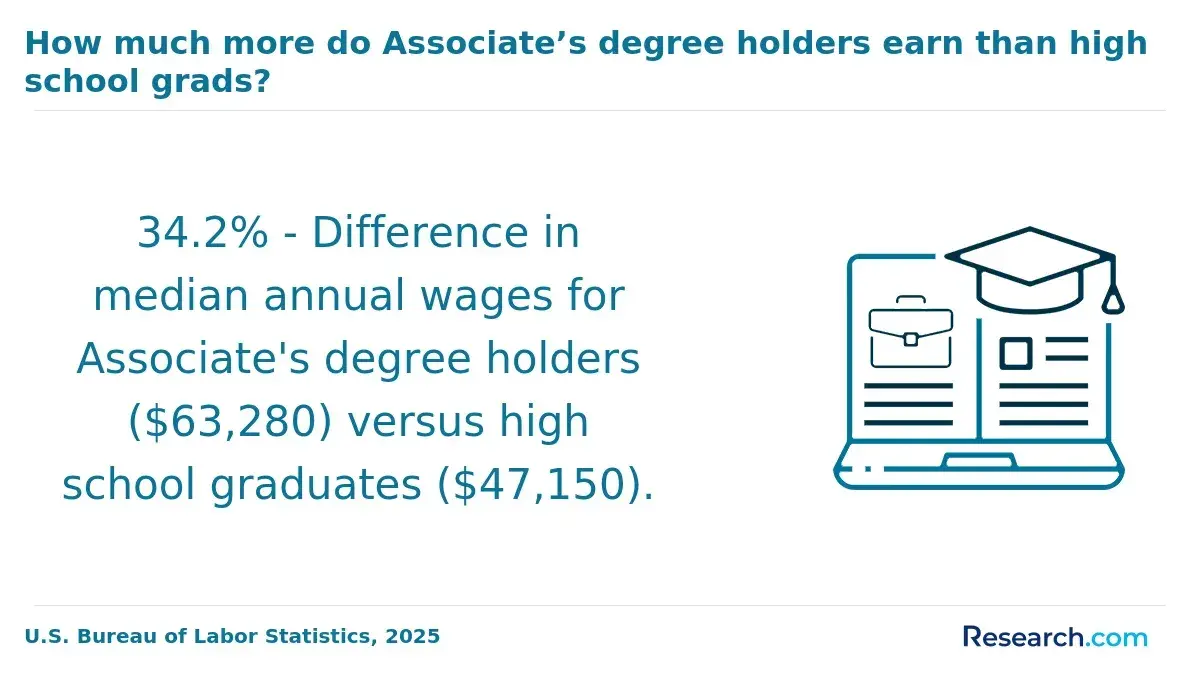
- Graduates can pursue roles in counseling, case management, or program coordination, with median salaries around $47,000 and strong demand growth projected at 12% through 2030.
- Long-term earning potential improves with experience and certifications; comparing costs, flexibility, and accreditation helps select programs aligning with career goals and financial constraints.
What Are the Admission Requirements for a Behavioral Health Master's Program?
Preparing the necessary prerequisites is essential for a smooth admission to a behavioral health master's program. Meeting these requirements helps ensure candidates are ready for graduate-level study in this field, which shows promising demand, with employment in mental health and substance abuse counseling projected to grow 23% from 2021 to 2031. Below are key admission criteria commonly observed in requirements for enrolling in a behavioral health master's degree.
- Relevant Undergraduate Degree: Applicants typically need a bachelor's degree in psychology, social work, health sciences, or a closely related field. Some programs accept candidates from diverse academic backgrounds but may require completion of prerequisite courses in subjects like abnormal psychology or statistics.
- GPA Thresholds: Most schools expect a minimum undergraduate GPA around 3.0, though specific expectations can vary by institution. Maintaining a strong academic record enhances competitiveness in the admissions process.
- Standardized Tests: The GRE is often optional but recommended by many programs to strengthen applications. The GMAT is generally required only if the degree emphasizes business or administration. Some institutions have waived these tests, especially for applicants with relevant professional experience.
- Supporting Materials: Applicants usually must submit two to three letters of recommendation, a personal statement detailing career goals and motivations, and sometimes writing samples. These components help admissions committees evaluate readiness and commitment to the field.
- Field-Specific Prerequisites: Requirements vary; clinical counseling programs might require volunteer or work experience, while research-focused degrees often emphasize academic accomplishments. International students generally must provide proof of English proficiency.
Prospective students may also find it useful to review recommended majors that align with behavioral health programs, helping to strengthen their applications and academic preparation.
What Is the Minimum GPA Requirement for a Behavioral Health Master's Program?
Prospective students often wonder about the minimum GPA requirements for behavioral health master's programs, as this factor can significantly impact admission chances. While most programs look for a GPA between 2.75 and 3.0 on a 4.0 scale, these criteria vary widely depending on the program and institution. Considering labor market trends, employment in behavioral health fields is projected to grow by 17% from 2022 to 2032, reflecting a rising demand for qualified professionals. Below is an overview of key considerations related to behavioral health master's program admission GPA criteria.
- Typical GPA Range: Most behavioral health programs require a minimum GPA between 2.75 and 3.0, but exact standards differ by school and degree concentration.
- Program Variability: Admissions standards vary with institutional prestige, public versus private status, and specialization within the behavioral health discipline.
- Holistic Admissions: Many programs adopt holistic review processes where GPA is one factor among others such as work experience and personal statements.
- Competitive Edge: Applicants with GPAs below standard thresholds may still be admitted if they present strong professional experience, high test scores, or compelling application essays.
- Job Market Outlook: Given the robust growth in behavioral health careers, meeting or exceeding admission requirements can enhance access to a rewarding field.
Students exploring different pathways may also consider programs labeled among the easy masters degrees, which can offer more flexible admission criteria and program structures.
How Much Does a Behavioral Health Master's Degree Cost and How Can You Finance It?
Planning finances ahead is crucial for students aiming to pursue a behavioral health master's degree, as costs vary widely depending on program type and living arrangements. A clear understanding of expenses and funding options can guide better budgeting and lessen financial stress. Here are key factors to consider when preparing for the investment involved:
- Comprehensive Cost Breakdown: Tuition and fees differ based on whether a program is public, private, or online. Public universities generally offer lower tuition, while online programs may reduce housing and transportation expenses. Additional costs like textbooks, technology, and lost income during full-time study should also be included.
- Primary Funding Mechanisms: Scholarships and fellowships often provide significant support, especially those offered through behavioral health departments. Graduate assistantships, employer tuition reimbursement, and federal student loans are other common avenues to finance education.
- Debt Reduction Strategies: Opting for in-state public schools and applying early for departmental fellowships can decrease debt load. Negotiating tuition waivers through roles such as teaching or research assistantships can also substantially offset costs. Part-time enrollment and employer support may ease financial burdens further.
- Evaluating Return on Investment: Assess whether expected earnings in your chosen behavioral health specialty justify the total expenses. Median salaries typically range from $48,000 to $60,000 annually, with job outlooks above average, which can help determine financial feasibility.
- Admissions Trends: Many programs consider professional experience alongside academics and have competitive acceptance rates around 40-60%, so planning application timing and finances concurrently is advisable.
A graduate of a behavioral health master's program shared that managing costs was one of the most challenging parts of their journey. "I had to carefully balance my part-time job with demanding coursework while applying for every relevant scholarship and assistantship available," they recalled. They noted the emotional ups and downs involved in waiting for funding decisions but emphasized that the financial planning paid off by enabling a focus on studies and career advancement. Their experience highlights how staying proactive with financing options can make completing the degree more manageable despite barriers.
How Long Does It Take to Earn a Behavioral Health Master's Degree?
The time required to complete a behavioral health master's degree varies significantly based on multiple factors. Prospective students should consider program format, enrollment status, and academic track choices, as these directly affect the typical duration of behavioral health master's programs. Below is an outline of key elements influencing completion time:
- Full-Time Enrollment: Most full-time master's programs take approximately 1.5 to 2 years to complete. This timeline assumes a consistent course load and fulfillment of all practicum or internship requirements within the designated semesters.
- Part-Time and Online Programs: Designed for students balancing other commitments, these options often extend from 3 to 4 years depending on credit loads and scheduling flexibility. They provide more accessible pacing but require a longer commitment overall.
- Accelerated and Combined Pathways: Some institutions offer accelerated tracks or combined bachelor's/master's programs that condense the timeline, allowing students to earn both degrees in less time, sometimes completing the master's portion in as little as 1 year.
- Transfer Credits: Students who transfer qualifying graduate coursework credits may reduce the total required credit hours, thereby decreasing the time needed to graduate.
- Thesis vs. Non-Thesis Tracks: Choosing a thesis option often adds time due to research and writing demands. Non-thesis tracks generally emphasize coursework and practicum hours and may allow faster completion.
- Internships and Practicum Requirements: Hands-on placements are mandatory in most programs and can influence completion time based on availability and scheduling constraints.
The variability in program length means students should carefully weigh their personal circumstances and career goals. Research on the best degrees to make money shows that investing time wisely in a behavioral health program can contribute to strong long-term earning potential and career growth.
What Career Paths Are Available with a Behavioral Health Master's Degree?
This overview offers prospective students insight into the diverse career pathways available after earning a behavioral health master's degree. Graduates typically find opportunities in both frontline roles and leadership positions, reflecting the degree's versatility across sectors.
Key factors shaping these career options include:
- Direct Service Roles: Many graduates work as licensed counselors, case managers, addiction counselors, or behavioral health specialists, focusing on client-centered mental health and substance use support.
- Leadership and Management: With experience, professionals often move into supervisory roles such as program coordinators or department supervisors within healthcare, nonprofits, or government agencies, eventually progressing to executive leadership and policy advisory positions.
- Industry Diversity: Behavioral health master's alumni find roles in varied sectors including government agencies (public health and social services), nonprofits providing community mental health resources, private organizations offering wellness and employee assistance programs, and academia or research institutions advancing behavioral science.
- Transferable Skills: The degree equips graduates with assessment, counseling, and program development expertise applicable to adjacent fields like healthcare administration, social work, and human resources.
A graduate shared that choosing a behavioral health master's made the transition into their career smoother, providing both practical skills and credibility crucial for client engagement. They recalled initial challenges in balancing coursework with internships but found the program's structured approach helped build confidence quickly. "It wasn't just theory; real-world scenarios prepared me for diverse job settings," they explained, emphasizing how the degree opened doors in sectors they hadn't previously considered.
What Is the Average Salary for Behavioral Health Master's Degree Holders?
Compensation for professionals with a behavioral health master's degree varies widely due to factors such as experience, location, employer type, and industry. Along with base salaries, total earnings often include bonuses, benefits, retirement contributions, and sometimes equity stakes, all playing a role in shaping overall income. Key salary details for different career stages are summarized below:
- Entry-Level Salaries: Starting salaries generally fall between $45,000 and $60,000 annually, influenced by geographic region and the nature of the employer. Nonprofits and smaller clinics often offer pay at the lower end, while larger urban centers typically provide higher wages to offset living costs.
- Mid-Career Earnings: Professionals with five to ten years of experience tend to earn between $60,000 and $85,000. At this stage, many take on supervisory or specialized clinical roles that contribute to increased compensation.
- Senior-Level Compensation: Seasoned practitioners, including managers and program directors, can expect salaries from $85,000 to $110,000 or more. Those working in private healthcare or consulting may receive higher pay due to the specialized nature of their roles.
- Geographic and Employer Differences: Salaries vary greatly by state and metropolitan area, with coastal cities often providing the highest wages. Public sector roles might pay less but typically offer more comprehensive benefits compared to private sector positions.
- Master's Degree Salary Premium: Holding a master's degree generally results in a 15-30% salary increase over bachelor's degree holders, reflecting advanced knowledge and skills valued by employers.
What Professional Certifications Complement a Behavioral Health Master's Degree?
Professional certifications significantly boost the value of a behavioral health master's degree certifications and open doors to sought-after roles in counseling, addiction treatment, and rehabilitation. These credentials generally require a combination of graduate education, supervised clinical hours, and successful completion of standardized exams. Renewal typically includes continuing education credits to maintain licensure and market relevance. Here is a summary of the most widely recognized certifications, their requirements, and career impact:
- Licensed Professional Counselor (LPC): Administered by state licensing boards, this credential demands a master's degree, 2,000 to 4,000 hours of supervised clinical experience, and passing the National Counselor Examination (NCE) or equivalent. The LPC is crucial for clinical counseling positions in private practices, hospitals, and community agencies, providing a strong foundation for long-term career growth.
- Certified Addiction Counselor (CAC): Offered by the National Certification Commission for Addiction Professionals (NAADAC), eligibility includes formal education focused on addiction and supervised practice. Certification requires passing an exam and is highly valued in substance abuse treatment centers and public health sectors. CAC holders generally experience a salary boost of around 10%, according to workforce data.
- Certified Rehabilitation Counselor (CRC): Managed by the Commission on Rehabilitation Counselor Certification, candidates must hold a relevant master's degree, complete internships, and pass an exam. This certification is preferred by government agencies and vocational rehabilitation programs serving disabled or injured clients, promoting advanced career opportunities.
Strategically, the best timing for pursuing these professional certifications is after earning the master's degree, although preparation can begin during graduate studies. Accumulating supervised hours early and aligning internships with certification requirements can accelerate licensure and improve job prospects. For those considering flexible study options, exploring masters in psychology online programs may provide an accessible pathway to meet educational prerequisites while balancing other commitments.
What Are the Top Industries Hiring Behavioral Health Master's Degree Graduates?
For those pursuing a behavioral health master's degree, knowing where opportunities are most concentrated can help focus career planning and skill development. Employment patterns reveal which industries actively recruit graduates, highlighting the roles, employer characteristics, and preferred credentials within each sector. This overview outlines the leading employers, emerging markets, and strategies students can use to align their education with market needs.
- Healthcare Sector: Healthcare is the dominant employer of behavioral health graduates, featuring roles such as mental health counselors and clinical social workers. Positions are commonly within hospitals, outpatient clinics, and specialized mental health facilities. Licensure like Licensed Professional Counselor (LPC) or Licensed Clinical Social Worker (LCSW) is often required to improve job prospects in this competitive, highly regulated field.
- Social Assistance Organizations: Community agencies, rehabilitation centers, and nonprofits form another major hiring segment. These employers typically seek expertise in case management and crisis intervention. Medium-sized nonprofits value skills in grant writing and program evaluation, which can differentiate candidates in this sector.
- Education Systems: Behavioral health professionals in education serve as school counselors or mental health specialists for students. Employment is concentrated in public school districts and higher education institutions, where knowledge of developmental psychology and certifications in school counseling are frequently preferred or required.
- Emerging Telehealth and Digital Platforms: Rapid growth in telehealth behavioral services reflects increasing acceptance of remote care, supported by changing regulations. This sector demands competence with technology and strict adherence to data privacy standards. Between 2019 and 2022, telehealth behavioral services expanded by over 150%, signaling strong growth potential.
- Career Preparation Strategies: To enter these fields, students should prioritize targeted internships and build professional networks in their chosen industry. Selecting coursework that aligns with sector-specific competencies and pursuing relevant certifications can significantly enhance employment opportunities post-graduation.
What Are the Highest-Paying Jobs for Behavioral Health Master's Degree Holders?
Career options for master's degree holders in behavioral health often involve leadership, clinical expertise, and specialized knowledge, which together lead to competitive wages. Income varies based on experience, certifications, licensure, and location. Understanding these factors can help graduates target roles with the most lucrative prospects. Below are some of the highest-paying positions commonly pursued by master's-level behavioral health professionals.
- Clinical Director: Responsible for managing mental health programs, clinical directors supervise teams and ensure high-quality patient care, typically within hospitals or large treatment facilities. Median pay often surpasses $90,000 per year, with metropolitan areas offering salaries exceeding $120,000. Leadership experience and credentials like Licensed Clinical Social Worker (LCSW) or Licensed Professional Counselor (LPC) are usually needed.
- Licensed Psychotherapist: Licensed psychotherapists deliver individual or group therapy, earning between $50,000 and $80,000 depending on their region and client demographics. Establishing a private practice or working in specialized clinics can enhance earnings, particularly when holding certifications in Cognitive Behavioral Therapy (CBT) or Trauma-Informed Care.
- Behavior Analyst Supervisor: Overseeing Applied Behavior Analysis (ABA) teams primarily in autism centers or educational settings, these supervisors-often Board Certified Behavior Analysts (BCBA)-make approximately $70,000 to $100,000 annually. Advanced credentials and supervisory experience increase earning potential.
- Healthcare Consultant: Behavioral health graduates advising organizations on mental health services generally start around $80,000, with salaries increasing at major consulting firms or government roles. Strong knowledge of healthcare systems and growing experience drive higher compensation.
- Academic Researcher or Program Coordinator: Working in academia or nonprofit sectors, these professionals manage research projects or behavioral health programs. Salaries average about $60,000 but can rise significantly with doctoral degrees or advanced certifications linked to leadership responsibilities.
What Is the Job Outlook and Employment Growth for Behavioral Health Professionals?
The job outlook for behavioral health professionals remains highly favorable, making it an essential consideration for prospective master's degree students seeking long-term career stability. Employment projections for behavioral health professionals indicate growth rates well above the national average, reflecting the evolving needs of healthcare and society.
- Strong Job Growth: Mental health counselors and marriage and family therapists are expected to see about 22% growth through 2032, compared to a 5% average across all U.S. occupations. This expansion underscores ongoing demand for specialized behavioral health services.
- Economic and Demographic Drivers: Increased awareness of mental health issues, greater healthcare access, and an aging population are key factors fueling this demand. These trends create more opportunities for master's graduates to serve diverse client needs in various industries.
- Technological Advances: Innovations like telehealth are enabling providers to reach underserved populations, enhancing patient engagement and service accessibility without reducing the need for personalized care.
- Limited Impact of Automation and Globalization: Unlike many sectors, behavioral health relies heavily on human interaction, making job replacement due to automation or outsourcing less likely in the near future.
- Policy Improvements: Healthcare reforms improving insurance coverage for mental health services are positively influencing employment prospects by expanding access to care.
Students interested in accelerating their path may explore the best online mft programs that can provide flexible training aligned with these growth trends. Considering behavioral health job growth in the United States, the field offers promising outcomes for graduates ready to meet increasing mental health service demands.
What Skills and Competencies Does a Behavioral Health Master's Program Develop?
Prospective behavioral health master's students benefit from understanding the essential skills embedded in the curriculum. These competencies not only prepare graduates for professional success but also ensure adaptability across diverse career paths and industries.
- Technical Proficiency: Students gain expertise in research methodologies, quantitative and qualitative data analysis, and the operation of specialized software like electronic health records and behavioral assessment tools. These hard skills empower graduates to manage and interpret complex information crucial for evidence-based decision-making.
- Leadership and Communication: Developing strong leadership qualities and effective communication strategies is central to the program. These soft skills enhance a graduate's ability to collaborate, advocate, and lead within healthcare, social services, education, and corporate wellness environments.
- Critical Thinking and Problem-Solving: Programs emphasize analytical thinking to evaluate case studies and address real-world challenges. This fosters thoughtful decision-making and adaptability in dynamic professional settings.
- Experiential Learning Opportunities: Internships, simulations, group projects, and case analyses provide practical, hands-on experience. These activities integrate theoretical knowledge with real-world application, deepening skill retention and professional readiness.
- Employer-Valued Competencies: Communication skills, cultural competence, and flexibility consistently rank as the top traits sought by employers. Graduates exhibiting these qualities demonstrate the interpersonal and cultural awareness necessary to thrive in multidisciplinary teams and diverse client populations.
What Graduates Say About Their Behavioral Health Master's Degree
- Dante: "Applying to the Behavioral Health master's program was initially overwhelming, but focusing on official academic catalogs made the requirements clear and manageable. Navigating through accredited institutions gave me confidence that the education I received would be recognized and valued. I'm grateful for the resources that guided me step-by-step through the entire process."
- Collin: "Looking back, I appreciate how thorough I was in relying on accrediting agencies and federal education resources to understand program legitimacy. It wasn't just about finding any Behavioral Health master's degree, but choosing one that aligned with my goals and offered solid support. This careful research made my journey much smoother and ultimately rewarding."
- Dylan: "The landscape of behavioral health master's programs can be confusing, but having a clear strategy for evaluating school accreditation made all the difference. I found applying for admission less stressful once I understood the specific documentation and prerequisites through official catalogs. Reflecting on my experience, academic diligence truly paid off in achieving my degree efficiently."
Other Things You Should Know About Behavioral Health Degrees
A behavioral health master's degree typically leads to higher earning potential compared to positions requiring only a bachelor's degree. Graduates often see salary increases as they gain experience and obtain relevant certifications. Over time, those in clinical or administrative roles may advance into higher-paying management or specialized positions, boosting their income further.
In 2027, a Behavioral Health master's degree can lead to diverse job opportunities, including roles like Mental Health Counselor, Clinical Social Worker, and Behavioral Health Director. Opportunities exist in hospitals, private practices, schools, and community health organizations, with room for growth in both clinical and administrative capacities.
Yes, for many students, a behavioral health master's degree is a valuable investment. It opens doors to a range of career paths in counseling, social services, healthcare, and community programs, many of which require graduate-level qualifications. Additionally, the degree strengthens skills critical to patient care and treatment, often leading to job security and career advancement in a growing industry.
References
- CIMHP - Certified Integrative Mental Health Professional (US) https://www.evergreencertifications.com/certification/certified-integrative-mental-health-professional/
- Jobs With A Master's Degree In Psychology | Psychology.org https://www.psychology.org/resources/jobs-with-a-masters-in-psychology/
- Integrated Behavioral Health Care https://www.amhca.org/members/career/credential/apply/integratedbehavioralhealth
- Best Certifications for Mental Health Clinicians in 2025 (Ranked) https://www.tealhq.com/certifications/mental-health-clinician
- What You Can Do With a Master's Degree in Child and Adolescent Mental Health | American SPCC https://americanspcc.org/what-you-can-do-with-a-masters-degree-in-child-and-adolescent-mental-health/
- University Catalog 2025-2026 https://catalog.tulane.edu/science-engineering/psychology/behavioral-health-ms/
- M.A. in Clinical Mental Health Counseling Admission Requirements https://www.agnesscott.edu/graduate-studies/graduate-programs/mental-health-counseling/admission-clinical-mental-health-counseling.html
- Behavioral Medicine Certificate https://www.lynchburg.edu/academics/graduate/graduate-certificates/behavioral-medicine-certificate/
- Home https://www.husson.edu/online/blog/2025/11/demand-for-mental-health-therapists
- Behavioral Health Specialist Salary and Job Description https://www.warnerpacific.edu/blog/behavioral-health-specialist/