2027 Highest-Paying Jobs with a Behavioral Health Master's Degree

Co-Founder and Chief Data Scientist
Many graduates with a master's in behavioral health face uncertainty about which career paths offer the highest financial rewards amid an expanding but diverse job market. While demand for behavioral health professionals grows-employment in mental health and substance abuse counseling is projected to increase by 23% through 2030-income levels vary widely. This disparity can leave skilled practitioners underpaid despite specialized education. Understanding which roles leverage both expertise and market demand is crucial for maximizing career profitability. This article explores the highest-paying jobs tailored to individuals with a behavioral health master's degree, providing clear guidance to optimize earnings and professional growth.
Key Benefits of the Highest-Paying Jobs with a Behavioral Health Master's Degree
- Graduates from top-paying behavioral health master's programs often earn salaries 20% above industry averages within their first year, maximizing immediate financial returns.
- These programs frequently offer specialized leadership training, accelerating advancement to executive roles with compensation exceeding $120,000 annually.
- Continuous demand in the behavioral health sector provides long-term job security and financial stability, with employment projected to grow 23% through 2032.
What Are the Highest-Paying Jobs With a Behavioral Health Master's Degree?
Earning a master's degree in behavioral health opens doors to senior-level and high-paying opportunities, with many professionals earning median salaries above $70,000 annually according to the U.S. Bureau of Labor Statistics. This advanced degree positions graduates for roles that require strategic leadership and specialized expertise. Below are five of the highest-paying behavioral health careers in the United States that demonstrate this potential.
- Clinical Director: Oversees treatment programs and supervises clinical staff to ensure effective service delivery. This leadership role involves strategic planning and budget management, often within healthcare organizations, which contributes to its high compensation.
- Licensed Clinical Social Worker (LCSW): Provides advanced therapeutic services for individuals and groups, managing complex cases with technical and clinical expertise. This level of responsibility justifies the elevated salary typical of the position.
- Behavioral Health Program Manager: Coordinates and manages behavioral health initiatives, blending administrative tasks with program development. Employed in hospitals or community agencies, these managers influence service quality and funding, warranting strong pay.
- Addiction Counselor Supervisor: Leads teams of addiction counselors, develops treatment protocols, and ensures regulatory compliance. The specialized knowledge and leadership required support higher salary levels.
- Mental Health Consultant: Provides expert guidance to organizations on mental health practices and policies. This role demands advanced behavioral health knowledge and strategic insight, often resulting in top-tier earnings.
Mid-career professionals interested in maximizing their return on investment might also explore the cheapest online SLP programs as part of expanding their skill set in related health fields.
Which Industries Offer the Highest Salaries for Behavioral Health Master's Graduates?
Salary potential for behavioral health master's graduates often varies widely by industry, influenced by factors such as market demand, revenue scale, and operational complexity. According to data from the U.S. Bureau of Labor Statistics, some sectors pay up to 20% more than the average behavioral health salary. These industries typically allocate substantial budgets for mental health services and require specialized expertise, resulting in higher compensation. Key industries with notable salary premiums include:
- Healthcare and Hospital Systems: These organizations deliver coordinated care that demands advanced clinical and administrative skills. The complexity of patient needs and integrated services commands higher wages for experienced behavioral health professionals.
- Pharmaceutical and Biotechnology Firms: Companies in this sector prioritize behavioral health expertise for research, clinical trials, and the development of mental health treatments, creating strong salary growth due to the specialized knowledge required.
- Insurance and Managed Care Organizations: This industry involves managing complex claims and coordinating mental health programs, which demands precise expertise and results in premium pay.
- Government Agencies: Federal and state agencies dedicate considerable resources to public health and veteran services, offering competitive wages to attract behavioral health experts to their initiatives.
For mid-career professionals aiming to increase their earning potential, understanding the highest paying industries for behavioral health master's graduates is crucial. Those exploring advanced educational pathways might consider accelerated online MSW programs to quickly position themselves within these lucrative sectors. Identifying the top salary sectors for behavioral health master's degree holders can maximize return on investment and career growth opportunities.
What Is the Starting Salary with a Behavioral Health Master's Degree?
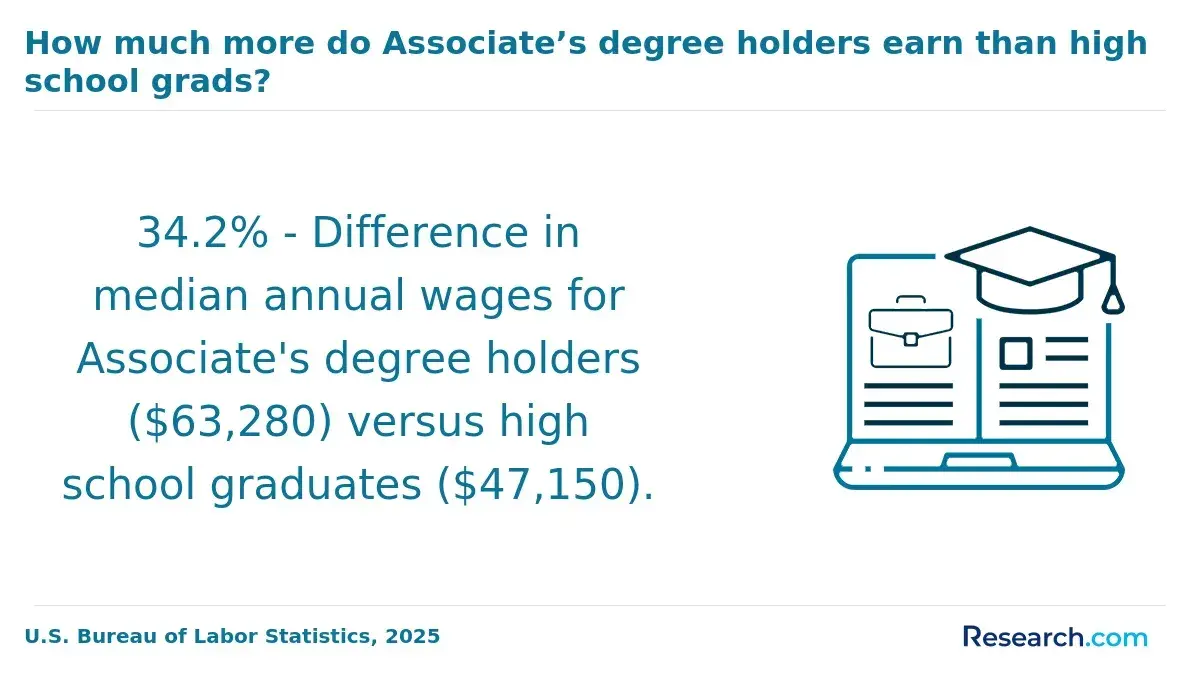
Starting salaries for behavioral health master's degree graduates depend largely on the specific role, prior experience, and job market demand. The U.S. Bureau of Labor Statistics reported that the median annual wage for mental health counselors was about $48,720 in 2023. Entry-level pay varies but generally falls between $40,000 and $50,000. Several factors influence these starting salaries, including:
- Job Role: Positions such as substance abuse counselor, behavioral therapist, and case manager differ in pay. Clinical or specialized roles typically command higher starting offers as they require advanced skills and training.
- Experience and Internships: Relevant internships or previous work experience provide practical expertise that can boost entry-level compensation. Employers often favor candidates who demonstrate readiness through hands-on experience.
- Employer Type: Compensation varies significantly among nonprofit organizations, private practices, hospitals, and government agencies. Generally, private and hospital settings tend to offer more competitive starting salaries.
- Certification and Licensure: Holding certifications or provisional licenses enhances a graduate's appeal by confirming professional qualifications, which often translates into better starting pay.
- Negotiation and Networking: Strong negotiation skills combined with professional networking can help graduates secure higher initial offers. Leveraging contacts and effectively advocating for oneself are crucial early-career strategies.
Grasping these elements is essential to maximize average entry-level pay for behavioral health master's degree holders. For mid-career professionals exploring career shifts or recent graduates planning next steps, focusing on roles that align with your credentials can improve earning potential. For those seeking insights into the highest paying jobs across fields, this knowledge can guide strategic career decisions.
Which States Pay the Highest Salaries for Behavioral Health Master's Degree Holders?
Compensation for behavioral health master's degree holders varies widely by state, influenced by factors such as cost of living, regional demand for specialized expertise, and the presence of health services industries. Average annual earnings can differ by up to 25% between the top- and bottom-paying states, reflecting how local economies and job markets shape salary levels. The following states are recognized for offering some of the most competitive pay in this profession.
- California: With a dense concentration of health providers and urban centers, California demands advanced skills and offers salaries that reflect the competitive labor market, despite a high cost of living.
- New York: Its large population and expansive healthcare infrastructure create a persistent need for behavioral health professionals, boosting wage potential in both metropolitan and suburban areas.
- Massachusetts: The state's focus on specialized training and its network of renowned academic medical centers contribute to elevated salaries for those with master's credentials in behavioral health.
- Washington: Growing emphasis on mental health services within a competitive market pushes employers to offer higher compensation to attract qualified candidates.
- Texas: Rapid growth in healthcare services combined with regional cost-of-living considerations support strong income potential for behavioral health practitioners in this state.
A graduate of a behavioral health master's program shared insights highlighting the complexities behind these salary trends. He remarked on the intense job search process: "Navigating different state requirements and trying to find a role that values my specialized training was challenging." His experience underscored the emotional toll of relocating, stating, "It wasn't just about finding the highest pay but also about feeling supported in a workplace that understands the profession's demands." These reflections illuminate the multifaceted decisions behind where graduates choose to work, balancing financial rewards with professional fulfillment.
Which Behavioral Health Master's Specializations Lead to the Highest Salaries?
Specializations within a behavioral health master's degree can significantly boost salary potential, with certain fields offering up to 20% higher earnings due to demand for specialized skills and expertise. These areas tend to address complex cases or underserved populations, commanding a premium in the workforce. The following are among the top-paying specializations within the field.
- Clinical Mental Health Counseling: This specialization covers a wide spectrum of mental disorders, requiring extensive knowledge of diverse therapeutic approaches. Its broad applicability and treatment complexity contribute to higher compensation.
- Marriage and Family Therapy: Managing intricate family and relational issues demands deep training and certification. These professionals are valued for navigating sensitive dynamics, which often leads to elevated salaries.
- Substance Abuse Counseling: Focused on addiction recovery, this area has gained financial support due to ongoing public health crises like the opioid epidemic, increasing both demand and wages.
- Behavioral Analysis: Specializing in behavior modification, especially for conditions such as autism spectrum disorder, this role requires certification and is highly sought after, reflecting in competitive pay.
- Psychiatric Rehabilitation: These specialists work closely with individuals facing severe mental illnesses, assisting with treatment compliance and community reintegration. Their unique skill set places them among higher earners in behavioral health careers.
What Skills Can Increase the Salary of a Behavioral Health Master's Degree Graduate?
While earning a behavioral health master's degree can boost earning potential, it is often the specialized technical and leadership abilities that significantly impact salary levels. Research from 2023 highlights that professionals equipped with advanced skills, such as leadership or data analytics, can earn up to 15% more than those without these qualifications. Below are five critical skills that tend to raise income for behavioral health master's graduates:
- Advanced Clinical Assessment: Mastery in evaluating and diagnosing complex cases allows practitioners to take on specialized or supervisory duties. These roles typically offer higher salaries due to increased responsibility and expertise.
- Data-Driven Program Evaluation: The ability to analyze and measure treatment outcomes supports organizations in making informed funding and policy decisions. This analytical skill is particularly sought-after in value-driven environments.
- Leadership and Team Management: Skills in leading teams or managing projects enable graduates to transition into administrative or executive positions, which tend to come with greater financial rewards.
- Grant Writing and Resource Development: Proficiency in securing funds through grants makes professionals invaluable in helping agencies expand their programs, directly contributing to their market value and salary potential.
- Integrated Care Coordination: Effectively collaborating across multidisciplinary teams is essential in modern healthcare models. This skill set ensures smoother patient care pathways and is highly valued by employers paying premium wages.
In discussing what skills increase salary, a working professional enrolled in a behavioral health master's degree program shared her experience. She reflected on how mastering leadership and grant writing was initially daunting but transformative. "Juggling studies with work made it challenging to fully absorb these skills, but the real-world applicability motivated me," she said. Her increased confidence in managing teams and successfully contributing to funding proposals opened doors to higher-paying roles. She emphasized that these competencies not only enhanced her resume but reshaped how she approaches workplace challenges with strategic thinking and collaboration.
Is There a Salary Difference Between Online and On-Campus Behavioral Health Master's Graduates?
Many prospective master's students wonder if earning a behavioral health degree online versus on-campus impacts their post-graduation salary. According to a 2022 survey by the National Association of Colleges and Employers, 71% of employers regard online degrees as equally credible to on-campus equivalents, reflecting growing acceptance of virtual education. This shift invites a deeper look at whether mode of study truly affects earning potential.
Research indicates there is no consistent or measurable salary difference between graduates of online and traditional on-campus behavioral health master's programs. Instead, factors such as employer perception of the institution's reputation, access to professional networks and internships, and relevant work experience play a more decisive role in compensation. The value of the degree is often tied to the institution's accreditation and industry standing rather than how the instruction is delivered.
Hiring trends in behavioral health increasingly favor skills, licensure, and practical experience over program format. Employers now prioritize candidates' competencies and connections within the field, whether their degree was earned online or on campus. For mid-career professionals, choosing an accredited program with strong industry links-regardless of delivery mode-can have a significant positive impact on salary outcomes and career advancement.
Are Behavioral Health Master's Graduates More Competitive for Executive Positions?
Many professionals pursue a behavioral health master's degree to strengthen their qualifications for senior leadership roles within healthcare and social service organizations. These advanced credentials often position graduates as more competitive candidates for executive roles. Several key factors contribute to the executive competitiveness of behavioral health master's graduates, including:
- Leadership Preparation: Specialized coursework and real-world experience develop vital skills for managing multidisciplinary teams. This foundation is essential for guiding organizations effectively and fostering a collaborative work environment.
- Decision-Making Authority: Graduates gain the ability to analyze clinical and administrative data critically, enabling them to make informed strategic decisions. This empowers them to influence policies and organizational directions confidently.
- Organizational Impact: Deep understanding of systemic behavioral health challenges allows leaders to design and implement programs that produce measurable improvements. This strategic insight helps drive mission-focused outcomes across complex systems.
- Strategic Capability: Interdisciplinary training equips graduates to align organizational goals with evolving health trends. This adaptability ensures sustained relevance and proactive leadership in the sector.
- Professional Credibility: Earning specialized credentials and demonstrating expertise increases trust among stakeholders. This credibility is crucial for career advancement and for securing senior leadership roles.
Together, these factors make behavioral health master's degree holders highly competitive for executive careers, positioning them to influence policy, lead teams effectively, and enhance organizational performance. Professionals pursuing career advancement in this field should also consider pathways that complement their degrees, such as the cheapest online doctorate in organizational leadership, which can further elevate their executive qualifications. The strategic integration of leadership skills and organizational knowledge is key for mid-career professionals aiming for senior leadership roles with maximum return on investment through their educational choices.
What Is the ROI of a Behavioral Health Master's Degree?
Return on investment (ROI) is a key consideration for prospective behavioral health master's students evaluating tuition costs against long-term career benefits. Research shows that individuals with a master's degree in behavioral health typically earn 20-30% more over their lifetime than those with only a bachelor's degree. This financial benefit supports the value of advanced study in this field. Several primary factors influence the return on investment for behavioral health master's graduates:
- Tuition Costs: While higher tuition fees increase initial expenses, they often grant access to specialized programs that lead to more lucrative career paths, ultimately affecting lifetime earnings positively.
- Salary Growth: Graduates with a master's degree tend to experience faster salary increases due to advanced credentials and skills, enhancing long-term income potential.
- Opportunity Cost: Time spent in graduate study delays income, but the expertise and credentials gained usually offset this through better job prospects and higher salaries over time.
- Career Mobility: A master's degree opens doors to management roles, specialized positions, and diverse work environments, all of which expand professional opportunities and earning capacity.
- Networking Value and Job Stability: Graduate programs provide valuable professional connections and training that support stable employment and advancement in a growing behavioral health industry.
For mid-career professionals, making a strategic choice about graduate programs is crucial; exploring options like a cyber security degree online may also offer insights into ROI comparisons across fields. Considering the financial benefits of a behavioral health graduate degree alongside other educational investments helps ensure the best outcome.
What Is the Job Outlook for Behavioral Health Master's Degree Holders?
Prospective behavioral health master's students must consider long-term career stability and growth potential when evaluating their education investment. The U.S. Bureau of Labor Statistics projects a 23% increase in employment for mental health and substance abuse counselors from 2021 to 2031, signaling robust expansion in this field. Several critical aspects shape these positive job prospects:
- Long-Term Demand Trends: Increasing societal awareness of mental health issues and broader insurance coverage create steady demand for professionals with advanced mental health education.
- Evolving Skill Needs: The shift toward integrated care and new therapeutic methods requires behavioral health workers to continuously update their expertise, thus opening doors to specialized roles.
- Technological Change: The rise of telehealth and digital tools expands access to care, necessitating proficiency in emerging technologies and enhancing service reach.
- Leadership Pipelines: Master's degree holders are often eligible for supervisory and administrative positions, offering career advancement beyond direct clinical work.
- Economic Resilience: Demand for mental health services tends to remain stable during economic fluctuations, providing a reliable employment outlook.
These factors together suggest that behavioral health graduates who engage in ongoing learning and leadership development are well-positioned in the labor market.
What Graduates Say About the Highest-Paying Jobs with a Behavioral Health Master's Degree
- Dante: "Choosing a behavioral health master's degree was a defining moment for me; it opened doors to some of the highest-paying roles in mental health counseling and administration. Despite the initial cost, the investment quickly paid off as I transitioned into a leadership position with a significant salary increase. Reflecting back, the blend of specialized knowledge and practical skills was worth every dollar."
- Collin: "The cost of pursuing my behavioral health master's degree was a major concern, but I was determined to maximize the financial impact on my career. Graduating allowed me to qualify for advanced practitioner roles that not only pay well but also offer extensive job security. In the end, the degree transformed my outlook on professional growth and economic stability."
- Dylan: "From a professional standpoint, earning a behavioral health master's degree was both challenging and rewarding. The degree gave me access to high-demand positions with impressive compensation, which made the upfront educational expenses seem minimal by comparison. Looking back, the strategic choice to specialize in behavioral health absolutely influenced the trajectory of my career earnings."
Other Things You Should Know About Behavioral Health Degrees
In 2027, advanced behavioral health roles often require licensure such as the Licensed Professional Counselor (LPC), Licensed Clinical Social Worker (LCSW), or Licensed Marriage and Family Therapist (LMFT). Specific requirements vary by state, but generally include completing a master's degree, supervised clinical hours, and passing a licensing exam.
Yes, many behavioral health professionals with a master's degree move into leadership or administrative roles, such as clinical directors or program managers. These positions often require additional experience in management and may benefit from certifications in healthcare administration or related fields.
Continuing education plays a significant role in increasing salary potential within behavioral health. Advanced training, specialized certifications, and workshops can enhance skills, making professionals eligible for higher-paying roles or promotions. Many employers also require ongoing education to maintain licensure.
In 2027, key leadership roles for individuals with a Behavioral Health Master's Degree include Clinical Director, Program Manager, and Mental Health Services Administrator. These positions often involve overseeing treatment programs, managing staff, and developing organizational strategies to enhance client care.
References
- 9 Mental Health Careers You Can Pursue with a BA https://www.nec.edu/news/9-mental-health-careers-you-can-pursue-with-a-ba
- Building A Career In Behavioral Health: Navigating Entry-level Mental Health Jobs And Opportunities - Haven Health Management https://havenhealthmgmt.org/building-a-career-in-behavioral-health-navigating-entry-level-mental-health-jobs-and-opportunities/
- The Benefits of a Career in Behavioral Health https://www.herzing.edu/blog/benefits-career-behavioral-health
- 4 Skills to Upgrade to Improve Your Career as a Behavioral Health Professional - Psych Pros https://psychpros.com/4-skills-to-upgrade-to-improve-your-career-as-a-behavioral-health-professional/
- How to Find a Leadership Job in Behavioral Health | All You Need to Know https://www.therecoveryvillage.com/professionals/jobs/leadership-positions/
- Behavioral Health Specialist Salary and Job Description https://www.warnerpacific.edu/blog/behavioral-health-specialist/
- ROI Graduate - FREOPP https://freopp.org/roi-in-higher-education/roi-graduate/
- The Best States For Psychologists | Psychology.org https://www.psychology.org/states/best-states-for-psychologists/
- 9 Careers With a Master’s in Clinical Mental Health Counseling https://www.thechicagoschool.edu/insight/career-development/careers-with-masters-degree-clinical-mental-health-counseling/
- 5 Reasons to Consider a Career in Behavioral Health https://www.centralpenn.edu/news/5-reasons-to-consider-a-career-in-behavioral-health/