
2027 Is an Environmental Science Master's Degree Worth It? ROI, Salary & Career Impact

Co-Founder and Chief Data Scientist
Deciding whether to pursue a environmental science master's degree can be challenging amid rising tuition costs and shifting job markets. Recent data shows that graduates with a master's in environmental science earn a median annual salary of approximately $68,000, compared to $48,000 for those with only a bachelor's degree. However, the return on investment varies widely depending on specialization and geographic region.
This article examines salary trends, ROI calculations, and employer expectations to clarify the tangible benefits and potential drawbacks of the degree. It provides readers with a detailed framework to evaluate financial, professional, and personal outcomes before committing to advanced study.
Key Things to Know About the Value of Environmental Science Master's Degree
- Admission typically requires a bachelor's degree in a related field and may include GRE scores; programs range from 1 to 3 years with options for part-time or online study to accommodate various needs.
- Graduates can expect median salaries around $70,000 annually, with roles in research, policy, and consulting offering growth potential and influence in sustainability sectors.
- Evaluating programs on cost, flexibility, and industry reputation helps maximize ROI; long-term earnings often improve with experience and advanced credentials within environmental careers.
How Much Does a Environmental Science Master's Degree Cost?
Financial planning is a key consideration for prospective students exploring a master's degree in environmental science, especially as the field's job market is expected to grow by 8% from 2020 to 2030, according to the U.S. Bureau of Labor Statistics. Evaluating environmental science master's tuition fees and related costs helps clarify the total investment required. The following outlines typical expenses across different institution types and formats.
- Public University In-State Tuition: In-state graduate tuition generally ranges from $10,000 to $25,000 per year. Programs last about 1.5 to 2 years, so total tuition falls between $15,000 and $50,000 depending on credit requirements and school policies.
- Public University Out-of-State Tuition: Nonresident students usually pay between $20,000 and $40,000 annually. This increases total tuition expenses to approximately $30,000 to $80,000 for the complete degree, reflecting a significant difference compared to in-state fees.
- Private University Tuition: Private institutions charge roughly $30,000 to $60,000 yearly. Total costs range from $45,000 to $120,000, with less variation between resident and nonresident tuition.
- Online Program Costs: Online environmental science master's programs typically cost $15,000 to $40,000 in total. These options offer scheduling flexibility and can reduce indirect costs like housing, but may include extra technology fees.
- Additional Expenses: Students should budget $1,000 to $2,500 annually for textbooks and supplies, plus $500 to $1,500 for technology fees. Housing and living costs vary widely but average $10,000 to $20,000 per year for on-campus or local off-campus housing.
Prospective students can also compare these expenses against professional alternatives such as certifications or explore related disciplines through resources like the AI degree offerings.
What Financial Aid and Scholarships Are Available for Environmental Science Master's Students?
Graduate study in environmental science often involves significant expenses, making financial aid essential for many prospective students. Approximately 56% of graduate students rely on some form of financial assistance to help manage tuition and living costs. Key funding opportunities range from federal loans to specialized scholarships, which can alleviate financial burdens through various means.
Below is an overview of major financial aid categories available to environmental science master's candidates.
- Federal Graduate Loans: These include subsidized loans, which do not accrue interest while you are enrolled, and unsubsidized loans, where interest starts immediately. After a grace period post-graduation, repayment typically begins with options for flexible plans tailored to graduate borrowers.
- Institutional Grants and Assistantships: Universities often provide grants or teaching and research assistantship positions that may include tuition waivers and stipends. Eligibility generally depends on academic merit and departmental priorities within environmental science master's programs.
- External Scholarships: Prestigious organizations such as the Environmental Protection Agency (EPA) and the National Science Foundation (NSF) offer scholarships targeting environmental fields. These awards usually require essays and strong academic records.
- Discipline-Specific Scholarship Databases: Resources like the Environmental Careers Organization and the Society of Environmental Toxicology and Chemistry compile targeted scholarship and fellowship listings relevant to environmental science majors.
- Application Strategies: Competitive applications feature leadership in environmental projects, a high GPA, solid recommendation letters, and personal statements emphasizing commitment to sustainability and research. Additionally, prospective students can explore what certifications can I get online to complement their credentials.
What Is the Average Salary for Environmental Science Master's Degree Holders?
For prospective students considering a master's degree in environmental science, assessing potential salary outcomes across different experience levels is crucial for weighing the value of advanced education. Salary distinctions compared to bachelor's holders and the influence of industry sectors and geographic regions shape earning prospects. Below are key points summarizing these trends based on data from sources like the Bureau of Labor Statistics and Glassdoor.
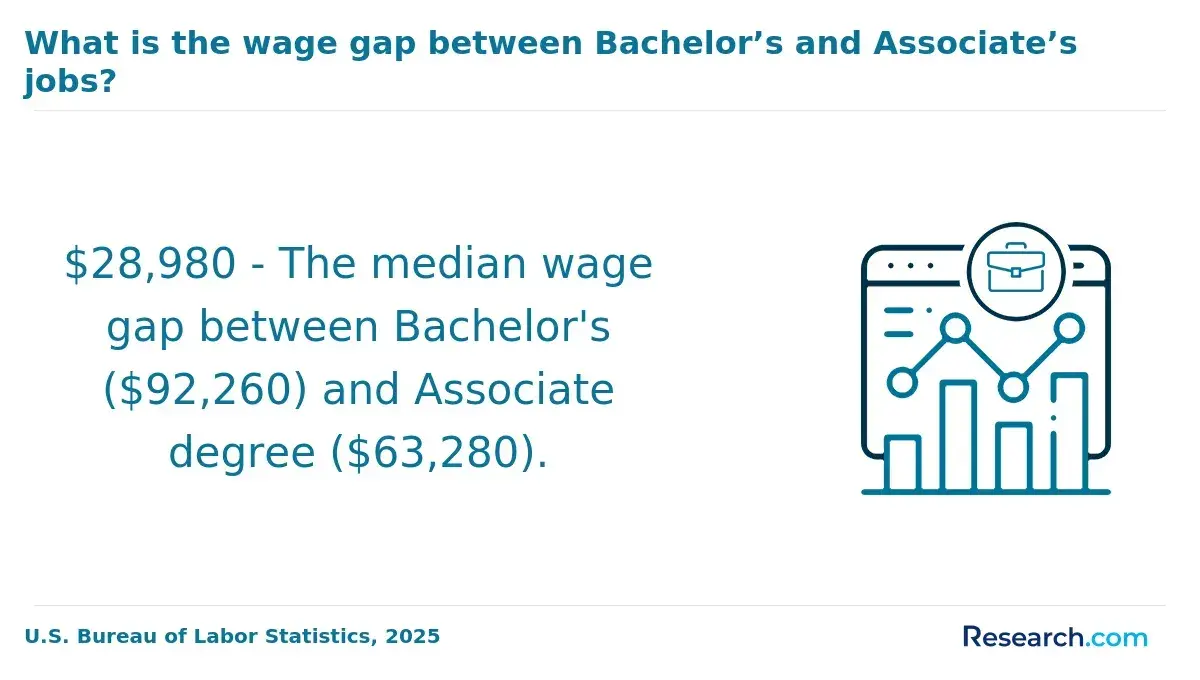
- Entry-Level Salary Premium: Graduates starting with a master's degree generally earn between $55,000 and $70,000 annually, exceeding bachelor's degree starters by approximately 10-20%, whose salaries typically range from $45,000 to $60,000.
- Mid-Career Advancement: Professionals with 5 to 10 years' experience and a master's credential often see salaries from $75,000 to $95,000, comfortably above the $60,000 to $80,000 average for bachelor's degree holders in comparable roles.
- Senior-Level Earnings: Experienced environmental scientists and managers possessing a master's degree frequently earn over $100,000, reaching as high as $120,000 depending on factors like industry and location; those with only a bachelor's degree tend to peak between $90,000 and $100,000.
- Sector and Regional Impact: Earnings are typically higher within private industry compared to government or nonprofit roles. Additionally, geographic areas with strong environmental sectors, such as California and the Northeast U.S., offer enhanced salary potential.
When I spoke with a graduate of an environmental science master's program, they recalled juggling evening coursework and weekend fieldwork while maintaining a full-time job. The intense workload was challenging yet rewarding, particularly as the specialized skills gained opened doors to higher-paying roles within a large environmental consulting firm. Reflecting on their journey, they emphasized that the degree's value extended beyond salary increases, including expanded professional networks and more strategic career choices. "Earning my master's was exhausting at times," they said, "but it unquestionably transformed my career trajectory and confidence in this competitive field."
How Does a Environmental Science Master's Degree Impact Long-Term Career Advancement?
For anyone considering an environmental science master's degree, understanding how it influences long-term career advancement is vital. The impact goes beyond an initial salary increase, affecting promotion rates, leadership opportunities, and access to senior positions. Below are key factors that illustrate this broader career trajectory benefit.
- Promotion Rates: Graduates holding a master's degree often experience quicker promotions compared to those with only a bachelor's degree. Their advanced expertise makes them preferred candidates for mid- and upper-level management roles in environmental agencies and private firms, accelerating career growth in competitive fields.
- Leadership Roles: A master's degree frequently opens doors to leadership positions such as project management and policy advisory roles. Employers often prioritize candidates with graduate credentials because of their commitment and a nuanced understanding of complex environmental issues.
- Access to Senior Positions: Many senior roles in research institutions, government, and consultancy require or favor candidates with a master's qualification. This credential serves as a critical threshold where advanced strategic decision-making and specialized knowledge are necessary.
- Professional Credibility: Earning a master's enhances your reputation, signaling dedication and expertise that build trust among employers and stakeholders. This credibility also supports stronger professional networks essential for career advancement.
- Industry Preferences: In sectors like environmental policy, scientific research, and sustainability consulting, a master's degree is often indispensable. Conversely, in fields such as fieldwork or environmental education, it remains an advantageous but non-mandatory qualification.
- Continuing Education: Pursuing doctoral studies or specialized certifications after a master's degree can further boost career prospects. This ongoing education builds on the master's degree foundation and supports lifelong growth in environmental science roles.
Students interested in career flexibility might also explore related options, including how can you get an engineering degree online, which can complement environmental science skills in certain interdisciplinary fields.
What Is the Return on Investment (ROI) of a Environmental Science Master's Degree?
Pursuing a master's degree in environmental science often represents a significant financial and time commitment. Evaluating the return on investment (ROI) helps prospective students understand how this degree might translate into long-term career and salary benefits.
Key factors to consider include:
- Total Program Cost: This includes not only tuition and fees but also expenses like books and living costs. Public universities usually present a more affordable option compared to private institutions, which influences the overall financial outlay.
- Lifetime Salary Premium: Earning a master's in environmental science generally leads to higher lifetime earnings than a bachelor's alone, with an estimated 10-20% salary increase based on data from the U.S. Bureau of Labor Statistics. Variations depend on geography and sector employment.
- Payback Period: This indicates how many years it typically takes to recover the cost of the degree through increased earnings. Commonly, graduates expect a payback period between three and seven years, influenced by job placement and starting salary levels.
- Career Path Variation: ROI fluctuates by job sector-government or nonprofit roles often yield lower salaries compared to private industry or consulting, affecting overall financial returns.
- Opportunity Cost: Time spent studying can mean lost income. It's important to include this factor alongside tuition to get a clearer picture of the total investment.
- Use of Online Calculators: Many online tools allow for personalized ROI estimates by incorporating program costs, salary expectations, and career outcomes.
When I spoke with a graduate who pursued this degree, they described balancing part-time work and study as challenging but manageable thanks to flexible scheduling. They appreciated how practical projects in the curriculum eased the transition into their consulting role, which helped shorten the payback period. "It wasn't just about the degree but the real-world skills I gained," they noted, emphasizing that those hands-on experiences made the investment feel worthwhile despite the initial sacrifices.
What Are the Admission Requirements for a Environmental Science Master's Program?
Admission into a master's program in environmental science typically hinges on several key criteria. Applicants are evaluated on their academic background, exam results, coursework, and supporting materials that showcase their dedication and aptitude. Competitive candidates often distinguish themselves by excelling across each category and clearly communicating their professional objectives.
The essential requirements usually include the following:
- Undergraduate GPA: A minimum GPA of about 3.0 on a 4.0 scale is common, though highly ranked programs may expect 3.5 or higher. Strong performance in science and quantitative classes is especially important to demonstrate preparedness for graduate study.
- Standardized Test Scores: The GRE is often required but some schools have made it optional. Business-focused exams like the GMAT are generally not applicable. Higher GRE scores can bolster an application at competitive institutions.
- Prerequisite Coursework: Foundational classes in biology, chemistry, ecology, and environmental studies form the baseline; additional skills in statistics, calculus, or GIS are frequently preferred or required.
- Statement of Purpose: This essay provides candidates the chance to express their research interests, career goals, and motivation for selecting a particular program, helping admissions committees assess fit and enthusiasm.
- Letters of Recommendation: Typically two or three letters from professors or supervisors familiar with the applicant's abilities strengthen the application by validating academic and professional potential.
- Relevant Experience: Internship, research, or work experience within environmental science or related fields offers practical insight and signals commitment to the discipline.
- Variations Among Institutions: Top-tier schools often set higher GPA and GRE thresholds and place more weight on research background, while less selective programs might emphasize overall experience and holistic review.
What Is the Minimum GPA Requirement for a Environmental Science Master's Program?
Most environmental science master's programs set a minimum undergraduate GPA requirement usually around 3.0 on a 4.0 scale, though this varies by institution and program competitiveness. Highly selective or top-ranked programs often expect a GPA of 3.3 or higher, reflecting academic preparedness and the school's standards. However, a lower undergraduate GPA is not an automatic disqualification. Admissions committees frequently review the entire application in depth, considering aspects beyond GPA such as professional background and personal achievements.
Understanding the nuances of GPA criteria for admission can help applicants position themselves strategically. Here are some important points to consider:
- Minimum GPA Varies: Most programs require a GPA near 3.0, but environmental science master's program GPA criteria for admission tend to be stricter in top-tier schools, where competition drives standards higher.
- Holistic Admissions: Admissions committees weigh factors like professional experience, letters of recommendation, and personal statements. These components often offset a marginal or subpar GPA by illustrating the applicant's capability and motivation.
- Standardized Tests: A strong GRE score can demonstrate academic aptitude and compensate for a lower GPA in some programs, strengthening an application's overall competitiveness.
- Conditional Admission: Some universities offer probationary or conditional enrollment, giving applicants the opportunity to prove their academic capability through initial coursework before full admission is granted.
- Applicant Strategies: Candidates with lower GPAs should focus on boosting their profile with relevant work or research experience, crafting a compelling statement of purpose, and securing strong recommendations to improve their acceptance chances.
For applicants exploring further educational investments, knowing the financial landscape is important; you may find helpful information on the best online EdD programs that demonstrate ways to pursue advanced education affordably.
Is an Online Environmental Science Master's Degree as Valuable as an In-Person Degree?
For those weighing the choice between online and in-person environmental science master's degrees, employer perceptions shape the real value of the credential. Since the rise of remote learning during the COVID-19 pandemic, acceptance of online degrees has grown significantly, influencing factors beyond just how courses are delivered. Here are key considerations prospective students should understand.
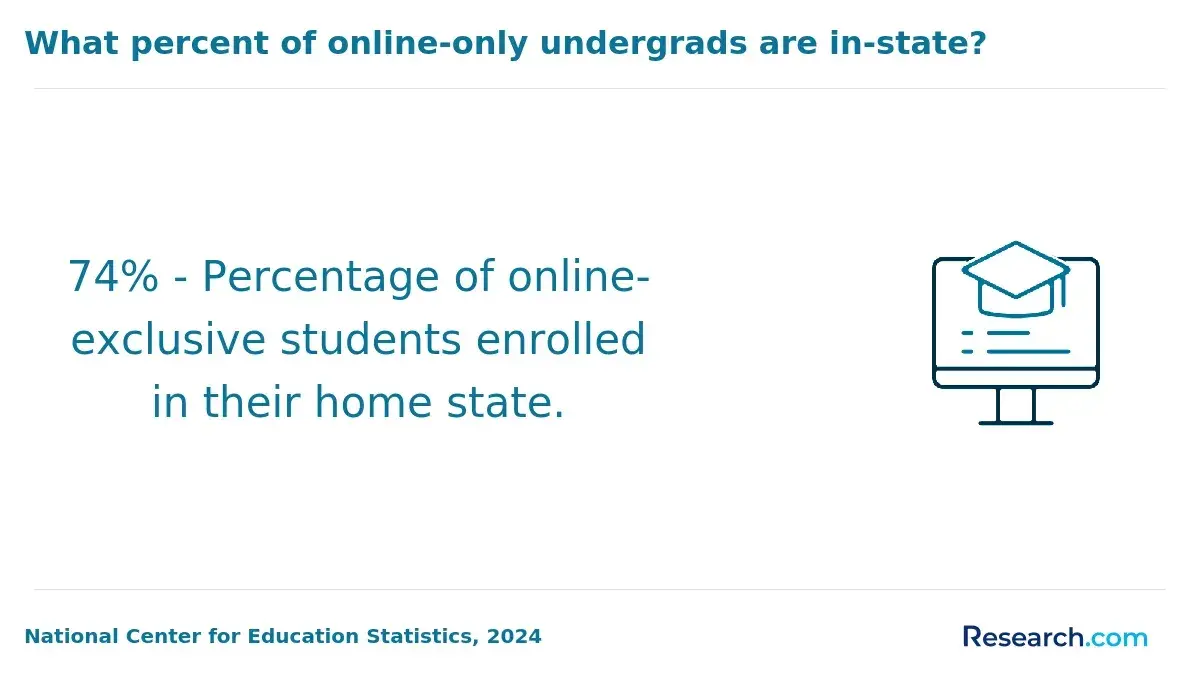
- Employer Acceptance Has Increased: The pandemic accelerated recognition of online degrees, especially from accredited programs. A 2023 survey by the National Association of Colleges and Employers found that 68% of employers regard online credentials as equally valid to in-person degrees when accreditation is clear.
- Accreditation Remains Paramount: Employers prioritize accreditation over whether a degree is earned online or on campus. This ensures consistency in curriculum, faculty expertise, and learning outcomes, which holds more weight than delivery mode.
- Academic Rigor Often Matches: Many accredited online programs replicate the intensity and content of traditional courses, including synchronous sessions and virtual labs. However, rigor can vary widely, so verifying the specific program's standards is essential.
- Networking Differs Between Formats: In-person programs facilitate direct, face-to-face connections with classmates, faculty, and local organizations. Online studies provide virtual networking options but require extra initiative from students to build meaningful professional relationships.
- Career Services Impact Outcomes: On-campus programs often offer more immediate access to career fairs, internships, and regional alumni networks. While online programs have improved career support, remote students may experience limitations in hands-on opportunities and local contacts.
- When Online Makes Sense: For working professionals or those with geographic constraints, accredited online degrees provide flexibility without sacrificing recognized credentials. This path suits motivated individuals and those targeting skill-focused roles.
- When In-Person Is Advantageous: Students seeking immersive fieldwork, close mentorship, and strong local industry ties benefit from on-campus study. Residential programs can foster deeper engagement with faculty and peers, aiding collaborative research and local job placement.
What Jobs Can You Get With a Environmental Science Master's Degree?
For those holding a master's degree in environmental science, recognizing which careers demand this qualification and which regard it as a strong asset is crucial. Industries employing these graduates are broad, and job roles span from well-established to rapidly growing sectors shaped by environmental challenges and technological advancements. The following roles highlight typical positions and note any certification or experience that can enhance professional prospects.
- Environmental Engineer: This role often necessitates a master's for advanced technical and leadership positions. Professionals develop solutions to complex environmental issues, earning salaries typically between $75,000 and $110,000, with higher pay available in private industry. Obtaining a Professional Engineer (PE) license can further elevate career opportunities and income.
- Environmental Consultant: While not always mandatory, a master's degree is preferred as it strengthens analytical and advisory capabilities for clients in compliance and sustainable practices. Earnings generally fall between $65,000 and $95,000. Relevant certifications, such as Certified Environmental Professional (CEP), and practical experience increase employability.
- Natural Resource Manager: Responsible for overseeing ecosystems, land, and water resources, this position often requires a master's degree for management roles. Salaries usually range from $60,000 to $90,000 but can fluctuate based on government or private sector employment and location-related benefits.
- Climate Change Analyst: A rapidly expanding field that values master's-level education for advanced data modeling and policy assessment skills. Salaries are typically between $70,000 and $100,000, especially within research organizations and public policy groups.
- Environmental Health and Safety Manager: Frequently a senior position demanding in-depth regulatory and compliance knowledge, commonly acquired through an advanced degree. These managers earn upwards of $90,000 and benefit from certifications like Certified Safety Professional (CSP) to validate their expertise and boost career growth.
How Do Employers and Industries Value a Environmental Science Master's Degree?
Employers across sectors vary significantly in how they value an environmental science master's degree, influencing hiring and promotion outcomes. This variability matters for prospective students evaluating industry demand for environmental science graduates with master's credentials. Recognizing these perceptions can guide applicants in tailoring their presentations to the specific priorities of potential employers.
- Large Corporations Favor Specialized Skills: Many prioritize a master's degree as evidence of advanced technical expertise and project management in sustainability and compliance areas, enhancing access to mid-level and senior positions.
- Government Agencies Prioritize Credibility and Compliance Expertise: Federal, state, and local agencies often require or prefer a master's for roles related to regulatory enforcement, environmental assessment, or policy advice, valuing scientific rigor and knowledge of legal frameworks.
- Startups Emphasize Practical Experience Alongside Education: Although a master's degree is respected, startups tend to value hands-on skills and adaptability more. Applicants combining their degree with tangible project experience tend to stand out.
- Nonprofits Value Interdisciplinary Insight and Commitment: Environmental nonprofits often consider the master's a sign of dedication and broad understanding but weigh it alongside advocacy or community engagement experience.
- Disciplinary Variation Affects Terminal Degree Expectations: In research or academia, the doctorate is usually the terminal degree, limiting the master's as preparatory. In applied sectors like consulting or resource management, the master's frequently serves as the terminal professional credential.
- Effective Communication of Degree Value Is Crucial: Candidates should emphasize skills gained during their master's training-such as analytical ability, regulatory knowledge, and project oversight-and align these with employer goals to strengthen their applications.
Prospective students can further explore program options and costs by reviewing online construction management masters programs, which can offer insights into structuring affordable online degrees. Understanding how employers perceive a environmental science master's degree and the industry demand for environmental science graduates with master's credentials helps applicants make informed decisions about their advanced education and career trajectories.
Is a Environmental Science Master's Degree Worth It?
For prospective students weighing the benefits of an environmental science master's degree, understanding employer attitudes is essential. Different types of organizations value this credential in diverse ways, influencing hiring and promotion opportunities. Awareness of these variations helps tailor applications and career strategies effectively.
- Employer Perceptions by Organization Type: Large corporations and government agencies often regard a master's degree as a crucial qualification for specialized roles and advancement. Startups may prioritize hands-on skills and experience but still acknowledge the master's for technical expertise. Nonprofits frequently see the degree as important for leadership positions and enhancing grant competitiveness.
- Industry Survey Insights: Approximately 70% of employers in environmental consulting and regulatory fields prefer candidates with a master's degree as a baseline credential. However, sectors focused on research or policy tend to favor doctoral degrees or MBAs for higher-level roles.
- Variation Across Disciplines: In areas like environmental management and sustainability, the master's usually serves as the terminal professional degree. Conversely, academic research and senior policy positions often require doctorates, while business-oriented environmental roles may prioritize MBAs.
- Demonstrating Degree Value: Applicants should emphasize specialized skills, research projects, and any leadership or management experience gained during their studies. Aligning these competencies with employer needs in resumes and interviews enhances hiring prospects and the perceived return on investment.
What Graduates Say About Their Environmental Science Master's Degree
- Mandy: "Applying for the Environmental Science master's program was intimidating at first, but clear guidance from official academic catalogs made the process manageable. I found that thoroughly reviewing accrediting agencies' standards helped me select a program that matched my career goals. Navigating the job landscape after graduation was easier than expected, thanks to the strong industry connections emphasized throughout the curriculum."
- Cassie: "Reflecting on my time pursuing an environmental science master's degree, one crucial factor was relying on federal education resources to understand degree requirements and financial aid options. The admission application was competitive, but my research into program specifics gave me confidence to stand out. Post-graduation, recognizing which industries actively seek environmental science experts helped me tailor my job search effectively."
- Walker: "As a recent graduate, I approached the environmental science master's program with a professional mindset-prioritizing accredited schools backed by credible agencies. I appreciated how the official academic catalogs provided clarity on course sequences, allowing me to plan meticulously. Entering the workforce, I leveraged knowledge about sector demands, which was invaluable in securing a meaningful role quickly."
Other Things You Should Know About Environmental Science Degrees
In 2027, one of the biggest challenges is the financial burden, as tuition fees continue to rise. Additionally, navigating job market saturation poses a risk since the demand for certain environmental roles can fluctuate. It's crucial for students to balance their passion for the field with practical career planning.
A master's degree in environmental science provides a broad and in-depth foundation in scientific principles, data analysis, and environmental policy, which professional certifications alone generally do not. Certifications, such as Certified Environmental Professional (CEP) or Leadership in Energy and Environmental Design (LEED), often focus on specific skills or industry standards and complement a degree. While certifications can enhance a resume and demonstrate specialized expertise, a master's degree is generally required for advanced scientific research or leadership roles.
Challenges include managing rigorous coursework that combines natural science, statistics, and policy, as well as securing internships or research opportunities essential for career advancement. Financial investment is another risk, as tuition and living expenses can be substantial, particularly for out-of-state or private institutions. Additionally, the competitive job market in some environmental fields means graduates must be proactive in gaining practical experience and networking to maximize employment prospects.
In 2027, financial costs remain a key challenge for pursuing an environmental science master's degree. Additionally, evolving industry standards may require graduates to continually update their skills, while job market competitiveness can make securing desirable positions more challenging.
References
- Cost of Attendance https://environment.yale.edu/admissions/masters/funding-your-degree/cost
- Discover Salary and Career Outcomes With an Environmental Science Degree https://online.txst.edu/degrees/undergraduate/bachelor-geography-environmental-studies/career-paths-salary-guide/
- Qatar Universty : QU https://www.qu.edu.qa/en-us/Colleges/ArtsSciences/departments/bioenv/programs/Pages/MSc-EnvScience.aspx
- Is Environmental Science a Good Career in 2026? Job Demand & Future Scope - Environmental Career https://environmentalcareer.info/is-environmental-science-a-good-career/
- Online Environmental Graduate Programs: Are They Right for You? https://www.cjbnetwork.com/articles/online-environmental-graduate-programsare-they-right-for-you
- 49 master Scholarships in environmental science https://www.applykite.com/search/scholarships/master/all/environmental-science
- Master of Science, Environmental Science https://ww2.georgiasouthern.edu/cogs/admission/master-of-science-environmental-science/
- What Can You Do With an Environmental Science Degree? https://willamette.edu/academics/college/environmental-science/career-options
- WaterJobsIntel | 500+ Water Engineering Jobs Daily https://jobs.watertechintel.com/blog/environmental-science-job-outlook
- Should You Go to Grad School Online or In Person? https://www.ets.org/grad-school-journey/online-vs-in-person.html


