
2027 Is Demand for Medical Assisting Degree Graduates Growing or Declining?

Co-Founder and Chief Data Scientist
Many prospective students wonder if earning a medical assisting degree leads to stable job prospects amid evolving healthcare demands. With healthcare facilities expanding to meet an aging population, the Bureau of Labor Statistics projects a 16% growth in medical assisting jobs from 2022 to 2032, much faster than the average for all occupations. This rising demand highlights the degree's practical value in securing employment. This article examines current employment trends, industry shifts, and educational factors to help readers make informed decisions about pursuing a medical assisting degree and understand the career outlook in this field.
Key Things to Know About the Demand for Medical Assisting Degree Graduates
- Employment for medical assisting graduates is growing steadily, with the U.S. Bureau of Labor Statistics projecting 16% job growth from 2022 to 2032, faster than the average for all occupations.
- Rising demand in outpatient care centers and physician offices drives this growth, as healthcare shifts focus toward preventive care and ambulatory services.
- Specializing in areas like administrative tasks or clinical procedures enhances job security and access to higher-paying roles within the evolving healthcare landscape.
What Factors Are Driving Demand for Medical Assisting Degree Professionals?
Recognizing the factors driving demand for medical assisting degree professionals helps prospective students evaluate job stability and long-term career value. Several key drivers shape workforce needs and employment trends in this growing field.
- Industry Growth: The aging population significantly increases demand for healthcare services, leading to more openings for medical assistants to support physicians and medical staff. This demographic trend creates steady job growth as elders require ongoing medical care.
- Technological Advancement: The rise of electronic health records (EHR) and sophisticated medical devices requires medical assistants to stay current with new technologies. Graduates with updated skills are preferred by employers, enhancing job prospects.
- Regulatory and Policy Changes: Expanded healthcare access and reforms boost insurance coverage and patient visits, elevating the need for qualified medical assistants. Understanding the accreditation importance for medical assisting degree programs can influence hiring decisions, as accredited graduates often meet these evolving requirements better.
- Demographic Shifts: Growing diversity and urbanization create demand for medical assistants proficient in serving varied populations and adaptable to different care settings. Flexibility in these roles remains crucial for workforce relevance.
- Evolving Employer Expectations: Soft skills such as communication and multitasking complement clinical expertise to meet patient-centered care goals. Graduates combining strong interpersonal skills with clinical knowledge are highly sought after.
Students should also explore how medical assisting program accreditation affects job prospects, ensuring their education aligns with industry standards. For those considering related healthcare degrees, resources detailing the best online pharmacy programs provide valuable guidance on affordable advanced education pathways.
Which Medical Assisting Occupations Are Seeing the Highest Growth Rates?
Growth rates serve as vital indicators for students evaluating medical assisting career paths, showcasing which roles hold strong potential for job stability and opportunities. The overall U.S. employment is expected to grow by about 5% from 2022 to 2032, reflecting varying demand across healthcare occupations. Below are some of the top fast-growing medical assisting roles and job outlook by state that offer promising prospects.
- Medical Assistants: Projected to grow 19% through 2032, medical assistants benefit from increasing patient loads and an expanding focus on outpatient care settings. Typically, this role requires at least a postsecondary certificate or associate degree.
- Clinical Medical Assistants: With an 18% growth rate, clinical medical assistants perform both administrative and clinical duties. Growth is driven by regulatory changes and broader healthcare services, requiring similar educational credentials as general medical assistants.
- Administrative Medical Assistants: Growing about 15%, these professionals handle scheduling and records management. Advances in healthcare technology have spurred demand, usually requiring a certificate or associate degree.
- Ophthalmic Medical Assistants: Expected to grow 10%, supported by an aging population with increasing eye care needs. Specialized training beyond general medical assisting programs is common.
- Diagnostic Medical Sonographers: Leading growth at roughly 20%, this role demands specialized training for noninvasive diagnostic imaging, reflecting heightened demand for advanced diagnostic services.
Students interested in these fields often explore diverse educational paths, including specialized courses. For those looking to blend coding skills with medical knowledge, exploring medical billing and coding online schools can provide valuable training and financial aid options.
Which Industries Hire the Most Medical Assisting Degree Graduates?
Knowing which sectors employ the most medical assisting graduates helps students gauge potential career paths and job security by aligning with market trends. The following industries stand out as primary employers for those with medical assisting qualifications.
- Healthcare Facilities: This broad category includes hospitals, outpatient care centers, and physicians' offices. Graduates perform tasks like patient registration, routine lab work, and clerical duties. Growing healthcare needs and an aging population sustain strong demand in these environments.
- Urgent Care and Specialty Clinics: Facilities such as dermatology and cardiology offices require medical assistants to prepare exam rooms, conduct patient screenings, and support clinicians during procedures. The expansion of outpatient and specialty care services offers varied opportunities tailored to medical assisting skills.
- Insurance and Healthcare Administration: Medical assisting graduates contribute to claims processing and medical record management. Though less clinical, these roles leverage their knowledge of healthcare systems and coding practices to streamline administrative workflows.
- Educational Institutions: Some graduates pursue roles in healthcare education, providing training support and administrative assistance. This sector appeals to those interested in teaching or managing educational programs within healthcare settings.
How Do Medical Assisting Job Opportunities Vary by State or Region?
Geographic factors shape employment prospects for medical assisting graduates, as local healthcare demands and economic conditions differ widely across the U.S. These variations influence both the quantity and quality of available positions. Several regional aspects contribute to these differences in job opportunities and career advancement.
- High-Demand States: States with large populations and expanding healthcare infrastructure, such as California, Texas, and Florida, generally offer more medical assisting positions and competitive wages due to their robust industry presence.
- Industry Clusters: Metropolitan areas with multiple hospitals, clinics, and specialized healthcare facilities tend to have a higher concentration of medical assisting jobs than rural regions, creating greater opportunities for employment and professional development.
- Urban vs. Rural Settings: Rural communities often provide fewer openings but may face less competition, while urban centers have more abundant roles yet attract a larger pool of candidates, influencing job market dynamics for medical assistants.
- Cost-of-Living Impact: Salary levels for medical assisting roles often correspond with regional living expenses, meaning a higher nominal wage in one area might not translate to a better standard of living compared to locations with lower costs.
- Remote and Hybrid Work: Although clinical duties require on-site presence, some administrative and support positions within medical assisting fields may offer flexible or hybrid schedules depending on the employer's location and policies.
How Does Degree Level Affect Employability in Medical Assisting Fields?
The level of education significantly impacts job prospects, career progression, and competitiveness for those in medical assisting. Higher degrees often open doors to advanced roles and leadership positions. The following outlines how different degree levels influence employability and career opportunities.
- Diploma/Certificate: These programs typically last less than a year and prepare graduates for entry-level clinical or administrative assistant positions. While they provide a quick start, the limited training may restrict long-term career growth and specialization options.
- Associate Degree: Offering more comprehensive education usually completed in two years, this credential enhances employability and allows access to specialized roles such as medical office managers. Employment for medical assistants with an associate degree is expected to grow 16% from 2021 to 2031, reflecting stronger job stability. This level distinctly influences how medical assisting degree levels influence job prospects.
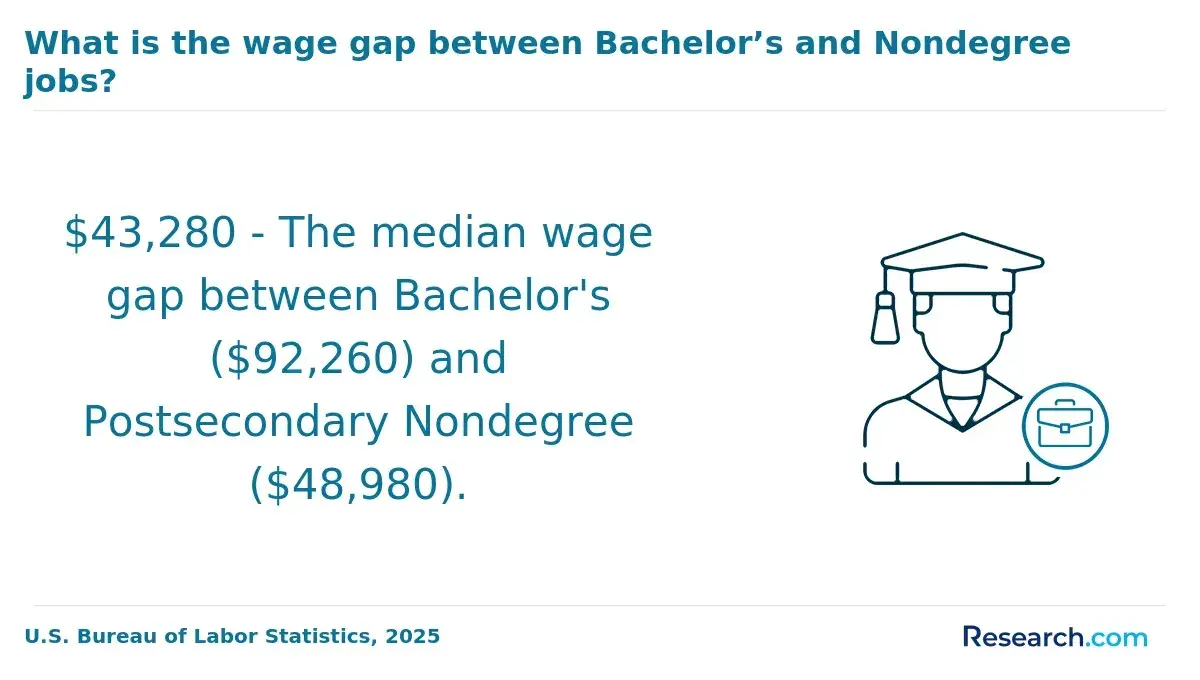
- Bachelor's Degree: This degree opens pathways to supervisory and advanced clinical responsibilities by demonstrating deeper knowledge of healthcare administration and patient care. Compared to an associate degree, the impact of an associate vs bachelor's degree on medical assisting employability is evident, with bachelors often enjoying broader opportunities and higher earnings.
- Master's Degree: Although rare in this field, it prepares graduates for leadership, policy-making, and educational roles within healthcare organizations. This advanced level boosts professional competitiveness substantially and may provide pathways to management careers or academic positions.
For those seeking flexible advancement options, pursuing a healthcare administration degree online can complement medical assisting skills and broaden career prospects.
What Skills Are Employers Seeking in Medical Assisting Graduates?
Recognizing the key skills valued by employers is vital for graduates seeking to thrive in the medical assisting field and remain competitive within healthcare environments. These competencies enable professionals to contribute effectively to patient care and operational efficiency. The following are some of the primary skills employers expect in medical assisting graduates.
- Clinical Skills: Proficiency in performing routine procedures, such as taking vital signs and administering injections, is fundamental for supporting daily clinical activities and ensuring patient well-being.
- Effective Communication: The ability to convey information clearly and empathetically with patients and healthcare teams fosters trust and accuracy, which are critical for safe and efficient care delivery.
- Technological Literacy: Comfort with electronic health records and relevant medical software streamlines data management and enhances overall workflow accuracy.
- Organizational Skills: Efficiently handling scheduling, patient coordination, and administrative duties helps maintain smooth clinical operations and reduces delays.
- Attention to Detail: Careful documentation and adherence to protocols minimize errors and uphold high standards of patient safety and care quality.
When asked about his perspective on which skills employers prioritize, a graduate of a medical assisting program shared, "Starting out, I quickly realized that mastering clinical tasks was just the beginning. The real challenge was juggling multiple responsibilities without letting anything slip-whether it was catching a subtle change in a patient's condition or updating charts with precision."
He emphasized how early practice in real clinical settings helped build confidence and adaptability, adding, "It's rewarding but intense; you develop a rhythm where communication and attention to detail become second nature, especially when working alongside doctors and nurses who rely heavily on your support."
How Does Job Demand Affect Medical Assisting Graduate Salaries?
Fluctuations in job demand significantly impact starting salaries, wage growth, and long-term earning potential for medical assisting graduates. For example, the U.S. Bureau of Labor Statistics projects a 16% growth in employment for medical assistants from 2022 to 2032, well above the average for all occupations. These trends shape how wages evolve over time. The following points illustrate how job demand affects salary outcomes:
- Negotiating Power: When demand is high and supply of qualified graduates is limited, medical assisting candidates have more leverage to negotiate better starting salaries and benefits, resulting in improved initial compensation.
- Incentives and Bonuses: Rapid growth in employment often leads employers to offer signing bonuses, retention incentives, or wage increases to attract and keep skilled medical assistants, enhancing total earnings.
- Wage Inflation: Sustained high demand over time contributes to gradual wage inflation, allowing medical assistants to experience steady salary growth as they gain experience.
- Career Advancement: A strong job market often correlates with more opportunities for promotions and specialized roles, increasing earning potential beyond entry-level wages.
The interplay between labor supply and employer demand is a fundamental driver behind these salary trends. Graduates entering the medical assisting field during periods of strong demand typically benefit from higher initial pay and more rapid wage progression throughout their careers.
How Is AI Changing Demand for Medical Assisting Professionals?
Artificial intelligence is rapidly altering workforce demands in medical assisting, with approximately 35% of healthcare providers now integrating AI into their clinical processes. This evolution is reshaping roles and required skill sets, prompting a shift toward more technologically adept professionals. The main effects of AI on the profession include:
- Automation of Routine Tasks: AI streamlines administrative and basic clinical duties, allowing medical assistants to dedicate more time to direct patient care and complex responsibilities, which enhances job satisfaction and value.
- Emergence of Specialized Roles: New positions are arising that focus on supervising AI applications, verifying data accuracy, and troubleshooting technology, creating opportunities for medical assistants with technical expertise.
- Expanded Skill Requirements: Employers increasingly seek candidates proficient in digital health records, AI tools, and data management, making continuous learning essential for long-term career stability.
- Hiring Pattern Shifts: Organizations prefer medical assistants who blend clinical knowledge with technological skills, encouraging graduates to develop a balanced skill set to remain competitive.
When discussing this topic with a graduate of a Medical Assisting degree program, she shared how adapting to AI integration initially felt overwhelming. "Learning to navigate electronic systems alongside traditional duties required patience and persistence," she noted. However, she found that gaining confidence in new technologies ultimately enhanced her role and employability.
"The early challenges turned into rewarding experiences," she reflected, emphasizing that embracing technology opened doors she hadn't anticipated. Her journey highlights how medical assistants who embrace AI can secure more dynamic and resilient career paths.
Is Medical Assisting Considered a Stable Long-Term Career?
Long-term career stability is essential for students and professionals evaluating medical assisting as a career path because it offers financial security and reduces the stress of frequent job changes. Several key factors influence the job security and growth outlook for medical assisting professionals.
- Long-Term Employment Trends: The healthcare sector is expanding steadily due to an aging population and greater access to medical services. This growth drives consistent demand for medical assistants, supporting strong job security for those entering the field.
- Industry Reliance: Medical assistants perform a variety of clinical and administrative duties vital to the efficient operation of healthcare facilities. Their integral role in hospitals, clinics, and other settings lowers the risk of job obsolescence within the profession.
- Adaptability to Change: As healthcare increasingly integrates digital records and automated processes, medical assistants who acquire skills in health informatics and technology enhance their resilience. However, professionals who resist ongoing learning may face challenges keeping pace with industry evolution.
- Career Advancement Opportunities: Pursuing additional certifications or education allows medical assistants to specialize or move into related roles such as healthcare administration. This ability to reskill boosts long-term career viability and opens new pathways for growth.
For those considering future studies or career shifts, exploring cheapest online nurse practitioner programs can provide valuable options for advancement beyond initial medical assisting training.
Is a Medical Assisting Degree Worth It Given the Current Job Demand?
Current labor market data show that demand for medical assisting degree graduates remains robust amid broader healthcare sector growth. The U.S. Bureau of Labor Statistics projects employment of medical assistants to increase at a rate faster than the average for all occupations over the next decade.
This demand is influenced largely by an aging population requiring more medical services and technological advances that call for skilled support staff. Such trends suggest that the job outlook in the United States for medical assisting professionals is favorable, aligning well with increased hiring activity across various healthcare settings.
Job opportunities in the medical assisting field often favor those who have completed formal education, such as postsecondary certificates or associate degrees, which equip graduates with relevant clinical and administrative skills. Employers increasingly seek candidates with competencies in electronic health records and strong interpersonal abilities, reflecting evolving industry needs.
Considering these factors alongside the long-term career prospects for medical assisting degree holders, pursuing this credential can represent a practical investment. Prospective students should also explore related healthcare credentials and pathways; for example, affordable options like the cheapest bsn programs offer additional routes for advancement within healthcare careers.
What Graduates Say About the Demand for Their Medical Assisting Degree
- Kaiden: "Pursuing a medical assisting degree was one of the best decisions I ever made. The skills I gained translated directly into a rewarding job faster than I expected, proving that the time and tuition were well worth it. It has opened doors for me professionally and given me confidence in my abilities."
- Hank: "Looking back, earning my medical assisting degree felt like a strategic step toward a stable career. The return on investment was clear as I quickly secured a position that allowed me to support my family while continuing to grow professionally. The degree truly set a foundation for long-term success in the healthcare field."
- Colton: "My experience with the medical assisting program was transformative. Not only did it provide me with practical knowledge, but it also shaped how I approach patient care with professionalism and empathy. The career impact has been significant, allowing me to work in diverse settings and advance steadily."
Other Things You Should Know About Medical Assisting Degrees
Many employers prefer graduates who have completed accredited medical assisting programs that include both classroom instruction and practical experience. Some medical assistants may pursue specialized training in areas like phlebotomy or medical coding to broaden their skills. Continued education and periodic recertification are often necessary to keep certifications current and to stay updated with evolving healthcare protocols.
In 2027, the demand for medical assisting degree graduates is projected to change due to advancements in healthcare technology and an aging population. As healthcare systems evolve, the need for skilled medical assistants is expected to increase, driven by their crucial role in supporting physicians and managing administrative tasks.
The demand for medical assisting graduates can vary depending on healthcare industry trends, technological advancements, and shifts in patient care models. Seasonal factors like flu outbreaks or public health emergencies may temporarily increase demand. Graduates should be prepared for these fluctuations by maintaining versatile skills and being open to diverse healthcare settings.
References
- Reasons to Consider a Career as a Medical Assistant https://abctrainingcenter.com/reasons-consider-career-medical-assistant/
- Medical Assistants Are High Demand | Medical Assistants https://www.pcihealth.edu/medical-assistant/medical-assisting-careers/medical-assistants-are-high-demand/
- AI in Healthcare & the Evolving Role of Medical Assistants | Allen School https://www.allenschool.edu/ai-in-healthcare-the-evolving-role-of-medical-assistant/
- 10 Reasons Why the Demand for Medical Assistants is Growing https://www.brooklinecollege.edu/blog/reasons-why-the-demand-for-medical-assistants-is-growing/
- Essential Medical Assistant Skills https://www.mildred-elley.edu/essential-medical-assistant-skills/
- Medical Assistant job opportunities in the highest paying states https://medcadre.com/highest-paying-states-for-medical-assistants-how-to-land-a-job/
- How to Turn a Medical Assistant Job Into a Long-Term Healthcare Career https://pulsemedicalassistantschool.com/blog/medical-assisting/how-to-turn-a-medical-assistant-job-into-a-long-term-healthcare-career/
- Why Medical Assistants Are Highly Sought After Today https://www.athenacareers.edu/why-medical-assistants-are-in-high-demand-right-now/
- Medical Assistant Pros and Cons: Examining This Healthcare Career https://www.rasmussen.edu/degrees/health-sciences/blog/medical-assistant-pros-and-cons/
- Is Medical Assistant a Good Career? https://www.fhcaorlando.com/blog/is-medical-assistant-a-good-career


