2027 Most Popular Concentrations in Fine Arts Degrees

Co-Founder and Chief Data Scientist
Choosing the right concentration within fine arts degrees is increasingly important as the creative industry evolves. Recent studies show that 65% of employers seek candidates with specialized artistic skills, reflecting a growing demand for expertise beyond general art knowledge. This shift means students must carefully evaluate which concentration will best equip them for competitive job markets.
This article explores the most popular concentrations in fine arts, helping prospective students understand their options. By examining various specializations, readers can make informed decisions on which artistic path aligns with their professional goals and personal interests.
Key Benefits of Popular Concentrations in Fine Arts Degrees
- Specialized fine arts concentrations improve career prospects by aligning skills with high-demand roles like digital animation, which is projected to grow 16% by 2030 according to the U.S. Bureau of Labor Statistics.
- Students develop advanced technical and creative expertise, gaining proficiency in industry-standard software and techniques that enhance employability in competitive creative markets.
- Focused training in areas such as graphic design, painting, or sculpture meets specific industry needs, increasing relevance and adaptability in evolving artistic professions.
What Are the Most Popular Fine Arts Concentrations in 2027?
Interest in specialized fine arts study paths is increasing as students seek education that aligns with evolving creative industries and labor market demands. As workforce needs shift toward interdisciplinary and digital skill sets, student choices in fine arts have similarly adapted, reflecting these emerging trends.
- Painting and Printmaking: These foundational concentrations remain popular in many prestigious institutions, including Yale and Virginia Commonwealth University. Their continued appeal stems from a blend of historical importance and steady market interest in traditional fine arts techniques.
- Graphic Design: Driven by growth in digital media, branding, and web development, graphic design has become one of the top fine arts concentrations in the United States. Programs offering specialized tracks see higher graduation rates and robust employment outcomes.
- Photography and Film: The digital transformation of visual culture has expanded demand for these concentrations. Students are drawn by opportunities in both artistic creation and commercial media production.
- Sculpture and Extended Media: Ranked #1 nationally by programs like VCUarts, this concentration attracts students interested in three-dimensional, experimental, and multimedia art forms, reflecting the broadening scope of studio work.
- Animation and Digital Arts: With strong ties to entertainment, gaming, and advertising, this concentration grows rapidly at institutions like California Institute of the Arts and Full Sail University. It caters to students focused on career readiness in high-demand sectors.
When exploring the most in-demand studio arts majors today, prospective students should also consider flexible learning options. Those interested may benefit from reviewing the top online associate degrees in 6 months, which can provide accelerated pathways into creative industries.
What Skills Are Required for the Top Fine Arts Concentrations?
Skill development is essential for success in specialized fine arts study paths, as evolving industry expectations continuously shape the competencies students must build. Fine arts concentrations demand a balance between creative talent and practical skills to thrive academically and professionally.
- Fine art portfolio development and professional skills: Building a compelling portfolio showcases an artist's range and technical ability, which is crucial for academic evaluation and career opportunities. Mastering self-promotion and business acumen supports navigating competitive freelance or independent studio practices.
- Essential drawing techniques and color theory knowledge: Realistic and constructive drawing skills form the foundation for visual communication, while color theory deepens understanding of composition and emotional impact. These artistic fundamentals enhance creative expression across painting, sculpture, and digital media.
- Technical proficiency: Expertise with materials and equipment, from clay and metals to digital tools, enables precise execution of artistic concepts. This technical knowledge is vital for meeting complex project requirements and adapting to new creative technologies.
- Communication and critical thinking: Articulating conceptual visions and engaging in critique culture strengthen conceptual clarity and innovation. These skills also support meaningful interaction with art history and theory, enriching creative depth.
- Time management and research capabilities: Managing deadlines and detail-oriented work ensures successful project delivery. Strong research skills allow artists to stay current with evolving techniques, cultural trends, and interdisciplinary opportunities, including emerging fields that blend art with technology and social engagement.
Students interested in enhancing their business-related skill sets may explore quick courses that pay well to complement their fine arts training.
Do Different Fine Arts Concentrations Have Different Admission Requirements?
Different fine arts concentrations do have varying admission requirements, reflecting the complexity of each specialization and the standards of the institution. While portfolio quality is universally important, the specific expectations can differ; programs focusing on graphic design, painting, or drawing often demand clear technical proficiency, whereas animation and digital media emphasize conceptual skills and problem-solving.
Prerequisite skills or coursework, such as drawing or materials knowledge, may be required depending on whether the concentration involves two- or three-dimensional work. These variations align with distinct program philosophies and their selectivity levels, shaping how they assess applicants' artistic potential and academic readiness through fine arts portfolio requirements for admission.
Examples of these differences include GPA thresholds, prerequisite studio courses, professional experience, and portfolio formats tailored to particular concentrations. For instance, sculpture or furniture design programs typically require foundational knowledge in materials, while liberal arts schools might allow more elective choices within visual arts.
Graduate MFA programs often accept diverse undergraduate backgrounds if portfolios and academic records demonstrate preparedness for advanced study. Schools also use these criteria to control enrollment quality, with selective institutions like RISD and Princeton having rigorous admission standards compared to more accessible programs such as SCAD and Hunter College.
Prospective students aiming for the most competitive fields might also explore options based on career outcomes, including highest paying master's degrees linked to fine arts specialties. This variability underscores the importance of understanding art school admission standards by concentration when preparing to apply.
Do Specific Fine Arts Concentrations Require Accredited Programs?
Accreditation is vital for specialized fine arts concentrations because it ensures programs meet recognized standards and affect students' future career options. Attending an accredited program influences access to certifications, advanced degrees, and professional opportunities.
- Licensure and Certification Requirements: Many specialized art careers and certifications mandate graduation from accredited programs to verify adequate training and professional readiness.
- Employer Expectations: Employers often prefer or require candidates from accredited programs, as accreditation signals quality and consistency in skill development.
- Graduate Education Eligibility: Accredited fine arts degrees facilitate smoother admission to MFA or doctoral programs, while non-accredited credentials may necessitate extra coursework.
- Curriculum Quality and Standards: Accreditation enforces strict standards, such as a minimum percentage of coursework focused on artistic creation, maintaining rigorous program content.
- Transfer Credit Acceptance: Students changing institutions benefit from easier credit recognition if transferring between accredited programs.
- Industry Recognition: Accreditation from bodies like NASAD influences professional credibility within specialized areas like painting or sculpture, affecting career advancement.
Is the Quality of Online Fine Arts Concentration Tracks the Same as On-Campus Programs?
As more students weigh online versus on-campus fine arts programs, the quality of these options has become a critical consideration. Ensuring that remote learning meets rigorous standards influences many decisions about where to study.
- Accreditation: Legitimate programs-online or in person-must be accredited by recognized agencies, ensuring consistent academic quality and institutional oversight.
- Curriculum Standards: Both formats typically follow similar accredited curricula, maintaining comparable learning objectives and content rigor.
- Faculty Expertise: Qualified instructors with professional experience lead classes in both settings, though online courses may offer fewer opportunities for real-time interaction.
- Hands-on Training: Practical activities like studio work, performances, or critiques are more immersive on campus, where specialized facilities and direct feedback are accessible.
- Technology and Resources: Online programs rely on virtual tools and simulations, providing convenience but sometimes lacking the tactile and collaborative environment essential to fine arts.
- Student Support: Both formats offer advising and resources, yet on-campus students often benefit from immediate access to peers and faculty guidance during hands-on projects.
Which Fine Arts Concentration Is the Hardest to Complete?
Fine arts concentrations differ in difficulty due to varying levels of course intensity, required skills, workload, and educational frameworks. Some programs demand advanced physical techniques and sustained intellectual engagement more than others.
- Three-Dimensional Thinking: Mastery of spatial relationships and form is essential, requiring more than visual study to fully grasp concepts in real space.
- Material Proficiency and Safety: Handling materials such as metal, stone, and emerging digital tools involves specialized training, access to equipment, and strict safety measures.
- Conceptual and Technical Integration: Students must blend creative vision with precise physical execution, combining critical thinking with hands-on problem solving.
- High Resource Demand: Extensive studio space, materials, and equipment investments make this area costlier and more logistically complex than other concentrations.
- Extended Critique and Production Cycles: The complexity of projects leads to longer development phases and in-depth feedback, intensifying the learning process.
What Careers Can You Get with Each Fine Arts Specialization?
Different fine arts concentrations equip graduates with tailored skills that open doors to varied creative careers. Recognizing how each specialization aligns with professional opportunities can help students select the right artistic path.
- Painting and printmaking: Graduates often engage as professional artists, curators, or educators in museums and academic settings. Many operate independent studios or freelance as illustrators for publishers and advertising agencies, while some pursue careers in art therapy or heritage conservation.
- Sculpture and extended media: Careers include public art installation, museum curation, and architectural design collaborations. Graduates also work as art directors in film and TV or enter product and industrial design industries.
- Photography: Opportunities span commercial photography, photojournalism, and fine art exhibitions. Professionals find roles in advertising, fashion, real estate, and documentary filmmaking, often within media and tech companies.
- Graphic design: This path leads to roles in branding, UX design, and digital media production across design studios, tech firms, and publishing houses.
- Ceramics: Ceramic artists typically build studio practices, teach, or contribute to industrial design and product development, sometimes combining hands-on workshops with museum education.
What Market Trends Are Shaping the Top Fine Arts Concentrations in 2027?
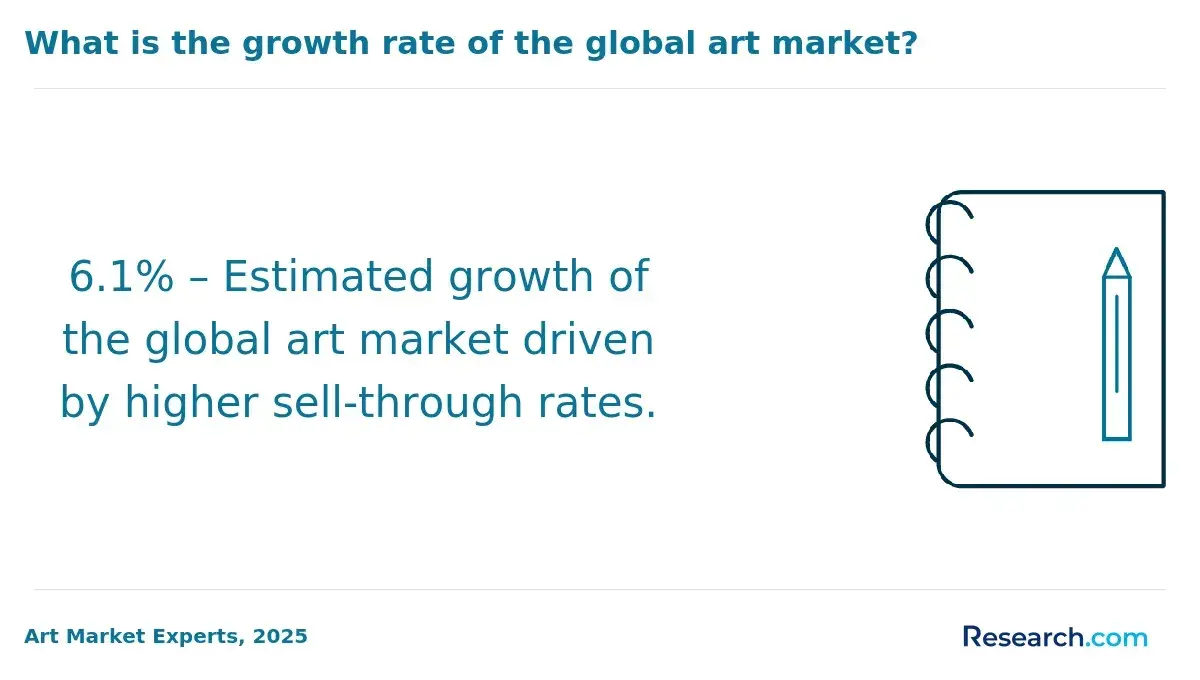
Recognizing current market trends is vital for students selecting a fine arts concentration, as these trends reveal in-demand skills and evolving career paths within creative industries. The field shifts alongside technology advancements and changing consumer interests, making alignment with industry needs essential for future success.
- Growth of Digital Arts and Animation: Animation and digital media dominate fine arts popularity due to booming sectors like streaming and interactive entertainment. Leading schools such as California Institute of the Arts and Savannah College of Art and Design exemplify this competitive focus.
- Expanding Specialized Programs: Institutions now provide diverse degrees beyond traditional disciplines, including emerging areas like sneaker design and art therapy. This broadening reflects demand for artists who integrate creativity with business, health, and innovation.
- Emphasis on Employment Outcomes: Programs that offer hands-on experiences, internships, and industry partnerships consistently report near-perfect graduate placement. Students increasingly prioritize courses offering practical exposure to professional environments.
What Are the Average Salaries for Popular Fine Arts Concentrations?
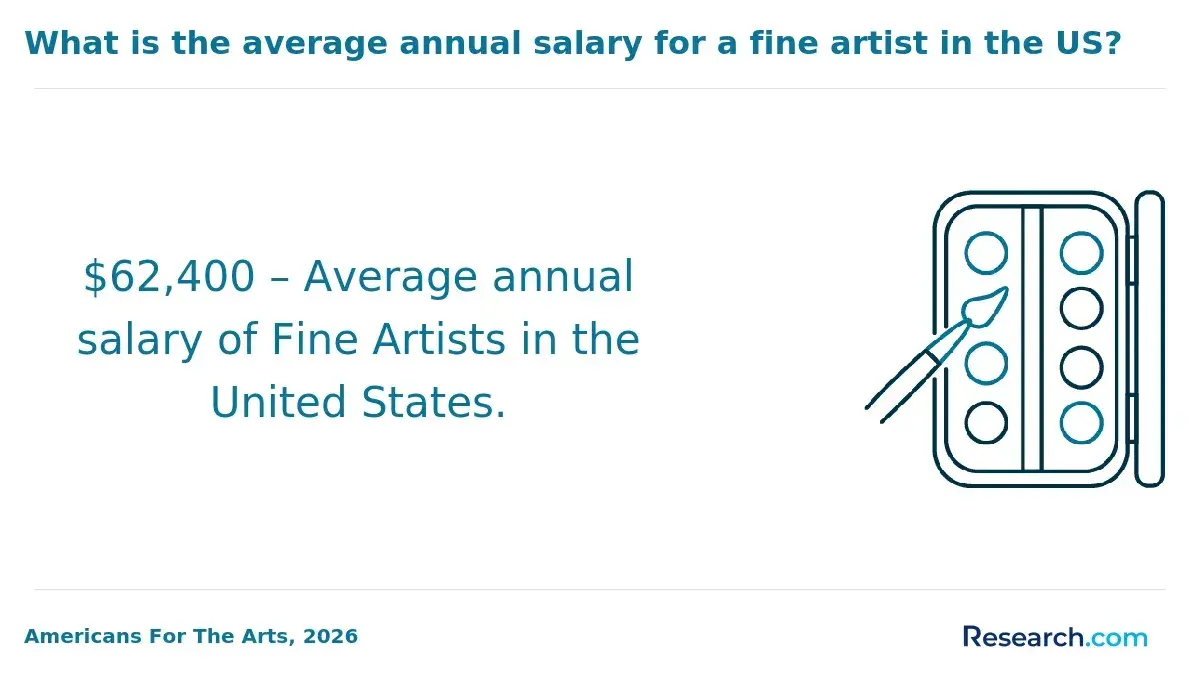
Salary prospects for fine arts graduates vary widely depending on their chosen concentration, influencing students' decisions about their educational and career paths. Awareness of fine arts degree salary trends by concentration helps align creative passions with realistic earning potential and long-term financial planning.
- Creative Director: This concentration offers the highest paying fine arts careers in the US, with an average annual salary around $149,516. Creative directors lead design teams and shape visual strategies across advertising, media, and corporate sectors, making leadership experience and industry demand key factors boosting compensation.
- Art Director: Art directors earn a median salary near $106,500, with ranges from $53,000 to $115,000 influenced by experience and location. Jobs in advertising, publishing, and entertainment offer higher pay in competitive markets such as New York and Los Angeles.
- Multimedia Artist: Earning a median of about $99,060 annually, multimedia artists work in film, television, video games, and digital media. Mastery of specialized software and strong portfolios enhance salary potential amid growing demand for animation and visual effects expertise.
- Graphic Designer: Graphic designers have a median annual salary of $58,910, reflecting flexibility through freelance and in-house roles. Earnings often scale with client base growth and specialized design skills.
For those considering alternative educational routes in related fields, exploring accredited online non profit universities can be a practical option to balance costs and access quality programs.
How Do You Choose the Best Concentration in a Fine Arts Program?
Selecting the right concentration in a fine arts program is crucial to ensure your education aligns with both your career goals and personal strengths. The choice determines not only your skill development but also your future opportunities in the creative industries.
- Career Aspirations and Industry Demand: Research which concentrations relate directly to your intended career path. Animator roles average $70,820 annually, while illustrators earn about $44,356 per year. The U.S. Bureau of Labor Statistics notes strong demand for artists in motion picture, video, software publishing, and personal care services. This background helps identify areas with solid employment stability and financial viability.
- Skill Development and Personal Strengths: Assess which artistic mediums suit your natural abilities and learning preferences. Programs cover traditional painting and sculpture as well as modern digital media and graphic design. Concentrations aligned with your strengths-whether in visual storytelling, spatial thinking, or conceptual design-expand your expertise and keep you engaged.
- Program Requirements and Resources: Examine the fine arts concentration admission requirements and portfolio standards at each institution. Different schools emphasize digital media, traditional studio arts, or curatorial studies. Evaluate faculty expertise, equipment availability, and internship opportunities to ensure the program supports your growth effectively.
- Alignment with Career Goals: Selecting a fine arts studio concentration based on career goals ensures your education provides relevant skills and industry connections. Understanding how a concentration fits into your long-term plan improves your chances of success in competitive fields.
For further insights on career prospects related to trade fields and creative professions, consider reviewing the best paying trade jobs for valuable salary and demand information.
What Graduates Say About Their Popular Concentrations in Fine Arts Degrees
- Ronan: "Pursuing a concentration in graphic design within my fine arts degree was an incredible journey that combined creativity with technical skills. The hands-on projects and industry-focused curriculum prepared me well for the job market, making the tuition fees worth every penny. With the average cost around $20,000 per year, I found it to be a solid investment in my future career."
- Levi: "Reflecting on my experience studying painting as a fine arts concentration, I realized it was more than just learning techniques; it was about understanding myself through art. The cost of attendance, which averaged near $18,000 annually, was a manageable sacrifice for the profound personal growth and critical thinking skills I gained. This degree truly transformed my perspective on both art and life."
- Hollis: "My concentration in photography within my fine arts degree was a strategic choice, aligning perfectly with my professional goals. While the average tuition hovered around $19,000 per year, the digital media expertise and networking opportunities made it a prudent and cost-effective step towards establishing my career. It was a decision backed by both passion and practicality."
Other Things You Should Know About Fine Arts Degrees
Admission requirements for fine arts concentrations in 2027 typically include a high school diploma, a portfolio showcasing creative work, and sometimes an entrance exam or interview. Specific requirements can vary, so applicants should consult each institution's guidelines.
Students often have the flexibility to switch concentrations within their fine arts degree, but the ease of doing so depends on the school's policies and how far along the student is in their coursework. Switching may require catching up on foundation courses or adjusting credits, which could extend the time to graduation. It is advisable to consult with academic advisors early before making a change.
In 2027, students can find internships related to their fine arts concentration by leveraging university career services, attending industry networking events, and using platforms like Handshake and LinkedIn. Connecting with faculty advisors can also provide valuable industry connections and opportunities.
References
- Art Market Trends 2025 | Artsy https://www.artsy.net/article/artsy-editorial-art-market-trends-2025
- What Types of Art Degrees are There? Understanding Different Art Degrees and What You Can Do With Them https://www.cultivategrandrapids.org/post/what-types-of-art-degrees-are-there-understanding-different-art-degrees-and-what-you-can-do-with-th
- Bachelor of Fine Art: 7 Skills to Boost Your Creative Career https://www.chitkara.edu.in/blogs/7-basic-skills-you-will-acquire-with-bfa/
- Digital Vs Traditional Art Portfolios: Which Universities Prefer What? | Muzart Portfolio Prep https://www.muzartschools.com/blog/digital-vs-traditional-art-portfolios-which-universities-prefer/
- Top 80 Art Schools Around the World - Know Thy Art https://knowthyart.com/top-80-art-schools-around-the-world/
- MFA Degree Overview: Types, Jobs, and Salaries https://www.coursera.org/articles/mfa-degree
- QS World University Rankings for Art & Design https://www.qschina.cn/en/university-rankings/university-subject-rankings/2024/art-design
- Top Five Trends in Contemporary Art Today | Sothebys Institute of Art https://sothebysinstitute.com/articles/top-five-trends-in-contemporary-art-today/
- Bachelor of Fine Arts Degree, Major in Art + Design https://catalog.towson.edu/undergraduate/fine-arts-communication/art-design-art-history-art-education/art-design-bfa/
- High Paying Jobs in Fine Arts: Top Careers and Salaries https://www.upgrad.com/study-abroad/articles/high-paying-jobs-in-fine-arts/