
2027 Online Physics Degree Programs Costs: Tuition & Fees

Co-Founder and Chief Data Scientist
Pursuing an online degree in Physics can represent a significant financial commitment, impacting students' long-term budgeting and career planning. Tuition rates vary widely depending on the institution, program prestige, and credit requirements. Beyond tuition, fees such as technology, lab access, and textbooks add to the total cost, making careful financial preparation essential for success.
Understanding typical tuition ranges for online Physics degrees helps students evaluate affordability. This article will explore detailed cost breakdowns, compare expenses across program types, and highlight financial aid options tailored to those pursuing advanced studies in Physics.
Key Points About Online Physics Degree Costs
- The average tuition for online physics degrees ranges from $15,000 to $40,000 per year, depending on institution type and program length.
- Costs vary by factors like in-state vs. out-of-state tuition, lab fees, and technology or course materials required for virtual labs.
- Higher costs may reflect program quality, access to expert faculty, and career-boosting research opportunities in physics.
What Is the Average Cost of an Online Physics Degree?
Tuition for online Physics degrees in the U.S. typically falls between $40,000 and $63,000, depending on the school. Public in-state institutions usually offer lower rates, while private universities tend to charge more. Credit-hour costs also reflect this gap, influencing overall expenses.
The price varies by degree level and institution type. Undergraduate students at public universities pay about $337 per credit hour in-state, compared to $516 per credit hour at private schools. Graduate programs generally cost more per course, averaging around $1,099 each, but have lower total costs than undergraduate paths. Some institutions include perks like fixed tuition and digital textbooks, which can make online options more affordable.
For example, Liberty University charges $390 per credit for its online Bachelor of Science in Physics, summing to roughly $11,700 yearly. Arizona State University Online's physics program costs nearly $24,780 annually. Western Governors University offers an online physics education degree for $3,825 every six months. These online prices can be competitive when compared to traditional on-campus degrees, with undergraduate tuition averaging just above $10,000 in-state and reaching over $36,000 for out-of-state students at some public universities.
What Is Typically Included in the Tuition for an Online Physics Degree?
Tuition for online Physics degree programs in 2025 generally covers a range of essential services and resources that support student learning and success. These programs provide access to all necessary courses, including virtual lectures, assignments, and exams delivered through online platforms.
Most programs also include comprehensive academic assistance and technological support, ensuring students have the tools needed for an effective online education experience. Typical inclusions are outlined below.
- Course access: Full entry to all online classes, virtual classrooms, and testing environments.
- Academic support: Services such as online tutoring, faculty office hours, and peer mentoring.
- Technology infrastructure: Reliable learning management systems and virtual labs specific to Physics.
- Instructional materials: E-textbooks, downloadable content, and sometimes specialized Physics simulations or virtual lab kits.
- Technical assistance: Help desk support available to resolve technology-related issues.
- Library access: Availability of scientific journals and research databases.
- Student advising: Guidance for academic planning and career counseling.
It's important to note that some fees usually fall outside the base tuition. These may include charges for proctored exams, physical lab kits, personal computer requirements, non-digital textbooks, and graduation costs. Physics students might face extra fees for advanced simulation tools, reflecting the discipline's practical demands.
What Factors Influence the Cost of Pursuing an Online Physics Degree?
Understanding the cost drivers of an online Physics degree is essential for prospective students assessing their financial commitment. Various elements influence the total expense, ranging from institutional characteristics to program specifics.
Below are five key factors shaping the overall cost, including insights relevant to the online Physics degree tuition rates by state.
- Type of School and Residency Status: Public universities usually offer lower tuition for in-state students, such as an average of $10,798 annually, compared to $36,407 for out-of-state learners. Private universities tend to charge a uniform rate, for example, Liberty University's full-time undergraduate rate of $390 per credit.
- Credit-Hour Requirements and Program Length: Most online Physics bachelor's degrees require 120 to 124 credit hours. Because tuition is often billed per credit, the total cost depends heavily on required credits and the opportunity to transfer previously earned credits, reducing expenses.
- Technology and Course Fees: Additional fees for technology use and digital course materials can raise costs, though some programs provide electronic textbooks at no extra charge, easing the financial burden.
- Student Support and Faculty Credentials: Programs offering tutoring, career services, and courses taught by highly qualified faculty may have higher tuition, reflecting the added value and better career prospects.
- School Reputation: Prestigious or specialized programs, such as those in Radiation Health Physics, may charge premium rates exceeding $700 per credit for graduate studies, contributing to a higher overall expense.
Students seeking a detailed cost comparison of accredited online Physics programs should also evaluate program flexibility, transfer credit policies, and scholarship availability. For those interested in more accelerated options, exploring the 1 year masters degrees may offer additional pathways to advanced study.
Are Online Physics Programs Cheaper Than Traditional Programs?
Online Physics degree programs typically offer a more affordable pathway compared to traditional on-campus options. This cost difference largely stems from varying tuition rates and additional fees. When examining the average tuition for online Physics programs in 2025, Liberty University's online Bachelor of Science in Physics charges $11,700 annually, while Arizona State University Online's program costs $24,780 per year.
In comparison, many private, on-campus Physics programs demand significantly higher tuition, often exceeding $60,000 annually, such as Worcester Polytechnic Institute's $61,790 tuition for the 2025-2026 academic year. This contrast highlights the cost comparison of online vs traditional Physics degree programs, which reveals notable savings for online students.
Key reasons for lower online tuition include reduced campus facility fees, since online students do not pay for amenities like gyms or housing, and no relocation or commuting costs. Digital resources such as free electronic textbooks further help reduce expenses.
While some online programs may require home lab kits or specialized software, these additional costs are generally less than the combined living and operational expenses of attending on-campus. Students exploring affordable degree options may also consider pursuing easy masters that complement their Physics education.
Are There In-state and Out-of-state Tuition for Online Physics Programs?
Tuition costs for online Physics degree programs can vary significantly depending on residency status and the institution's policies. Understanding these differences helps prospective students better estimate their educational expenses.
Many public universities charge lower tuition rates for in-state students, reflecting traditional residency-based pricing even for online offerings. Out-of-state students are often required to pay higher fees. However, some public institutions adopt a flat-rate tuition system for online students, charging everyone the same amount regardless of location. This approach is growing in popularity, particularly for fully online degrees.
Additionally, certain public universities participate in regional agreements, such as the Midwest Student Exchange Program, which can provide discounted rates to out-of-state students from partner states. Private universities, in contrast, usually maintain a uniform tuition rate for all students, whether attending online or on-campus. Exceptions can occur where specific programs or courses impose extra fees for online learners, so verifying details on the program's official website is recommended.
Which Schools Offer the Most Affordable Physics Degree Programs?
Finding the most affordable online physics degree programs is crucial for students seeking quality education without excessive debt. Costs vary widely, but several accredited universities offer competitive tuition rates and financial benefits tailored to online learners. Here are some notable options for students researching the cheapest online physics degrees in the United States.
These programs not only offer low tuition but also include transfer credit acceptance, flexible course schedules, and resources to lower overall expenses.
- Liberty University offers a Bachelor of Science in Physics with tuition of around $11,700 per year. The program is fully online, features eight-week courses, and allows transfer of up to 75% of credits. Military students pay discounted tuition of $250 per credit hour, and electronic textbooks are provided free, saving hundreds annually.
- Western Governors University (WGU) provides an online B.S. in Science Education (Secondary Physics) with a flat-rate tuition of $3,825 per six-month term. This structure lets motivated students complete courses quickly and affordably. The program includes a home lab kit and extensive transfer credit options.
- Mayville State University is ideal for students seeking individual physics lecture and lab courses, not full degrees. Lab kits cost about $200, and courses transfer widely, making it cost-effective for supplementing other degree plans.
For students considering pathways that minimize dissertation requirements while keeping costs low, some options include those described in the phd that does not require a dissertation programs.
Which Schools Offer the Most Expensive Physics Degree Programs?
When considering online Physics degrees, tuition costs vary widely across accredited programs. Students seeking the most prestigious and rigorous options often encounter substantially higher fees. Understanding the landscape of the most expensive online physics degree programs in the US can help prospective students balance quality with affordability.
The highest tuition online physics bachelor's programs typically feature robust curricula, distinguished faculty, and unique research opportunities. Below are three notable examples of schools charging premium rates for fully online Physics undergraduate programs.
- Arizona State University (ASU) Online offers a Bachelor of Science in Physics with an annual tuition of approximately $24,780, making it the priciest widely recognized online physics bachelor's program available. The program includes advanced coursework in quantum mechanics and electromagnetism, along with mentored research and high-fidelity laboratory simulations. Its diploma is identical to the on-campus credential, appealing to students seeking a seamless equivalence between modalities.
- University of Florida Online provides an online BS in Physics with tuition around $21,500 per year. The curriculum emphasizes strong foundational physics principles with opportunities for remote research collaborations, catering to students desiring a balance of affordability and academic rigor.
- Liberty University offers an online Physics degree with a significantly lower annual tuition of about $11,700. While less expensive, it remains a competitive option, particularly for those prioritizing cost savings over some advanced research features found at higher-priced programs.
Most other online physics programs charge significantly less-often around $330 per credit hour-but may not offer the same level of faculty expertise or mentored research experiences. Prospective students seeking a transparent list of accredited institutions should consult resources like accredited colleges online with no application payment to explore their options.
How Long Does It Take to See a Return on an Online Physics Degree?
Pursuing an online degree in Physics involves a significant financial commitment, but understanding the potential return can help students make informed decisions. Graduate earnings and career opportunities are key to assessing how quickly tuition costs can be recovered.
Typically, graduates of online Physics programs recoup their investment within five to ten years after starting their careers. Entry-level salaries for physics degree holders generally begin near $70,000, with mid-career pay rising to about $100,000. These figures help offset average annual tuition fees, which range from roughly $11,700 to $24,780 at many top online programs.
The time it takes to achieve a positive return on investment depends on factors such as job market demand, career progression, and the amount of student loan debt. For example, strong employment options in sectors like engineering, data science, and research can speed up payback. Conversely, pursuing graduate studies or entering lower-paying roles may delay financial gains, though advanced degrees can increase long-term earnings potential.
Personal circumstances like previous experience, location, and financial habits also influence how quickly graduates can recover their education costs and benefit from their Physics degree.
Are Online Physics Students Eligible for Financial Aid?
Online Physics degree students in the United States are generally eligible for financial aid, similar to their on-campus peers. Federal, state, and institutional financial aid programs apply to accredited online programs, provided students meet certain requirements. To access federal aid, students must complete the Free Application for Federal Student Aid (FAFSA), which determines eligibility for grants, loans, and work-study.
Most accredited online Physics programs-such as those offered by Arizona State University, Liberty University, and Western Governors University-participate in federal and state financial aid programs. Eligibility typically depends on enrollment in a degree-seeking program and maintaining satisfactory academic progress. Online Physics students may also explore additional funding opportunities alongside federal aid.
- Scholarships: Many universities and private foundations award scholarships specifically for STEM or Physics majors. These scholarships often consider academic merit, leadership, financial need, or efforts to increase diversity in Physics, and can sometimes cover full tuition.
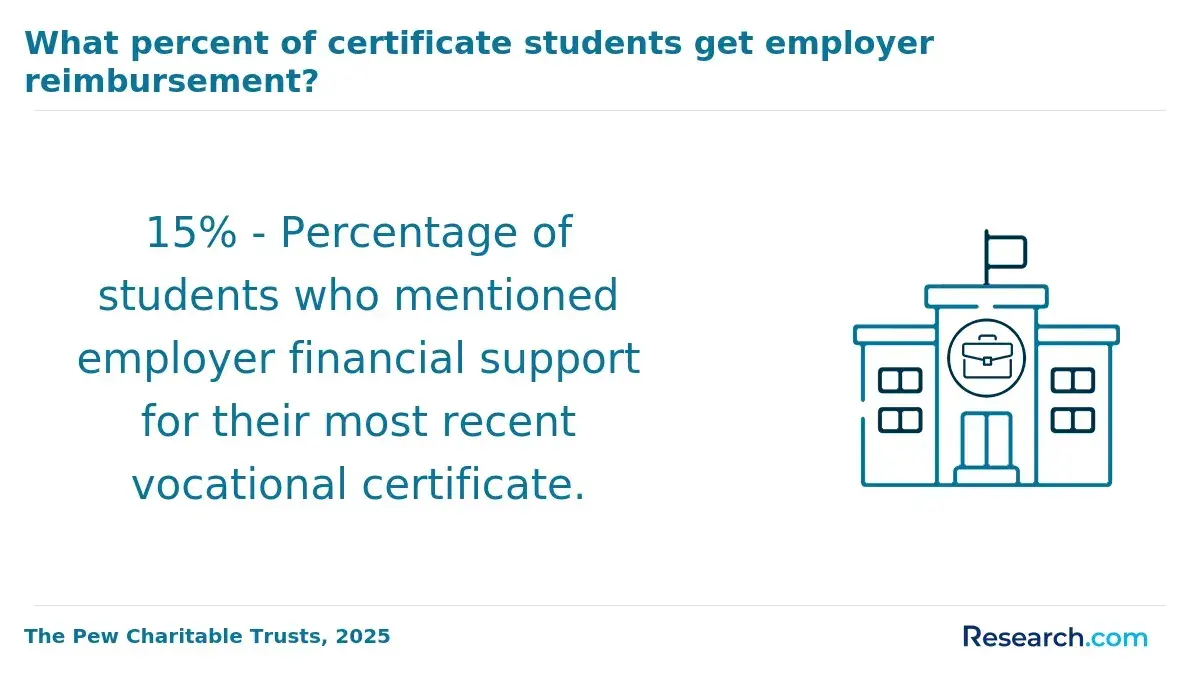
- Employer tuition assistance: Some employers provide tuition reimbursement to employees pursuing degrees relevant to their job, including Physics. This benefit is common in education and technical fields and helps reduce overall costs.
- Military and veteran benefits: Military personnel and veterans enrolled in online Physics programs can access GI Bill® benefits and other military-specific aid, which can substantially offset tuition expenses.
The amount of federal aid varies, with Pell Grants covering up to several thousand dollars annually depending on financial need. Loans and work-study programs can supplement remaining costs, though repayment and work requirements apply. Many students find that combining these sources significantly reduces expenses.
Students interested in combining majors may benefit from looking into dual degree programs, which can offer financial aid options tailored for combined studies. Thus, federal aid for online physics students, along with scholarships and employer programs, makes pursuing an online Physics degree more affordable at accredited institutions.
Are Online Physics Program Costs Expected to Increase in the Coming Years?
Online Physics degrees have become increasingly accessible as more universities offer flexible remote learning options. These programs provide a cost-effective alternative to traditional on-campus studies, appealing to students balancing education with other commitments.
Tuition rates for online Physics degrees vary widely depending on the institution's prestige and location. Public universities often charge less, especially for in-state students, while private institutions typically demand higher fees. On average, annual tuition for such programs ranges from $10,000 to $40,000, with community colleges and state schools offering the most affordable options.
Looking ahead, tuition costs for online Physics programs are expected to rise gradually but at a slower pace compared to traditional settings. This trend is partly driven by growing competition among schools to attract remote learners and advancements in digital learning technologies that optimize delivery costs. Financial aid and scholarships remain vital in offsetting expenses, making these degrees more attainable for diverse student populations.
What Students Say About The Cost of Pursuing Online Physics Programs
- Arianne: "Pursuing my online Physics degree was a game-changer both financially and professionally. Despite the tuition being around $15,000 annually, the convenience and quality of education made it a worthy investment. Now, with new job opportunities opening up in research and development, I feel confident this degree will substantially increase my earning potential. "
- Shlomo: "Reflecting on the cost of my online Physics program, which was approximately $45,000 for the full degree, I initially worried about the expense. However, realizing the critical skills I have gained and the pathways it has created for advanced study or specialized roles makes every dollar worthwhile. This degree feels like a solid foundation for a meaningful career, beyond just the price tag. "
- Santiago: "The cost of my online Physics degree was surprisingly reasonable, averaging about $12,000 a year, which fit well with my budget as a working professional. It has already elevated my understanding of complex physical systems and enhanced my credibility at work, proving the return on investment is impressive. I recommend this program to anyone serious about advancing their career without taking on excessive debt. "
Other Things You Should Know About Physics Degree Program Costs
Yes, lab or equipment fees can add to the total cost of an online Physics degree. Even though the program is online, many physics courses require practical components that involve laboratory kits, specialized software, or virtual simulations. These fees vary by institution and are often charged separately from tuition.
In 2027, students pursuing an online Physics degree may incur additional technology costs, including the need for a reliable computer, high-speed internet connection, specialized software for simulations, and possibly virtual lab tools. These expenses can vary but are crucial for completing coursework effectively.
Beyond tuition fees, the total cost of an online Physics degree in 2027 may include lab or equipment fees, technology fees, and online course materials. These additional expenses are essential for accessing virtual labs, specialized software, and digital resources integral to physics studies.
References
- Student Resources https://online.colostate.edu/faqs/tuition-fees.dot
- Online Physics Degrees: Are They Useful Today? https://www.assignnmentinneed.com/blog/online-physics-degrees-are-they-useful-today
- Scholarships and financial aid | Student https://us.edu.pl/student/en/wsparcie-i-fundusze/swiadczenia-stypendia-i-zapomoga/
- Top 25 Ranked Bachelor Of Physics Programs With The Best Return On Investment (ROI) - Best Value Schools https://www.bestvalueschools.com/rankings/physics-degrees-best-roi/
- Tuition & Fees – Radiation Health Physics (MHP) – Graduate Degrees & Programs | Oregon State Ecampus https://ecampus.oregonstate.edu/online-degrees/tuition/
- The Cost of Online Education • Oxford Learning College https://www.oxfordcollege.ac/news/the-cost-of-online-education/
- 2021 Best Online Colleges (based on ROI) https://www.degreeforum.net/mybb/Thread-2021-Best-Online-Colleges-based-on-ROI
- 9 Best Physics Courses for 2025: Learn Physics Online — Class Central https://www.classcentral.com/report/best-physics-courses/


