
2027 Online vs On-Campus Agriculture Degree Programs: Pros & Cons

Co-Founder and Chief Data Scientist
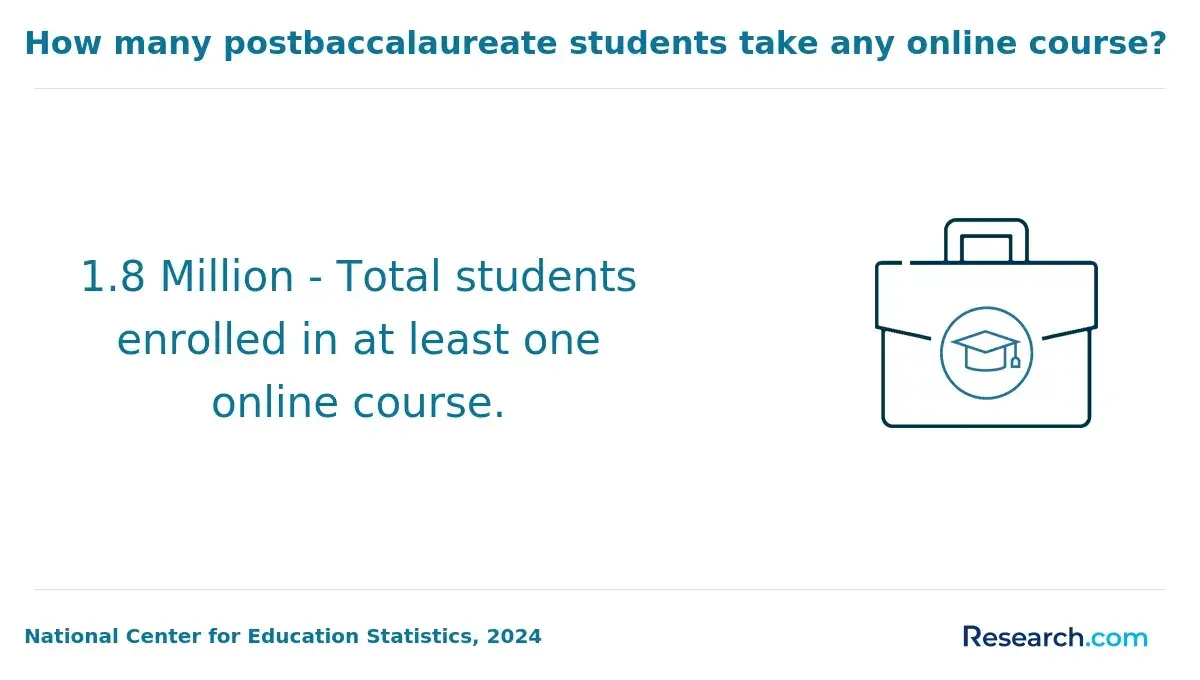
As online education continues to grow, more students are exploring agriculture degree programs offered virtually. According to the National Center for Education Statistics, enrollment in fully online postsecondary courses has remained significant following the pandemic, with over 50% of all college students now taking at least one distance education course as of 2024. This trend reflects shifting preferences for flexible learning options that accommodate diverse lifestyles. Understanding the strengths and weaknesses of online versus on-campus agriculture degrees is essential for making informed decisions. This article examines key factors such as flexibility, cost, learning experience, and career outcomes to help prospective students evaluate which format best aligns with their academic and professional goals.
Key Benefits of Online vs On-Campus Agriculture Degrees
- Online agriculture degree programs offer flexible scheduling that accommodates working professionals and students with family commitments, with 68% of online learners citing convenience as their primary reason for enrollment.
- Many online programs reduce costs significantly, often saving students up to 40% on tuition and related expenses compared to traditional on-campus courses.
- On-campus agriculture degrees provide valuable hands-on experience through direct access to laboratories, farms, and research facilities, which 85% of employers consider essential for practical skill development in this field.
Are Online vs. On-Campus Agriculture Programs Structured the Same Way?
The structure of online and on-campus agriculture programs varies significantly, particularly in how they handle scheduling, course delivery, and student engagement. These differences influence how students experience their education and balance commitments outside of school.
Below is a comparison highlighting key structural elements that set online and on-campus agriculture programs apart:
- Course Delivery: Online agriculture degrees rely on virtual platforms, digital lectures, and remote assignments, enabling students to learn from anywhere. Programs often include virtual greenhouses or at-home lab kits to offer practical experiences. Conversely, on-campus programs focus on in-person classes and direct access to campus resources, promoting immediate interaction with instructors and peers.
- Class Schedules: Online formats provide flexibility through asynchronous coursework, allowing students to balance studies with work or family responsibilities. Some programs even reduce travel demands significantly and offer part-time options over longer periods. On-campus programs usually require fixed schedules with regular attendance, often necessitating relocation or commuting, which may be less convenient for working professionals.
- Interaction and Collaboration: Online students engage through discussion forums, video conferencing, and collaborative tools, fostering virtual community building. However, these methods may lack the spontaneity and depth of face-to-face interactions found on campus. On-campus students benefit from direct contact, hands-on labs, and extracurricular activities, enhancing professional networking and relationships.
- Hands-on Experience: Both formats emphasize practical training, with online programs partnering with local labs or providing experimentation kits to preserve most hands-on opportunities. On-campus students typically access university facilities for labs, fieldwork, and workshops, which may offer broader exposure to equipment and techniques.
- Customization and Local Relevance: Online agriculture degrees increasingly tailor content to regional industry needs and student interests with customizable plans. On-campus offerings may include more elective options but potentially less focus on local agricultural challenges.
Are Admission Requirements the Same for Online vs On-Campus Agriculture Degree Programs?
Colleges and universities generally maintain consistent academic standards for agriculture degree programs whether delivered online or on-campus, ensuring the same curriculum and graduation requirements. However, they may differ in how they assess applicants' readiness, particularly since online learning demands more self-motivation and technological proficiency. Below is a comparison of the key similarities and differences in admission requirements for online versus on-campus agriculture programs.
- Academic Qualifications: Both online and on-campus agriculture degree programs usually require a high school diploma or GED for associate and bachelor's degrees, with a relevant undergraduate degree needed for master's programs. Minimum GPA expectations typically range from 2.0 to 3.0, reflecting consistent academic standards across formats.
- Standardized Test Scores: Undergraduate admissions often request SAT or ACT scores for both formats, though online programs tend to be more flexible or may waive these for non-traditional or adult learners. Graduate programs may require GRE or GMAT results, but this is becoming optional in many schools.
- Application Materials: Applicants in both modalities must submit official transcripts and complete application forms. Personal statements or essays are commonly required, but online programs emphasize the applicant's ability to manage remote learning effectively.
- Work or Volunteer Experience: Some programs, especially at the master's level, value agriculture-related work or volunteer experience. This is often weighted more heavily in online admissions, as these programs attract many working professionals pursuing career advancement.
- Technical Readiness: A distinctive requirement for online programs is an assessment or statement demonstrating familiarity with digital tools and online platforms, which is generally not part of on-campus admission processes.
- Residency and Lab Work: On-campus degrees usually require in-person labs or residencies, whereas online programs substitute these with virtual labs or local fieldwork. This may influence admissions depending on the applicant's ability to meet location-specific requirements.
Understanding the differences in admission requirements for online vs on-campus agriculture degrees can help prospective students navigate the agriculture degree online program admission process in the United States. For those seeking flexible study options with positive outcomes, exploring the highest paying 6 month certifications may also offer valuable career advancement possibilities, as detailed in highest paying 6 month certifications.
Do Online Agriculture Students Receive the Same Academic Support as On-Campus Students?
Universities have greatly expanded academic support systems to ensure online agriculture students receive resources and assistance comparable to those available to their on-campus counterparts. These improvements focus on creating flexible, accessible, and engaging support to meet the diverse needs of all learners.
Below is a comparison of the main academic support services typically offered to both online and on-campus agriculture students, highlighting how these resources contribute to student success.
- Tutoring Services: Both formats provide tutoring, with online programs often using virtual sessions and digital study groups. This setup offers greater flexibility, allowing students to access help outside typical hours, which benefits those balancing work or family.
- Career Counseling: Online and on-campus students receive career guidance, including resume workshops and job placement assistance. Online students can connect with career centers through video calls or chats, enabling effective networking and workforce preparation remotely.
- Library Access: Both groups have access to digital libraries and e-resources, ensuring equal availability of research materials. Online students benefit from round-the-clock access, which is crucial for those in different time zones or with unique schedules.
- Faculty Interaction: On-campus students meet faculty face-to-face, while online students engage via video conferencing, email, or discussion forums. Universities now offer regular virtual office hours and interactive platforms to maintain strong faculty-student connections.
- Peer Networking and Mentorship: Online agriculture programs increasingly provide structured peer groups, mentorship, and collaborative projects similar to on-campus opportunities. This fosters professional relationships and practical learning experiences for remote students.
How Long Does It Take to Complete an Online vs an On-Campus Agriculture Degree?
The length of time needed to complete an agriculture degree varies depending on whether the program is offered online or on-campus, as well as on individual student pace and the flexibility of course scheduling. These factors play a crucial role in how quickly a student can finish their degree requirements.
Below is a comparison of the average completion times for online versus on-campus agriculture degree programs, highlighting key differences in duration and flexibility.
- Online Agriculture Degree - Online agriculture programs prioritize flexibility, often allowing students to set their own pace through accelerated terms and multiple start dates each year. Students with prior credits can sometimes finish in as little as 18 months, though those starting fresh typically take around four years. This structure especially benefits working adults, as asynchronous coursework lets them balance studies with professional and personal responsibilities.
- On-Campus Agriculture Degree - On-campus agriculture degrees usually follow a traditional semester system with fixed start dates in fall and spring and require full-time attendance. Completion generally takes about four years to finish 120 credit hours, with limited opportunities to accelerate beyond summer courses or heavier credit loads. Students benefit from direct access to in-person support and hands-on learning but must adhere to rigid schedules and campus presence requirements.
Reflecting on this comparison, a professional who completed an online agriculture degree shared his experience, explaining how the program's design impacted his timeline. "I was initially worried that studying online might drag on forever, but the multiple start dates and accelerated sessions made it possible to tailor the schedule around my full-time job," he said. He transferred some college credits from previous studies, which shortened his total time significantly. Despite juggling work, family, and coursework, he found the asynchronous format "liberating yet demanding" because it required self-discipline without the traditional campus structure. His total time to completion was just under two years, a timeframe that felt surprisingly efficient given his other obligations. He described feeling a strong sense of accomplishment, appreciating how the online program made it feasible to earn his degree faster than he expected while maintaining career momentum.
Are Online Agriculture Programs Cheaper Than On-Campus Ones?
Online agriculture programs generally have lower tuition rates and fees compared to on-campus options, which leads to notable differences in overall expenses. Along with tuition, other costs such as living and technology expenses also vary significantly between these two learning formats. To better understand the cost comparison of online vs on-campus agriculture degrees, the following breakdown highlights the main factors influencing total program costs:
- Tuition and Fees: Online agriculture degree programs often charge lower tuition rates than traditional campus programs. The average tuition for online agriculture classes is about $12,216 annually, compared to $18,981 for on-campus students, reflecting a considerable savings on the average tuition for online agriculture degree programs. However, some public universities may charge out-of-state online students higher per-credit rates.
- Living Expenses: On-campus students typically face significant expenses for room and board, which average $744 more per year than those living at home and studying online. Avoiding campus housing, meal plans, and transportation costs allows online learners to save substantially on these ongoing expenses.
- Technology Costs: Online students need a reliable computer and internet service, which generally represent lower costs than living expenses. Some programs might charge small additional fees for online platforms or proctoring services, but these are minor compared to savings elsewhere.
- Financial Aid Availability: Both online and campus agriculture students have access to federal financial aid, scholarships, and payment plans. Many online programs may offer unique scholarships or in-state tuition rates for out-of-state students, helping reduce overall costs further.
Additionally, online agriculture degrees have comparable career outcomes and employer acceptance, so students do not usually sacrifice job prospects by choosing an online route. For those researching affordable paths to agriculture education, it is similarly useful to explore related opportunities such as the easiest masters programs to get into for flexible advanced learning options.
What Are the Financial Aid Options for Online vs On-Campus Agriculture Programs?
Both online and on-campus agriculture students in the US may qualify for various forms of financial aid, but eligibility and accessibility often depend on whether the program is delivered online or in person, as well as the policies of the institution. Understanding these differences is important for students seeking support to fund their education. Below is an overview that outlines and compares the main financial aid options available for both online and on-campus agriculture students.
There are several key financial aid avenues to consider, each with distinct applicability and limitations based on program format.
- Federal Aid: Federal financial aid, including Pell Grants, federal student loans, and work-study programs, is generally available to eligible students enrolled in both online and on-campus agriculture degree programs at accredited institutions. However, online students enrolled part-time may face restrictions on direct loan eligibility, as federal loans typically require at least half-time enrollment.
- State Aid: State-based grants and scholarships vary significantly and are often limited to in-state students attending campus-based programs. Some states extend these benefits to online students if the program is offered by a state institution and residency requirements are met, but others restrict aid to traditional on-campus enrollment.
- Scholarships and Grants: Agriculture scholarships and grants for on-campus students tend to be more accessible than for online learners, with many scholarships tied to full-time, fall admission status. Online agriculture students often receive a smaller share of institutional scholarship funds despite their financial need, which can limit their access to these awards.
- Employer Tuition Reimbursement: Both online and on-campus agriculture students may benefit from employer tuition assistance programs. Online degrees often appeal to working professionals due to flexible schedules, potentially increasing eligibility, though employer perceptions of online credentials are gradually improving as programs maintain rigorous standards.
- Private Student Loans: Private loans are available for both online and on-campus students, but loan terms and eligibility vary based on enrollment status, program length, and institutional reputation. Some lenders impose stricter conditions for part-time or online students, affecting loan accessibility.
Tuition differences are notable, with online agriculture degrees averaging $12,216 per year versus $18,981 for on-campus programs, offering substantial savings. Prospective students interested in accelerated options might explore fast paced master's degree programs. It is crucial for students considering online agriculture degree programs to thoroughly review financial aid policies to maximize their funding opportunities.
Are Online Agriculture Programs as Credible as On-Campus Ones?
Accreditation plays a vital role in establishing the credibility of both online and on-campus agriculture programs. Reputable online agriculture degrees offered by regionally accredited universities maintain curriculum standards, faculty qualifications, and learning outcomes that closely mirror those of traditional on-campus programs. Typically, instructors for online courses hold the same credentials as their on-campus counterparts, ensuring academic rigor is consistent across formats.
Additionally, graduation requirements such as internships and field experiences are designed to uphold the same quality and relevance, reinforcing the integrity of the online learning experience. This alignment means students who complete accredited online agriculture programs can expect recognition equivalent to that of traditional degrees.
Employer and licensing body perceptions of online agriculture degrees have improved significantly in recent years. According to 2024 industry insights from Northeastern University and professional recruitment data, 71% of HR leaders now consider online credentials equal to or more valuable than those earned on campus, provided they come from recognized institutions. Despite this progress, some employers might still evaluate the reputation of the school and its accreditation status more critically, particularly in practical fields like agriculture.
Innovations in virtual labs, simulations, and industry-sponsored projects are further bridging gaps by offering hands-on experience that was once predominantly available only to on-campus students. As these technologies and partnerships evolve, the credibility of online agriculture programs continues to strengthen, making graduates competitive in the job market and positioning them well for a variety of career opportunities.
Do Employers Prefer Online vs On-Campus Agriculture Degrees?
Recent employer research reveals a growing acceptance of online agriculture degrees as comparable in credibility to traditional on-campus programs, particularly when these degrees come from well-established and accredited universities. Surveys such as the National Association of Colleges and Employers (NACE) Job Outlook 2024 show that nearly 90% of employers reported hiring graduates with online degrees, and all offered equal starting salaries between online and in-person degree holders. This shift reflects an evolving market mindset where reputation and accreditation carry more weight than the degree delivery format. Employers emphasize proven skills-such as technical knowledge, critical thinking, and practical experience-in candidates, underscoring that the ability to apply learning in real-world agriculture settings matters most. The convergence of rigorous program standards online and on campus has blurred former distinctions that once favored in-person credentials exclusively.
Workplace evolutions, especially the normalization of remote and hybrid work models since the COVID-19 pandemic, have accelerated the acceptance of online education in agriculture careers. Employers recognize that graduates from online programs often bring added strengths like self-discipline, time management, and adaptability, attributes critical in today's flexible work environments. As a result, stigma against online degrees has largely diminished, provided the degree is earned through respected institutions and the graduate can demonstrate relevant competencies. Ultimately, employers prioritize university reputation, program accreditation, and tangible skillsets over how or where the degree was earned. These factors shape current hiring trends, reflecting broader digital transformations in education and work.
When I spoke with a professional who pursued an online agriculture degree, she shared how her experience challenged common assumptions. After completing her accredited program remotely, she found her skills well-regarded by recruiters and quickly secured a role that valued her practical knowledge and work ethic. She noted, "I think what made the difference was showing what I could do, not where I studied." Her flexibility during the program allowed her to gain simultaneous field experience, which employers appreciated. This blend of online learning with hands-on practice gave her a distinct edge, illustrating how an online agriculture degree can effectively prepare graduates for successful careers in today's evolving job market.
Do Online vs On-Campus Agriculture Program Graduates Earn the Same Salaries?
Salary comparisons between online and on-campus agriculture graduates are increasingly shaped by factors beyond the delivery format, including employer perceptions, career goals, and access to professional networks. These elements often have a greater impact on earnings than whether a degree was earned online or in person. Understanding these influences is essential for anyone exploring agriculture degree salary comparison online vs on-campus opportunities.
Below are the main factors determining salary outcomes for online versus on-campus agriculture graduates, based on recent trends and data:
- Employer Perception and Accreditation: Most employers now regard online agriculture degrees from accredited, well-known institutions as equivalent to on-campus credentials, especially when curriculum and faculty align closely. However, degrees from lesser-known or unaccredited online programs may face skepticism, potentially lowering initial salary offers.
- Program Reputation and University Resources: Graduates from highly ranked agriculture programs-whether online or on campus-usually command higher starting salaries. For example, online graduates from Colorado State University report median salaries comparable to their on-campus peers. Access to career services and internships may traditionally favor on-campus students, but top online programs are closing this gap with virtual support and networks.
- Field Specialization and Career Path: Salary largely depends on the chosen specialization within agriculture. Roles such as agricultural managers and food scientists often have median salaries exceeding $74,000 irrespective of degree format. Entry-level pay typically ranges from $38,000 to $52,000, with growth influenced more by job type than online or on-campus status.
- Cost and Flexibility: Online programs often provide lower tuition and flexible schedules, enabling students to work while studying and graduate with less debt. This economic advantage can lead to better long-term financial outcomes, even if starting salaries are similar.
- Experience and Networking Opportunities: On-campus students may benefit from greater hands-on learning and direct networking opportunities, which can accelerate job placement and salary growth. Nonetheless, leading online programs increasingly offer internships and virtual networking, helping bridge the opportunity gap.
For prospective students aiming to make informed decisions about their education and career, exploring non profit online accredited colleges may provide valuable options that balance flexibility, reputation, and earning potential in agriculture fields.
How Do You Decide Whether an Online vs On-Campus Agriculture Program Is Right for You?
Choosing between online and on-campus agriculture programs depends largely on your personal learning preferences, lifestyle, and professional goals. Making the right choice ensures that the program fits your needs and supports your growth in the agricultural field. To help you decide, consider these key factors that affect whether online or traditional classroom study is best for you.
Here are important aspects to weigh when you compare on-campus and online agriculture degrees:
- Learning Style: If you learn best through hands-on activities, real-time discussions, and face-to-face interaction, an on-campus program may better suit your needs. Alternatively, if you prefer self-paced study and independent reading, the flexibility of online programs can be a strong advantage.
- Flexibility and Schedule: Online agriculture degrees often offer asynchronous coursework, allowing you to balance study with work or family commitments. On-campus programs tend to have fixed class times and require physical attendance, which might limit flexibility but offer more structured learning.
- Budget and Cost: Generally, online agriculture degrees are more affordable since they reduce or eliminate commuting, housing, and campus fees. Consider total costs carefully, as financial aid applies to both formats. For those interested in financially rewarding career paths after graduation, exploring trade school high paying jobs can offer insight into potential earnings.
- Networking Opportunities: On-campus students often benefit from direct access to faculty, student groups, and events which enhance career connections. Though online learners may have fewer in-person options, many programs provide virtual networking and professional development events.
- Access to Campus Resources: On-campus agriculture students typically get hands-on experiences through labs, research facilities, and fieldwork. While some top online programs provide virtual simulations and kits to replicate this, the quality and availability of those experiences can vary significantly.
Deciding among the best online agriculture degree programs in the United States means evaluating these elements carefully to find a program that aligns not only with your learning preferences but also with your career ambitions and personal circumstances.
Here's What Graduates of Online vs On-Campus Agriculture Programs Have to Say About Their Degree
- Nancy: "Completing my agriculture degree entirely online allowed me to balance family life with rigorous coursework, which was crucial as a single parent. The flexibility of the program also meant I could gain hands-on experience during internships close to home, making the transition to a full-time career in sustainable farming smooth and rewarding. Seeing the tangible impact of my work on local food systems has been deeply fulfilling. I highly recommend online learning for anyone needing adaptability without compromising quality education."
- Arvin: "Attending an on-campus agriculture program was a transformative experience that immersed me in a vibrant community of passionate peers and professors. The face-to-face interaction and access to state-of-the-art facilities helped me master complex agricultural technologies and research methods. This network opened many doors for me, including a stable role in agricultural consulting, where I now help improve crop yields for family farms. Reflecting on my journey, I appreciate how the immersive environment shaped both my professional skills and my lifelong friendships."
- Rami: "Choosing a hybrid agriculture degree was the best decision for me because it combined structured in-person learning with the convenience of online coursework. This format kept me motivated and allowed me to engage deeply with fieldwork while managing a part-time job. It also prepared me well for my current role in agricultural policy, where I draw upon my varied learning experiences to address real-world challenges. The blend of flexibility and connection really enhanced my professional development and confidence."
Other Things You Should Know About Online & On-Campus Agriculture Degree Programs
In 2027, online agriculture programs incorporate virtual simulations, digital labs, and occasional in-person workshops to enhance practical learning. While these methods strive to replicate hands-on experiences, they may not entirely replace the traditional on-campus environment, where direct interaction with equipment and live specimens offers more comprehensive hands-on training.
On-campus agriculture programs in 2027 offer hands-on experiences through access to on-site labs, fields, and equipment, allowing students to gain practical skills in real-world settings. This contrasts with online programs, which might use virtual simulations but lack direct physical interaction with agricultural practices.
In 2027, employers' recognition of online agriculture degrees is influenced by factors such as accreditation, the reputation of the institution providing the program, curriculum relevance, and the inclusion of practical components. Degrees from accredited programs with solid industry connections are more likely to be recognized.
References
- Agricultural Sciences (B.S.) – Oregon State Online https://ecampus.oregonstate.edu/online-degrees/undergraduate/ag/
- The Surprising Cost of Online Education: Why 83% of Online Degrees Aren’t More Affordable https://www.nexford.edu/insights/the-surprising-cost-of-online-education-why-83-of-online-degrees-arent-more-affordable
- Is an Online Degree Different from an On-Campus Degree? - GradLime https://gradlime.com/online-degree-campus-degree-difference/
- Bachelors in agriculture - Online Degree Program https://www.aiu.edu/program/bachelor-in-agriculture-food-and-resources/
- Discover Best Universities in Bangladesh for Higher Education https://www.collegevorti.com/blog/online-vs-on-campus-education-key-pros-and-cons-explained
- Agricultural Science https://online-distance.ncsu.edu/program/agricultural-science/tuition/
- The Rise of Distance and Online Education in Agriculture - Agriculture Notes by Agriculture.Institute https://agriculture.institute/institutional-support/rise-of-online-education-in-agriculture/
- Cost of Online Education vs. Traditional Education [2025]: Comparison https://educationdata.org/cost-of-online-education-vs-traditional-education
- What do graduates do and earn? https://www.thecompleteuniversityguide.co.uk/student-advice/careers/what-do-graduates-do-and-earn
- Online DBA vs On-Campus DBA: Which Program Fits You Best? https://www.upgrad.com/blog/online-dba-vs-on-campus-dba/


