
2027 Online vs On-Campus Cybersecurity Degree Programs: Pros & Cons

Co-Founder and Chief Data Scientist
Online cybersecurity degree programs have surged in popularity, reflecting a broader shift toward digital learning environments. According to the National Center for Education Statistics, over 40% of U.S. college students enrolled in at least one online course, highlighting the growing acceptance of remote education.
This article examines the advantages and disadvantages of online versus on-campus cybersecurity degrees, focusing on key factors such as flexibility, cost, learning experience, and career outcomes. By evaluating these aspects, prospective students can make informed decisions that align with their educational needs and professional goals in the evolving cybersecurity landscape.
Key Benefits of Online vs On-Campus Cybersecurity Degrees
- Online cybersecurity degree programs offer flexible scheduling that allows students to balance work and study, with over 60% of enrolled students citing convenience as a primary benefit.
- Tuition for online cybersecurity degrees is often 25-40% lower than on-campus programs, making them more accessible for budget-conscious learners.
- On-campus cybersecurity degrees provide hands-on experience through access to dedicated labs and networking events, which 75% of employers value during hiring.
Are online vs. on-campus cybersecurity programs structured the same way?
Online and on-campus cybersecurity degree programs differ mainly in their delivery methods and how they accommodate students' schedules and preferences. While both formats generally require the same credits and offer similar curricula, the student experience and engagement vary significantly.
The following bullet points compare key structural elements of online and on-campus cybersecurity programs, focusing on scheduling, course delivery, and student interaction to help prospective students understand their options.
- Class Schedules: On-campus programs have fixed class times and locations, requiring students to attend lessons according to a set schedule, which may be difficult for those balancing work or other commitments. Online programs provide greater flexibility, allowing students to access lectures and complete assignments at their own pace, making them more suitable for working professionals or individuals with unpredictable routines.
- Course Delivery: On-campus cybersecurity degrees rely on face-to-face instruction supported by hands-on labs and in-person group work. In contrast, online programs deliver content through digital platforms with recorded lectures, virtual labs, and discussion boards. Despite the difference in format, 71.5% of online programs incorporate practical projects, such as capstone experiences, to ensure skill development.
- Interaction and Collaboration: Students attending on-campus classes benefit from direct, real-time interactions with faculty and peers, which support immediate feedback and networking opportunities. Online students engage via forums, video conferences, and group assignments conducted virtually. Although collaboration is possible online, some may find the lack of physical presence limits spontaneous discussions and relationship-building.
- Access to Resources: On-campus learners have immediate access to physical facilities like libraries, labs, and academic events. Online students rely primarily on virtual resources and remote software access, which might not fully replicate the breadth and immediacy of on-site support.
Are admission requirements the same for online vs on-campus cybersecurity degree programs?
Colleges and universities generally maintain consistent academic standards for cybersecurity degree admission requirements online vs on-campus, ensuring comparable skills and knowledge outcomes. However, institutions often differ in assessing applicants' readiness for online learning, adapting some criteria to the format's specific demands.
Here is a comparison of key similarities and differences in cybersecurity program admissions criteria between online and on-campus programs.
- Academic Qualifications: Both online and on-campus programs typically require a high school diploma or equivalent for undergraduate admission, with minimum GPA requirements usually ranging from 2.0 to 3.5. Graduate programs demand a bachelor's degree, often expecting prior coursework in computer science or related fields across both formats.
- Standardized Test Scores: SAT or ACT scores are increasingly optional for both online and on-campus cybersecurity applicants. However, some universities still require them more commonly for traditional on-campus candidates, while online programs may waive test requirements for adult learners or those with relevant work experience.
- Application Materials: Official transcripts, resumes, and letters of recommendation are standard for both formats. Online programs often request a personal statement highlighting readiness for independent learning, reflecting the self-paced nature of digital education.
- Work Experience: While not always mandatory, many online cybersecurity programs value professional or technical experience and may request evidence via resumes or CVs. In contrast, on-campus programs tend to admit more traditional students progressing directly from high school.
- Technical Readiness: Online applicants might need to demonstrate basic technical skills and access to reliable technology, requirements less commonly enforced for on-campus students.
- Cost and Flexibility: Online programs offer more flexible schedules suitable for working adults or those with family commitments, usually at an average total cost near $64,350 for a bachelor's degree and about $517 per credit hour. On-campus costs vary based on residency and campus fees.
- Employer Perception and Career Outcomes: Strong employer acceptance is evident, with 87% of Arizona State's online cybersecurity graduates receiving job offers within 90 days. Both program types prepare students for in-demand careers, yet online graduates often gain up-to-date industry certifications and training.
Prospective students seeking flexible options may also explore easy certifications that pay well to complement their Cybersecurity education and enhance career prospects.
Do online cybersecurity students receive the same academic support as on-campus students?
Universities have significantly enhanced their academic support systems to ensure that online cybersecurity students receive resources and assistance comparable to those available to on-campus students. This development reflects a commitment to providing equitable educational experiences regardless of learning format.
Below is a comparison of the main academic support services typically offered to both online and on-campus cybersecurity students, highlighting how each format addresses students' needs:
- Tutoring Services: Online students can access tutoring through virtual sessions, chat, or discussion boards, while on-campus students often meet tutors face-to-face or attend scheduled help labs. These services help students master challenging technical concepts essential for success.
- Career Counseling: Career support is available to both groups, with online students participating in webinars, virtual career fairs, and remote counseling, and on-campus students benefiting from in-person seminars and direct networking opportunities. Effective career guidance contributes to strong job placement and competitive salaries.
- Library Access: Both formats provide digital library resources such as databases and e-books. On-campus students can also use physical library spaces, whereas online students communicate with librarians through chat or email to support research and coursework.
- Faculty Interaction: On-campus students experience spontaneous in-person discussions and office hours, while online students engage via video conferencing, email, and learning management systems. Faculty training ensures regular and effective support in both environments.
- Technical Support: Robust IT assistance is offered to all students, with online learners relying more on remote troubleshooting and platform navigation help-services critical for uninterrupted access and participation in virtual labs.
- Networking Opportunities: On-campus students build networks through clubs, events, and peer collaboration, while online students use forums, virtual meetups, and professional organizations. As remote work grows, digital networking increasingly supports career advancement.
How long does it take to complete an online vs an on-campus cybersecurity degree?
The length of time required to complete a cybersecurity degree varies widely depending on the program's delivery format, the student's pace, and how flexible the course scheduling is. Understanding these factors can help prospective students choose the option that best fits their lifestyle and career goals.
Below is a comparison of the average completion times for online and on-campus cybersecurity degree programs that highlights these differences.
- Online cybersecurity degree: Online programs typically offer accelerated and self-paced options, allowing students to complete a bachelor's degree in as little as 2.5 to 3 years. These programs often provide flexibility with multiple start dates and part-time or full-time enrollment, making them ideal for working professionals and those with other commitments.
- On-campus cybersecurity degree: Traditional on-campus degrees usually take around four years to finish when attending full-time, following a fixed academic calendar with set semesters. The pace is generally less flexible, with fewer opportunities for acceleration unless students enroll in summer courses or transfer credits.
- Factors influencing completion time: Both formats allow for shortening degree duration through transfer credits or testing out of courses, but online programs tend to have more accessible accelerated tracks and flexible scheduling. This advantage often results in quicker graduation times for online students compared to their on-campus counterparts.
When asking a professional who recently completed an online cybersecurity degree about his experience with program length, he shared that finishing in just under three years was possible mainly due to the ability to take fast-paced courses and balance work commitments effectively.
He described the challenge of staying disciplined in a self-directed learning environment but appreciated the control over his schedule, which allowed him to avoid significant delays. "It wasn't always easy, especially juggling a full-time job, but knowing I could accelerate when needed kept me motivated," he reflected.
His journey highlighted how an online degree's flexibility can translate into a faster path to graduation, provided the student remains committed and manages their time well.
Are online cybersecurity programs cheaper than on-campus ones?
When comparing the cost of online cybersecurity degree programs to traditional on-campus options, tuition and mandatory fees often appear similar. However, differences in living expenses, commuting, and other indirect costs typically make online programs more affordable overall.
The following breakdown highlights the key cost factors that influence the total price of online versus on-campus cybersecurity degrees, helping prospective students understand where savings are commonly found:
- Tuition and Fees: Many schools charge comparable tuition for both formats, but around 18% of institutions offer reduced tuition rates for online students. Additionally, online learners often avoid extra campus fees, which can lower the overall cost.
- Living Expenses: This is where online students generally see the biggest savings since they do not pay for on-campus housing or meal plans. Living at home or in a more affordable location can save tens of thousands of dollars over the duration of a program.
- Commuting and Relocation: On-campus students must budget for transportation, parking, and sometimes moving closer to campus. Online students eliminate these expenses entirely, further reducing the financial burden associated with their cybersecurity degree.
- Technology Costs: While online students need reliable internet and a suitable computer, these are usually one-time or minimal expenses compared to recurring campus-related costs. Most students already possess the necessary technology, making this a minor factor.
- Financial Aid Availability: Both online and on-campus students at accredited institutions qualify for federal aid and scholarships. Some online programs also waive out-of-state tuition premiums or offer tuition guarantees, enhancing affordability for remote learners.
For those exploring affordable pathways into cybersecurity, considering an easiest associate's degree online might also provide insights into cost-effective online education opportunities within the tech field.
What are the financial aid options for online vs on-campus cybersecurity programs?
Both online and on-campus students pursuing cybersecurity programs in the U.S. typically qualify for financial aid, but eligibility and accessibility can vary depending on the program format and the policies of individual institutions. Understanding these differences is crucial for prospective students seeking support for their education costs.
Below is an overview of the main financial aid options available to cybersecurity students, highlighting how they apply differently to online and on-campus formats.
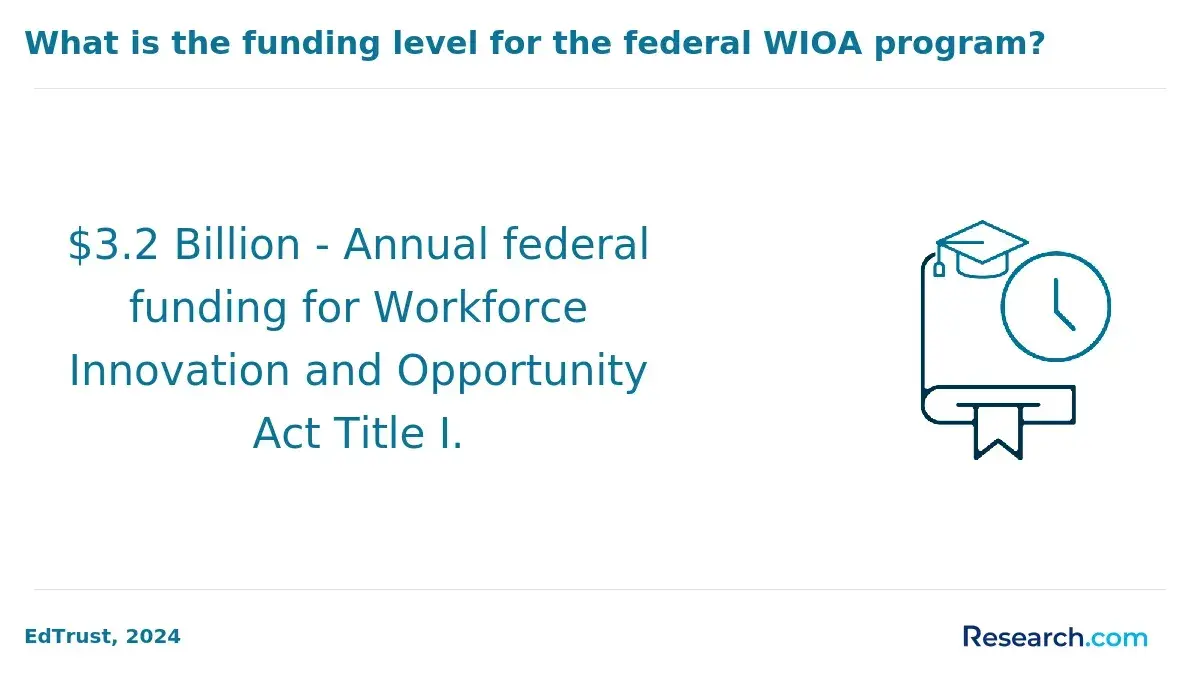
- Federal Aid: Most accredited cybersecurity programs qualify for federal financial aid such as Pell Grants, Direct Subsidized and Unsubsidized Loans, and Federal Work-Study. Online students must meet the same citizenship and enrollment criteria as on-campus students, though some schools may limit aid for certain online or certificate-only tracks.
- State Aid: State grants and scholarships are generally available to in-state residents attending public universities, both online and on campus. However, some states restrict aid to students physically attending campuses or living in-state during enrollment, so online learners should check with their state education agencies for specific eligibility rules.
- Scholarships and Grants: Institutional, industry, and private scholarships like the DoD Cyber Scholarship Program and (ISC)² Undergraduate Scholarship support both online and on-campus cybersecurity students. These awards sometimes require maintaining a minimum GPA or completing particular coursework and are accessible to many pursuing an online cybersecurity degree scholarships if the program is accredited.
- Employer Tuition Reimbursement: Many employers offer tuition reimbursement to employees for cybersecurity studies, often favoring the flexibility and affordability of online formats. Typically, this benefit covers accredited degrees related to the employee's role, with similar availability for on-campus and online learners.
- Private Student Loans: Available from banks and credit unions, private loans require at least half-time enrollment and are accessible for both online and campus students. Terms vary widely, and only students in accredited programs generally qualify.
Online cybersecurity degrees often offer lower average tuition and flexible schedules, making aid more appealing for working adults. Prospective students may find options like the fastest online associates degree programs particularly cost-effective when combined with available financial aid.
Are online cybersecurity programs as credible as on-campus ones?
Accreditation, faculty expertise, and rigorous curriculum standards are fundamental in establishing the credibility of both online and on-campus cybersecurity programs. Reputable online degrees, such as those designated as Centers of Academic Excellence in Cybersecurity (CAE) by the National Security Agency, maintain the same academic quality as traditional programs.
These programs are often taught by faculty with current industry experience, ensuring that the coursework aligns with professional certification requirements and real-world cybersecurity challenges. The diploma awarded by accredited institutions is typically identical regardless of whether the student studied online or on-campus, reflecting equal academic value.
Additionally, online offerings frequently provide flexible options like accelerated courses and transfer credits, which can reduce both time and overall cost compared to some on-campus alternatives.
Employer and industry perceptions of online cybersecurity degrees have evolved significantly over recent years. While on-campus programs were once favored due to presumed advantages in hands-on labs and networking opportunities, many employers now recognize the value of accredited online degrees, especially as remote work and digital collaboration grow within the technology sector.
Advances in virtual labs, interactive coursework, and strategic industry partnerships have reduced skill gaps between online and on-campus graduates. Survey data indicates that students graduating from accredited online programs are well-prepared for professional certifications and achieve career outcomes comparable to their in-person counterparts.
As virtual learning technologies and employer-backed initiatives continue to advance, the acceptance and credibility of online cybersecurity education are steadily increasing across academic and professional communities.
Do employers prefer online vs on-campus cybersecurity degrees?
Most employers today show no strong preference between online and on-campus cybersecurity degrees as long as candidates hold credentials from reputable, accredited institutions and demonstrate the necessary skills. While on-campus degrees have historically been viewed as more rigorous, particularly at the undergraduate level, recent surveys reveal this perception is changing rapidly.
A 2025 global education report found that 83% of HR professionals consider accredited online degrees equivalent to traditional ones. Employers place greater emphasis on university reputation and program accreditation than on the mode of delivery itself.
In cybersecurity, where current knowledge and practical skill are critical, degrees from well-known schools-earned either online or on-campus-tend to be equally respected when paired with hands-on experience and professional certifications.
The normalization of remote and hybrid work environments has also contributed to a more favorable view of online education among hiring managers. Many employers now appreciate that online programs foster valuable digital collaboration skills, time management, and adaptability to rapidly evolving technologies-traits directly applicable to cybersecurity roles.
However, some employers remain partial to the networking opportunities and lab experiences often available on campus, which can benefit recent graduates entering the field. Overall, the trend points toward an integrated hiring approach where an accredited degree combined with demonstrated practical abilities and certifications holds the greatest value in securing employment and career advancement in cybersecurity.
In a conversation with a professional who earned her cybersecurity degree entirely online, she shared how her program's flexible format allowed her to gain real-world experience through virtual labs and remote internships. She emphasized that despite initial doubts from some interviewers about the online format, her tangible skills and ability to articulate problem-solving scenarios eventually overshadowed format concerns.
"The online degree taught me to be self-motivated and resourceful, which employers really appreciate now in this digital age," she explained. Her successful transition into a cybersecurity analyst role validated that, beyond the degree's delivery mode, employers focus primarily on proven competencies and how graduates apply their knowledge in practice.
Do online vs on-campus cybersecurity program graduates earn the same salaries?
Salary comparison online vs on-campus cybersecurity degree graduates is increasingly influenced by factors beyond the format of education itself. Graduates' earning potential depends more on credentials, experience, and location than whether their degree was earned online or on campus. To understand these trends better, below are key factors shaping salary outcomes for cybersecurity graduates.
Factors that determine salary differences between online and traditional cybersecurity degree graduates include:
- Employer Perception: Most employers in 2025 view accredited online cybersecurity degrees as equivalent to traditional on-campus degrees. Over 83% of HR professionals consider reputable online degrees comparable, meaning hiring and salary decisions rarely favor one format over the other.
- Certifications and Skills: Industry-recognized certifications like CEH, CISSP, and CompTIA Security+ significantly boost salary potential regardless of the degree type. Hands-on experience combined with these credentials tends to matter more than how the degree was earned.
- Location and Cost of Living: Salaries vary widely by region, with states like Washington and California offering higher pay that corresponds to higher living costs. These geographic differences have a greater impact on earnings than whether a graduate studied online or on campus.
- Program Affordability and Flexibility: Online programs often cost less and allow students to balance work and study, lowering opportunity costs. This flexibility can accelerate careers, increasing lifetime salary potential. For those interested in an accelerated path, 2-year phd programs online offer viable options for rapid advancement.
- Graduate Outcomes and Job Placement: Both online and traditional graduates benefit from strong job market demand in cybersecurity. Projected growth and median salaries for information security roles remain high for all graduates, highlighting the minimal effect that program format has on starting pay.
How do you decide whether an online vs on-campus cybersecurity program is right for you?
Choosing between online and on-campus cybersecurity programs depends on your personal learning preferences, lifestyle, and professional goals. Each format has unique benefits and challenges that can significantly impact your educational experience and career trajectory.
To help you make an informed decision, consider the following key factors that influence which program style suits you best:
- Learning Style: If you excel in self-directed study and comfortable with digital materials, an online program allows you to engage with recorded lectures and resources at your own pace. In contrast, campus-based cybersecurity programs advantages include face-to-face interaction and immediate feedback, which can be crucial for learners who thrive in structured, in-person environments.
- Flexibility Needs: Online cybersecurity degrees offer significant scheduling flexibility, ideal for working professionals managing jobs or family obligations. You can access coursework from anywhere, making it easier to balance commitments. On-campus programs typically require fixed attendance times, which might limit flexibility but provide routine and immersive learning experiences.
- Budget: Cost is an important consideration; online degrees often reduce expenses related to commuting, housing, and campus fees. The average total cost for online programs tends to be more affordable per credit hour. On-campus programs might have higher tuition and additional campus-associated costs, so budget constraints should be carefully weighed.
- Networking Opportunities: One of the advantages of campus-based cybersecurity programs is the ability to network directly with peers, faculty, and industry professionals, which may enhance job prospects. While online programs are improving their digital networking options, some students feel these virtual connections are less impactful.
- Access to Campus Resources: Students attending on-campus benefit from immediate access to labs, technical support, and career services, fostering hands-on experience. Though online learners may have remote access to some resources, these might not fully replicate the benefits of a physical campus environment.
For those exploring options, finding the most popular school for trade skills online can be a useful starting point to identify reputable and flexible programs that align with your career goals.
Here's What Graduates of Online vs On-Campus Cybersecurity Programs Have to Say About Their Degree
- Jamal: "Completing my cybersecurity degree online was a game-changer for me. Balancing work and family obligations while gaining comprehensive technical knowledge allowed me to grow both personally and professionally. The flexibility empowered me to learn at my own pace, and the virtual labs simulated real-world environments perfectly. Starting my career with this degree opened doors to remote positions, giving me the freedom to contribute to critical security projects globally. The supportive online community made all the difference in staying motivated and connected."
- Maria: "Attending the on-campus cybersecurity program was an immersive experience that truly shaped my professional journey. The face-to-face interactions with professors and peers fostered deep discussions and hands-on workshops that enriched my understanding of complex concepts. Being part of the campus community also helped build strong networks that proved invaluable when I entered the workforce. I feel proud knowing my degree was earned in an environment buzzing with collaboration and real-time problem solving, laying a solid foundation for my career progression in cybersecurity."
- Aiden: "The hybrid cybersecurity degree gave me the best of both worlds-flexibility and in-person engagement. I cherished the chance to learn remotely during lectures, then apply that knowledge in on-campus labs where teamwork and immediate feedback elevated my skills. This blend prepared me for the dynamic nature of cybersecurity careers and fostered a balanced approach to learning and life. The hybrid format also encouraged me to develop strong self-discipline and communication skills, which have been essential in advancing my role in the cybersecurity field."
Other Things You Should Know About Online & On-Campus Cybersecurity Degree Programs
In 2027, students in online cybersecurity programs may face challenges like managing self-discipline, ensuring consistent internet access, and receiving hands-on experience. Additionally, building professional networks online can be more challenging compared to campus-based environments.
Employers increasingly recognize online degrees, especially from accredited institutions with strong reputations. Practical skills and certifications obtained during the program often carry more weight than the delivery format. Networking and internships can help enhance employment prospects regardless of study mode.
References
- Cost of Online Education vs. Traditional Education [2025]: Comparison https://educationdata.org/cost-of-online-education-vs-traditional-education
- Cybersecurity Program Comparison https://pe.gatech.edu/degrees/cybersecurity/program-comparison
- Cybersecurity Concentration (Online or On Campus) - Fisher College https://www.fisher.edu/academics/undergraduate-programs/bs-in-information-technology/cybersecurity-concentration
- The Problem With Exclusively Online Degree Programs https://tcf.org/content/commentary/the-problem-with-exclusively-online-degree-programs/
- Online degree costs vs traditional degrees: which is more affordable? https://collegeonline.io/blogs/online-degree-costs-vs-traditional-degrees
- Online vs. Offline Cybersecurity Course: Pros and Cons [2025] https://digitaldefynd.com/IQ/online-vs-offline-cybersecurity-course-pros-cons/
- Bachelor of Science in Cybersecurity Online or On Campus https://www.albany.edu/cehc/programs/bs-cybersecurity
- Online Education vs. On-Campus Tuition: How ACE Online Degree Programs Help Keep Your Costs Down | ACE Blog https://ace.edu/blog/online-education-vs-on-campus-tuition-how-ace-online-degree-programs-help-keep-your-costs-down/
- Cybersecurity | NC State Online and Distance Education https://online-distance.ncsu.edu/program/cybersecurity/tuition/


