
2027 Questions to Ask About Online Analytics Degree Programs Before You Enroll

Co-Founder and Chief Data Scientist
Choosing an online analytics degree program can feel overwhelming amid varying curricula and promises. In 2023, enrollment in analytics programs grew by 18%, reflecting increasing demand but also intensifying competition among schools. Many students struggle to assess program quality, career support, and cost-effectiveness, risking time and money on inadequate options.
This article identifies essential questions that prospective students should ask before enrolling. It provides clear guidance on evaluating career outcomes, curriculum rigor, licensure preparation, and expenses to make informed decisions that align with professional goals.
Key Benefits of Enrolling in Online Analytics Degree Programs
- Online analytics programs offer flexibility by allowing students to access coursework anytime, accommodating varied schedules and reducing barriers for working professionals and caregivers.
- Cost savings are significant, as online degrees often eliminate commuting, housing, and sometimes textbook expenses, making education more affordable overall.
- These programs support better work-life balance by enabling students to integrate studies with job responsibilities, improving retention rates and career advancement opportunities by 20% or more.
Is the Online Analytics Degree Program Accredited?
Accreditation is essential for online analytics degree programs because it ensures the program meets recognized quality standards that affect degree recognition, licensure eligibility, and career outcomes. Without proper accreditation, graduates risk holding degrees that employers or licensing bodies may not acknowledge, which can hinder job prospects and professional advancement.
Nearly 90% of distance education students attend accredited institutions, underscoring the importance of this credential in validating an online education. For analytics degrees, regional accreditation from bodies like the Higher Learning Commission (HLC) or Middle States Commission on Higher Education (MSCHE) is typical, while specialized accreditations, such as those from the Association to Advance Collegiate Schools of Business (AACSB) or the Computing Accreditation Commission of ABET, can further enhance the program's credibility.
Prospective students researching accredited online analytics degree programs should verify accreditation status using reliable sources such as the U.S. Department of Education's Database of Accredited Postsecondary Institutions and Programs (DAPIP) or the Council for Higher Education Accreditation (CHEA) website. Confirming both institutional regional accreditation and any programmatic accreditation is vital for transferring credits, qualifying for financial aid, and accessing career opportunities.
Given the impact accreditation has on the value of a degree, it remains a key factor before enrollment. Students interested in related fields might also explore affordable AI degrees to compare options. Overall, understanding the importance of accreditation for online analytics degrees will better equip students to make informed educational choices.
What Are the Admission Requirements for Online Analytics Programs?
Meeting specific admission requirements is crucial for prospective students comparing online analytics programs to ensure eligibility and proper preparation. These criteria help verify that applicants have the necessary foundation to succeed academically and professionally in analytics fields.
Key admission criteria for online analytics degrees typically include the following:
- Educational background: Applicants usually need a high school diploma or equivalent for undergraduate analytics programs, while graduate-level admission requires a bachelor's degree. This confirms a basic academic standard needed to grasp complex analytics concepts.
- Transcripts: Official academic transcripts provide verification of previous coursework and grades. Admissions officers use these to assess readiness for advanced study and to understand the educational context of each applicant.
- Standardized test scores: Some programs request SAT, ACT, GRE, or GMAT scores to evaluate quantitative and analytical skills. However, many online programs waive these tests to lower barriers for non-traditional or working students.
- Letters of recommendation: These letters offer insights into an applicant's work ethic, reliability, and potential beyond academic scores. They help programs identify candidates who are well-suited for the rigor of analytics training.
- Statement of purpose or personal essay: Applicants describe their motivations and career goals in this document, allowing faculty to gauge commitment and alignment with the program's focus areas.
- Relevant work experience: Some programs emphasize practical readiness by asking for experience in data-related roles, which can enrich learning and enhance career outcomes.
Students exploring requirements to enroll in analytics degree programs should also consider program quality and cost, including how curriculum aligns with career advancement.
For students involved in behavioral science or counseling fields looking for related program options, CACREP online counseling programs serve as an example of specialized accreditation impacting program selection.
What Classes Do You Take in an Online Analytics Program?
Choosing the right online analytics program requires a solid understanding of its curriculum to ensure it matches your career objectives and develops in-demand skills. With the field projected to grow 25% over the next ten years, selecting courses that build a competitive edge is essential.
Below are the typical class categories included in these programs.
- Core Courses: These focus on fundamental concepts such as statistics, data mining, and programming languages like Python or R. They cultivate critical analytical and technical abilities necessary for roles in data analysis and interpretation.
- Electives: Electives offer specialized topics like machine learning, predictive analytics, and business intelligence. These classes help students customize their learning experience to suit particular interests or industry demands.
When I asked a student enrolled in an online analytics degree about his experience with the coursework, he revealed how balancing the technical depth of programming classes with theoretical subjects was initially overwhelming. He shared, "The first few weeks were intense because I had to quickly adapt to coding assignments while keeping up with statistical methods."
However, he found that consistent pacing and practical exercises helped him gain confidence. "It's challenging, but seeing projects come together made the hardest parts worthwhile." His insights highlight how the course mix sharpens both problem-solving and applied skills essential for future employment.
How Long Does It Take to Complete an Online Analytics Degree?
Knowing how long it takes to finish an online analytics degree helps students plan their educational paths and future careers wisely. This understanding also assists in managing financial commitments and balancing other life responsibilities.
Below is an overview of typical program durations and factors influencing completion times.
- Full-Time Study: Most full-time students complete a bachelor's degree in analytics within four years. This path suits those able to dedicate consistent hours each semester to coursework and study.
- Accelerated Programs: Some institutions offer accelerated options that condense the degree into two to three years. These faster tracks often include year-round classes and heavier course loads, requiring significant time and effort.
- Part-Time Enrollment: Popular among working professionals, part-time study extends the timeline to five years or more. This flexibility allows students to balance work and education but demands careful long-term planning to meet career goals.
- Practical Components: Internships or cooperative education placements integrated into the curriculum can add several months to a year. While lengthening the program, these experiences provide valuable hands-on skills that enhance job readiness.
- Additional Factors: Transfer credits, course availability, and individual study pace also impact completion time. Understanding these variables helps students tailor their schedules to their personal circumstances and ambitions.
Does an Online Analytics Program Require Internships or Practicums?
Online analytics programs vary in whether they mandate internships or practicums, often depending on the institution and program focus. When included, these experiences typically last a semester or summer term and involve practical projects with real-world data or simulated case studies supervised by faculty or industry partners.
Such hands-on work is essential for developing technical proficiency, enhancing problem-solving abilities, and building communication skills relevant to analytics roles. Encountering this kind of applied learning can significantly impact career readiness.
In fact, about 60% of employers prefer candidates who have completed internships in data-related fields. Prospective students should carefully examine a program's offerings to understand the availability and structure of experiential components, as this can influence their job prospects and professional growth.
When asked about her experience in an online analytics program, a recent graduate shared that although her program didn't require an internship, she pursued one to gain practical insight. She described balancing coursework with her internship as "challenging but rewarding," noting that real projects helped translate theory into actionable skills.
"Working alongside data teams and receiving direct feedback made a crucial difference in my confidence and job readiness," she said. Reflecting on the process, she emphasized how the practicum-like experience deepened her understanding of data workflows and helped her secure employment soon after graduation. This hands-on opportunity, she explained, was the pivotal element that transformed academic learning into professional competence.
Can You Get Licensed with an Online Analytics Degree?
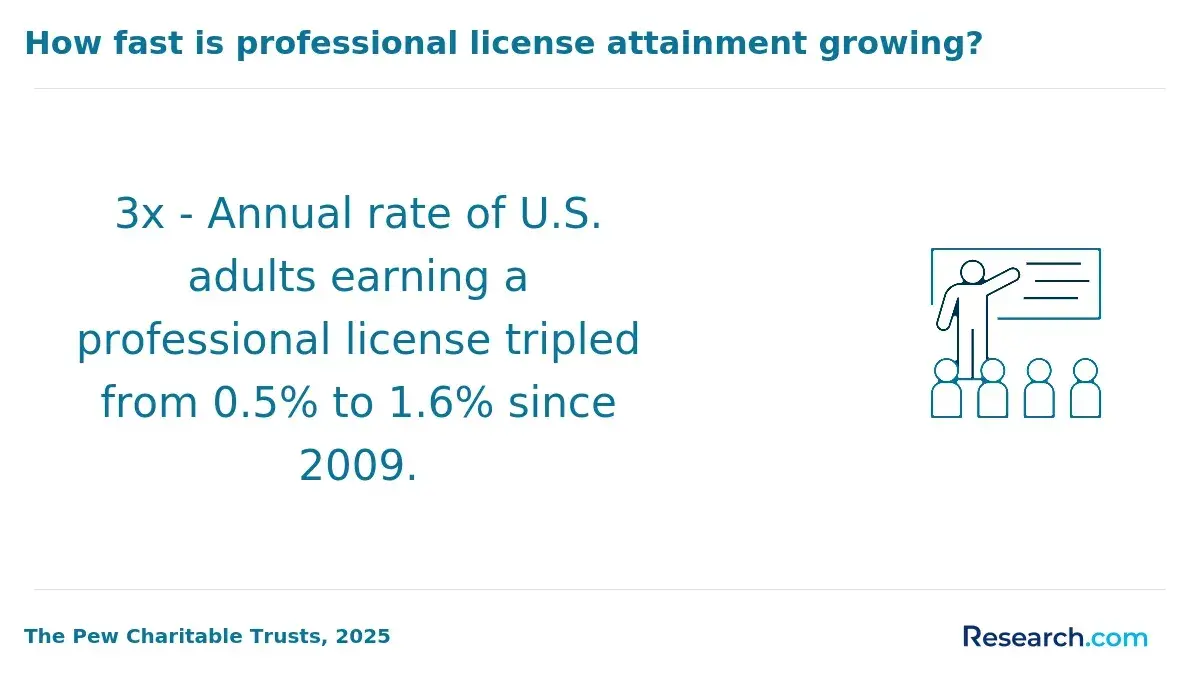
Graduates of online analytics degree programs typically cannot obtain a specific professional license solely based on their degree, as analytics licensing requirements are not mandated by any state, like the nursing or engineering fields. Instead, many employers prefer candidates who hold professional certifications such as the Certified Analytics Professional (CAP), Google Data Analytics Certificate, or SAS Certified Data Scientist.
These credentials require passing separate exams and often demand practical work experience, which online degree programs may not provide directly. However, many reputable online analytics programs design their curriculum to align with certification standards and often include exam preparation resources or dedicated courses to support licensure readiness.
Licensure or certification considerations are crucial for prospective students evaluating online analytics programs because 67% of employers report favoring candidates with formal credentials beyond just a degree. This preference can significantly impact employment opportunities and career growth in analytics-related fields.
When researching programs, students should ensure they choose ones that offer clear pathways or support toward these credentials, enhancing their competitiveness in the job market. Additionally, those interested might explore affordable degree options such as the cheapest MLS degree online, which highlight the importance of balancing cost and professional value when planning their educational journey.
How Much Do Online Analytics Programs Cost?
Accurately assessing the cost of online analytics programs is crucial for prospective students to manage their finances and evaluate the return on investment. Tuition trends show an average annual increase of about 3%, reflecting the growing demand and continuous enhancement of these programs.
Below is an outline of typical expenses to consider when comparing the average cost of online analytics degrees and searching for affordable online analytics degree programs.
- Tuition per Credit: Tuition is usually charged per credit hour, with costs ranging from approximately $300 to $800 per credit. Since most programs require between 30 and 40 credits, total tuition can vary significantly, from around $9,000 up to $32,000.
- Mandatory Fees: Additional fees often include technology support, registration, and access to specialized analytical software or online platforms. These fees differ widely between institutions and may add several hundred dollars to overall expenses.
- Materials and Technology: Students should budget for textbooks, software licenses, and a reliable computer with internet access, which are essential for completing coursework. Some programs also require purchases for capstone projects or certification exam fees, increasing the total cost.
When selecting a program, it is also important to consider career outcomes related to the field. For instance, students aiming for the highest salary prospects can review majors that make the most money, ensuring the investment aligns with their financial and professional goals.
What Financial Aid Is Available for Online Analytics Students?
Understanding financial aid options is essential for prospective students considering online analytics degree programs, as funding can make these degrees more attainable. Nearly 85% of undergraduate students in the U.S. rely on financial aid, highlighting its critical role in higher education affordability.
Exploring the various financial aid options available to online analytics students can help reduce costs and ease financial burdens.
- Federal Grants: These need-based awards, such as the Pell Grant, do not require repayment. Eligibility is determined through the FAFSA application, making them an excellent resource for students aiming to minimize debt.
- Scholarships: Scholarships for analytics degree online vary widely, offered by organizations based on merit, demographics, or academic interests. They can substantially lower tuition expenses and are a key part of many students' funding strategies.
- Federal Student Loans: Available to most students completing the FAFSA, these loans offer low-interest rates and flexible repayment plans. While they must be repaid, they allow students to manage education costs over time without immediate financial pressure.
- Work-Study Programs: These programs provide part-time jobs, often related to analytics, enabling students to earn money to help cover costs. Participation requires FAFSA eligibility and offers valuable work experience alongside degree progress.
Being well-informed about financial aid options for online analytics students is crucial when planning how to finance your degree without accumulating excessive debt.
Additionally, many students interested in supplementing or diversifying their credentials explore online certificate programs, which can complement their studies and improve job prospects.
What Jobs Can You Get With an Online Analytics Degree?
Choosing the right online analytics program requires understanding the career opportunities it can unlock. Employment in data analytics is projected to grow 27% from 2021 to 2031, reflecting high demand across industries.
Below are common roles that graduates often pursue.
- Data Analyst: Responsible for interpreting data to help organizations make informed decisions. This position often serves as an entry point, with opportunities to advance into senior analyst or data scientist roles. An online analytics degree equips students with skills in data manipulation and visualization essential for this job.
- Business Intelligence Analyst: Focuses on analyzing market trends and business performance to support strategic planning. This role demands strong analytical and communication skills and can lead to management positions within business intelligence teams. The degree provides foundational knowledge of analytics tools and business processes.
- Data Scientist: Involves creating predictive models and performing advanced statistical analyses to solve complex problems. Graduates with strong programming and analytical backgrounds from online programs can enter this field and progress to specialized or leadership roles.
- Operations Analyst: Examines organizational procedures to identify inefficiencies and recommend improvements. This position is suited for those interested in applying analytics to optimize workflows and may lead to operational management. The curriculum supports development of critical thinking and quantitative skills needed here.
What Is the Average Salary for Online Analytics Graduates?
Projected earnings play a crucial role for students weighing different online analytics programs, helping them estimate the financial benefits of their education. Industry data shows that salaries in analytics are growing faster than average, reflecting strong demand for skilled professionals.
Several key factors impact the salary prospects for graduates in this field.
- Level of education: Those holding advanced degrees or specialized certifications typically receive higher pay due to enhanced knowledge and skills that employers value.
- Specialization: Earnings vary depending on focus areas such as machine learning, data engineering, or business analytics, each commanding different premiums based on market need and difficulty.
- Experience: Salaries rise significantly with practical work experience; entry-level roles usually start lower, while mid-career professionals with demonstrated expertise can expect substantial increases.
- Geographic location: Where a graduate works influences compensation, as metropolitan regions often offer higher wages to offset living costs and meet demand for analytics talent.
- Work setting: Private industries like finance and technology typically provide greater pay than government or nonprofit sectors, reflecting funding availability and business priorities.
What Graduates Say About Enrolling in an Online Analytics Degree
- Kayle: "I approached the online analytics degree program with a professional mindset, recognizing it as a worthwhile investment given its cost-effectiveness relative to on-campus alternatives. The structured yet flexible learning environment helped me deepen my analytical skills without disrupting my full-time job. Today, I confidently contribute to strategic decision-making processes at work, directly attributing that growth to this program. "
- Thomas: "The decision to enroll in the online analytics program was initially driven by its reasonable tuition fees, which made advanced education accessible without straining my finances. The course content was comprehensive and genuinely engaging, encouraging me to think critically about data in real-world scenarios. This degree has significantly expanded my career opportunities in data-driven roles across industries. "
- Aiyeen: "Choosing the online analytics degree program was a game-changer for me, especially considering the affordable cost compared to traditional degrees. I appreciated the flexibility of studying at my own pace, which allowed me to balance work and learning seamlessly. Since graduating, I've landed a promotion thanks to the practical skills I gained. "
Other Things You Should Know About Analytics Degrees
Many online analytics programs offer virtual events, discussion forums, and alumni networks to facilitate connections among students and professionals. Some programs may also arrange guest lectures, mentorships, or internships with industry partners. However, networking opportunities might be more limited compared to on-campus programs, so evaluating each program's offerings is essential.
In 2027, online analytics courses are generally flexible with scheduling. Many programs offer asynchronous classes, allowing students to complete coursework at their own pace. Some courses may have synchronous components, but they are typically scheduled to accommodate various time zones.
In 2027, ensure that an online analytics degree program is accredited by recognized bodies, such as the Accreditation Board for Engineering and Technology (ABET) or regional accrediting agencies. Proper accreditation ensures quality education, improves credit transferability, and is often a prerequisite for financial aid.
References
- Bachelor of Science in Analytics https://bachelors-completion.northeastern.edu/programs/bs-analytics-cps/bachelor-of-science-in-analytics-online/
- Online Master of Science in Analytics https://online.lsu.edu/online-degree-programs/graduate/master-science-analytics/
- Data Analytics, M.S. (STEM Designated with Day-1 CPT) https://www.mcdaniel.edu/academics/graduate-professional-studies/data-analytics-ms-stem-designated-day-1-cpt
- Online Master’s in Data Analytics https://www.eastern.edu/academics/graduate-programs/ms-data-analytics
- Online Master’s Degree: Data Analytics https://www.umgc.edu/online-degrees/masters/data-analytics


