
2027 Questions to Ask About Online Creative Writing Degree Programs Before You Enroll

Co-Founder and Chief Data Scientist
Choosing an online creative writing degree program can be daunting amid the increasing number of options. Enrollment in creative writing programs grew by 15% in the past five years, highlighting rising interest but also intensifying competition for quality education. Many students face uncertainty about program legitimacy, career support, and realistic job prospects in the literary and media industries.
Without thorough evaluation, prospective students risk time and financial loss. This article identifies key questions to ask about curriculum rigor, faculty expertise, cost transparency, and job placement rates, guiding readers to make informed decisions aligned with their professional goals and financial situation.
Key Benefits of Enrolling in Online Creative Writing Degree Programs
- Online creative writing programs offer flexible schedules, allowing students to balance studies with personal and professional commitments, with 68% of enrollees reporting improved time management.
- Cost savings are significant, as online programs often reduce expenses related to commuting, housing, and materials, with average tuition fees up to 30% lower than traditional campuses.
- Work-life balance improves through self-paced coursework, enabling writers to maintain employment while pursuing a degree, supporting career advancement and personal growth simultaneously.
Is the Online Creative Writing Degree Program Accredited?
Accreditation is a critical factor for online creative writing degree programs, as it confirms that the institution meets established quality standards. This recognition affects degree acceptance by employers, eligibility for licensure when applicable, and access to federal financial aid. According to the U.S. Department of Education, more than 90% of employers prioritize candidates who hold degrees from accredited schools, underscoring the importance of accreditation in career success. For creative writing degrees, regional accreditation from bodies such as the Higher Learning Commission (HLC), Middle States Commission on Higher Education (MSCHE), or Southern Association of Colleges and Schools Commission on Colleges (SACSCOC) is most respected. Accredited online creative writing programs also ensure that students gain a comprehensive curriculum designed to develop essential literary and communication skills.
Prospective students should verify a program's accreditation by consulting official government databases like the U.S. Department of Education's Database of Accredited Postsecondary Institutions or the Council for Higher Education Accreditation (CHEA) website. These resources help avoid unaccredited programs that might limit future education or professional opportunities. It is essential to confirm that the program's accreditation aligns with creative writing and that credits are transferable if switching schools. Additionally, before enrollment, students seeking financial or career support can explore related options, such as bcba certification online. Choosing accredited online creative writing degree accreditation assures quality education and supports long-term career goals.
What Are the Admission Requirements for Online Creative Writing Programs?
Meeting admission requirements is a critical step for students exploring online creative writing program admission criteria. These requirements ensure applicants possess the foundational skills and qualifications necessary to thrive in a rigorous academic environment. Evaluating these conditions helps applicants identify programs that align with their preparedness and goals.
Key admission requirements to enroll in creative writing degrees online generally include the following:
- Academic transcripts: Applicants must usually submit official transcripts from high school or prior college work to verify their educational background and performance. This helps institutions assess readiness and eligibility for advanced coursework.
- Writing samples: These are essential for demonstrating creativity, writing style, and technical proficiency. Well-crafted writing pieces enable admissions committees to gauge a candidate's potential for success in the program.
- Letters of recommendation: Recommendations from educators or professionals knowledgeable about your writing provide insight into your character, work ethic, and abilities, supporting your application.
- Statement of purpose or personal essay: This essay articulates your motivation for pursuing the degree, career aspirations, and how the program matches your objectives, offering a personalized perspective beyond test scores and transcripts.
- Standardized test scores: Although some online programs may require SAT or ACT scores, many waive this to focus more on portfolios and other qualitative measures, reflecting a broader approach to evaluating candidates.
Students also benefit from exploring complementary fields such as online degrees in counseling, which can enhance career versatility after completing a creative writing degree.
What Classes Do You Take in an Online Creative Writing Program?
Choosing the right curriculum is essential for students comparing online creative writing programs, as it directly impacts career readiness and skill development. With online enrollment climbing over 25% in recent years, understanding course offerings helps align education with professional goals. Below are common types of classes found in these programs:
- Core courses: These classes establish foundational writing skills across fiction, poetry, and nonfiction genres. They emphasize narrative techniques, character creation, and stylistic elements essential for versatile writing careers.
- Electives: Students can select specialized topics, such as screenwriting, creative nonfiction, or digital storytelling. This allows customization of the program to suit personal interests and industry trends.
- Workshops: Interactive sessions focused on peer and instructor critiques. They enhance revision skills, promote collaboration, and simulate real-world writing environments.
- Portfolio development: Practical classes where students compile their strongest works. This prepares them to present their writing effectively to publishers or employers.
A student enrolled in an online creative writing degree shared that initially adjusting to peer critiques was challenging but ultimately rewarding. "Receiving constructive feedback helped me see my writing from different perspectives," he explained. He found the workshop structure demanding yet valuable, as "it forced me to revise multiple drafts and develop a thicker skin when sharing my work." He also noted that curating a portfolio pushed him to critically evaluate his progress, saying it "gave me confidence to apply for writing jobs and submit to literary magazines." This firsthand experience underscores how the classes not only build technical skills but also foster professional growth and self-awareness.
How Long Does It Take to Complete an Online Creative Writing Degree?
Knowing how long an online creative writing degree takes helps students realistically plan their education and future careers. It also assists in managing time commitments and financial resources effectively.
Here are the common timeframes and formats for completing these programs:
- Full-time: Usually completed in about four years, this path suits students who can devote considerable time to their studies. It offers a steady pace with balanced coursework across terms.
- Part-time: Extending beyond six years, this option accommodates those balancing jobs or personal responsibilities. Progress depends heavily on course availability and individual scheduling preferences.
- Accelerated: Designed to be finished in two to three years, accelerated programs demand rigorous study habits and fewer breaks. They are ideal for highly motivated students seeking faster completion.
- Programs with practical components: Incorporating internships, workshops, or similar hands-on experiences, these programs may add extra months to the timeline. Such elements enhance real-world skills and professional networking opportunities.
Students should consider factors like course scheduling, workload intensity, and the inclusion of experiential learning when selecting a program that aligns with their goals and availability.
Does an Online Creative Writing Program Require Internships or Practicums?
Online creative writing programs rarely mandate internships or practicums, as the focus is primarily on refining writing techniques through workshops and faculty critiques rather than hands-on clinical experiences or licensure requirements. When practical components are included, they often take the form of remote internships or local placements coordinated by the student with program support. These opportunities can be crucial for building editing, marketing, and content creation skills, enhancing a student's portfolio and industry understanding. Knowing whether a program incorporates such experiential learning is essential for students aiming to enter competitive writing and publishing fields with practical know-how. A 2022 survey by the Association of Writers & Writing Programs found that approximately 35% of online creative writing students participated in some kind of practical or immersive learning, indicating a growing emphasis on real-world experience.
When I spoke with a graduate of an online creative writing degree, she shared that although her program didn't require an internship, she pursued one independently to gain exposure and build contacts. She described navigating application processes and balancing remote work with coursework as challenging but ultimately rewarding experiences that deepened her understanding of the publishing industry. "It wasn't just about writing anymore," she reflected, "but learning how to pitch ideas, meet deadlines, and collaborate with editors." This hands-on involvement gave her confidence and valuable connections that traditional coursework alone couldn't provide, highlighting how proactive engagement can enhance career readiness even when practical experiences aren't formal requirements.
Can You Get Licensed with an Online Creative Writing Degree?
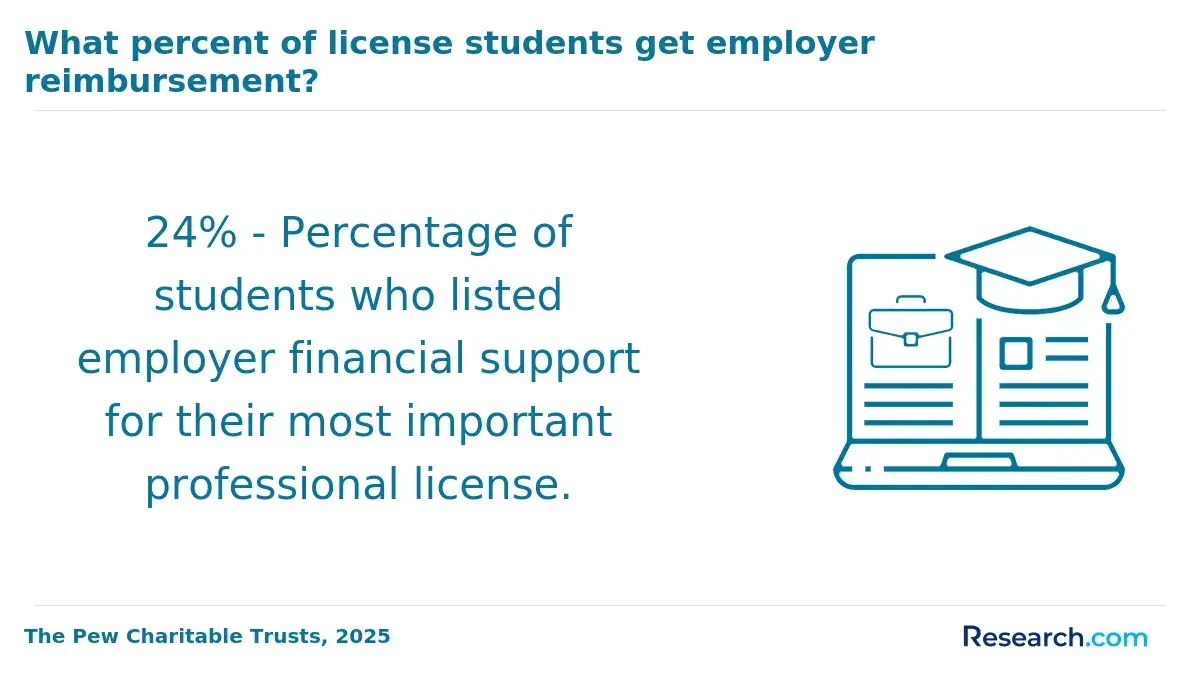
Graduates of online creative writing degree programs generally do not require professional licensure to work in their field. Unlike regulated careers such as law or healthcare, creative writing is a skill-based profession focused on content creation, storytelling, and literary analysis rather than meeting formal licensing standards. However, some specialized roles connected to writing, including teaching creative writing at the collegiate level or working as a certified editor, may necessitate additional credentials.
Many college-level positions expect at least a master's degree, and K-12 teaching roles often require state-specific teaching licenses. Online creative writing programs frequently include coursework like portfolio development and literature analysis while sometimes facilitating internships to enhance licensure readiness or career pathways related to the online creative writing degree licensure options.
Licensure considerations remain crucial for students pursuing education or regulated professions within writing-related fields. Prospective students should carefully evaluate whether a program provides guidance or resources related to licensure or certification to avoid professional roadblocks later.
A 2023 survey by the National Association of Colleges and Employers found that 72% of creative writing graduates secured employment in relevant fields within six months, underscoring the value of career-focused program features beyond degree completion. For students seeking support in balancing affordable education with career readiness, exploring affordable online mft programs may offer insight into cost-effective ways to advance professionally. Those interested in how to get licensed with creative writing degree should research programs aligned with their long-term career goals and licensure needs.
How Much Do Online Creative Writing Programs Cost?
Knowing the costs associated with online creative writing programs helps prospective students make informed choices about their education and manage their budgets effectively. Tuition expenses vary considerably, with many programs charging per credit hour, making it essential to understand the full financial commitment before enrolling. A recent trend shows that total program costs typically range from $9,000 to $48,000, depending on credit requirements and tuition rates.
Costs to consider when comparing affordable online creative writing programs include the following:
- Tuition per credit: This is often the largest expense, ranging on average from $300 to $800 per credit. Some programs charge lower or higher amounts based on prestige, resources, or delivery format. Since creative writing degrees usually require between 30 and 60 credits, this significantly impacts the overall cost.
- Additional fees: Beyond tuition, students may encounter fees such as technology charges, application fees, and enrollment costs. These can add several hundred dollars to the total and vary widely among institutions.
- Course materials: Textbooks, software, and other learning resources are sometimes required separately and not included in tuition. Certain programs specify purchasing unique materials essential to creative writing courses, which can increase expenses.
- Billing structure: Some schools charge tuition per credit hour, while others use a flat rate per semester. This affects costs if students take more or fewer courses each term, potentially influencing financial planning.
For students focused on finding the average cost of online creative writing degrees and evaluating options among the affordable online creative writing programs, exploring various programs thoroughly is key. Researching the cheapest online edd programs can also provide insights into managing education costs effectively across disciplines.
What Financial Aid Is Available for Online Creative Writing Students?
Understanding financial aid options is essential for prospective students considering online programs, as it can greatly alleviate the financial burden associated with tuition and other educational expenses. Recent data indicates that about 85% of undergraduate students receive some form of financial aid, reflecting its broad availability and critical role in higher education accessibility.
Several types of financial aid exist to support online creative writing students, helping to reduce overall program costs and improve affordability.
- Federal Grants: Need-based awards like the Pell Grant provide funds that do not require repayment. Eligibility depends on financial need as assessed through the FAFSA application, making these grants a valuable resource for qualifying students.
- Scholarships: Many scholarships are available specifically for creative writing degrees online, offered by universities, literary foundations, and private organizations. These awards often consider merit, talent in writing, or financial need, and can substantially offset tuition costs.
- Federal Student Loans: These loans offer fixed interest rates and various repayment options. While they provide necessary funding, it's important to remember loans increase debt, so careful borrowing is advised. FAFSA completion is required to access these loans.
- Work-Study Programs: Some students qualify for federally funded work-study, enabling them to work part-time in roles related to their field of study, which helps cover education expenses while gaining practical experience.
Prospective students should carefully explore scholarships and grants for creative writing degrees online, alongside other aid options. Additionally, exploring affordable paths such as an associate degree can help manage costs effectively while progressing toward their educational goals.
What Jobs Can You Get With an Online Creative Writing Degree?
Knowing potential careers is vital for students considering online creative writing programs to ensure their education aligns with their job goals. Employment for writers and authors is expected to grow by 5% from 2022 to 2032, indicating stable future opportunities.
Several career paths are available for graduates of online creative writing programs, each offering distinct roles and growth potential.
- Content writer: Develops engaging materials for websites, social media, and marketing campaigns. This role emphasizes creativity and adaptability, with opportunities to specialize in digital content strategies.
- Editor: Focuses on refining text to improve clarity, grammar, and style. Editors can advance to senior editorial positions, overseeing publication quality and managing writing teams.
- Copywriter: Crafts persuasive advertising and promotional content designed to enhance brand presence and sales. Creative writing skills help tailor messages to diverse audiences effectively.
- Technical writer: Produces manuals, guides, and documentation that simplify complex information. This role often leads to specialized industries such as technology or healthcare.
- Grant writer: Prepares proposals to secure funding for nonprofits and organizations. Success requires strong research and persuasive writing abilities to influence decision-makers.
What Is the Average Salary for Online Creative Writing Graduates?
Examining salary potential is essential for prospective students who want to assess the value of online creative writing programs before committing time and money. Knowing typical earnings helps with budgeting and setting realistic career expectations. Current data shows that creative writers in the U.S. earn an average income ranging roughly from $40,000 to $60,000 annually, with employment projected to grow 3% from 2022 to 2032, indicating steady demand but limited wage increases.
Several important factors shape the earning capacity of those graduating from online creative writing programs:
- Level of education: Advanced degrees often open doors to higher-paying careers, especially in areas like academia or publishing management, where credentials matter more. Those holding master's or doctoral degrees typically access roles with better compensation than bachelor's holders.
- Specialization: Writers focusing on profitable sectors such as technical writing, digital marketing content, or copywriting tend to earn more than those concentrating on traditional fiction or poetry. Targeting niche markets with high demand can significantly boost income.
- Experience: Accumulating years of professional writing, editing, or publication work usually correlates with higher pay. Developing a strong portfolio and industry connections enhances opportunities for well-paying assignments or positions.
- Geographic location: Salaries vary widely depending on where graduates work; urban centers with established media or publishing industries generally offer higher wages compared to rural areas. Regional cost of living also influences compensation packages.
- Work setting: Freelancers often face fluctuating income and less job security, while staff or in-house writers and editors at companies usually receive steadier salaries with additional benefits. Employment stability can impact overall earnings and financial planning.
What Graduates Say About Enrolling in an Online Creative Writing Degree
- Jaime: "I was initially worried about how much an online creative writing degree would cost, but the affordable tuition quickly eased my concerns. The flexibility of the program let me balance work and study effectively, and the engaging coursework sharpened my storytelling skills dramatically. Since graduating, I've landed a role as a content strategist, and I owe much of my success to the curriculum's focus on practical writing applications. "
- Enzo: "Choosing to enroll in the online creative writing degree program was a thoughtful decision; the cost was reasonable compared to traditional schools, which was a big factor for me. The experience was enriching, allowing me to connect with peers and mentors worldwide, which broadened my literary perspective. This degree played a crucial role in advancing my career as a novelist by providing both discipline and inspiration. "
- Rowan: "The cost of the online creative writing degree was quite an investment, but it was worth every penny for the professional development I gained. The coursework was intensive and required real dedication, but it thoroughly prepared me for the competitive publishing industry. Today, I attribute much of my editorial success to the comprehensive skills and confidence I built through this program. "
Other Things You Should Know About Creative Writing Degrees
In 2027, succeeding in an online creative writing program requires proficiency in word processing, familiarity with online learning platforms, and the ability to use video conferencing tools. Additionally, skills in digital communication and document collaboration are essential for engaging with peers and instructors.
Quality online creative writing programs often include interactive elements like virtual workshops, peer reviews, and one-on-one instructor feedback. These features are essential for developing writing skills, as they simulate the collaborative environment of traditional creative writing classes.
Accreditation ensures the program meets educational quality standards recognized nationally, which can affect credit transfer and post-graduation opportunities. Qualified faculty can enhance learning with industry-relevant insights and personalized feedback, crucial for developing writing skills and achieving academic and career goals.
References
- Is a Creative Writing Degree Worth It? | ECU Online https://studyonline.ecu.edu.au/blog/creative-writing-degree-worth-it
- Master’s in Creative Writing Online https://www.snhu.edu/online-degrees/masters/ma-in-english-and-creative-writing
- Financial Aid & Scholarships | Wilkes University https://www.wilkes.edu/academics/graduate-programs/creative-writing-ma-mfa/admissions-requirements/financial-aid.aspx
- Online Certificate in Creative Writing | Penn LPS Online https://lpsonline.sas.upenn.edu/academics/certificates/certificate-creative-writing
- Online Creative Writing Undergraduate Tutors Spires | What Jobs Can I Get With A Degree In Creative Writing? https://spires.co/online-creative-writing-tutors/undergraduate/what-jobs-can-i-get-with-a-degree-in-creative-writing
- Is a Creative Writing Degree Worth It? Letâs Get Into It. https://www.dabblewriter.com/articles/creative-writing-degree
- Jobs you can do with a creative writing degree https://www.whatuni.com/advice/career-advice/10-jobs-you-can-do-with-a-creative-writing-degree/57602/
- Creative Writing Certificate Program https://www.interlochen.org/online/programs/creative-writing-certificate-program
- Creative Writing Certificate at Thiel College https://www.thiel.edu/academics/departments/english/majors-and-programs/creative-writing-certificate
- Most Affordable Online Creative Writing Degrees | AffordableCollegesOnline.org https://www.affordablecollegesonline.org/degrees/best-online-bachelors-in-creative-writing/


