
2027 Questions to Ask About Online Dental Assistant Degree Programs Before You Enroll

Co-Founder and Chief Data Scientist
Choosing the right online dental assistant degree program can be overwhelming, especially with over 80% of dental assistants entering the workforce through accredited educational pathways. Many students struggle to evaluate programs that vary widely in cost, curriculum depth, and licensure preparation. Additionally, job placement rates and hands-on training opportunities differ significantly between schools.
This article guides prospective students through essential questions about program accreditation, clinical experience, certification success, and financial considerations. Understanding these factors helps students make informed choices that align with career goals and ensure readiness for the competitive dental care industry.
Key Benefits of Enrolling in Online Dental Assistant Degree Programs
- Online dental assistant programs offer flexibility by allowing students to complete coursework on their own schedules, accommodating work or family commitments.
- These programs often reduce costs by eliminating commuting and on-campus fees, making dental assistant education more affordable.
- Balancing study with life demands is easier online, helping students maintain employment or personal responsibilities while advancing their qualifications.
Is the Online Dental Assistant Degree Program Accredited?
Accreditation plays a vital role in online accredited dental assistant programs, as it ensures the program meets established quality standards recognized by employers and licensing boards. Without proper accreditation, graduates may face challenges in having their degree acknowledged, which could hinder licensure eligibility and restrict career advancement in the dental field.
The Commission on Dental Accreditation (CODA) is the primary accrediting body for dental assistant programs in the United States, requiring programs to satisfy rigorous standards that prepare students for both clinical practice and professional responsibilities. Research indicates that over 90% of dental assisting employers prefer or require candidates with credentials from accredited institutions, reflecting the importance of attending a properly accredited program.
Prospective students should thoroughly verify the accreditation status of any program by consulting the CODA website or other recognized agencies to confirm that both the school and the specific dental assistant program hold valid accreditation. It is equally important to ensure the curriculum aligns with state licensure requirements and includes clinical training opportunities, which are essential for certification eligibility.
For example, those interested in alternative healthcare pathways might also consider exploring online RN to BSN programs without clinical requirements, which may offer different clinical training options. Evaluating accreditation requirements for dental assistant degrees must be a key step before enrolling, as it directly affects graduates' pass rates on certification exams and their potential to secure employment after graduation.
What Are the Admission Requirements for Online Dental Assistant Programs?
Admission requirements for online dental assistant programs ensure that applicants possess the essential skills and qualifications for successful completion and certification. Clear criteria prevent interruptions during training and help maintain program quality and student preparedness.
Below are the primary requirements typically expected in these programs:
- High school diploma or GED: This verifies basic educational readiness and literacy, which forms the foundation for all coursework and clinical learning. It is commonly the minimum academic credential required.
- Minimum age requirement: Usually set at 18 years old, this ensures legal eligibility for clinical placements and professional responsibilities within dental facilities.
- Background check and immunization records: These are critical to guarantee patient safety and compliance with healthcare regulations during hands-on clinical experiences.
- Access to reliable technology and internet: Because coursework and labs are online, students must have dependable computers and internet connectivity to participate effectively.
- Basic computer proficiency: Students should be comfortable navigating learning management systems and virtual tools to maximize their online education experience.
- Completion of prerequisite courses: Subjects like anatomy or medical terminology build the foundational knowledge necessary before starting dental assistant program coursework.
Meeting the online dental assistant program admission criteria is important for students seeking a smooth educational pathway. Prospective learners exploring requirements to enroll in dental assistant programs online should also consider course quality and certification preparation vital to career success.
For a broader context on affordable health-related degrees, you may explore the easiest online DNP programs.
What Classes Do You Take in an Online Dental Assistant Program?
Knowing the curriculum of an online dental assistant program is key for students comparing options, as classes directly influence both skill development and certification success. Here are the typical course categories featured in these programs:
- Core courses: These classes focus on foundational topics like dental anatomy, radiography techniques, infection prevention protocols, dental materials, and chairside assisting procedures. They equip students with the technical expertise essential for daily clinical tasks.
- Specialized electives: Programs often offer electives such as dental office administration or pediatric dentistry, enabling students to customize their education toward areas of particular interest or career goals.
- Theoretical and technical skills: Alongside practical skills, many classes include lessons on dental terminology, patient communication, and ethics to prepare students for professional environments and licensure exams.
When I spoke with a student currently enrolled in an online dental assistant program, he shared that balancing the course load was initially overwhelming. "The variety of classes means you're constantly switching gears-from learning technical procedures to understanding office protocols," he explained. He found some subjects challenging, particularly anatomy, but appreciated the structure that allowed revisiting materials as needed.
The student noted, "What really helped was how the instructors made complex topics manageable through clear explanations and real-life examples. It made me feel more confident for future hands-on experiences." This perspective highlights the blend of knowledge and adaptability required to succeed in these programs.
How Long Does It Take to Complete an Online Dental Assistant Degree?
Knowing how long an online dental assistant degree takes helps students plan effectively for their education and career entry. This insight also aids in managing time, finances, and balancing other life responsibilities.
Below are typical program durations and their characteristics:
- Full-time programs: These generally require 9 to 12 months to finish and offer a concentrated schedule for those aiming to enter the workforce quickly. Students should expect an intensive learning pace with consistent study hours.
- Part-time options: Extending the timeline to 18 to 24 months, these programs provide flexibility for individuals working or managing family obligations. The reduced weekly commitment allows balancing school with other duties.
- Accelerated programs: Designed to be completed in about 6 to 8 months, these demand a rigorous and steady workload. Students must be prepared for high intensity and limited breaks.
- Programs with practical components: Clinical internships or hands-on hours are often required, potentially lengthening completion time by weeks or months. Scheduling these elements depends on availability and state licensing prerequisites.
Factors such as state regulations, personal pace, and course scheduling heavily influence how long students will spend in these programs. Considering these elements can help learners choose a path that aligns with their goals and commitments.
Does an Online Dental Assistant Program Require Internships or Practicums?
Online dental assistant programs almost always include internships or practicums as essential components, despite most coursework being completed remotely. These hands-on experiences are coordinated with approved local dental offices or clinics, allowing students to apply theoretical knowledge to real patient care, radiography, and infection control under supervision.
Gaining this practical exposure is vital for developing the manual skills needed in daily dental assisting tasks and is often a licensure requirement, as many states mandate completion of a clinical practicum before certification. Knowing the specifics of these in-person commitments helps students plan for potential travel, scheduling challenges, and added expenses.
A survey from the Dental Assisting National Board found that over 85% of accredited programs include this type of experiential learning, underscoring its importance in preparing job-ready graduates.
When I spoke with a graduate of an online dental assistant degree, she shared how balancing her practicum with work and family demands was initially overwhelming but ultimately rewarding. She described the process of finding a suitable dental office nearby with program approval as "a bit daunting," requiring frequent communication and flexibility.
Yet, she noted that the real-world practice solidified her confidence, saying, "Handling real patients taught me nuances no video could capture." Reflecting on her journey, she emphasized that although the practicum was the most challenging part of her study, it was also the most valuable, giving her a genuine sense of readiness for her career ahead.
Can You Get Licensed with an Online Dental Assistant Degree?
Graduates of online dental assistant degree programs can obtain professional licensure, but eligibility varies by state and depends on meeting specific requirements. Most states require completion of an accredited program that combines both classroom instruction and hands-on clinical experience.
Many online dental assistant licensure requirements are addressed through hybrid program structures that pair virtual coursework with in-person externships or lab sessions at approved local clinics or dental offices. This approach ensures students develop the practical skills needed to pass licensure exams and perform effectively in real-world settings. Candidates must also usually pass the Certified Dental Assistant (CDA) exam administered by the Dental Assisting National Board (DANB) to qualify for licensure.
Licensure is a critical factor for prospective students comparing online programs because it directly impacts employability and career growth. Most employers prefer or require licensed dental assistants, and licensed professionals typically enjoy higher salaries and greater job stability.
Employment of dental assistants is projected to grow over the next decade, reflecting rising demand for preventive dental care. Ensuring a program prepares for licensure can maximize job prospects.
For those exploring affordable options that maintain quality licensure preparation, a low cost medical coding and billing online program may offer relevant skills and insight complementary to dental assisting careers.
How Much Do Online Dental Assistant Programs Cost?
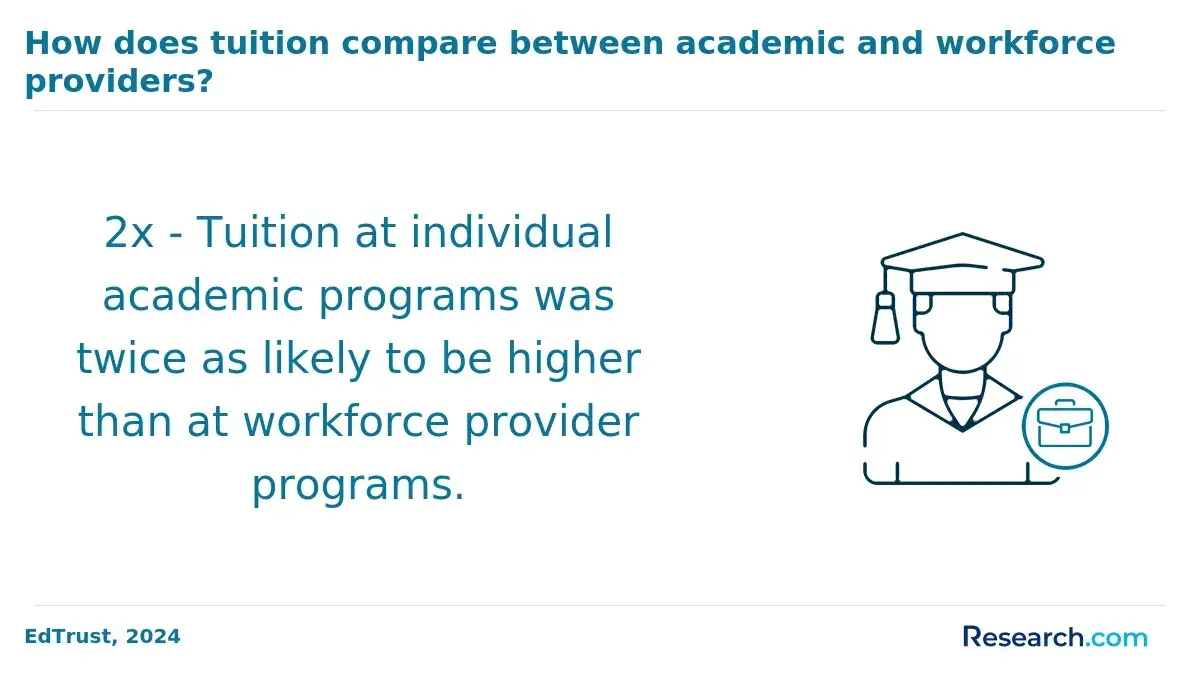
Estimating costs is vital for prospective students when comparing online dental assistant programs to ensure they select an option that fits their budget and educational goals. Recent trends show that tuition for dental assistant programs commonly ranges between $3,000 and $15,000, with online programs often falling in the lower to middle part of this range, making affordability an important factor to consider.
Typical expenses for online dental assistant programs include the following:
- Tuition: Tuition is generally charged per credit hour, with rates typically ranging from $150 to $500 depending on the institution. This cost covers access to course materials, online platforms, and faculty instruction, with overall tuition fluctuating based on program length and credit requirements.
- Technology Fees: These fees support the maintenance and enhancement of online learning systems. Charges vary by program but are often mandatory to ensure students can access virtual classrooms and digital resources smoothly.
- Lab and Material Fees: Practical training components may require specialized supplies or equipment, leading to additional costs. These fees cover materials needed for hands-on experiences and can differ widely depending on the program's curriculum.
- Textbooks and Software: Some programs require students to purchase textbooks or specific software separately from tuition, which adds to the total cost. This expense should be anticipated and budgeted for accordingly.
Being aware of these costs helps students budget effectively and avoid unexpected charges. For those interested in healthcare education options, programs like the cheapest online healthcare administration degree provide insight into affordable pathways.
Overall, prospective students seeking the average tuition for dental assistant programs online should carefully evaluate both tuition and ancillary fees to make an informed decision.
What Financial Aid Is Available for Online Dental Assistant Students?
Understanding financial aid options is essential for prospective students considering online dental assistant programs, as costs for tuition and materials can add up quickly. According to recent data, nearly 70% of postsecondary students receive some form of financial aid, highlighting its role in making education more affordable and accessible.
Some key financial aid options exist to help reduce the financial burden of these programs.
- Federal Pell Grants: These need-based grants do not require repayment and are awarded to eligible students demonstrating financial need through the FAFSA application. Pell Grants can significantly lower out-of-pocket costs for tuition and fees.
- Federal Student Loans: Available to most students regardless of financial need, these low-interest loans must be repaid after program completion. They offer flexible repayment plans, allowing students to manage debt responsibly while pursuing their dental assistant training.
- State Grants and Scholarships: Offered in many states, these funds often target residents pursuing healthcare-related careers like dental assisting. Eligibility requirements vary but commonly include maintaining satisfactory academic progress throughout the program.
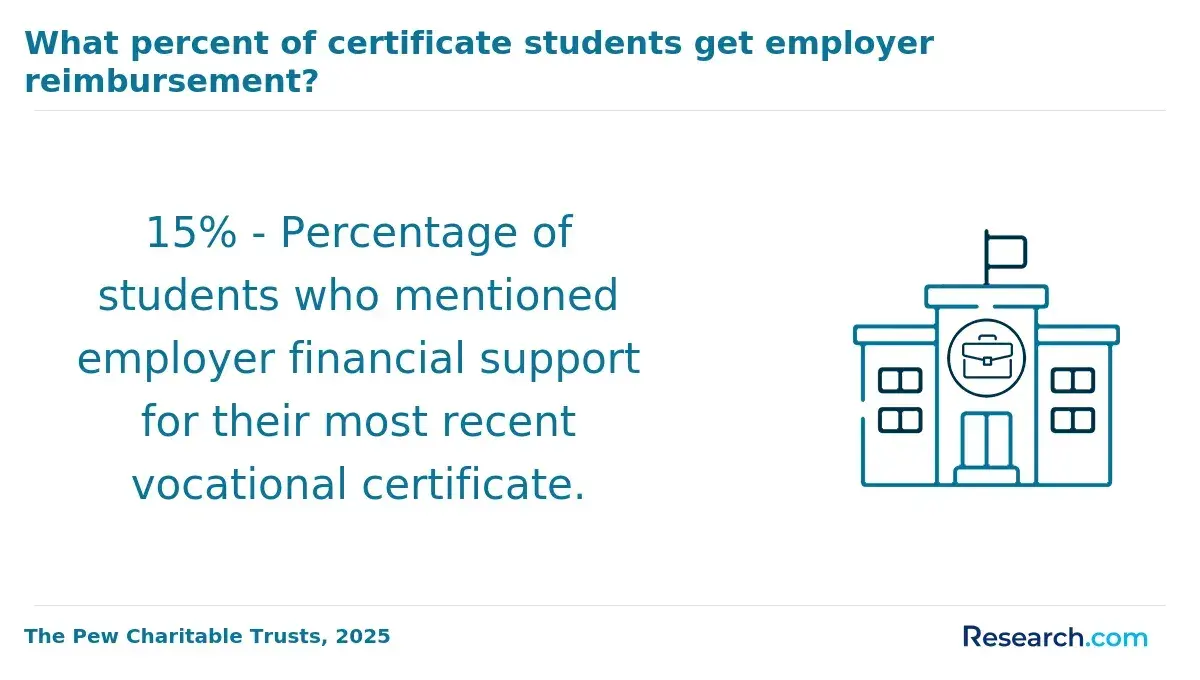
- Institutional Aid: Some online programs provide scholarships or tuition discounts based on merit or financial need, which can lessen the overall cost of education and improve affordability for dental assistant students.
- Work-Study Programs: These federal government-funded part-time jobs enable students to earn money while gaining relevant work experience, helping offset education expenses without increasing debt.
Investigating scholarships and grants for dental assistant students early can help applicants estimate net costs and develop practical financing plans.
For a broader look at affordable healthcare education options, consider reviewing the cheapest DNP programs, which provide insights into cost savings for related fields.
What Jobs Can You Get With an Online Dental Assistant Degree?
Knowing the career opportunities linked to an online dental assistant degree is crucial for students deciding on a program. The employment of dental assistants is expected to grow about 6% over the next decade, reflecting steady demand in the healthcare sector.
Below is an overview of typical roles accessible to graduates.
- Dental Assistant: This entry-level role involves supporting dentists during procedures, preparing instruments, and managing patient records. The degree offers foundational clinical knowledge and administrative skills vital for certification and workplace readiness.
- Orthodontic Assistant: Specialists working alongside orthodontists, focusing on braces and aligners. Graduates can leverage their training to assist with patient care and office tasks, often with opportunities to deepen expertise in orthodontics.
- Coronal Polisher: Professionals who perform prophylactic cleaning to maintain dental health. The online curriculum provides the technical skills required for this specialized function, enhancing job versatility.
- Front Office Coordinator: Combining administrative capabilities with dental knowledge, this role manages appointments, insurance claims, and patient communication. The degree prepares students for such hybrid responsibilities, offering pathways into dental office management.
What Is the Average Salary for Online Dental Assistant Graduates?
Knowing the salary potential is vital for students assessing online dental assistant programs, as it directly influences the overall value of their education. The median annual wage for dental assistants in the U.S. was around $47,300 in recent years.
Several key factors affect the salaries of online dental assistant graduates.
- Level of education: Those who obtain advanced training or additional certifications often have access to higher-paying opportunities. More education can lead to roles with greater responsibility and better compensation.
- Specialization: Dental assistants who focus on areas like orthodontics or oral surgery usually earn more due to the specialized skills and knowledge required in these fields.
- Experience: Starting salaries tend to be modest, but wages typically rise as assistants gain practical experience and demonstrate proficiency in their roles.
- Geographic location: Pay varies significantly depending on where one works; urban centers and states with higher living costs usually offer better salaries compared to rural areas.
- Work setting: Employment in larger clinics, specialty offices, or hospital environments is often associated with higher wages than in smaller general dental practices, reflecting differing demands and resources.
Prospective students should weigh these salary factors alongside program quality and licensure preparation to make informed decisions about their education and career path.
What Graduates Say About Enrolling in an Online Dental Assistant Degree
- Mischa: "The cost-effectiveness of the online dental assistant degree was a major factor in my choice, but the real value was in the hands-on experience I gained through virtual modules and simulations. The program's thoughtful design allowed me to balance study with family life. Since graduating, I've seen a meaningful boost in my dental career prospects, proving the program's worth beyond just price."
- Erick: "Choosing an online dental assistant degree was a practical decision for me. The program's reasonable cost made it accessible, and the comprehensive curriculum exceeded my expectations. Completing this degree online didn't diminish the quality. I gained valuable skills that have already made a significant difference in my professional opportunities."
- Stephanie: "I was initially hesitant about enrolling in an online dental assistant degree because of the cost. However, seeing that the average tuition was much more affordable than traditional programs convinced me to take the leap. The flexibility of the online format allowed me to study while working, and now I feel confident and prepared as I start my new career in dental care."
Other Things You Should Know About Dental Assistant Degrees
Many online dental assistant programs include coursework specifically designed to prepare students for certification exams such as the Certified Dental Assistant (CDA) exam. However, it is important to verify whether the curriculum aligns with the exam content and if the program offers practice tests or review sessions. Confirming this can help ensure you are well-equipped to meet certification requirements after graduation.
Before enrolling in an online dental assistant program in 2027, ask if the curriculum includes a balance of theoretical knowledge and practical skills. Verify if it covers current industry standards and techniques, and ask about any updates reflecting recent advances in dental practices.
By 2026, participating in online dental assistant programs typically requires a reliable internet connection, a computer or tablet meeting specific technical specifications, compatible software for coursework, and possibly access to virtual simulation tools. Confirm specific requirements with each program to ensure your technology aligns with their needs.
References
- Dental Assistant Salary Guide: What Could You Earn? https://www.lincolntech.edu/news/health-sciences/dental-assistant/dental-assistant-salary-guide-what-could-you-earn
- Can You Become a Dental Assistant Online? - American Institute of Dental Assisting https://dentalassistantco.com/blog/can-become-dental-assistant-online/
- Dental Assisting Certificate – Evening Program - NECC https://necc.edu/academics/credit-programs/health/dental-assisting-certificate-evening-program/
- Dental Assisting | NHTI https://catalog.nhti.edu/allied-dental-education/professional-certificate/dental-assisting
- Undergraduate Graphic Design Major - Elms College https://www.elms.edu/online-dental-assistant/
- Olympia Dental Assistant School | Dental Assistant Program https://olympiadentalassistant.com/blog/dental-assisting/6-benefits-to-a-olympia-dental-assistant-certification-program/
- Online Dental Assisting Program | WVJC Online https://www.wvjc.edu/dental-assisting-online/
- Compare Online Dental Assistant Schools with Financial Aid https://www.edumed.org/online-schools/dental-assistant-programs/financial-aid/


