
2027 Sociology vs. Political Science Degree: Explaining the Difference

Co-Founder and Chief Data Scientist
Choosing between sociology and political science usually comes down to the kind of social questions you want to answer. If you want to understand how inequality, culture, families, communities, organizations, and identity shape people’s lives, sociology is usually the closer fit. If you want to study governments, elections, public policy, law, international affairs, and political power, political science is usually the stronger match.
Both degrees build research, writing, analysis, and communication skills. Both can lead to roles in public service, nonprofit work, research, advocacy, education, policy, and graduate study. The difference is the lens: sociology starts with society and social relationships; political science starts with institutions, governance, and public decision-making.
This guide compares sociology and political science degree programs by curriculum, skills, difficulty, cost, and career outcomes so you can choose the major that better matches your interests, strengths, and long-term plans.
Key Points About Pursuing a Sociology vs. Political Science Degree
- Sociology degrees focus on social behavior and structures; Political Science programs emphasize government systems and policy analysis, shaping different career paths in social research versus public administration.
- Average tuition for Sociology and Political Science bachelor's degrees in the US ranges from $20,000 to $35,000 annually, with most programs lasting four years.
- Graduates of Sociology often enter social services or research, while Political Science alumni pursue careers in government, law, or international relations, reflecting distinct professional outcomes.
What are sociology degree programs?
Sociology degree programs examine how people interact within groups, institutions, cultures, and social systems. Students study patterns in areas such as inequality, race and ethnicity, gender, family, education, work, health, crime, migration, religion, and social change. The goal is not simply to describe society, but to understand why social patterns exist and how they affect individuals and communities.
Most undergraduate sociology programs take four years and require the completion of at least 36 credits in the major, though total degree requirements vary by institution. Core courses commonly include sociological theory, research techniques, statistics, and data analysis. Students may then choose electives in areas such as criminology, medical sociology, urban sociology, social movements, or global inequality.
A strong sociology program teaches students how to ask researchable questions, collect evidence, interpret data, and explain complex social issues clearly. Many programs include internships, community-based research, fieldwork, or faculty-led research projects, which can help students connect classroom concepts to real organizations and populations.
Admission requirements usually include a high school diploma or equivalent. Some colleges may also consider grade point average, standardized test results, application essays, prerequisite coursework, or transfer credits. Students comparing programs should look closely at research opportunities, internship access, faculty specializations, online or campus format, and whether the program supports their intended career path.
What are political science degree programs?
Political science degree programs study power, government, public policy, political behavior, law, and international relations. Students learn how political institutions work, how decisions are made, why voters and leaders act as they do, and how policies affect communities, countries, and global systems.
Most bachelor’s programs take four years to complete and combine broad introductory coursework with advanced study in specialized areas. Common subjects include American politics, comparative politics, international relations, political theory, constitutional law, public administration, elections, political institutions, and policy analysis. Many programs also require research methods, analytical writing, and a senior project or thesis.
Undergraduate political science majors often complete around 12 courses or 36 credits in the field, with upper-division requirements depending on the college. Some programs allow students to concentrate in areas such as law and courts, public policy, global politics, political economy, security studies, or campaign politics. Others keep the major broad for students who want flexibility.
Admission standards are generally similar to other bachelor’s programs and may include a high school diploma, standardized test scores, grade point average, essays, and transfer evaluations. Advanced courses may be restricted to students beyond their first year. Students who are considering law school, government service, public administration, diplomacy, campaign work, or policy research often find political science especially relevant.
What are the similarities between sociology degree programs and political science degree programs?
Sociology and political science are both social science majors. They ask evidence-based questions about human behavior, institutions, conflict, inequality, authority, and social change. Students in both fields read theory, evaluate arguments, conduct research, interpret data, and write analytical papers.
The overlap is strongest in programs that emphasize public policy, social research, community development, law, public administration, or social justice. A sociology student may study how poverty affects political participation, while a political science student may study how policy decisions affect poverty. The subject matter can intersect, even when the starting point differs.
- Research training: Both majors teach students to gather, evaluate, and explain evidence using qualitative and quantitative methods.
- Critical thinking: Students learn to question assumptions, compare competing explanations, and separate opinion from supported analysis.
- Writing and communication: Both programs require clear argumentation, research papers, presentations, and policy- or issue-focused writing.
- Social theory and institutions: Students examine how institutions influence people’s opportunities, behavior, and decisions.
- Four-year structure: Both degrees typically follow a four-year undergraduate model, with introductory courses early and more specialized courses later.
- Similar admissions baseline: Admission requirements generally include a high school diploma and may include standardized test scores such as the SAT or ACT.
- Interdisciplinary value: Both majors connect well with economics, history, psychology, public health, criminal justice, communication, and data analytics.
Students who want a flexible route into either field may compare campus, hybrid, and online options. For example, a fast bachelor’s degree online may appeal to learners who want an accelerated format while still building a social science foundation.
What are the differences between sociology degree programs and political science degree programs?
The main difference is focus. Sociology studies society from the ground up: groups, communities, identities, social norms, inequality, and institutions. Political science studies power and governance: states, laws, public policy, elections, political behavior, and international systems.
- Primary questions: Sociology asks how social forces shape people’s lives. Political science asks how power is organized, contested, and used in political systems.
- Typical topics: Sociology often covers inequality, family, culture, deviance, health, education, race, gender, and social movements. Political science often covers government institutions, elections, constitutional law, policy, diplomacy, political theory, and international relations.
- Research emphasis: Sociology frequently uses interviews, surveys, ethnography, case studies, statistical analysis, and community-based research. Political science often uses comparative analysis, policy evaluation, polling data, institutional analysis, case studies, and quantitative models.
- Theoretical foundation: Sociology draws heavily on theories of social structure, culture, interaction, stratification, and institutional change. Political science draws on theories of authority, legitimacy, democracy, justice, conflict, bargaining, and political behavior.
- Career direction: Sociology often connects to social services, research, nonprofit work, public health, human services, community development, and data analysis. Political science often connects to government, law, campaigns, policy research, public administration, advocacy, and international affairs.
- Best fit for students: Sociology may fit students who want to understand social problems and community dynamics. Political science may fit students who want to work with laws, policies, political institutions, or public decision-making.
Neither major is automatically more practical than the other. The better choice depends on the work you want to do, the skills you want to build, and whether you are more motivated by social research or political systems.
What skills do you gain from sociology degree programs vs political science degree programs?
Sociology and political science both develop transferable skills, but they apply those skills to different problems. Sociology trains students to analyze social patterns and lived experiences. Political science trains students to analyze institutions, policies, power, and political behavior.
Skill Outcomes for Sociology Degree Programs
- Quantitative research methods: Students learn to design surveys, interpret statistics, analyze data sets, and identify social trends.
- Qualitative research techniques: Coursework may include interviews, ethnography, observation, case studies, and community-based research.
- Social analysis: Students learn to connect individual experiences to larger systems such as class, race, gender, education, health, and work.
- Analytical writing: Sociology majors practice turning research findings into clear papers, reports, and recommendations.
- Cultural and institutional awareness: Students build a stronger understanding of how norms, organizations, and social structures affect behavior.
Skill Outcomes for Political Science Degree Programs
- Policy analysis: Students learn to evaluate public programs, compare policy options, and explain likely consequences.
- Comparative political analysis: Coursework develops the ability to compare governments, political systems, institutions, and civic behavior across contexts.
- Argumentation and debate: Students learn to build evidence-based arguments about law, policy, rights, public administration, and political strategy.
- Institutional analysis: Political science majors examine how legislatures, courts, executives, agencies, parties, and international organizations operate.
- Political communication: Students practice writing briefs, memos, research papers, speeches, and issue analyses for different audiences.
Both majors can be useful for students who want strong writing, research, and problem-solving skills. Sociology may be the better match if you want to investigate inequality, culture, or community-level change. Political science may be the better match if you want to assess laws, elections, government institutions, or public policy. Students comparing many undergraduate options can also review easy bachelor degrees, but they should judge difficulty by fit, not by title alone.
Which is more difficult, sociology degree programs or political science degree programs?
Neither sociology nor political science is universally harder. The more difficult major depends on your strengths, your program’s expectations, and the kinds of assignments you find challenging. Both fields require extensive reading, research, writing, and analysis, and both can become demanding at the upper-division level.
Sociology can be difficult for students who are uncomfortable with abstract theory, social statistics, qualitative research, or long analytical papers. Courses often require students to connect personal experiences to broad social structures, evaluate research findings, and write carefully about sensitive topics such as inequality, discrimination, poverty, crime, and institutional power.
Political science can be difficult for students who dislike dense theory, legal reasoning, policy analysis, international systems, or formal argumentation. Students may need to compare political institutions, evaluate constitutional issues, interpret election data, write policy briefs, and defend positions in discussion or debate.
Survey data reveal that about 46% of social science professors, including those in sociology and political science, are rated "difficult" by students, which suggests that the academic challenge is comparable across the two areas. A student who enjoys field research and social analysis may find sociology more manageable. A student who enjoys government, law, and policy argument may find political science more natural.
If you are unsure about committing to a four-year path immediately, you may want to explore lower-cost or shorter entry points first, including fastest online associate degree programs that can introduce social science coursework before transfer or major selection.
What are the career outcomes for sociology degree programs vs political science degree programs?
Career outcomes differ because the majors point toward different types of work. Sociology is often broader for social services, community research, nonprofit work, public health, education support, and organizational roles. Political science is often more directly aligned with government, policy, law-related work, campaigns, public administration, and international affairs.
Both degrees are liberal arts and social science credentials, so job outcomes depend heavily on internships, writing samples, data skills, networking, location, and whether the student pursues graduate or professional study. Students who add statistics, data analytics, grant writing, public administration, geographic information systems, legal research, or a foreign language may improve their competitiveness.
Career Outcomes for Sociology Degree Programs
Sociology graduates often work in organizations that study, serve, or advocate for communities. They may enter social services, healthcare organizations, schools, research firms, nonprofits, local government, criminal justice organizations, or human resources. Some roles are available with a bachelor’s degree, while clinical, counseling, academic, or advanced research roles often require graduate education or licensure.
- Social Worker: Supports individuals and families by connecting them with services and resources, often in community or health-related settings.
- Data Analyst: Uses statistical tools to examine social trends, program outcomes, or organizational data.
- Public Health Educator: Develops programs that promote health awareness in communities and schools.
- Community Program Coordinator: Helps plan, deliver, and evaluate services for local populations.
- Research Assistant: Supports survey design, interviews, data collection, literature reviews, and reporting.
Career Outcomes for Political Science Degree Programs
Political science graduates often pursue roles related to government, public policy, advocacy, campaigns, law, international affairs, or public administration. A bachelor’s degree can support entry-level positions, but many higher-level policy, legal, diplomatic, or academic roles require graduate school, law school, or specialized experience.
- Policy Analyst: Researches public issues and evaluates policy options for government agencies, nonprofits, or organizations.
- Legislative Assistant: Supports lawmakers by researching issues, drafting materials, tracking bills, and managing communications.
- Political Consultant: Advises campaigns or advocacy groups on messaging, voter outreach, and strategy.
- Public Affairs Specialist: Communicates policy positions and manages relationships with stakeholders or the public.
- Government Program Associate: Helps administer, monitor, or evaluate public programs.
Students who want community-facing roles, social research, or human services may prefer sociology. Students who want policy, law, campaigns, or government work may prefer political science. If speed and return on investment are major concerns, it can also be useful to compare related short degrees that pay well before committing to a longer academic path.
How much does it cost to pursue sociology degree programs vs political science degree programs?
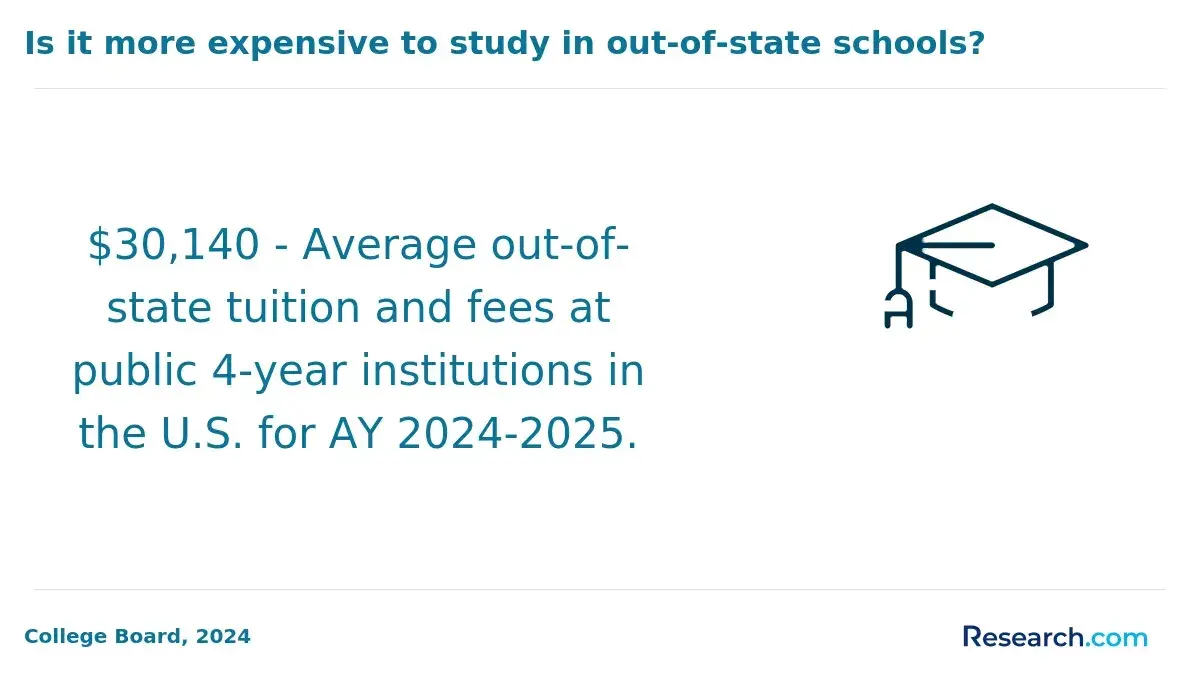
The cost of a sociology or political science degree depends more on the institution than the major. Public versus private status, in-state versus out-of-state residency, online versus campus delivery, transfer credits, housing, fees, books, and financial aid usually make a larger difference than whether the major is sociology or political science.
For sociology, the average annual tuition at public institutions in 2024-2025 is approximately $10,386 for in-state students and $33,173 for out-of-state students. Graduate-level sociology tuition rises to around $11,958 in-state and $27,680 out-of-state. Online sociology degrees may be less expensive in some cases, with some programs charging between $4,162 and $10,500 per year depending on the institution.
Political science tuition generally falls under the broader social sciences category. Undergraduate students at public schools pay about $9,951 in-state and $29,077 out-of-state. Graduate political science tuition averages near $12,004 for in-state and $26,339 for out-of-state students. Select renowned public universities, like UCLA, estimate the annual cost for political science students around $15,023 after factoring in financial aid.
When comparing programs, look beyond posted tuition. Ask whether the school charges online fees, technology fees, lab or course fees, graduation fees, or higher rates for upper-division credits. Also compare housing, transportation, textbooks, required software, internship costs, and lost work hours if you plan to study full time.
Financial aid can change the real cost substantially. Students in both fields may qualify for scholarships, grants, loans, work-study, employer tuition benefits, transfer scholarships, departmental awards, or need-based aid. Before enrolling, review the net price after aid, not only the published tuition rate.
How to Choose Between Sociology Degree Programs and Political Science Degree Programs
Choose sociology if you are most interested in social behavior, inequality, culture, community life, institutions, and research on human groups. Choose political science if you are most interested in government, law, public policy, elections, political power, and international affairs. The right degree is the one that fits both your curiosity and the kind of work you want to do after graduation.
- Start with the questions you enjoy: If you ask why social problems persist or how communities change, sociology may fit. If you ask how laws are made or how governments should act, political science may fit.
- Compare the curriculum: Review required courses, not just the major title. A sociology program with strong statistics may feel different from one focused on fieldwork. A political science program focused on political theory may feel different from one focused on policy analytics.
- Think about research style: Sociology often emphasizes qualitative research, ethnography, interviews, surveys, and social statistics. Political science often emphasizes policy evaluation, institutional analysis, comparative research, polling, and argument-based writing.
- Match the major to your preferred work environment: Sociology may lead toward nonprofits, community organizations, health agencies, education support, and social research. Political science may lead toward government offices, policy organizations, campaigns, law-related settings, and public administration.
- Consider graduate school requirements: Some careers in both fields require advanced education. Law school, public policy programs, social work programs, public health programs, or graduate research degrees may be part of your long-term plan.
- Test both fields early: Take one introductory sociology course and one introductory political science course if possible. The assignments you enjoy more can reveal which major fits your thinking style.
- Check experiential learning: Internships, research assistantships, service learning, and capstone projects can matter as much as course titles when applying for jobs.
- Review job outlook carefully: Social and community service occupations for sociology graduates are projected to grow 10% through 2032, while political science skills remain important for policy and political processes.
If you are balancing school with employment, program format can also influence your decision. Compare transfer policies, asynchronous course availability, internship requirements, and tuition structure. The best affordable online schools for job holders can help working adults identify options that may better fit their schedules.
In practical terms, sociology is usually the better fit for students drawn to social research, community impact, and institutional inequality. Political science is usually the better fit for students drawn to law, governance, policy, campaigns, and public decision-making.
What Graduates Say About Their Degrees in Sociology Degree Programs and Political Science Degree Programs
- : "The sociology degree challenged me academically more than I expected, especially in theory and research methods. Fieldwork with local communities helped me understand social problems in a way textbooks could not. The program gave me practical research and critical thinking skills that prepared me for work in social research and policy development. Grant"
- : "Political science gave me a clearer understanding of how institutions, laws, and public agencies operate. Simulations, policy writing, and internships with government agencies made the coursework demanding but useful. Those experiences helped me build a professional network and prepared me for a role in public administration. Harlan"
- : "I chose sociology because I wanted to study social issues and workplace diversity. The program’s focus on advocacy, community organizations, and real-world applications shaped my career path in nonprofit and community work. Since graduating, I have seen steady income growth and a clearer sense of professional direction. Archer"
Other Things You Should Know About Sociology Degree Programs & Political Science Degree Programs
In 2027, sociology is focused on social behavior, culture, institutions, and the complexities of societal interactions. Political science delves into government systems, political processes, policy analysis, and the theoretical aspects of political structures. Each field examines human perspective, but through different analytical lenses.
Political science is generally considered more directly aligned with law school preparation due to its focus on government, legal systems, and political theory. It covers topics such as constitutional law and public policy, which are relevant for law studies. Sociology can also be beneficial but is less focused on legal frameworks.
In 2027, employers value both political science and sociology degrees, depending on the field. Political science degrees are often sought after in government and policy roles, while sociology degrees are valued in social services and community development. Career prospects are highly dependent on individual career goals and industries.
References
- Sociology vs Political Science: Why I Picked The Former | SmartCasualSG https://smartcasualsg.com/sociology-vs-political-science-why-i-picked-the-former
- Undergraduate: Department of Political Science - Northwestern University https://polisci.northwestern.edu/undergraduate
- Political science explained | Undergraduate Programs | University of Waterloo https://uwaterloo.ca/future-students/missing-manual/applying/political-science-explained
- Where and Why Study Political and Social Sciences? https://www.student.be/en/student-life/where-and-why-study-political-and-social-sciences
- 2025 Most Affordable Online Sociology Degrees https://www.onlineu.com/most-affordable-colleges/sociology-degrees
- What is Political Science? | Department of Political Science | University of Washington https://www.polisci.washington.edu/what-political-science
- 10 Highest Paying Social Science Jobs 2025 (Inc Salaries) | Nexford University https://www.nexford.edu/insights/highest-paying-social-science-jobs
- "Those who Choose Sociology, Political Science, Psychology, or Governance Today cannot Do without IT" https://www.hse.ru/en/our/news/925316096.html
- Sociology and Politics of Science (SPS) https://www.ucl.ac.uk/mathematical-physical-sciences/sts/study/undergraduate-bsc-degrees/sociology-and-politics-science-sps
- Why I Am Majoring in Sociology: Perspectives from 3 current students | Sociology News | Washington State University https://soc.wsu.edu/socnews/why-i-am-majoring-in-sociology-perspectives-from-three-current-students


