2027 Which Physical Education Specializations Have the Best Job Outlook?

Co-Founder and Chief Data Scientist
Graduates with a physical education specialization often face uncertainty when selecting a concentration that ensures strong employment prospects. The challenge, balancing job volume, advancement potential, and geographic accessibility, becomes critical as professionals seek roles offering competitive compensation and meaningful career growth.
For example, specialists in adapted physical education report a median annual salary 15% higher than the general physical education average, reflecting growing demand across diverse settings and states. This article analyzes the physical education specializations with the best job outlook, focusing on evidence-based indicators of opportunity quality, salary trajectories, and credentialing advantages to guide strategic career decisions.
Key Things to Know About the Physical Education Specializations With the Best Job Outlook
- Specializations emphasizing credentials in adaptive physical education show 15% faster job growth, driven by rising demand for inclusive programs and specialized skills in diverse learning environments.
- Careers in sports coaching often provide strong advancement potential, with 20% of graduates moving into athletic administration or performance analysis within five years.
- Geographic accessibility favors physical education specializations aligned with wellness and corporate fitness. These roles are expanding nationwide, offering stable compensation growth above 5% annually.
Which Physical Education Specializations Are Currently Showing the Strongest Employment Growth in the United States?
Recent data from the U.S. Bureau of Labor Statistics highlights several physical education specializations with job growth rates surpassing the national average, offering promising career paths amid evolving societal needs. These trends reflect broader economic and demographic shifts, including an aging population, heightened public health awareness, and technological advances reshaping fitness and rehabilitation sectors.
- Exercise Science Specialists: Demand is rising for experts in exercise physiology and kinesiology as healthcare models increasingly emphasize physical activity in disease prevention and management. Expanding wellness programs and insurance incentives fuel this growth.
- Adaptive Physical Education Teachers: Inclusion-focused educational policies and stronger legal mandates have increased the need for teachers skilled in working with students with disabilities, reflecting demographic and legislative shifts.
- Sports Coaches and Instructors: Youth and amateur sports remain popular, bolstered by an uptrend in digital fitness coaching that merges traditional methods with technology to reach broader audiences.
- Physical Therapy Assistants: Aging demographics drive demand for rehabilitation roles closely aligned with physical education, while innovations in therapy techniques enhance job prospects.
- Health and Wellness Educators: Professionals promoting healthy habits benefit from government public health campaigns and corporate wellness initiatives supporting continued employment expansion.
Each specialization is shaped by distinct market forces, whether technological, demographic, or policy-driven, that together establish a dynamic job market. Students evaluating specialization tracks within physical education programs, recent graduates exploring entry points, and working professionals seeking strategic pivots can position themselves competitively by aligning with these growth areas.
Credentials, networking strategies, and early career moves are crucial to leveraging these opportunities. For those considering further education, options like online MBA programs may provide valuable skills to complement their specialization. The sections ahead delve deeper into what these employment patterns mean for shaping a successful physical education career trajectory.
What Does the Bureau of Labor Statistics Project for Physical Education Specialization Employment Over the Next Decade?
The Bureau of Labor Statistics (BLS) provides detailed employment projections for common physical education specializations, revealing varied growth rates and demand drivers across the field. These projections offer a clear comparison to the national average employment growth rate of 5% for all occupations, highlighting where opportunities in physical education careers are expected to expand most rapidly.
- K-12 Physical Education Teachers: Forecasted to grow about 7% through 2034, slightly outpacing the national average. Growth is fueled by workforce retirements and sustained educational policies focusing on student health and wellness.
- Fitness Trainers and Instructors: Expected to surge approximately 15%, well above average. This expansion reflects increasing public awareness of fitness, aging populations prioritizing active lifestyles, and the rise of corporate wellness initiatives.
- Coaches and Scouts: Projected to grow around 5%, matching the national average. This trend depends on funding in schools and communities, as well as the popularity of amateur and professional sports.
- Recreation Therapists: Anticipated to grow roughly 9%, benefiting from broader acceptance of therapeutic recreation as a complementary health strategy, especially in rehabilitation and senior care settings.
- Postsecondary Physical Education Teachers: Growth is slower, around 3%, due to tighter academic budgets and competition, though steady college enrollment in health and kinesiology programs maintains baseline demand.
These national averages conceal regional variation. Local labor markets may significantly outperform or underperform based on population changes, funding, and health policies. Workforce retirements and legislative mandates on student physical health continue to open roles for qualified educators. Specializing in fitness training or recreation therapy currently offers the strongest long-term employment prospects within this landscape of physical education specialization employment growth in the United States.
Success in securing these roles depends heavily on credentials, networking, and geographic factors. Students and professionals should pursue relevant certifications and engage with professional organizations early, as well as consider geographic accessibility to high-demand regions. For those weighing specialization options, comparing career outlooks for physical education degrees alongside online engineering degree programs can provide insight into fields with robust earnings potential and market demand.
How Do Emerging Technologies and Industry Disruptions Shape Job Demand Across Physical Education Specializations?
New technologies and shifting business risks continue to reshape hiring priorities across specialized fields, changing which technical skills employers value most. As organizations adapt to evolving digital systems, demand often rises for professionals who can respond to rapidly changing industry needs.
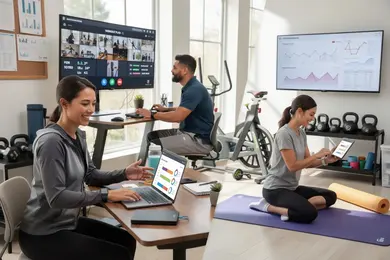
- Digital Health Transformation: The rise of wearable tech and health apps is fueling demand for physical education professionals adept in fitness technology and data analytics. Specialties like exercise science and kinesiology stand to benefit most, as graduates can decode biometric data and craft tailored training plans. Emerging roles, such as digital fitness coach and health data analyst, require blending physical training expertise with technological skills. The World Economic Forum notes these hybrid jobs show above-average growth, driven by increasing emphasis on preventive health and continuous monitoring.
- Artificial Intelligence (AI) Adoption: AI is revolutionizing coaching and rehabilitation by offering predictive insights and personalized performance strategies. Sports science and rehabilitation therapy specialists who master AI tools can improve athlete evaluations and recovery methods. New job titles like AI-assisted rehabilitation specialist and sports performance analyst demand solid knowledge of human movement alongside proficiency with AI-driven software. The McKinsey Global Institute finds that combining core physical education knowledge with AI adaptability elevates job prospects in this sector.
- Clean Energy and Active Transportation Transition: Investment in sustainable mobility and community fitness programs is increasing the need for experts in wellness education and community health. Professionals skilled in designing initiatives promoting active lifestyles aligned with environmental goals find opportunities as wellness coordinators or urban active design consultants. Their grounding in physical education enables them to develop evidence-based programs that synergize public health improvement with climate-conscious urban planning. Government policies on health and sustainability support this sector's expansion.
One professional who graduated with a physical education degree shared how integrating emerging tech shaped his path: "Initially, I felt overwhelmed by how fast wearable tech and AI tools were changing the field. I had to upskill rapidly, learning data analysis and software platforms alongside traditional training concepts."
"It wasn't easy balancing coursework with certifications in digital tools, but adapting proved essential. Now, as a digital fitness coach, I merge personalized programming with tech monitoring, an approach that sets me apart in a competitive market." His experience highlights how resilience and embracing new skills open doors within evolving physical education roles.
Which Physical Education Specializations Offer the Most In-Demand Entry-Level Positions for New Graduates?
Entry-level roles in physical education specializations show notable variety, reflecting demand across sectors like education, healthcare, and wellness. Pinpointing the most frequently advertised job titles helps recent graduates and students focus their job searches on positions offering strong prospects and alignment with their skills.
Below are key entry-level positions tied to specific physical education specializations, highlighting core duties, relevant industries, and career advancement potential.
- Physical Education Teacher: Often recruited by K-12 institutions, this role suits graduates specializing in general or adapted physical education. Responsibilities include crafting age-appropriate curricula, fostering student engagement, and ensuring a safe learning environment. These roles frequently lead to opportunities in senior teaching or administration within school districts.
- Exercise Physiologist Assistant: Found mainly in clinical and wellness contexts, this position supports senior exercise physiologists by conducting fitness assessments and overseeing patient exercise programs. Graduates with concentrations in exercise science or kinesiology often use this position as a stepping stone toward advanced certifications or rehabilitation roles.
- Fitness Trainer/Personal Trainer: Preferred by those focusing on fitness management or sports conditioning, these roles involve developing tailored workout plans and coaching clients in gym or private settings. High demand exists in metropolitan and private wellness facilities, with career trajectories leading to specialized coaching or managerial positions.
- Rehabilitation Aide: Ideal for graduates concentrated in therapeutic exercise or rehabilitation, these healthcare support roles assist physical therapists by preparing treatment areas, monitoring exercises, and maintaining documentation. This job builds experience critical for pursuing licensed therapy credentials.
- Sports Coach (Assistant or Junior): Employed by schools and clubs, this role matches sports coaching or athletic training specializations. It entails assisting with athlete skill development, practice sessions, and competition organization. Entry-level experience here often enables progression to advanced coaching certifications and leadership roles.
- Health and Wellness Coordinator: Entry-level openings in nonprofits or corporate wellness focus on educational initiatives and lifestyle evaluations. Specializing in health education or community health prepares graduates for growth into public health or wellness management careers.
Focusing on these specific entry-level roles, rather than generic field terms, enables job seekers to tailor resumes and applications for better alignment with employer expectations. Enhancing credentials through teaching licenses, nationally recognized trainer certifications, or rehabilitation aide credentials significantly boosts hiring competitiveness.
Strategic networking paired with internships or volunteer involvement strengthens a candidate's position in this competitive landscape. This detailed knowledge of the physical education specializations with the highest entry-level job demand provides a practical framework for early career planning and sustained professional growth.
For those considering additional education to expand opportunities, programs such as a master's in construction management online may offer valuable cross-disciplinary skills applicable in facility and wellness center management roles.
What Salary Trajectory Can Graduates Expect From the Top Five Highest-Growth Physical Education Specializations?
Salary progression within the fastest-growing physical education specializations varies significantly based on experience, credentials, and focus area. Entry-level pay reflects foundational skills, while mid-career earnings benefit from certifications and advanced degrees, and senior roles reward leadership, research, or administrative responsibilities. Geographic and sector factors also influence actual compensation, with higher living costs often corresponding to increased nominal salaries.
- Exercise Physiology: New professionals start between $45,000 and $55,000, advancing to $60,000-$75,000 mid-career with qualifications like ACSM-EP. Senior experts directing research or rehabilitation initiatives may earn $80,000 to $95,000.
- Sports Coaching and Training: Beginners often earn $40,000 to $50,000. With proven track records and certifications such as NASM or CSCS, mid-career salaries rise to $60,000-$75,000. Top coaches in collegiate or pro sports can exceed $90,000, though these figures fluctuate by team status and location.
- Adapted Physical Education: Starting salaries typically range from $42,000 to $53,000. Licensed specialists progress to $65,000-$80,000 mid-career, leveraging expertise in special needs populations. Senior roles focused on administration or advocacy can surpass $85,000, particularly in districts emphasizing inclusive education.
- Kinesiology Research: Entry-level workers earn $50,000 to $60,000, often buoyed by advanced academic credentials. Mid-career practitioners reach $70,000-$85,000, while senior researchers with doctorates and strong publication records can top $100,000.
- Physical Education Administration: Administrators start at $48,000 to $58,000, climbing to $65,000-$80,000 mid-career as they accrue management experience. Leading department heads or program directors may earn between $90,000 and $110,000, reflecting their broad responsibilities.
Reflecting on these trends, a professional who built his career in physical education shared that early years involved navigating certification processes and gaining multifaceted experience, which initially felt overwhelming yet essential. He noted, "Obtaining specialized credentials was challenging but opened doors to more advanced roles."
His gradual salary increases mirrored growing responsibilities and deeper expertise. He emphasized that patience and continuous learning provided the momentum to reach senior positions that offered both financial rewards and meaningful influence within the field.
How Does Geographic Location Influence Job Outlook and Earning Potential Across Physical Education Specializations?
Employment growth and median wages for physical education specializations differ markedly across U.S. regions, with metro areas such as San Francisco, Seattle, and Boston exhibiting the strongest demand. These coastal hubs benefit from dense populations and substantial investment in health and wellness sectors. Meanwhile, the Midwest and Southern states offer steady job growth paired with lower living expenses, attracting those balancing income with quality of life.
- Industry Concentration: Regions housing prominent healthcare systems, collegiate sports programs, and research institutions, like North Carolina's Research Triangle, tend to provide abundant openings for roles in athletic training and kinesiology.
- Population Trends: Aging demographics drive increasing need for rehabilitation experts and adaptive physical education professionals.
- State Policy Incentives: Funding for school wellness programs and tax benefits for health startups spark localized employment growth in certain states.
The rise of remote and hybrid work models has loosened geographic constraints for some specializations, including online fitness coaching and telehealth physical therapy. However, hands-on fields such as athletic training and physical education teaching still require close proximity to schools, clinics, or sports teams.
Aligning career goals with geographic factors is essential. Those aiming for higher salaries and advancement should target metropolitan areas with established athletic and medical industries, while professionals valuing community engagement and affordability might explore growing mid-sized cities with expanding health initiatives.
Which Industries Are Hiring Candidates With Physical Education Specializations at the Highest Rates Right Now?
Industries hiring candidates with specialized degrees are expanding rapidly as employers seek professionals with targeted skills and industry-specific expertise. Understanding which sectors are growing the fastest can help students and career changers identify high-demand opportunities, stronger job security, and better long-term earning potential.
- Education: Schools and higher education institutions consistently lead in hiring candidates with physical education specializations. Positions include physical education teachers, athletic trainers, and adapted physical activity instructors. Entry-level roles often start as teaching assistants or coaches, progressing to lead instructor or athletic director roles. Compensation in this sector generally aligns with the median for physical education fields but varies regionally. Demand is sustained by an ongoing emphasis on student wellness and increasing inclusion of health curricula.
- Healthcare and Rehabilitation: Driven by aging populations and rising awareness of physical therapy's role, this sector is expanding rapidly. Roles include rehabilitation specialists, exercise physiologists, and occupational therapy assistants with physical education backgrounds. Career progression often moves from clinical support to program manager or specialist roles. Salaries here frequently exceed the field median due to specialized skills and certifications required.
- Sports and Fitness Industry: Gyms, sports teams, and wellness centers actively seek physical education specialists as personal trainers, strength coaches, and performance analysts. Fitness trends create cyclical hiring patterns, with entry roles advancing toward senior coaching or management. Compensation can fluctuate, but offers strong potential through commissions and private clients, sometimes surpassing typical physical education salaries.
- Corporate Wellness and Occupational Health: Increasing corporate investment in employee health programs has created openings for physical education specialists as wellness coordinators and ergonomic consultants. Career advancement may lead to director roles in corporate health. Average compensation here is competitive with education careers and benefits from private sector resources, and the employer focuses on health.
- Community and Recreation Services: Local governments and nonprofits hire physical education specialists to design and manage public health initiatives, youth sports, and recreational programs. Roles start as program assistants, advancing to coordinators or directors. Though pay is generally lower than in the private sector, this path offers strong job stability and significant community impact.
Cross-industry experience is a valuable strategy for physical education professionals, building resilience against sector downturns while broadening expertise and salary potential. Skills gained in education can complement roles in healthcare or corporate wellness, creating durable career growth. Evaluating industry growth alongside personal passion ensures specialization choices translate into lasting professional momentum.
What Advanced Certifications or Graduate Credentials Strengthen Job Prospects in Physical Education Specializations?
Advanced certifications and graduate credentials can help candidates stand out in competitive industries by demonstrating specialized knowledge and professional expertise. Exploring which credentials employers value most can help students and professionals improve job prospects.
- Certification: Advanced certifications, such as Certified Strength and Conditioning Specialist (CSCS) or Certified Athletic Trainer (ATC), are highly regarded across multiple physical education specializations. These credentials often lead to higher earning potential, especially in sports performance and rehabilitation fields, and demonstrate specialized expertise that employers prioritize. Pursuing these advanced certifications is a key strategy to boost physical education career prospects.
- Graduate Degrees: Obtaining graduate credentials, boosting physical education job prospects, such as a master's or doctoral degree, can significantly improve advancement opportunities. Examples include a Master of Science in Exercise Physiology or a PhD in Kinesiology, which unlock leadership roles and higher salaries in research, clinical, or academic settings. For those considering graduate education, online options such as the best organizational development master's programs online can offer flexible paths to specialization.
- Licensure: Licensure is mandatory for specializations involving direct health-related services, including physical therapy and occupational therapy. State-specific licenses ensure professional credibility and compliance with regulatory standards, both critical for employability and salary benchmarks. Candidates must thoroughly verify licensing requirements with the relevant state boards.
- Specialized Credentials: Certifications like the Certified Adapted Physical Educator (CAPE) or Pediatric Exercise Specialist enhance career prospects in niche but high-demand sectors of physical education. While these credentials have a narrower focus, they often command competitive salaries within targeted fields.
- Return on Investment: It is crucial to evaluate credentials by considering costs, time, and career benefits. Short-term certifications with strong industry recognition can offer a faster route to employment, whereas graduate degrees generally support sustained long-term advancement despite higher initial investment.
- Verification: Since credentialing standards vary widely by state and employer, aspiring professionals must consult licensing boards or accrediting bodies before committing to any advanced qualification, ensuring their path aligns with their career goals and regional standards.
How Do Remote and Hybrid Work Trends Affect the Job Outlook for Physical Education Specialization Graduates?
Remote and hybrid work trends significantly shape the job outlook for physical education specialization graduates in evolving work environments, especially in areas where digital tools and flexible scheduling boost service delivery. Specializations such as health and wellness coaching, adaptive physical education, and online fitness training have the highest share of remote-eligible positions, according to recent workforce surveys by SHRM and Owl Labs.
These shifts underscore employer priorities toward more flexible arrangements in these growth fields. Key factors driving this flexibility include:
- Talent Scarcity: Employers expand remote options to attract skilled professionals in niche physical education fields where qualified candidates remain limited.
- Workflow Digitization: Telehealth platforms, virtual coaching sessions, and digital fitness monitoring empower physical educators to work effectively from any location.
- Productivity Research: Studies consistently show higher employee output and engagement with hybrid work models, encouraging organizations to sustain or increase remote flexibility.
Financially, location-independent physical education professionals benefit by earning salaries benchmarked to metropolitan markets while residing in lower-cost regions. For example, a remote fitness coach living rurally, earning $60,000 from a New York City employer, gains substantially more purchasing power than local salary norms suggest.
To find remote-friendly physical education roles, job seekers should target listings mentioning telehealth, virtual coaching, or hybrid schedules. Candidates can strengthen their applications by highlighting self-management, digital communication, and adaptability skills honed through internships, certifications, or practical experience. Demonstrating familiarity with platforms like Zoom or health tracking apps also provides a competitive hiring edge.
Graduates who align their skills with remote-compatible physical education specializations access broader opportunities, improved compensation, and enhanced career mobility. For those considering complementary education choices, exploring an electrical engineering degree online admissions can expand interdisciplinary options and career flexibility.
What Role Does Specialization Depth Play in Long-Term Career Growth for Physical Education Professionals?
Specializing in physical education rather than maintaining a generalist approach can markedly boost career prospects by aligning one's expertise with sectors showing rapid growth and enhanced salary potential. Data from the Bureau of Labor Statistics and professional bodies reveal that specialization attracts stronger demand, improved compensation, and clearer advancement opportunities.
- High-Demand Fields: Areas such as adapted physical education, kinesiology, exercise science, sports coaching, and athletic training are experiencing above-average growth and hiring activity.
- Salary Advantages: Specializations tied to technical skills and niche employer needs, like athletic training and exercise physiology, typically offer higher earnings than general physical education roles.
- Timing and Pathways: Early commitment through graduate programs, certification, or focused entry-level roles helps solidify expertise and builds a relevant professional network essential for career momentum.
- Trade-Offs: Deep specialization enhances employability in specific sectors but may reduce flexibility for broader roles. On the other hand, a more generalized knowledge base can support diverse opportunities, but often with slower financial advancement.
- Interest and Strength Alignment: The most sustainable specialization choices balance market demand with authentic personal interest and strengths, ensuring long-term job satisfaction and professional effectiveness.
How Do Public Sector and Private Sector Career Paths Compare in Growth Potential for Physical Education Specializations?
Career paths in physical education diverge significantly between public and private sectors, each shaped by distinct priorities and workplace cultures. Data from the BLS Quarterly Census and public sector reports highlight important differences in salary peaks, job stability, and promotion speeds that affect graduates' long-term trajectories.
- Salary Ceilings: Public sector roles offer stable starting wages with incremental raises tied to government pay scales, but tend to cap at lower maximum salaries.
- Higher Earnings Potential: Private employers in technology, healthcare, and finance often provide greater top-tier compensation that reflects company profitability and market trends.
- Job Security: Government and educational entities deliver reliable employment with comprehensive benefits such as pensions and health coverage.
- Private Sector Volatility: Market-driven private positions may fluctuate more but reward top performers rapidly through bonuses and equity incentives.
- Advancement Timelines: Public sector promotions follow structured schedules based on seniority, offering predictability but slower career growth.
- Performance-Based Growth: Private firms emphasize innovation and leadership, allowing faster advancement for those demonstrating specialized skills.
- Hybrid Roles: New government initiatives and public-private partnerships increasingly create positions blending mission-driven objectives with private sector efficiency, especially in wellness program management.
Graduates should self-assess priorities, whether mission alignment, income, job stability, or autonomy, to choose the sector best matching their career objectives. Success depends more on individual goals and strategic positioning than on any universal rank of opportunity.
What Graduates Say About the Physical Education Specializations With the Best Job Outlook
- Raul: "Graduating with a degree in physical education truly opened my eyes to the vast job volume available in the health and wellness sectors. There are simply more opportunities than I had imagined. What really stood out to me was the strong advancement potential within specialized roles, allowing me to envision a long-term career path. This program equipped me with credentials that gave me a measurable hiring advantage, setting me apart from other candidates early on."
- Elisha: "Looking back, the quality of opportunity after completing my physical education degree was a pleasant surprise. The program's emphasis on geographic accessibility made it feasible to pursue positions in diverse locations, something that mattered a lot to me personally. I appreciate how the coursework combined practical skills with solid theoretical grounding, which helped me confidently step into roles with strong compensation trajectories."
- Michael: "My experience with the physical education specialization was both rigorous and rewarding, especially knowing that the competencies I gained were highly valued by employers. The compensation trajectories in this field reflect the dedication required, which motivated me to work harder and advance quickly. Professionally, this degree not only opened doors but also gave me the tools to grow sustainably in a competitive landscape."
Other Things You Should Know About Physical Education Degrees
Internships provide practical exposure to specialized environments such as adaptive physical education or sports performance training. Early career experiences allow students to apply theoretical knowledge, build professional networks, and develop a portfolio of relevant achievements. These opportunities often lead to job offers or critical industry connections, facilitating entry into competitive roles.
Active participation in professional associations like the Society of Health and Physical Educators (SHAPE America) offers networking events, certification resources, and leadership opportunities. Attending conferences, engaging in online forums, and seeking mentorship programs help professionals stay informed of industry trends and access job openings. Strategic networking supports both skill development and visibility within target specializations.
Entrepreneurship and freelancing, such as personal training, wellness coaching, or sports consulting, expand career possibilities beyond traditional educational settings. These trends offer flexibility and income diversification, appealing to graduates aiming to leverage specialized skills. The growing demand for personalized fitness and rehabilitation services suggests these paths will remain viable and competitive in the coming years.
References
- Top 10 Career Options in Physical Education [ 2025 https://www.foundit.in/career-advice/career-in-physical-education/
- What is the Career Outlook in Physical Education? https://www.sports-management-degrees.com/faq/what-is-the-career-outlook-in-physical-education/
- How Technology is Transforming Physical Education https://sjmars.com/index.php/sjmars/article/view/170
- Career Information https://ahn.mnsu.edu/academic-programs/applied-health-science/health-and-physical-education-bs/career-information/
- Top Certifications for Physical Therapists to Advance Their Careers https://www.getluna.com/blog/physical-therapy-specialties-for-sports-fans
- Career Paths You Can Take with a Physical Education Degree https://www.apu.edu/articles/career-paths-you-can-take-with-a-physical-education-degree/
- Professional career in physical education: a systematic review http://pepsic.bvsalud.org/scielo.php
- 10/8/24: Taking a Look at the Latest U.S. Bureau of Labor Statistics "Career Outlook" Data - Career Schools Private Education Network https://cspen.com/cspen-update-taken-a-look-at-the-latest-u-s-bureau-of-labor-statistics-career-outlook-data/
- The Future of Physical Education 2026: Technology, Strategies, and Trends - PhysednHealth https://www.physednhealth.com/the-future-of-physical-education-2026-technology-strategies-and-trends/
- Adapted Physical Education Specialists — Career Path Guide https://jobcannon.io/careers/adapted-physical-education-specialists