
2027 Certified Nurse Aide (CNA) License Education Requirements in Maryland

Co-Founder and Chief Data Scientist
Pursuing a Certified Nurse Aide (CNA) license in Maryland offers a promising pathway into healthcare, bolstered by a 15% projected growth in CNA employment statewide over the next decade. This demand reflects the essential role CNAs play in patient care, providing both stable employment and opportunities for advancement. Maryland's healthcare system values well-trained CNAs, making licensure a significant step toward a rewarding career.
This article explores the specific education requirements necessary to obtain a CNA license in Maryland. Crafted by experts in career planning, it aims to guide prospective candidates with clear, accurate information to navigate the licensing process confidently and efficiently.
Key Things to Know About CNA License Education Requirements in Maryland
- Maryland requires completion of a state-approved CNA training program with a minimum of 100 hours combining classroom instruction and clinical practice, ensuring comprehensive hands-on patient care skills.
- Applicants must pass the Maryland Nurse Aide Competency Exam, which includes written and practical components to verify both knowledge and proficiency, reflecting state standards.
- Continuing education is pivotal as CNAs in Maryland must renew their license biennially and complete 12 hours of approved in-service training to maintain competence in evolving healthcare protocols.
- What are the education requirements to become a CNA in Maryland?
- What subjects are taught in CNA classes in Maryland?
- What steps are required to get a CNA license in Maryland?
- How long does it take to receive a CNA license in Maryland?
- How often do you need to renew your CNA license in Maryland?
- What continuing education is required for CNAs in Maryland?
- What additional certifications can expand a CNA's career opportunities in Maryland?
- Can out-of-state CNAs transfer their license to Maryland?
- Which employers hire newly certified nurse aides in Maryland?
- What is the average salary for CNAs in Maryland?
- How can CNAs in Maryland advance to higher nursing roles?
What are the education requirements to become a CNA in Maryland?
Formal education and hands-on training are fundamental in shaping competent Certified Nurse Aides (CNAs) who can deliver safe and empathetic care across Maryland's diverse healthcare settings. These structured learning experiences provide the essential knowledge and skills that prepare CNAs to meet the high demands of patient care with confidence and professionalism.
Below are the core requirements that define Certified Nursing Assistant Training in Maryland.
- High School Diploma or GED: A foundational educational credential is required to enter any state-approved CNA program. This ensures that candidates have the baseline academic skills necessary to grasp healthcare concepts and procedures effectively.
- Completion of a State-Approved CNA Training Program: Enrollees must finish a Maryland Board of Nursing validated course combining classroom instruction with practical labs. The curriculum covers essential topics like anatomy, infection control, and patient care ethics, cementing the theoretical and practical elements.
- Clinical Training Requirement: Maryland mandates at least 40 hours of supervised clinical practice in a healthcare facility. This real-world experience is crucial for developing confidence and competence in performing patient care responsibilities under supervision.
- CPR Certification: Obtaining Basic Life Support (BLS) CPR certification, usually through the American Heart Association, is necessary before clinical exposure to ensure readiness for emergencies.
- Medical Clearance and Immunizations: Documentation of immunizations such as MMR, Varicella, Hepatitis B, and COVID-19, as well as a negative tuberculosis test or chest X-ray, protect both CNAs and patients from transmissible diseases.
- Criminal Background Check: A thorough screening ensures the safety and trustworthiness of those entering the healthcare workforce, aligning with state regulations and institutional policies.
- Minimum Age Requirement: Candidates must be at least 18 years old to engage in clinical training and practice, setting a standard consistent with Maryland CNA Education Requirements.
For those considering further advancement in healthcare, exploring how to become a family nurse practitioner fast can be a valuable next step in their professional journey.
What subjects are taught in CNA classes in Maryland?
CNA training programs in Maryland are thoughtfully structured to provide students with the essential knowledge and practical skills required to deliver compassionate, effective patient care. By combining classroom learning with hands-on clinical experience, these programs prepare individuals to meet the diverse needs of patients in various healthcare settings. Understanding the CNA curriculum Maryland helps prospective students focus on the vital subjects that form the backbone of their education.
Below are the core areas typically covered in certified nursing assistant courses Maryland:
- Role of the Certified Nursing Assistant: This subject grounds students in their professional duties, clarifying their place within the healthcare team. It stresses the importance of professionalism, clear boundaries, and the CNA's responsibilities in different care environments.
- Infection Control: Training emphasizes preventing disease transmission through hygiene protocols, use of protective gear, and understanding contamination risks. Mastery of these concepts safeguards both patients and caregivers in all care settings.
- Safety and Emergency Procedures: Students learn to identify hazards, apply fall prevention strategies, and respond competently to emergencies such as choking. This knowledge is crucial for maintaining a secure environment and protecting patient well-being.
- Basic Anatomy and Physiology: This foundational area provides insight into body systems and how illness impacts health. Such understanding enhances a CNA's ability to observe changes in patient conditions and communicate effectively with the healthcare team.
- Mobility and Positioning: Proper techniques for moving patients safely, assisting with ambulation, and preventing pressure sores are covered. These skills protect both the patient from injury and the caregiver from strain.
- Data Collection and Vital Signs: Accurate measurement and recording of vital signs like pulse and blood pressure are taught in detail. This competence is vital for monitoring patient status and alerting staff to potential issues.
- Communication and Interpersonal Relations: Effective communication techniques foster trust and understanding with patients and colleagues. Students develop skills to listen actively, respect cultural differences, and advocate for patient needs.
- Legal and Ethical Considerations: Essential principles such as patient rights, confidentiality, and professional boundaries are explored. This knowledge helps CNAs navigate complex ethical situations and uphold legal standards.
Those considering career advancement may also find it helpful to learn how long does it take to become a womens health nurse practitioner, which offers insight into further nursing roles beyond the CNA level.
What steps are required to get a CNA license in Maryland?
Completing the CNA licensing process in Maryland is essential to ensure caregivers possess the knowledge and skills necessary to provide safe, compassionate care. This process balances rigorous training with careful screening to uphold both professional integrity and patient safety.
The following steps illustrate the pathway to becoming a licensed CNA in Maryland.
- Complete a State-Approved Training Program: This foundational step involves enrolling in a program recognized by the Maryland Board of Nursing, where candidates receive comprehensive instruction combining classroom lessons and hands-on clinical practice. Such training equips future CNAs with the essential skills needed to perform caregiving duties effectively.
- Pass the CNA Competency Exam: After training, candidates must demonstrate their proficiency by passing an exam that assesses both practical and theoretical abilities. This ensures that all certified CNAs meet the minimum standards required to deliver high-quality patient care.
- Undergo a Criminal Background Check: Patient safety is paramount, and Maryland requires criminal background screening to prevent individuals with disqualifying histories from entering healthcare roles. This step protects vulnerable populations and fosters trust in the caregiving workforce.
- Apply for State Certification: Candidates submit proof of completed training, exam results, and background check clearance to the Maryland Board of Nursing. Receiving certification legally authorizes individuals to work as CNAs and marks their formal entry into the profession.
How long does it take to receive a CNA license in Maryland?
The total timeline to receive a Certified Nurse Aide (CNA) license in Maryland can vary considerably, influenced by several factors such as the length of the required training program, scheduling availability for the certification exam, and the state's processing times for background checks and licensure applications. These elements, while often predictable, can sometimes introduce unexpected delays that lengthen the overall timeframe.
Typically, candidates complete a state-approved training program that includes a mix of clinical experience, lecture, and lab hours, often finishing within six to eight weeks on a full-time schedule. Following training, registration for the National Nurse Aide Assessment Program exam must be made through the designated testing provider, where available exam dates can range from soon after registration to several weeks out. Successfully passing the exam leads candidates to submit their materials to the Maryland Board of Nursing, which usually processes applications within a few business days. On average, this entire journey-from enrollment to official licensure-takes between two to three months. However, limitations in testing availability or extended background check reviews can extend this process further, emphasizing the importance of timely and accurate submissions to avoid unnecessary delays.
When I spoke with a certified nurse aide who graduated from a local Maryland school, he shared how the process felt both rigorous and illuminating. "The classroom and clinical hours went by quickly, but I hadn't anticipated how much patience the waiting for the exam date and background check would require," he recalled. "I was eager to start working, yet understood how each step was necessary. Receiving that official license after nearly three months brought a deep sense of accomplishment." His experience highlights the value of preparation and persistence during the licensing journey in Maryland.
How often do you need to renew your CNA license in Maryland?
Renewing your Certified Nurse Aide (CNA) license in Maryland is essential to maintain certification, demonstrate ongoing competency, and comply with the state's healthcare standards. Staying current with the Maryland CNA certification renewal schedule not only protects your ability to work but also ensures that you continue to provide safe and effective care. Below are key details to guide you through the renewal process.
- Renewal Frequency: Maryland requires CNAs to renew their license every two years. This biennial renewal helps maintain professional standards and keeps nursing assistants actively engaged in their field.
- Renewal Deadlines: You must renew your license within 90 days before or up to 30 days after its expiration date. Missing this window may result in inactive status, which restricts your ability to work until reactivation.
- Renewal Fees: The standard renewal fee is $40. Late renewals or special conditions can lead to additional fees, such as a $25 charge for certain short-term expired licenses.
- Minimum Work Hours: Eligibility for renewal requires proof of at least 16 hours of compensated employment as a nursing assistant during the two years preceding renewal. Documentation like pay stubs or W-2 forms is necessary to verify this work.
- Continuing Education: Unlike other nursing professions, Maryland CNAs currently do not need to complete continuing education units for renewal. The focus remains primarily on maintaining active employment and registry status.
- Renewal Process: Renewals are submitted online through the Maryland Board of Nursing's system. This streamlined process no longer requires approval from a supervising RN, allowing for faster and more efficient renewals.
- Background Checks: Certain renewal periods require a criminal history records check. These checks must be completed and documentation submitted with your application to comply with state regulations.
- Inactive Status and Reinstatement: If your CNA license becomes inactive due to non-renewal, you cannot legally work until it is reactivated. For lapses over one year, contact the Certification Renewals Department, and for lapses over two years, retaking the CNA exam may be necessary.
For those exploring career advancement, considering the best 12 month FNP program may be a valuable step after sustaining active CNA certification and experience.
What continuing education is required for CNAs in Maryland?
Continuing education plays a vital role for CNAs in Maryland by helping them renew their certified nursing assistant license Maryland and refine the skills necessary to provide compassionate, competent care. Staying current with healthcare practices ensures CNAs remain effective in rapidly changing environments, ultimately benefiting patient safety and treatment quality.
Below are key aspects of CNA continuing education requirements in Maryland to keep in mind.
- Required Hours: Maryland does not specify a fixed number of continuing education hours for CNA certification renewal. Instead, CNAs must complete an approved training program initially and successfully pass a competency evaluation to maintain their license, emphasizing skill retention over routine continuing education hours.
- Approved Training Topics: Core subjects include fundamental patient care, infection control, disease processes, and safety protocols. These topics form the backbone of CNA training and are integrated into certification preparation rather than periodic education.
- Course Formats: Effective CNA training combines classroom instruction with clinical practice, providing hands-on experience crucial to mastery. While some theoretical components might be available online, Maryland stresses supervised in-person clinical training to build real-world competency.
- Recordkeeping Expectations: CNAs must keep thorough records of their certification status and completed training, although specific continuing education recordkeeping requirements are not detailed. Maintaining proof of certification readiness ensures compliance during license renewal.
Those interested in exploring options for advancing their nursing credentials might find the list of easiest online MSN programs to get into a helpful resource for planning further education.
What additional certifications can expand a CNA's career opportunities in Maryland?
Obtaining additional healthcare certifications can augment a CNA’s qualifications and open doors to broader responsibilities within clinical settings. Specialized training in areas like patient management, administrative procedures, or targeted clinical skills enables practitioners to diversify their expertise and meet evolving industry demands. Candidates looking to extend their scope and competitive edge may consider programs that offer a blend of clinical practice and administrative insight. For structured guidance on this pathway, refer to how to become a medical assistant in Maryland.
Can out-of-state CNAs transfer their license to Maryland?
Maryland welcomes certified nurse aides (CNAs) from other states to transfer their licenses through a process called reciprocity or endorsement. To qualify, CNAs must hold an active certification in good standing, free from disciplinary actions, and provide verification from their original state's nurse aide registry. Applicants must also pass a criminal background check conducted by Maryland authorities. This streamlined process recognizes out-of-state qualifications without requiring retaking the CNA exam, making it accessible for those relocating.
To transfer a license, CNAs submit a completed endorsement application, provide proof of certification, a photo ID, and pay a $20 processing fee. Employment verification or recent CNA work may be required. Processing time can vary, often lasting several weeks to months depending on documentation and agency response. This makes planning ahead essential for a smooth transition into Maryland's healthcare workforce.
An experienced Maryland CNA, who graduated locally, shared how the transfer process felt both challenging and rewarding. She explained, "Navigating the paperwork required persistence, especially getting verification from my previous state. Once everything was submitted, waiting was the hardest part, but the clear instructions helped me stay organized." Her journey reflects the balance of thorough regulation and opportunity Maryland offers to out-of-state CNAs seeking to continue their careers here.
Which employers hire newly certified nurse aides in Maryland?
Newly certified nurse aides in Maryland can find employment in a variety of healthcare settings that involve direct patient care and supporting licensed nurses. The demand for entry-level CNAs remains strong across multiple types of facilities due to the ongoing need for quality long-term and acute care driven by an aging population and increased focus on patient-centered services.
- Hospitals: CNAs in hospitals assist with vital signs, meal support, and basic hygiene, while aiding nurses during medical procedures. Hospitals frequently hire new CNAs to staff critical departments like emergency and pediatric care where diverse patient needs require reliable support.
- Nursing Homes and Long-Term Care Facilities: These employers often have the highest demand for CNAs, who provide daily living assistance, medication reminders, and emotional care. High turnover rates in this sector create numerous opportunities for newly certified aides to gain valuable experience.
- Assisted Living Communities: CNAs help residents maintain independence by assisting with bathing, dressing, and eating, while closely monitoring health changes. These communities rely on new CNAs to offer compassionate, routine care that supports residents' wellbeing.
- Home Health Agencies: Providing care in patients' homes, home health CNAs perform daily living assistance and basic medical tasks under nurse supervision. Agencies favor hiring new CNAs due to flexible scheduling and the opportunity for personalized, one-on-one care.
- Rehabilitation Centers: CNAs support patients recovering physical abilities by aiding therapy exercises, daily activities, and emotional encouragement. These centers seek new CNAs to help patients regain independence and meet therapeutic goals.
What is the average salary for CNAs in Maryland?
Certified nurse aide salaries in Maryland vary notably based on experience, employer type, and geographic location. Gaining insight into these salary trends is crucial for CNAs as they assess job opportunities and plan their career development. Below are important key points that shed light on CNA salary in Maryland and offer a clearer picture of what one can expect in this field.
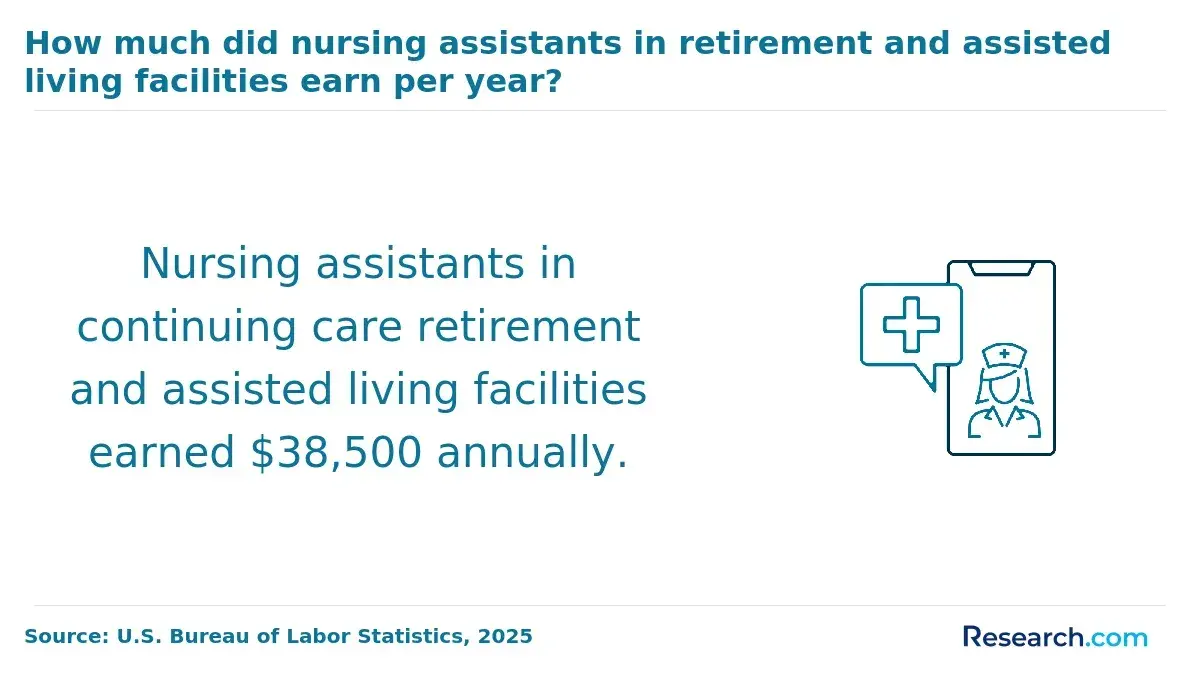
- Average Annual and Hourly Pay: The average Maryland CNA wages hover around $38,187 annually, which is about $18.36 per hour. Most CNAs earn between $34,817 and $42,222, reflecting a reasonable range influenced by differing roles and settings.
- Pay Variation by Experience Level: Experience greatly impacts earnings. Entry-level CNAs start on the lower end, but those with over ten years of expertise can make approximately $22.39 hourly, surpassing many early-career salaries in the state.
- Differences Across Healthcare Facilities: Hospitals typically offer higher pay, with median salaries near $40,170 nationwide. Skilled nursing facilities and assisted living communities in Maryland usually offer slightly less, while home health and private duty roles tend toward the lower end around $35,350 annually.
- Regional Pay Trends Within Maryland: Urban centers like Baltimore, Annapolis, and Ellicott City often provide higher wages due to demand and cost of living, with hourly rates ranging roughly from $17.50 to $22.50, depending on employer and responsibilities.
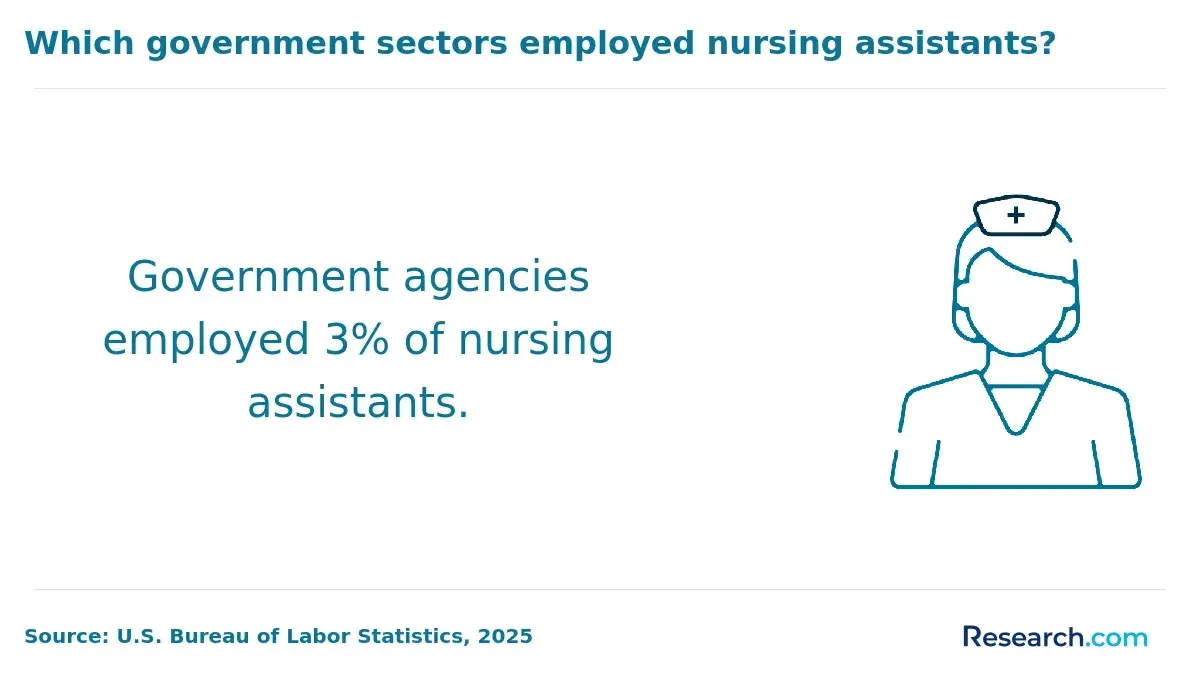
- Additional Factors Influencing Earnings: Shift differentials, overtime, bonuses, union presence, and expanded certifications can enhance pay. CNAs working for government facilities frequently earn more, with some national averages reaching $43,410 annually. For those exploring broader medical career options, examining nurse practitioner vs physician assistant which is better might also provide valuable context.
How can CNAs in Maryland advance to higher nursing roles?
Many certified nurse aides (CNAs) in Maryland leverage their foundational healthcare experience as a stepping stone toward more advanced nursing roles. Progressing in nursing usually requires additional education, certifications, and supervised clinical training to build specialized skills and expand responsibilities.
The following outlines common career advancement pathways available to CNAs in Maryland.
What Do CNAs in Maryland Say About Their Career?
Completing my CNA program at Chesapeake Health Academy was a pivotal moment in my life. The hands-on training prepared me to confidently support both students and staff in our local school, where I started my career. Maryland's diverse community offers unique challenges, but it also provides an incredible opportunity to make a real difference in the lives of young people. Being part of their daily care and academic environment has given me a deeper sense of purpose and fulfillment. Pursuing this path has truly been rewarding on both a personal and professional level. — Aisha
Finishing my CNA certification through the Harborview Training Center opened doors to a stable and meaningful career in my local school's health services. The program was intensive but incredibly thorough, and now I'm able to assist students with medical needs in a place that feels like a second home. Maryland's strong support for healthcare careers means there's always room to grow and advance, which motivates me every day. It's fulfilling to know I'm helping foster a safe and healthy learning environment for our children. — Desiree
Attending the Bay State Care Academy allowed me to develop the skills I needed to thrive as a certified nurse aide. Starting work in a local school introduced me to a vibrant community where my role extends beyond healthcare-I actively contribute to the well-being and academic success of students. Maryland's rich cultural diversity and resources make this job both challenging and rewarding, offering continuous professional development opportunities. I've grown immensely, gaining not just medical expertise but also invaluable interpersonal skills. — Leila
Related Articles for Nearby States
- 2027 Certified Nurse Aide (CNA) License Education Requirements in Virginia
- 2027 Certified Nurse Aide (CNA) License Education Requirements in West Virginia
- 2027 Certified Nurse Aide (CNA) License Education Requirements in Pennsylvania
- 2027 Certified Nurse Aide (CNA) License Education Requirements in Delaware
- 2027 Certified Nurse Aide (CNA) License Education Requirements in New Jersey
- 2027 Certified Nurse Aide (CNA) License Education Requirements in New York
- 2027 Certified Nurse Aide (CNA) License Education Requirements in Ohio
- 2027 Certified Nurse Aide (CNA) License Education Requirements in North Carolina
- 2027 Certified Nurse Aide (CNA) License Education Requirements in Kentucky
- 2027 Certified Nurse Aide (CNA) License Education Requirements in Connecticut
References:
- Certified Nursing Assistant ( CNA) / Geriatric Nursing Assistant Program (GNA) | Montgomery College, Maryland https://www.montgomerycollege.edu/workforce-development-continuing-education/health-sciences/cna-gna/index.html
- Maryland Department of Health On-Line License & Certification Renewal Login https://health.maryland.gov/mbon/pages/olrenew-siteselect.aspx
- Im being denied my CNA Licence because of a misdemeanor of theft - Legal Answers https://www.avvo.com/legal-answers/im-being-denied-my-cna-licence-because-of-a-misdem-1763995.html
- Travel Nursing: How to Transfer CNA License to Another State https://www.careerstaff.com/clinician-life-blog/how-to-transfer-your-cna-license-to-another-state/
- Certified Nursing Assistant Frequently Asked Questions https://www.pgcc.edu/go/cna/certified-nursing-assistant-frequently-asked-questions/
- How to Reinstate Your CNA License — 2025 Guide https://www.cnalicense.org/reinstatement/
- What Are the Free CNA Reciprocity States? | IntelyCare https://www.intelycare.com/career-advice/what-are-the-free-cna-reciprocity-states/
- The CNA Academy at Adventist HealthCare | Maryland https://www.adventisthealthcare.com/careers/cna-academy/
- Certified Nursing Assistant (CNA) Courses | Hagerstown Community College https://www.hagerstowncc.edu/certified-nursing-assistant-cna-courses
- How to Become an ACNA in Maryland | Dreambound https://dreambound.com/blog/how-to-become-an-acna-in-maryland
Other Things You Should Know About Becoming a Certified Nurse Aide (CNA) in Maryland
To obtain a CNA license in Maryland in 2027, applicants must complete a state-approved nursing assistant training program comprising at least 100 hours of training. This includes 40 hours of classroom instruction and 60 hours of clinical practice. After training, candidates must pass both the written and skills competency exams.
In 2026, CNA training programs in Maryland typically cost between $500 and $1,500. This price range can vary depending on the institution, including community colleges and private schools, covering tuition, textbooks, and related materials. Financial aid and payment plans may be available to help manage costs.


