
2027 How to Become a Caregiver: Certification Requirements in Arizona

Co-Founder and Chief Data Scientist
Arizona’s caregiver workforce is growing rapidly, with employment projected to increase by over 20% through 2030. This surge reflects the state’s aging population and rising demand for compassionate, qualified caregivers. Pursuing a caregiving career in Arizona offers steady job opportunities and meaningful impact on community health. Certification ensures caregivers meet essential skills and regulatory standards, enhancing professional credibility and career growth.
This article explores Arizona’s specific certification requirements, training pathways, and practical steps to become a licensed caregiver. Crafted by career planning experts, it guides readers through complexities, empowering informed decisions toward a rewarding caregiving profession.
Key Things to Know About Becoming a Caregiver in Arizona
- Complete a state-approved training program of at least 40 hours covering essential caregiving skills and Arizona-specific regulations.
- Pass a criminal background check and submit fingerprints to ensure safety and compliance within the caregiver workforce.
- Register with Arizona’s Department of Economic Security to receive certification and access ongoing education opportunities essential for career growth.
- What education is required to become a certified caregiver in Arizona?
- How many training hours are required for caregiver certification in Arizona?
- What topics are covered in caregiver training programs in Arizona?
- Is there a state exam for caregiver certification in Arizona?
- How do you apply for caregiver certification in Arizona?
- How much does it cost to get caregiver certification in Arizona?
- How often do you need to renew caregiver certification in Arizona?
- What advanced career opportunities can caregiver certification lead to in Arizona?
- What continuing education is required for caregivers in Arizona?
- What is the salary for certified caregivers in Arizona?
- What jobs can you get with caregiver certification in Arizona?
What education is required to become a certified caregiver in Arizona?
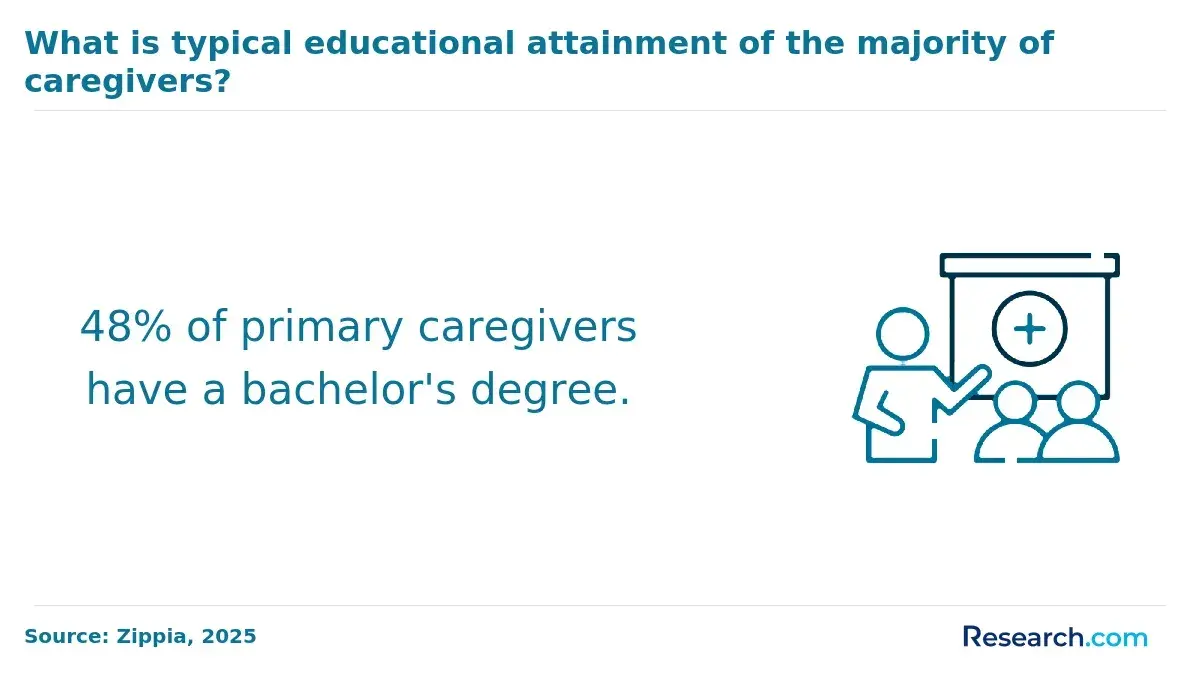
Meeting the education requirements to become a caregiver in Arizona sets a solid foundation for anyone eager to thrive in this growing field. The following points highlight the essential educational and regulatory milestones needed before exploring the broader Arizona caregiver training program requirements. Becoming certified calls for more than just passion; it demands clear educational criteria that ensure quality and safety in care environments.
- Minimum Educational Attainment: At least a high school diploma or GED is mandatory, providing caregivers with basic literacy and communication skills crucial for effective client interaction.
- Background Verification: While not strictly educational, proof of legal work status and passing a fingerprint clearance background check are imposed by law to safeguard vulnerable populations.
- English Proficiency: Adequate command of English is necessary to understand care plans, communicate with clients, and follow safety protocols, ensuring smooth coordination in care settings.
- Proof of Age: A minimum age of 18, verified with official ID such as a driver’s license, confirms readiness and responsibility for caregiver duties.
For those curious about how education requirements blend with subsequent training, it’s worth exploring how long is a medical billing and coding program as a related example of structured healthcare education paths. Incorporating these education requirements for caregiver certification in Arizona into one’s career plan ensures alignment with state regulations and prepares individuals to meet the increasing demand for caregiving professionals. Understanding Arizona caregiver training program requirements is the next step once these foundational qualifications are satisfied.
How many training hours are required for caregiver certification in Arizona?
Training hours form the backbone of caregiver certification, equipping individuals with essential knowledge and practical skills to deliver safe, compassionate care. This structured preparation ensures caregivers are well-versed in critical topics and ready to meet the challenges of working with vulnerable adults. Arizona mandates 62 total training hours for caregiver certification, carefully divided to balance theoretical learning with hands-on experience.
- Classroom Instruction (typically 42 hours): This segment immerses students in core subjects like legal and ethical standards, communication techniques, infection control, and safety protocols. Delivered through lectures and interactive discussions, students take chapter tests requiring a passing score (usually 80%) to demonstrate understanding.
- Online or eLearning Modules (typically 20 hours): Offering flexible study options, these modules complement classroom lessons with digital resources, quizzes, and review materials. This component helps reinforce knowledge at the student’s own pace while ensuring all state-mandated topics are covered thoroughly.
- Hands-On Skills Lab or In-Person Training (up to 12 hours, program-dependent): Practical training allows students to directly practice caregiving skills such as patient support and emergency responses under supervision. This vital experience cultivates real-world competencies beyond theoretical instruction.
What topics are covered in caregiver training programs in Arizona?
Caregiver training in Arizona lays the foundation for providing compassionate and effective support to those in assisted living or home care environments. This training not only ensures quality care but also boosts caregiver confidence by covering a wide range of essential skills and knowledge areas. The carefully structured Arizona caregiver certification curriculum is designed to prepare caregivers for the realities and responsibilities of their role.
- Orientation and Levels of Care: This topic introduces caregivers to assisted living settings, clarifying the different care levels and how they affect resident well-being.
- Legal and Ethical Issues & Resident Rights: Covers vital aspects of confidentiality, HIPAA compliance, ethical duties, and upholding residents’ rights to privacy and dignity.
- Effective Communication Skills: Focuses on building verbal and non-verbal communication techniques to interact empathetically and clearly with residents, families, and healthcare teams.
- Resident Service Planning: Teaches how to create and manage individualized care plans addressing physical, emotional, and social needs of residents.
- Infection Control and Standard Precautions: Provides guidelines on hygiene practices, handwashing, personal protective equipment, and stopping infections from spreading.
- Nutrition and Food Preparation: Explains safe food handling, dietary requirements, and adjustments for special nutritional needs of elderly or disabled residents.
- Emergency Care and Disaster Prevention: Prepares caregivers for fire safety, emergency responses, evacuation procedures, and managing medical or environmental crises.
- Homecare Environment and Maintenance: Emphasizes maintaining a clean, safe, and comfortable environment through housekeeping and laundry duties.
- Basic Caregiver Skills: Includes practical tasks such as taking vital signs, bathing, feeding, dressing, observing health changes, and assisting with mobility aids.
- Mental Health and Social Service Needs: Addresses care approaches for residents with mental health challenges, promoting dignity and cultural sensitivity.
- Care for Residents with Cognitive Impairment: Offers strategies for managing dementia and Alzheimer’s, reducing cognitive decline effects through specialized communication and support.
- Basic Restorative Services: Focuses on encouraging self-care, supporting rehabilitation, and assisting with prosthetics and mobility.
- Medication Management: Details safe administration, record-keeping, understanding side effects, and evaluating when medication assistance is necessary.
Aspiring caregivers interested in advancing within Arizona’s healthcare industry can deepen their expertise by exploring related roles and responsibilities, such as what is expected from a medical biller and coder. Incorporating these core caregiver training topics in Arizona helps meet growing demands while ensuring caregivers are fully prepared to provide high-quality care.
Is there a state exam for caregiver certification in Arizona?
Many states implement formal exams for caregiver certification to confirm that individuals have the essential knowledge and skills to deliver safe and effective care. These exams serve to uphold high standards and protect vulnerable populations by ensuring caregivers possess both theoretical understanding and practical competence.
Arizona does require a state exam for caregiver certification. After completing a state-approved training program of about 62 hours—which includes classroom instruction, online learning, and supervised skill development—candidates must pass a written knowledge exam. This exam focuses on key caregiving areas like basic patient care, medication management, dementia support, and ethical practices. The passing score is generally set at 75%, reflecting the need for thorough comprehension of caregiving principles.
The exam is overseen by the Arizona Board of Nursing Care Institution Administrators and Assisted Living Facility Managers and administered through specialists such as D&S Diversified Technologies LLP. While training incorporates in-person skills and shadowing, the official state certification test is strictly written. Beyond the exam, candidates must meet additional criteria including background checks, health screenings, and certifications in CPR, First Aid, and food handling to earn the Arizona Certified Caregiver credential.
How do you apply for caregiver certification in Arizona?
Following the exact steps for caregiver certification in Arizona ensures compliance with state regulations and smooths your path toward becoming a trusted healthcare professional. Meeting these requirements not only protects vulnerable populations but also strengthens your candidacy in a competitive field.
- Verify Eligibility Requirements: Confirm you are at least 18 years old, proficient in English, and hold a high school diploma or equivalent, or meet alternative placement criteria.
- Apply to an Approved Training Program: Enroll in a program sanctioned by Arizona’s Board of Nursing Care Institution Administrators and Assisted Living Facility Managers, available through community colleges or private providers.
- Obtain a Fingerprint Clearance Card: Secure a Level 1 Fingerprint Clearance Card from the Arizona DPS, required before training starts, costing around $67.
- Complete a Criminal Background Check: Submit a signed background check form as part of your registration to ensure a clean record.
- Gather Required Documentation: Prepare photo ID, social security card or affidavit, age proof, I-9 form, immunizations like TB and MMR, and if applicable, a Food Handler’s Card and physical exam results.
- Fulfill Training Requirements: Complete at least 62 hours of state-approved coursework with a minimum of 20 hours hands-on experience in long-term care facilities.
- Obtain CPR and First Aid Certification: Pass CPR and First Aid training, often integrated in your course or available separately for about $105.
- Earn a Food Handler’s Card: If handling meals, complete this certification, usually via an online course with a modest fee.
- Register for and Pass the Certification Exam: Take the Arizona Assisted Living Facility Caregiver Medication Management exam, scoring at least 75%, with a fee near $65.
- Maintain Compliance and Records: Keep copies of all certification and health documents; employers may require additional credentials like a driver’s license if providing transport.
When I spoke with a caregiver from Arizona who graduated from a local school, she described the application process as rewarding yet intricate. “Balancing the paperwork and training hours was challenging,” she shared, recalling how obtaining the fingerprint clearance card and gathering immunization records took unexpected time. She emphasized that the comprehensive training, especially the practical shadowing hours, gave her confidence to face real caregiving situations. “Passing the medication management exam felt like a milestone,” she reflected, noting the importance of staying organized and attentive throughout. Her experience highlights how thorough preparation transforms a sometimes daunting process into a meaningful career step.
How much does it cost to get caregiver certification in Arizona?
Diving into the cost of caregiver certification in Arizona reveals a multifaceted expense structure that every aspiring caregiver should grasp to allocate resources wisely. Each fee, from training to testing, shapes the investment needed to launch a rewarding career path.
Here’s an adventurous breakdown of typical costs and the factors that influence them:
- Training Program Tuition: The core training usually spans 62 hours, costing between $700 and $750, with some institutions offering member discounts dropping the price to around $600.
- Textbooks and Training Materials: Some programs bundle materials into tuition, but if separate, expect an extra $50 to $100 for essential items like manuals and a blood pressure kit.
- Application/Registration Fees: Enrolling involves fees typically ranging from $50 to $200, covering administrative expenses and securing your spot.
- Background Check (Fingerprint Clearance Card): Arizona requires a fingerprint clearance card, which costs about $65 to $75 and is separate from tuition fees.
- TB Test: This required health screening is an additional $25 to $50, depending on location and provider.
- CPR/First Aid Certification: Often necessary for certification, this can be included in training or cost $40 to $60 if obtained independently.
- Food Handler’s Card: Vital for safe food assistance, this card usually costs about $14 in Arizona.
- State Exam Fee: While commonly included in tuition, paying separately usually costs $65 to sit for the certification exam.
- Provider Type and Program Format: Costs fluctuate between private schools, non-profits, and workforce programs; accelerated “bridge” options for CNAs or LNAs range from $175 to $365.
For those curious about related healthcare roles, exploring what is medical billing and what is medical coding offers insight into allied career alternatives within the medical field. Navigating the Arizona caregiver certification program fees with a clear understanding empowers future caregivers to embark confidently on their professional journey.
How often do you need to renew caregiver certification in Arizona?
Certification renewal in Arizona acts as a checkpoint to ensure caregivers stay aligned with the latest standards and regulations. This ongoing process supports not just skill retention but also the overall quality and safety of care provided. Renewals mark a caregiver’s commitment to professionalism while keeping their credentials active and valid within the state’s framework.
Caregivers must renew their certification regularly by submitting an application, paying a license renewal fee, and providing required documents like fingerprint clearance. For those in assisted living facilities, the license remains valid with timely renewals and paperwork. If a renewal is missed and the license expires, Arizona offers pathways for reinstatement, though additional steps or penalties may apply, reflecting the state’s dedication to maintaining a skilled workforce.
What advanced career opportunities can caregiver certification lead to in Arizona?
Building on caregiver certification, professionals can explore a range of progressive roles that enhance both clinical and administrative skills. Diversifying your expertise may open doors to positions in rehabilitation, hospice care, or specialized home health services, with many roles incorporating additional certifications and on-the-job mentorship programs. This trajectory often serves as a stepping stone toward allied healthcare positions, reflecting the evolving demands of the industry. For instance, caregivers interested in expanding their scope of practice can consider pursuing further qualifications and training to transition into roles such as occupational therapy—read more about how to become an occupational therapist in Arizona.
What continuing education is required for caregivers in Arizona?
Continuing education is a cornerstone for caregivers in Arizona, vital to preserving professional expertise, guaranteeing quality care, and meeting strict state regulations. By regularly updating their knowledge and skills, caregivers stay attuned to evolving patient needs and industry standards, which ultimately benefits both caregivers and those they serve.
- Certified Caregivers in Assisted Living: Required to complete a minimum of 12 hours of continuing education units (CEUs) annually, covering topics such as infection control, medication management, dementia care, and regulatory updates.
- Direct Care Workers (DCWs): Must complete 6 hours of relevant continuing education per year, excluding CPR and first aid, with content tailored to the populations served and evolving care techniques.
- Certified Nursing Assistants (CNAs): Expected to complete at least 12 hours of in-service training annually, focusing on client rights, safety, infection control, and client-specific care updates.
A caregiver from Arizona, who graduated from a local caregiving school, shared his reflections on meeting these continuing education demands. He described the balancing act between fulfilling mandatory training hours and managing daily responsibilities, emphasizing how the structured programs helped deepen his understanding of complex care needs. “It wasn’t always easy finding time for the classes,” he noted, “but the variety of delivery methods—online modules, workshops, and in-person sessions—made it manageable and engaging.” His experience underscored that continuous learning is not just a regulatory hurdle but a meaningful journey that enhances confidence and care quality in real-world settings.
What is the salary for certified caregivers in Arizona?
Certified caregiver salaries in Arizona dance around a variety of factors—location, employer type, and the level of certification all play key roles in shaping pay. Urban hotspots and well-established healthcare facilities often offer the most rewarding wages, while smaller or rural employers might present more modest compensation. Stepping up your qualifications can unlock better opportunities and hourly wages, making experience and credentials true game changers.
- Average certified caregiver salary in Arizona: The statewide average annual salary sits at about $39,862 as of September 2025, with most caregivers earning between $36,708 and $43,684.
- Caregiver hourly wage in Arizona: Hourly pay generally ranges from $14.48 to $16.74, though entry-level roles often start near $13/hour and top earners in cities like Phoenix can make up to $19/hour.
- Regional salary highlights: Phoenix and Scottsdale lead the state, with Phoenix averaging $16.74 per hour, while Scottsdale boasts an average annual salary of $32,555, roughly 8% above the state average for licensed caregivers.
- Comparison with national averages: Arizona’s wages align closely with the U.S. average, which typically ranges between $15 and $18 per hour for caregivers, positioning the state comfortably in the national middle ground.
- Salary percentiles: At the 25th percentile, caregivers earn about $32,434, the median is around $35,700, with the 75th percentile at $39,455, and top earners reaching approximately $42,874.
For those seeking to blend caregiving skills with administrative expertise, exploring medical billing and coding online courses cost may be a smart next step on an adventurous career path.
What jobs can you get with caregiver certification in Arizona?
Caregiver certification in Arizona unlocks a variety of rewarding career paths in healthcare and personal support. With this credential, you gain access to diverse roles that offer meaningful work assisting those who need it most. Exploring these options reveals how caregiver jobs in Arizona can suit different skills and interests across multiple settings.
- Home Health Aide: Provide essential support with daily activities like bathing, dressing, meal prep, and medication reminders, usually working independently in clients’ homes under nursing supervision.
- Personal Care Attendant: Assist clients with mobility, hygiene, housekeeping, and companionship within their residence, often helping transport them to appointments and maintaining a safe environment.
- Assisted Living Facility Caregiver: Help residents with personal care, medication, and social interaction in community living settings, collaborating closely with healthcare teams and following facility policies.
- Hospice Aide: Deliver compassionate end-of-life care focusing on comfort, dignity, and emotional support for patients and families, assisting with daily activities under a hospice nurse’s guidance.
- Companion Caregiver: Offer non-medical assistance like companionship, errands, and light household tasks, ideal for those wanting to provide social engagement without medical responsibilities.
- Respite Caregiver: Temporarily relieve primary caregivers by providing short-term care at home or facilities, helping prevent burnout and ensuring continuous support.
- Live-in Caregiver: Provide 24/7 assistance by residing in the client’s home, especially for individuals needing constant supervision or advanced care.
- Direct Care Worker: Work in environments such as adult day centers and group homes, helping with personal care, social activities, and wellness monitoring.
The certified caregiver positions in Phoenix AZ reflect a rapidly growing demand, with many job openings offering flexible schedules and career advancement. For those ready to embark on this path, understanding the requirements to become a certified medical coder and biller can also enhance healthcare career opportunities alongside caregiving roles.
What Do Caregivers in Arizona Say About Their Career
- Completing my caregiver certification at Mesa Community College was a transformative experience. The program’s hands-on approach really prepared me for the realities of working in a local school, where I began my career supporting students with diverse needs. Being able to contribute to the well-being and academic growth of young people in Arizona’s unique desert environment has been incredibly rewarding. This role has also opened doors for professional growth I hadn’t anticipated, giving me confidence to pursue leadership opportunities within education. I love knowing that my work makes a positive impact every day. Reindel
- Enrolling in the caregiver program at Pima Medical Institute gave me the skills to start a fulfilling career in a local academic institution. The job stability and support in Arizona’s education system make this path a sensible choice, especially for someone like me who values community connection. Being a caregiver here means adapting to cultural differences and learning how to meet the needs of students from diverse backgrounds, which has deeply enriched my perspective. It’s a privilege to help students thrive and feel supported both emotionally and academically as part of their journey. Carlos
- My journey began with completing a certified caregiver course at Cochise College, where I discovered my passion for aiding young learners. The experience of working within an academic setting in Arizona has been both challenging and exciting, especially as I navigate the blend of urban and rural environments unique to the state. Professional development opportunities have been abundant, encouraging me to continually improve my skills and build stronger bonds with students and colleagues alike. This career has truly allowed me to make a difference in the community and grow as an empathetic and confident caregiver. Melissa
Related Articles for Nearby States
- 2027 How to Become a Caregiver: Certification Requirements in New Mexico
- 2027 How to Become a Caregiver: Certification Requirements in Nevada
- 2027 How to Become a Caregiver: Certification Requirements in California
- 2027 How to Become a Caregiver: Certification Requirements in Utah
- 2027 How to Become a Caregiver: Certification Requirements in Colorado
- 2027 How to Become a Caregiver: Certification Requirements in Texas
- 2027 How to Become a Caregiver: Certification Requirements in Oklahoma
- 2027 How to Become a Caregiver: Certification Requirements in Kansas
- 2027 How to Become a Caregiver: Certification Requirements in Wyoming
- 2027 How to Become a Caregiver: Certification Requirements in Idaho
References:
- Certified Caregiver Training Program - AZ Job Connection https://www.azjobconnection.gov/etp/public/institution_programs/22586
- Arizona Caregiver Training Requirements - CareAcademy https://careacademy.com/state-requirements/arizona/
- Requirements for a caregiver in the ALF | ALF Regulations Arizona https://alfboss.com/requirements-for-a-caregiver-in-the-alf-az/
- AZ Caregiver Requirements for In-Home Care Professionals https://brightwood.health/az-caregiver-requirements/
- How to Become a Caregiver in AZ — Go Independent? Or Work With a Company? — Home Health Care in Phoenix by All Valley Care https://allvalleycare.com/blog/2021/11/17/how-to-become-a-caregiver-in-az-go-independent-or-work-with-a-company
- Caregiver Certification Course – Assisted Living Training School https://arizonacaregivertraining.net/product/2022-cg-orientation-variation/
- ious about how education requirements blend with subsequent training, it’s worth exploring https://research.com/careers/how-long-is-medical-billing-and-coding-school
- Transfer Your CNA to Arizona | Academy On-Demand https://www.academyon-demand.com/blog/transfer-your-cna-to-arizona
- Travel Nursing: How to Transfer CNA License to Another State https://www.careerstaff.com/clinician-life-blog/how-to-transfer-your-cna-license-to-another-state/
- How to Get Certified in Other States as a Traveling CNA - Marvel Medical Staffing https://marvelmedstaff.com/how-to-transfer-license-as-a-traveling-cna/
Other Things You Should Know About Becoming a Caregiver in Arizona
In 2027, becoming a certified caregiver in Arizona requires completing an approved training program, passing a background check, and securing CPR and First Aid certification. Additionally, applicants must demonstrate skills proficiency through a competency exam.
In 2027, transferring caregiver certification to Arizona involves verifying your credentials, completing an Arizona-specific background check, and registering with Arizona’s caregiver registry. You might also be required to complete additional training to meet state-specific standards before practicing.
Yes, in Arizona, aspiring caregivers must complete a minimum of 62 hours of training, which includes specific modules on topics like elder abuse prevention and first aid. After completing the course, candidates must pass a state-approved competency exam to receive their certification.


